Tarmac
vsAlpe d'Huez
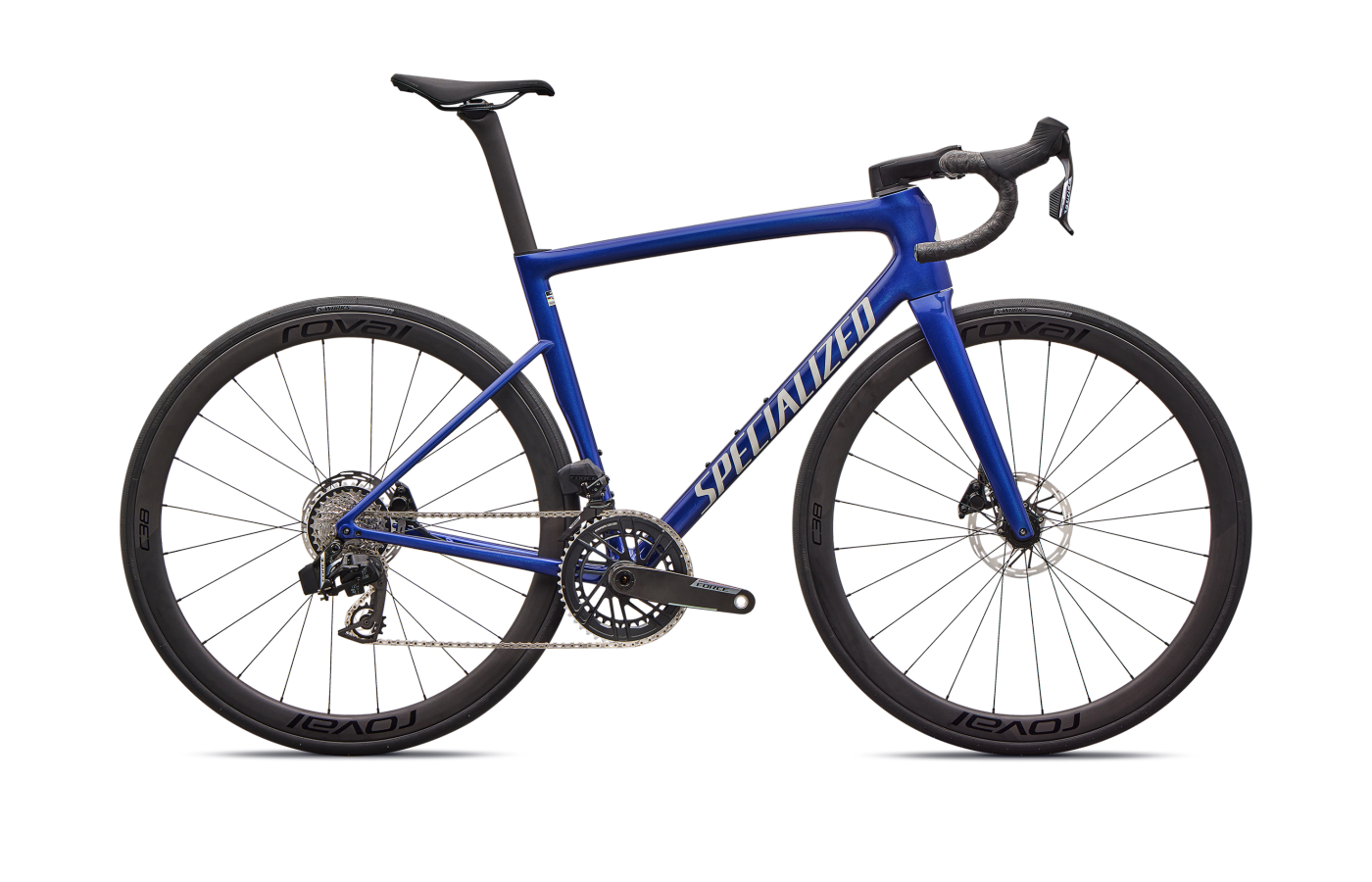
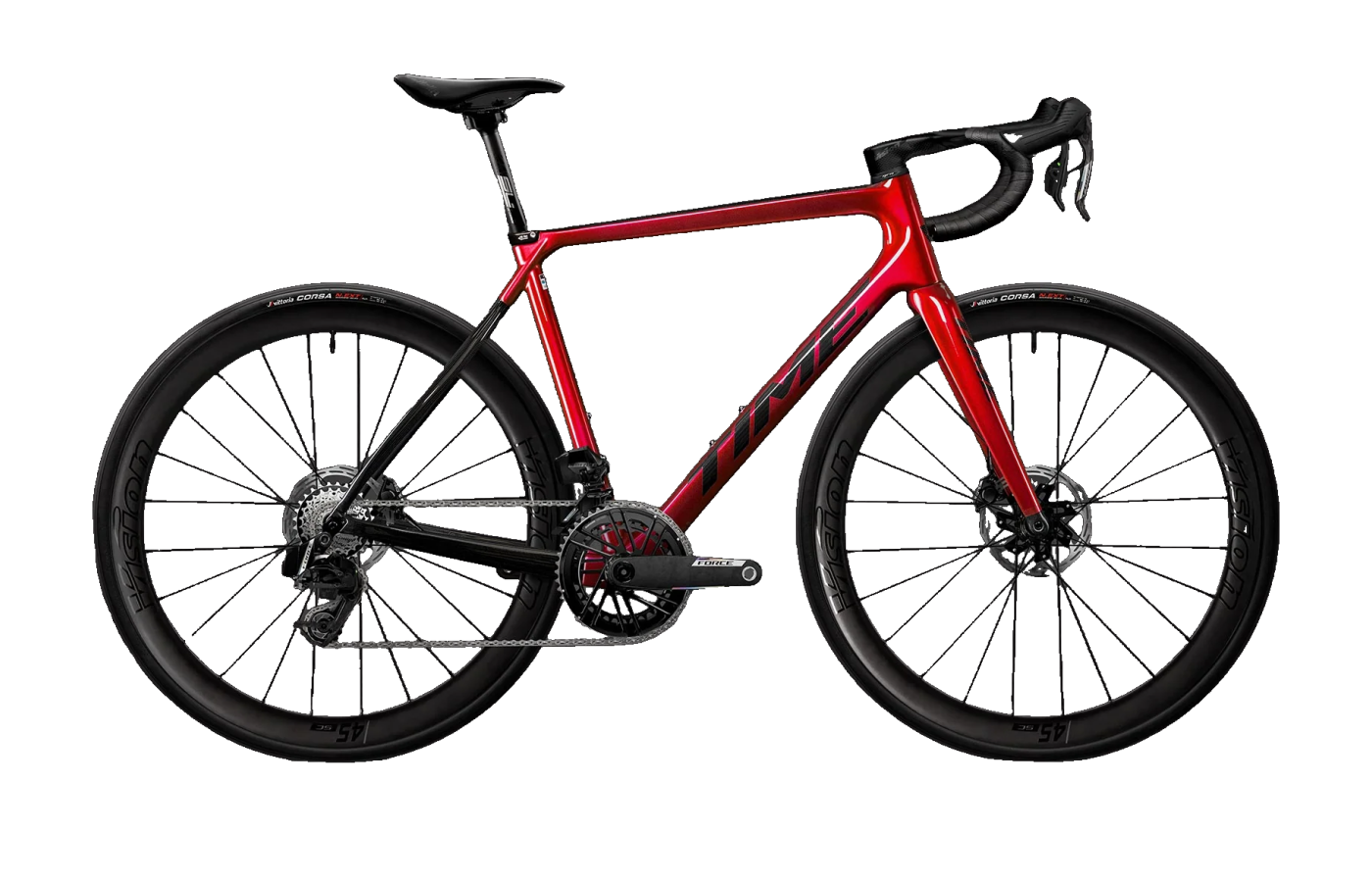
Mass-produced benchmark vs. boutique handmade.
The Tarmac SL8 is the modern do-everything race bike sold by every dealer. The Time Alpe d'Huez is a hand-woven Slovakian frame for riders who want something different.
Tarmac
- Wider build range — $4,699 (Comp) to $13,499 (S-Works), with options at every drivetrain tier including Rival, Force, Ultegra Di2, and Red AXS.
- Wider tire clearance (32 mm vs the Time's 28 mm) — opens the door to gravel detours and wider rubber for comfort.
- Sharper, more telepathic handling — stiff front end and integrated cockpit deliver immediate steering response praised across nearly every review.
- Stock 26 mm S-Works Turbo tires are widely panned as 'lifeless' and notoriously hard to remove from the rim.
- Integrated Roval cockpit on Pro and S-Works builds severely limits fit adjustment after purchase.
Alpe d'Huez
- Hand-woven BCS construction — Resin Transfer Molded in Slovakia with Vectran damping and Dyneema impact reinforcement, backed by a lifetime frame warranty.
- Standard 27.2 mm seatpost — no proprietary aero post, so compliance and weight can be tuned with off-the-shelf parts.
- Planted high-speed stability — testers consistently describe descending as 'gliding' and the frame as 'shrugging off' frost heaves and rough chip-seal.
- Tire clearance capped at 28 mm — narrow by modern standards, no room for gravel.
- Heavier frame (~875 g claimed L) than the Tarmac's FACT 10r (~780 g) or FACT 12r (~685 g) — gram-counters won't be impressed.
Editor’s analysis
Two carbon race bikes at roughly the same price — but the story behind the carbon couldn't be further apart.
On the start list these look like rivals: both pure-carbon race frames, both running disc brakes, both at a similar mid-tier price near $7,000 in matched Force AXS trim. But the philosophies behind the frames are almost opposites. The Specialized Tarmac SL8 is a wind-tunnel and weight-optimized platform produced at scale, leveraging Specialized's WorldTour data and chasing every marginal gain — Roval integrated cockpit, Speed Sniffer head tube, FACT carbon layup that hits 685 g (S-Works) or ~780 g (FACT 10r) for the frame.
The Time Alpe d'Huez ignores that script. Time still hand-weaves carbon into seamless socks at its own factory in Slovakia, then resin-transfer-molds them with Vectran for vibration damping and Dyneema for impact resistance. The frame is heavier (~875 g claimed for size L; one tester's XL build came in at 8.3 kg) and its tire clearance maxes out at 28 mm — old-school by current standards. What it offers in return is a ride character reviewers consistently call 'alive,' 'planted,' and 'denser' than mass-produced carbon.
On the road, the Tarmac is the sharper, more telepathic tool — Specialized claims a 6% comfort improvement over the SL7 and reviewers describe handling that's 'flickable' and 'unflinched' to 80 km/h. The Time trades that immediacy for stability: testers report carving descents at 40+ mph with the bike feeling 'glued' to the road, particularly on chip-sealed or imperfect surfaces where the Vectran filtering pays off.
Put another way: the Tarmac SL8 is the race bike you buy if you want every reviewer's benchmark, every shop's support, and the broadest build range from $4,699 to $13,499. The Time Alpe d'Huez is the bike you buy when you've already owned the benchmarks and want a frame that feels different in your hands — backed by a lifetime warranty and the kind of European craft story Specialized can't tell.
Where the builds differ.
Comparing our editor's-pick builds side-by-side. Winners highlighted row-by-row — lower price and weight, and the better-spec component, each mark a point.
Build variants & pricing
Tarmac SL8 spans $4,699 to $13,499 across four trim levels; the Time Alpe d'Huez offers four builds in a tighter $7,469–$9,439 window.
Prices are current US MSRP. Time does not offer a sub-$7k complete build — if budget is the constraint, the Tarmac SL8 Comp at $4,699 is the only option below that line. Time wheel specs vary by dealer order (Vision Metron 45, Vision SC 45, or Mavic Cosmic SL 45 are all options on every build).
How they fit, how they steer.
The Tarmac runs 54 against the Time's S — fit-picked for a 5'8" rider on each platform. The Time S sits 6 mm taller in stack and 7 mm shorter in reach, with a 0.5° slacker head tube and 3 mm more trail, putting the rider in a more upright, relaxed posture than the Tarmac.
Which size should I buy?
Time runs only five sizes (XS–XL) versus the Tarmac's seven (44–61) — taller or shorter riders have substantially more frame options on the Specialized.
→These are starting points. Flexibility, riding style, and preferred position all shift the answer — if you’re between sizes, a professional fit beats a chart.
What the magazines said.
Published reviews from trusted cycling outlets. Click through for the full write-up.
Which one should you buy?
If you want a benchmarked race bike with broad dealer support and wider tire clearance, get the Specialized Tarmac SL8. If you want a hand-built European frame with planted descending and a lifetime warranty, get the Time Alpe d'Huez.
Tarmac
If you race or train hard and want the bike that's been benchmarked against every rival in print, the Tarmac SL8 is the safe and excellent answer. The 32 mm tire clearance gives you headroom for comfort or rough roads, and the build range means you can enter at $4,699 or $13,499.
Alpe d'Huez
If you've ridden the mainstream flagships and want something more tactile and unique, the Alpe d'Huez delivers a hand-woven Slovakian frame whose ride character reviewers describe as 'alive.' Planted descending and structural vibration damping make it a great pick for chip-sealed terrain and long alpine days.
Questions buyers actually ask.
Short answers to the things we get emailed about most often.
01Which is faster?
The Specialized Tarmac SL8, on paper. Specialized cites external wind-tunnel data showing the SL8 needs around 209 W at 45 km/h — close to dedicated aero bikes like the Cervélo S5 (205 W). The Time Alpe d'Huez is not marketed as an aero bike and uses round-ish tubes with a traditional seatpost.
On flat, fast group rides the Tarmac will reward you. On long days with rough surfaces and a lot of climbing, the gap shrinks because the Time holds its line better through chatter and isn't asking the rider to keep correcting.
02Which climbs better?
The Tarmac SL8 wins on raw weight. Even the FACT 10r frame on the Pro and Expert builds claims around 780 g; the S-Works hits 685 g. Time claims 875 g for the Alpe d'Huez frame in size L, and one reviewer's XL build with Ultegra Di2 came in at 8.3 kg complete — about 400 g heavier than a comparable BMC.
That said, reviewers note the Alpe d'Huez 'earns its name on the climbs' thanks to bottom-bracket stiffness and direct power transfer. It's not the lightest climber in its class, but it doesn't waste watts.
03What's the maximum tire clearance?
Tarmac SL8: 32 mm officially. Reviewers commonly run 28–30 mm tires for comfort and replace the stock 26 mm S-Works Turbos quickly.
Time Alpe d'Huez: 28 mm officially — what the brand itself calls 'old school' clearance. If you want to run a 30 or 32 mm tire for comfort or mixed surfaces, the Time isn't the bike.
Neither is a gravel bike. The Tarmac just has more headroom for wider road rubber.
04How does the ride feel different?
Reviewers describe the Tarmac SL8 as 'rapid,' 'punchy,' and 'telepathic,' with a stiff front end that responds instantly to input — Specialized claims a 6% comfort improvement over the SL7, and most testers feel it.
The Alpe d'Huez is consistently called 'alive,' 'planted,' and 'denser.' Time's BCS construction with Vectran fibers filters high-frequency road buzz into 'information' rather than vibration. One long-term reviewer reported descending at 43 mph with the bike feeling 'glued.'
Different bikes for different rider personalities — sharp and immediate vs. composed and damped.
05How serviceable are they?
The Tarmac SL8 uses a BSA threaded bottom bracket — universally praised for serviceability. The downside is the integrated Roval cockpit on Pro and S-Works builds, which limits stem/bar adjustments and is expensive to swap.
The Alpe d'Huez uses a press-fit BB386 EVO bottom bracket, but reviewers report Time's manufacturing tolerances are tight enough to avoid the creaking issues that plague many press-fit frames. Cockpits on Force/Ultegra builds are FSA ACR + Vision Trimax — standard parts, easy to adjust.
The Time is friendlier to home mechanics; the Tarmac is friendlier to anyone who needs a quick BB service.
06Are these bikes warranty-backed long-term?
Both frames carry lifetime warranties to the original owner against manufacturing defects. Specialized offers crash-replacement pricing through its dealer network. Time backs the Alpe d'Huez with a lifetime frame warranty as well, and reviewers specifically cite it as a confidence-builder given the boutique nature of the brand.
Dealer support is the tradeoff: Specialized has the largest dealer footprint of any premium brand, while Time relies on a much smaller network of specialty shops.
07Why does the Time cost so much for what it weighs?
Two reasons. First, Time hand-weaves the carbon — its BCS process and Resin Transfer Molding are aerospace techniques, not the pre-preg layups most carbon frames use. That's labor-intensive in a way mass production isn't.
Second, the Alpe d'Huez frameset (~$3,499–$3,799) actually undercuts the Specialized Tarmac SL8 frameset on price. Reviewers commonly call it a 'bargain' compared to flagship framesets from Trek, Cannondale, and Specialized. The complete bikes cost what they cost because the components on the higher builds are top-shelf, not because the frame is overpriced.
08Can I run mechanical shifting?
Both frames are routed primarily for electronic groupsets (Shimano Di2 and SRAM AXS). Both are sold complete only with electronic builds — there are no mechanical-shift complete bikes from either brand on these platforms. If you want mechanical Shimano 105 or Campagnolo cable-shift, you're looking at different frames.
Similar bikes
If your priorities don’t map cleanly onto either of these, one of these adjacent bikes probably fits better.
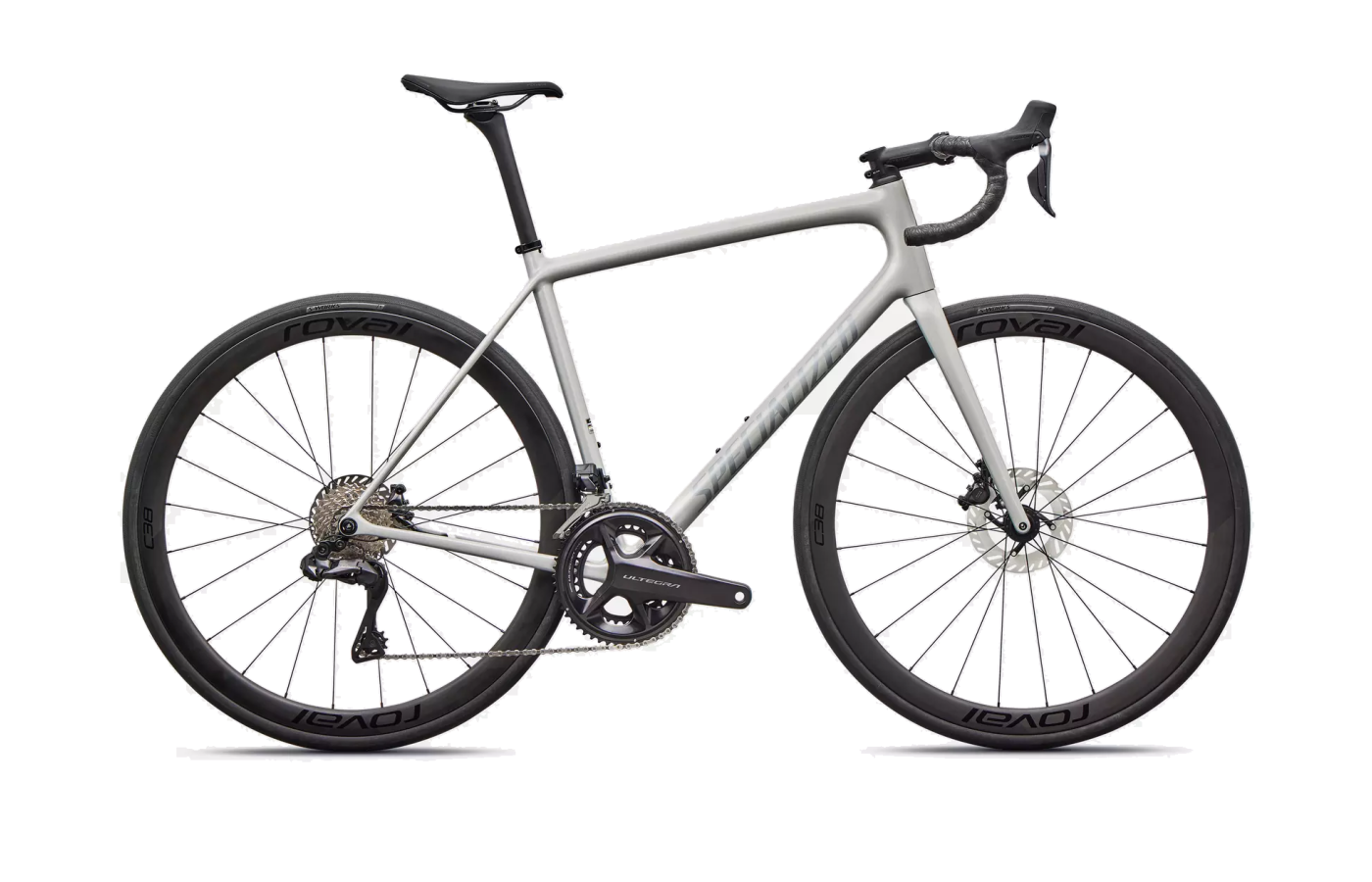
Aethos
Specialized's lightweight classical climber — round tubes, no aero pretensions, sub-6 kg complete builds. If the Time's hand-built craft appeals but you want an established dealer network, the Aethos splits the difference.
Compare →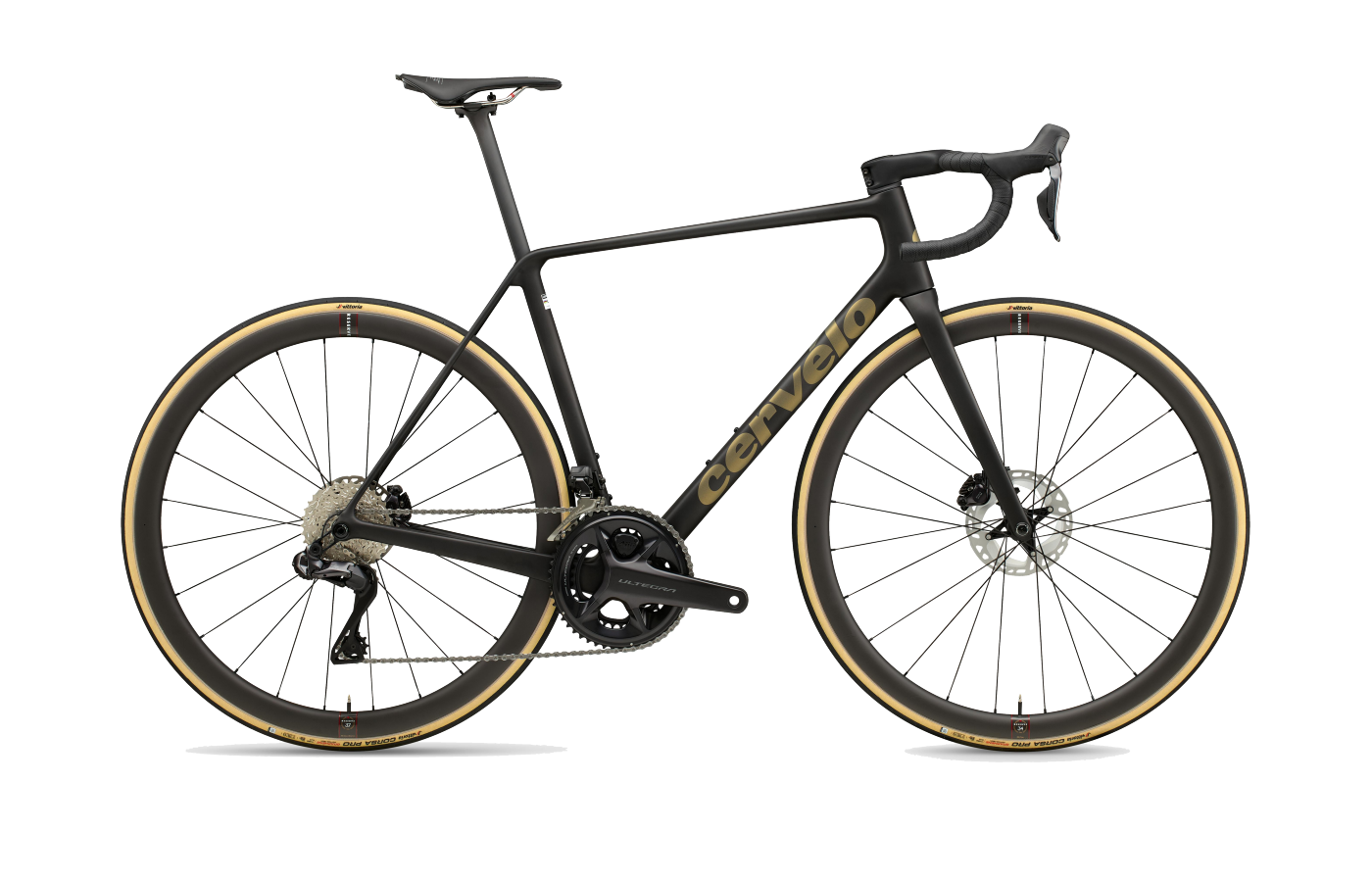
R5
Cervélo's lightweight grand-tour bike — climbing-focused like the Time, but with modern aero shaping and 34 mm tire clearance. A good middle ground if you want something less mainstream than the Tarmac without sacrificing tire room.
Compare →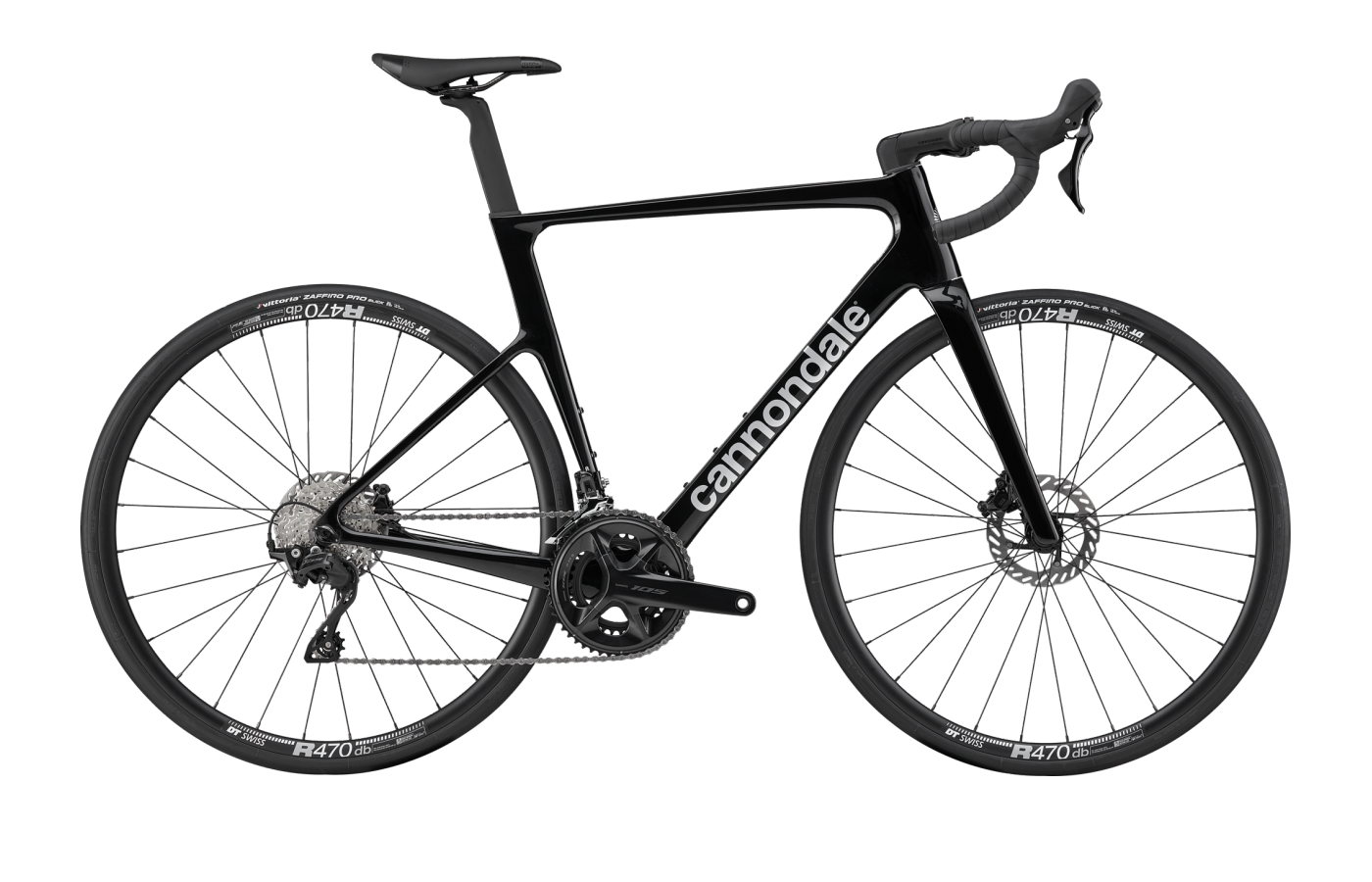
SuperSix EVO
Cannondale's direct Tarmac rival — many reviewers call it even snappier in a sprint, and it offers the same one-bike-for-everything brief at a similar price across its build range.
Compare →