Epic
vsTop Fuel
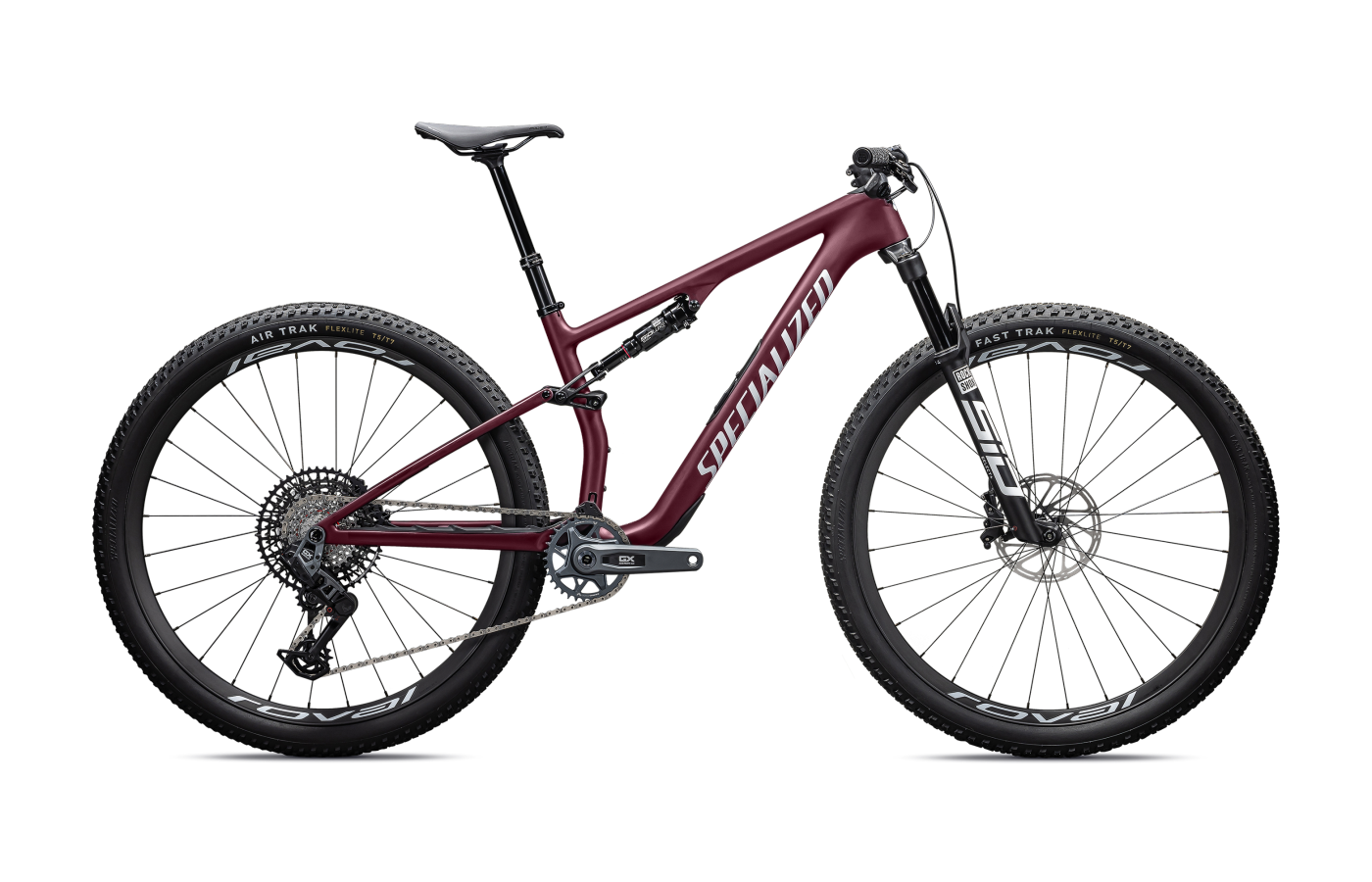
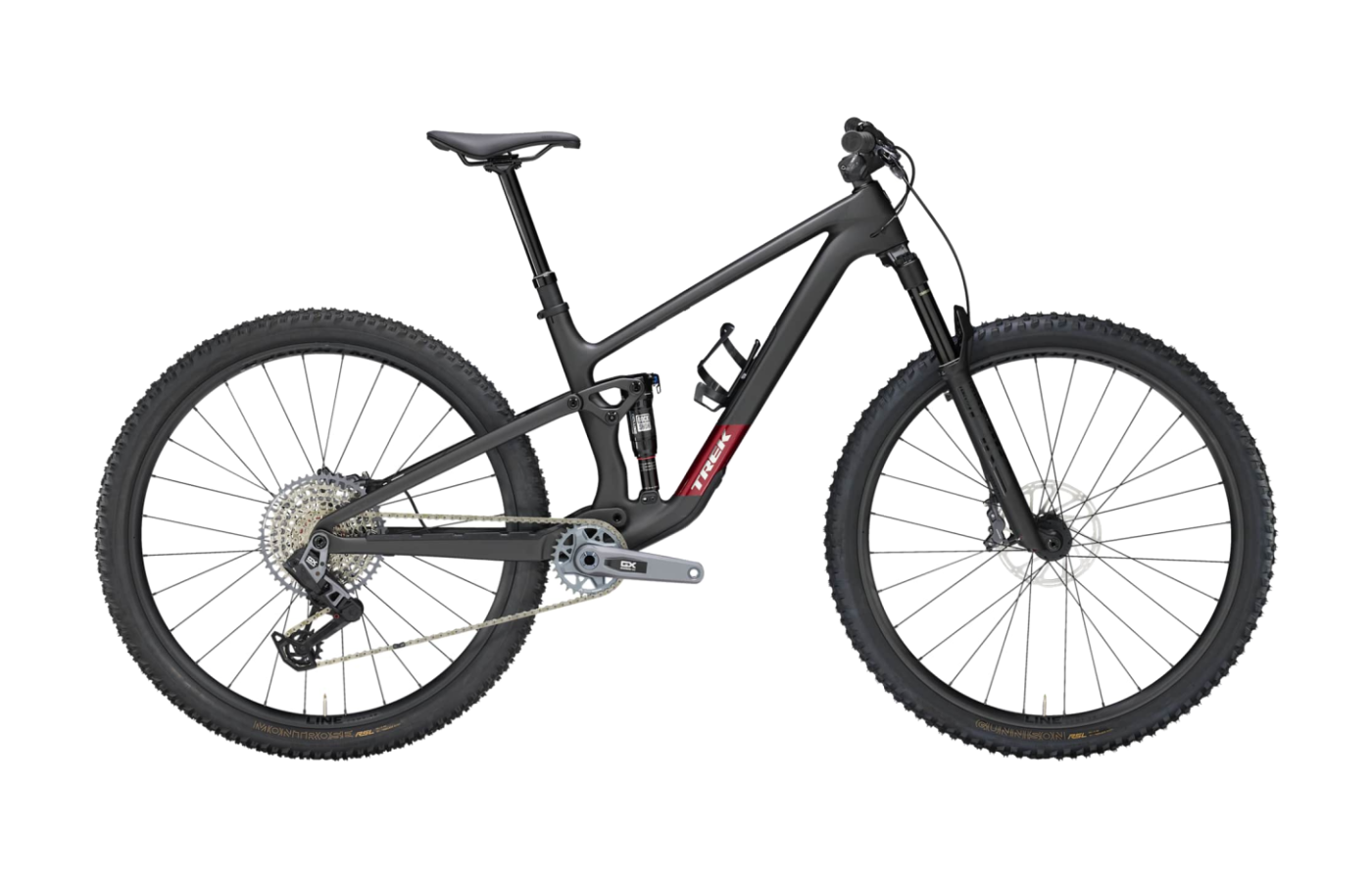
Two 120 mm bikes, two completely different jobs.
The Epic 8 is the World Cup race weapon that learned to descend. The Top Fuel is the trail bike that learned to race.
Epic
- Lighter at every tier — editor's-pick build is 11.15 kg vs. 13.20 kg for the Trek. About 2 kg of climb-day advantage.
- Race-tuned 'Magic Middle' shock — digressive damping that pedals like a hardtail and opens instantly on impact. No remote needed.
- Carbon wheels at the mid-tier — Roval Control SL V hookless carbon at $7,199, a level Trek only matches above $10k.
- Flex-stay rear can hang up on square-edge hits compared to a true four-bar.
- Moderate 75.5-degree seat angle puts more weight on the front than modern steep-STA designs.
Top Fuel
- Four-position Mino Link — two head-angle settings, two progression curves. One frame, multiple bikes.
- Steeper 77.3-degree seat angle — commanding climbing position that keeps the front planted on tech.
- Travel-adjustable to 130/140 mm — pull a shock spacer, swap the fork, ride enduro-light. Rare in this class.
- Heavier than the Epic by ~2 kg at equivalent tiers — the four-bar linkage costs grams.
- Stock SRAM Level brakes and 2 kg alloy wheels at $6k+ drew universal review criticism.
Editor’s analysis
Same travel, same head angle, same chainstay length — and yet one is a clean, calculating killer and the other is a go-fast hooligan.
On paper, the Specialized Epic and Trek Top Fuel look like the same bike: 120 mm rear, 65.9-degree head angle, 435 mm chainstays, 29-inch wheels, threaded BB. But spend any real time on the numbers and the design intent peels apart fast. The Epic ships with a 120 mm fork, a flex-stay rear, and a digressive 'Magic Middle' shock tune built around the watts-per-kilo racer. The Top Fuel ships with a 130 mm fork, a four-bar ABP linkage, and a four-position Mino Link that lets you flip it from XC whippet to 140/130 mm shred sled with a shock spacer.
The Epic is the lighter, sharper tool. At the editor's-pick tier it lands at 11.15 kg with carbon Roval wheels, a co-molded shock mount, and the same race-tuned RockShox SIDLuxe found on the S-Works. Reviewers consistently call it a 'multiplier' of rider skill — a bike that rewards aggression, punishes laziness, and feels electric when you're at threshold. The flex-stay rear saves grams but does occasionally hang up on square-edge hits, and the Specialized 75.5-degree seat angle is moderate by modern standards.
The Top Fuel is heavier, calmer, and built around staying composed when the trail gets ugly. The four-bar ABP linkage keeps the rear suspension active under braking — the single biggest reason reviewers describe it as 'glued' rather than 'pingy.' Trek runs a steep 77.3-degree seat angle on the Medium for a more commanding climbing position, size-specific chainstays from 434 to 445 mm for taller-rider balance, and a 130 mm fork stock for a slacker effective front end. The penalty is weight and stock parts: 13.20 kg at the GX AXS tier with alloy Bontrager Line Comp wheels, and SRAM Level brakes that almost every reviewer wanted to upgrade.
Put another way: the Epic wants you to be racing. The Top Fuel wants you to be having fun. If your weekends are stage races and Strava KOMs, the Epic will reward you. If your weekends are trail rides where the descent matters more than the climb time, the Top Fuel does the better job — and lets you grow into 140 mm of fork later if you want.
Where the builds differ.
Comparing our editor's-pick builds side-by-side. Winners highlighted row-by-row — lower price and weight, and the better-spec component, each mark a point.
Build variants & pricing
Both ranges span roughly $4k to $10k+, with the Epic stretching to $14,999 at the S-Works tier. Specialized starts $300 higher at the bottom and tops out $4,500 higher at the top.
Prices are current US MSRP. The Epic 8 is carbon-only across the range; the Top Fuel offers an aluminum '8 Gen 4' build at $4,199 for riders who want the platform without the carbon premium. Note that Specialized lists multiple '8 Expert' SKUs at the same price point with different drivetrains — choose carefully.
How they fit, how they steer.
Both at size M. Stack and head angle are essentially identical — within 1 mm and 0 degrees in the Top Fuel's Low setting. The Trek runs 2 mm more reach, 6 mm more wheelbase, and a much steeper 77.3-degree seat tube versus the Epic's 75.5 — that's the bigger geometry story than anything up front.
Which size should I buy?
The Top Fuel's Mino Link gives each frame size two geometry positions; the size picker shows the stock Low setting. Both ranges offer XS through XL with similar reach progressions.
→These are starting points. Flexibility, riding style, and preferred position all shift the answer — if you’re between sizes, a professional fit beats a chart.
What the magazines said.
Published reviews from trusted cycling outlets. Click through for the full write-up.
Which one should you buy?
If you race, get the Epic. If you ride trail and want one bike that can race when asked, get the Top Fuel.
Epic
If your calendar is XC short tracks, marathon races, and Strava-chasing weekend rides, the Epic 8 is sharper, lighter, and more efficient at every tier. The 'Magic Middle' shock and flex-stay rear were tuned for one job — moving you forward fast — and they do it as well as anything in the category.
Top Fuel
If your typical ride is rocky, rooty, brake-heavy trail with the occasional XC start line, the Top Fuel's four-bar ABP rear and travel-adjustable frame give you a bike that's calm where the Epic is high-strung. Plan to upgrade the brakes early; the chassis is asking for them.
Questions buyers actually ask.
Short answers to the things we get emailed about most often.
01Which one climbs faster?
The Epic 8, by a clear margin. At the editor's-pick tier the Epic comes in around 11.15 kg vs. 13.20 kg for the Top Fuel — a 2 kg gap that matters every meter you go up. The Epic also runs a digressive 'Magic Middle' shock tune that gives it a near-hardtail feel under power without needing a remote lockout.
The Top Fuel can be made faster up by dropping to the 120 mm fork XC setup the Trek Factory Race team has used at World Cup rounds — but stock, the Epic is the climbing bike.
02Which one descends better?
The Top Fuel, in stock trim. Two reasons: the four-bar ABP linkage keeps the rear suspension active under hard braking (flex-stay designs like the Epic stiffen up under brake load), and the stock 130 mm fork gives the Trek a slacker effective front end on steep terrain.
The Epic is no slouch — reviewers call its descending 'outrageously good' for an XC bike — but it's a race bike that learned to descend. The Top Fuel is a trail bike that just happens to weigh under 30 lb.
03What's the rear suspension travel on each?
Both are 120 mm rear, stock. The difference is the fork: the Epic ships with a 120 mm RockShox SID, the Top Fuel ships with a 130 mm fork (Pike on the editor's-pick GX AXS build, Fox 36 SL on the XTR Di2 model in size M and up).
The Top Fuel can be bumped to 130 mm rear by removing a shock spacer and accepts up to a 140 mm fork without voiding the warranty — Trek's 'shred sled' configuration. The Epic 8 platform also has a 130 mm-fork variant, but it's sold as the separate 'Epic 8 EVO' SKU rather than a user-adjustable mode.
04How do the seat tube angles compare on the Medium?
Epic 8 (M): 75.5°.
Top Fuel Gen 4 (M): 77.3° in the Low Mino Link setting, 77.8° in the High setting.
That's a meaningful 2-degree gap. The Top Fuel sits the rider noticeably more 'over the bottom bracket,' which keeps the front wheel planted on steep technical climbs. The Epic's more moderate angle is friendlier for long-duration marathon comfort but can let the front end feel light when the trail kicks up.
05Tire clearance — can either fit a 2.6" tire?
Epic 8: measured 59.7 mm rear clearance. A true 2.4" tire is the official spec; a tight 2.5" will fit but pushes mud clearance.
Top Fuel Gen 4: measured 63.5 mm rear clearance — meaningfully more room. Comfortably fits a 2.5", and a 2.6" is feasible at most measured widths.
Neither is a plus-tire bike, but the Top Fuel's extra ~4 mm gives more flexibility for muddy days or chunkier trail tires.
06What about the brakes? Reviewers seemed unhappy with one of them.
The SRAM Level brakes on the Top Fuel drew nearly universal complaint — multiple reviewers (Pinkbike, NSMB, Bicycling, Loam Wolf) called them underpowered for the speeds the chassis is capable of, with one calling them 'terrifying' on steep terrain. Plan to upgrade to a 4-piston Code or DB8 if you ride aggressively.
The Epic 8 Expert ships with SRAM brakes appropriate to the bike's intended use — most reviewers didn't flag them as a weak point. The Epic is also a lighter bike with less momentum to scrub, which makes more modest brakes more workable.
07Are both compatible with a power meter?
Yes. The Epic 8 Pro and S-Works ship with a Quarq spider power meter as standard — a meaningful $400–600 included value. The Expert tier (editor's pick) does not include one but accepts any DUB-compatible spider meter.
The Top Fuel includes a power meter only on the top-tier RSL and 9.9 X0 AXS builds. Lower tiers accept any standard 30 mm or DUB spindle meter without modification.
08Which has better long-term serviceability?
Both run threaded BSA bottom brackets — a clear win for both vs. press-fit. The Top Fuel edges ahead on owner-friendliness: internal cable guide tubes make hose swaps a 'cinch,' the Knock Block headset limiter is finally gone (standard headset replacements work), and pivot bolts have torque ratings etched directly on them.
The Epic 8 Expert uses traditional head tube cable ports rather than the headset routing of the S-Works, which is the easier-to-service choice. Reviewers flagged that the Top Fuel lacks a drainage hole below the shock mount, so wet-climate riders should dry that area manually after washing.
Similar bikes
If your priorities don’t map cleanly onto either of these, one of these adjacent bikes probably fits better.
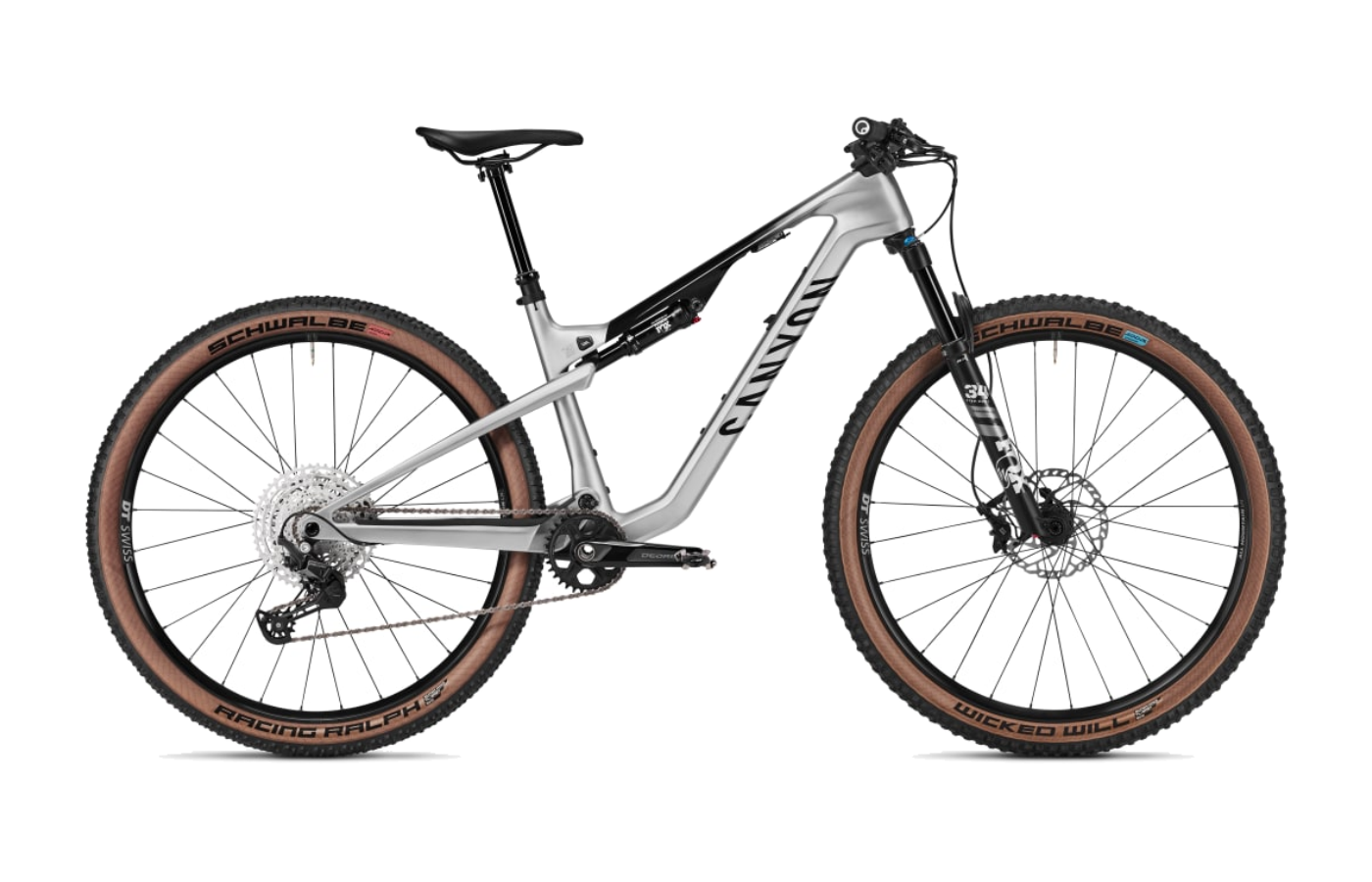
Lux Trail
The lighter, sharper-feeling rival to the Epic — Canyon's direct-to-consumer pricing puts a comparable race-tuned 120 mm carbon bike in the garage for thousands less. The catch is no demo and no local shop.
Compare →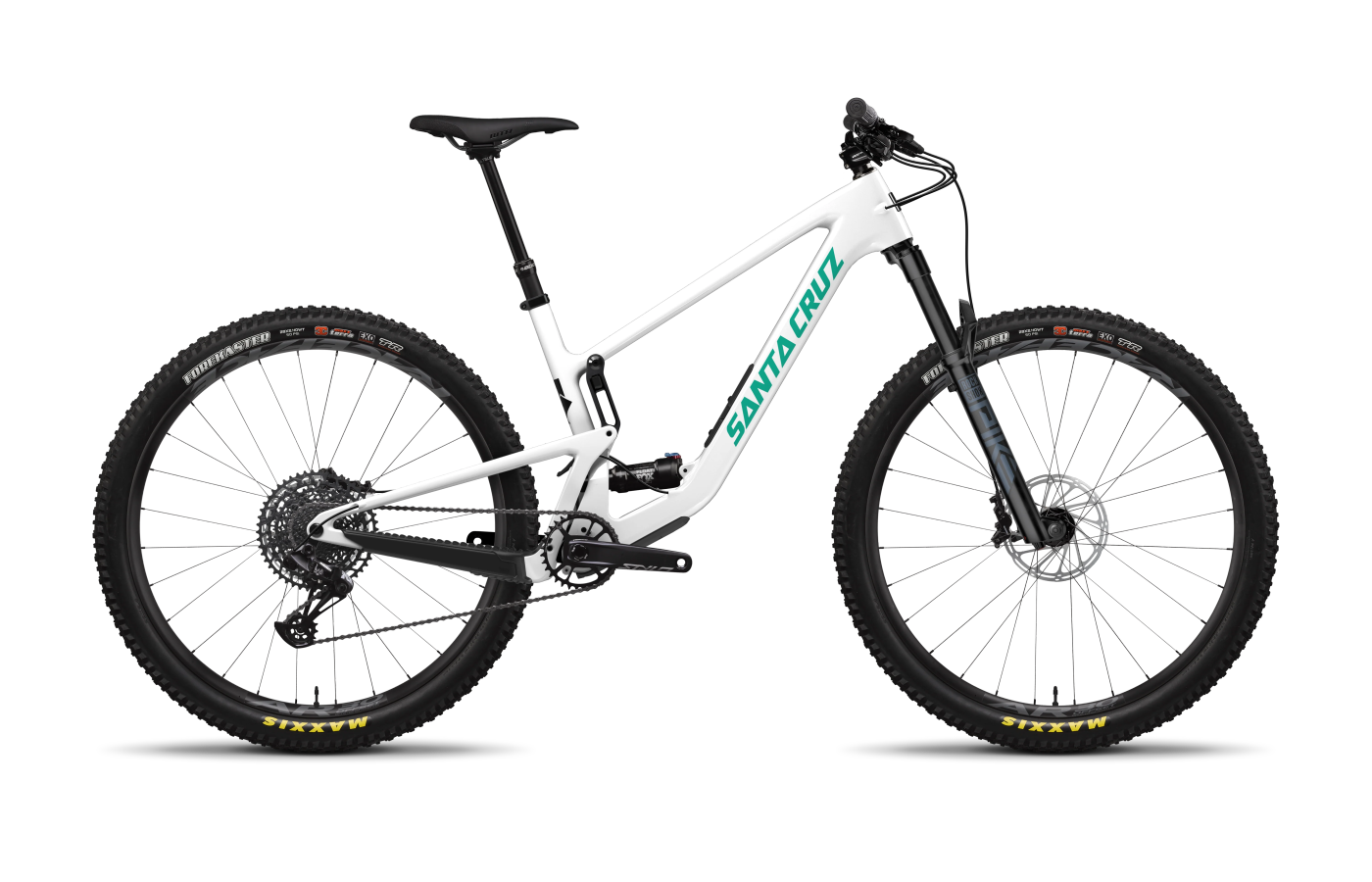
Tallboy
The natural alternative to the Top Fuel: a premium short-travel trail bike with VPP suspension that prioritizes downhill composure over absolute climbing efficiency. Spendier, but gorgeous.
Compare →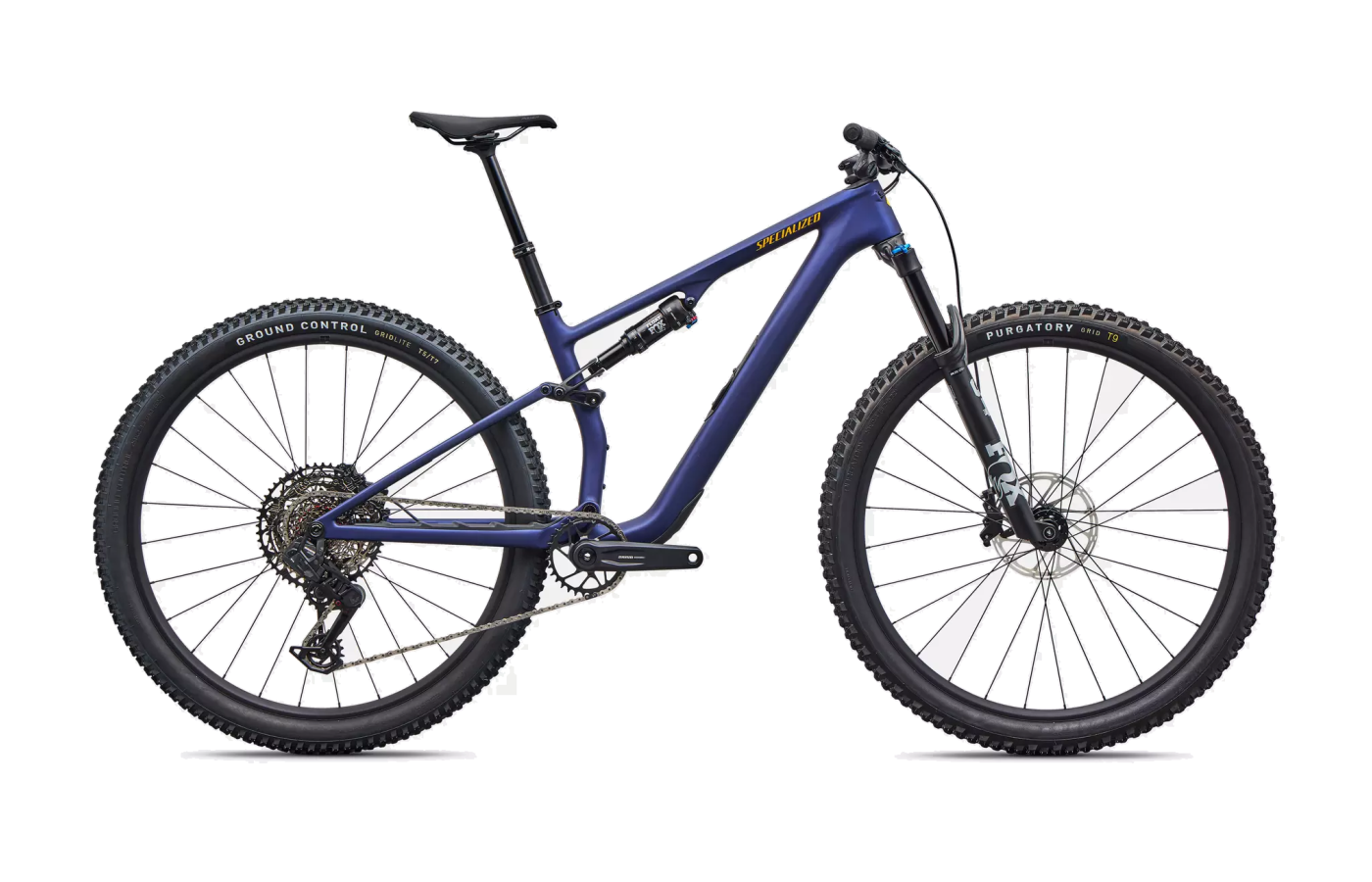
Epic Evo
Same Epic 8 frame, 130 mm fork, no remote lockouts — Specialized's answer to the rider who wants the chassis but hates lever clutter. The closest single-bike bridge between these two philosophies.
Compare →