Epic
vsStumpjumper
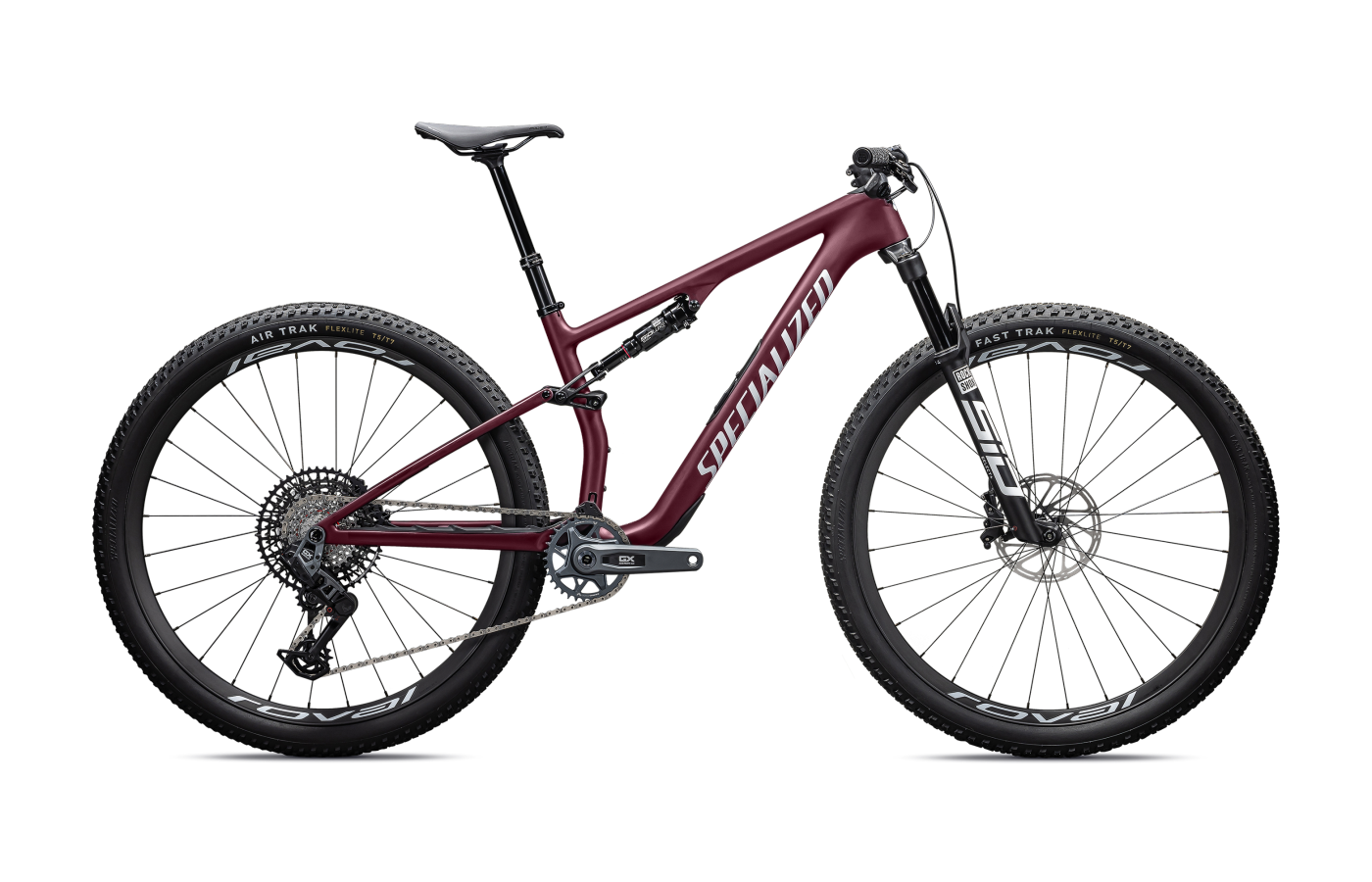
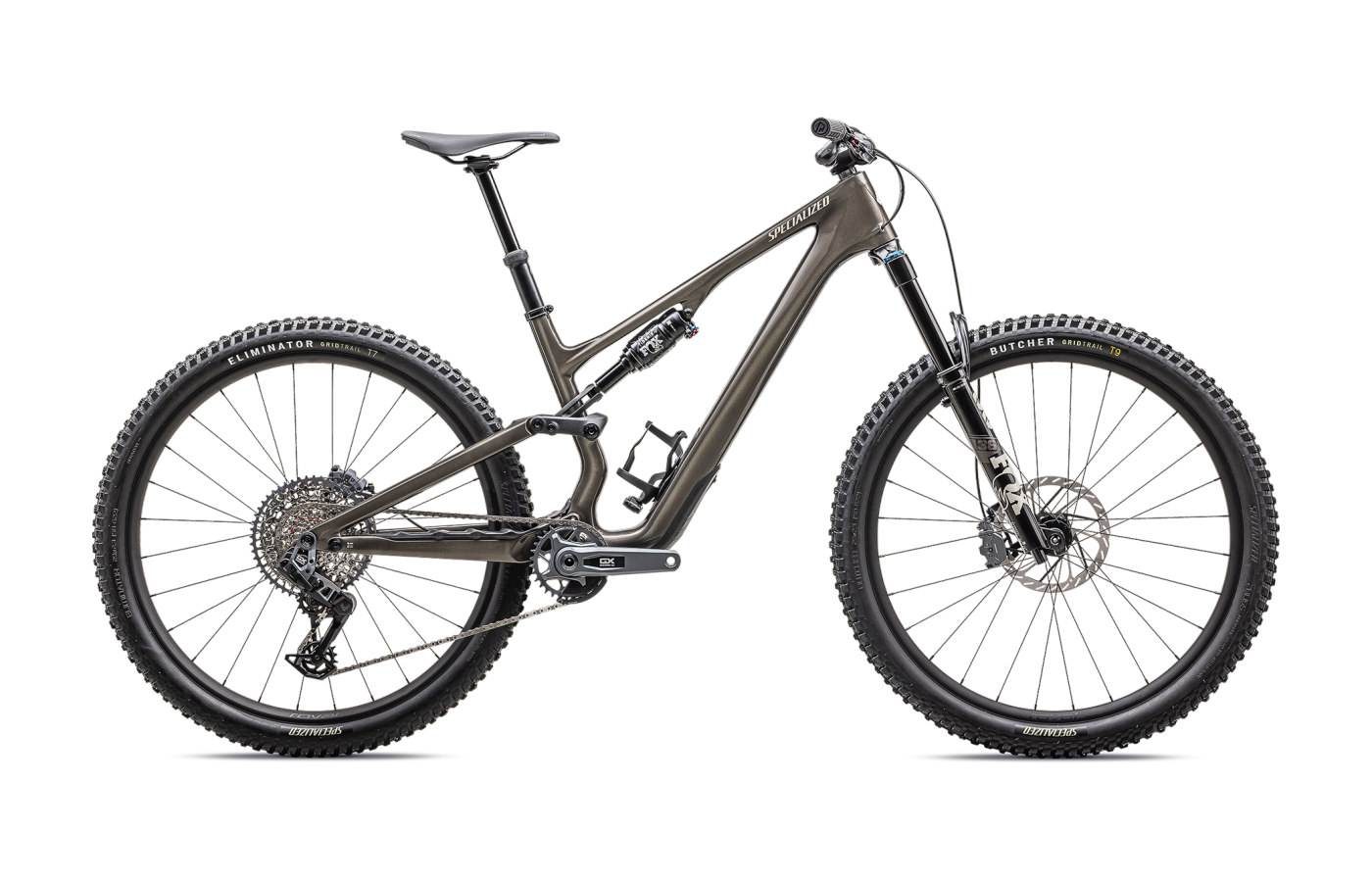
Same brand. Opposite mountains.
The Epic is Specialized's 120 mm World Cup race bike. The Stumpjumper is its 145 mm all-trail do-everything platform — same paint cabinet, different job.
Epic
- Class-leading pedaling efficiency — the "Magic Middle" shock tune and ~100% anti-squat keep the bike high in its travel on long climbs.
- Genuinely light — S-Works claimed 10.0 kg, Expert builds in the low 11 kg range, all with 120 mm of actual trail-capable travel.
- Modern geometry for an XC rig — 65.9° head angle and 75.5° seat tube let it descend like a trail bike while still climbing like a race bike.
- Only 120 mm of travel — the margin for bad line choices on steep, chunky descents is thin.
- Low 326 mm bottom bracket on the size M means more pedal strikes on technical terrain than a taller trail bike.
Stumpjumper
- GENIE shock is genuinely different — coil-feel small-bump compliance paired with a hard progressive ramp, so it tracks the ground without ever bottoming.
- Descends like a bigger bike — 64.5° head angle, 130 mm trail, and 150 mm of fork travel give enduro-adjacent composure in a trail-bike package.
- Adjustable geometry and storage — flip chip plus headset cups let you tune head angle and BB height; SWAT 4.0 is the best in-frame storage in the segment.
- Carbon frames are wireless-only — if you want Shimano or mechanical SRAM, you're limited to the heavier alloy builds.
- Stock Butcher/Eliminator tires in GRID TRAIL casing are under-gunned for the chassis' actual descending ability — most aggressive riders swap them early.
Editor’s analysis
This is the rare head-to-head where both bikes are engineered by the same company, for the same rider — and still end up on opposite sides of a mountain.
On paper the gap is small and the category gap is enormous. The Epic runs 120 mm of travel front and rear, a 65.9-degree head angle, and a size-M frame that measures 450 mm of reach and 598 mm of stack. The Stumpjumper at S3 matches that 450 mm reach to the millimeter, but stacks 29 mm taller, sits on a 64.5-degree head angle, and carries 150 mm of fork travel against roughly 145 mm of rear. Specialized built them both on the same Rider First carbon approach, with SWAT storage and a threaded BSA bottom bracket — but the kinematics point in opposite directions.
The Epic is the sharpened race tool. Reviewers at Pinkbike, BikeRadar, and Flow Mountain Bike all describe the same thing: a "Magic Middle" shock tune that stays high in its travel under power, pops open the instant it hits a root, and rewards momentum over brute-force descending. The 75.5-degree seat tube angle and short 435 mm chainstays keep the rider centered for technical climbing; the low bottom bracket (bb drop 44 mm) lets you bury it into corners in a way that felt reserved for trail bikes two generations ago. At a claimed 10.0 kg for the S-Works, it climbs like an Epic should — and then descends like something with a slacker head angle has any right to.
The Stumpjumper does the opposite trick. It's built around the dual-chamber Fox GENIE shock, which runs coil-supple through the first 70% of travel and then ramps hard into a progressive end-stroke to kill bottom-outs. Pair that with a slacker 64.5-degree head angle, a 150 mm Fox 36 fork, and a 130 mm trail figure (13 mm longer than the Epic), and you get a bike that tracks through rough terrain instead of skipping over it. The trade is weight — carbon builds come in around 13.56 kg for S-Works and 14.87 kg for the Comp, and the alloy builds push well past 16 kg.
Put simply: the Epic is the bike for the rider who climbs for the descent; the Stumpjumper is the bike for the rider who descends to earn the next climb. They share a paint booth, a frame storage hatch, and a lifetime bearing warranty. They do not share a job description.
Where the builds differ.
Comparing our editor's-pick builds side-by-side. Winners highlighted row-by-row — lower price and weight, and the better-spec component, each mark a point.
Build variants & pricing
Both ranges span ~$10k top-to-bottom. The Epic is carbon-only and tops out at $15,000; the Stumpjumper offers alloy entry points from $3,000 and a carbon S-Works LTD at $12,000.
Prices are current US MSRP. Specialized frequently sells multiple trims under the same name (e.g. three "8 Expert" and two "15 Alloy" variants in 2025) — check the model-year and component details before committing.
How they fit, how they steer.
Same 450 mm reach at the fit-picked sizes. From there the platforms split: the Stumpjumper sits 29 mm taller in the stack, runs a 1.4° slacker head angle, carries 13 mm more trail, and stretches the wheelbase by 34 mm — classic trail-vs-XC deltas.
Which size should I buy?
Epic is sized XS–XL; Stumpjumper uses Specialized's S-Sizing (S1–S6) so riders can pick length independent of seat tube height. Both cluster a 5'8" rider in the middle of the range.
→These are starting points. Flexibility, riding style, and preferred position all shift the answer — if you’re between sizes, a professional fit beats a chart.
What the magazines said.
Published reviews from trusted cycling outlets. Click through for the full write-up.
Which one should you buy?
If you race, chase PRs, and climb for a living, get the Epic. If you descend hard and want one bike for everything from local flow laps to occasional park days, get the Stumpjumper.
Epic
If your week revolves around a weekly interval ride, a weekend marathon, and the occasional World Cup-adjacent race course — the Epic is still the benchmark. It climbs ruthlessly, descends further above its travel than it has any right to, and rewards smooth, momentum-driven riding over brute force.
Stumpjumper
If you want a single bike that can do a long pedal-up, handle a steep chunky descent, and survive the occasional bike park weekend, the Stumpjumper is the most versatile thing Specialized makes. The GENIE shock and adjustable geometry give it a character you can tune from mile-muncher to rowdy charger without changing frames.
Questions buyers actually ask.
Short answers to the things we get emailed about most often.
01Which one descends better?
The Stumpjumper, by a clear margin. It has a 64.5° head angle versus 65.9° on the Epic, 13 mm more trail (130 mm vs. 117 mm), a 34 mm longer wheelbase at the fit-picked sizes, and critically, 150 mm of fork travel and ~145 mm of rear travel vs. the Epic's 120/120. The GENIE shock also does something no Epic shock does — coil-like small-bump compliance combined with a hard ramp at the end of the stroke.
The Epic descends extremely well for a 120 mm XC bike, especially in its "low" flip-chip setting. But on steep, chunky, bike-park-adjacent terrain, the Stumpy is the tool you actually want.
02Which one climbs better?
The Epic, by an even clearer margin. The S-Works comes in at a claimed 10.0 kg vs. ~13.56 kg for the S-Works Stumpjumper — a 3.5 kg difference that's impossible to ignore on any sustained climb. The "Magic Middle" shock tune also keeps the Epic high in its travel under pedaling, reportedly delivering about 20% less pedal bob than the previous-generation Epic EVO.
The Stumpy climbs well for a 150 mm trail bike — the 77° seat tube angle keeps your weight centered and the GENIE shock gives it a traction advantage on technical climbs — but on a fire-road grind it'll lose minutes to the Epic.
03If I can only own one mountain bike, which one?
For most riders on mixed terrain, the Stumpjumper is the more honest "one bike" answer. It'll climb fine, descend genuinely hard, and handle everything from flow trails to rougher-than-expected backcountry routes. The adjustable geometry and GENIE shock let you dial the character up or down.
The Epic is a better one-bike pick only if you actually race cross-country, do a lot of marathon events, or live somewhere climb-heavy where the descents are smooth. It's a narrower, sharper tool — and that's a feature, not a bug, if the job fits.
04What's the actual weight difference in real-world builds?
At the top end: claimed 10.0 kg for the S-Works Epic 8 vs. 13.56 kg for the S-Works Stumpjumper 15 — about 3.5 kg (7.7 lb).
At mid-tier: the Epic 8 Expert is roughly 11.15 kg; the Stumpjumper 15 Expert is 14.47 kg at size S4. Still roughly 3.3 kg apart.
At the bottom of the range, the gap grows: the Stumpjumper 15 Alloy lands at 16.57 kg, while the cheapest Epic 8 Comp is 11.89 kg — a 4.7 kg delta. You pay for descending capability in kilograms.
05Are both compatible with mechanical drivetrains?
Only partially. The Epic 8 carbon frames are wireless-only (all builds ship with SRAM AXS or Shimano XT Di2). The Stumpjumper 15 carbon frames are also wireless-only — the only way to run mechanical Shimano on a 2025 Stumpjumper is to buy one of the alloy builds (15 Alloy, 15 Comp Alloy), which retain full cable routing and ship with Shimano SLX or Deore.
If mechanical shifting is a hard requirement, the alloy Stumpjumpers are your only option across either platform.
06What about the Epic 8 EVO — isn't that the real trail comparison?
The Epic 8 EVO uses the same frame as the standard Epic 8 but adds a 130 mm fork (up from 120 mm), slackening the head angle by about half a degree and shifting the bike slightly toward downcountry. It's still not a Stumpjumper — you gain 10 mm of fork travel but lose the GENIE rear shock, the Fox 36 chassis, and the 150 mm front-end composure.
If you were cross-shopping these two and the Epic's climbing feel appealed to you but you wanted just a bit more descending margin, the EVO is worth a look. It isn't a Stumpjumper substitute.
07Which Expert build is the better value pick?
On the Epic side, the 8 Expert at $7,199 — GX AXS Transmission, Roval Control SL V carbon wheels, and the same RockShox SID Select+ and SIDLuxe shock as the Pro build. Reviewers at Pinkbike and Flow Mountain Bike both flag it as the sweet spot of the range.
On the Stumpjumper side, the 15 Expert at $5,999 — GX AXS Transmission, the FOX FLOAT 36 Performance Elite fork, the same GENIE shock (in Performance Elite trim) as the Pro, and Roval Traverse alloy wheels. It saves $2,000 over the 15 Pro without giving up the core ride.
08What warranty and service support do they share?
Both frames come with Specialized's lifetime frame warranty and lifetime pivot bearing replacement to the original owner, plus crash-replacement pricing if you wreck one. Roval wheels carry a lifetime warranty as well.
The one asterisk is the Stumpjumper's Fox GENIE shock — it's a Specialized-and-Fox collaboration with mostly standard Fox internals plus one additional seal, which means any Fox-certified suspension shop can service it. But it is a proprietary part, and long-term aftermarket shock swap options are more limited than on the Epic's RockShox SIDLuxe.
Similar bikes
If your priorities don’t map cleanly onto either of these, one of these adjacent bikes probably fits better.
Element
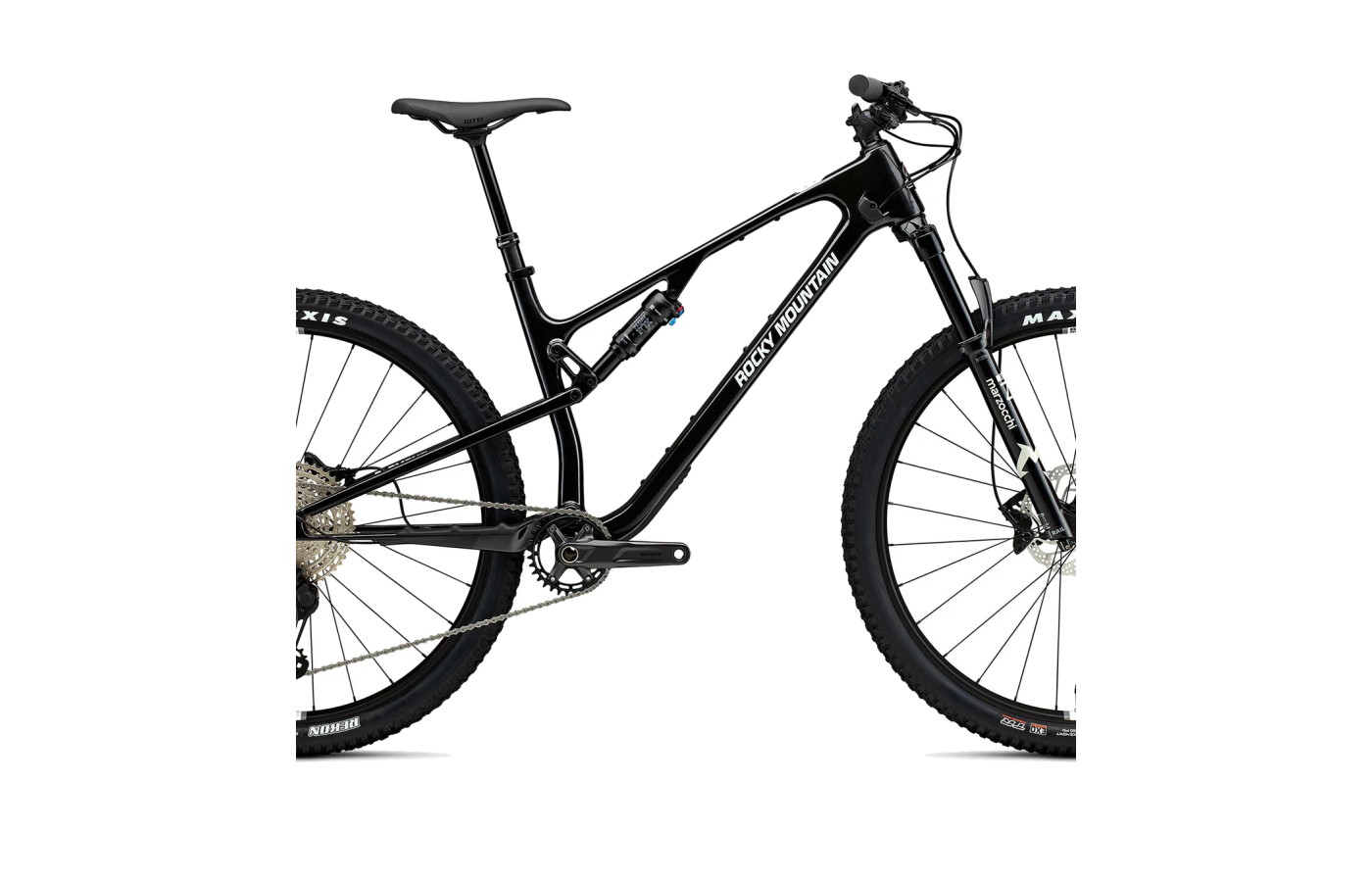
The 120 mm Rocky Mountain Element hits the same downcountry target as the Epic with a more playful, less clinical feel — worth a look if the Epic reads as too calculating for your trails.
Compare →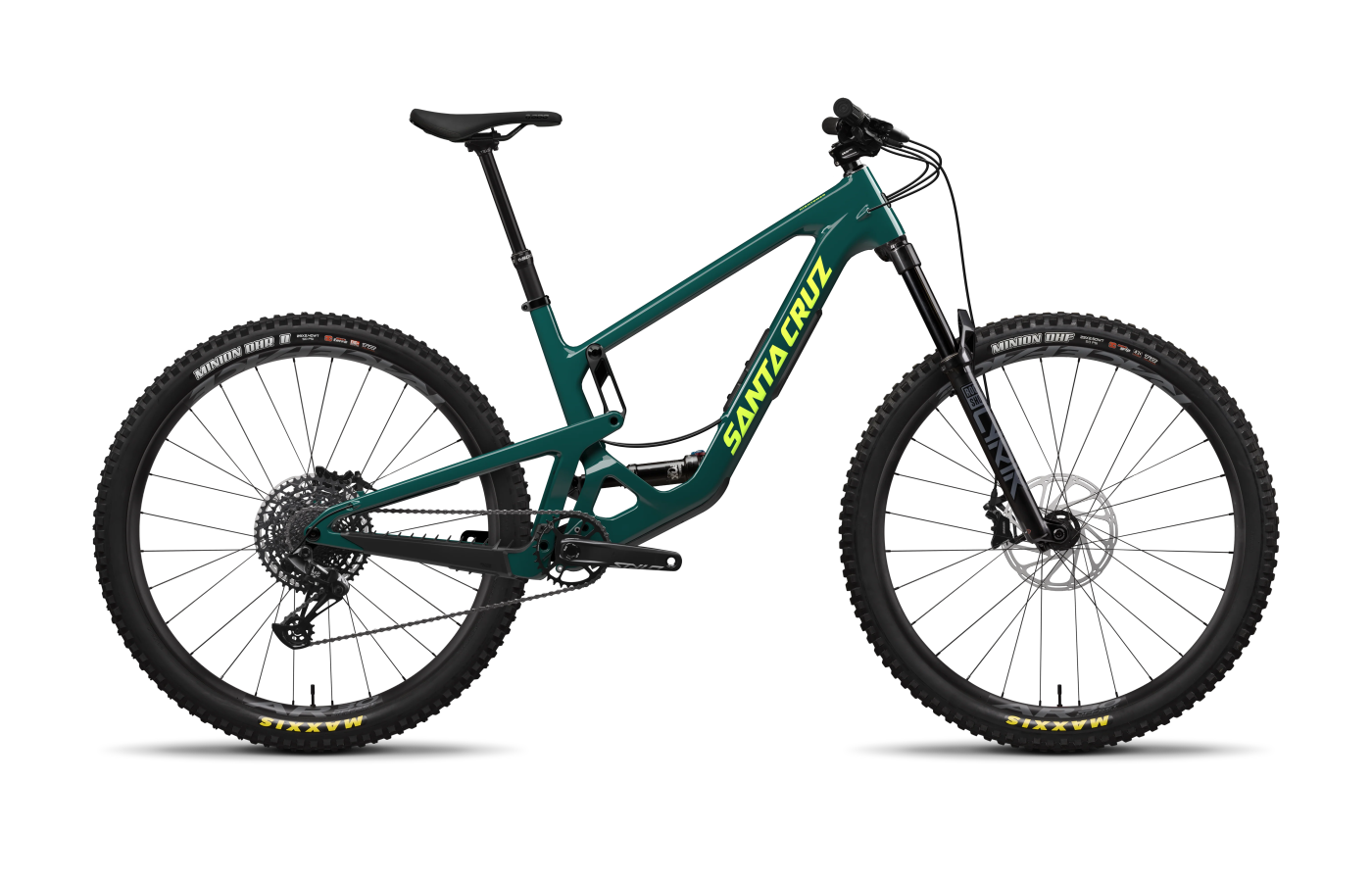
Hightower
The Santa Cruz Hightower is the benchmark 150 mm trail bike and the most direct Stumpjumper rival — VPP suspension gives a more planted, less ramp-driven feel through high-speed chatter.
Compare →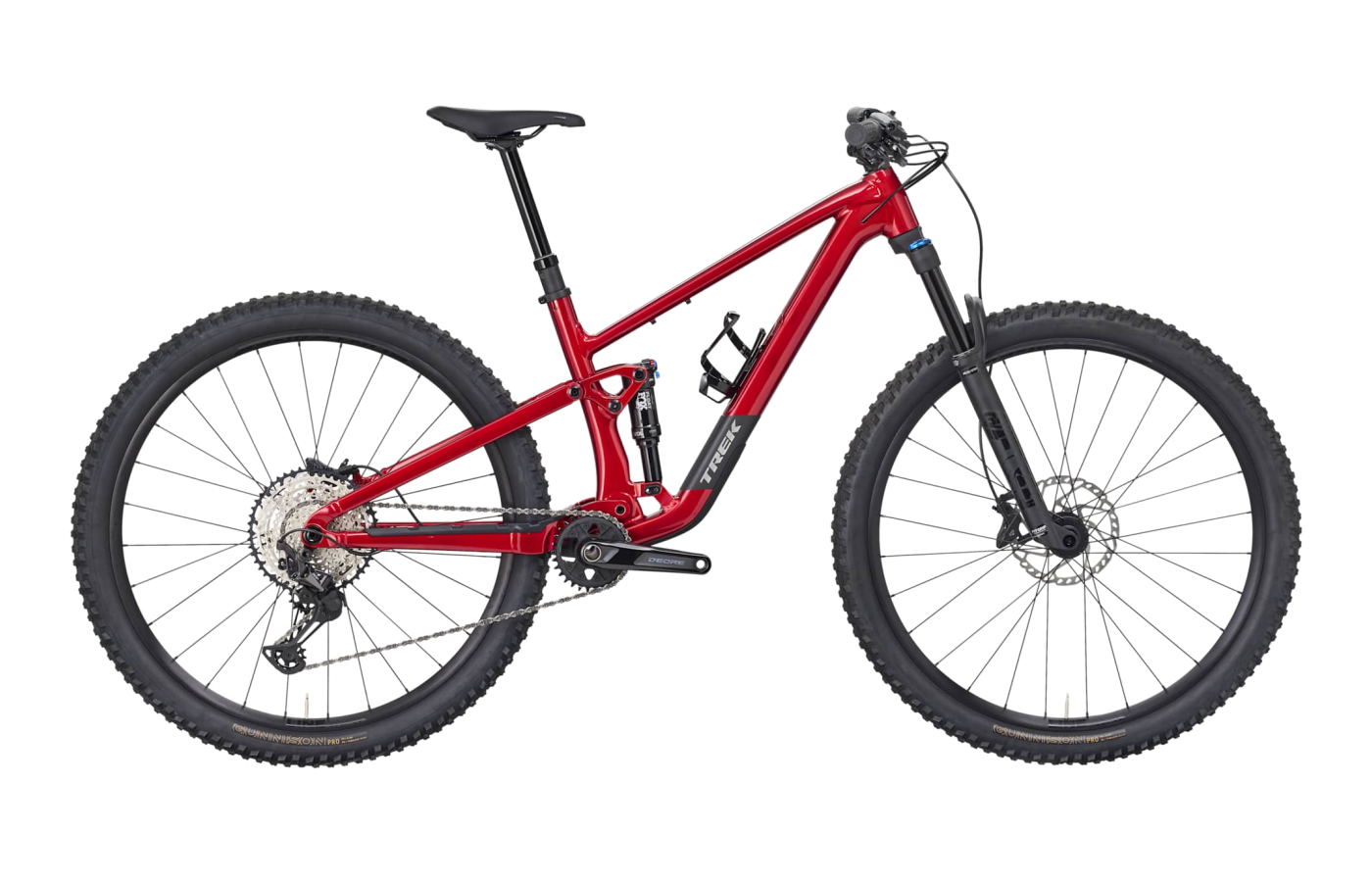
Top Fuel
The Trek Top Fuel splits the difference — 120 mm of travel with trail-bike geometry, aimed at riders who want Epic-like efficiency without committing to XC-race posture.
Compare →