Epic
vsEpic Evo
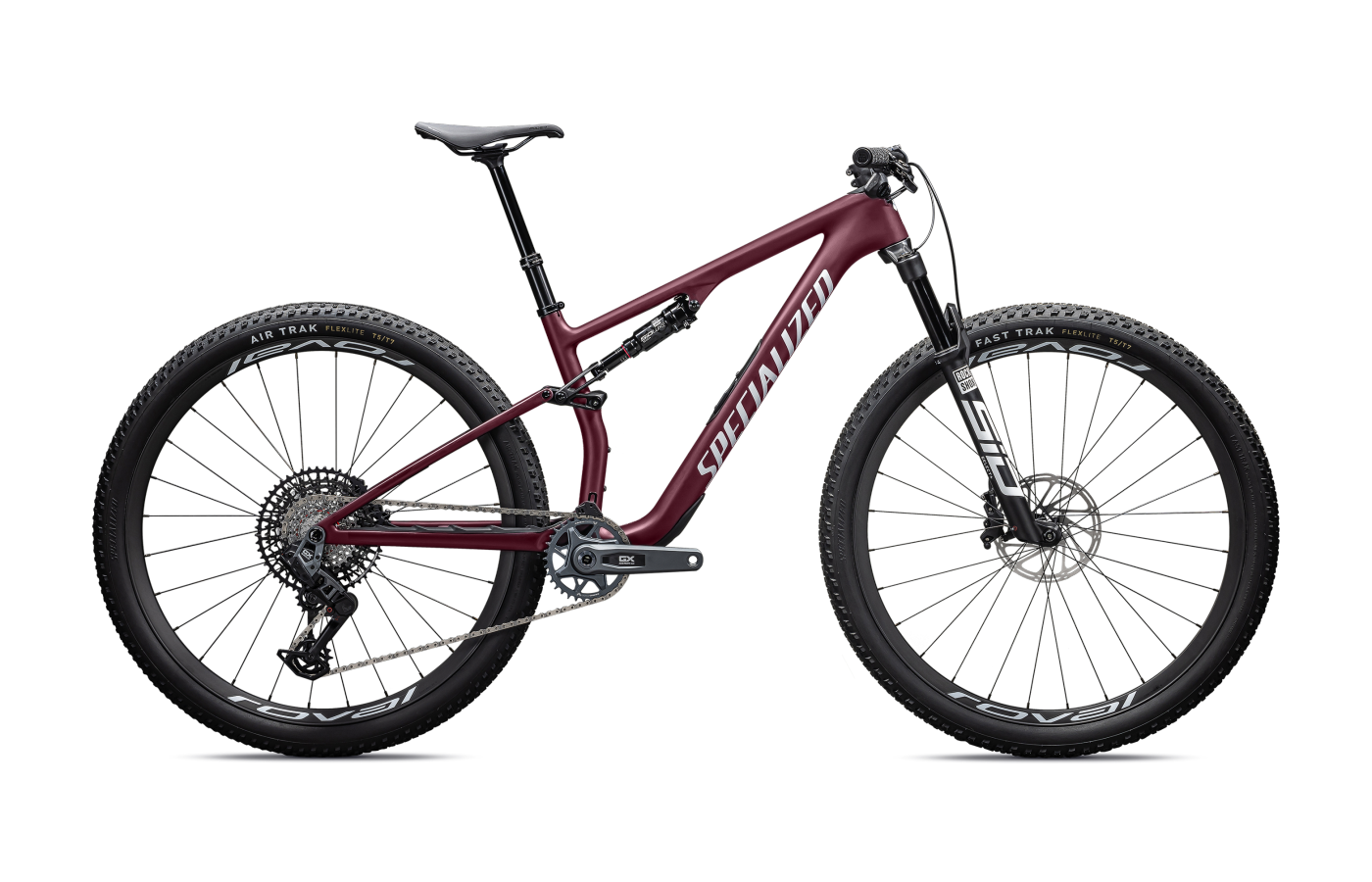
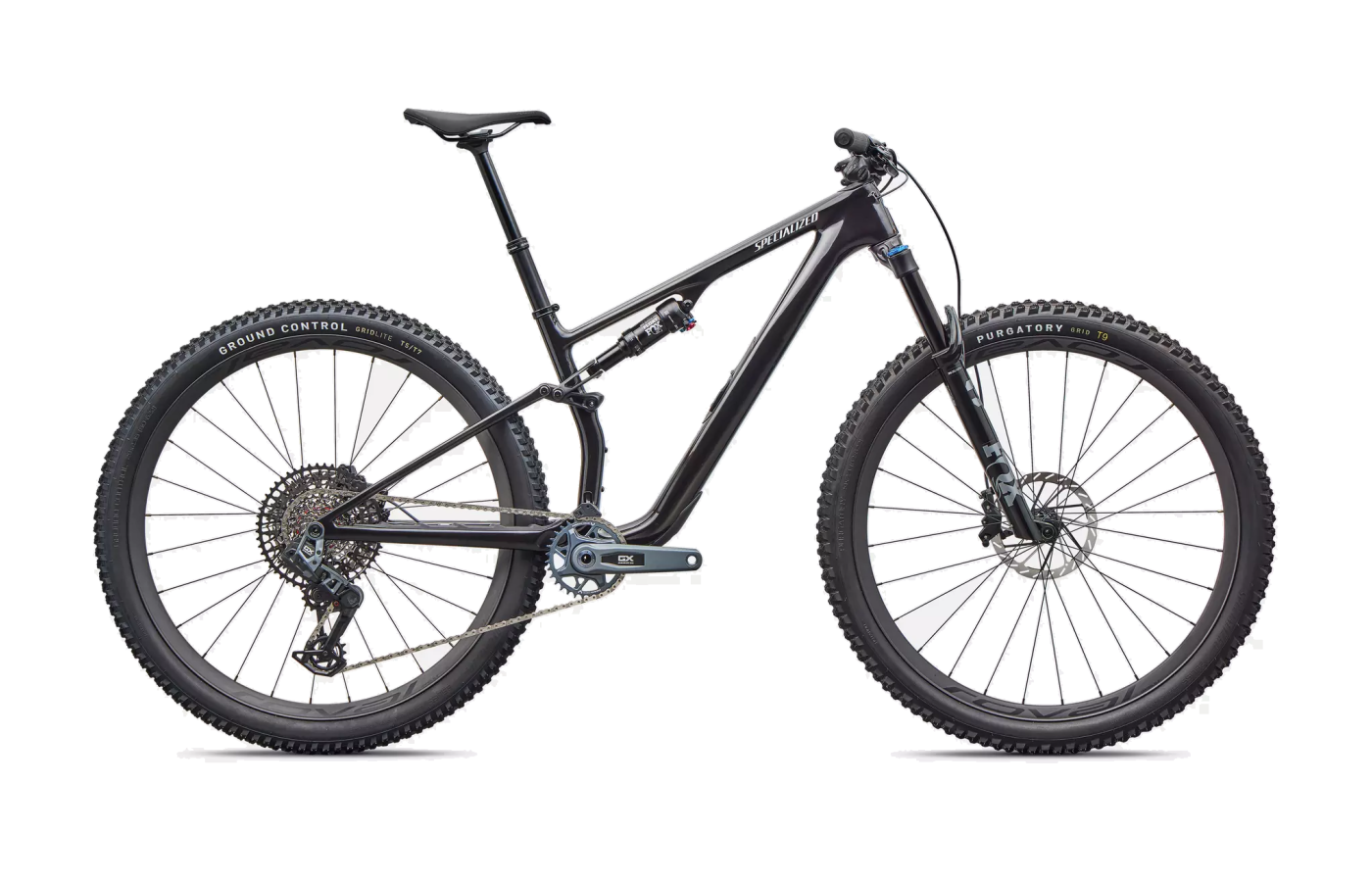
Same frame, two completely different bikes.
The Epic 8 is the 120 mm XC race bike. The Epic Evo over-forks the same chassis to 130 mm and bolts on trail-grade rubber and brakes.
Epic
- 'Magic Middle' shock tune — a three-position digressive damper that pedals firm and opens on impact, a clear step beyond the old Brain.
- Lighter across the range — the Expert build comes in around 11.15 kg vs 11.91 kg for the equivalent Evo Expert.
- Faster rolling stock tires — Fast Trak / Air Trak XC rubber spins up quickly and holds speed on smoother trail.
- 120 mm fork and 65.9-degree head angle leave less margin in steep, chundery descents.
- Lighter SRAM Level brakes feel adequate but lack the bite of the Evo's Codes.
Epic Evo
- 130 mm Fox 34 fork — the extra 10 mm and a stiffer chassis give real front-wheel security on rough descents.
- SRAM Code four-piston brakes — gravity-grade stoppers across the entire lineup, not just the flagship.
- Slacker 65.4-degree head angle — combined with grippier Purgatory / Ground Control tires, the Evo descends like a much bigger bike.
- Roughly 700 g heavier than the equivalent Epic build — climbing penalty is real.
- Two-position Fox shock lacks the 'Magic Middle' middle setting; rear tune is firmer and demands an active rider.
Editor’s analysis
The Epic and Epic Evo share a frame, a rear triangle, and a price ceiling — and almost nothing else about how they ride.
Specialized built the Epic 8 platform around a single carbon front and rear triangle, then split the lineup with parts. The Epic gets a 120 mm RockShox SID, lightweight Fast Trak / Air Trak rubber, and a three-position SIDLuxe shock with the custom 'Magic Middle' tune. The Epic Evo over-forks to a 130 mm Fox 34, swaps in 2.4-inch Purgatory / Ground Control tires, and runs SRAM Code four-piston brakes — components more typical of a true trail bike than an XC rig.
On the Epic, the 'Magic Middle' shock setting is the headline. It's a custom digressive tune that gives a firm pedaling platform, then breaks open instantly under impact. Reviewers pegged it at roughly 20% less pedal bob than the previous-gen Epic Evo with 12% more bump absorption — the kind of numbers Specialized has been chasing since the original Brain shock launched in 2003. The result is a bike that feels electrically efficient on the climbs and surprisingly composed on the descents for 120 mm.
The Epic Evo trades that razor-edge tune for raw capability. The longer fork drops the head angle from 65.9 degrees to 65.4, the burlier tires add grip and damping, and the Code brakes give you the confidence to stay off the lever later into a corner. The trade is weight (about 600 to 800 g more across equivalent builds) and a stiffer, more 'game-on' rear shock tune that can feel harsh on washboard. Reviewers consistently described the Evo as a bike that demands an active, present rider — it doesn't smooth chunder, it skips over it.
Put another way: the Specialized Epic is what you race on Saturday morning. The Specialized Epic Evo is what you ride the rest of the week. Most buyers who do both are quietly better served by the Evo.
Where the builds differ.
Comparing our editor's-pick builds side-by-side. Winners highlighted row-by-row — lower price and weight, and the better-spec component, each mark a point.
Build variants & pricing
Both lineups span roughly $4.5k to $14k on the same frame. The Epic tops out higher; the Evo bottoms out lower.
Prices are current US MSRP. The S-Works Epic ($14,999) gets RockShox Flight Attendant electronic suspension; no Evo trim does. Below S-Works, both lineups offer FACT 11m carbon Pro, Expert, and Comp builds at near-identical price tiers.
How they fit, how they steer.
Both at size M, the fit-picked size for a 5'8" rider on each bike. Wheelbase differs by 4 mm, reach by 5 mm, and stack by 3 mm — geometry deltas come from the Evo's taller 130 mm fork, not the frame.
Which size should I buy?
Size recommendations based on stack, reach, and effective top tube. Both bikes share the same five-size range with identical chainstay length (435 mm) across all sizes.
→These are starting points. Flexibility, riding style, and preferred position all shift the answer — if you’re between sizes, a professional fit beats a chart.
What the magazines said.
Published reviews from trusted cycling outlets. Click through for the full write-up.
Which one should you buy?
If you race XCO or chase Strava PRs on punchy climbs, get the Epic. If you want one bike that climbs hard and descends harder, get the Epic Evo.
Epic
If your weekends include start lines, marathon courses, or repeat efforts on smoother terrain, the Epic's 'Magic Middle' tune and faster-rolling tires give you the lightest, most efficient version of this platform. It's the bike you buy when 'fast' means 'wins races.'
Epic Evo
If you want one bike that handles a backcountry marathon Saturday and a steep, rooty trail center Sunday, the Evo is the right call. The 130 mm fork, Code brakes, and Purgatory / Ground Control tires let you ride harder for longer without reaching the chassis's limits.
Questions buyers actually ask.
Short answers to the things we get emailed about most often.
01Do the Epic and Epic Evo really share a frame?
Yes — front triangle, rear triangle, and main pivot are identical across both bikes. The differences are entirely in the build kit: a 130 mm Fox 34 fork (vs 120 mm RockShox SID), a two-position Fox Float shock (vs three-position SIDLuxe), beefier Purgatory / Ground Control tires (vs Fast Trak / Air Trak), and SRAM Code four-piston brakes (vs SRAM Level).
This is also why the geometry numbers diverge slightly: the longer Evo fork raises the front end about 10 mm, slackening the head tube angle from 65.9 degrees to 65.4 degrees and shortening reach by ~5 mm at any given size.
02Which one climbs better?
The Epic, but the gap is smaller than the parts list suggests. The Expert build comes in at 11.15 kg vs 11.91 kg for the Epic Evo Expert — roughly 760 g, or about 1% of a 75 kg rider's system weight. On smooth fire-road climbs the difference is noticeable; on technical climbs it largely disappears, because the Evo's grippier tires give back time the lighter Epic loses scrabbling for traction.
The Epic's three-position 'Magic Middle' shock also has a real edge on undulating terrain. The Evo's two-position Fox is either fully open or firm, with no middle ground — for a 4-hour ride that's a meaningful efficiency gap.
03Which one descends better?
The Epic Evo, decisively. The 130 mm Fox 34 has more travel, larger stanchions for less front-end flex, and a half-degree slacker head angle. Pair that with 2.4-inch Purgatory tires and SRAM Code four-piston brakes — components borrowed from heavier trail bikes — and the Evo handles steep, technical descents that would push the Epic past its limits.
Reviewers consistently put the Evo within striking distance of true 130-140 mm trail bikes for descending capability, while the Epic feels closer to a fast hardtail with rear suspension on the way down.
04Is the Epic Evo just a slower Stumpjumper?
No — it's a lighter, racier short-travel bike. The Evo's 120 mm rear / 130 mm front travel and 65.4-degree head angle put it in 'downcountry' territory, while the current Stumpjumper 15 runs 145 mm rear / 150 mm front and a 64-degree head angle.
The Evo prefers to be ridden actively — pump terrain, hop roots, stay locked in. The Stumpjumper soaks up trail and lets you straight-line through chunder. If you want efficient climbing and an XC-bike weight, the Evo. If you mostly point downhill and want to plow, the Stumpjumper.
05What's the maximum tire clearance?
Specialized rates the Epic 8 frame for tires up to roughly 60 mm wide (~2.35 inches), and both bikes ship with 29-inch wheels. The Epic comes stock with 2.35-inch Fast Trak / Air Trak rubber, while the Evo runs 2.4-inch Purgatory / Ground Control.
In practice, you can put Evo-style tires on the Epic if you want a slightly more aggressive XC setup — the frame doesn't care. What you can't easily do is shed weight on the Evo by running narrower tires, because the geometry and componentry already commit it to a trail-capable role.
06Does the Evo come with Flight Attendant?
No. RockShox Flight Attendant — the electronic suspension system that automatically toggles between Open, Pedal, and Lock modes — is exclusive to the S-Works Epic 8 ($14,999). It's not offered on any Epic Evo trim, even the $13,999 S-Works Evo, which uses a manually controlled Fox setup instead.
If you specifically want Flight Attendant, your only path is the S-Works Epic. For most buyers that's not a deal-breaker; reviewers describe the manual three-position 'Magic Middle' on the Pro and Expert as 90% of the Flight Attendant experience for a third the price.
07What's the warranty?
Both frames come with Specialized's lifetime frame warranty to the original owner against manufacturing defects, plus a crash-replacement program (typically 30-50% off a new frame) for owners who damage their bike in a wreck.
Specialized's wheels (Roval Control and Control SL on most builds) carry a separate lifetime warranty as well, which reviewers have flagged as a meaningful long-term value-add given how often XC carbon wheels see rim hits.
08Should I just buy the Evo and put XC tires on it?
It's a tempting hack, and it works partway — swapping to Fast Trak rubber knocks ~300 g off the Evo and gives back some rolling speed on hardpack. But you're still carrying the heavier Fox 34 fork, the Code brakes, and the slacker geometry the longer fork creates.
If 80%+ of your riding is genuine XC-style terrain, the Epic is the right tool — it's lighter throughout, the SID fork is more efficient, and you save several hundred dollars. If you're closer to 50/50, the Evo with faster tires is the more honest answer.
Similar bikes
If your priorities don’t map cleanly onto either of these, one of these adjacent bikes probably fits better.
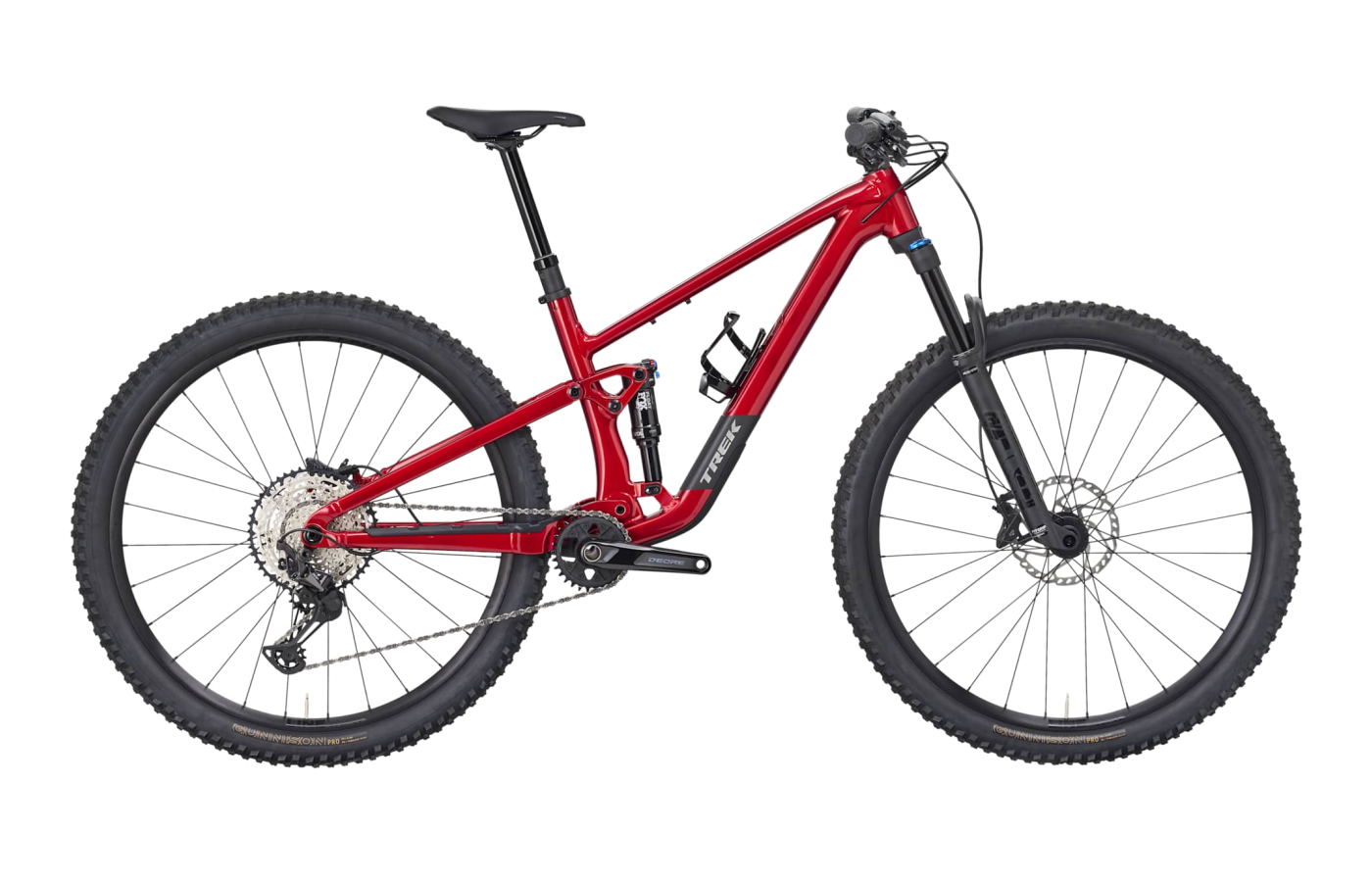
Top Fuel
Trek's direct Evo competitor — 120 mm front and rear, similar downcountry brief, with Trek's IsoStrut rear shock instead of a conventional damper. Heavier frame, but the most refined climb switch in the segment.
Compare →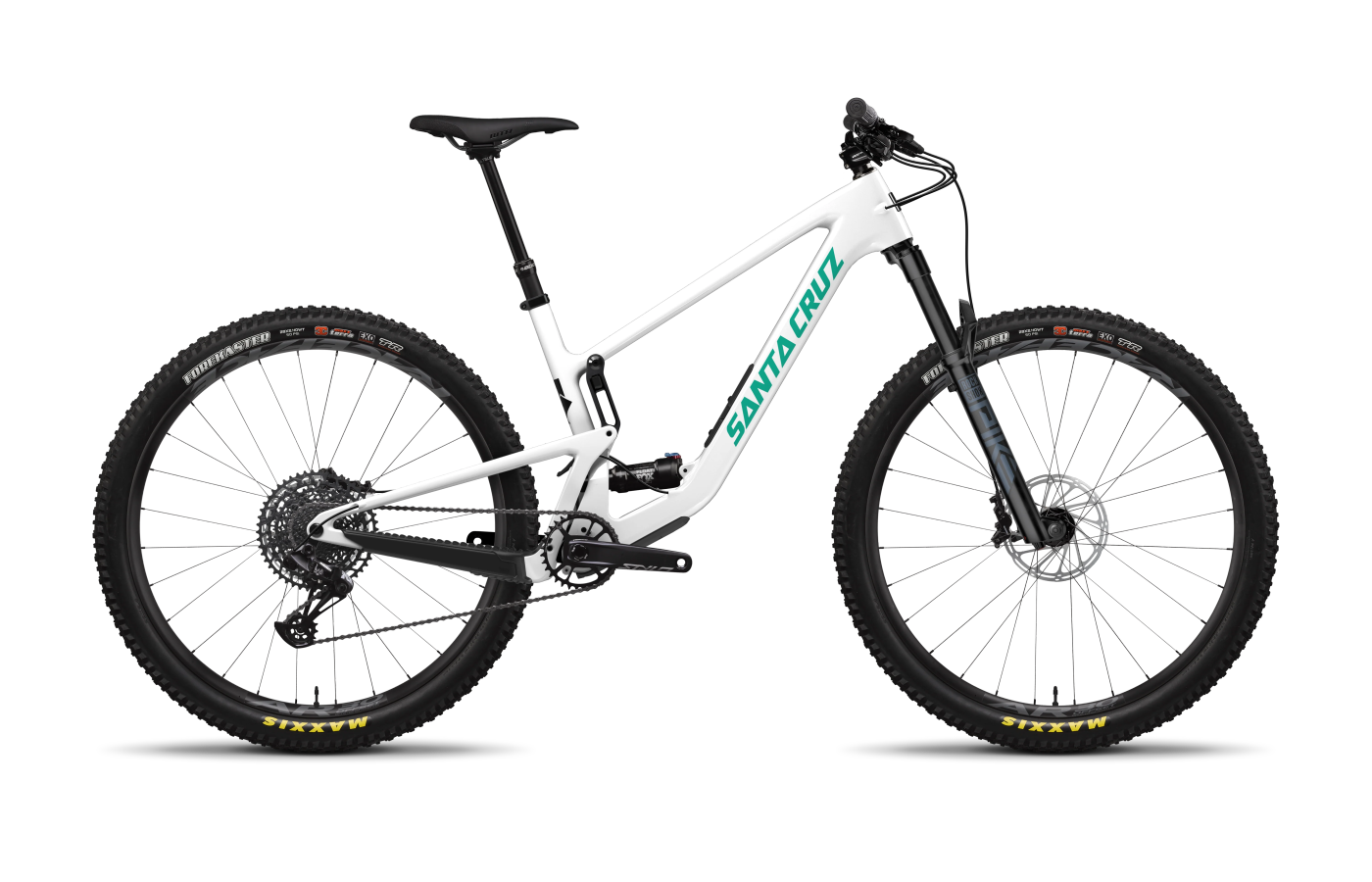
Tallboy
If the Epic's flex-stay rear end feels too firm, the Tallboy's VPP linkage gives a plusher, more traditional trail feel — at a small weight penalty and slightly less raw efficiency.
Compare →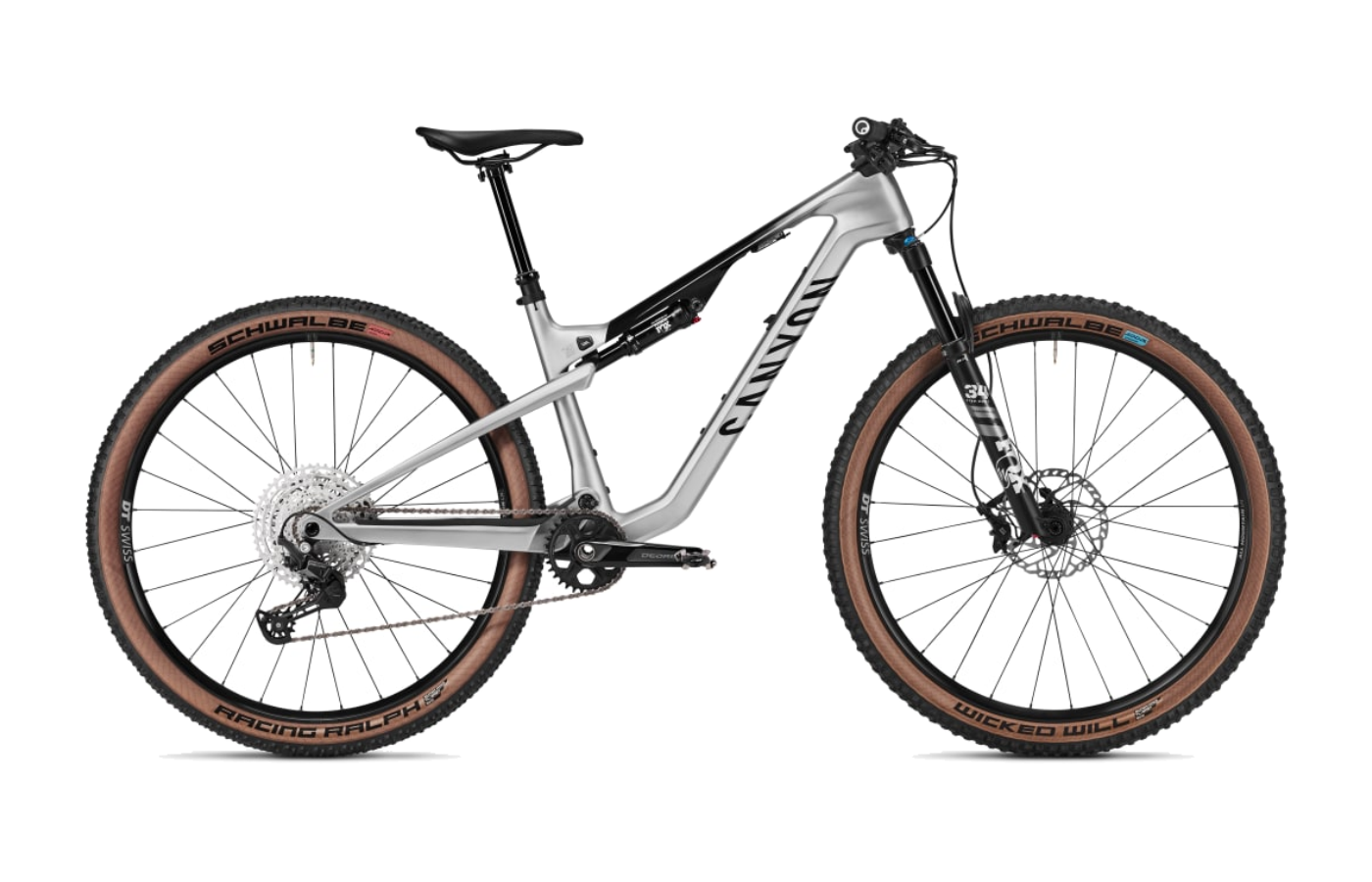
Lux Trail
Canyon's 120 mm trail-XC bike at notably less money thanks to the direct-to-consumer model. Marathon-friendly geometry that's calmer than the Specialized — best if you know your fit and don't need a local dealer.
Compare →