Chisel
vsTop Fuel
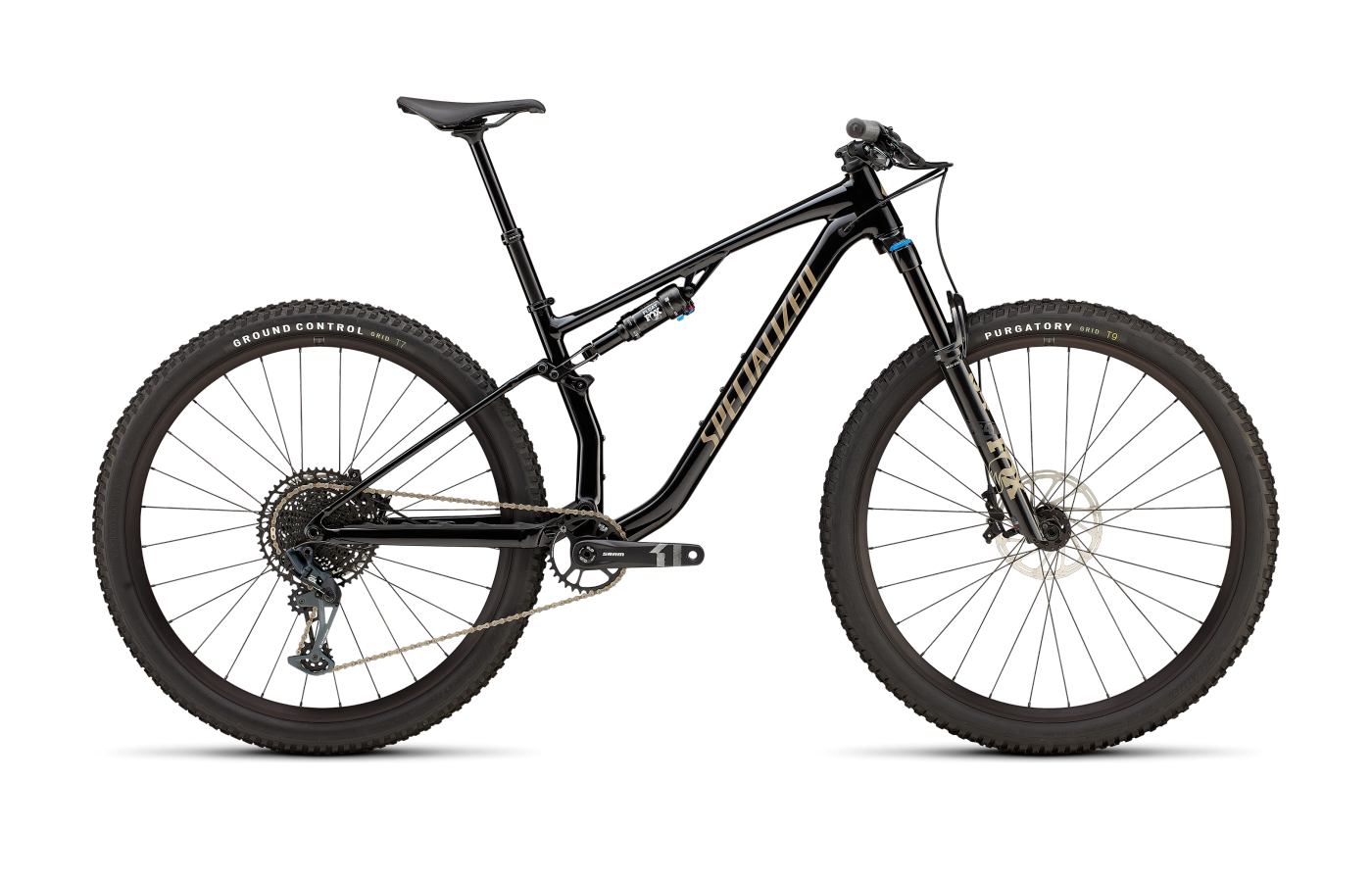
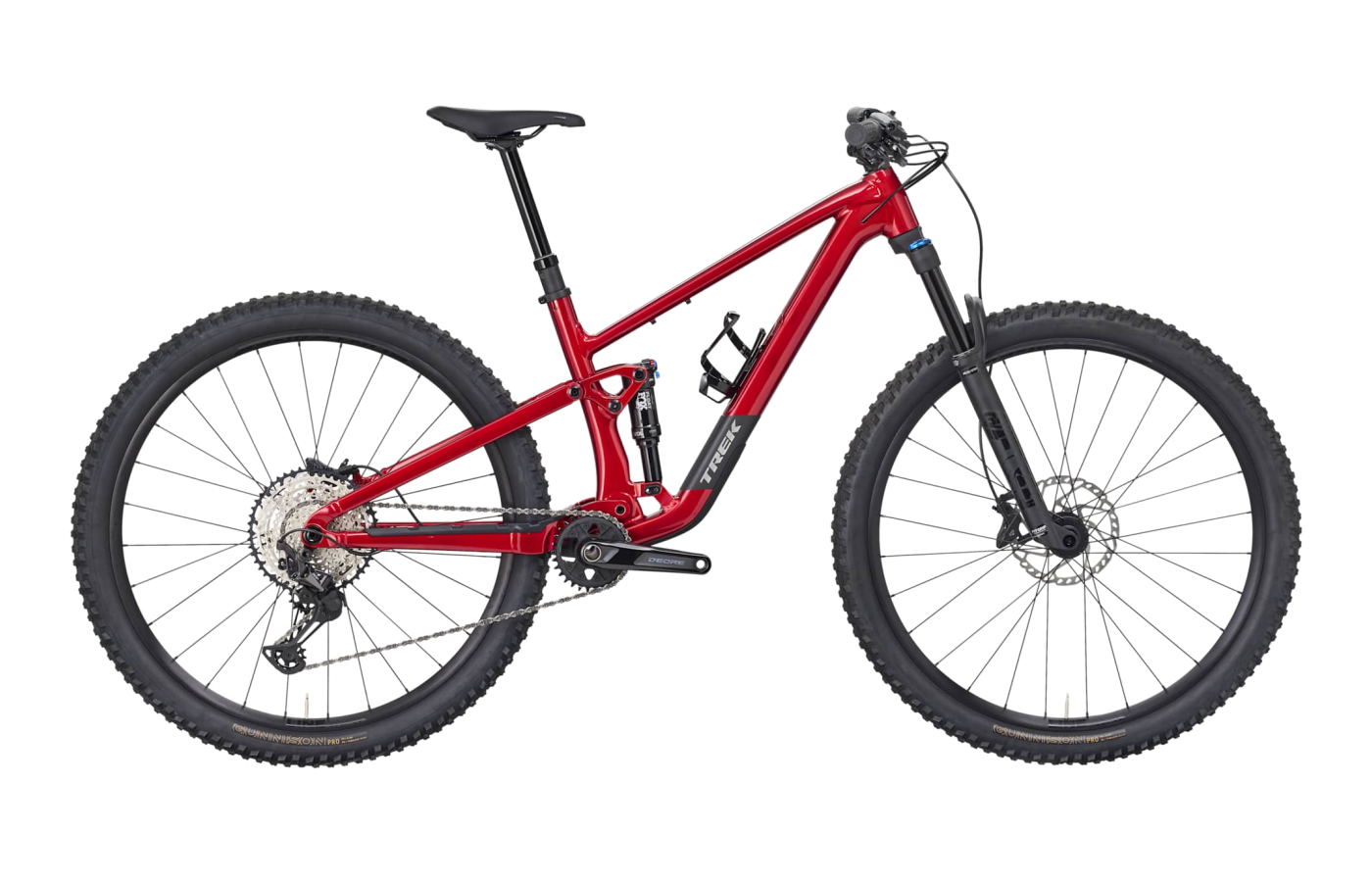
Two takes on the alloy XC bike — one budget, one flagship-adjacent.
The Chisel is Specialized's alloy-only Smartweld answer to the Epic 8. The Top Fuel is Trek's shape-shifting carbon platform with a single alloy entry rung.
Chisel
- Cheapest way into modern XC — complete bikes from $1,899, Comp EVO at $3,599, with frame engineering reviewers compare directly to the Epic 8.
- Snappy, communicative chassis — the M5 Smartweld frame and firm flex-stay rear feel 'deceptively light' and accelerate hard out of corners.
- Mechanic-friendly — BSA threaded BB, traditional cable routing (no headset cables), 30.9 mm dropper, lifetime frame warranty.
- Alloy only — no carbon option, and stock wheels/tires/cockpit are immediate upgrade candidates on every build.
- Firm rear with a 'narrow sweet spot' for sag; gets harsh in chunky terrain if you don't dial it in.
Top Fuel
- Truly versatile chassis — 4-position Mino Link, MX wheel option, and approval to run 140/130 mm travel mean one frame covers XC racing through light enduro.
- Composed at speed — ABP four-bar suspension stays active under braking and small-bump impacts, smoother than flex-stay competitors.
- Practical frame details — internal BITS storage, internal cable guides that make hose swaps a 'cinch,' size-specific 435–445 mm chainstays.
- Premium pricing — alloy 8 starts at $4,199, carbon builds $6,199+, with no sub-$4k path into the platform.
- Stock SRAM Level brakes are widely criticized as underpowered for what the chassis is capable of.
Editor’s analysis
These bikes share a category and almost nothing else — one is a stripped-down speed metal racer, the other a four-position trail chameleon you can dial from XC to almost-enduro.
On paper, both are 120mm-class short-travel mountain bikes. The Specialized Chisel runs 110 mm rear / 120 mm front (130 mm on the EVO), the Trek Top Fuel runs 120 mm rear / 130 mm front out of the box. Both fit-pick to a Medium for a 5'8" rider. From there the gap opens fast — different materials, different suspension architectures, very different price floors.
The Specialized Chisel is alloy across the whole lineup, $1,899 to $3,599. Specialized's pitch is that D'Aluisio Smartweld lets a 2,720 g M5 frame ride like the carbon Epic 8 for a few thousand dollars less — and reviewers (Bikepacking, The Radavist, Bicycling) broadly agree. The flex-stay rear with 110 mm of travel is firm, supportive, eager under power, and unforgiving if you set sag wrong. It's a momentum machine for the 'progression-minded' rider — NICA racers, marathon types, anyone wanting good bones to build on.
The Trek Top Fuel is the opposite philosophy: full carbon (with one alloy 8 build at the bottom), four-bar ABP linkage instead of flex-stays, a 4-position Mino Link that lets you toggle between 14% and 19% rear progression, plus 27.5+/29 mullet compatibility, plus the option to add 10 mm of travel at each end for a 140/130 setup. Reviewers from Pinkbike to NSMB call it a 'short-travel trail bike' first, downcountry second — it's smoother and more composed at speed than the Chisel, but it asks $4,199 to start and $6,199 for the GX AXS that most testers consider the value pick.
Put simply: the Specialized Chisel is the bike you buy when you want race-bike efficiency without a five-figure budget. The Trek Top Fuel is the bike you buy when you want one chassis that can be re-shaped to chase XC podiums on Saturday and shuttle laps on Sunday — and you're willing to pay carbon-frame money for that flexibility.
Where the builds differ.
Comparing our editor's-pick builds side-by-side. Winners highlighted row-by-row — lower price and weight, and the better-spec component, each mark a point.
Build variants & pricing
The Chisel tops out at $3,599 — below where the Top Fuel even starts. The Top Fuel scales to $10,499.
Editor's picks pair the top-spec alloy build on each side: the Chisel Comp EVO ($3,599, Fox 34 130 mm fork, GX Eagle mechanical) and the Top Fuel 8 Gen 4 ($4,199, alloy frame, XT M8100 mechanical). It's the closest apples-to-apples pairing — both alloy, both mechanical-shifting, ~$600 apart. If you want carbon, you're shopping the Top Fuel exclusively; the Chisel platform is alloy-only.
How they fit, how they steer.
Both fit-pick to size M for a 5'8" rider. The Top Fuel M is 7 mm longer in reach (452 vs 445), 8 mm lower in stack (599 vs 606), and over a degree slacker at the head tube (65.9° vs 67°) — a more forward-biased, downhill-oriented posture. The Chisel sits more upright and centralized, with a 21 mm shorter wheelbase (1177 vs 1185 mm at this size) that makes it sharper in tight turns.
Which size should I buy?
Recommendations are based on stack, reach, and effective top tube. The Chisel covers XS through XL; the Top Fuel uses S/M/ML/L/XL with size-specific chainstays.
→These are starting points. Flexibility, riding style, and preferred position all shift the answer — if you’re between sizes, a professional fit beats a chart.
What the magazines said.
Published reviews from trusted cycling outlets. Click through for the full write-up.
Which one should you buy?
If you want race-bike efficiency on a working budget, get the Chisel. If you want one bike that can be re-shaped from XC racer to trail bike, get the Top Fuel.
Chisel
If you're a NICA athlete, marathon racer, or just a fast rider who refuses to spend Epic 8 money, the Chisel delivers most of the carbon flagship's geometry and efficiency on an alloy frame for thousands less. Plan on upgrading the wheels and cockpit eventually — the frame is good enough to deserve them.
Top Fuel
If you want a single bike that races XC marathons one weekend and sessions trail laps the next, the Top Fuel's Mino Link, mullet option, and 140/130 mm capability genuinely deliver. You're paying carbon-frame money for adaptability — and getting a smoother, more composed ride than the Chisel into the bargain.
Questions buyers actually ask.
Short answers to the things we get emailed about most often.
01Which is faster on a typical XC course?
It depends on what's in the course. On smoother, more pedal-heavy XC loops the Chisel has the edge — the firm rear suspension and lighter (alloy but well-engineered) frame mean it accelerates hard and holds momentum well, and reviewers consistently describe it as 'spritely' under power.
On rougher, more technical World-Cup-style courses with rock gardens and sustained chunder, the Top Fuel pulls back ahead. The ABP four-bar rear stays active under braking where the Chisel's flex-stay can feel 'harsh' on high-frequency chatter, and the slacker 65.9° head angle gives more confidence at speed.
02Why is the price gap so large?
Two reasons. First, frame material: the Chisel is alloy across the entire lineup, while the Top Fuel is carbon at every spec except the entry-level 8 ($4,199). Carbon adds roughly $1,500–$2,500 to the comparable build cost.
Second, suspension architecture: the Top Fuel uses a four-bar ABP linkage with a true rear pivot, more bearings, more hardware, and a 4-position Mino Link. The Chisel uses a single-pivot flex-stay design with no rear pivot — fewer parts, lower cost, and (per reviewers) a different ride character that prioritizes pedaling efficiency over braking activeness.
03What's the suspension travel on each?
Chisel: 110 mm rear / 120 mm front on the standard Comp builds, 110 mm rear / 130 mm front on the Comp EVO with its Fox 34 fork. Reviewers note the rear is on the firm side, tuned for pedaling support rather than plush small-bump compliance.
Top Fuel: 120 mm rear / 130 mm front out of the box, but officially approved up to 130 mm rear / 140 mm front by removing a shock spacer and swapping the fork. That puts it within striking distance of the Fuel EX in long-travel mode.
04Can I put a dropper post on the Chisel?
Yes, every Chisel build is dropper-compatible — the frame uses a standard 30.9 mm seatpost with internal routing. Most builds ship with a dropper already, though droppers on the larger sizes are relatively short (around 150 mm), which several reviewers flagged as an upgrade candidate. The Top Fuel ships with longer-travel droppers across its range as you'd expect at the price.
05What about tire clearance?
Both clear genuine 2.4-inch tires. The Chisel platform has measured tire clearance of roughly 59.7 mm, the Top Fuel slightly more at 63.5 mm — neither is a limit you'll bump into running the stock 2.35–2.40" tires, and both have room for slightly more aggressive rubber if you want it.
06Which has better long-term upgrade potential?
The Chisel, somewhat counterintuitively. Reviewers (Bicycling, GuyKesTV) repeatedly praise the threaded BSA bottom bracket, traditional (non-headset) cable routing, and 30.9 mm seatpost — it's friendly to off-the-shelf upgrades and used parts. Bike Mag explicitly recommends a 'high/low' build approach: keep the alloy frame, upgrade wheels and drivetrain over time.
The Top Fuel is more refined out of the box but uses Bontrager-specific RSL integrated cockpits on most builds, which limit fit adjustment without buying a new unit.
07What are the stock brakes like?
The Chisel's lower builds run two-piston brakes that several reviewers flagged as a limiter for aggressive descending, though the Comp EVO upgrades to four-piston SRAM units that handle the bike's character better.
The Top Fuel ships with SRAM Level Bronze brakes on most builds, and they're the most consistent complaint across reviews — Loam Wolf called them 'terrifying' on steep terrain, Bicycling called them 'barely enough' even with 180 mm rotors. Budget for a brake upgrade if you ride steep stuff regularly, especially on the higher Top Fuel builds.
08Which has better resale value?
The Top Fuel holds value better in absolute dollars because the carbon builds start higher and depreciate proportionally. But the Chisel loses less as a percentage — there's not as far to fall from $3,599, and the alloy frame's mechanical-friendliness (no headset cables, threaded BB, lifetime warranty) keeps it desirable on the used market for riders looking for a project frame.
Similar bikes
If your priorities don’t map cleanly onto either of these, one of these adjacent bikes probably fits better.
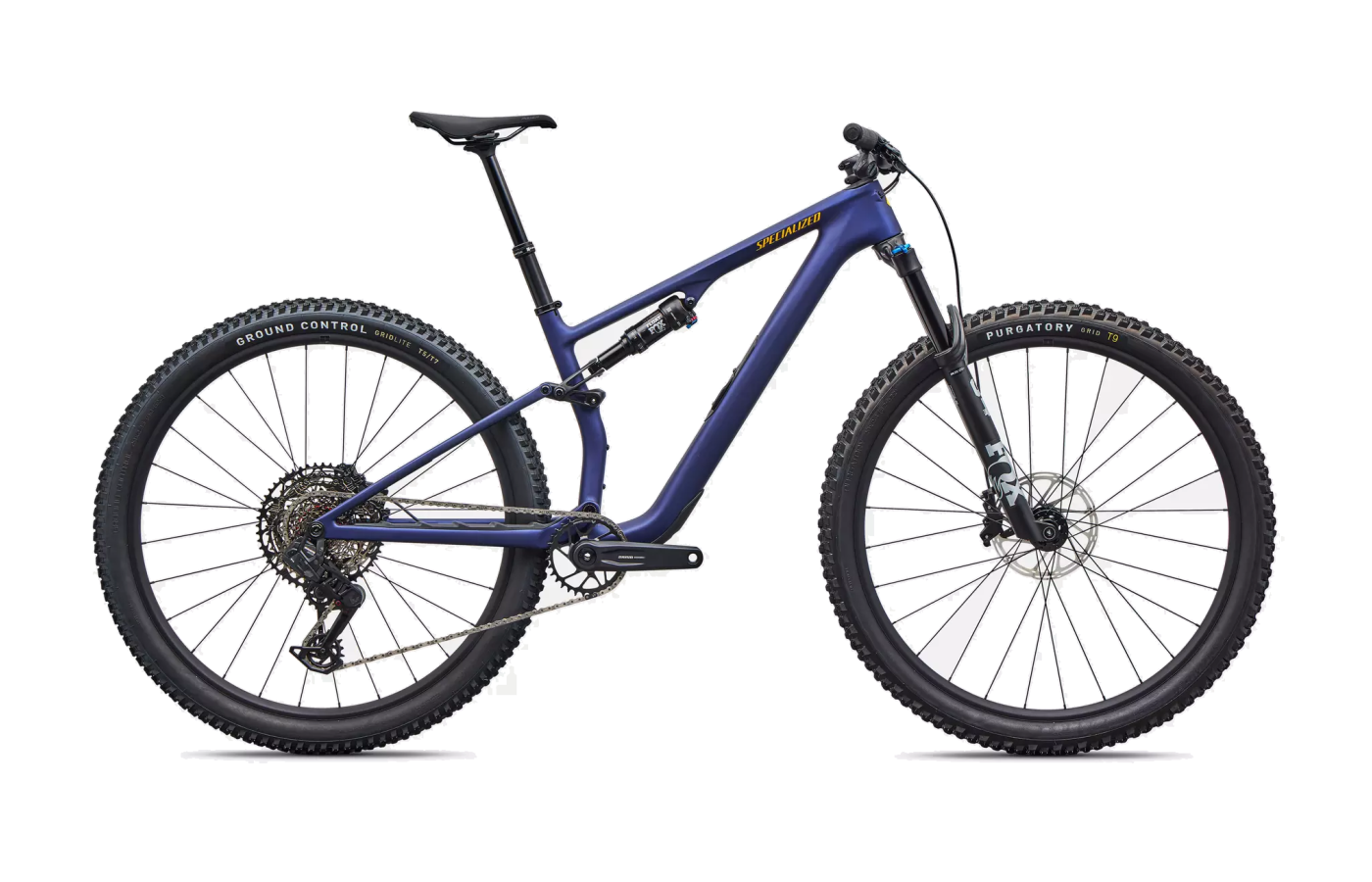
Epic Evo
The Specialized Epic Evo is the carbon answer to the Chisel — same brand DNA, similar geometry, lighter frame, more travel (120 mm rear). Pay the carbon premium and you get a bike that's noticeably lighter and a touch more compliant, but rides with the same XC-leaning character.
Compare →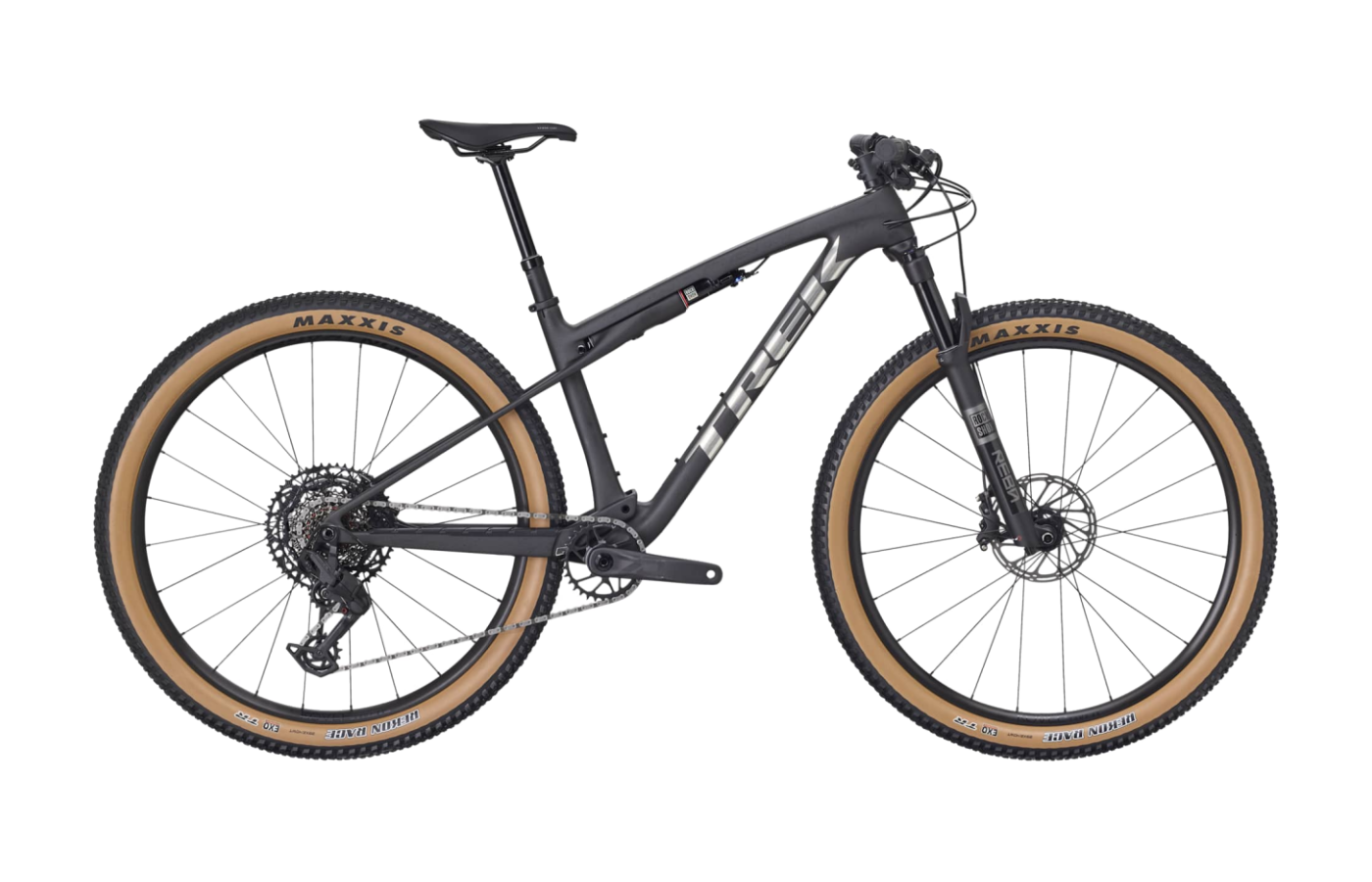
Supercaliber
If the Top Fuel is too 'trail' for you, the Trek Supercaliber is the dedicated XC race weapon — 80 mm rear travel via the IsoStrut, sub-25 lb builds, and a singular focus on going fast on XC courses. Less versatile, much sharper at one job.
Compare →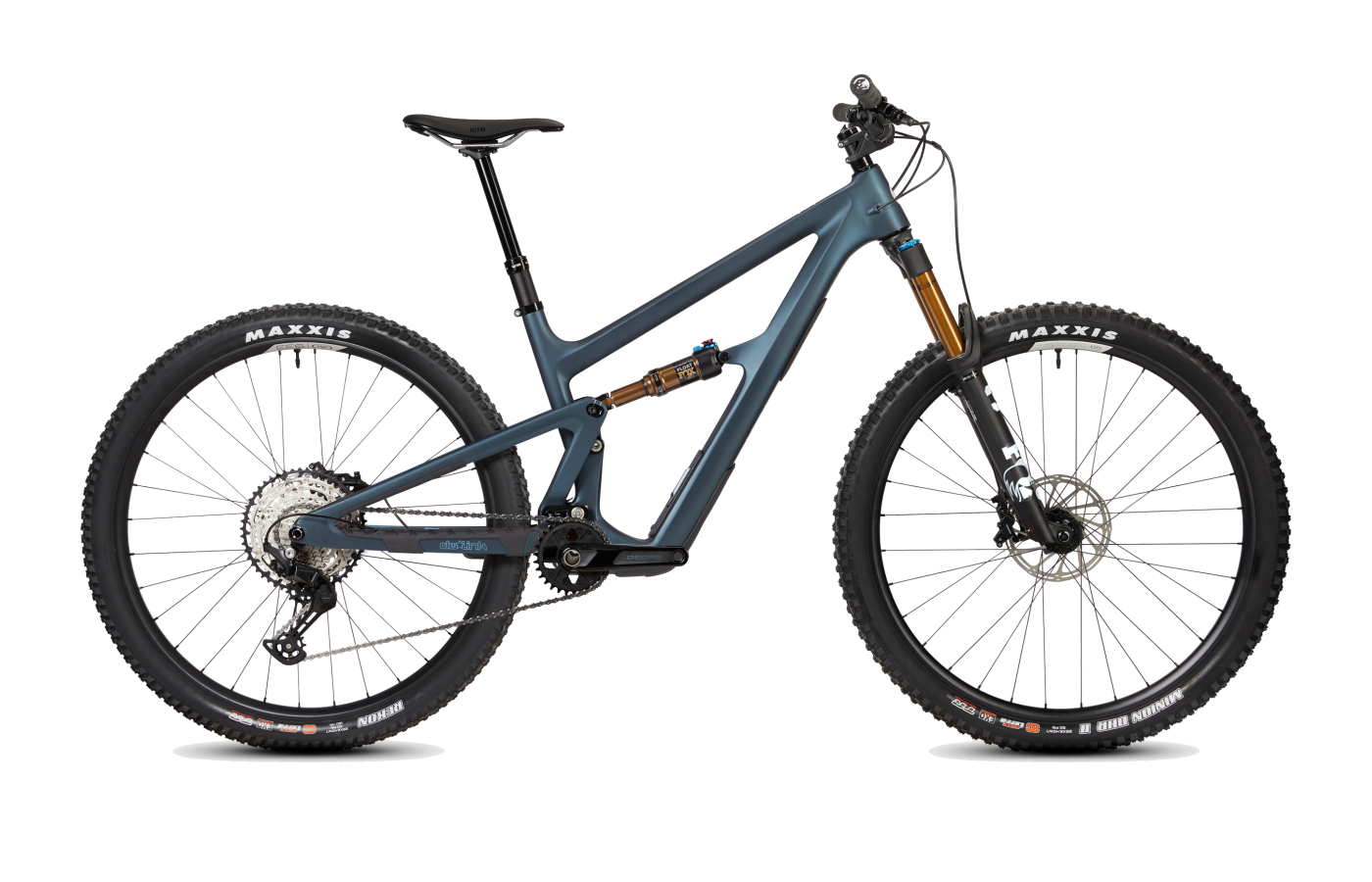
Ripley
The Ibis Ripley brings a DW-Link rear end famous for mid-stroke support and traction on steep climbs. Similar travel and category to the Top Fuel, with a more 'planted' descending feel and a smaller, dealer-thin distribution network as the catch.
Compare →