Chisel
vsEpic Evo
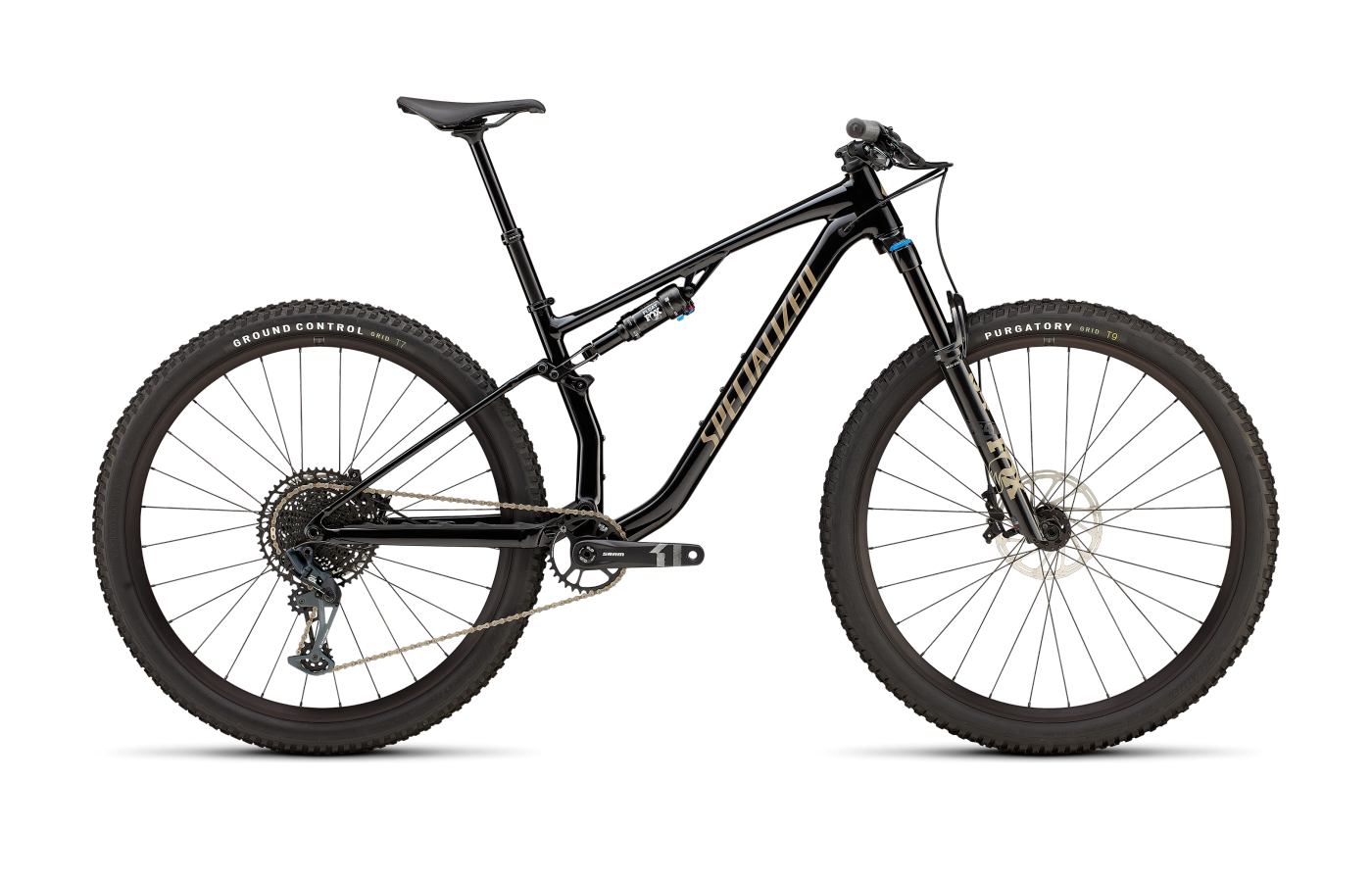
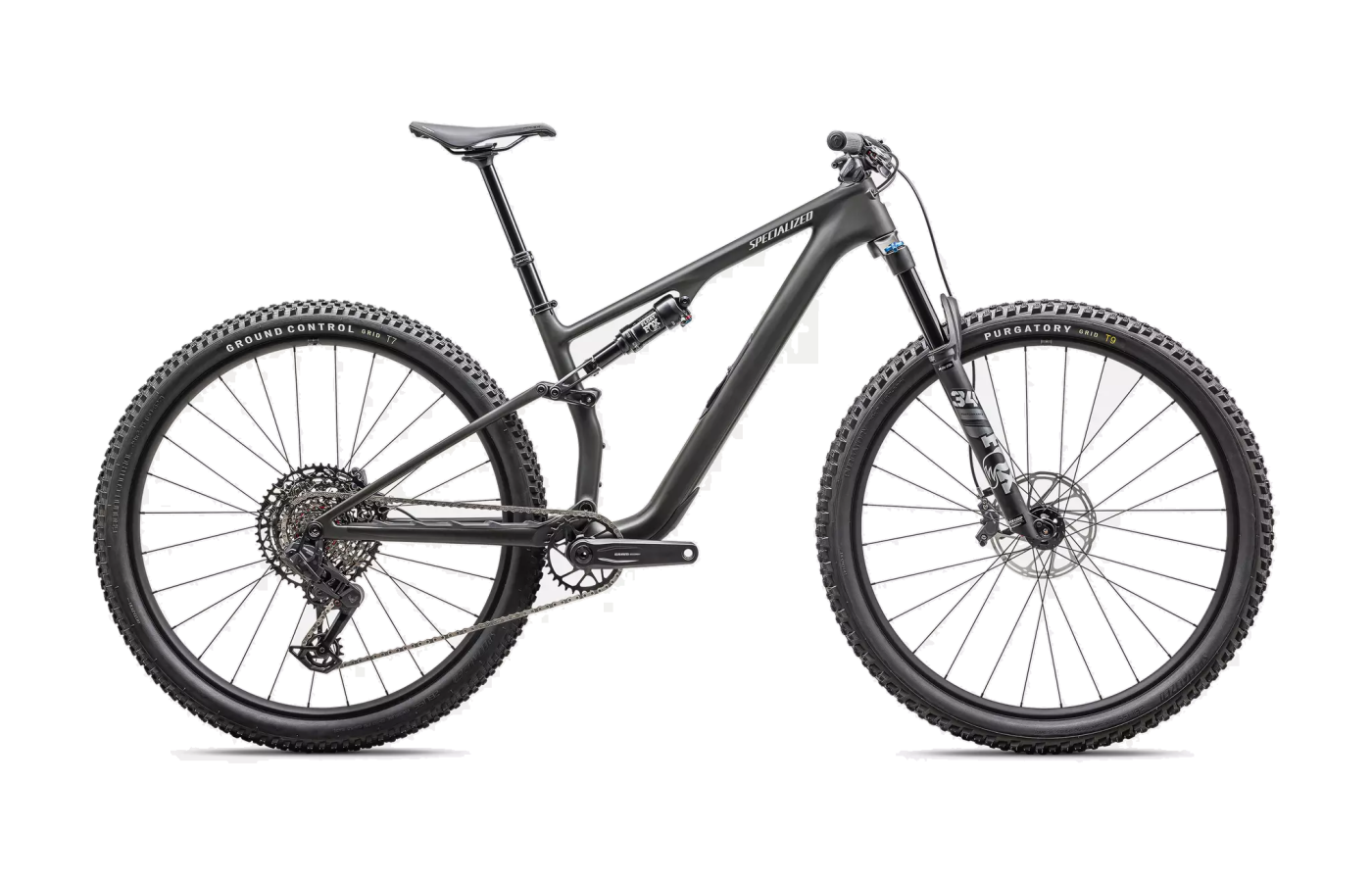
Same DNA, different invoice.
The Chisel is the alloy answer to the same short-travel rally question. The Epic Evo is the carbon original, with the storage door and the lighter scale reading.
Chisel
- Cheapest serious XC platform — $1,899 entry, $3,599 for the Comp Evo with a Fox 34 Performance Elite.
- Smartweld alloy frame at a claimed 2,720 g — only 500–750 g over the carbon Epic.
- Mechanic-friendly — BSA threaded BB, no headset cable routing, lifetime frame warranty.
- 10 mm less rear travel than the Epic Evo (110 vs 120 mm).
- Lower-tier builds use HG freehubs that block 10–52T cassette upgrades.
Epic Evo
- More travel, slacker front — 130/120 mm and 65.4° HTA punches into trail-bike territory.
- SWAT downtube storage and 4-piston SRAM Code brakes standard across the range.
- 25-year frame warranty — one of the longest in the industry, on either FACT 11m or 12m carbon.
- Starts at $4,399 — more than 2x the Chisel hardtail's entry point.
- Firm "Ride Dynamics" tune feels harsh on chattery climbs unless you ride into it.
Editor’s analysis
Two bikes from the same brand, the same suspension architecture, and roughly the same head angle — separated by one material choice and several thousand dollars.
Specialized's downcountry lineup splits across a frame material divide that costs about $1,000 to cross. The Specialized Chisel runs 110 mm of rear travel through a single-pivot flex-stay built from D'Aluisio Smartweld M5 alloy. The Specialized Epic Evo runs 120 mm rear / 130 mm front through a near-identical layout in FACT 11m or 12m carbon. Same kinked seat tube, same Ride Dynamics shock tune philosophy, same XC-leaning geometry — and a starting price of $1,899 versus $4,399.
The Chisel is the smarter aluminum bike on the market right now. Reviewers consistently call it a "convincing facsimile" of the Epic Evo, and the numbers back it up: the medium frame weighs a claimed 2,720 g — only 500–750 g heavier than its carbon sibling. The Smartweld process collapses the seat tube, BB shell, and main pivot into a single hydroformed piece, which is why the bike rides "deceptively light" and avoids the dead, blunt feel typical of budget alloy. It's a momentum machine with a 66.5° head tube angle (low setting) and 437 mm chainstays.
The Epic Evo earns its premium with travel, tech, and tuning. It runs 10 mm more rear travel and 10 mm more fork than the Chisel, slacks out to 65.4° HTA in the low setting, and ships with SWAT downtube storage, UDH, and 4-piston SRAM Code brakes across the lineup — all gravity-adjacent kit on a sub-12 kg bike. At the top, the S-Works build pairs RockShox Flight Attendant with XTR Di2 to crack 11.2 kg. The carbon frame also unlocks the wishbone flex-stay, which several reviewers credit for the bike's snap-to-attention cornering bite.
Put another way: the Chisel is what you buy when you want 90% of the Epic Evo's character for half the money and don't care about an internal storage door. The Epic Evo is what you buy when you want the lightest bike Specialized makes in this travel band, the most aggressive geometry, and a 25-year frame warranty stamped on a carbon chassis.
Where the builds differ.
Comparing our editor's-pick builds side-by-side. Winners highlighted row-by-row — lower price and weight, and the better-spec component, each mark a point.
Build variants & pricing
The Chisel spans $1,899–$3,599; the Epic Evo runs $4,399–$13,999. There is essentially no price overlap between the two lineups.
Prices are current US MSRP. The Chisel Comp Evo at $3,599 is the closest direct analogue to the Epic Evo Comp at $4,599 — both run a Fox 34 fork and alloy wheels, but the Chisel uses mechanical GX while the Epic Evo's entry build steps up to wireless S-1000 Transmission.
How they fit, how they steer.
Both at size M with an identical 445 mm reach. The Chisel sits 5 mm taller in the stack (606 vs 601 mm) and runs a steeper 66.5° head tube versus the Epic Evo's 65.4°, with 2 mm longer chainstays (437 vs 435 mm) — slightly more upright and slightly more nimble.
Which size should I buy?
Both lineups run XS through XL with closely matched reach numbers; the Chisel extends marginally lower in the XS frame (390 mm reach vs 385 mm).
→These are starting points. Flexibility, riding style, and preferred position all shift the answer — if you’re between sizes, a professional fit beats a chart.
What the magazines said.
Published reviews from trusted cycling outlets. Click through for the full write-up.
Which one should you buy?
If you want the most XC bike per dollar, get the Chisel. If you want the most XC bike, period, get the Epic Evo.
Chisel
If you're a NICA student-athlete, a privateer racer, or anyone who'd rather spend the saved $3,000 on a wheelset upgrade and a season of entry fees, the Chisel gets you to the front of the field on the same Specialized geometry. Just budget for a brake and tire swap if you ride aggressively.
Epic Evo
If you want one bike for XC racing on Saturday and double-black descents on Sunday, the Epic Evo is the sharpest tool Specialized makes in the 120/130 mm band. The 4-piston Codes, slacker front, and SWAT storage push it well into trail-bike duty without giving up the climb.
Questions buyers actually ask.
Short answers to the things we get emailed about most often.
01How different are the two bikes on the trail?
Closer than the price gap suggests. Multiple reviewers — including James Huang at Nminus1bikes and the Bikepacking.com test team — explicitly describe the Chisel as a "convincing facsimile" of the Epic Evo. They share the same flex-stay single-pivot architecture, the same kinked seat tube design, and very similar geometry numbers.
The Epic Evo is roughly 1–1.5 kg lighter in equivalent trim and runs 10 mm more rear travel, which translates to a more confident descender and a slightly softer ride on chunky terrain. The Chisel is firmer and more direct — better described as "momentum machine" than "trail bike".
02What's the actual weight difference?
Frame-only, the Chisel medium claims 2,720 g versus roughly 2,000–2,200 g for the carbon Epic Evo (FACT 11m / 12m), so call it 500–750 g of frame weight.
Complete-bike weights at comparable price tiers are further apart because the Epic Evo's higher build budget buys lighter components: the Chisel Comp Evo is 13.53 kg, the Epic Evo Comp is 12.75 kg — about a kilo gap on the bathroom scale. The S-Works Epic 8 Evo at the top of the lineup hits 11.17 kg, which the Chisel cannot match at any spec.
03How much travel does each have?
Chisel: 110 mm rear / 120 mm front (130 mm front on the Comp Evo build).
Epic Evo: 120 mm rear / 130 mm front across the entire lineup.
The 10 mm rear travel gap is the single biggest functional difference. Reviewers note the Chisel's rear suspension reaches its limits sooner on big drops and rock gardens — it is "keen to use all its travel" on larger hits — while the Epic Evo retains more reserve before bottoming.
04Can the Chisel really hang with carbon bikes on the climbs?
Closer than you'd guess. The Smartweld frame collapses the bottom bracket, seat tube, and main pivot into a single hydroformed unit, which keeps the frame stiff and light despite the alloy material. Reviewers call the bike "spritely" and note that it "accelerates almost as well as a stiff carbon bike."
The limiter is usually the stock wheelset, which is heavy and narrow (27 mm internal on lower builds). One tester swapped to carbon wheels and dropped nearly three pounds, which transformed the bike. The frame is genuinely competitive; the parts spec at the price point is the catch.
05Why does the Epic Evo cost so much more?
Three reasons. First, carbon vs. alloy — the FACT 11m / 12m frame is more expensive to produce. Second, build content — the Epic Evo ships with 4-piston SRAM Code brakes, larger-volume tires, and (on higher builds) wireless SRAM Transmission or Shimano XT Di2, where the Chisel runs mechanical GX or NX Eagle. Third, frame features the Chisel doesn't have: SWAT downtube storage, UDH-compatible dropout, and the 25-year frame warranty.
Whether those features are worth $1,000+ on top of the Chisel is genuinely a personal call — for many riders, the answer is no.
06Which is better for bikepacking?
Both work, with different tradeoffs. The Chisel has a massive front triangle that fits two large bottles on every frame size, making it a stealthily good ultra-distance platform. The aluminum frame is also more forgiving of rock strikes and trail-side repairs.
The Epic Evo counters with SWAT downtube storage for tools and tubes, plus a lighter overall package for big climbing days. If you ride lots of fire-road miles with frame bags strapped on, the Chisel wins. If you want clean lines and an internal stash, the Epic Evo does.
07What about the upgrade path?
The Chisel is one of the most upgrade-friendly modern bikes on the market. Threaded BSA bottom bracket, 30.9 mm seatpost, standard cable routing through the frame (not through the headset bearings) — Bicycling and others called this out as a deliberate maintenance win.
There are two catches: the lower-tier builds use Shimano HG-style freehub bodies, which prevent direct upgrades to wider-range SRAM cassettes without buying a new wheel or freehub, and the stock 760 mm bars and 150 mm droppers are quick swap candidates for aggressive riders.
The Epic Evo is also serviceable on the 11m frames (Pro/Expert/Comp), but the S-Works 12m frame routes cables through the headset — Mountain Bike Action flagged that as a maintenance complication.
08Should I just save up and get the Epic Evo?
Only if the extra travel, lighter weight, and SWAT storage are worth around $1,000 to you on top of the Chisel Comp Evo's $3,599. For NICA racers, weekend-warrior XC riders, and bikepackers, the Chisel is genuinely 90% of the bike. For aggressive trail riders, big-mountain weekend warriors, or racers chasing seconds at the front of the field, the Epic Evo's extra travel and lighter scale reading start to matter.
The Bikepacking.com tester summed it up: for the price of one S-Works Epic 8 Evo ($13,999), you could buy four Chisel Comps.
Similar bikes
If your priorities don’t map cleanly onto either of these, one of these adjacent bikes probably fits better.
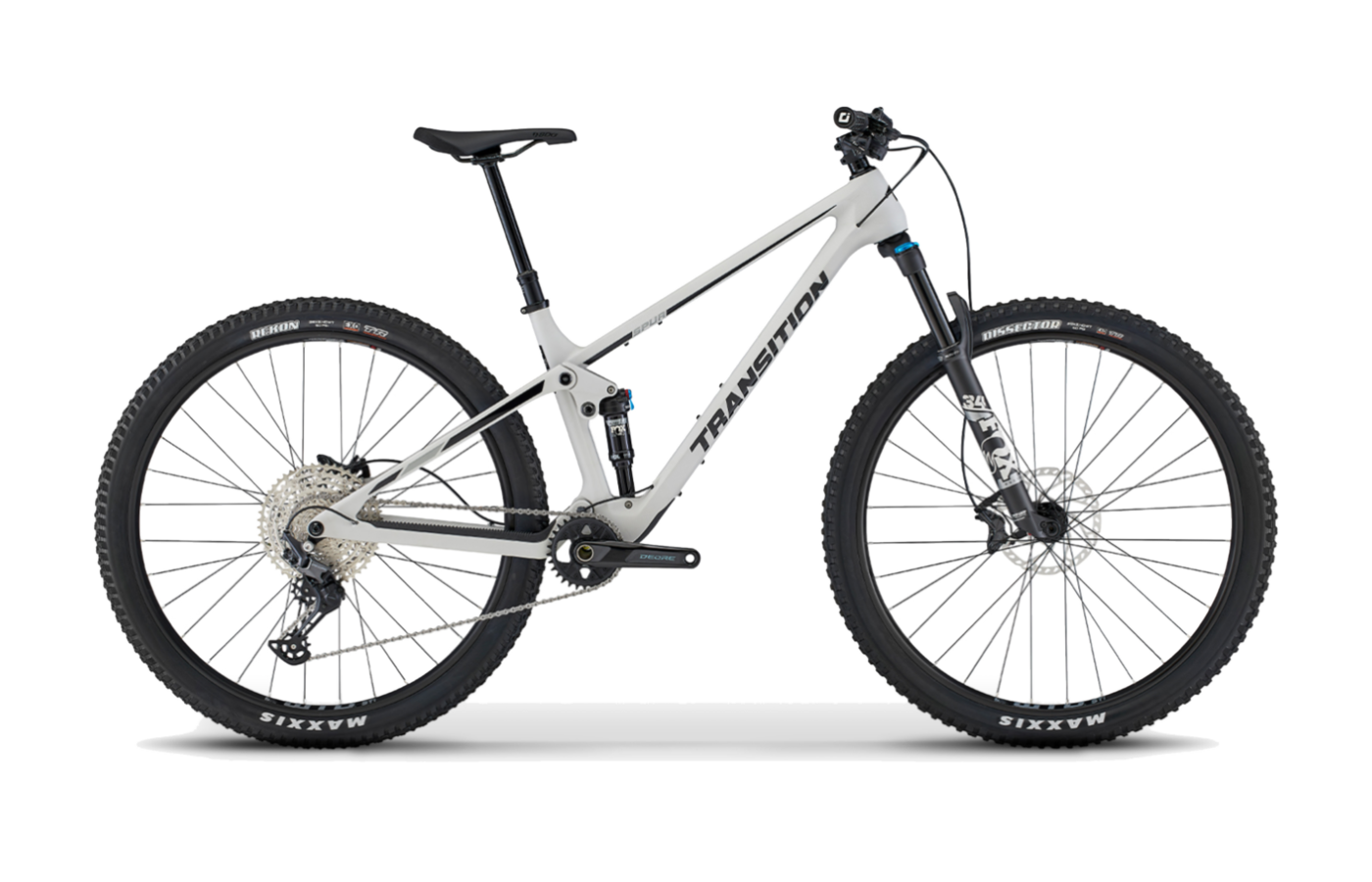
Spur
The bike that named the downcountry category — a playful, high-energy short-travel rig with a ride character that splits the difference between the Chisel's directness and the Epic Evo's reserve. Less travel than the Epic Evo, more poise than a pure XC racer.
Compare →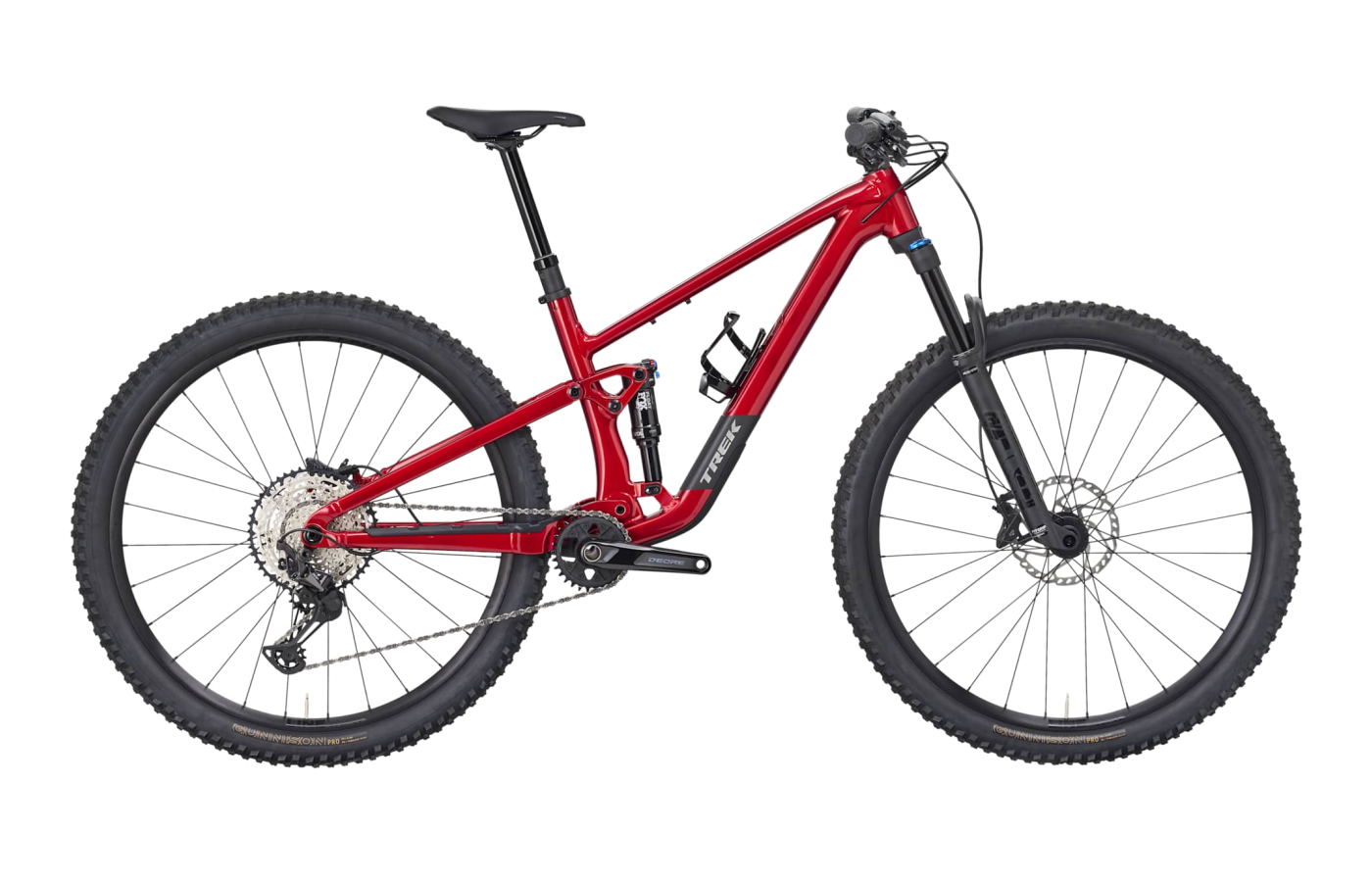
Top Fuel
Trek's 120 mm answer in either alloy or carbon. The carbon builds undercut the Epic Evo on price; the alloy is heavier than the Chisel but offers Trek's IsoStrut rear end as an alternative suspension flavor.
Compare →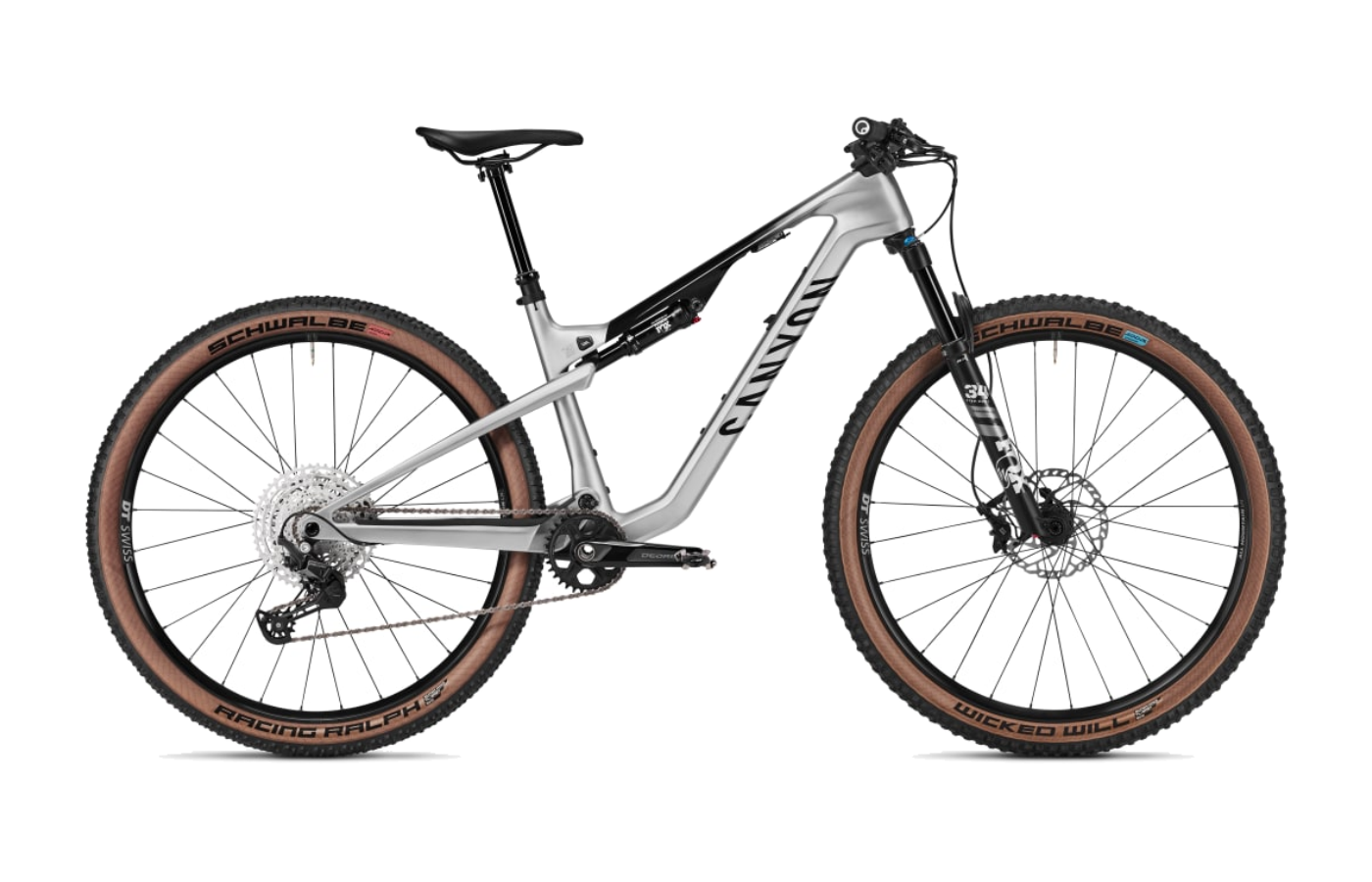
Lux Trail
Direct-to-consumer carbon at Chisel-Comp money — internal storage, race pedigree, and a price that makes the Epic Evo's carbon premium hard to defend if you don't need the dealer network.
Compare →