Journeyer
vsStormchaser
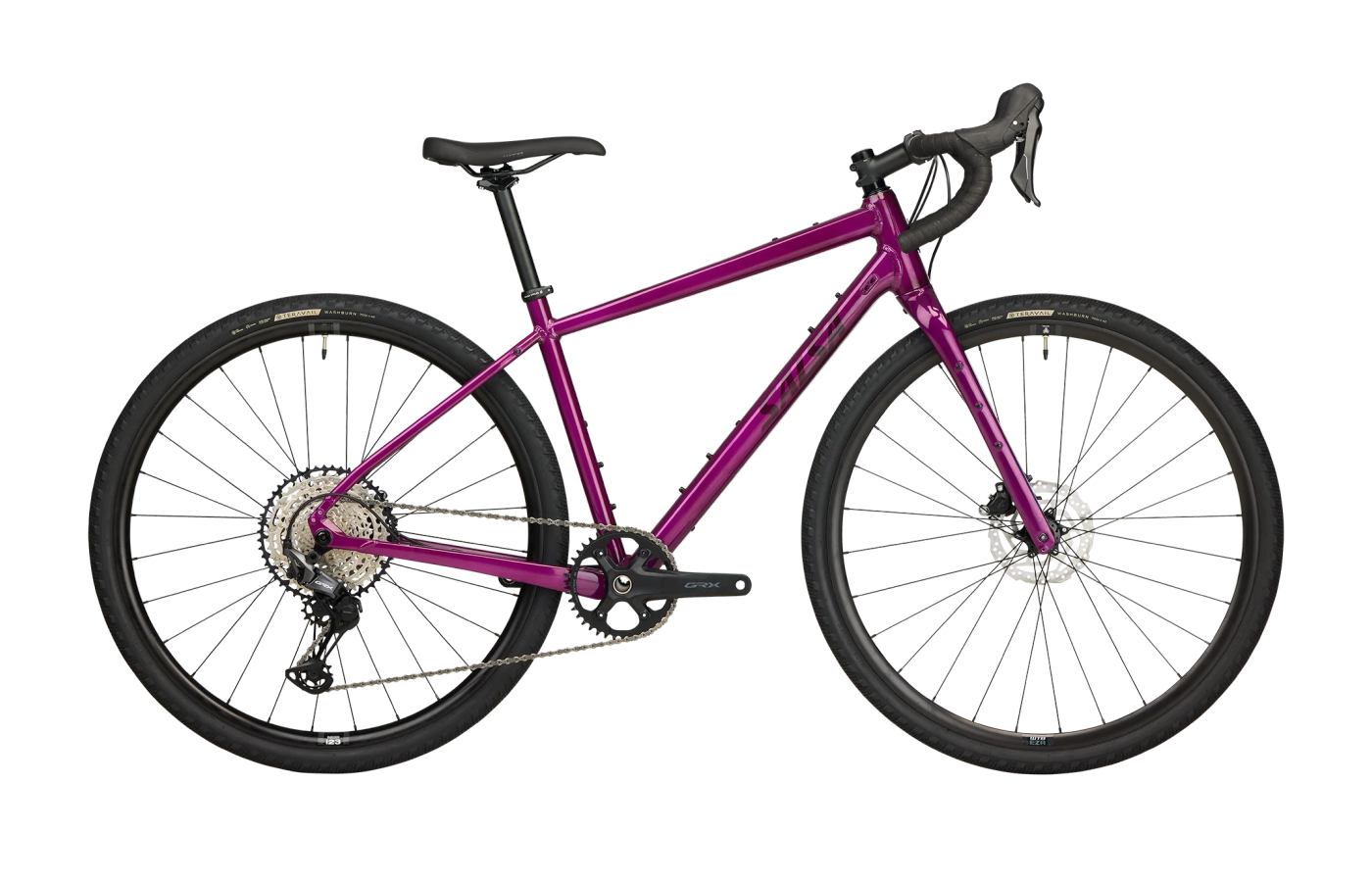
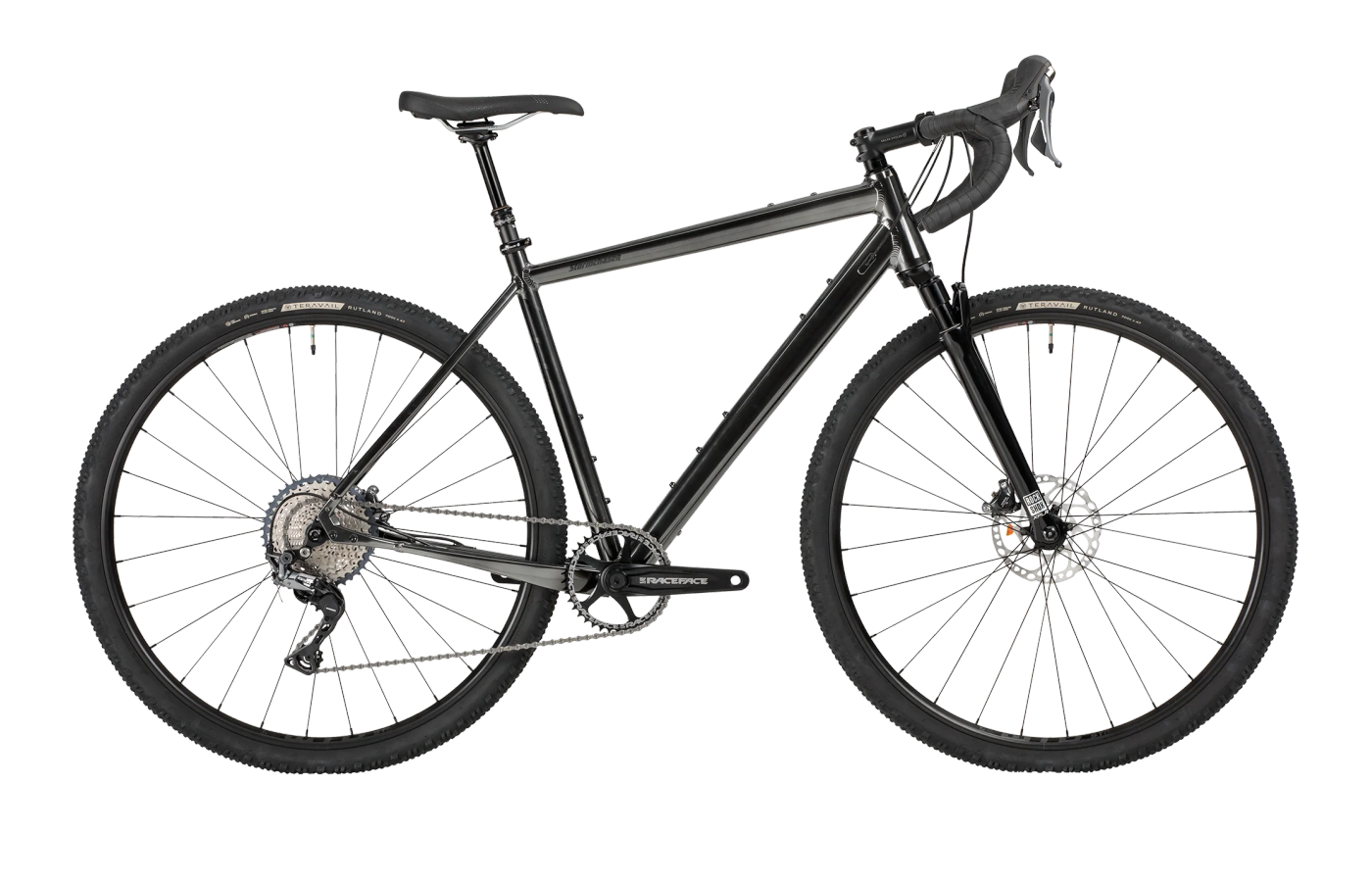
Two Salsa gravel bikes, two completely different missions.
The Journeyer is the welcoming all-roader with 15 builds and a $629 entry point. The Stormchaser is a single-speed-bred filth fighter with a suspension fork and Warbird race DNA.
Journeyer
- Massive build range — 15 trims from $629 to $2,499, the widest entry-to-mid spread in gravel.
- Compliant, comfort-tuned ride with carbon fork, exposed seatpost flex, and 50 mm tire clearance.
- Endlessly versatile — bottle/rack/fender mounts everywhere and dropper-post routing built in.
- Stable geometry trades sharpness for comfort — understeers in fast sweeping corners.
- Heavier than direct-to-consumer competition at similar price (around 10 kg on dropbar builds).
Stormchaser
- RockShox Rudy XPLR 40 mm fork on both geared builds takes the edge off the famously stiff frame.
- Bombproof in foul weather — Alternator dropouts, single-speed-ready, mud clearance for days.
- Race-bred Warbird DNA — stiff bottom bracket, planted at 30 mph on loose gravel.
- Only three builds and the cheapest is single-speed — no easy mid-tier geared entry point.
- Aggressive low-stack fit isn't for casual riders or anyone who wants an upright posture.
Editor’s analysis
Same brand, same aluminum, same 50 mm tire clearance — and yet almost nothing else about how these two bikes ride is the same.
The Salsa Journeyer is the catch-all. Fifteen builds spanning $629 to $2,499, a 6061-T6 aluminum frame paired with a Waxwing carbon fork on most trims, and a relaxed 69.5-degree head angle wrapped around a 1051 mm wheelbase (in size 55). Reviewers across Velo, Road.cc, and Bikexchange use the same word for it: "happy." It's the bike Salsa points at the gravel-curious commuter, the first-time bikepacker, and the rider who wants one drop-bar bike to cover paved Sunday loops, hardpack rail trails, and the occasional sloppy fire road.
The Salsa Stormchaser is none of that. It's built around a hydroformed 6066-T6 aluminum frame — a denser, higher-fatigue alloy than the Journeyer's 6061 — and ships with a RockShox Rudy XPLR 40 mm suspension fork on both geared builds. The geometry is racier (586.9 mm stack vs. the Journeyer's 570 mm at comparable size, with a marginally steeper 69.2-degree head angle and shorter 435 mm chainstays) and inherits its DNA from the Warbird race platform. There are exactly three builds, the cheapest of which is single-speed.
Where the Journeyer prioritizes compliance and approachability — exposed seatpost flex, slacker geometry, an upright-ish position — the Stormchaser prioritizes power transfer and bad-weather composure. Bike Perfect called it "a seriously solid workout bench." Ridinggravel called the carbon fork "possibly the stiffest fork I have ever ridden on a gravel bike." Both are accurate. The Rudy suspension fork on the geared builds is what brings the comfort back.
Put plainly: if you want a versatile gravel bike that grows with you, the Journeyer wins on every metric — price, build choice, comfort, approachability. If you want a purpose-built rig for muddy gravel races, single-speed shenanigans, or remote bikepacking where a derailleur is a liability, the Stormchaser earns its keep. They are not really competing for the same buyer.
Where the builds differ.
Comparing our editor's-pick builds side-by-side. Winners highlighted row-by-row — lower price and weight, and the better-spec component, each mark a point.
Build variants & pricing
The Journeyer offers 15 builds from $629 to $2,499. The Stormchaser has just three, starting at $1,799 for the single-speed and topping out at $3,549.
The Stormchaser's GRX 810 build runs $1,050 more than the Journeyer's top GRX 610 trim — the gap reflects both the higher-tier groupset and the RockShox Rudy XPLR suspension fork that the Journeyer doesn't offer at any price. Prices are current US MSRP.
How they fit, how they steer.
Journeyer 55 vs. Stormchaser 56 — the closest fit-picked sizes for each bike. The Stormchaser sits 17 mm taller in stack but 2 mm shorter in reach, on slightly shorter 435 mm chainstays vs. the Journeyer's 440 mm.
Which size should I buy?
The Journeyer's 6-size range starts smaller (49 cm) and stretches to 60 cm; the Stormchaser's 7-size range covers similar ground but with finer increments through the middle.
→These are starting points. Flexibility, riding style, and preferred position all shift the answer — if you’re between sizes, a professional fit beats a chart.
What the magazines said.
Published reviews from trusted cycling outlets. Click through for the full write-up.
Which one should you buy?
If you want one gravel bike that does everything well, get the Journeyer. If you want a purpose-built rig for nasty weather and single-speed racing, get the Stormchaser.
Journeyer
If you ride a mix of pavement, hardpack, light singletrack, and the occasional loaded weekend tour — and you want a wide range of build options at every budget — the Journeyer is the obvious pick. It's comfortable, versatile, and won't intimidate.
Stormchaser
If you race single-speed gravel, bikepack remote routes where a derailleur is a liability, or you just want a bike that gets better as the conditions get worse — the Stormchaser is the rare drop-bar tool built for that exact mission. The suspension fork on the geared builds is the cherry on top.
Questions buyers actually ask.
Short answers to the things we get emailed about most often.
01Which is more comfortable on long rides?
The Journeyer, by a meaningful margin. Reviewers across Velo, Road.cc, and Cycling Weekly consistently praise its compliant 6061-T6 frame, the Waxwing carbon fork, and the long exposed seatpost — all of which contribute to vibration damping. Cycling Weekly explicitly noted they "never got bored of riding the Journeyer, even on long routes."
The Stormchaser, by contrast, is described as "firm," "stout," and "a seriously solid workout bench" by Bike Perfect. The RockShox Rudy XPLR fork on the geared builds takes the edge off, but the frame itself is intentionally stiff for power transfer.
02Can the Stormchaser be converted from single-speed to geared?
Yes — the Stormchaser uses Salsa's Alternator dropouts, which allow chain tensioning for single-speed and accept an optional gear hanger for a 1x conversion. You'd need to buy the hanger plus a derailleur, shifter, and cassette. The two stock geared builds (Apex Eagle SUS at $3,199 and GRX 810 1x SUS at $3,549) come configured this way out of the box if you don't want to do the work yourself.
03What's the maximum tire clearance on each?
Journeyer: 50 mm in 700c, or 55 mm in 650b. Salsa quotes the bike as compatible with up to 2.4-inch rubber on 650b in some configurations.
Stormchaser: 50 mm in 700c as well, with similar 650b headroom. The difference isn't the maximum — it's the mud clearance around it. The Stormchaser's splayed seat stays and open chainstay scoop are designed specifically to shed mud, which is why Bike Perfect calls it a "filth fighting bike."
04Why is the Stormchaser so much more expensive?
Two reasons. First, the RockShox Rudy XPLR suspension fork on the geared builds adds significant cost over the Journeyer's rigid Waxwing carbon fork. Second, the Stormchaser has no entry-level builds — Salsa positions it as a specialist tool, so the cheapest option is the $1,799 single-speed and the geared builds start at $3,199.
The Journeyer's economy of scale (15 builds, $629 entry) lets Salsa hit price points the Stormchaser simply doesn't compete at. If your budget is under $2,000 and you want gears, the Journeyer is the only Salsa option.
05Which one handles better in mud?
The Stormchaser, decisively. Ridinggravel reported it "feels rock solid" cutting across deep, loose gravel at near 30 mph and "holds a straighter line" in mud and loose sand than other gravel bikes in their test stable. The combination of the stiff frame, racy 70-degree head angle, and longer wheelbase pays off when traction is poor.
The Journeyer is stable in mud — it's just less aggressive. It'd rather cruise the conditions than charge through them.
06Are both compatible with a dropper post?
Yes, both. The Journeyer has internal routing for a dropper specifically called out by Salsa as an upgrade path, and reviewers (including Bicycle-guider) flag it as a smart future-proofing feature. The Stormchaser's seat tube is a 27.2 mm diameter — smaller than the typical 30.9 or 31.6 mm dropper posts use — so dropper options are more limited there. Check post compatibility before you buy.
07Which has better climbing?
Depends what you mean. The Journeyer offers wide gear ranges across its builds — the GRX 600 2x setup gives a 30T low chainring with an 11-34 cassette, plenty of bailout for steep loaded climbs.
The Stormchaser, in single-speed trim, ships with 17T and 18T cogs against a 38T chainring. Bike Perfect was "consistently startled" at what they could climb in 34x16 trim, so it's far more capable than you'd expect — but you're at the mercy of one gear. The geared GRX 810 build solves this with proper Shimano GRX gearing.
08What's the warranty on each?
Both share Salsa's standard policies. The aluminum frame on each carries a 3-year warranty to the original owner, which Bike Perfect noted is shorter than the lifetime warranty Salsa offers on its carbon, steel, and titanium frames. Both are covered against manufacturing defects, and Salsa offers crash-replacement pricing through authorized dealers.
Similar bikes
If your priorities don’t map cleanly onto either of these, one of these adjacent bikes probably fits better.
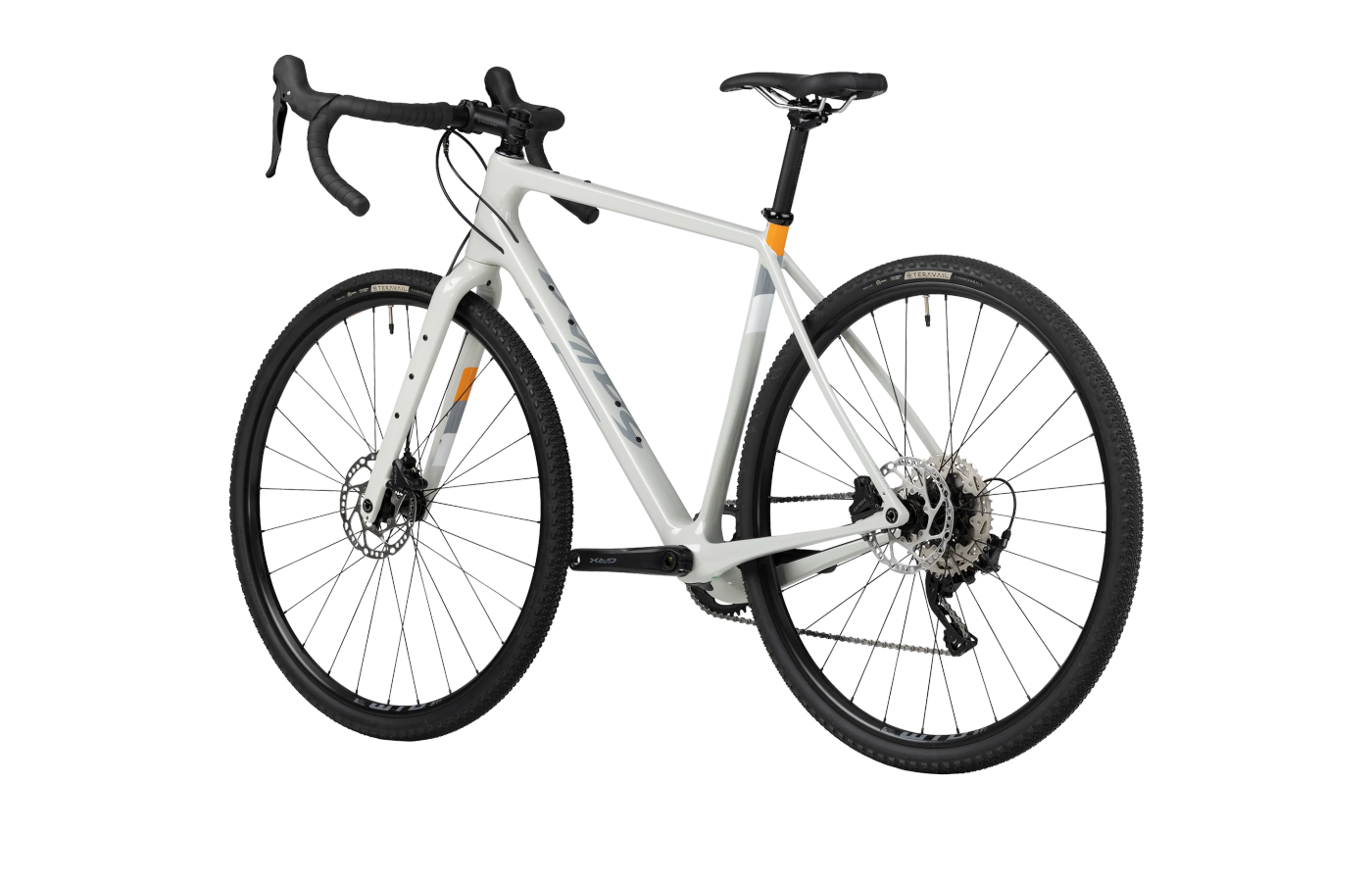
Warbird
Salsa's carbon-framed gravel race bike — same Warbird DNA the Stormchaser inherits, but lighter and geared from the factory. The right call if you want race speed without the single-speed gimmick.
Compare →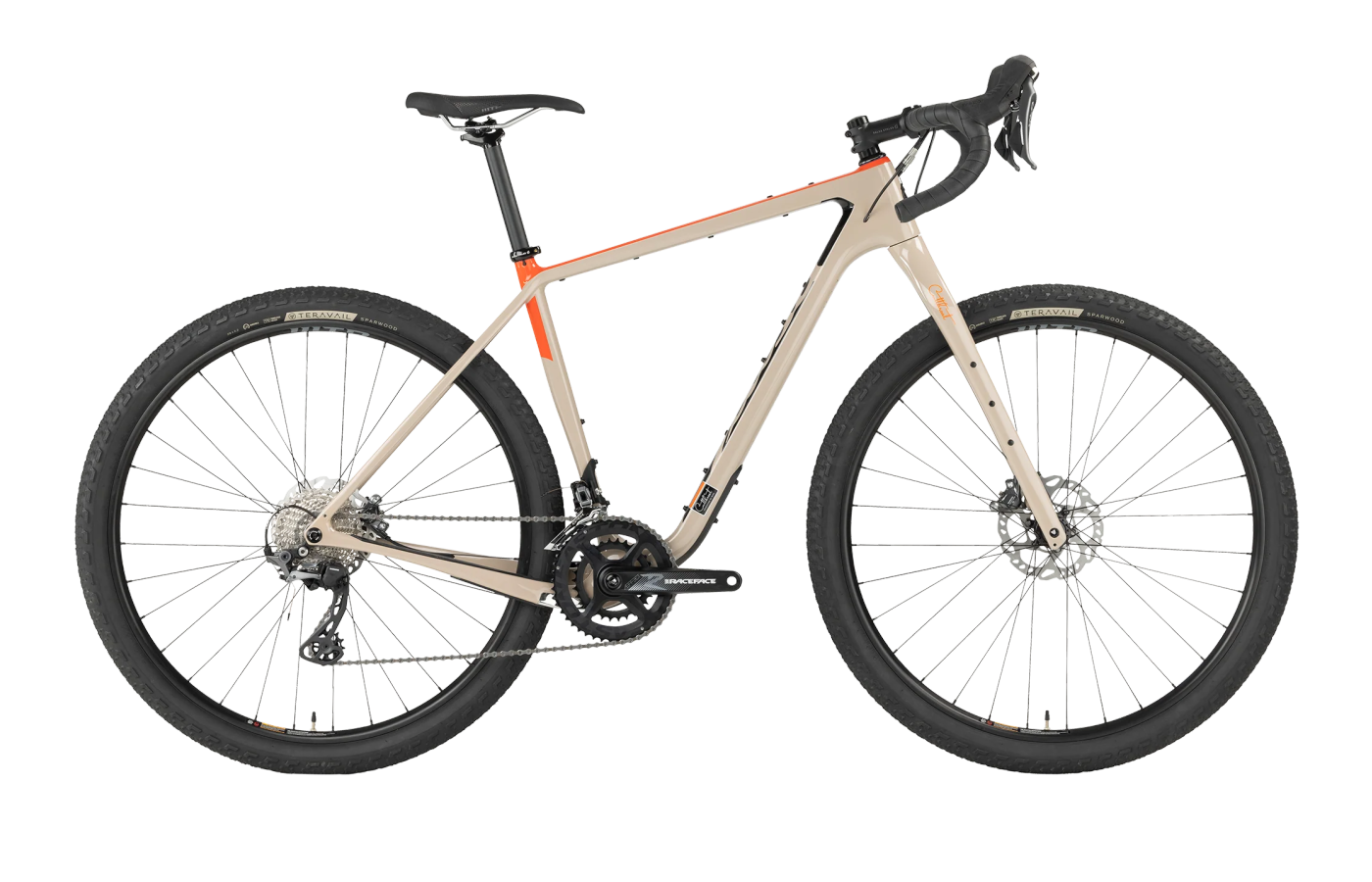
Cutthroat
If the Stormchaser's stiff fork is the dealbreaker, the Salsa Cutthroat brings mountain-bike-influenced geometry, more compliance, and the same bikepacking utility for long days off-road.
Compare →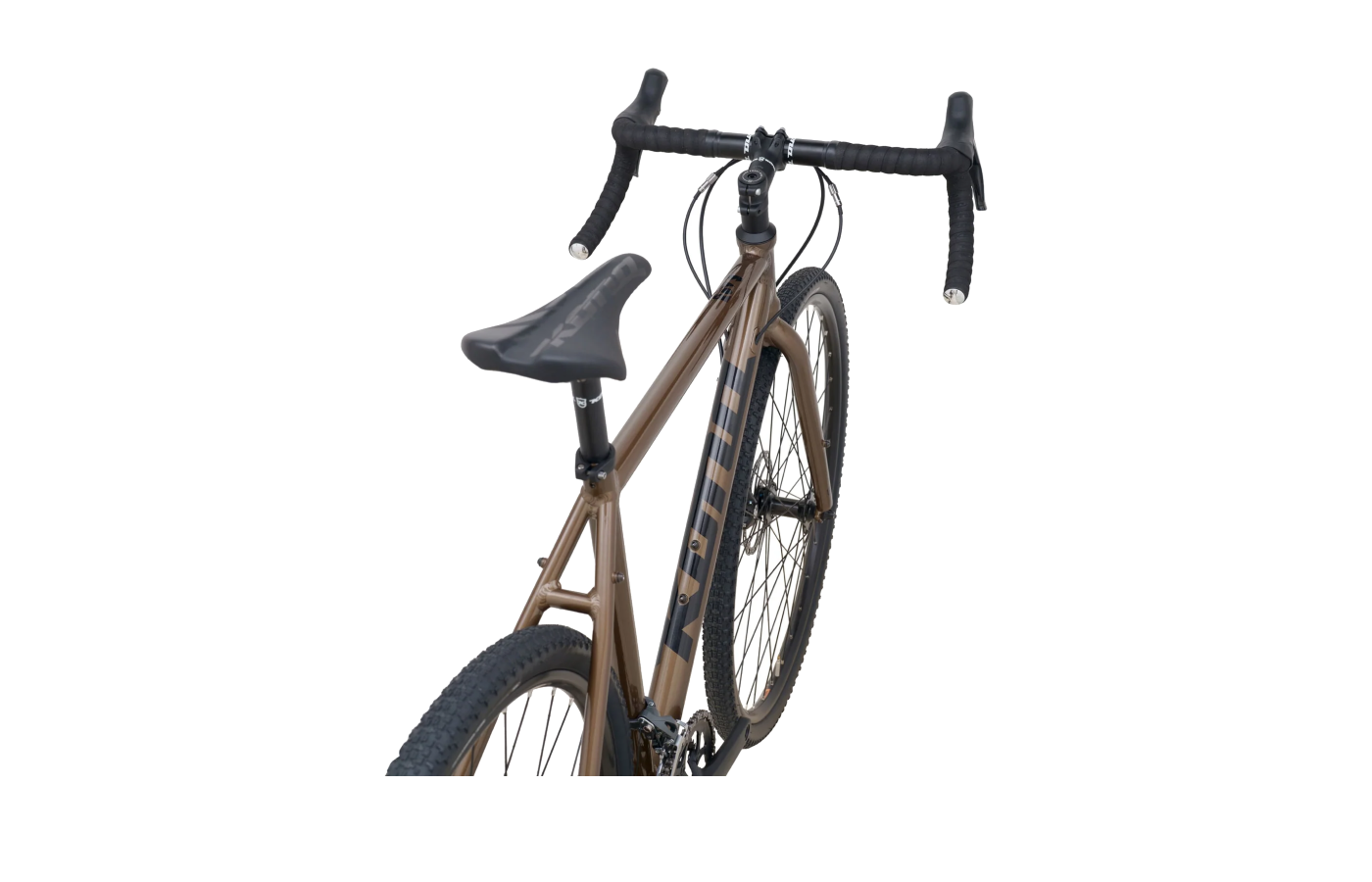
Rove
A steel alternative to the Journeyer that nails the same relaxed-fit, mount-everything brief — with the naturally damped feel only chromoly delivers. Heavier, but you'll feel the difference on long days.
Compare →