Sight
vsStumpjumper
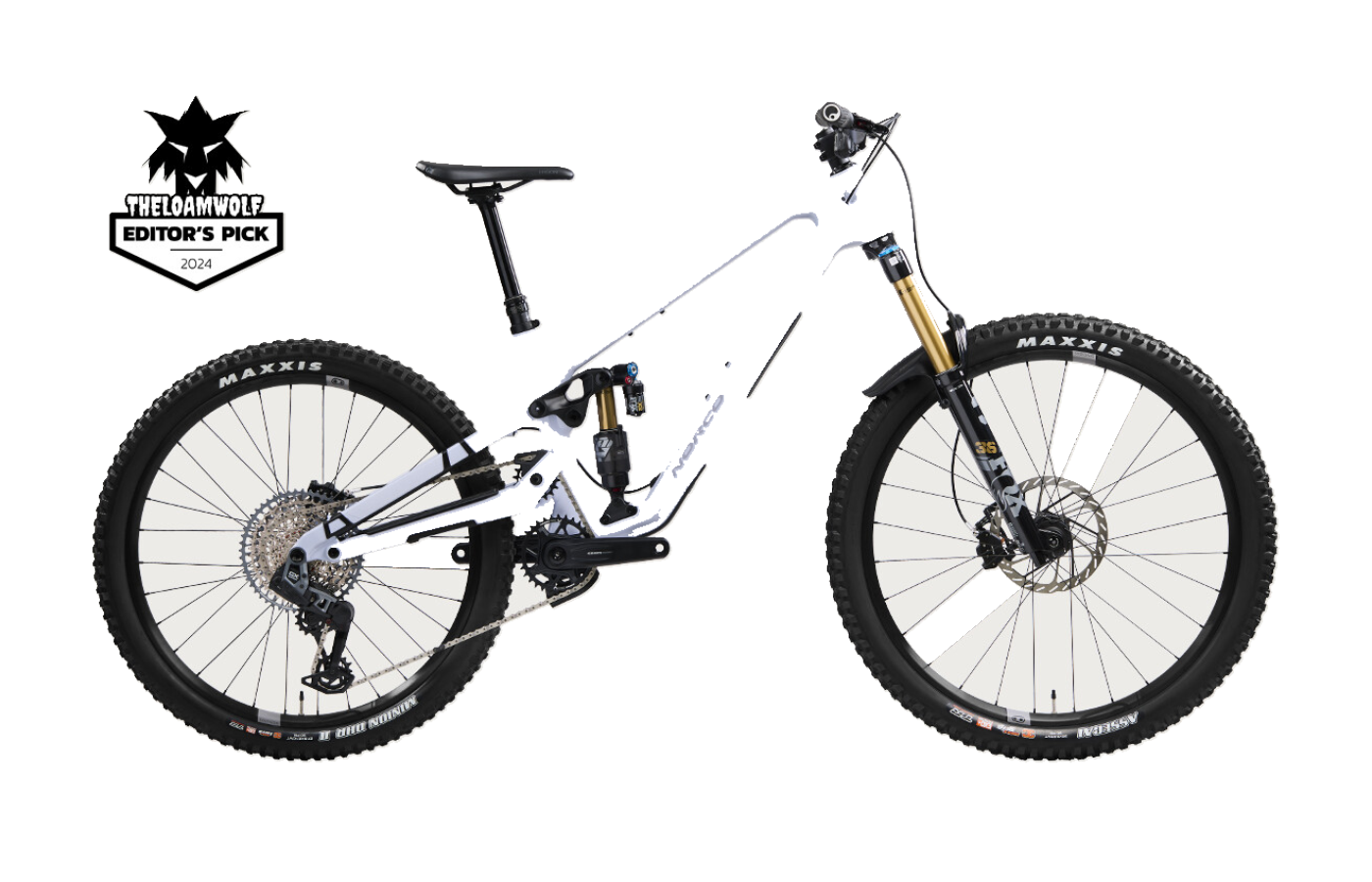
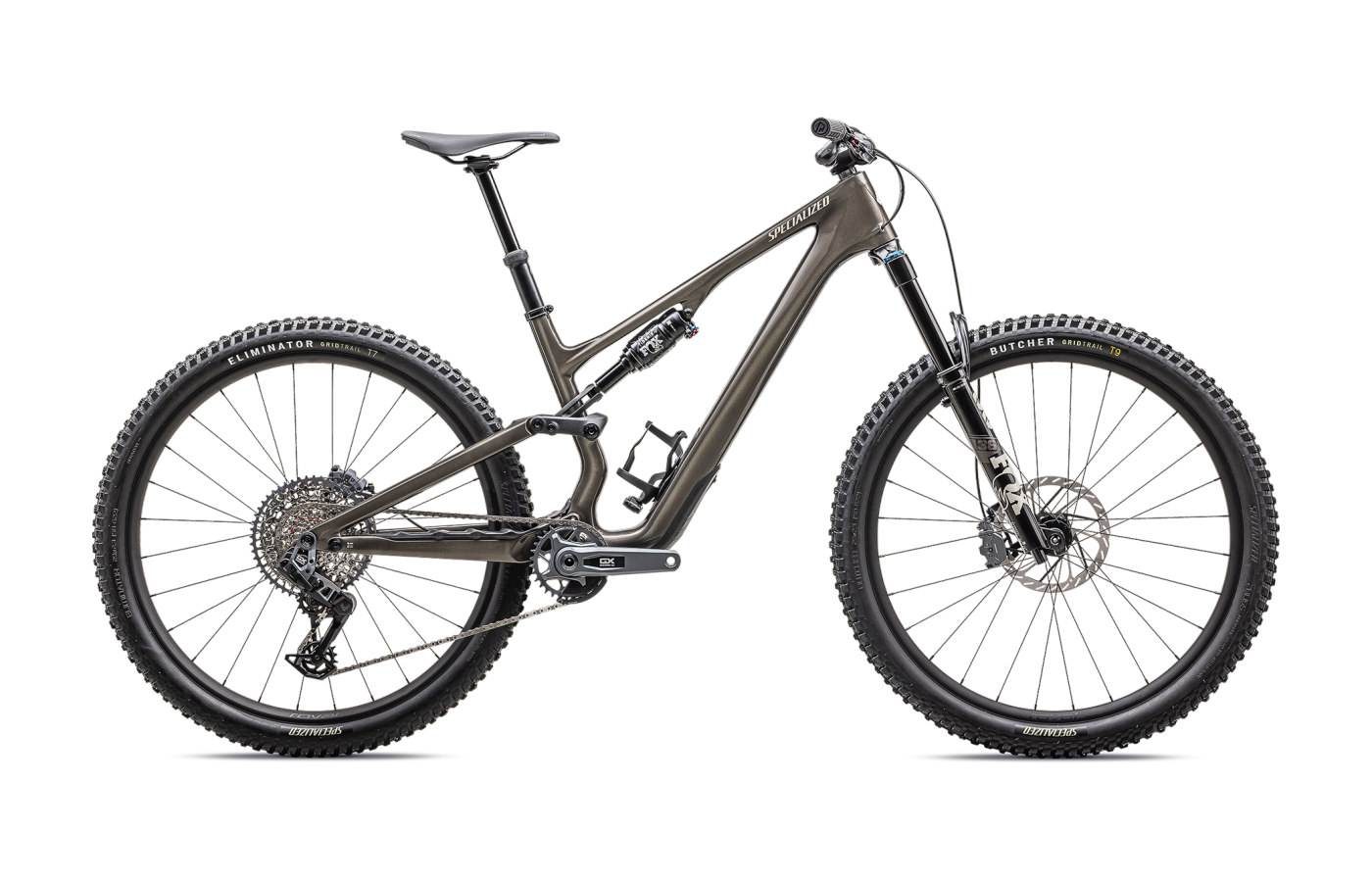
High-pivot enduro tool meets do-it-all trail bike.
The Norco Sight points down. The Specialized Stumpjumper points everywhere. Same travel ballpark, very different missions.
Sight
- High-pivot rear end carries speed through chunder better than any conventional 150 mm bike — the 28% progression and rearward axle path are no gimmick.
- MX-or-29 adaptable — Norco preserves geometry and kinematics across both wheel-size configs, so you can swap without compromise.
- Ride Aligned setup tool — Norco's free web app dials suspension and tire pressure to your weight and terrain straight out of the box.
- Heavy and long for an all-day pedal bike — the C1 MX hits 15.9 kg and the wheelbase pushes 1,220 mm at S2.
- Idler pulley is one more wear point and one more thing to keep clean.
Stumpjumper
- Three head-angle positions (63°/64.5°/65.5°) plus a chainstay flip chip — genuinely re-tunable geometry, not just a marketing line.
- GENIE shock delivers coil-like small-bump traction with progressive ramp-up that resists bottom-out on big hits.
- SWAT downtube storage — actually useful in-frame storage with weather-sealed access, on every build.
- Carbon frames are wireless-only — no mechanical Shimano build path on the carbon range.
- Proprietary GENIE shock means service and replacement options are narrower than a stock Float.
Editor’s analysis
These two bikes share a category on paper and almost nothing else once the trail tilts down — one is a high-pivot specialist, the other a tunable generalist.
On the spec sheet they're closer than they ride: 150 mm rear (Norco Sight) versus 145 mm (Specialized Stumpjumper), 160 mm fork versus 150 mm, identical 627 mm stack at the fit-picked sizes. Both ship as mullets in the mid-range and both run modern SRAM Transmission drivetrains at the editor's-pick tier. The price ladders even rhyme — the Sight tops out at $6,299, the Stumpjumper carbon range starts at $4,999 and runs to $11,999.
The Norco Sight is built around a single conviction: rear wheel out of the way of bumps. The high-pivot, idler-driven layout gives a rearward axle path that reviewers describe as carrying speed "like nothing else," with a 28% progression curve (up from 18% on the prior gen) that swallows square-edge hits and big drops. Pair that with a 64-degree head angle, 135 mm trail, and a 1,219 mm wheelbase at the fit-picked S2 (29), and you get a bike that — in reviewer's words — "rides a lot bigger than the travel numbers suggest." It's an enduro racer's trail bike.
The Specialized Stumpjumper takes the opposite approach: one frame, three head-angle positions (63°/64.5°/65.5°), a flip chip at the chainstay, and the proprietary Fox GENIE shock that goes from coil-plush in the first 70% of stroke to ramped-up at the end. Specialized's pitch is one-bike-quiver; reviewers back that up, calling it "snappy, versatile, supple, playful" on flow and "remarkably stable at speed" when pushed. SWAT downtube storage, a threaded BB, and lifetime pivot bearings round out a frame that's been refined across fifteen generations.
Put bluntly: if you already own a downcountry bike and want a second one for the chunky stuff, the Sight is the sharper tool. If you want one bike that can do a Sunday epic, a Tuesday after-work flow lap, and the occasional bike-park day, the Stumpjumper is harder to beat.
Where the builds differ.
Comparing our editor's-pick builds side-by-side. Winners highlighted row-by-row — lower price and weight, and the better-spec component, each mark a point.
Build variants & pricing
The Sight runs $2,799 to $6,299 across five builds; the Stumpjumper runs $2,999 to $11,999 across nine. Norco caps lower; Specialized goes much higher.
Prices are current US MSRP. The editor's-pick comparison pairs the Norco C1 150 MX Gen 5 ($6,149, GX AXS, Fox Factory) with the Stumpjumper 15 Expert ($5,999, GX AXS, Fox Performance Elite) — both carbon, both one-down GX-tier wireless drivetrains, within $150 of each other.
How they fit, how they steer.
Stack is identical at 627 mm. Reach within 2.5 mm. The Sight is slacker (64° vs 64.5° HTA), runs 5 mm more trail, and has a 6 mm longer wheelbase with a 5 mm shorter chainstay — a more stable front end paired with a snappier rear. The Stumpjumper sits at 64.5° in its mid headset cup; flip the cup and you can pull it to 63° or push it to 65.5°.
Which size should I buy?
Sizes recommended from stack, reach, and effective top tube. Both ranges overlap broadly through the middle; the Sight's S2 (29) and the Stumpjumper's S3 are the best fit for a 5'8" rider on each.
→These are starting points. Flexibility, riding style, and preferred position all shift the answer — if you’re between sizes, a professional fit beats a chart.
What the magazines said.
Published reviews from trusted cycling outlets. Click through for the full write-up.
Which one should you buy?
If you live for the descent and want an enduro-leaning trail bike, get the Sight. If you want one bike to do everything from gravel-flavored singletrack to the bike park, get the Stumpjumper.
Sight
If your rides involve lift access, enduro stages, or technical descents that punish a typical 150 mm bike, the Sight's high-pivot rear end and long, slack geometry pay off every lap. The penalty is weight and length on technical climbs — it's a bike that wants to point downhill.
Stumpjumper
If you want a single trail bike that can climb fire roads on Sunday and lap a bike park on Saturday, the Stumpjumper's adjustable geometry and GENIE shock cover the spread. It's lighter than the Sight in carbon trim, has SWAT storage, and tunes from plush to poppy with simple shock adjustments.
Questions buyers actually ask.
Short answers to the things we get emailed about most often.
01Which one descends better?
The Norco Sight, in most reviewer accounts. The high-pivot rear end with its rearward axle path lets the wheel get out of the way of square-edge hits, and the 28% progression curve — up from 18% on the prior generation — keeps the bike supportive deep in the travel. Reviewers describe it as carrying speed "like nothing else" through chunder and being "ultra stable, ultra capable" at speed.
The Stumpjumper is no slouch on the way down — the GENIE shock plus 145 mm of travel handles bike-park-sized hits without bottoming. But the Sight's combination of slacker head angle (64° vs 64.5°), longer wheelbase (1,219 mm vs 1,213 mm at the fit-picked sizes), and high-pivot kinematics gives it the edge when the trail gets genuinely rough.
02Which climbs better?
The Specialized Stumpjumper, generally. It's lighter in carbon trim — the 15 Expert sits at 14.47 kg versus the Norco C1 at 15.9 kg — and the geometry is shorter and tighter, which makes switchbacks easier. The GENIE shock has a 2-position climb switch that firms the rear end on smoother climbs.
The Sight is surprisingly efficient for a high-pivot bike — Norco's idler design "nearly eliminates anti-squat," with anti-squat increasing in lower gears for less pedal bob. But reviewers consistently flag the Sight's "sheer length" (almost 1,250 mm wheelbase at S3) as "a bit of a handful" on tight technical climbs.
03Mullet or full 29-inch?
Both bikes ship in mixed-wheel (mullet) configurations at the editor's-pick tier — the Norco C1 150 MX runs 29" front / 27.5" rear, and the Stumpjumper 15 Expert at S3 runs the same setup.
Norco preserves geometry and kinematics across both wheel-size configs and offers full-29 builds for taller riders or 29er purists. The Stumpjumper auto-mullets the smaller sizes (S1–S2 in most builds) and runs full 29 from S3 up — though aftermarket links can convert any size to mullet.
04What's the travel on each?
Norco Sight Gen-5: 150 mm rear, 160 mm fork. Frame uses a 205x60 mm trunnion shock — air or coil compatible.
Specialized Stumpjumper 15: 145 mm rear, 150 mm fork (some builds run a 160 mm fork on the alloy coil models). Frame uses a 210x55 mm shock and is built around the proprietary Fox GENIE air spring, though standard 210x55 shocks will fit if you want to swap it out.
05How adjustable is the geometry?
The Stumpjumper is the more adjustable of the two by a wide margin. Three headset cup positions move the head angle between 63°, 64.5°, and 65.5°. A chainstay flip chip lets you tweak BB height by roughly 7 mm. That's three head-angle positions and two BB heights stock.
The Sight has no headset adjustment and no flip chip — its geometry is fixed at 64° HTA. The adjustability you get is wheel size (29 or MX) and shock type (air or coil), both of which materially change the bike's character.
06Is the proprietary GENIE shock a problem long-term?
Specialized claims the GENIE uses mostly standard Fox internals — only one additional seal beyond a normal Fox Float — so most independent suspension shops can service it. Reviewers report it "worked without fault" through extended testing.
That said, there's legitimate skepticism in the comment sections about Specialized's history with proprietary suspension (Brain, Autosag) being orphaned over time. If you want maximum service flexibility, the Stumpjumper frame accepts standard 210x55 mm shocks — you can swap to a Fox Float X, RockShox Super Deluxe, or anything else in that size.
07Carbon or alloy — which makes more sense on each?
On the Sight, carbon (the C1, C2, C3) saves 1.5–2 kg over alloy (A1, A3) and unlocks the Eagle Transmission compatibility. The aluminum builds (A1 at $4,699, A3 at $2,799) are still well-specced — Norco uses RockShox Lyrik forks and quality wheels even on the entry models.
On the Stumpjumper, the carbon and alloy frames have meaningfully different drivetrain compatibility — only carbon supports the wireless-only routing for SRAM Transmission, while alloy retains mechanical cable routing and ships with Shimano SLX or Deore. Pinkbike has called the alloy frame "egregious" at 9.5 lbs (S4 frameset), but it's also the only path to mechanical shifting on this platform.
08Which is better for an enduro race?
The Norco Sight, comfortably. Reviewers explicitly position it as leaning "more into the enduro side of the all-mountain spectrum," and the high-pivot suspension is genuinely race-derived — it shares a design language with the Norco Range and Aurum DH platforms.
The Stumpjumper is at its most aggressive in the EVO-style geometry positions (63° HTA, 160 mm fork), but it's still a 145 mm rear-travel trail bike at heart. For full-on enduro race stages, the Sight's longer wheelbase, slacker head angle, and high-pivot resilience win out.
Similar bikes
If your priorities don’t map cleanly onto either of these, one of these adjacent bikes probably fits better.

Fuel EX
Trek's adjustable trail bike with Mino Link geometry chips and a similar 140–150 mm travel band. The closest direct competitor to the Stumpjumper for the one-bike-quiver buyer.
Compare →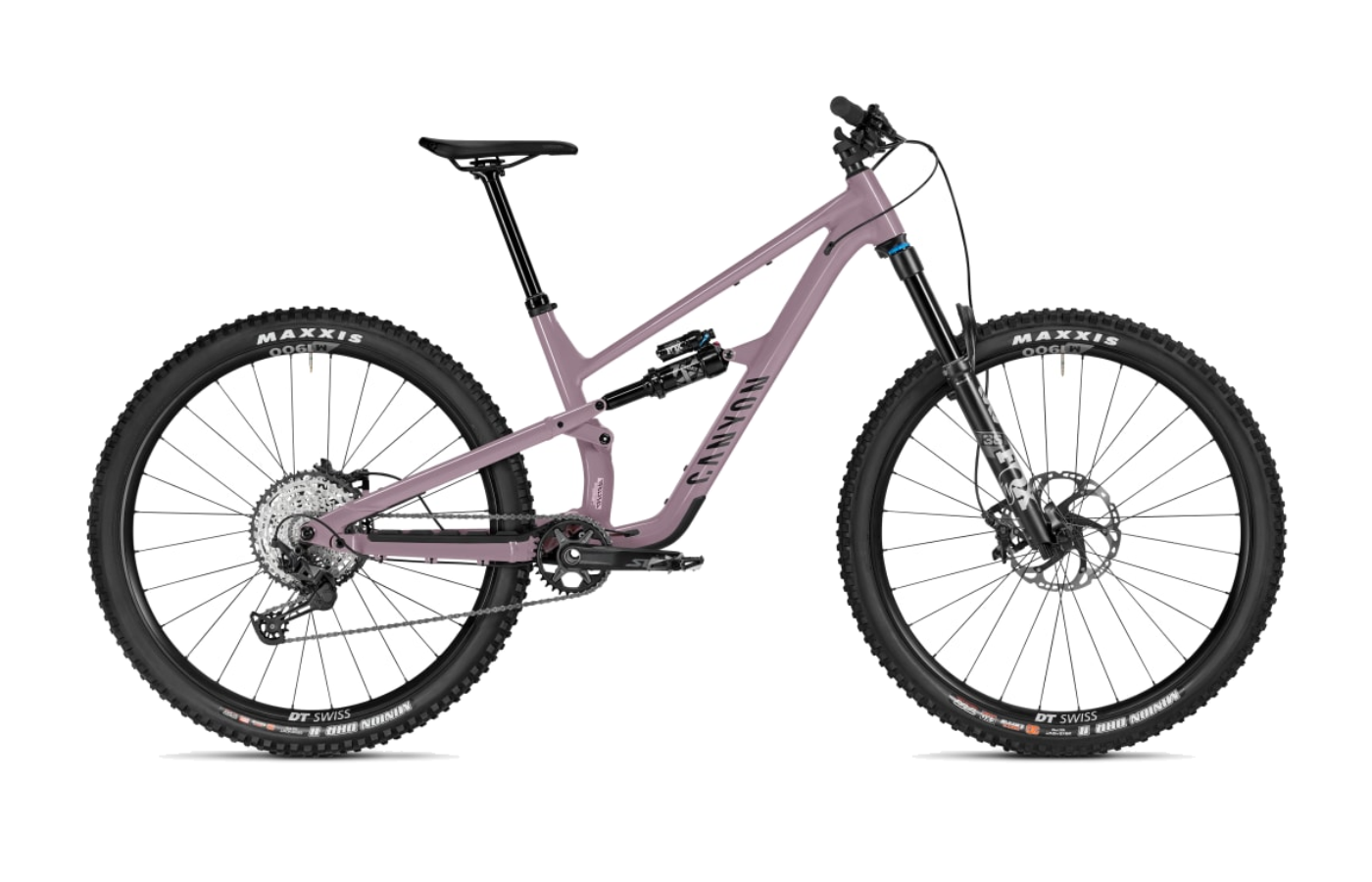
Spectral
Canyon's all-mountain bike at direct-to-consumer prices — typically 25–30% cheaper for comparable spec, with the catch of no dealer network and no demos.
Compare →
Ripmo AF
Ibis's aluminum-framed answer to the descent-focused buyer — DW-link suspension, a reputation for outsized capability, and the most wallet-friendly entry point in this group.
Compare →