O2
vsOstro VAM
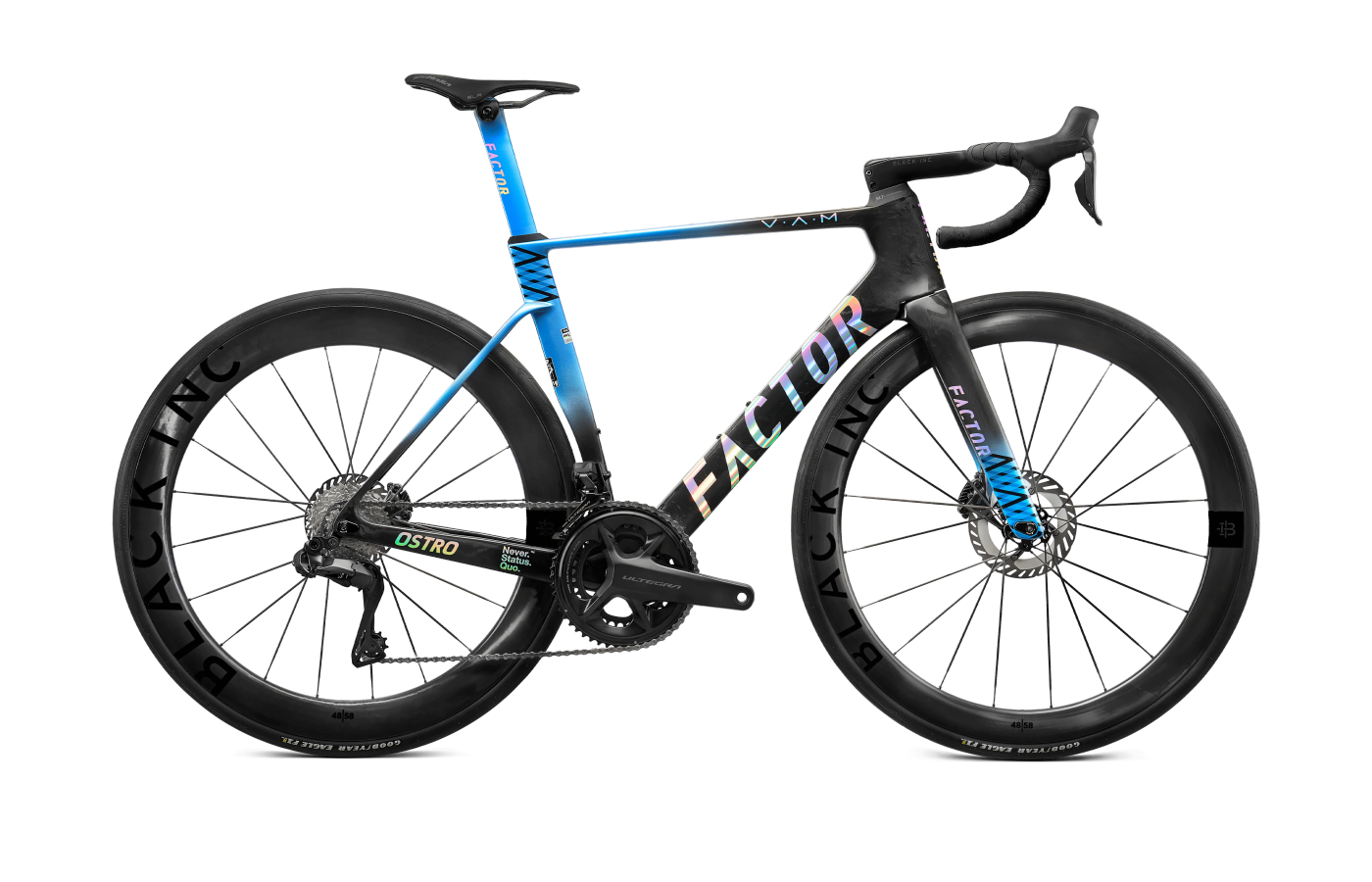
Same brand, two opposite answers to the same question.
The Factor O2 is the climbing purist — light, stiff, unapologetic. The Ostro VAM is the modern aero all-rounder that makes the O2 feel like a specialist tool.
O2
- True climbing specialist — flagship build reportedly hits a claimed 6.2 kg, with Black Inc 28|33 shallow wheels tuned for vertical gain.
- Sharper turn-in — a 73.1-degree head tube and 972 mm wheelbase at size 54 make it eager to change direction.
- Lower price floor — starts at $8,199 versus $10,399 for the Ostro VAM, with the same Black Inc cockpit family and Black Inc wheels.
- Reviewers explicitly call out a firm, fatiguing ride; the integrated seatpost transmits chatter directly.
- Suffers on long flat stretches where deeper-profile aero frames pull away.
Ostro VAM
- Factor's headline aero claim — 7 watts faster than the V1 at 48 km/h, in the same neighborhood as the Cervélo S5 in published wind-tunnel runs.
- Composed at speed — consistent 57–58.6 mm trail across all seven sizes (via four fork offsets) makes descents feel planted.
- Wider tire clearance — 32 mm versus the O2's 30 mm, useful for rougher tarmac without giving up aero.
- Price floor is $2,200 above the O2 and there's no Rival or 105 build to soften the entry.
- Heavier frame (claimed 820 g painted versus the O2 VAM's lighter construction); if every gram matters on long climbs, the gap shows.
Editor’s analysis
This isn't lightweight versus aero anymore. It's the old way of building a fast bike versus the way Factor builds them now.
Both bikes share the same Taiwanese factory, the same Black Inc cockpit lineage, and the same CeramicSpeed-bearing obsession. They diverge on philosophy. The Factor O2 is the climbing weapon — same 885 g claimed across every build, shallow Black Inc 28|33 wheels, a steep 73.1-degree head tube at size 54, and a ride character reviewers describe as reactive bordering on twitchy. The Factor Ostro VAM is the V2 of Factor's aero platform: 7 watts faster than the original at 48 km/h, 900 g claimed, 48|58 mullet wheelset, and a slacker 72.5-degree head tube tuned for stability above 40 km/h.
On paper, the geometry of size 54 looks identical — same 542 mm stack, same 384 mm reach. It's only when you read the angles that the personalities split. The Factor O2 puts the front wheel closer to the rider with a steeper head tube and a 972 mm wheelbase; the Factor Ostro VAM relaxes both, stretches the wheelbase to 985 mm, and uses four different fork offsets across its size range to hold trail at a consistent 57–58.6 mm. The Ostro is engineered to feel calm at speed. The O2 is engineered to change direction the instant you ask.
The ride reports back this up cleanly. Reviewers call the Factor O2 'very reactive' and 'quick to enter corners,' but warn that 'at high speeds it must be driven with a certain determination, otherwise it is not very precise and unstable.' Damaged asphalt requires 'decision and a firm handlebar.' The Factor Ostro VAM, by contrast, gets the Porsche analogy in nearly every review — stable, composed, and confidence-inspiring at 45 km/h despite the aero tube shapes. Multiple testers report feeling 'pretty damn fresh' after long days that would beat them up on a more focused race bike.
Climbing is the only place the O2 still has a clear win — its lighter wheelset and shorter wheelbase make it feel pricklier on steep gradients, and Factor's flagship build reportedly drops to a claimed 6.2 kg complete. The Factor Ostro VAM gives some of that back on grades above 7%, but reviewers consistently describe it climbing 'like a light climbing bike' and holding speed on the flats where the O2's shallow wheels and round tubes start losing the wind battle. If you're not climbing a mountain pass on every ride, the math tilts hard toward the Ostro.
Where the builds differ.
Comparing our editor's-pick builds side-by-side. Winners highlighted row-by-row — lower price and weight, and the better-spec component, each mark a point.
Build variants & pricing
Both ranges run from Ultegra Di2 to Red AXS with a power meter — only Factor's premium tiers, no entry-level builds on either platform.
Prices are current US MSRP. Factor sells direct and through a small dealer network; reviewers consistently flag the limited service footprint as a real-world ownership consideration. The Ostro VAM also includes Factor's at-no-extra-cost cockpit and saddle customization at order time.
How they fit, how they steer.
Both at size 54 — identical 542 mm stack and 384 mm reach. The split is in the angles: the Factor O2 runs a 73.1-degree head tube on a 972 mm wheelbase, the Factor Ostro VAM relaxes to 72.5 degrees on a 985 mm wheelbase. Trail is within 1 mm of each other, but the Ostro is built to feel calmer at the limit.
Which size should I buy?
Size recommendations are driven by stack, reach, and effective top tube. The Ostro VAM extends one size smaller (45 cm) than the O2; everywhere else the two ranges line up.
→These are starting points. Flexibility, riding style, and preferred position all shift the answer — if you’re between sizes, a professional fit beats a chart.
What the magazines said.
Published reviews from trusted cycling outlets. Click through for the full write-up.
Which one should you buy?
If your weekends are defined by the meters you climb, get the Factor O2. For everything else — racing, fast group rides, long days — get the Factor Ostro VAM.
O2
If your local roads point uphill and you treat 6.2 kg as a feature rather than a curiosity, the O2 is the more focused weapon. It rewards experienced riders who want a bike that responds to hip movements and hammers vertical gain — and accepts a firm ride and twitchy front-end as the price of admission.
Ostro VAM
If you want one race bike for crits, group rides, fast solo days, and the occasional alpine weekend, the Ostro VAM is what most riders should buy. It climbs nearly as well as the O2, holds speed better on the flats, and stays composed when the road gets rough — the modern complete-package racer.
Questions buyers actually ask.
Short answers to the things we get emailed about most often.
01Which one is faster on flat roads?
The Factor Ostro VAM, by a meaningful margin. Factor's published wind-tunnel data claims a 7-watt savings at 48 km/h over the first-generation Ostro, and reviewers from Cycling News and Velo found it competitive with the Cervélo S5 in head-to-head tunnel runs.
The Factor O2 uses round tube shapes and a shallow Black Inc 28|33 wheelset; reviewers explicitly note it 'suffers on long flat stretches, where other more rigid and aerodynamic frames do better.' On a 40 km flat ride at race pace, the Ostro will feel measurably easier.
02Which climbs better?
The Factor O2 still has the edge on sustained, steep climbs. Reviewers describe it as 'one of the absolute best bikes one can have' for going uphill, with the flagship build reportedly hitting 6.2 kg and the SRAM Force build at 6.9 kg.
The Ostro VAM is no slouch — testers from Cycling Unboxed describe it climbing 'like a light climbing bike' that makes 7% gradients feel like 4%. But the O2's lighter wheelset and shorter wheelbase make it pricklier on punchy efforts. If most of your riding is vertical, the gap is real.
03What's the maximum tire clearance?
Factor O2: 30 mm officially. The shallow Black Inc 28|33 wheelset is built around fast-rolling road tires; this isn't a bike for anything rougher than chip-seal.
Factor Ostro VAM: 32 mm officially — slightly more useful headroom for textured tarmac and the occasional shortcut, despite the deeper aero focus.
04How does the ride quality compare on rough roads?
Reviewers are nearly unanimous: the Factor Ostro VAM is the more comfortable bike. Despite its aggressive aero shaping, the slimmed seatpost and dropped seatstays produce what Cycling Weekly calls 'excellent rear-end comfort for a bike of this type,' and Cycling Unboxed reported feeling 'pretty damn fresh' after long days on broken UK pavement.
The Factor O2 is the opposite. Reviewers describe it as 'not uncomfortable' but 'cannot be defined as comfortable,' with the integrated seatpost transmitting road imperfections directly to the rider. On damaged asphalt, 'decision and a firm handlebar are required.'
05Are the cockpits and bottom brackets the same on both bikes?
Both use Black Inc integrated bar/stem units (the Ostro VAM gets an aero version of the same family) and both ship with CeramicSpeed bearings in the headset and bottom bracket as standard.
The Ostro VAM uses a T47 threaded bottom bracket, which reviewers single out as one of the standout features — multiple testers describe the pedaling feel as 'mind-blowing.' Both cockpits are one-piece — adjusting stem length means a new unit and a hose re-bleed.
06Does either come with a power meter?
Depends on the build. Both platforms ship power meters on the SRAM Red and SRAM Force builds (the AXS power-meter cranksets are standard equipment).
The Shimano Dura-Ace and Ultegra builds on both bikes do not include a power meter from the factory — Factor's stated reason is to avoid a forced price bump for riders who already use a pedal-based meter or prefer aftermarket Shimano. Reviewers find this defensible at this price point but worth knowing before you order.
07Why does Factor sell two race bikes that overlap?
The Factor O2 predates the Ostro VAM V2 by a generation, and its singular focus on weight and stiffness made it a benchmark climber. The Ostro VAM (V2) was developed as Factor's answer to the Tarmac SL8 and Cervélo S5 — a single bike that climbs nearly as well as a dedicated lightweight while delivering true aero savings.
Most reviewers conclude the Ostro VAM has effectively turned the O2 into a specialist tool for weight-weenies and dedicated climbers, rather than a do-everything race bike.
08How is Factor's dealer and service network?
Smaller than the major brands. Reviewers across both bikes flag the 'limited sales and assistance network' as a real ownership consideration — getting warranty work, original spare parts, or service on the integrated cockpit can be harder than with Specialized, Trek, or Cannondale.
The upside is that the Factor dealer experience, when you have one nearby, is unusually thorough — reviewers describe full ID Match bike fits and at-no-extra-cost cockpit and saddle customization at order time on the Ostro VAM.
Similar bikes
If your priorities don’t map cleanly onto either of these, one of these adjacent bikes probably fits better.
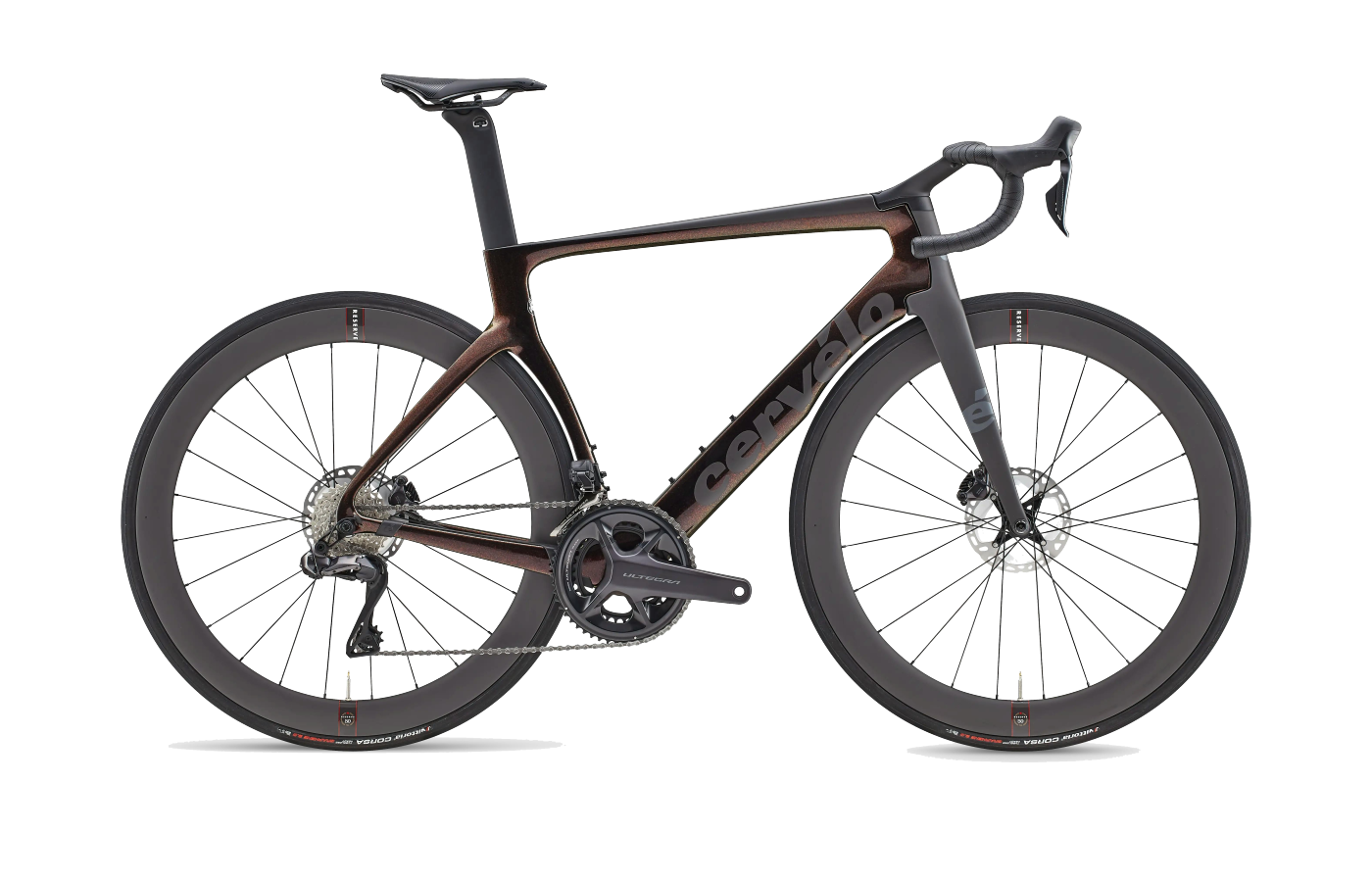
S5
If pure aero is the only thing that matters and a climbing bike isn't on your radar, the Cervélo S5 is the only mainstream race bike that consistently rivals (or beats) the Ostro VAM on flat-ground drag numbers.
Compare →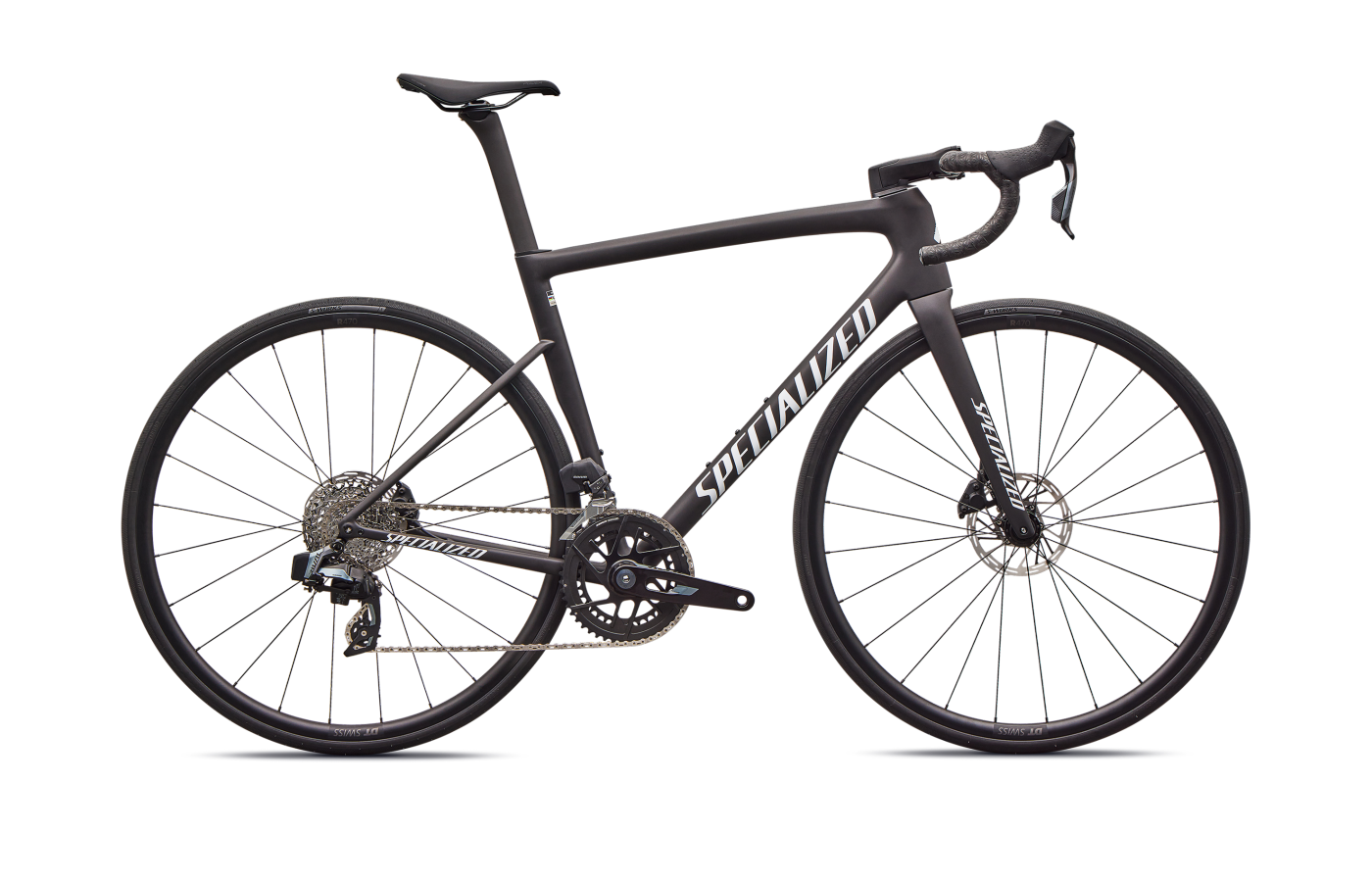
Tarmac
The benchmark all-rounder — lighter than the Ostro VAM and easier to live with from a service standpoint, with Specialized's deep dealer network. You give up Factor's bespoke fit experience in exchange.
Compare →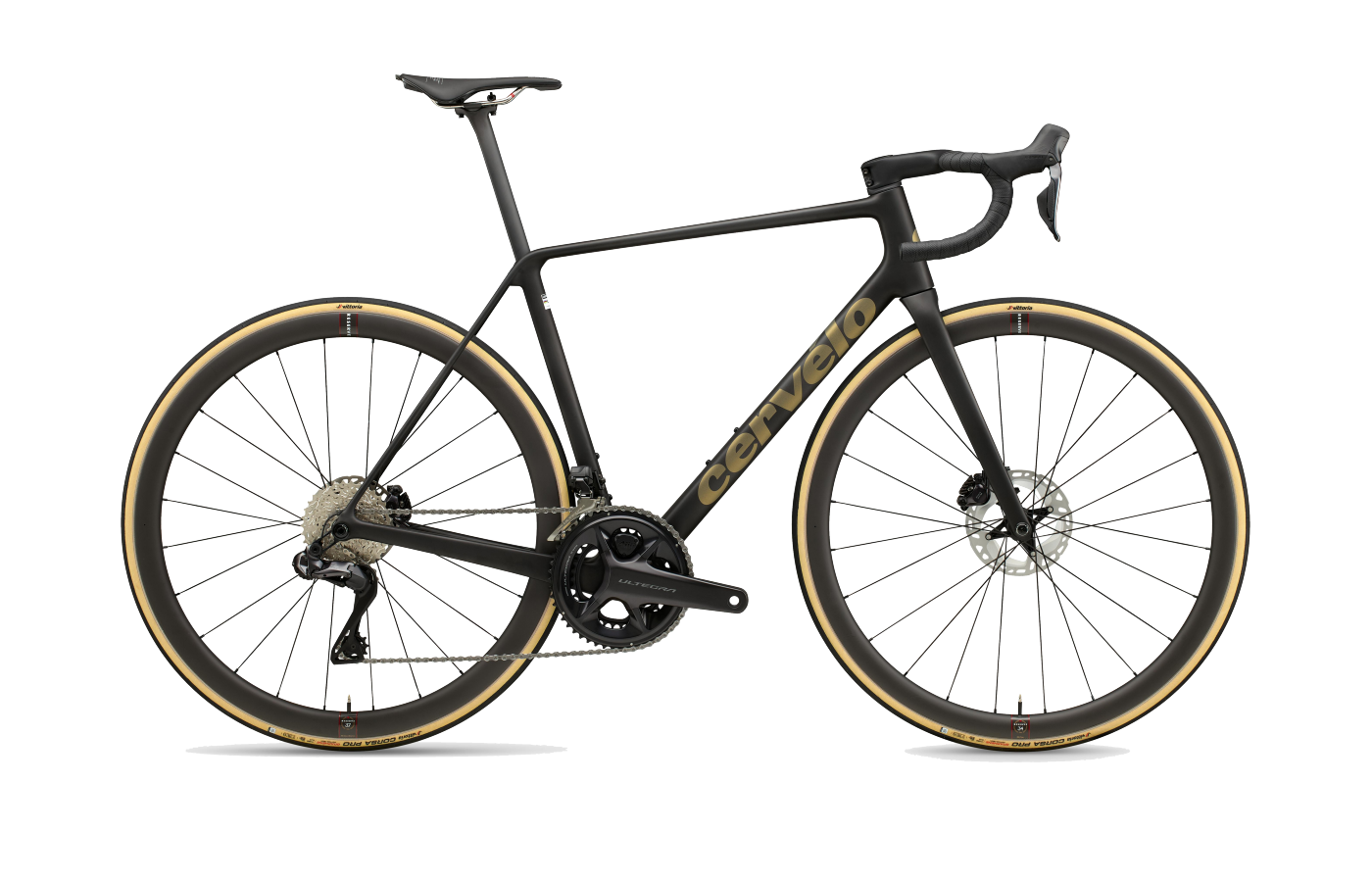
R5
The most direct rival to the Factor O2 — Cervélo's pure climbing bike, but with a more compliant ride and noticeably more stable handling on fast descents. The bike for riders who want lightness without the O2's twitchiness.
Compare →