R5
vsO2
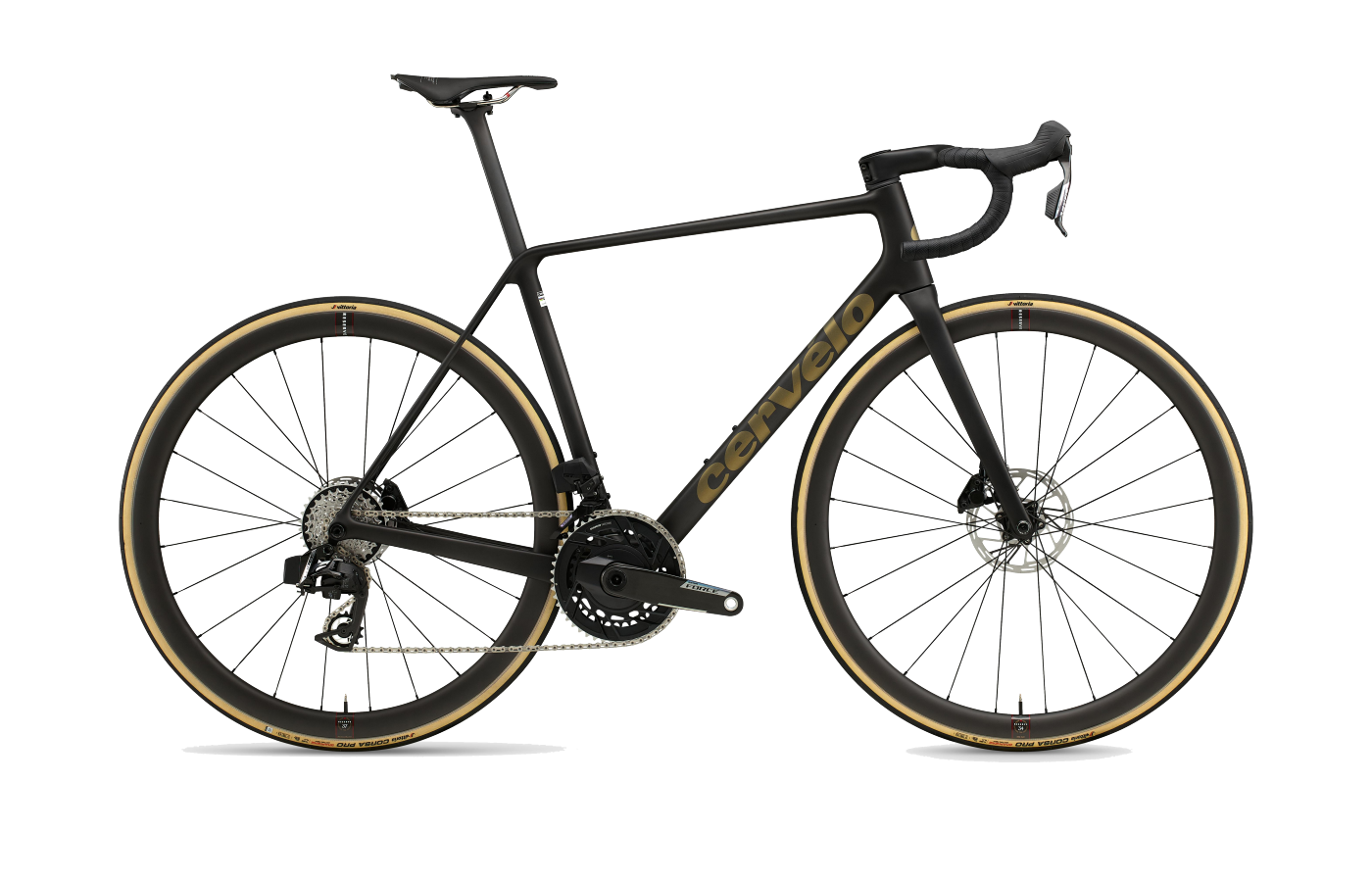
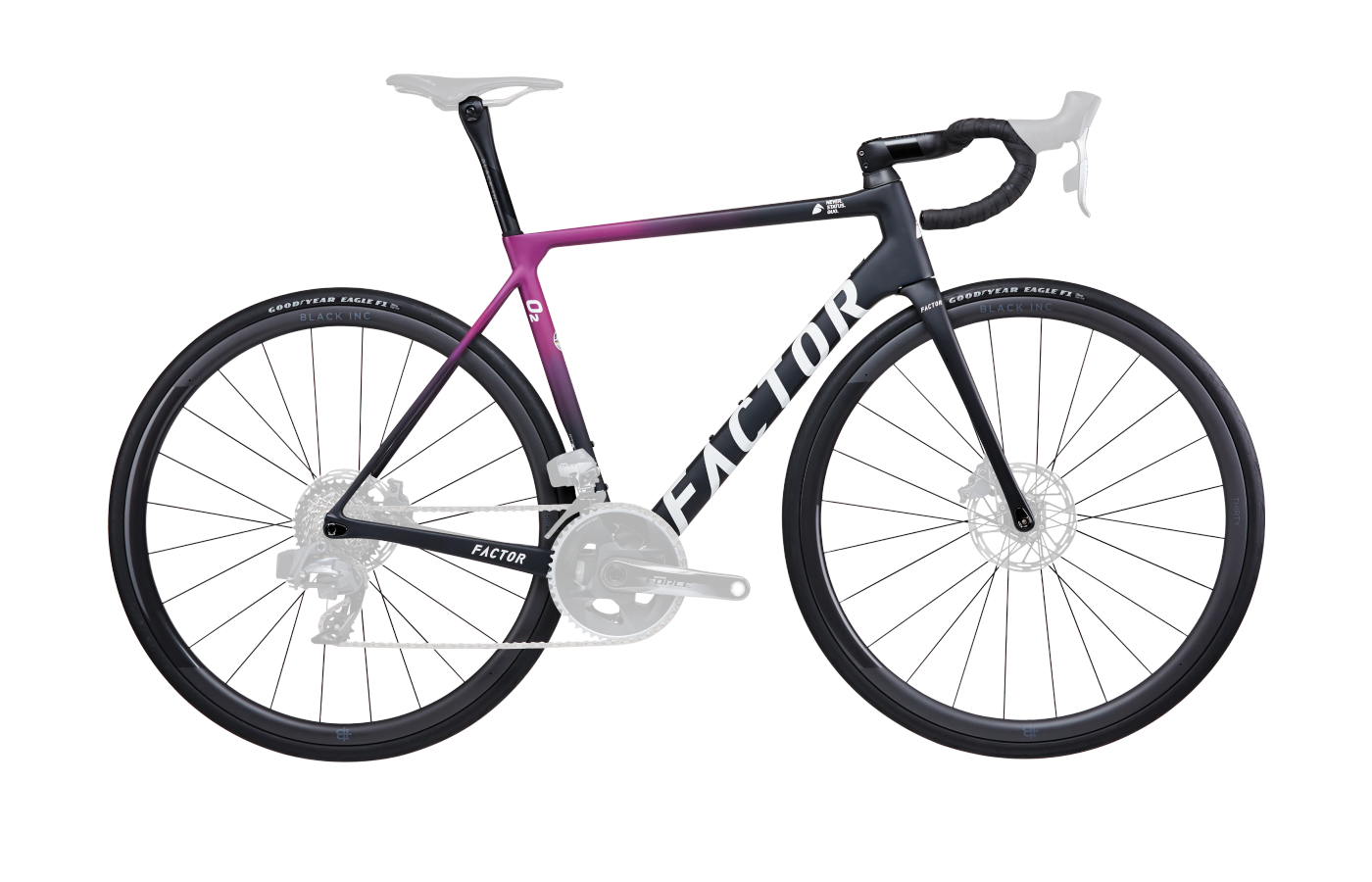
Two climbing bikes, two definitions of fast.
The Cervelo R5 is a sub-6 kg superbike with everyday-rideable manners. The Factor O2 is a high-strung racing tool that demands you mean it.
R5
- Sub-6 kg in flagship trim — reviewers measured 5.97 kg on the SRAM Red AXS build, well below the UCI minimum.
- Power meter on every build — Quarq on SRAM, 4iiii on Shimano, no aftermarket upgrade needed.
- 34 mm tire clearance and round seatpost — a climbing bike you can actually live with day-to-day.
- Stock 26 mm Vittoria tires are widely panned; most riders will swap to 28–30 mm immediately.
- Not as aero on the flats as a dedicated aero bike — Cervelo's own S5 will out-roll it above 35 km/h.
O2
- Surgical front-end response — 406 mm chainstays and a short wheelbase make it the quicker-steering bike in tight corners.
- Race-only intent, no apologies — stiffer, lighter frame refresh delivers immediate power transfer for hard efforts.
- Black Inc integrated package — in-house wheels, bar-stem, and frame engineered as one system.
- Firm ride and integrated seatpost mean comfort and resale both take a hit.
- Limited dealer and service network — a real consideration if you're not near a Factor shop.
Editor’s analysis
Both want to win uphill. One asks you to enjoy the ride; the other asks you to commit.
The Cervelo R5 and Factor O2 sit in the same niche — sub-7 kg, race-geometry, climbing-first carbon — and the spec sheets get close enough to look interchangeable. Reach within 1 mm at size 54, head-tube angle within a tenth, both with integrated cockpits, both with in-house carbon wheelsets. Spend any time reading the reviews, though, and the philosophies diverge fast.
The Cervelo R5 is the more refined animal. Reviewers describe it as 'ghostly' and 'a mountain goat,' with sub-6 kg flagship builds that fall well under the UCI weight floor. Cervelo also chased aero this generation — the new HB18 cockpit is good for a claimed 2 watts — and the bottom bracket got a claimed 13% stiffer without sacrificing the comfort that lets the R5 work as a daily superbike. With 34 mm tire clearance and a 27.2 mm round seatpost, it's the climbing bike you can also live with.
The Factor O2 is the more single-minded one. Cyclonline calls it 'not very comfortable' and warns that high-speed handling 'requires experience and decision' — that's a feature, not a bug. The integrated seatpost is non-negotiable, the chassis transmits everything, and the 406 mm chainstays make it eager to change direction in a way the Cervelo isn't. It's a tool for the rider who wants the bike out of the way of their effort.
The other split is access. Cervelo has dealers everywhere and a 30-day cockpit-fit exchange. Factor has a thinner network and an integrated seatpost that complicates resale and travel. Both are climbers — but the Cervelo is the one you'd buy if it were the only road bike in your garage.
Where the builds differ.
Comparing our editor's-pick builds side-by-side. Winners highlighted row-by-row — lower price and weight, and the better-spec component, each mark a point.
Build variants & pricing
Force AXS lines up apples-to-apples on both sides — the cleanest cross-platform comparison the lineups allow.
Prices are current US MSRP. The Cervelo R5 lineup tops out at $14,400 (Red AXS / Dura-Ace Di2); the Factor O2 tops out at $10,299 (Red w/ power meter). Cervelo bundles dual-sided power meters across every build, which closes some of the headline price gap once you account for an aftermarket Quarq.
How they fit, how they steer.
Both at size 54. Stack is within 3 mm (R5: 544.6 mm vs O2: 542 mm) and reach within 1 mm — the bikes effectively share a position. The split is at the rear: the R5's 410 mm chainstays and 978 mm wheelbase sit it just behind the O2's twitchier 406 mm / 972 mm setup.
Which size should I buy?
Size recommendations based on stack, reach, and effective top tube. The R5 covers a slightly broader range (48–61); the O2 stops at 58.
→These are starting points. Flexibility, riding style, and preferred position all shift the answer — if you’re between sizes, a professional fit beats a chart.
What the magazines said.
Published reviews from trusted cycling outlets. Click through for the full write-up.
Which one should you buy?
If you want a climbing superbike you can ride every day, get the R5. If you want a single-purpose race tool and you have the legs and skills to use it, get the O2.
R5
If your weekends are stacked with col days and your weekdays are still group rides, the R5 is the easier bike to love. Sub-6 kg in flagship trim, dual-sided power on every build, and 34 mm tire clearance for when the road gets interesting — it's a pure climber that doesn't punish you for the rest of the week.
O2
If you race, descend hard, and want a bike that disappears under you in the corners, the O2 is the sharper instrument. Quicker-steering, firmer-riding, and unapologetic about it — reviewers say it 'must be driven with determination,' which is exactly what some riders want.
Questions buyers actually ask.
Short answers to the things we get emailed about most often.
01Which is the lighter bike?
The Cervelo R5, in flagship trim. Reviewers weighed the SRAM Red AXS R5 at 5.97 kg in size 56 — Cervelo claims a 657 g painted frame and a 302 g fork. The Factor O2 VAM tops out around 6.2 kg in equivalent flagship spec.
At the Force AXS tier compared here, the gap narrows. Both are well under the UCI's 6.8 kg pro minimum, so for most amateurs the difference is a number on the spec sheet more than a felt ride characteristic.
02Which climbs better?
Both are climbing-first designs, but reviewer consensus gives the edge to the Cervelo R5. Bicycling called it a 'col crusher' that 'feels extra quick going up any hill,' and Cervelo claims a 13% bottom-bracket stiffness gain over the previous R5 without losing comfort.
The Factor O2 climbs phenomenally too — Cyclonline described it as 'one of the absolute best bikes one can have' on ascents — but its firmer ride and demanding handling make long mountain days more taxing than they are on the R5.
03What's the maximum tire clearance?
Cervelo R5: 34 mm officially. The geometry is designed around a 29 mm tire, and reviewers strongly recommend 28–30 mm rubber over the stock 26 mm Vittorias.
Factor O2: 30 mm officially — narrower than the R5 and more in keeping with the O2's 'rational racing' character. Neither is a gravel bike; the R5 has more headroom for rough pavement and chip-seal.
04How serviceable are the integrated cockpits?
The Cervelo HB18 is a one-piece carbon bar-stem with internal routing. Cervelo offers a free 30-day cockpit-fit exchange, which is a real differentiator — most riders won't have to live with the wrong size after a test ride.
The Factor Black Inc integrated bar-stem comes in multiple stem lengths and bar widths, but swapping after purchase means buying a new unit. Both require a partial hose disassembly for stem changes.
05Are the seatposts interchangeable or upgradeable?
The Cervelo R5 uses a standard 27.2 mm round seatpost — friendly for travel cases, aftermarket compliance posts, and resale.
The Factor O2 uses an integrated seat mast that's cut to fit. Reviewers flag it as the bike's biggest comfort detractor and the trait most likely to cause regret on long rides or if your fit changes. It also complicates packing for travel and reduces resale value.
06Does either come with a power meter?
Cervelo R5: yes, on every build. Reviewers consistently call this out as a major value-add — Quarq on the SRAM builds, 4iiii Precision Pro on Shimano. No aftermarket upgrade required.
Factor O2: the SRAM Red and Force builds at the top of the lineup ship with power meters. The Shimano Ultegra build does not. Worth checking the spec sheet on the exact build you're configuring.
07Which is faster on flat roads?
Neither is an aero bike — both prioritize weight over drag. Cervelo's own meta-analysis is honest about this: the R5 'is not the rocket booster experience of riding the S5 on a flat road.' Factor positions the O2 the same way, with reviewers noting it 'suffers on long flat stretches' compared to dedicated aero frames.
The R5 has a small edge thanks to the new HB18 cockpit (a claimed 2-watt aero saving), but if flat-road speed is your priority, look at the Cervelo S5 or Factor Ostro VAM instead.
08How does the dealer and service network compare?
Cervelo has broad global distribution and the brand benefits from being part of the Pon group. Service, warranty, and replacement parts are widely available.
Factor is a smaller, more boutique brand with what reviewers describe as a 'limited sales and assistance network.' If you're not near a Factor dealer, expect more friction on warranty and service. It's the strongest practical argument for the Cervelo if both bikes appeal equally on paper.
Similar bikes
If your priorities don’t map cleanly onto either of these, one of these adjacent bikes probably fits better.
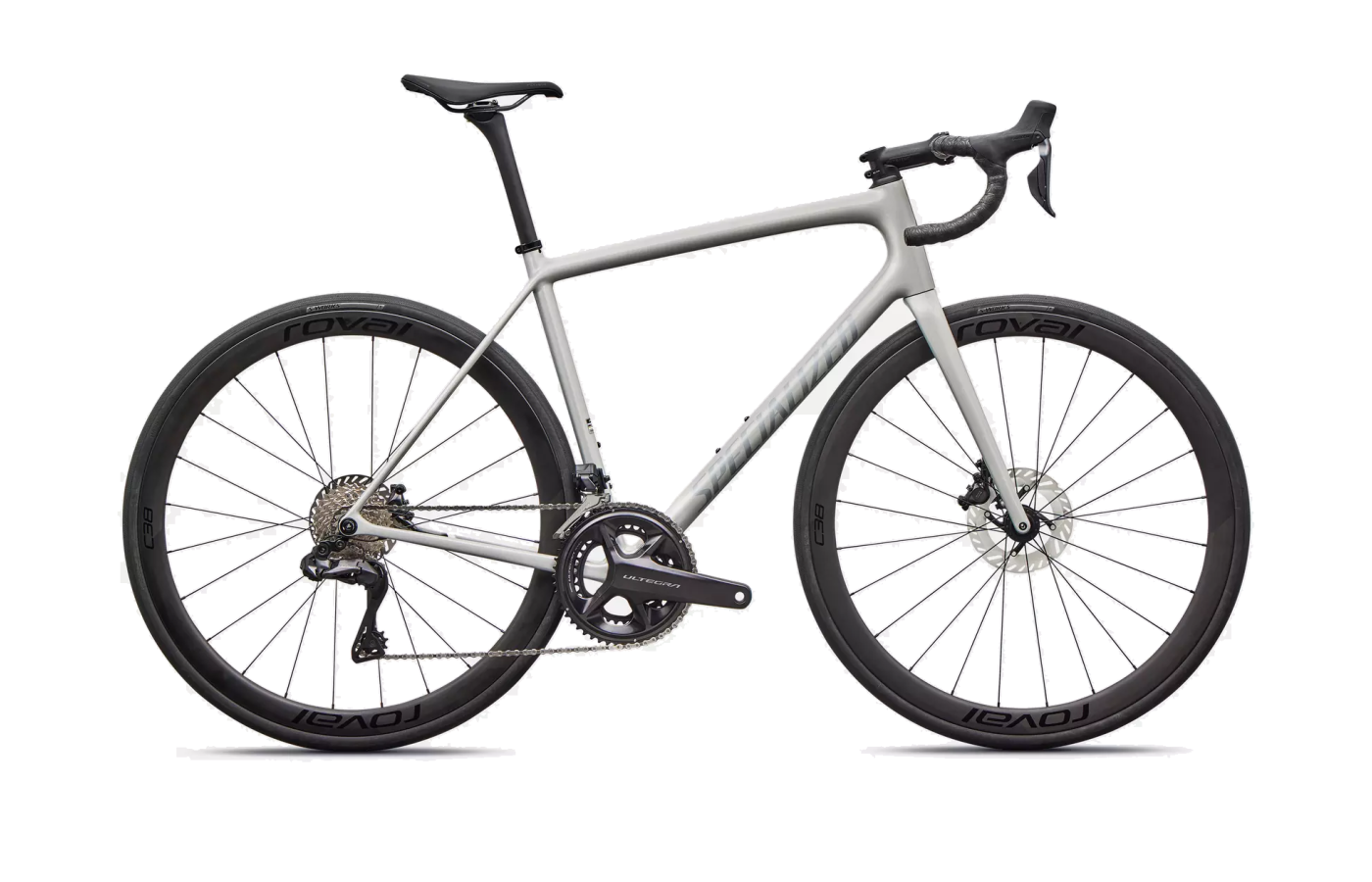
Aethos
The anti-aero, anti-integration play — round tubes, exposed cables, no-compromise lightness. If you want a climber that feels like a classical road bike rather than a superbike, the Aethos is the only one in this conversation.
Compare →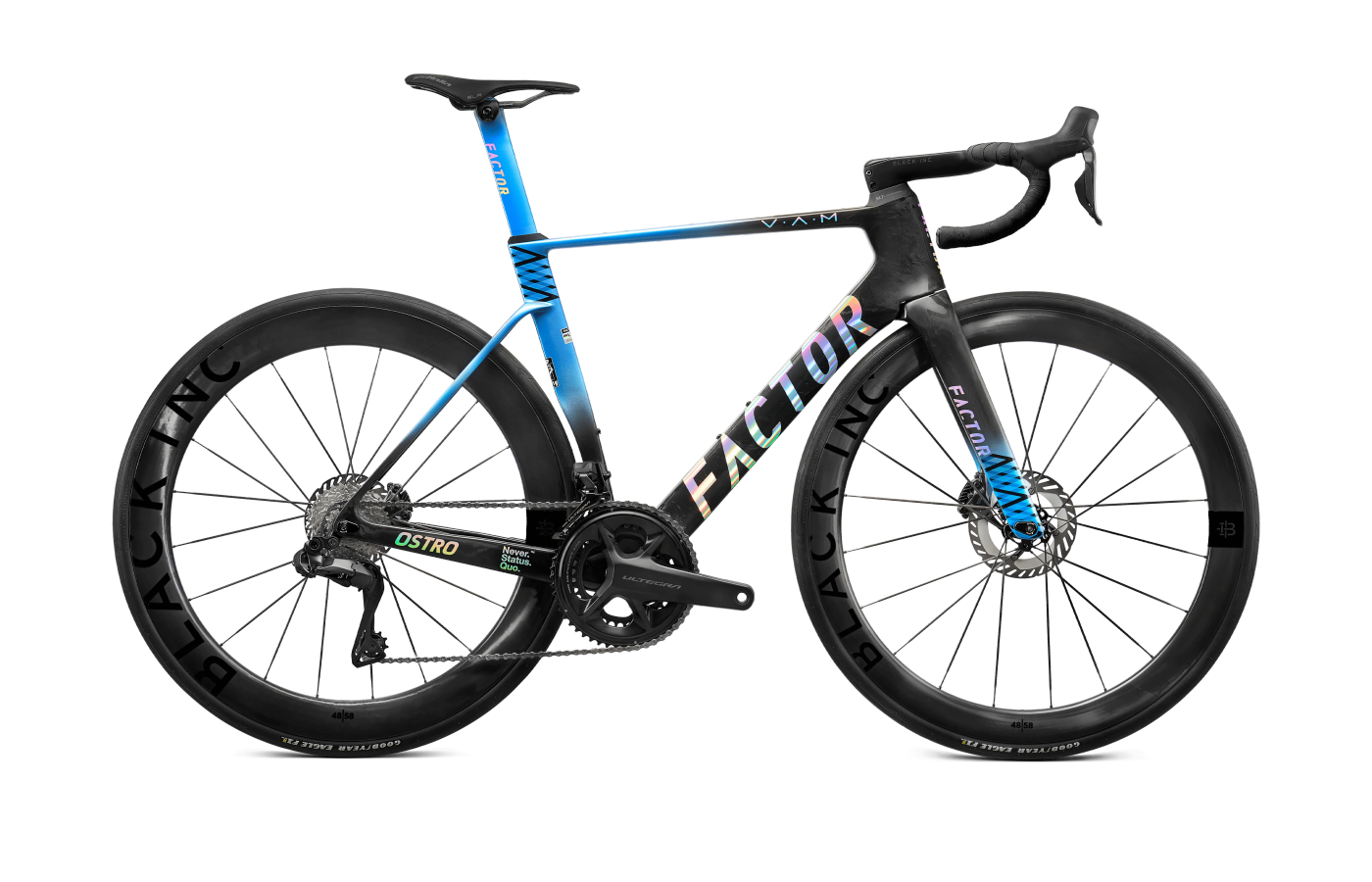
Ostro VAM
Factor's own aero answer if you realize you spend most of your miles on flats and rolling roads. Same brand, same cockpit family, but tuned to push air rather than save grams.
Compare →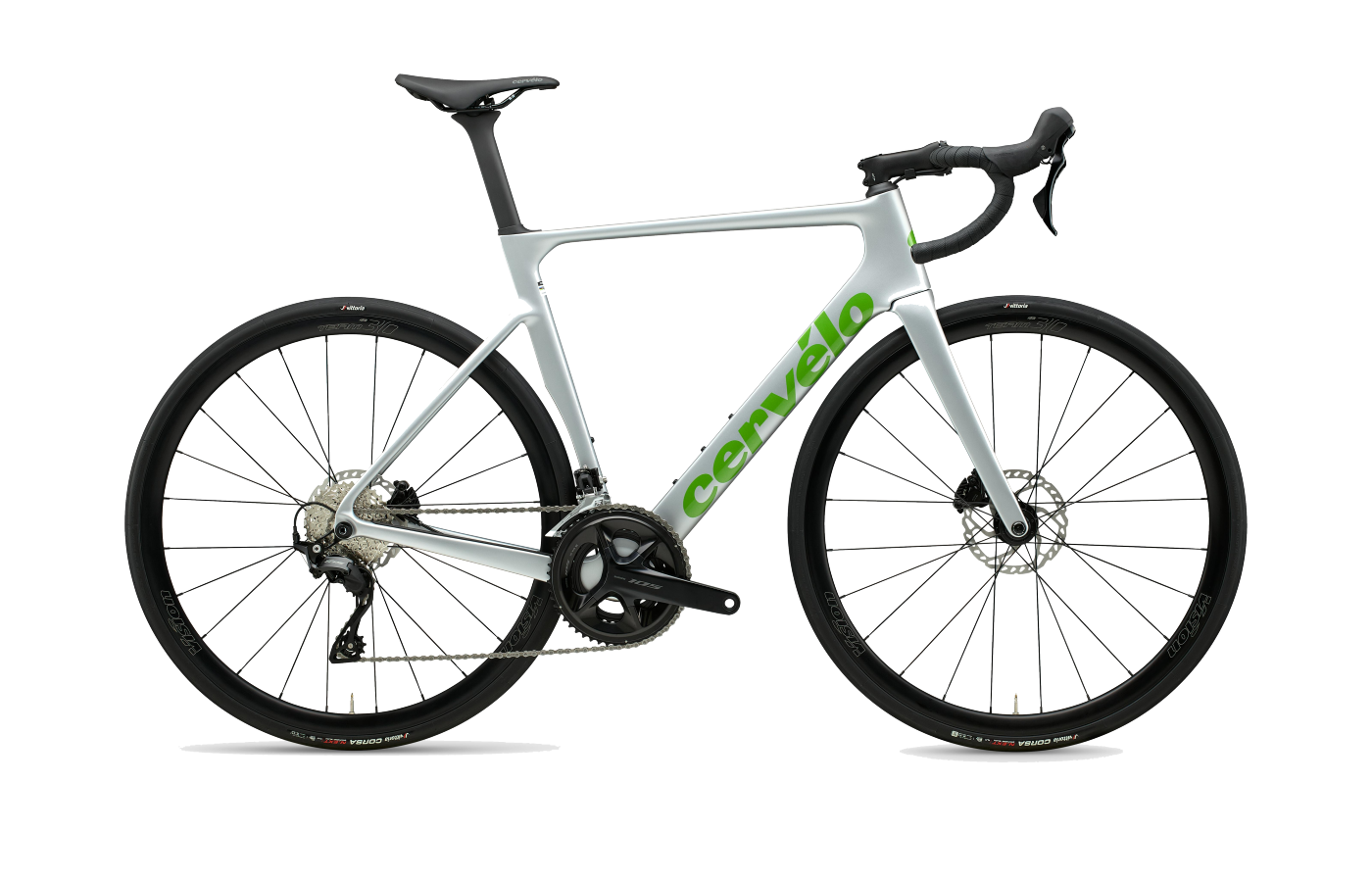
Soloist
Cervelo's middle-ground race bike — an 'everyday' platform that splits the difference between R5 lightness and S5 aero focus, at meaningfully lower money than either.
Compare →