Neuron
vsChisel
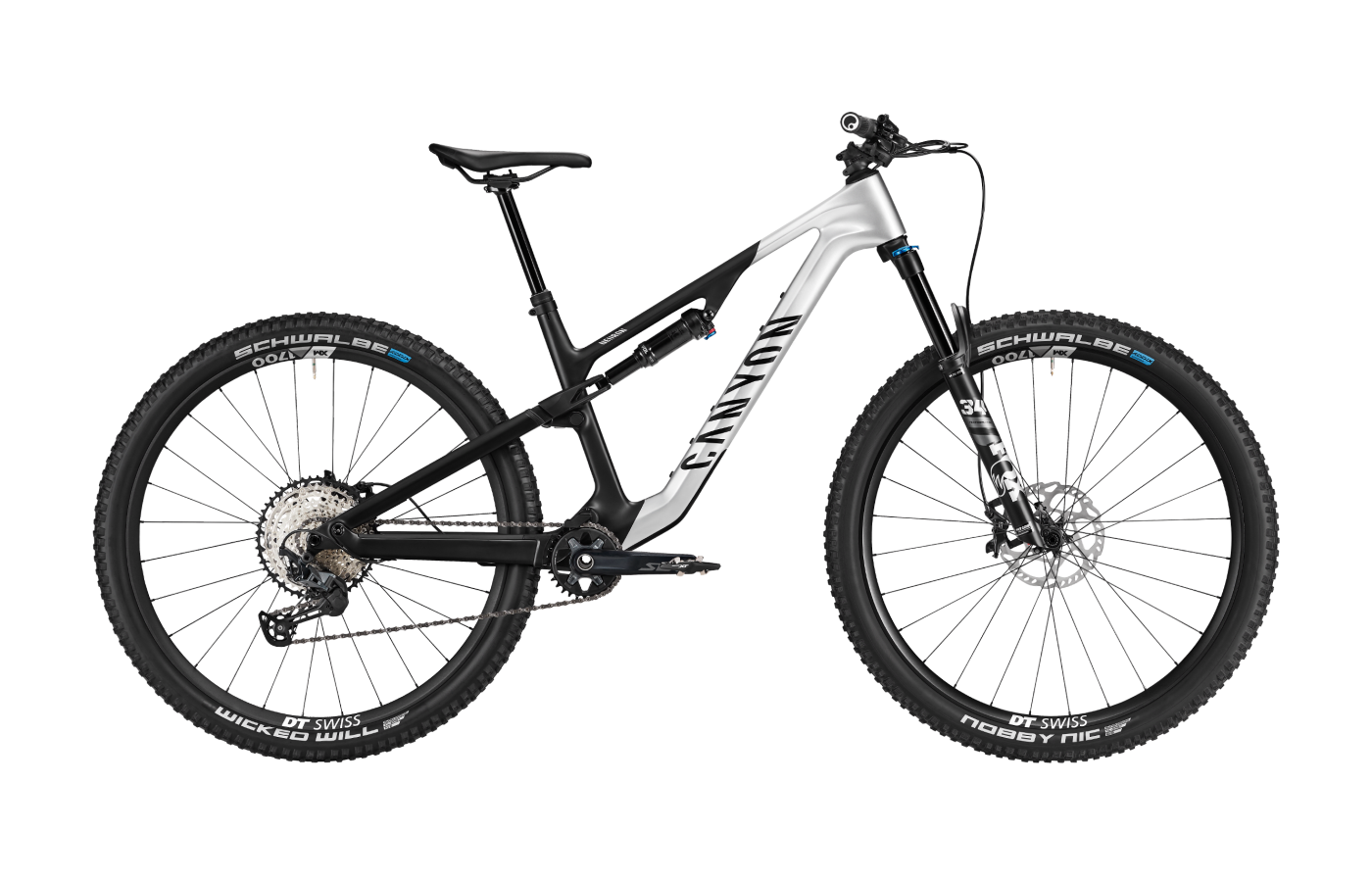
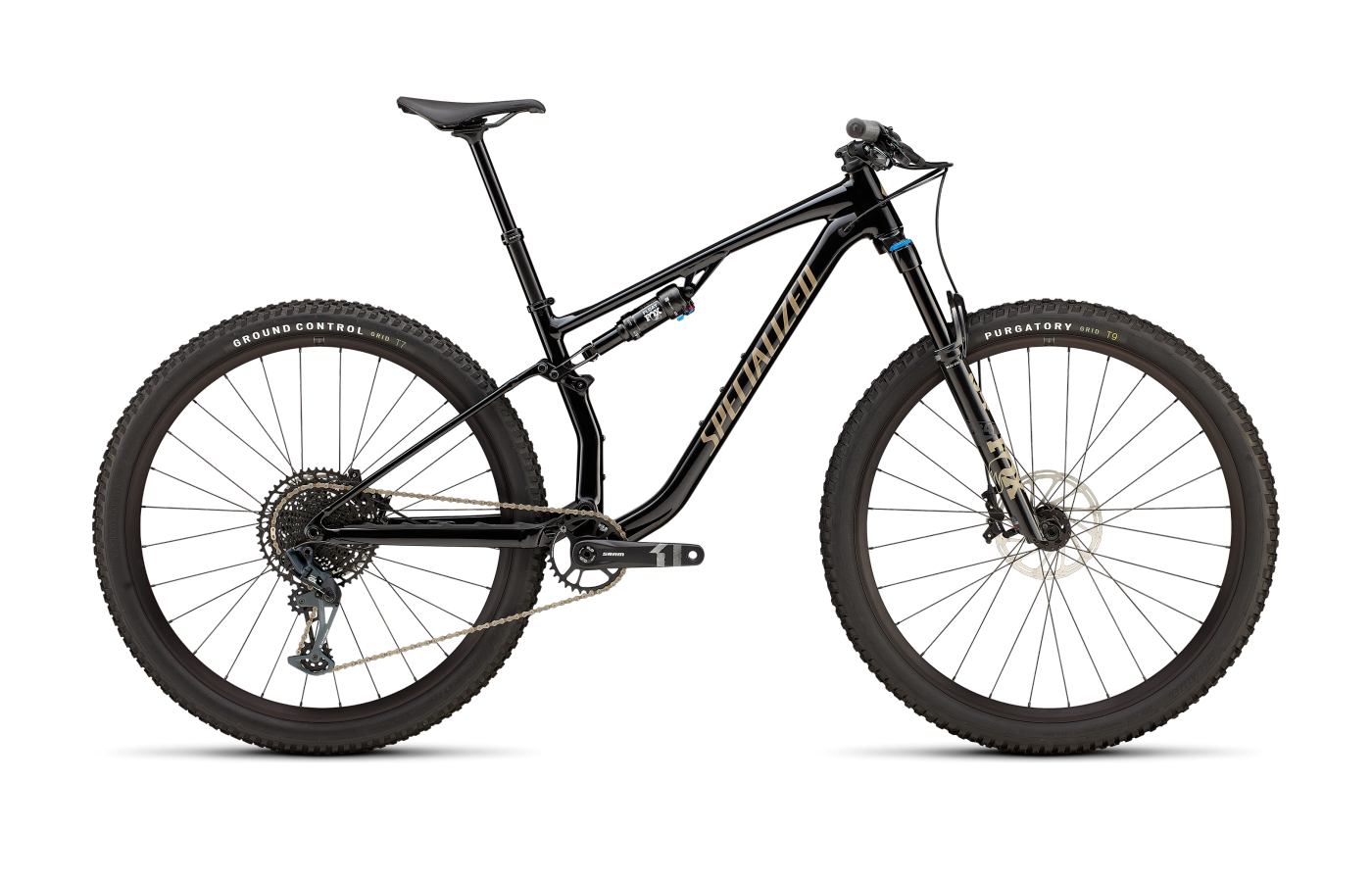
A trail all-rounder meets an alloy anarchist.
The Canyon Neuron is the 130/140 mm carbon companion for long trail days. The Specialized Chisel is a 110 mm alloy XC bike that the Evo build pushes into short-travel rally territory.
Neuron
- More travel, more forgiveness — 130/140 mm soaks up chatter the Chisel transmits through its 110 mm rear.
- Generous stack for all-day comfort (626 mm at size M) keeps the rider upright on long backcountry loops.
- Longer wheelbase (1,203 mm M) reads as "settled at speed" in nearly every review.
- Carbon-frame builds can feel stiff and chattery on rocky descents — reviewers flag the bar/fork buzz.
- Direct-to-consumer only — no local demo, no dealer fit; you're buying on geometry and sizing charts.
Chisel
- Frame engineering punches above alloy — 2,720 g medium frame is only 500–750 g off comparable carbon XC.
- Snappy, poppy acceleration — the firm 110 mm rear rewards sprints and technical climbs with "rapid spool-up."
- Mechanic-friendly build — BSA threaded BB, no headset cable routing, external seatpost collar, flip-chip geometry.
- 110 mm rear travel has real limits on chunky descents — reviewers talk about "just hanging on" in rock gardens.
- Stock wheels and drivetrains cut corners (Shimano HG freehub, heavy rims) — built-in upgrade path, not final spec.
Editor’s analysis
This isn't XC vs. trail in the old sense — it's how much suspension do you actually need and how much fight do you want from the bike underneath you.
On paper these look further apart than they ride. The Canyon Neuron runs 130 mm rear / 140 mm fork and a full carbon frame. The Specialized Chisel runs 110 mm rear / 120 mm fork (130 mm on the Comp Evo) on a D'Aluisio Smartweld alloy frame. But both sit at a 66–67 degree head angle, both use a 76/75.5 degree seat tube, and both are pitched at the rider who wants one bike to cover everything short of enduro laps.
The Neuron is the calmer, more forgiving tool. Its 1,203 mm medium wheelbase and 66 degree HTA give it stability riders repeatedly call "settled at speed," and the extra 20–30 mm of travel soaks up rocky chatter that the Chisel pings through. The carbon layup is stiff enough that reviewers on the top builds call out handlebar buzz on rough ground — but the bike's core character is "peppy and enthusiastic," built for four-hour backcountry loops where wrist fatigue matters more than the last 5% of descending capability.
The Chisel is the sharper, more demanding tool. At a claimed 2,720 g for the medium frame, it's within 500–750 g of a comparable carbon XC frame — and on the trail it accelerates like one. Reviewers reach for "momentum machine," "hot hatch," and "tugging at the leash like a Weimaraner puppy." The 110 mm rear end is firm by design; riders who want plush traction on rough climbs will fight it, and ones who like to sprint out of corners will love it. The Comp Evo trim — 130 mm Fox 34, Purgatory T9 tires, four-piston brakes — is the one that makes the Chisel a genuine trail bike rather than a pure race weapon.
Put simply: pick the Canyon Neuron if you want the bike to absorb the trail for you. Pick the Specialized Chisel if you want to drive the trail and feel every input it gives back.
Where the builds differ.
Comparing our editor's-pick builds side-by-side. Winners highlighted row-by-row — lower price and weight, and the better-spec component, each mark a point.
Build variants & pricing
The Neuron spans $1,699–$4,399 across four builds, carbon and alloy. The Chisel is alloy-only across eight builds, from a $1,899 hardtail to the $3,599 Comp Evo.
Editor's picks are tier-matched on mechanical 12-speed drivetrains and Fox 34 forks ($3,199 Neuron CF 8 SLX vs $3,599 Chisel Comp Evo). The Chisel has no carbon option; the Neuron has no dedicated short-travel "Evo" trim. Prices are current US MSRP.
How they fit, how they steer.
Both at size M. The Neuron sits 20 mm taller (626 vs 606 mm stack) and stretches 10 mm longer in reach (455 vs 445 mm), with a 26 mm longer wheelbase and 3 mm longer chainstays. The Chisel's steeper 67 degree HTA and shorter wheelbase translate to the flickable feel the reviews describe.
Which size should I buy?
Size recommendations based on stack, reach, and effective top tube. The Neuron runs one size larger on reach at every size; both top out at XL.
→These are starting points. Flexibility, riding style, and preferred position all shift the answer — if you’re between sizes, a professional fit beats a chart.
What the magazines said.
Published reviews from trusted cycling outlets. Click through for the full write-up.
Which one should you buy?
If you want one bike for long, varied trail days, get the Neuron. If you want a sharp, alloy-fast XC-plus bike that rewards active riding, get the Chisel.
Neuron
If your rides are four-hour backcountry loops with climbing, rolling singletrack, and the occasional rowdy descent — the Neuron is the bike you want underneath you. Longer travel, more upright fit, calmer at speed. Priced from $1,699, it's also the only way into this comparison under $2,500.
Chisel
If you race NICA, chase Strava segments, or just prefer a firm, communicative ride that accelerates like a carbon XC bike without the carbon price, the Chisel is the tool. The Comp Evo trim stretches it to real trail capability; the standard Comp is pure speed metal.
Questions buyers actually ask.
Short answers to the things we get emailed about most often.
01Which one climbs better?
Both climb well, but differently. The Chisel is more efficient on smooth or hard-packed climbs — the firm 110 mm rear and amped-up anti-squat make it feel like it's "tugging at the leash," and most reviewers leave the shock fully open even on fire roads. The Smartweld frame keeps a medium at roughly 2,720 g claimed, which is within 500–750 g of comparable carbon XC frames.
The Neuron trades a little of that snap for traction and comfort. Its suspension platform is tuned to "drive-neutral," and the more upright 626 mm stack (vs 606 mm on the Chisel) is less punishing on the lower back after a few thousand feet of climbing. On technical, rooty climbs where traction matters more than power transfer, the Neuron's extra travel is the bigger asset.
02How much travel do I actually lose going with the Chisel?
Chisel: 110 mm rear / 120 mm front on the standard builds, 130 mm front on the Comp Evo.
Neuron: 130 mm rear / 140 mm front across the whole range.
That's 20 mm rear and 10–20 mm front — enough that reviewers consistently describe the Chisel as "pinging through" rock gardens where the Neuron "floats," and enough that the Chisel's rear end is described as "keen to use all its travel" on larger drops. For flowing singletrack and rolling terrain, you won't miss it. For sustained chunky descents, you will.
03Is the Chisel really worth it as an alloy bike when the Neuron gets you carbon?
Depends what you value. The Chisel's D'Aluisio Smartweld M5 alloy is genuinely closer to carbon than typical alloy — reviewers describe the frame as "flowing yet accurate" and note the medium frame weight of 2,720 g is within 500–750 g of comparable carbon XC frames. It also gives up less in stiffness than traditional alloy, and Specialized's lifetime frame warranty removes the durability conversation.
The Neuron CF carbon frame is lighter and has a more forgiving ride on rough chatter (notably the alloy Neuron reviews praise it for adding compliance vs the carbon version). Neither is wrong. If you want the lightest, most compliant frame, the Neuron CF wins. If you want a frame you can abuse on rock strikes and upgrade incrementally over years, the Chisel wins.
04Which one is better for NICA or XC racing?
The Chisel, clearly. Its 110 mm rear travel, steeper 67 degree HTA, shorter 437 mm chainstays, and firm pedaling platform are the modern XC blueprint — Specialized positions it as a direct alloy alternative to the Epic 8, and reviewers routinely call it an "adept climber" and a "momentum machine."
The Neuron will work for XC racing, but the 1.5 degrees of extra head angle slackness, 10 mm extra travel, and generally more forgiving tune mean you're giving up efficiency and quick handling that the Chisel offers stock.
05What can I upgrade without replacing the frame?
Both frames are upgrade-friendly. Both run standard threaded BSA bottom brackets and conventional seatpost clamps. The Neuron CF carbon frame accepts up to a 150 mm travel fork (the stock 140 mm leaves headroom), has a UDH derailleur hanger, and clears a piggyback shock if you want to run a coil later.
The Chisel has a geometry flip-chip (66.5/67 degree HTA, ±6 mm BB) and a 30.9 mm dropper post bore that will accept most aftermarket droppers. The common upgrade reviewers suggest first is the wheelset — the stock alloy rims are heavy and narrow by modern standards, and the Shimano HG freehub on some builds limits cassette swaps until you rebuild the rear wheel.
06How different do they feel on fast descents?
The Neuron feels "settled" — longer 1,203 mm wheelbase at M, slacker 66 degree HTA, more travel to absorb impacts. Reviewers describe it as not "edgy" at speed and "significantly more stable" than the previous generation.
The Chisel feels "lively" — shorter 1,177 mm wheelbase, steeper HTA, 437 mm chainstays. It's more flickable but requires more body English in chunky rock gardens. The Comp Evo trim (130 mm fork + Purgatory T9 tires) is what makes the Chisel a real descender; the standard Comp with a 120 mm SID is a different kind of bike — fast on smooth, timid when rowdy.
07Is the Neuron available in the US with full warranty and support?
Yes. Canyon USA ships directly, offers a six-year frame warranty to the original owner (lifetime on the main frame for recent carbon bikes under current policy — confirm at purchase), and has a return window. The catch is no brick-and-mortar dealer network — if you need a bike fit in person, or prefer picking up a test ride, that's not the buying experience. Specialized's Chisel is available through its dealer network, including in-store fits, test rides, and Retul sessions where offered.
08Which one do I buy if I can only have one mountain bike?
For most riders on most trails, the Neuron. The extra travel and more forgiving geometry mean fewer trails where you're limited, and the build range (starting at $1,699 alloy, topping at $4,399 carbon AXS) fits a wider set of budgets.
The Chisel is the answer if your riding leans XC, your budget caps around $3,500, and you prefer a bike that pushes you to ride harder rather than one that covers for you. It's a one-bike quiver for the rider who prioritizes efficiency and agility over raw travel.
Similar bikes
If your priorities don’t map cleanly onto either of these, one of these adjacent bikes probably fits better.
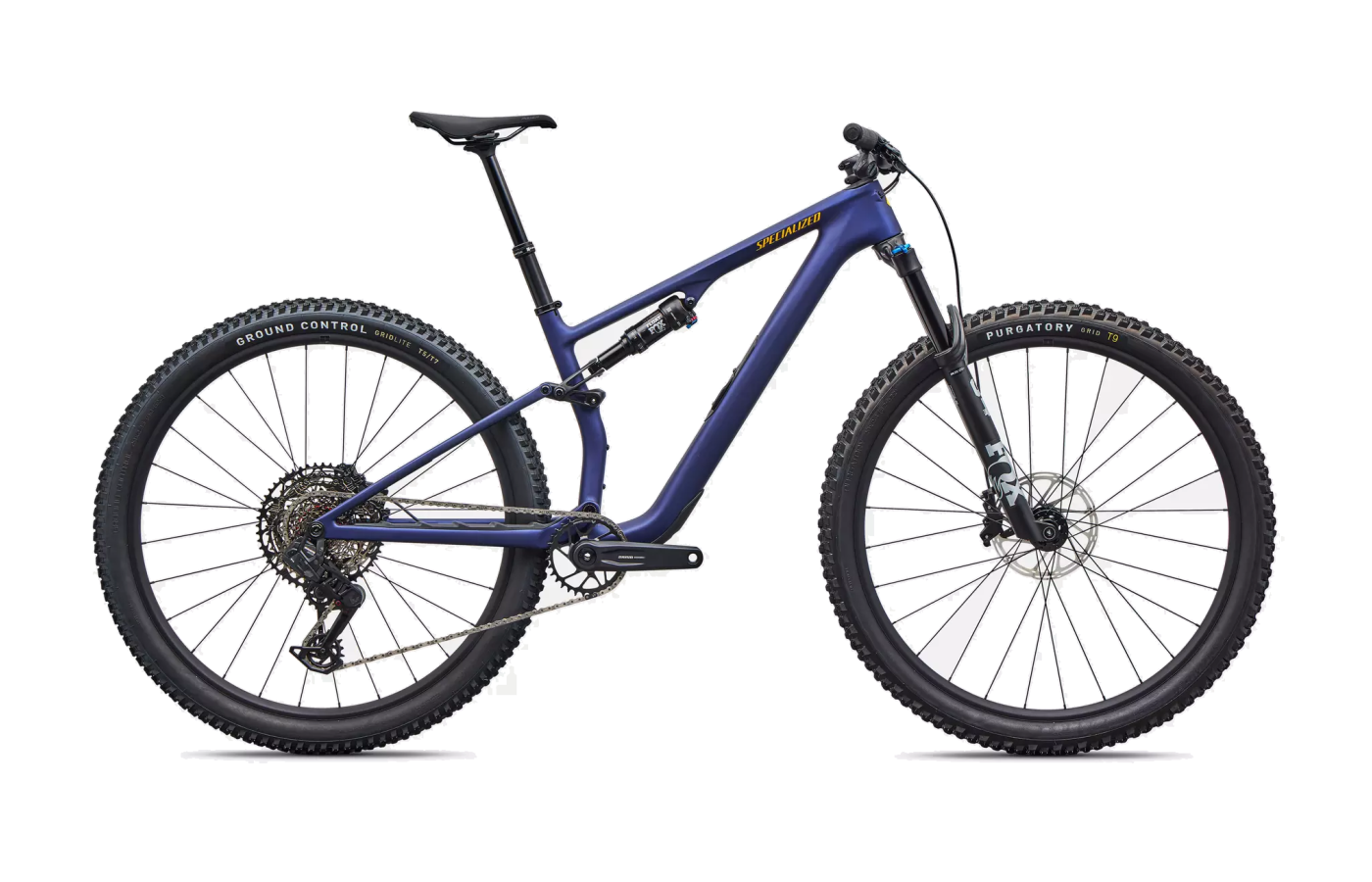
Epic Evo
The carbon sibling to the Chisel — same Progressive XC geometry, same flex-stay linkage, with more travel and the compliance only carbon adds. If you like the Chisel's philosophy but want the Neuron's ride quality, this is the middle ground. Costs accordingly.
Compare →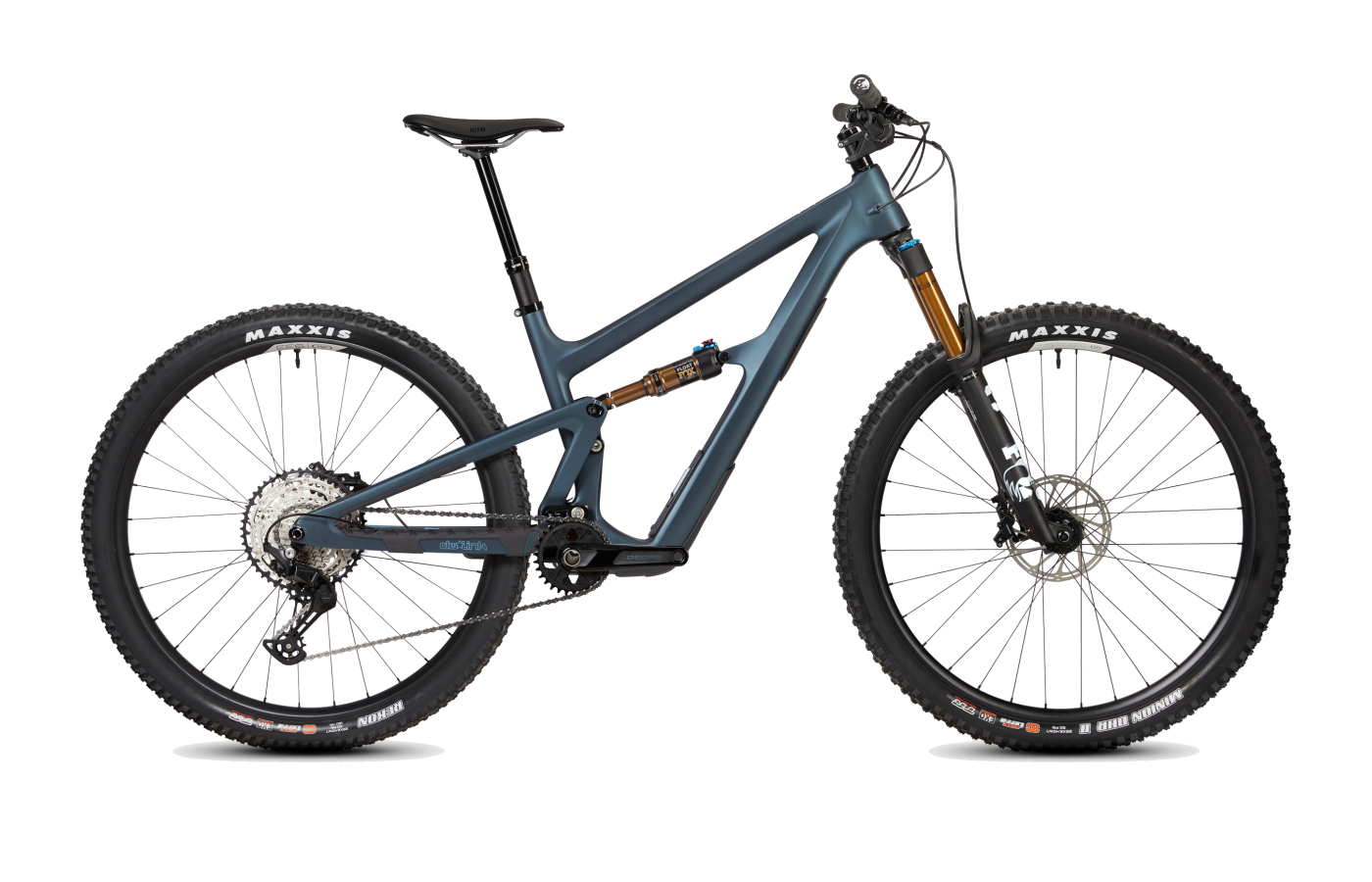
Ripley
The benchmark 120/130 mm DW-Link trail bike. Pedals cleaner than the Neuron and descends with more composure than the Chisel — a more sophisticated suspension platform than either, at a price that reflects it.
Compare →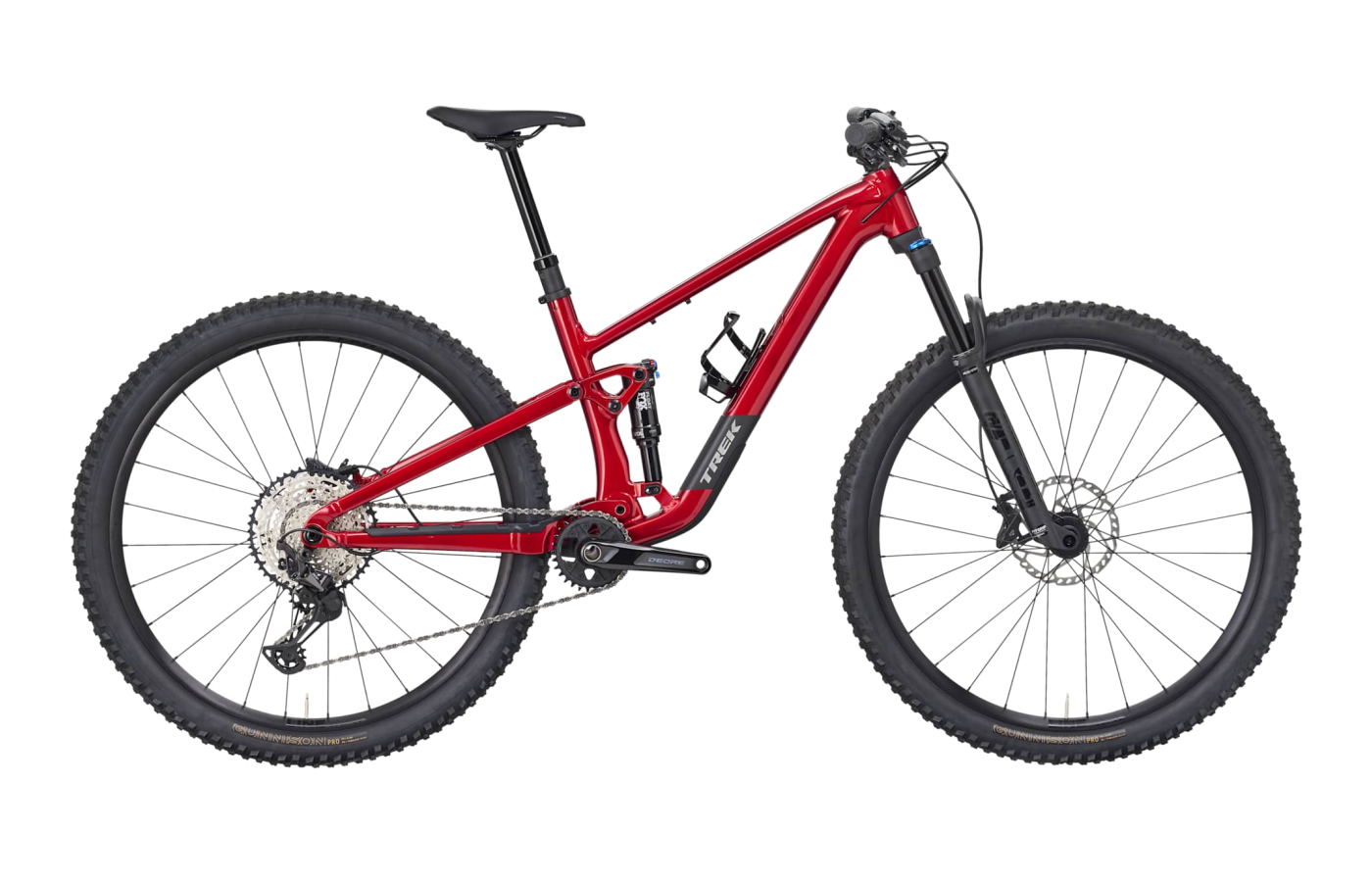
Top Fuel
Trek's answer to the same "one trail bike" question — 120 mm rear, similar race-trail geometry, and a carbon build range that undercuts boutique rivals. Usually heavier and pricier than the Chisel but with broader dealer support.
Compare →