Aeroad
vsTarmac
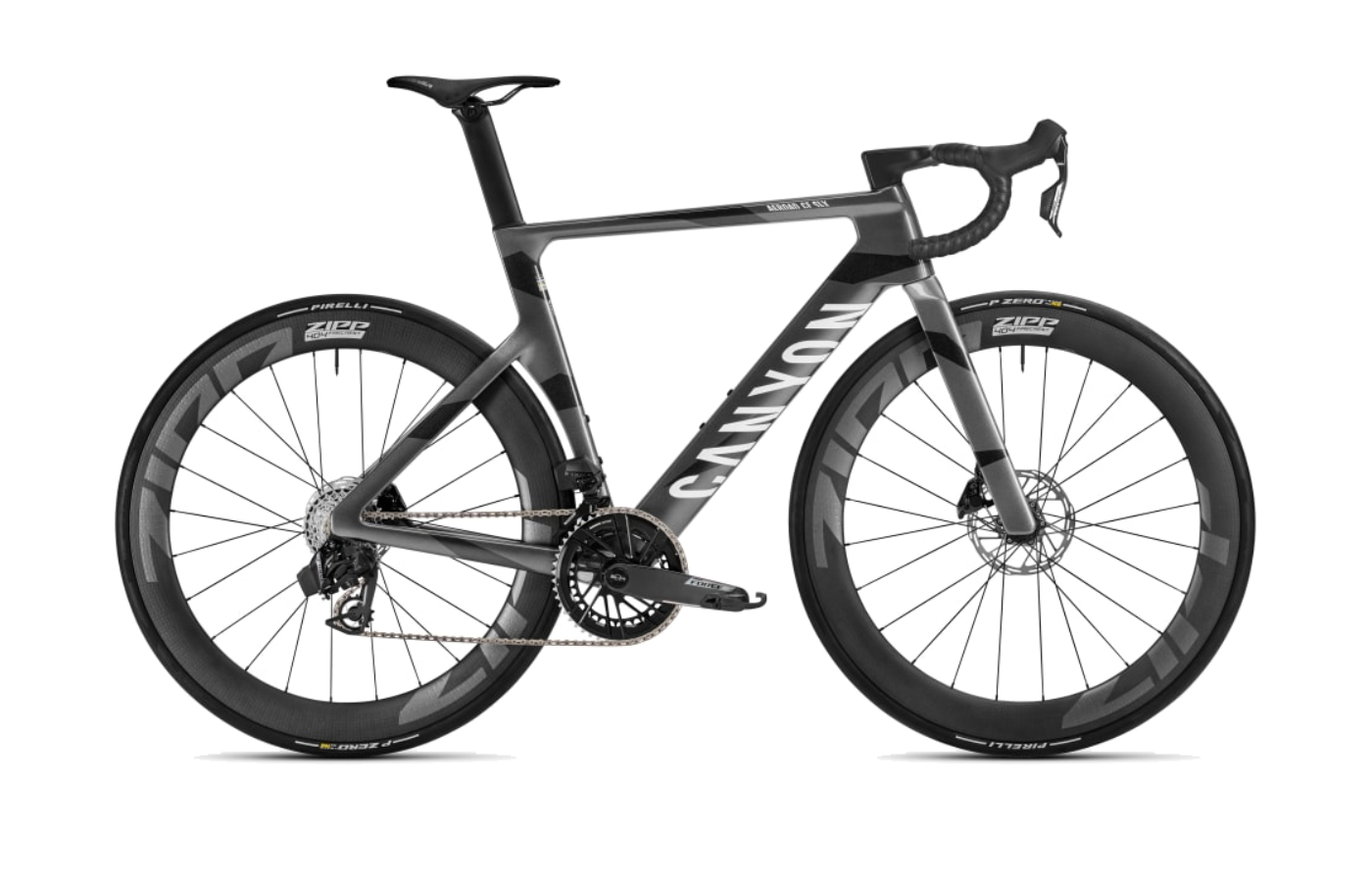
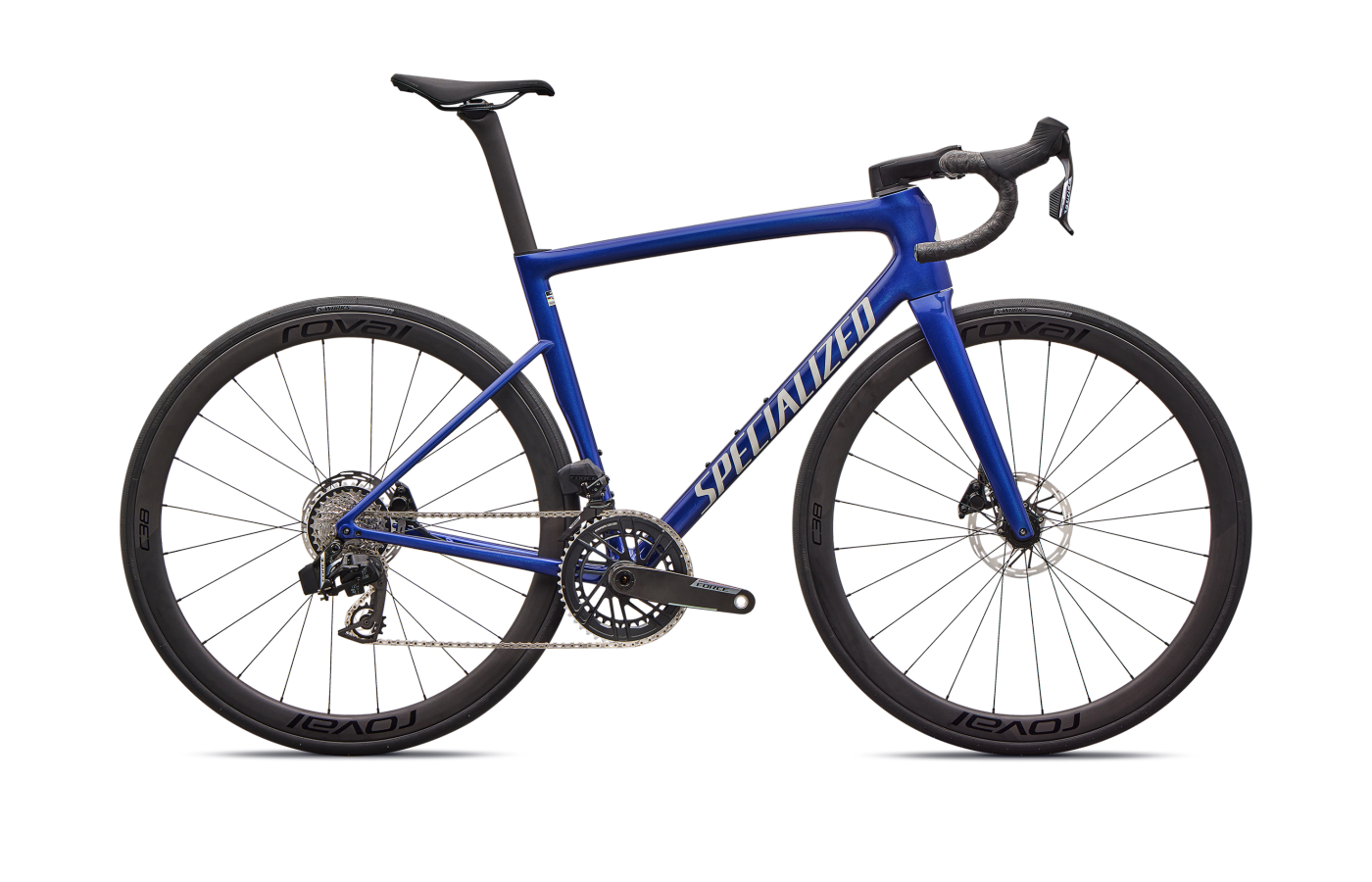
Two aero takes, two pricing philosophies.
The Aeroad is a pure wind-cheating specialist sold direct. The Tarmac SL8 is the do-everything race bike that absorbed Specialized's aero program.
Aeroad
- Dedicated aero platform — deep tube shapes, an integrated CP0048 cockpit with 50 mm width adjustment, and interchangeable aero drops built for flat-out speed.
- Direct-to-consumer pricing — top-tier CFR Di2 at $10,499 runs roughly $3k under an equivalent Tarmac S-Works.
- Mechanic-friendly details — single T25 Torx standard across the frame, T25 bit stored in the thru-axle, hermetically sealed headset bearings.
- No dealer network — fit, warranty, and demos all go through Canyon directly.
- Reviewers consistently call the ride stiff; several describe the stock 25 mm front tire as "noticeably narrow."
Tarmac
- Lighter frame — 685 g claimed on the S-Works FACT 12r, with complete bikes from 6.67 kg (S-Works Dura-Ace) to 7.26 kg (Expert Force AXS).
- More compliant ride for a race bike — Aethos-inspired rear tube shapes and a 6% claimed comfort gain over the SL7; reviewers cite it as one of the most comfortable bikes in its class.
- Wider lineup — builds from $4,699 (Comp) up to $13,499 (S-Works), with a threaded BSA bottom bracket across the range.
- The integrated Roval Rapide cockpit on S-Works/Pro models offers no pre-purchase length customization — swapping it later runs around $600 plus a brake bleed.
- S-Works pricing is near the top of the category; the value case is strongest on the Pro and Expert tiers.
Editor’s analysis
This is less aero-versus-climber than it is specialist-versus-generalist — and direct-to-consumer versus dealer-network.
Both bikes live in the WorldTour race bracket, both clear 32 mm tires, both come with integrated cockpits and power meters as standard on the upper builds. But they came from different starting points. Canyon kept the Aeroad as a dedicated aero sled after rivals collapsed their aero and lightweight programs into a single platform. Specialized went the other way — killed the Venge, pulled aero shapes into the Tarmac SL8, and now pitches it as the one bike for everything from crits to Sunday centuries.
The Specialized Tarmac leans harder on weight and balance. The S-Works SL8 frame comes in at a claimed 685 g, and complete builds land between 6.67 kg (S-Works, Dura-Ace) and 7.77 kg (Expert, Rival) — comfortably under a full-fat aero rival at the same tier. The SL8 Pro and Expert use a 95 g-heavier FACT 10r layup, which multiple reviewers argue actually rides calmer and more forgiving than the S-Works 12r — a nice accident of the platform rather than a strategy.
The Canyon Aeroad stays loyal to the aero playbook. Reviewers describe it as a "rigid race machine" that makes "slow riding almost impossible" — the bike wants to be going fast. Deep-section wheels (50 mm stock on the CFR, 58-65 mm on the CF SLX builds) and the CP0048 integrated cockpit are tuned for flat and rolling terrain. Canyon's own numbers claim 14 watts saved at 45 km/h with their optional narrower aero drops. Above 30 km/h the bike "feels unstoppable." On steep Alpine climbs, reviewers say it "requires more rider input" than the Tarmac.
Then there's the money. The Canyon Aeroad CFR Di2 ($10,499) comes in roughly $3,000 under the Specialized S-Works SL8 ($13,499) for an equivalent spec — Dura-Ace Di2, carbon integrated cockpit, deep-section carbon wheels, power meter. Canyon's CF SLX tier starts at $5,099. That's the direct-to-consumer math working as advertised. The catch, of course, is no local dealer for fit, warranty, or a test ride — you buy based on geometry charts and reviews, and you live with what arrives.
Where the builds differ.
Comparing our editor's-pick builds side-by-side. Winners highlighted row-by-row — lower price and weight, and the better-spec component, each mark a point.
Build variants & pricing
The Tarmac starts cheaper ($4,699) and reaches higher ($13,499); the Aeroad starts at $5,099 and tops at $10,999.
Prices are current US MSRP. Canyon sells direct only; Specialized is dealer-network. The tier-matched editor's picks (Force AXS, mid-grade carbon) sit within $500 of each other so the spec table isn't distorted by a drivetrain-tier mismatch.
How they fit, how they steer.
Canyon size S against Tarmac 54 — the fit-picked sizes for each bike on a 5'8" rider. Stack differs by 5 mm (Tarmac taller), reach by 6 mm (Canyon longer); the Aeroad puts the rider in a more stretched, wind-cheating position. Head tube angles and chainstays are nearly identical; both are aggressive race fits.
Which size should I buy?
Size recommendations from stack, reach, and top-tube length. Canyon uses S/M/L labels, Specialized uses numeric — the overlap is close at the middle of each range.
→These are starting points. Flexibility, riding style, and preferred position all shift the answer — if you’re between sizes, a professional fit beats a chart.
What the magazines said.
Published reviews from trusted cycling outlets. Click through for the full write-up.
Which one should you buy?
If you want the sharpest wind-cheating tool at direct-to-consumer prices, get the Aeroad. If you want the lighter all-rounder with dealer support, get the Tarmac.
Aeroad
If most of your riding is flat or rolling, you race crits or fast group rides, and you're comfortable buying online, the Aeroad delivers WorldTour-grade aero performance for roughly $3k less than its dealer-sold rivals. The Pace Bar cockpit and single-Torx-bolt ethos make it unusually friendly to live with for an integrated aero bike.
Tarmac
If your weekends involve real elevation and you want one bike for crits, Sunday centuries, and the occasional gravel shortcut, the Tarmac is the benchmark. It's lighter, more compliant, and backed by a dealer network for fit and warranty. The Pro and Expert tiers carry almost all of the S-Works' performance for considerably less.
Questions buyers actually ask.
Short answers to the things we get emailed about most often.
01Which bike is faster on flat roads?
The Canyon Aeroad, marginally. It's a dedicated aero platform — deeper tube shapes, a fully integrated CP0048 cockpit, and 50 mm+ stock wheels — and Canyon claims up to 14 watts saved at 45 km/h with its optional narrower aero drops.
The Specialized Tarmac SL8 is no slouch; external wind-tunnel testing cited by reviewers puts it at 209 watts at 45 km/h — only a watt or two behind the Aeroad. Below 30 km/h, you'll struggle to feel the difference. Above 35 km/h, the Aeroad edges out consistently.
02Which climbs better?
The Tarmac SL8. S-Works complete builds come in around 6.67 kg (size 56) versus roughly 7.0-7.2 kg for the CFR Aeroad — a 300-500 g swing at the top tier. Specialized also tuned the Tarmac's rear triangle to flex subtly under out-of-saddle efforts, which reviewers describe as a "shark-like" propulsion.
The Aeroad climbs respectably for an aero bike — one reviewer found it "felt rapid" at 5% grades — but on sustained high-altitude passes the Tarmac is the sharper tool.
03What's the tire clearance on each?
Both are rated to 32 mm. Canyon explicitly designed the Gen 4 Aeroad with 32 mm clearance in mind — Mathieu van der Poel reportedly requested more tire room for the cobbled classics. The Tarmac SL8 is also officially 32 mm.
Neither is a gravel bike, but both are comfortable on chip-seal and rougher pavement with 30-32 mm rubber installed. Most reviewers recommend upgrading from the stock 25-26 mm tires on either bike for real-world comfort.
04How do the editor's-pick builds compare on spec?
We picked the Canyon CF SLX 8 AXS Speed ($6,499) and the Tarmac SL8 Expert ($6,999) — both on SRAM Force AXS, both on mid-grade carbon frames.
The Canyon ships with deeper, more aero Zipp 404 Firecrest hookless wheels (58 mm) and a one-piece CP0048 integrated carbon cockpit as standard. The Tarmac Expert uses shallower Roval C38 carbon wheels and a two-piece alloy bar with an integrated stem — less aero, more adjustable. For $500 more, Specialized trades the Canyon's aero cockpit and deeper rims for a lighter frame and a more forgiving fit setup.
05Do both come with power meters?
Yes, on every upper-tier build of each platform. Canyon includes a Shimano Dura-Ace or SRAM Force/Red AXS power meter as standard on the CFR and CF SLX 8/9 trims. Specialized includes a 4iiii (Shimano builds) or Quarq (SRAM builds) power meter on its S-Works, Pro, and Expert SL8s.
On the entry-level Tarmac Comp ($4,699, Rival AXS), a power meter is still included. On the cheapest Aeroad CF SLX 7 builds ($5,099-$5,199), check the current spec — Canyon rotates what's included at that tier.
06How serviceable is each platform's cockpit?
The Canyon Pace Bar (CP0048) is the standout. It lets you change bar width (50 mm adjustment range) or swap to optional narrower aero drops without cutting the steerer or re-routing hoses. Canyon also uses a single T25 Torx standard across nearly every bolt, with a T25 bit stored in the thru-axle lever.
The Tarmac's Roval Rapide integrated cockpit (on S-Works and Pro) is stiff and light but proprietary — and Specialized doesn't let you customize length at order. Post-purchase swaps run around $600 plus a brake bleed. The Expert's two-piece alloy bar and integrated stem is much friendlier for fit adjustments.
07Direct-to-consumer versus dealer — how much does it actually matter?
For the Aeroad, you save roughly $3,000 at the top tier ($10,499 CFR Di2 vs $13,499 S-Works SL8) for comparable spec. That's real money.
What you give up: no test ride, no in-person fit session, and warranty or crash-replacement handling goes through Canyon directly rather than your local shop. If you already know your size and you're comfortable servicing your own bike (or have a non-Canyon shop you trust), the math strongly favors Canyon. If you're newer to high-end bikes or value shop relationships, the Specialized premium buys you support infrastructure.
08Are there any known reliability issues on either?
The previous-gen Canyon Aeroad (Gen 3) had publicized issues — a handlebar recall, a stop-ride notice, and seatpost problems. Gen 4 was designed to address them: reinforced carbon layup at key points, a new two-bolt seat clamp, a titanium headset crown race, and hermetically sealed bearings. Reviewers consistently note the improvements.
The Tarmac SL8 replaces the SL7's metal fork-steerer compression ring with an injection-moulded plastic one to fix a past warranty issue. Long-term reviewers report 8,000-9,000 miles without significant problems. Both bikes should be reliable in their current iterations.
Similar bikes
If your priorities don’t map cleanly onto either of these, one of these adjacent bikes probably fits better.
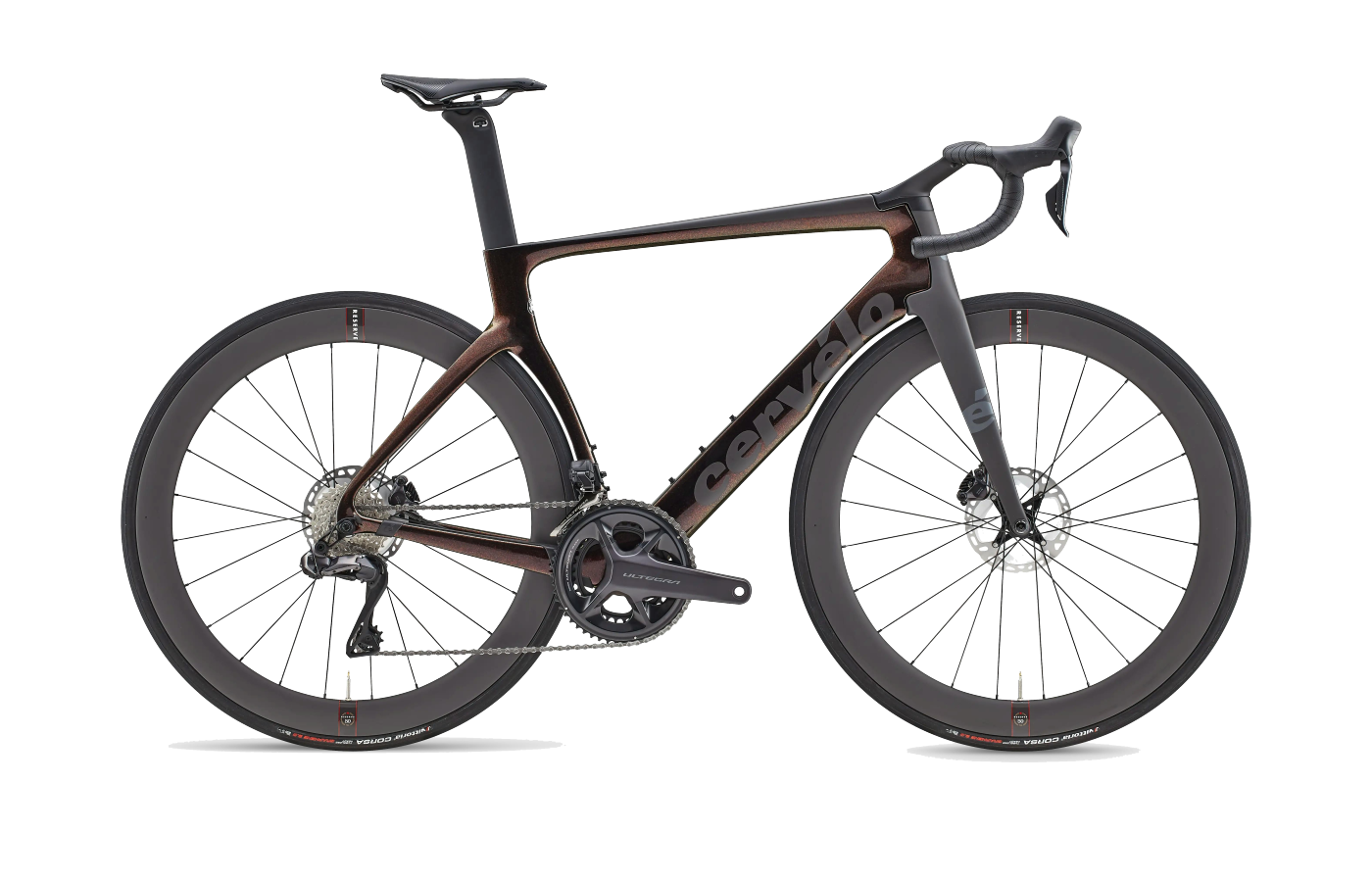
S5
The Cervélo S5 is the wind-tunnel king of the category — marginally faster on flats than either of these, but heavier, pricier, and saddled with a polarizing V-stem cockpit. Worth it if you race flat time trials.
Compare →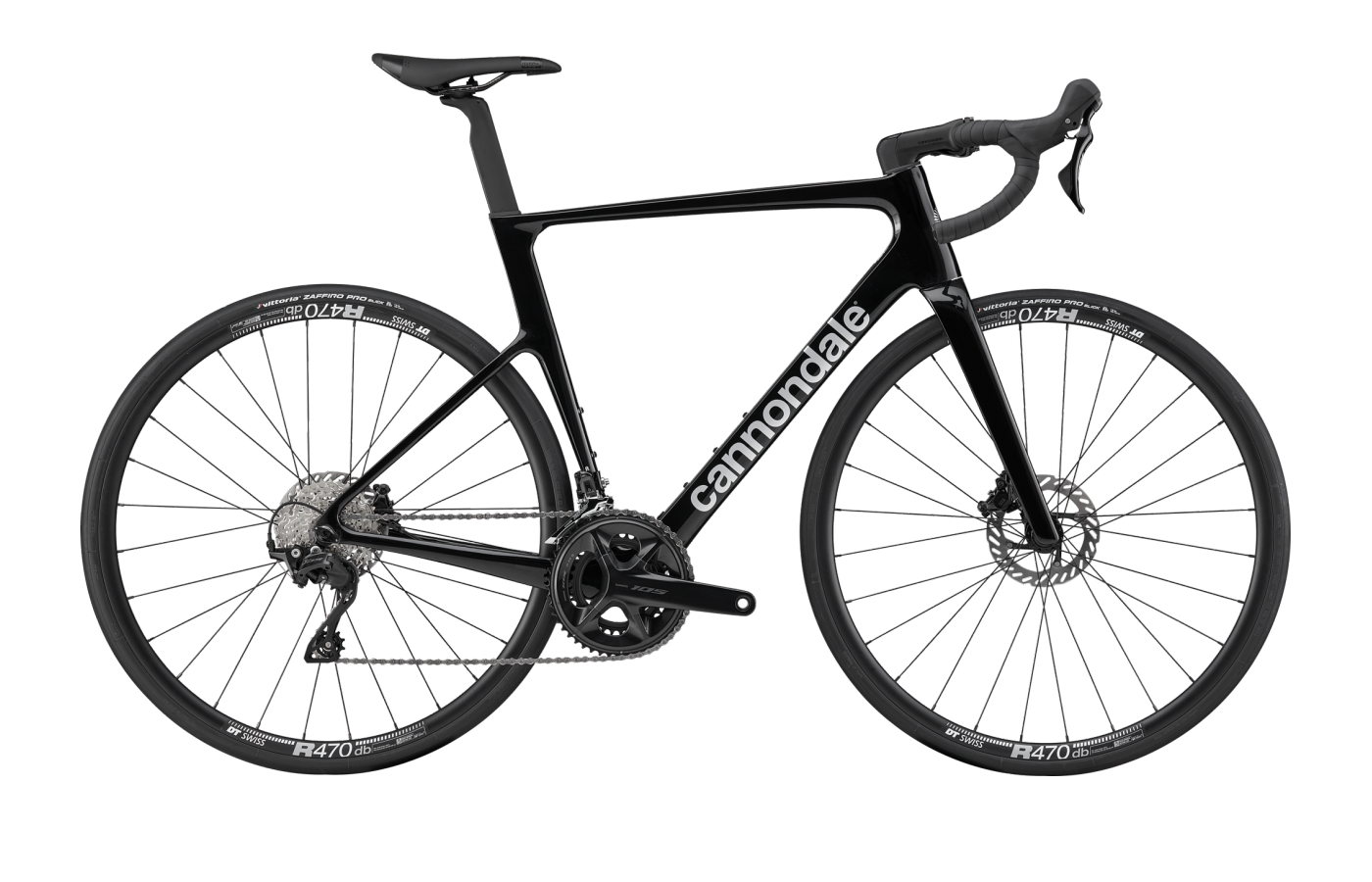
SuperSix EVO
The Cannondale SuperSix EVO chases the same all-rounder brief as the Tarmac with more traditional looks and excellent rear-end compliance. A strong pick if the Tarmac's bulbous head tube isn't for you.
Compare →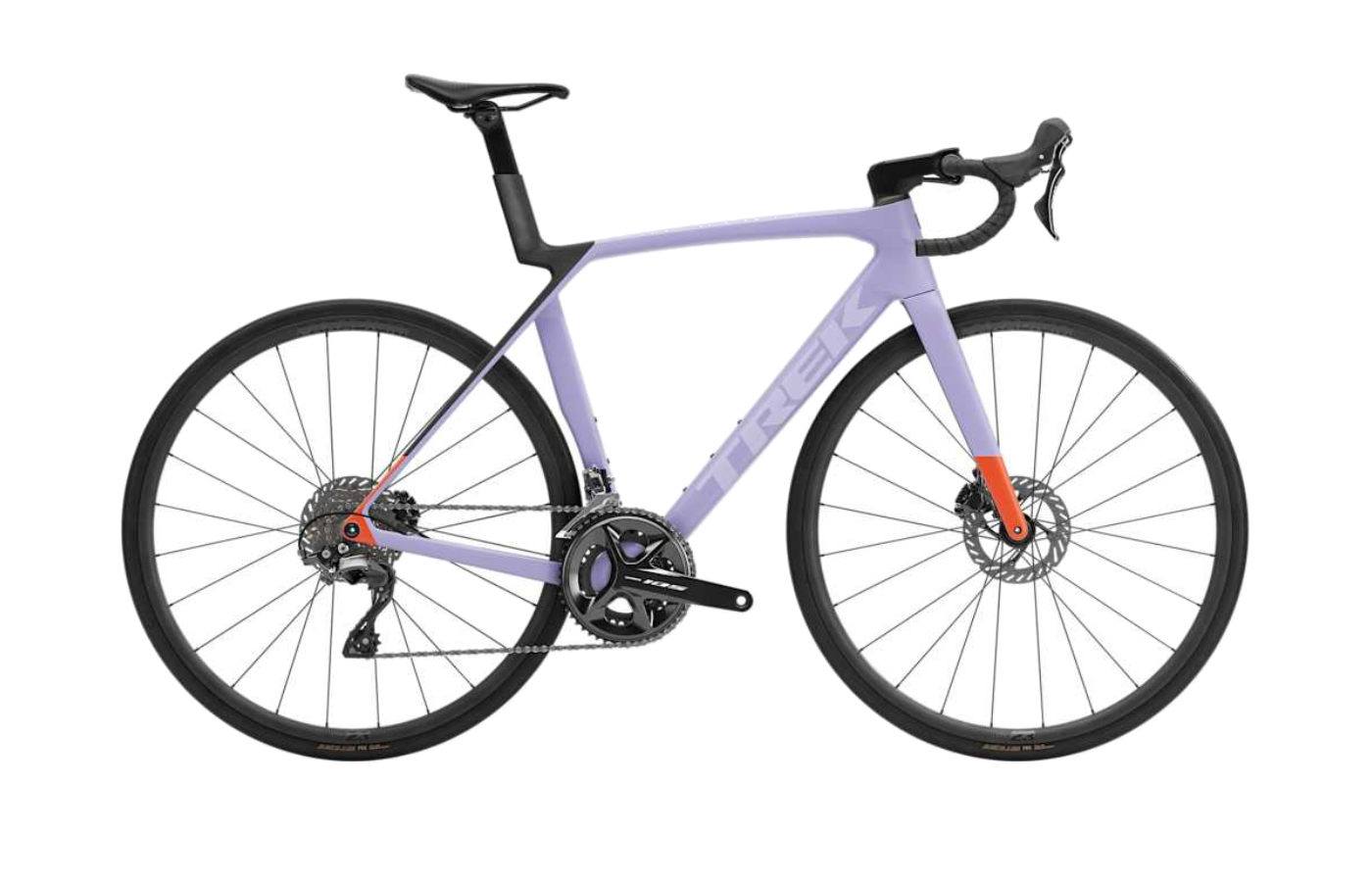
Madone
The Trek Madone Gen 8 is the other bike that collapsed aero and lightweight into a single platform — its IsoFlow decoupler gives it a real compliance edge for long days, at the cost of a bolder visual language than some riders want.
Compare →