Aeroad
vsAR
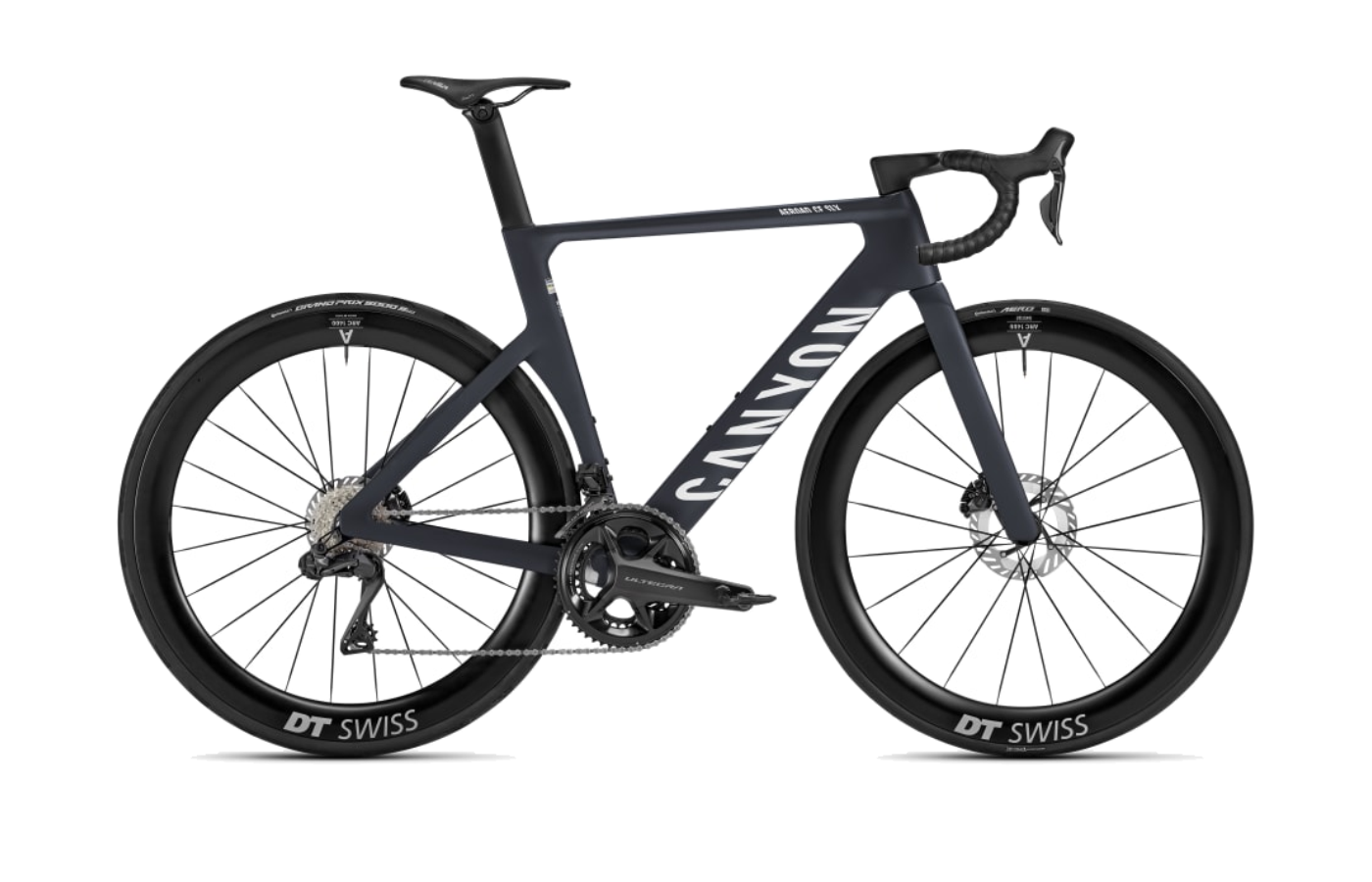
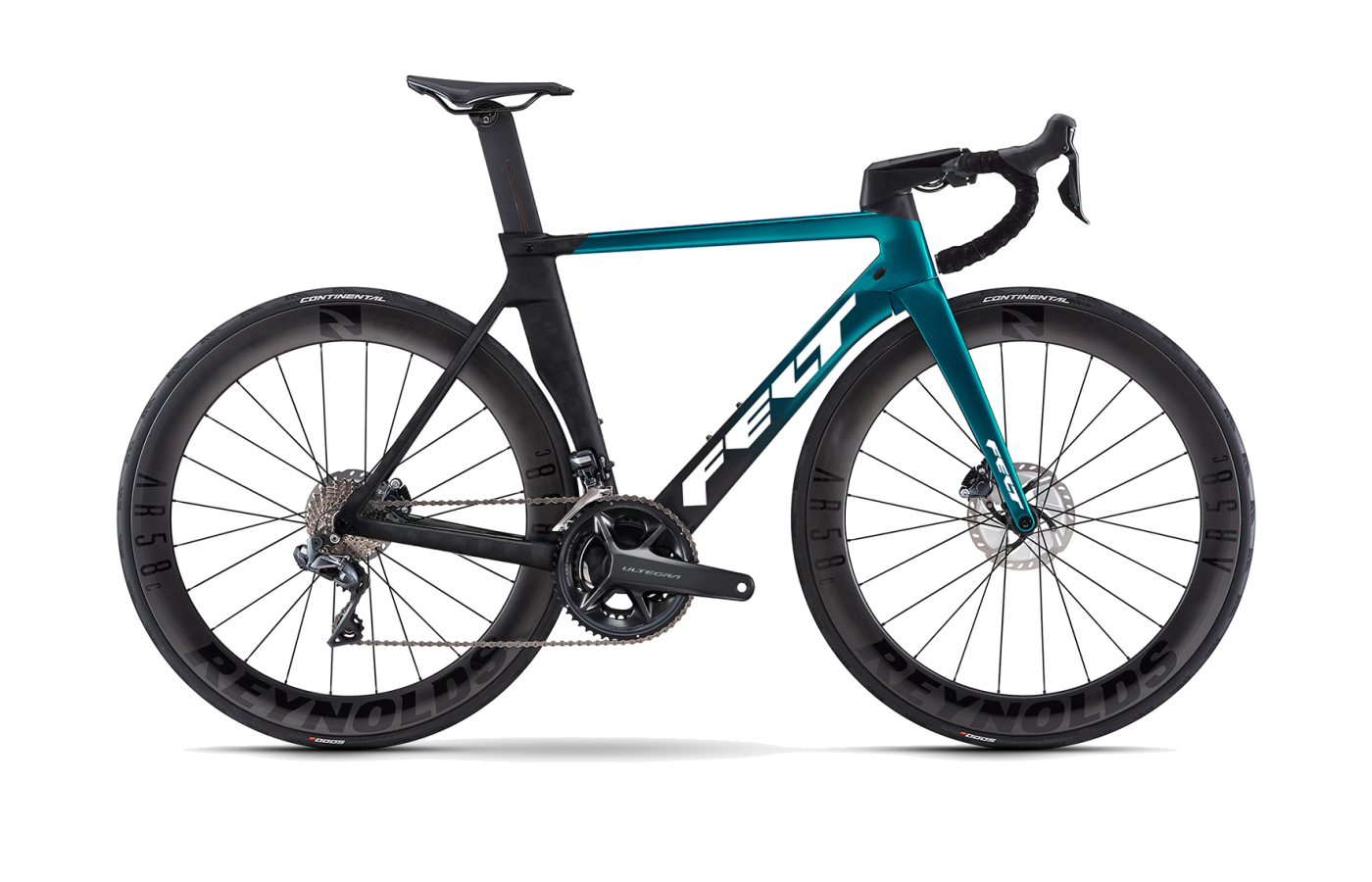
Two aero road bikes, two service philosophies.
The Canyon Aeroad Gen 4 is a fully integrated race system with WorldTour pedigree. The Felt AR is the older, semi-integrated specialist that bets everything on rear-end compliance.
Aeroad
- Most-recent generation — 2024 redesign with refined aero tubes, sealed bearings, and a Pace Bar cockpit rated as one of the most adjustable in the segment.
- Wider tire clearance at 32 mm — usable on rougher pavement and the cobbled classics where Mathieu van der Poel races it.
- Power meter standard on most builds, including the mid-tier CF SLX 8 Di2 — Felt charges $13k and still skips one.
- Fully integrated cockpit — stem-length and bar-shape changes mean buying new parts and re-routing.
- Direct-to-consumer only: no local dealer demos, no in-person fit before you commit.
AR
- Split seatpost compliance — Felt's leaf-spring design adds a claimed 112% rear vertical compliance, giving it the smoothest ride feel in the aero category.
- Travel-friendly cockpit — semi-integrated, so you can pull bars and stem without disconnecting hydraulics. A real win for anyone flying with the bike.
- Wide spec range — starts at $3,499 with 105 mechanical and goes up to $12,999 with Red AXS, covering more price tiers than Canyon's lineup.
- Heavier frame — even the FRD Ultimate builds run roughly 800 g over a comparable Aeroad.
- No power meter on any build, including the $12,999 flagship — a recurring criticism in reviews.
Editor’s analysis
Both bikes promise to slip the wind. Where they actually diverge is how much of your life you're willing to give to a one-piece cockpit.
The Canyon Aeroad is a 2024 ground-up rework of a platform that already won Paris-Roubaix and a Road Worlds. Every tube has been refined, the cockpit is the new modular Pace Bar with 50 mm of width adjustment, and a single T25 Torx bolt drives nearly every fastener on the bike — pro-mechanic input made the cut. It is, by reviewer consensus, the most complete aero system Canyon has ever shipped, and it slots into the segment a few thousand dollars under comparable Specialized, Trek, and Pinarello flagships.
The Felt AR is a different animal. The current generation launched in 2020 and hasn't been redesigned since — it predates the all-in integration arms race. The hallmark is the split seatpost, a leaf-spring design that Felt claims adds 112% vertical compliance over the previous AR. Reviewers call the rear end "buttery smooth" for an aero bike. The cockpit is semi-integrated rather than one-piece, so you can pull the bars for travel without bleeding hydraulics — a real plus for anyone who flies with a bike.
On the road the Canyon is the sharper tool. The Aeroad runs a 32 mm tire clearance vs. the Felt's 30 mm, and at equivalent Ultegra Di2 trim a Canyon CF SLX 8 Di2 weighs in around 7.5 kg, while the Felt Advanced Ultegra Di2 lands closer to 8.3 kg — about 800 g of frame-and-wheel weight that shows up on every climb steeper than 5%. Canyon also throws a Dura-Ace power meter onto most builds; Felt skips power meters even on the $13k FRD Ultimate, which several reviewers flagged as a real value miss.
The Felt fights back on ride feel and serviceability. Reviewers consistently call it more comfortable than the Aeroad on rough chip-seal, thanks to that split seatpost and Felt's softer rear triangle. And the cockpit you can actually live with — swap a stem, pack a travel bag, no shop visit. If your priority is a planted, all-day aero ride and you don't mind older geometry and an older spec language, the AR holds up. If you want the current-generation system with the latest aero tweaks and the better resale, the Aeroad is the cleaner buy.
Where the builds differ.
Comparing our editor's-pick builds side-by-side. Winners highlighted row-by-row — lower price and weight, and the better-spec component, each mark a point.
Build variants & pricing
Canyon ranges from $5,099 to $10,999. Felt covers a wider $3,499–$12,999 spread but stays heavier at every tier.
Prices are current US MSRP. Note that Canyon includes a power meter on most builds while Felt does not include one on any build, even at $12,999.
How they fit, how they steer.
Both fit-picked for a 5'8" rider. Stack is identical at 539 mm; the Felt 54 has 7 mm less reach and a 0.2° steeper head tube — slightly more upright and slightly quicker steering.
Which size should I buy?
Sizes use different conventions (Canyon's lettered XS–2XL vs. Felt's numeric 51–61) but the middle of each range fits the same rider.
→These are starting points. Flexibility, riding style, and preferred position all shift the answer — if you’re between sizes, a professional fit beats a chart.
What the magazines said.
Published reviews from trusted cycling outlets. Click through for the full write-up.
Which one should you buy?
If you want the current-gen aero system with power-meter-included spec, get the Aeroad. If you want a comfier rear end and a cockpit you can actually service, get the AR.
Aeroad
If you ride fast group rides, criteriums, or flat-to-rolling races and want a 2024-generation system with a power meter included, the Aeroad is the cleaner buy. The price-to-spec ratio is the segment's best.
AR
If you log long miles on imperfect pavement and prize a planted, well-damped rear end — and if travel-friendly serviceability matters more than chasing the latest cockpit tech — the AR remains a compelling pick.
Questions buyers actually ask.
Short answers to the things we get emailed about most often.
01Which is faster on flat roads?
Both are dedicated aero platforms and the difference is small — likely within the noise of any single ride. Canyon claims 14 watts of savings at 45 km/h with the optional narrow Aero Drops on the Pace Bar; Felt claims 10 watts of savings over the previous AR at 48 km/h. Canyon is the newer design with more recent wind-tunnel work, so the Aeroad is the marginal pick for outright top-end speed.
At social-ride speeds below 30 km/h, neither bike's aero advantage is something you'll feel.
02Which climbs better?
The Aeroad, by a meaningful margin. At Ultegra Di2 trim, the Canyon CF SLX 8 Di2 lands around 7.5 kg while the Felt Advanced Ultegra Di2 is closer to 8.3 kg — about 800 g. On a 30-minute climb that's roughly 12–15 seconds for a 70 kg rider.
Reviewers also noted the Felt feels "vague at slower velocities" on climbs, while the Aeroad is described as "no slouch off the line" and "rapid" on grades around 5%.
03Which is more comfortable?
The Felt AR. Its split seatpost — divided into two halves that flex independently like a leaf spring — is consistently called out by reviewers as one of the most effective compliance features on any aero bike. Felt claims a 112% increase in vertical compliance over the previous AR.
The Aeroad has improved over its predecessor and runs wider 32 mm tire clearance, but reviewers still describe it as "stiff pretty much everywhere" — fine for racing, less forgiving on long days.
04What's the maximum tire clearance?
Canyon Aeroad: 32 mm officially, requested by Mathieu van der Poel for the cobbled classics.
Felt AR: 30 mm officially. Velo's reviewer wished Felt had specced 28 mm tires stock instead of 25 mm.
Neither is a gravel bike, but the Aeroad's extra 2 mm gives it more headroom for rough pavement.
05How serviceable are the cockpits?
This is the AR's biggest practical advantage. The Felt runs a semi-integrated setup — the stem and handlebar are separate, and cables route under the stem rather than through it. You can pull the bars for travel or swap stem length without disconnecting hydraulics.
The Aeroad's Pace Bar is a one-piece carbon cockpit. It does offer 50 mm of width adjustment and 20 mm of height adjustment without recabling, but changing stem length or buying the narrower Aero Drops means a new component (~$200–$230) and a partial disassembly.
06Do both come with power meters?
Canyon Aeroad: yes, on most builds. The Dura-Ace and Force AXS builds ship with spider-based power meters as stock equipment.
Felt AR: no — not on any build, including the $12,999 FRD Ultimate Red eTap AXS. Reviewers including Cycling News flagged this as a notable miss for a bike clearly aimed at performance-focused riders. Budget a few hundred dollars for an aftermarket meter if you go Felt.
07Which is easier to travel with?
The Felt AR, comfortably. The semi-integrated cockpit means you can drop the bars into a bike bag without hydraulic bleeds, and the standard 1 1/8" steerer accepts aftermarket stems.
The Aeroad's one-piece Pace Bar is much harder to break down for travel — the integrated cable routing makes a full disassembly a workshop job rather than a hotel-room one.
08How current is each design?
The Aeroad is in its 4th generation as of 2024 — the most recent aero redesign on the market when the Canyon catalog refreshed.
The Felt AR has been in its current generation since 2020 and Felt has not refreshed it since. The frame and concept still hold up, but you're buying a five-year-old design language at this point. If long-term resale matters to you, factor that in.
Similar bikes
If your priorities don’t map cleanly onto either of these, one of these adjacent bikes probably fits better.
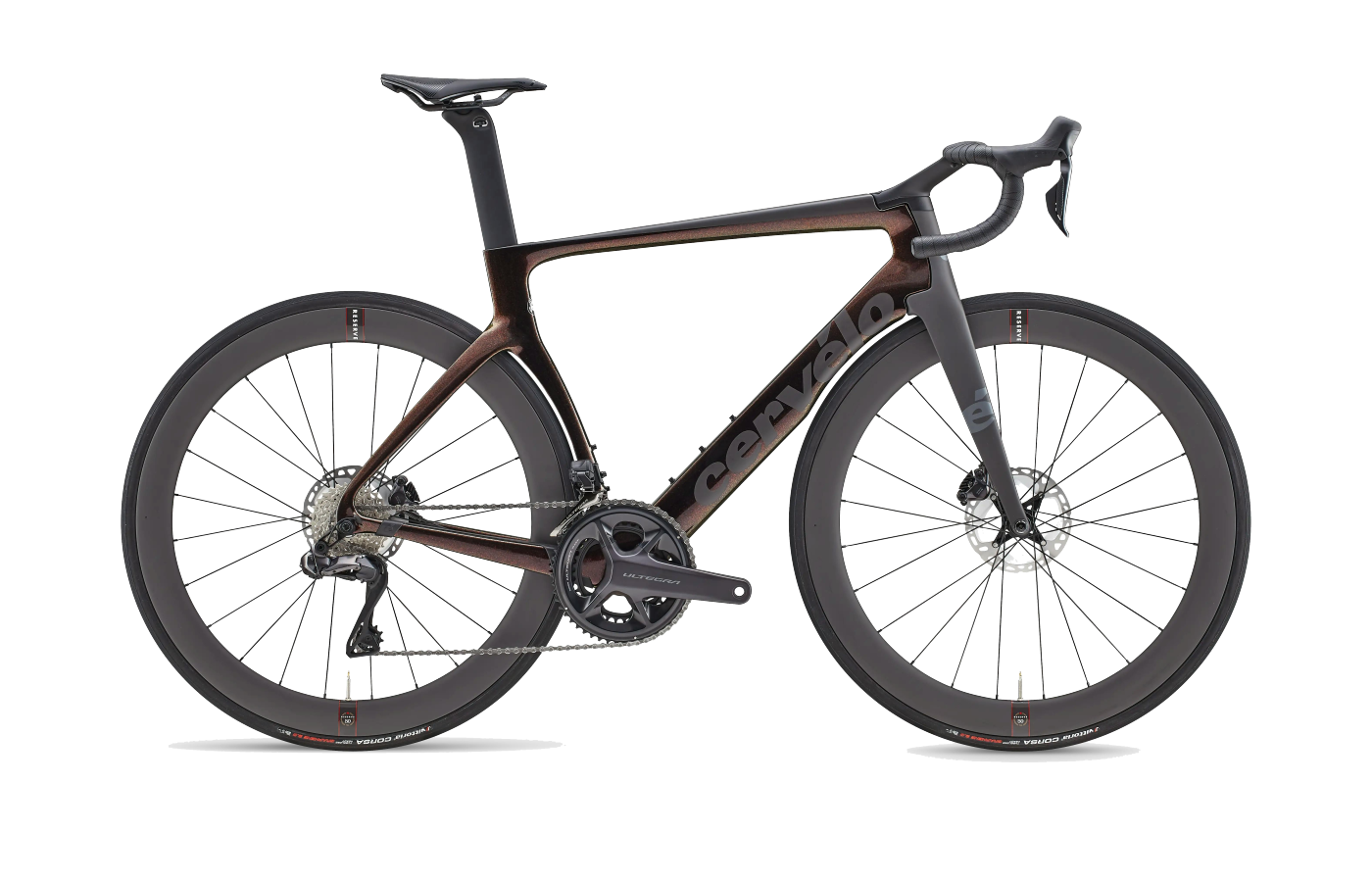
S5
The most direct rival for the "fastest aero bike" title — Cervelo's V-stem and aggressive tube shaping push integration even further than the Aeroad, but you'll pay for it.
Compare →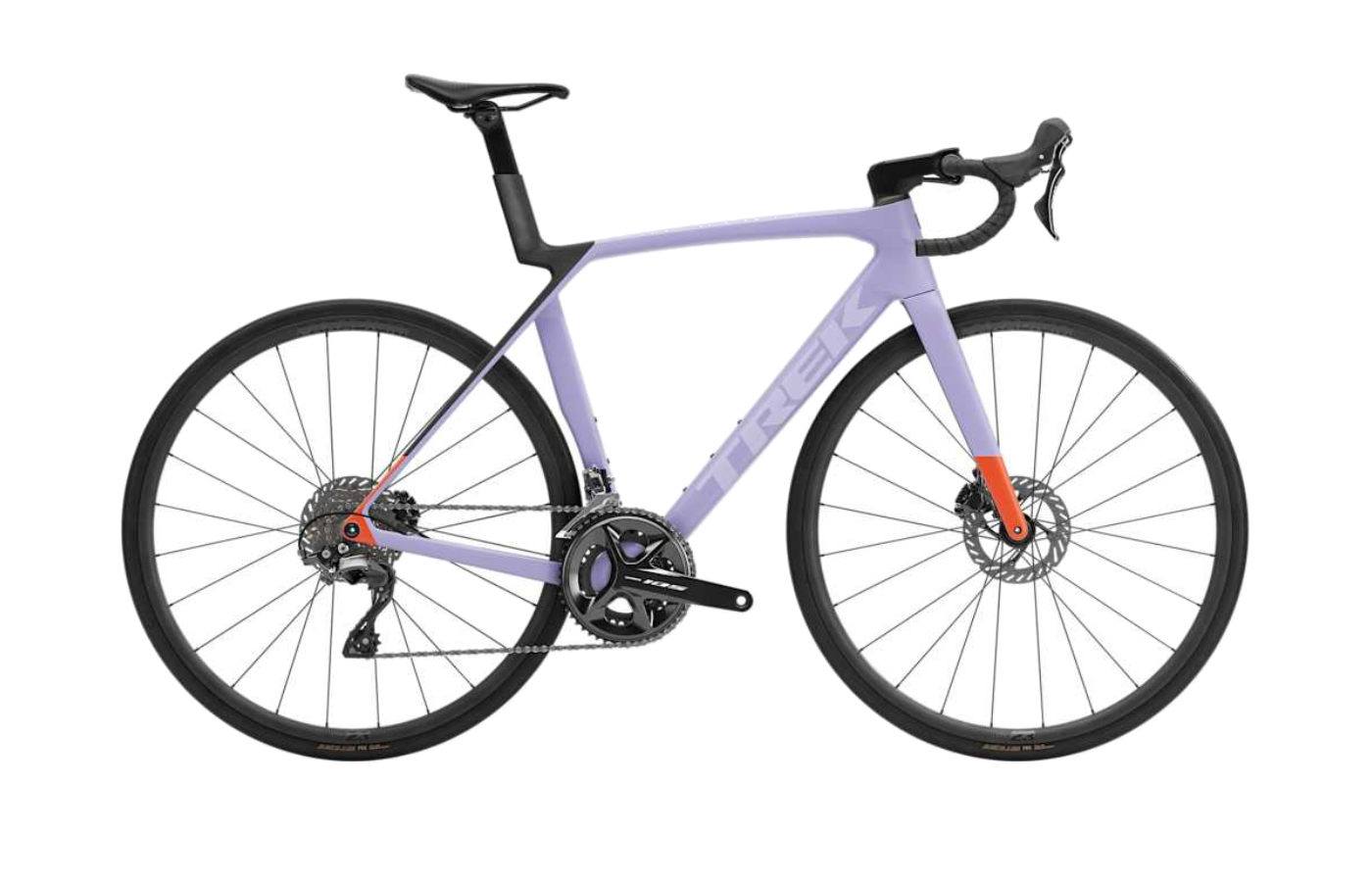
Madone
Trek's merged aero-and-climbing flagship. The IsoFlow decoupler delivers more vertical compliance than either bike here, at a higher price.
Compare →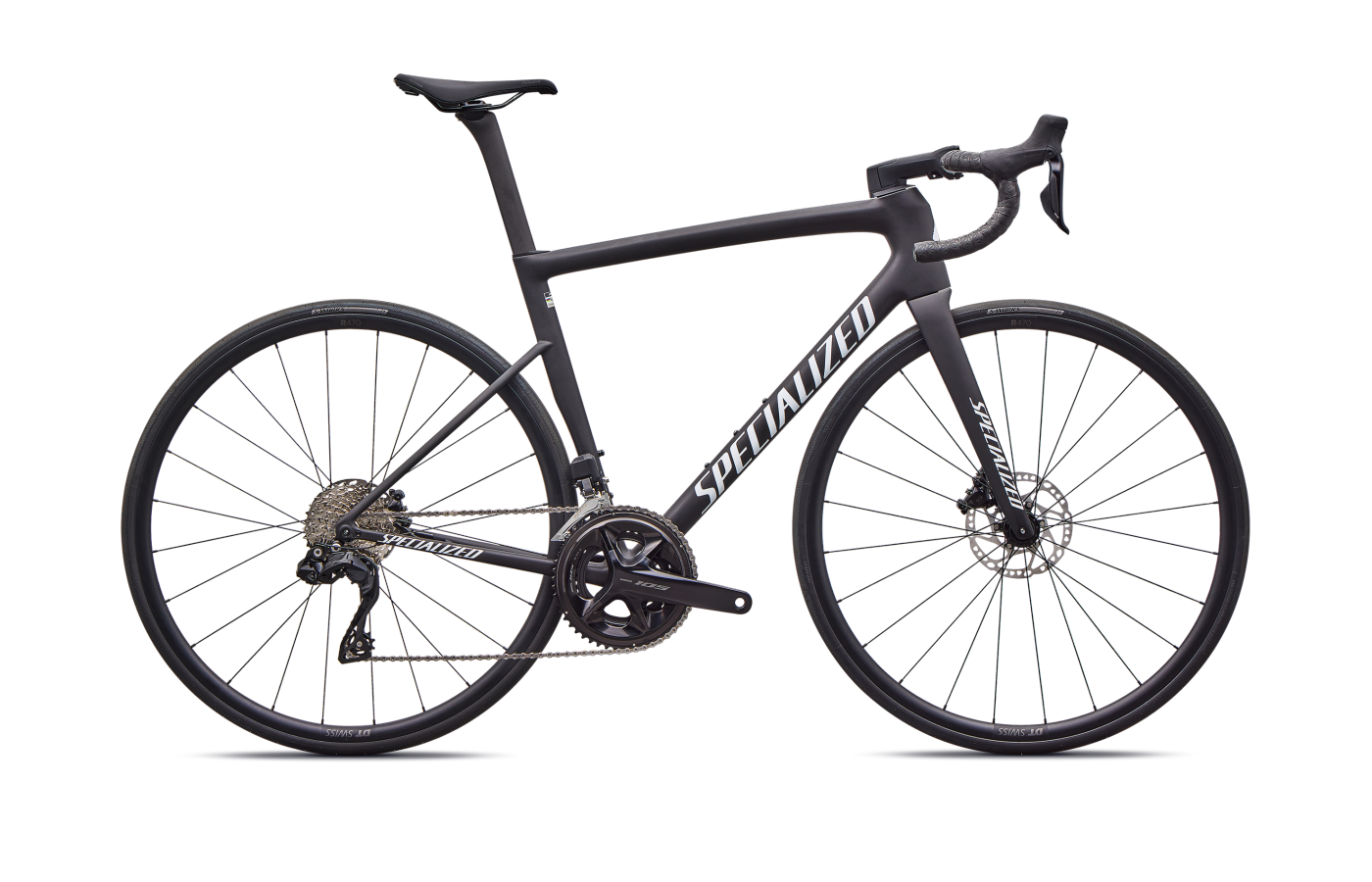
Tarmac
The do-everything race bike that arguably pulled riders away from pure aero — climbs better than either the Aeroad or the AR while still being plenty fast on the flats.
Compare →