Aeroad
vsOstro VAM
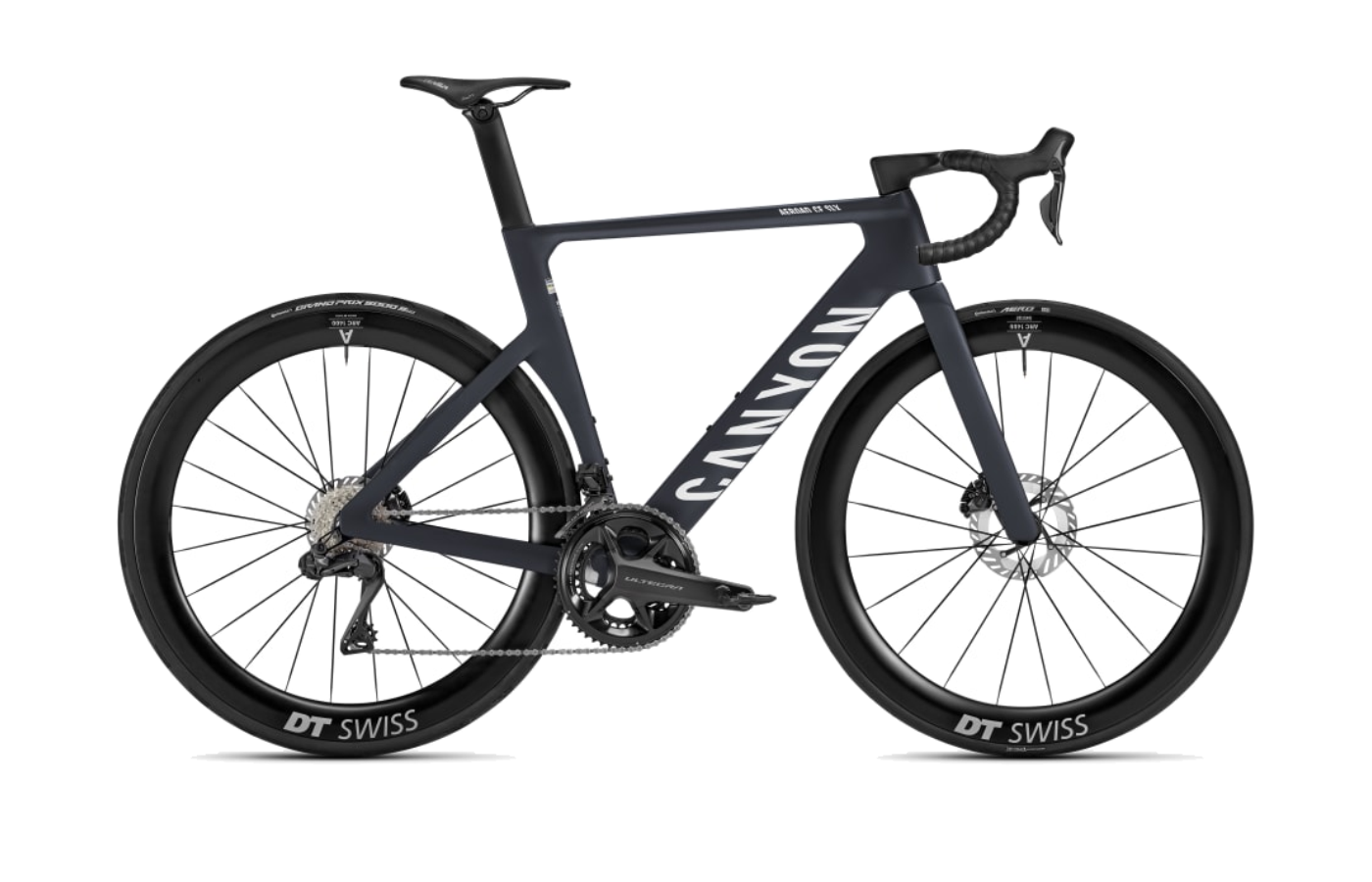
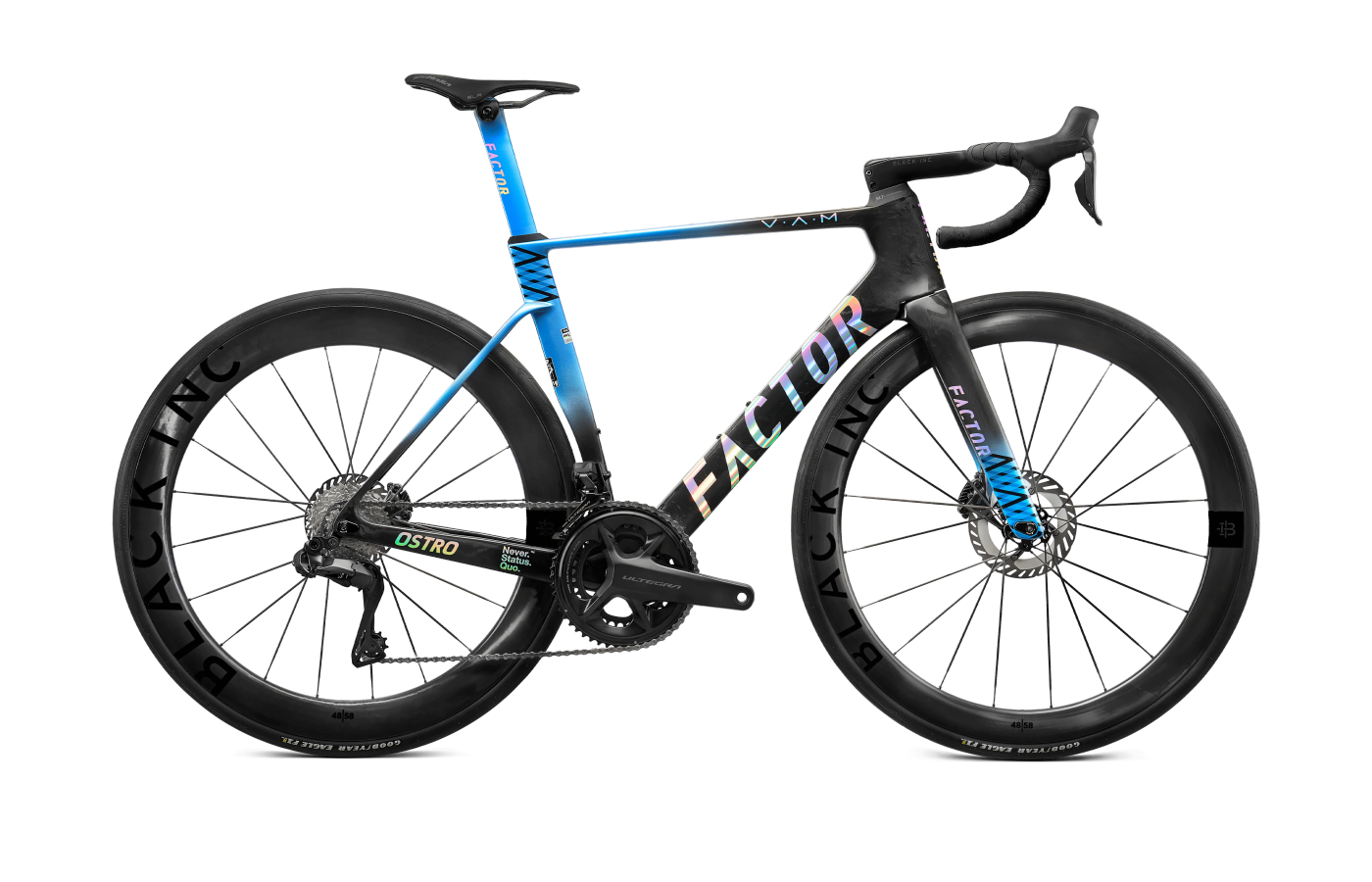
Mass-market value vs boutique craft.
The Canyon Aeroad is the WorldTour-proven aero weapon at direct-to-consumer prices. The Factor Ostro VAM is a hand-built, custom-fitted aero machine with no entry-level option.
Aeroad
- Direct-to-consumer pricing — a Dura-Ace Di2 build with power meter for $10,999, $1,300 less than the equivalent Factor.
- Wide build range from $5,099 (105 Di2) up to $10,999 — a real entry point Factor doesn't offer.
- Mechanic-friendly details — T25 Torx for nearly every user-touched bolt, plus a T25 bit hidden in the thru-axle.
- Stock 25 mm front tire feels harsh; most reviewers swap to 28 mm immediately.
- Cockpit stem length isn't customizable at purchase — changing it means buying a new T-Bar (~$200).
Ostro VAM
- Custom fit at no extra cost — bar width, stem length, crank length, and saddle setback all spec'd from the factory.
- CeramicSpeed throughout — headset (SLT), T47 bottom bracket, and Black Inc hub bearings come standard.
- Lighter complete builds — a Dura-Ace Ostro VAM hits 6.7 kg; the 820 g claimed frame weight is class-leading for an aero bike.
- $10,399 entry point — no Rival, 105, or alloy option for budget-conscious buyers.
- Dura-Ace build doesn't include a power meter as standard (SRAM builds do).
Editor’s analysis
Both win wind-tunnel arguments. The real choice is how you want to buy a $10k race bike — off the shelf with a credit card, or through a dealer with a fit session.
The Canyon Aeroad and Factor Ostro VAM occupy the same niche on paper — modern aero-road platforms with 32 mm tire clearance, integrated cockpits, and pro-peloton race resumes. But the price floors tell the truer story. The Aeroad starts at $5,099 with 105 Di2 and tops out at $10,999 with Dura-Ace Di2 plus a power meter. The Ostro VAM starts at $10,399 with Ultegra Di2 and climbs to $12,599. There is no mid-tier Factor.
Canyon's pitch is simple: WorldTour-winning frame, direct-to-consumer pricing, T25 Torx for almost every bolt on the bike. The Gen 4 frame addressed the Gen 3 recall headaches with hermetically sealed bearings, a titanium crown race, a beefier two-bolt seat clamp, and rubber bumpers under the fork dropouts. Reviewers consistently call it stiff, sometimes harsh — Bicycling singled out the stock 25 mm front tire as the culprit on rougher pavement.
Factor takes the opposite tack. The Ostro VAM ships with CeramicSpeed bearings in the headset, T47 bottom bracket, and Black Inc hubs. The Black Inc 48/58 wheelset alone retails near $2,900 and weighs a claimed 1,270 g with carbon spokes. Velo measured a 6.7 kg complete Dura-Ace build; Factor claims 820 g for the painted 54 cm frame. Reviewers reach for the Porsche analogy — fast without feeling frantic.
Put another way: the Canyon Aeroad is the bike a privateer racer buys when they pay for their own crashes. The Factor Ostro VAM is the bike you buy after a bike fit at a dealer, with your stem length, bar width, saddle setback, and crank length all spec'd at no extra cost from the factory.
Where the builds differ.
Comparing our editor's-pick builds side-by-side. Winners highlighted row-by-row — lower price and weight, and the better-spec component, each mark a point.
Build variants & pricing
Canyon spans nearly $6k of build range; Factor only sells from Ultegra Di2 up. Both editor's picks are Ultegra Di2 — the closest apples-to-apples comparison the lineups allow.
Prices are current US MSRP. Factor doesn't offer a mechanical, 105, Rival, or alloy build — the cheapest Ostro VAM is $4,200 more than the cheapest Aeroad. If your budget is under $10k, the Aeroad is the only conversation.
How they fit, how they steer.
Canyon size S vs Factor 54 — fit-picked sizes for a 5'8" rider on each platform. Stack is within 3 mm. The Factor sits 6 mm shorter in reach, runs 5 mm shorter chainstays, and pairs a half-degree steeper seat tube with a half-degree slacker head angle.
Which size should I buy?
Size recommendations based on stack, reach, and effective top tube. Canyon offers seven sizes (2XS–2XL); Factor offers seven sizes (45–61) with four fork offsets to hold trail constant across the range.
→These are starting points. Flexibility, riding style, and preferred position all shift the answer — if you’re between sizes, a professional fit beats a chart.
What the magazines said.
Published reviews from trusted cycling outlets. Click through for the full write-up.
Which one should you buy?
If you want WorldTour aero on a tight budget with no dealer in the loop, get the Canyon Aeroad. If you want a hand-fit, CeramicSpeed-equipped boutique build and the price is secondary, get the Factor Ostro VAM.
Aeroad
If you want the same wind-tunnel pedigree as $13k superbikes for under $11k — and you're comfortable buying a bike without throwing a leg over it first — the Aeroad is the most rational aero purchase on the market. The mechanic-friendly bolt standard sweetens the long-term ownership case.
Ostro VAM
If buying a bike means a dealer visit, an ID Match fit session, and walking out with your exact bar width and stem length, the Ostro VAM was built for you. The CeramicSpeed bearings and Black Inc wheels deliver an out-of-box ride quality that takes thousands of dollars in upgrades to replicate elsewhere.
Questions buyers actually ask.
Short answers to the things we get emailed about most often.
01Which is faster on flat roads?
Effectively a tie. Factor claims the V2 Ostro VAM saves 7 watts over its predecessor at 48 km/h and ranks among the fastest in independent wind-tunnel comparisons (Cycling News). Canyon claims a 1.6-watt gain over the previous Aeroad at 45 km/h, plus up to 14 watts with the optional aero drops on the Pace Bar.
At real-world group-ride speeds, the difference is well below what most riders can perceive. Position and tire choice will swamp any frame-shape gap.
02Which climbs better?
The Factor Ostro VAM, by a small but real margin. A complete Dura-Ace Ostro VAM weighs around 6.7 kg (Velo); a comparable Aeroad CFR build comes in at about 7.0–7.2 kg. That 300–500 g difference, plus the lighter Black Inc 48/58 wheelset (claimed 1,270 g vs roughly 1,500 g for the DT Swiss ARC 1100), is what reviewers describe as a bike that feels more like a dedicated climber on long ascents.
The Aeroad still climbs well — Bicycling called it 'rapid' on 5% grades — but it's the heavier bike.
03What's the maximum tire clearance?
Both frames are spec'd at 32 mm officially. That's enough for almost any paved road and the rougher chip-seal you'll find on long routes — not a gravel bike on either side.
Note that Canyon ships some Aeroad builds with a 25 mm front tire for aero purposes; multiple reviewers (BikeRadar, Bicycling) recommend swapping to 28 mm immediately for handling and comfort.
04Can I customize the fit at purchase?
Factor: yes, extensively. Bar width, stem length, crank length, and saddle setback (0 mm or 20 mm) are all selectable at no extra cost. Many buyers go through an ID Match bike fit at a Factor distributor before configuring.
Canyon: no. You buy what's in the box. Stem length and the narrow 'aero drops' option require buying separate cockpit components after the fact (~$200–$230 each), plus the labor to swap and re-tape.
05How serviceable are the integrated cockpits?
The Canyon CP0048 Pace Bar uses internal hose routing through a one-piece design. Width adjusts up to 50 mm and height up to 20 mm without a hose bleed, but stem length changes require a new T-Bar section.
The Factor Black Inc Aero Barstem is also a one-piece integrated unit. It's stiffer in sprints than Canyon's per reviewers, but adjustments are similarly labor-intensive — the trade-off most aero-road buyers accept for the clean front end.
06Are CeramicSpeed bearings worth it?
Factor includes them in the headset (SLT Solid Lubricant Technology), the T47 bottom bracket, and the Black Inc hubs as standard. Reviewers consistently note the smoothness — The Watt Life called the bottom-bracket feel 'mind-blowing.'
In raw watts saved, the difference vs quality steel bearings is small and contested. The bigger ownership case is service interval — SLT bearings are designed for rare service, which matters more on a frame where a full headset bleed is non-trivial.
07What about long-term durability?
Canyon's Gen 4 Aeroad explicitly addressed the Gen 3 issues — handlebar recall, stop-ride notice, seatpost slipping. The new bike adds a beefed-up top tube, sealed headset bearings, titanium crown race, and a two-bolt top-tube seat clamp. Bicycling did flag minor wear on frequently used T25 bolts after testing.
Factor's V2 redesigned its seatpost wedge after V1 owners reported slipping and cracking. Reviewers confirm the fix holds. One long-term tester noted a recurring headset creak after wet rides.
08What warranty do they come with?
Both frames carry a lifetime frame warranty to the original owner against manufacturing defects. Both brands offer crash-replacement programs — Canyon's is well-established for direct buyers; Factor's runs through its dealer network. If you crash the bike, expect to pay roughly half the price of a new frame to replace it under either program.
Similar bikes
If your priorities don’t map cleanly onto either of these, one of these adjacent bikes probably fits better.
Tarmac
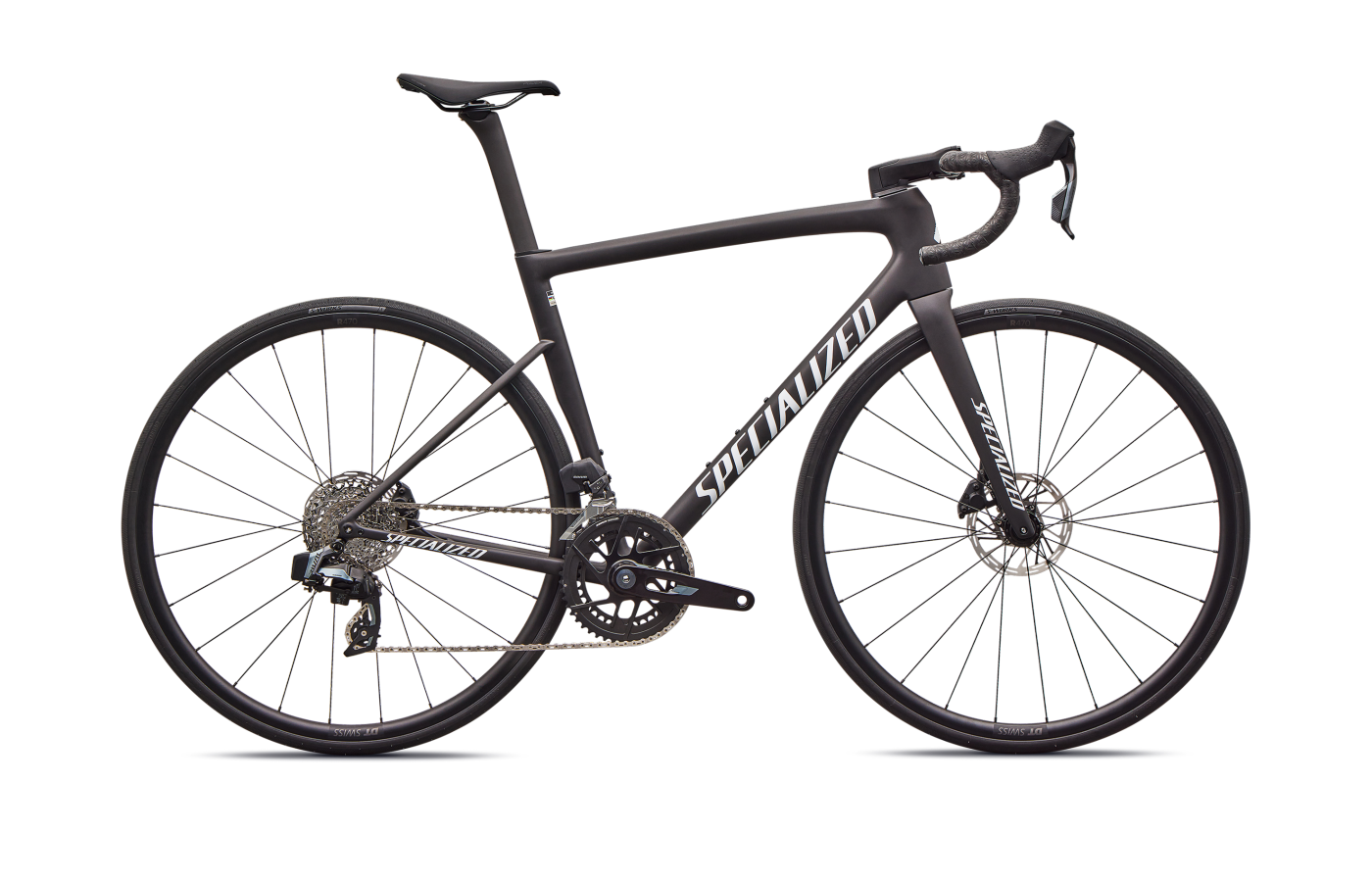
The benchmark all-rounder Factor explicitly targets in the wind tunnel. Specialized's dealer network and resale value are unmatched, and the SL8 climbs as well as either bike here.
Compare →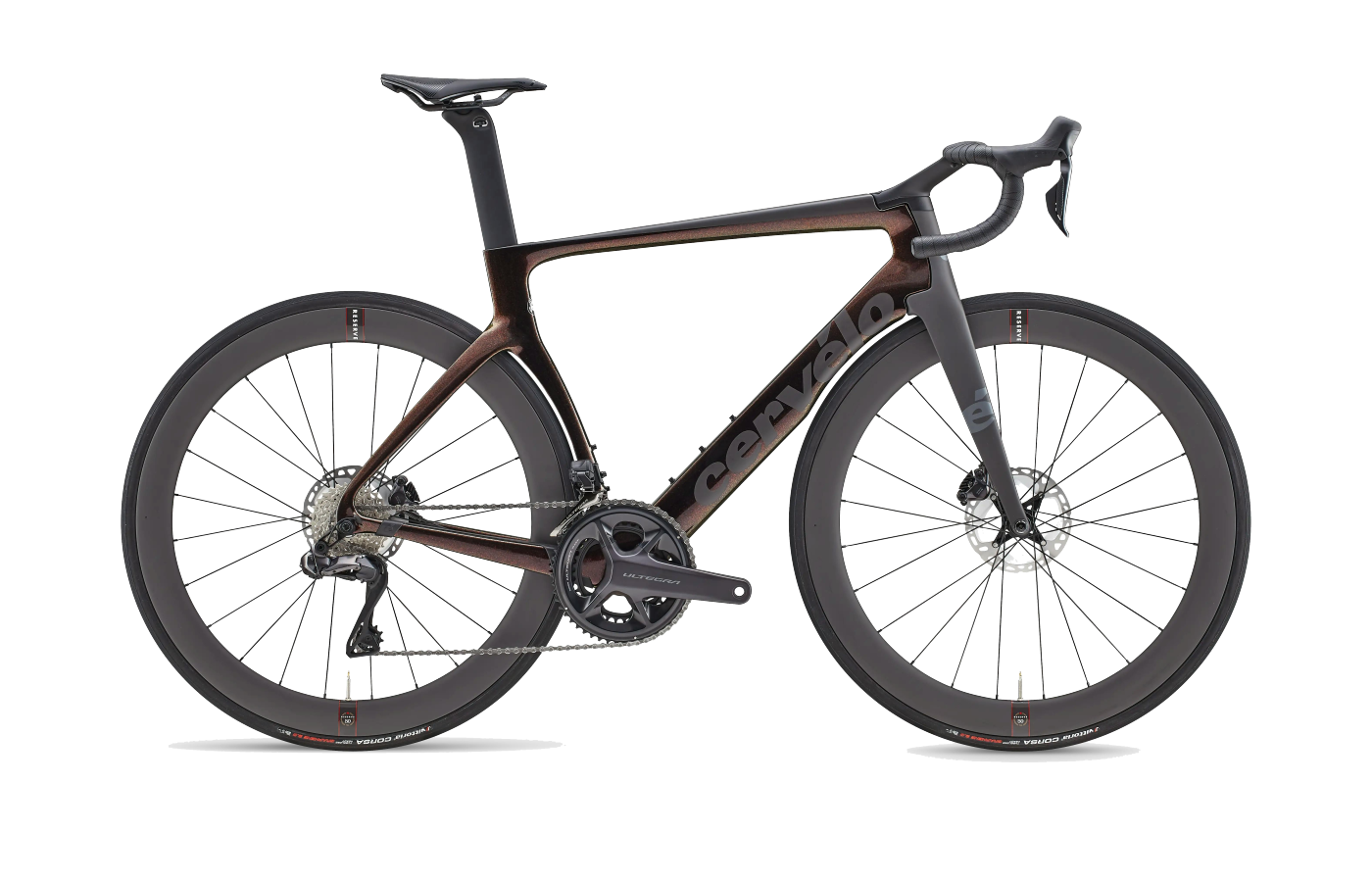
S5
The pure-aero specialist Canyon names as its primary performance target. Sharper steering and a more committed race position than either bike here — and a price floor that sits above the Aeroad's.
Compare →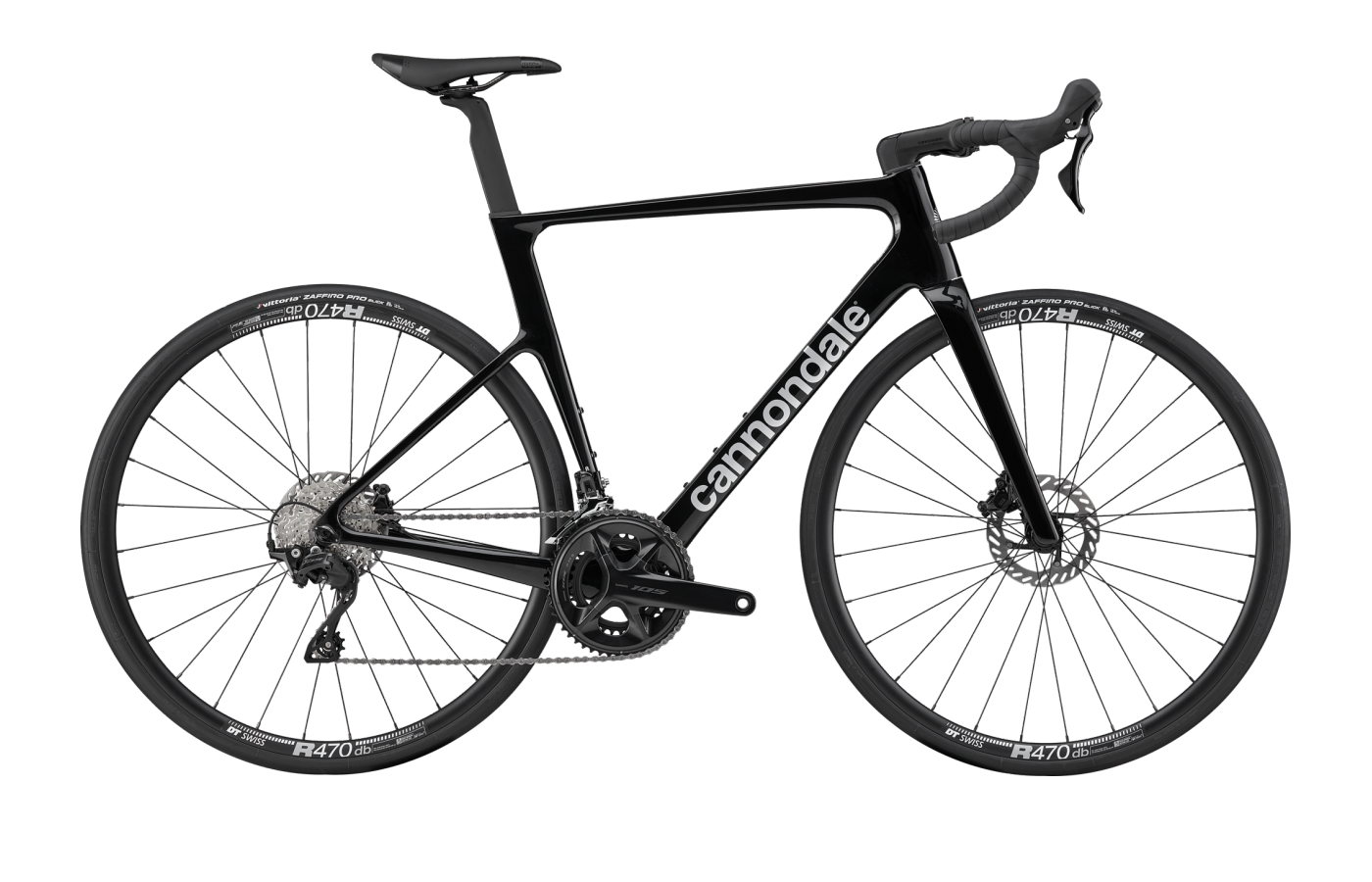
SuperSix EVO
Cannondale's aero all-rounder, with a more conservative steering geometry for riders who find Factor or Canyon too quick on the front end. Strong dealer network, often deeply discounted late in a generation.
Compare →