Aeroad
vsY1Rs
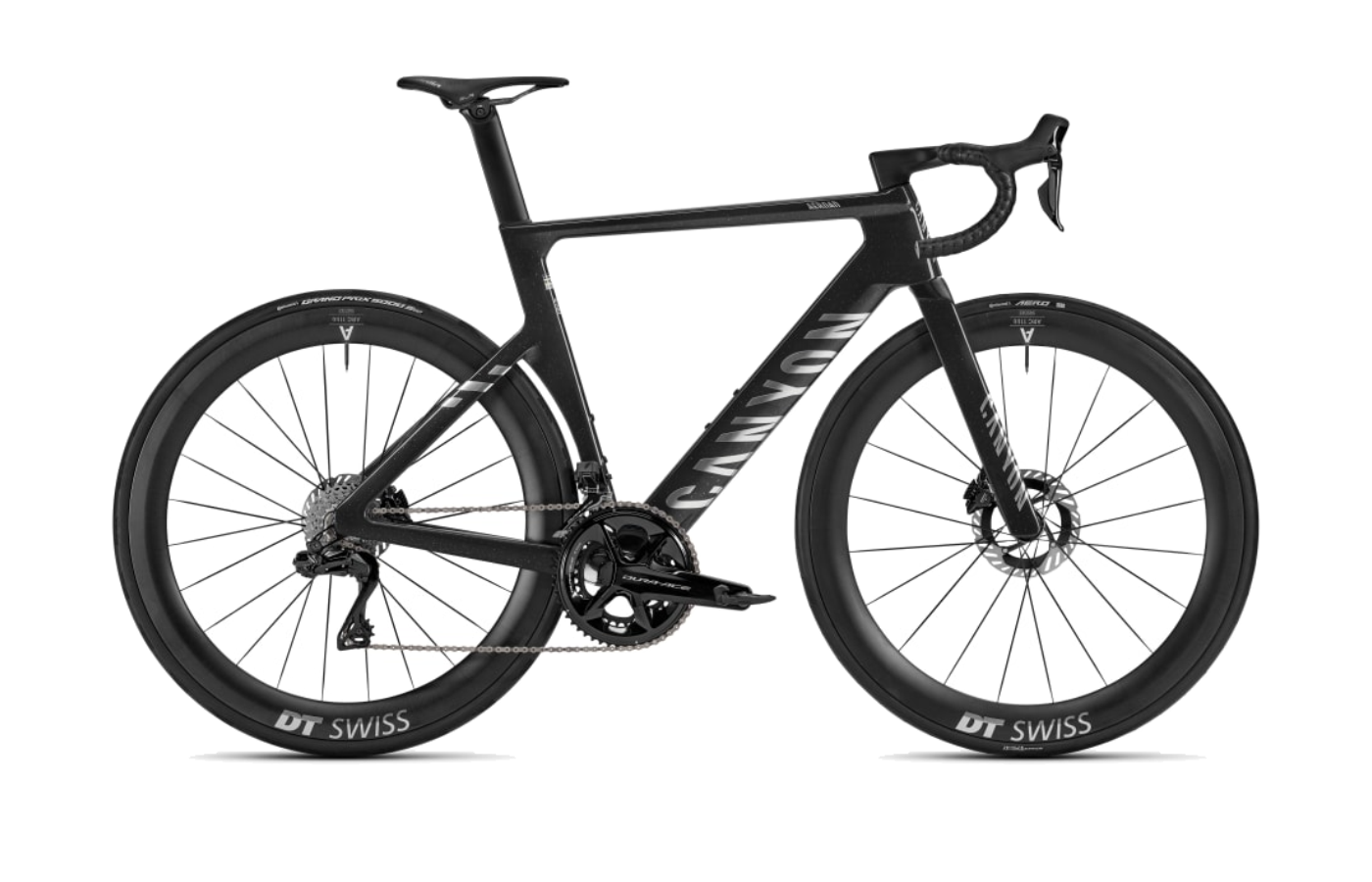
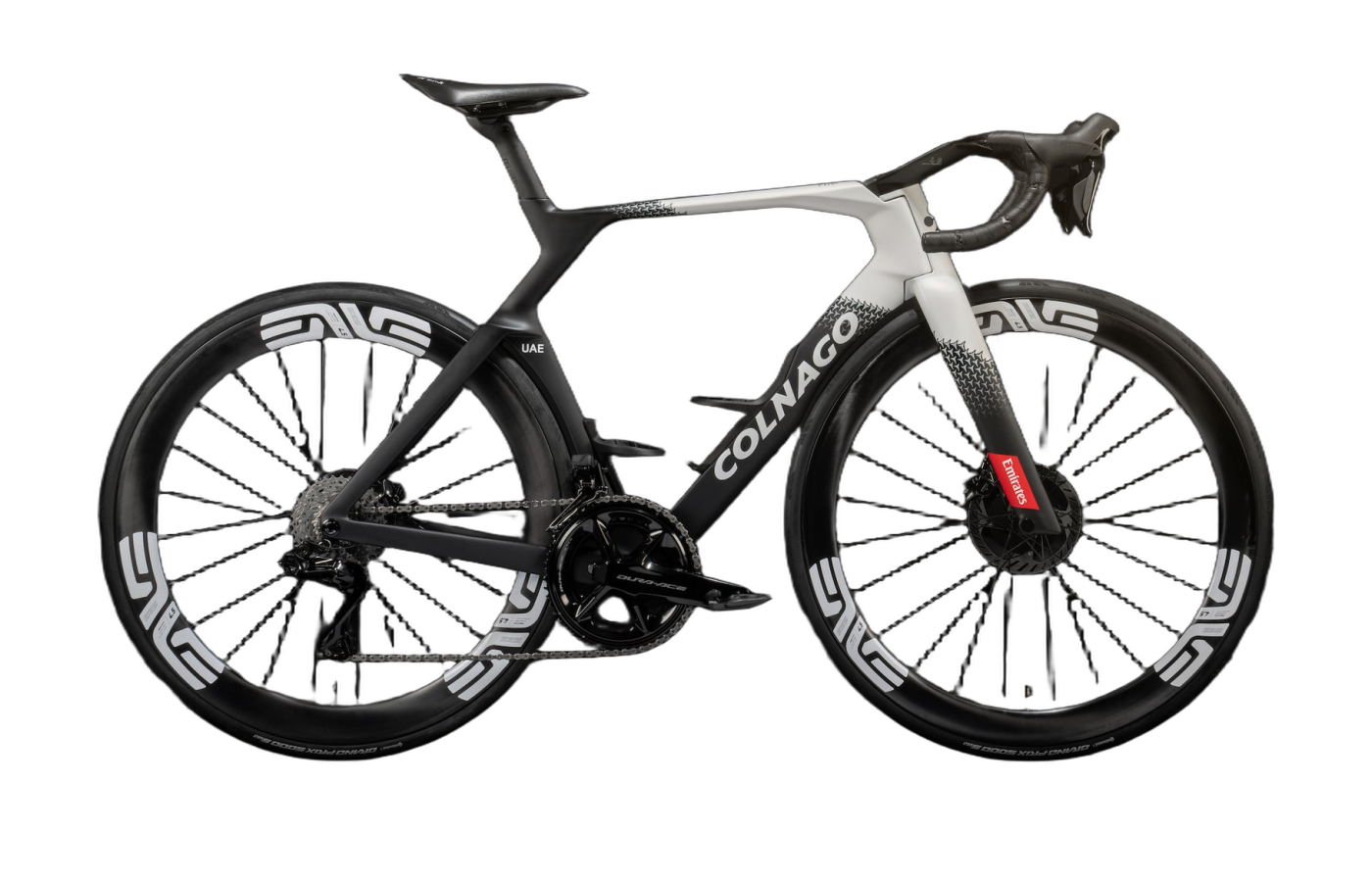
Two aero superbikes, two financial realities.
The Canyon Aeroad delivers WorldTour-grade speed at direct-to-consumer prices. The Colnago Y1Rs is a pro-team prototype priced for collectors.
Aeroad
- Half the price of the Colnago for a flagship Dura-Ace Di2 build with carbon wheels and a power meter — $10,499 vs $17,100.
- Genuinely easy to service — single T25 Torx standard for every user-facing bolt, with a bit hidden in the thru-axle handle.
- Adjustable integrated cockpit — 50 mm of bar-width adjustment and 20 mm of height adjustment without re-routing hoses.
- No local dealer support — direct-to-consumer means no demo rides and self-assembly out of the box.
- Stock 25 mm front tire is widely flagged as too narrow; most reviewers swap to a 28 mm immediately.
Y1Rs
- Wind-tunnel-validated speed — Cyclingnews measured a 0.0786 m² CdA, putting it among the fastest tested aero bikes.
- Sharper steering than past Colnagos — a steeper head angle and 2.5 mm lower trail fork than the V4Rs make it noticeably more agile.
- Pogačar's actual race bike — if owning the exact spec UAE Team Emirates rides matters, this is the only way to get it.
- Stock builds lack a power meter, despite a $16,250+ price tag — a glaring omission at this tier.
- Cantilevered seatpost must be cut to size; reviewers report carbon-on-carbon creaking when done imperfectly.
Editor’s analysis
Both bikes win WorldTour races. Only one was designed with the home mechanic in mind.
On paper, the Canyon Aeroad and Colnago Y1Rs are direct competitors — purebred aero road bikes built around 32 mm tire clearance, integrated cockpits, and electronic-only drivetrains. Both have stage wins at the Tour. The pitch from each brand is the same: pro-level speed, no compromise. But the philosophies behind them, and the prices, diverge so sharply that they barely belong in the same conversation.
The Canyon Aeroad is a fourth-generation refinement. Canyon spent this cycle fixing the Gen 3's well-documented headset, seatpost, and handlebar problems — every user-facing bolt is now a single T25 Torx, with a bit hidden in the thru-axle. The result is an aero race bike that's tangibly fast (Canyon's stated 14 W gain at 45 km/h with the optional Aero drops) and notably easy to live with. A flagship CFR Di2 build with Dura-Ace, DT Swiss ARC 1100 carbon wheels, and a power meter lands at $10,499 — roughly half what comparable rivals charge.
The Colnago Y1Rs is a different proposition entirely. The cheapest build is $16,250 with SRAM Red and ENVE SES 4.5 wheels; the Dura-Ace and Super Record builds are $17,100. Cyclingnews wind-tunnel testing confirms it's genuinely fast — slightly behind the Cervélo S5 but ahead of most rivals. But reviewers also flag a perceived front-end stiffness deficit at the bayonet fork, a cantilevered seatpost that has to be cut to size (creak-prone if done wrong), and a missing Di2 grommet that required electrical tape to fix on a $17,000 frame. The bike is, in Will Jones's phrasing for Cyclingnews, 'as close to pro-only as it is possible to be within the bounds of the UCI rules.'
Put plainly: the Canyon Aeroad is what you buy when you want to race on a WorldTour-grade aero bike. The Colnago Y1Rs is what you buy when you want Tadej Pogačar's bike specifically — and you're prepared to pay a $6,600 premium and tolerate the prototype-grade ownership experience that comes with it.
Where the builds differ.
Comparing our editor's-pick builds side-by-side. Winners highlighted row-by-row — lower price and weight, and the better-spec component, each mark a point.
Build variants & pricing
The Canyon Aeroad spans $5,099 to $10,999 across eight builds. The Colnago Y1Rs offers three builds, all north of $16,000.
Colnago does not sell a sub-flagship Y1Rs build — Rival, Force, Ultegra, and 105 builds simply don't exist on this platform. To make this an apples-to-apples drivetrain comparison, the editor's picks are both Dura-Ace Di2 flagships; that leaves a roughly $6,600 price gap that's a real characteristic of the two platforms, not a quirk of build choice. If your budget is below $11,000, the Aeroad is the only option here.
How they fit, how they steer.
Compared at the fit-picked sizes: Aeroad in S (539 mm stack, 390 mm reach), Y1Rs in M (540 mm stack, 386 mm reach). Stacks are within 1 mm and reaches within 4 mm — these bikes put the rider in nearly identical positions. The Y1Rs runs a marginally steeper 73.0° head angle vs the Aeroad's 72.8°.
Which size should I buy?
Both ranges run from XS to XL/2XL. Stack-and-reach progression is similar across sizes; the Aeroad simply offers more granularity at the small end.
→These are starting points. Flexibility, riding style, and preferred position all shift the answer — if you’re between sizes, a professional fit beats a chart.
What the magazines said.
Published reviews from trusted cycling outlets. Click through for the full write-up.
Which one should you buy?
If you're buying a fast aero bike to race on, get the Canyon Aeroad. If you're buying Pogačar's bike specifically and price is no object, get the Colnago Y1Rs.
Aeroad
If you want WorldTour-grade aero performance for half the price of the rivals, with a bike you can actually service yourself, this is the obvious pick. The CFR builds are essentially ready-to-race out of the box, and the CF SLX builds put the same frame within reach for under $6,000.
Y1Rs
If you want the exact bike Tadej Pogačar races on — and the conversation it starts in the parking lot — there is no substitute. Just go in clear-eyed: this is a prototype-grade ownership experience at a halo-product price, and the home-mechanic ergonomics reflect that.
Questions buyers actually ask.
Short answers to the things we get emailed about most often.
01Which is faster on flat roads?
Both are wind-tunnel-validated aero bikes and the gap is small. Cyclingnews's tunnel testing measured the Colnago Y1Rs at a 0.0786 m² CdA (bike alone) and 276.78 W to hold 40 km/h with a rider — fast enough to sit just behind the Cervélo S5 in their rankings.
Canyon doesn't publish directly comparable CdA numbers, but claims a 1.6 W gain over the previous Aeroad at 45 km/h, plus an additional 14 W with the optional Aero drops cockpit. In practice, both bikes are at or near the front of the segment, and the difference between them on a real road is probably smaller than wheel choice or rider position.
02Which climbs better?
The Canyon Aeroad, marginally. A flagship CFR build comes in around 7.0–7.2 kg, while the Y1Rs in test trim has been weighed at 7.68 kg (Cyclingnews) and a customer build at 7.395 kg (YouTube reviewer). Call it 200–500 g in the Canyon's favor, depending on spec.
Neither bike is a dedicated climber — both reviewers and Canyon's own marketing point you at the Ultimate (Canyon) or V5Rs (Colnago) for that. On rolling terrain or short punchy climbs, the difference is negligible.
03What's the maximum tire clearance?
Canyon Aeroad: 32 mm officially, on both the CFR and CF SLX frames. The fork and rear triangle are spec'd identically across the lineup.
Colnago Y1Rs: also 32 mm officially. One reviewer noted the bike "would do better with the 30 mm tire clearance maxed out" for compliance on rough roads.
Both ship stock with a 26 mm or 28 mm front and 28 mm rear, which is narrower than what current pro teams are running. Most reviewers recommend going up to 28 mm front / 30 mm rear at minimum.
04Why is the Colnago so much more expensive?
Three reasons. First, scale: Canyon manufactures at high volume and sells direct, cutting out the dealer margin. Colnago is a low-volume Italian brand with a dealer network. Second, brand premium: the Pogačar association and Italian heritage support a price the market is, evidently, willing to pay. Third, the build: the cheapest Y1Rs comes with ENVE SES 4.5 carbon wheels, while comparably-priced rivals often use house-brand carbon.
That said, even after accounting for all of this, multiple reviewers concluded the Y1Rs offers poor consumer value — particularly given that stock Dura-Ace builds ship without a power meter, which is standard at this tier on competitors.
05How serviceable are these two bikes?
The Aeroad is one of the most service-friendly aero bikes on the market. Canyon standardized on a single T25 Torx head for every user-facing bolt and hid a T25 bit inside the thru-axle handle. The integrated cockpit lets you swap drops without disconnecting brake hoses, and Canyon ships the bike with hermetically sealed headset bearings.
The Y1Rs is the opposite. The cantilevered seatpost has to be cut to length and is creak-prone if done imperfectly. One Cyclingnews tester encountered a Loctite-coated headset set screw that, per Colnago's own instructions, required a torch to remove. Reviewers consistently describe it as "hard to live with if you aren't a WorldTour pro."
06Does the Colnago come with a power meter?
No. All three Y1Rs builds — Super Record, Dura-Ace Di2, and SRAM Red — ship without a power meter as standard. This is widely flagged in reviews as the single most baffling spec choice, given the price point and given that the Canyon CFR builds (less than two-thirds the price) ship with a Dura-Ace or SRAM power meter standard.
07Can I get either bike with a cheaper drivetrain?
Only the Canyon. The Aeroad spans $5,099 (105 Di2) to $10,999 (Dura-Ace Di2), with Force AXS and Ultegra Di2 builds in the middle of the range — eight builds total.
The Y1Rs has three builds, all flagship: SRAM Red ($16,250), Shimano Dura-Ace Di2 ($17,100), Campagnolo Super Record WRL ($17,100). There is no Force AXS, Ultegra, or Rival Y1Rs build planned. If the $16k floor is a problem, the Y1Rs simply isn't an option.
08Which has better resale value?
Too early to say definitively for the Y1Rs — it launched in 2025 and the secondary market hasn't matured. The Pogačar association and tiny production numbers point toward strong resale.
The Aeroad has been on the used market for years; previous-generation flagship Aeroads typically depreciate 30–40% in the first three years on Pro's Closet and similar resale platforms. Canyon's direct-to-consumer model means the new-bike anchor price is lower, which depresses used pricing somewhat in absolute terms.
Similar bikes
If your priorities don’t map cleanly onto either of these, one of these adjacent bikes probably fits better.
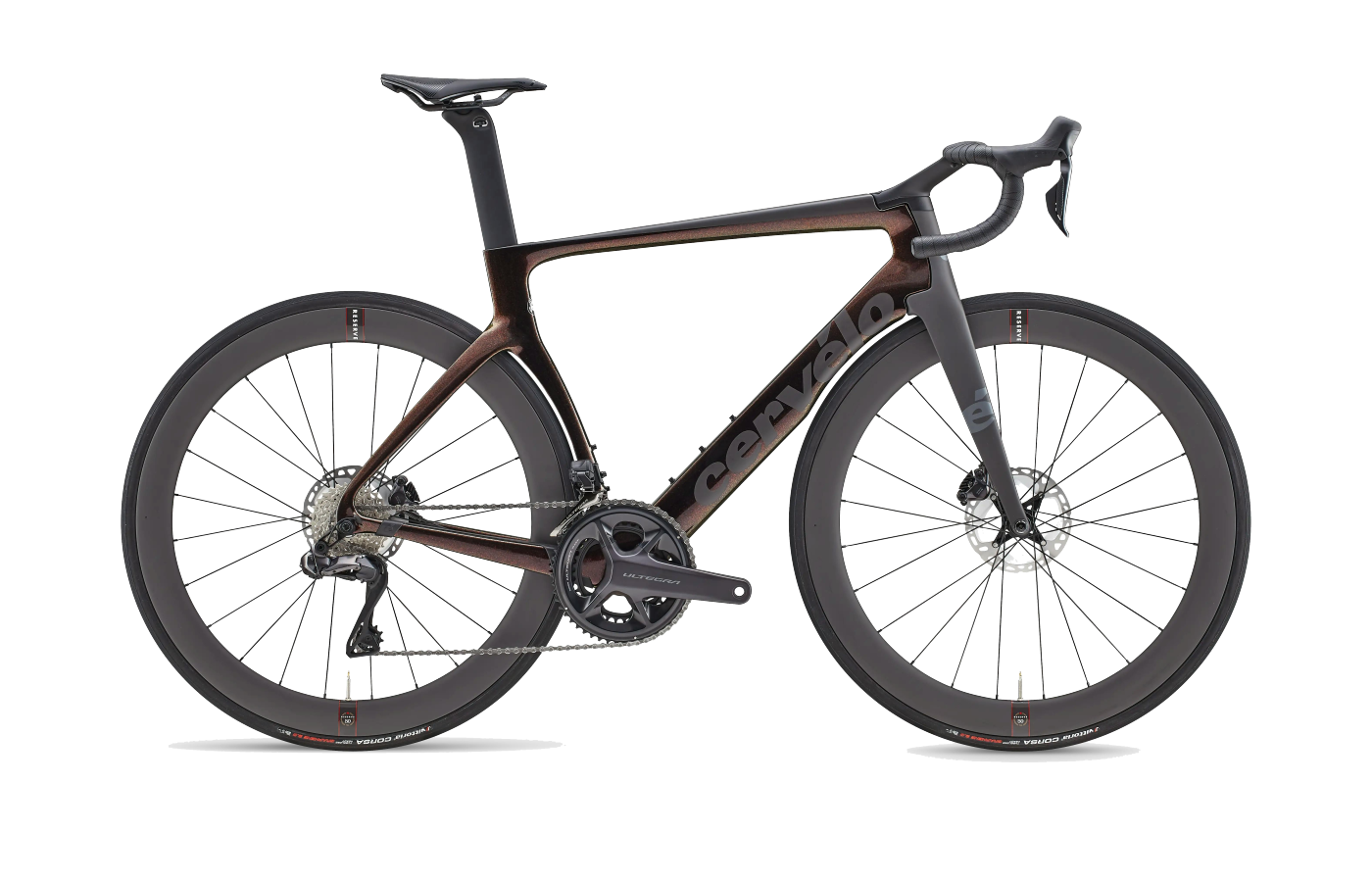
S5
The Cervélo S5 is the wind-tunnel benchmark in this segment — narrowly faster than the Y1Rs in Cyclingnews testing, with a stiffer bottom bracket and a more refined integrated cockpit. Top builds land around $14,000, splitting the price gap between these two.
Compare →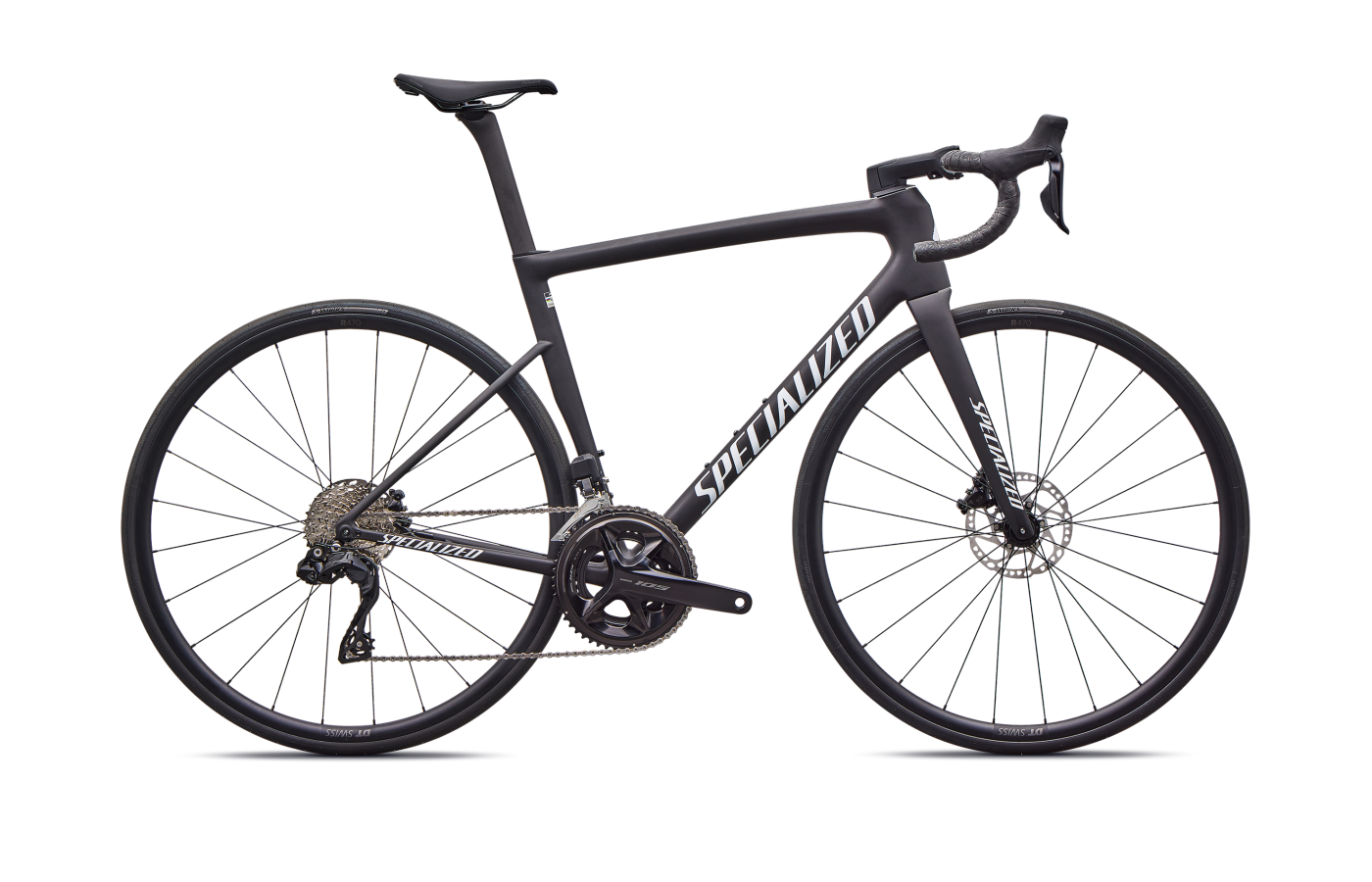
Tarmac
The Specialized Tarmac SL8 is the lighter all-rounder option — gives up some flat-road aero to both bikes here but climbs noticeably better and rides more composed on broken pavement. The default pick if you only own one road bike.
Compare →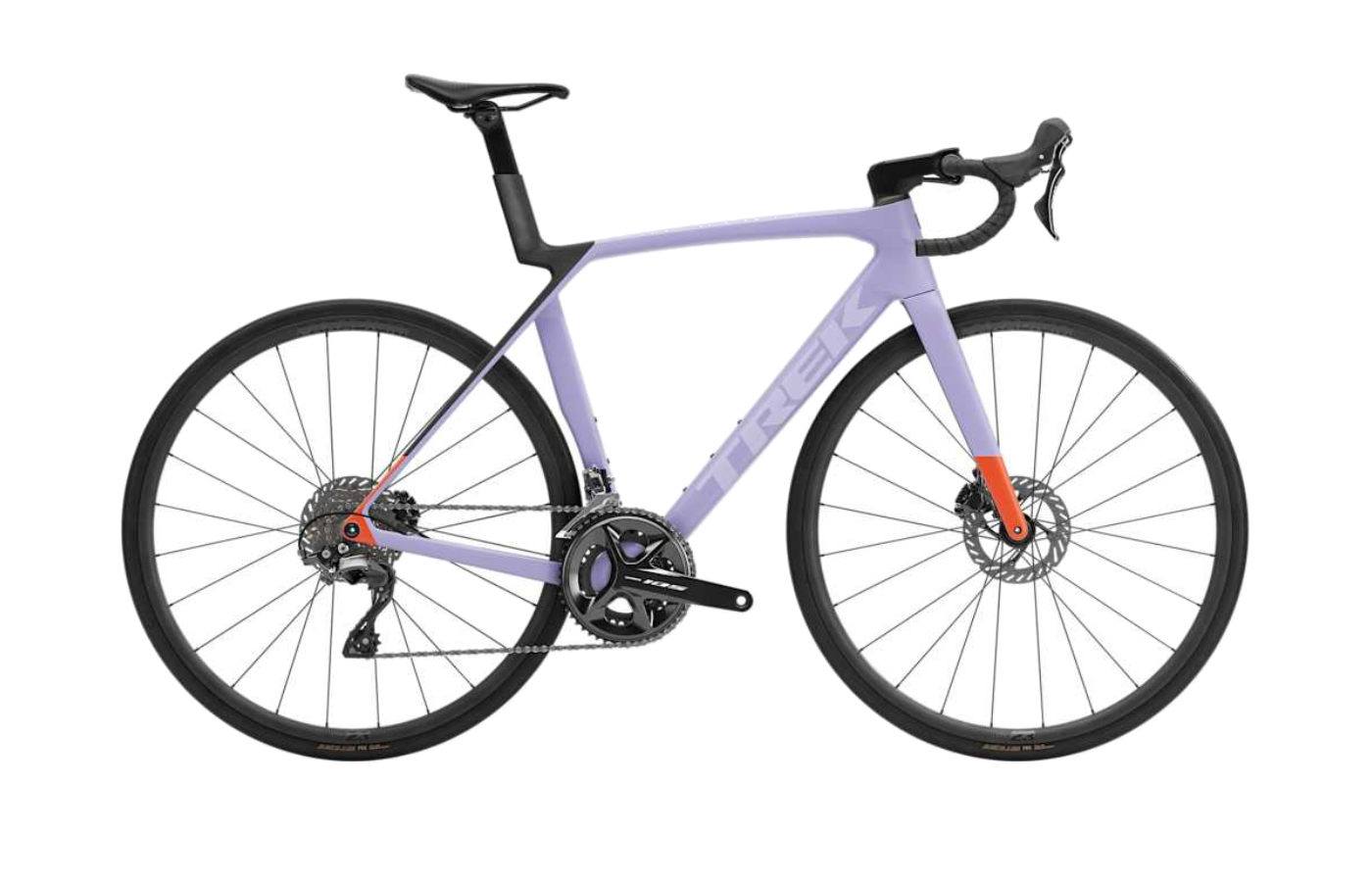
Madone
The Trek Madone is the Aeroad's most direct rival on character — same flat-out aero focus, but with the IsoFlow decoupler softening longer days. Domestic dealer network is a real advantage if you don't want to buy direct.
Compare →