Aeroad
vsS5
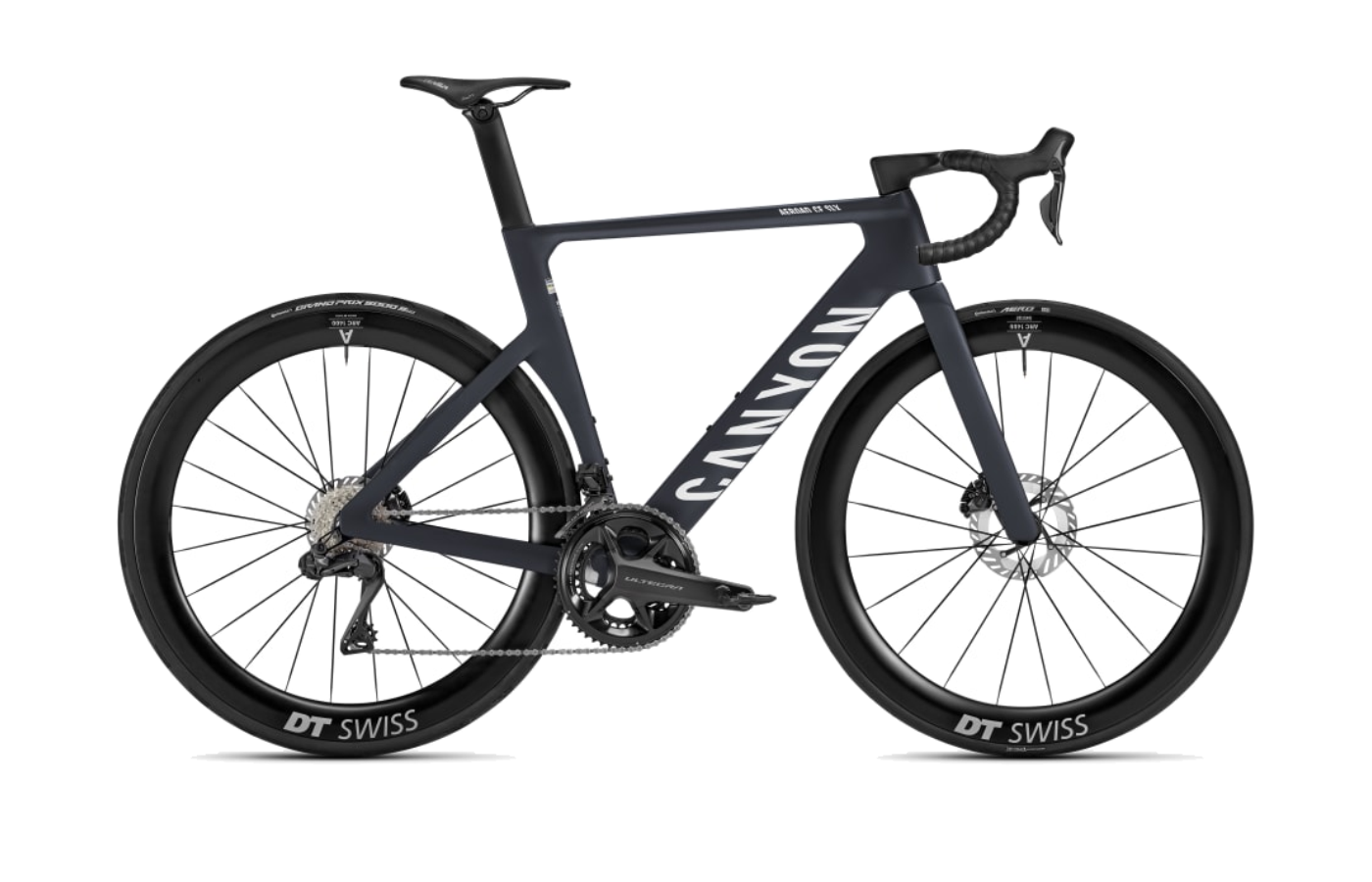
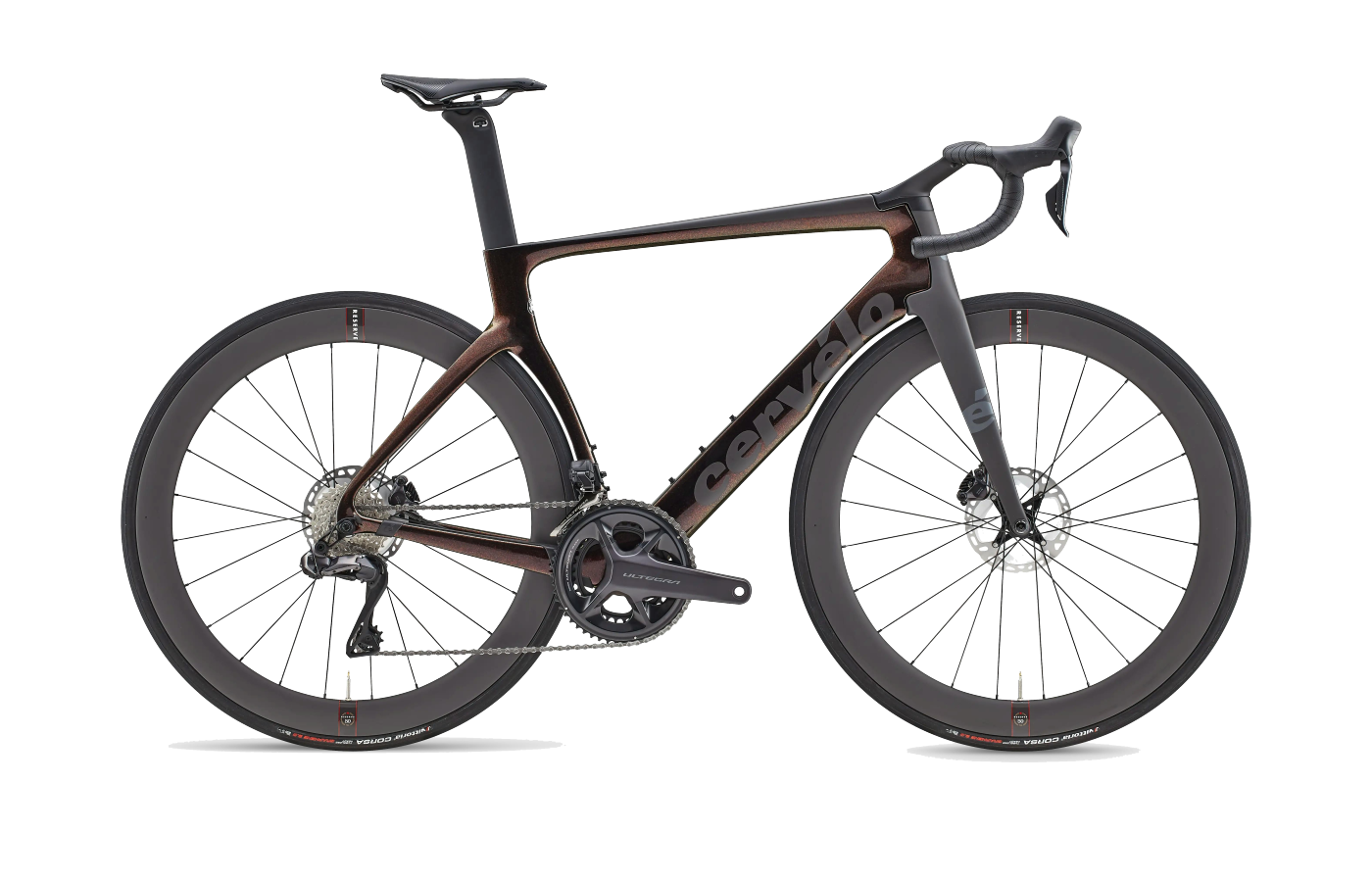
Two aero bikes, two business models.
The Canyon Aeroad delivers WorldTour-caliber speed direct-to-consumer at half the price floor. The Cervélo S5 is the wind-tunnel benchmark, sold only at premium tiers.
Aeroad
- Half the entry price — $5,099 for a 105 Di2 build, where the S5 floor is $10,100.
- Best-in-class cockpit ergonomics — 50 mm of width and 20 mm of height adjustment without rerouting hoses.
- Home-mechanic friendly — single T25 Torx for nearly every bolt, with the bit hidden in the thru-axle.
- Direct-to-consumer only — no local dealer, no demo rides, fit is your problem.
- Editor's-pick build is on the CF SLX frame, not the top-tier CFR layup.
S5
- Wind-tunnel benchmark — Cycling News measured 27.6 W saved at 40 km/h with rider, the fastest they've tested.
- True system bike — Reserve 57|64 wheels, HB19 cockpit, and bayonet fork ship on every build, not just the flagship.
- Wider tire clearance (34 mm vs Canyon's 32 mm) — useful for rougher stock-bike comfort.
- Price floor more than double the Aeroad — no sub-$10k entry point exists.
- Demands input above 35 km/h to come alive; lacks 'pop' at social-ride speeds.
Editor’s analysis
Both bikes get raced for stage wins on the same Sundays. The cheapest way onto either platform tells you almost everything about who they're for.
On the start list, the Canyon Aeroad and Cervélo S5 line up in the same race — pure aero road bikes, both in the WorldTour, both ridden to monument wins in the last two seasons. On paper, the geometry is even close: a fingernail apart in stack, reach, and wheelbase at the fit-picked sizes. Strip the brand decals and it would take a wind-tunnel run to separate them on speed.
The pricing tells a different story. The Canyon Aeroad starts at $5,099 for a 105 Di2 build and tops out at $10,999. The Cervélo S5 starts at $10,100 — every S5 is more expensive than every Aeroad except the CFR flagship. Cervélo doesn't sell a Rival or 105 build of the S5; the platform is premium-only by design. Canyon's direct-to-consumer model is the entire reason that gap exists.
The Cervélo earns its premium with a tighter system. The co-developed Reserve 57|64 Turbulent Aero wheels, the one-piece HB19 cockpit, the bayonet fork, and the 34 mm tire clearance all show up on every build. Cycling News wind-tunneled the new S5 at 27.6 watts saved versus baseline at 40 km/h — currently the fastest road bike they've measured. Stable, planted, and demanding above 35 km/h. Climbs come in around 7.2–7.4 kg in size 56, which is reasonable for a flagship aero, not class-leading.
The Canyon Aeroad takes the same race geometry and makes it livable. The new generation reinforced the layup, sealed the headset bearings, switched almost every fastener to a single T25 Torx (the bit hides in the thru-axle), and finally fixed the seatpost issues that plagued the previous Aeroad. The Pace Bar cockpit adjusts 50 mm in width and 20 mm in height without disconnecting hoses — best-in-class. CFR builds land around 7.0–7.2 kg, comparable to the S5 and 200 g heavier than a Tarmac SL8. If you want WorldTour aero with home-mechanic ergonomics and you don't need a local dealer, this is the bike.
Where the builds differ.
Comparing our editor's-pick builds side-by-side. Winners highlighted row-by-row — lower price and weight, and the better-spec component, each mark a point.
Build variants & pricing
The Aeroad spans $5,099–$10,999 across eight builds. The S5 spans $10,100–$14,500 across five — every S5 outprices every Aeroad except the flagship.
Editor's picks are tier-matched at Ultegra Di2 — the cleanest apples-to-apples on drivetrain. Note that the Canyon at this price sits on the CF SLX frame (one carbon grade below CFR), while every S5 uses the same flagship layup. The $3,900 gap is real platform pricing, not noise.
How they fit, how they steer.
Aeroad size S vs S5 size 54 — the fit-picked frames for a 5'8" rider. The S5 sits 3 mm taller in stack, 6 mm shorter in reach, with 5 mm shorter chainstays and a 7 mm shorter wheelbase. Tighter geometry, slightly more upright fit.
Which size should I buy?
Size recommendations based on stack, reach, and effective top tube. The Aeroad offers seven sizes (2XS–2XL); the S5 offers six (48–61).
→These are starting points. Flexibility, riding style, and preferred position all shift the answer — if you’re between sizes, a professional fit beats a chart.
What the magazines said.
Published reviews from trusted cycling outlets. Click through for the full write-up.
Which one should you buy?
If you want WorldTour aero performance for less and you're comfortable buying online, get the Aeroad. If you want the wind-tunnel benchmark and a dealer relationship, get the S5.
Aeroad
If your shortlist is full aero-platform race bikes and you'd rather spend the saved $3,000–$5,000 on wheels, a power meter, or actually entering races, the Aeroad is the bike. The cockpit ergonomics and standardized fasteners make it easier to live with than any of its competitors.
S5
If most of your riding is flat or rolling above 35 km/h, you want the same wheels and bars Vingegaard uses, and the local-dealer relationship matters to you, the S5 earns its premium. The aero gains are measurable, the system is tight, and there's no entry-level build to dilute the platform's character.
Questions buyers actually ask.
Short answers to the things we get emailed about most often.
01Which is faster on flat roads?
The Cervélo S5, by a measurable margin. Cycling News' wind-tunnel test put the new S5 at roughly 27.6 watts saved over baseline at 40 km/h — the fastest bike they've ever tested with a rider onboard. Canyon's published figures for the Aeroad CFR are competitive (1.6 W faster than the previous Aeroad, plus up to 14 W with the optional aero drops at 45 km/h), but Cervélo's system-level integration of wheels, cockpit, and frame still has the edge.
In real-world terms, that's worth somewhere in the range of 30–60 seconds over a flat 40 km TT for a 250-watt rider. Not nothing — but most of the gap closes if you spec the Aeroad with its aero drops.
02Which is the better value?
The Canyon Aeroad, decisively. Like-for-like at Ultegra Di2, the Aeroad is $6,199 and the S5 is $10,100 — a $3,900 gap for nominally equivalent drivetrains. The catch: the Aeroad at that price uses the CF SLX frame (one carbon grade below the top CFR layup), while every S5 uses the same flagship frame.
Even matching the Aeroad CFR Di2 ($10,499) against the S5 Dura-Ace Di2 ($14,350) leaves a $3,851 gap. Canyon's direct-to-consumer model is the reason — no dealer margin, no demos, fit is on you.
03What's the maximum tire clearance?
Canyon Aeroad: 32 mm officially, on both fork and frame. Mathieu van der Poel specifically requested it for the cobbled classics.
Cervélo S5: 34 mm officially, though one reviewer noted that 32 mm tires already look 'tiny' in the frame — fitting a true 34 mm may be tight in practice.
Neither is a gravel bike. Both ship with 28–29 mm tires that measure wider on the stock hookless rims, which is most of where the perceived ride-quality difference comes from.
04Which has the better cockpit?
Canyon's Pace Bar wins on adjustability. You can change bar width by 50 mm and stack height by 20 mm without disconnecting brake hoses. Stem length and aero-drop swaps require buying new parts (~$200–$230) and do require a partial reroute.
Cervélo's HB19 is a one-piece carbon unit — stiffer, lighter, and aerodynamically cleaner, but locked to whatever bar and stem length you ordered. To Cervélo's credit, they offer a 60-day swap to a different size at no extra charge if the original isn't right.
05How serviceable are these for a home mechanic?
Canyon is the standout. The new Aeroad uses a single T25 Torx fastener for nearly every bolt the rider would interact with, and Canyon hides a T25 bit inside the thru-axle lever. The headset has hermetically sealed bearings with a titanium crown race; the seatpost clamp moved to a conventional two-bolt design after years of complaints about the old wedge.
Cervélo is workable but trickier. The proprietary BBright press-fit bottom bracket — which also houses the Di2 battery — is a known service hassle that most home mechanics outsource to a shop.
06How do they climb?
Roughly the same. CFR-build Aeroads land around 7.0–7.2 kg; S5 builds in size 56 land around 7.17–7.44 kg. Neither is a pure climber — the Specialized Tarmac SL8 is around 200 g lighter than either at equivalent spec, and the Canyon Ultimate or Cervélo R5 are both lighter still.
That said, Jonas Vingegaard rides the S5 on mountain stages of the Tour, and Mathieu van der Poel races the Aeroad in the cobbled classics. For mortal riders, the climbing penalty versus a dedicated lightweight bike is in the ~10-second range on a 30-minute climb. Both are sufficient.
07What if I want to demo before buying?
You can't demo a Canyon — it's direct-to-consumer with no dealer network. The factory return policy lets you return a bike within 30 days, but you'll have eaten the shipping and reassembly. If you're not sure of your fit, this is a real risk. Canyon publishes detailed sizing charts, but for first-time buyers, professional fit consultations beforehand are worth the cost.
Cervélo is sold through dealers — most large markets have at least one shop that will let you sit on an S5, and some will set up a demo ride. The premium price partly buys that infrastructure.
08What warranty do they come with?
Both offer a lifetime frame warranty to the original owner against manufacturing defects, plus crash-replacement programs (typically 30–50% off a new frame) for damage from crashes. Canyon's warranty is processed through their direct support team; Cervélo's runs through your dealer, which is faster if you have a relationship and slower if you don't.
Similar bikes
If your priorities don’t map cleanly onto either of these, one of these adjacent bikes probably fits better.
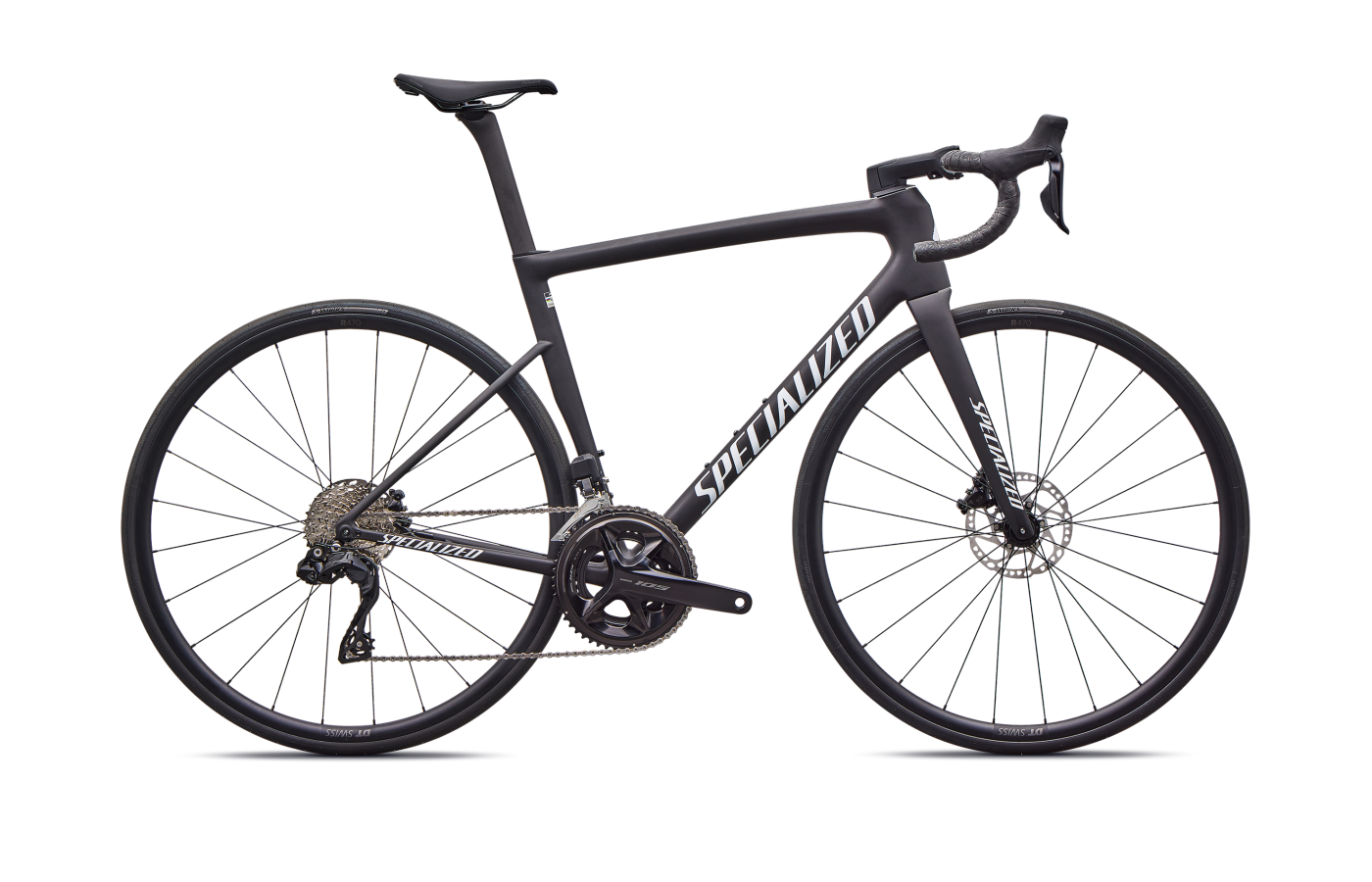
Tarmac
The Specialized Tarmac SL8 is the all-rounder both of these aero bikes have to answer for — lighter (~6.8 kg), nearly as aero, and the closest thing to one-bike-does-everything in the segment. Get it if you also want to climb.
Compare →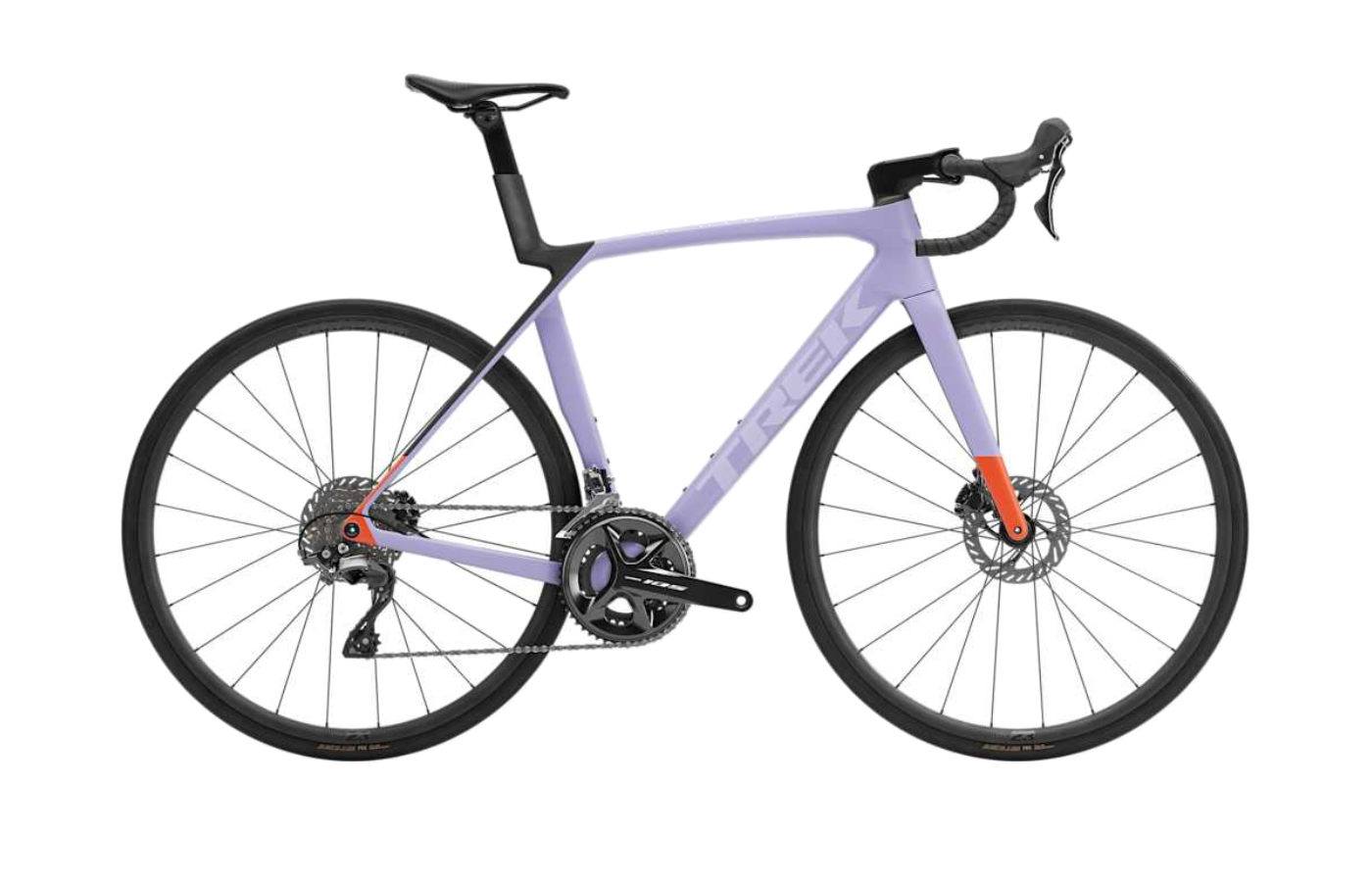
Madone
Trek's Madone Gen 8 collapses the old Madone-Emonda split into a single platform — aero numbers in the S5 conversation, but with the IsoFlow decoupler softening longer rides. Closest direct rival on philosophy.
Compare →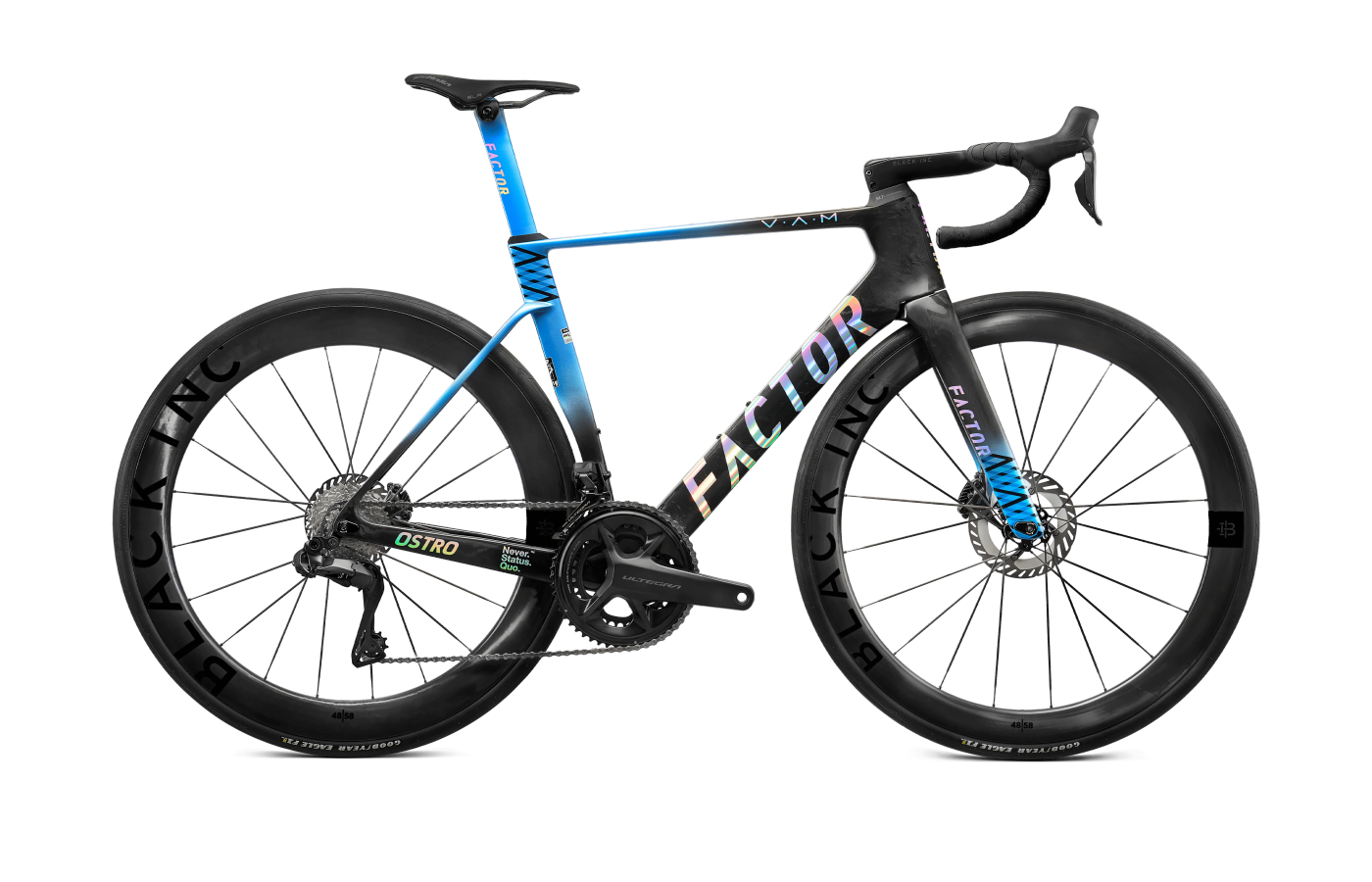
Ostro VAM
The Factor Ostro VAM matches the S5 in the wind tunnel but typically builds up a touch lighter. Boutique-brand exclusivity and a price tag that's closer to Cervélo than Canyon.
Compare →