Oltre
vsAeroad
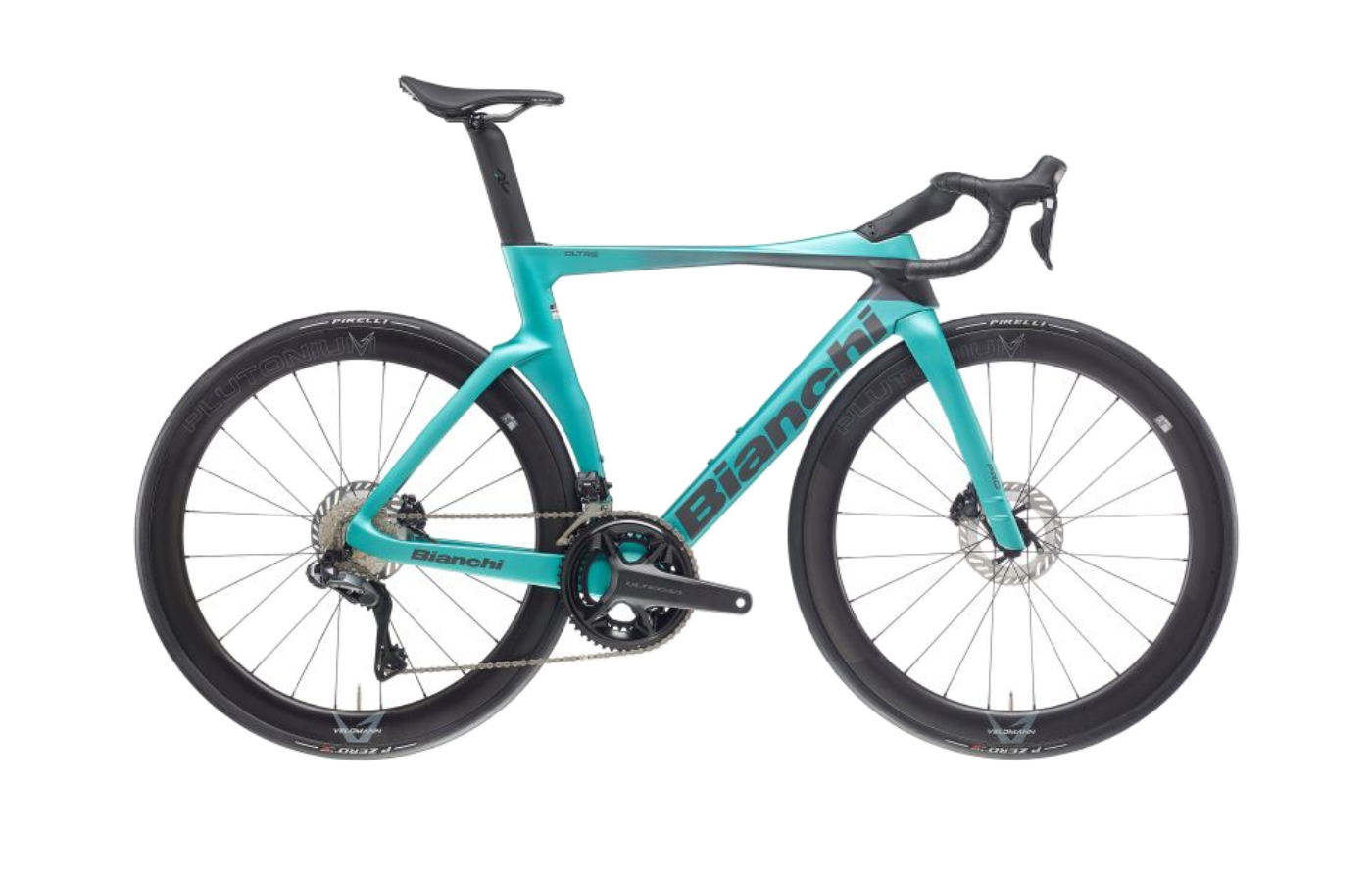
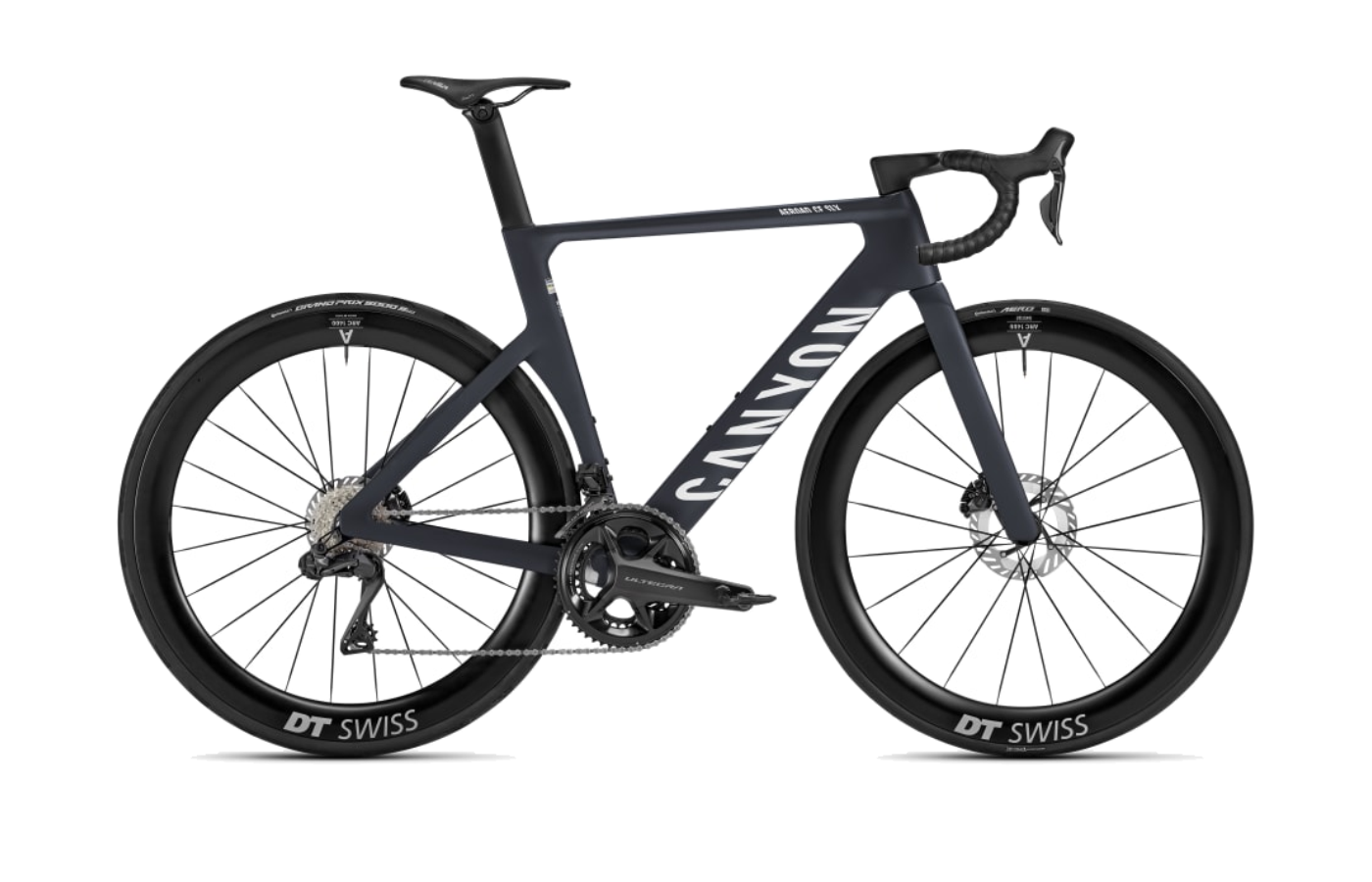
Italian theatre meets German engineering.
The Bianchi Oltre is a polarizing hyperbike with Formula One wings. The Canyon Aeroad is the calculated tool the WorldTour actually wins on.
Oltre
- Countervail damping — Bianchi's viscoelastic layup measurably dulls high-frequency road buzz, making aggressive positions more sustainable on broken pavement.
- Sharp, race-bred handling — short head tube, aggressive front end, and a stiff rear end that surges under power.
- Italian heritage — the oldest active bike brand on earth, with WorldTour pedigree and a frame nobody else looks like.
- Heavier than the Aeroad (size 55 reviewed at 8.2 kg vs Bianchi's 7.3 kg claim), and even the $14,800 RC Dura-Ace build skips the power meter.
- Aggressive geometry and integrated cockpit mean a professional bike fit is essentially mandatory.
Aeroad
- WorldTour spec at half the price — CFR Tensor at $10,999 with Dura-Ace Di2, dual-sided power meter, and Dura-Ace C50 wheels.
- User-serviceable design — every bolt is T25 Torx, with a T25 bit hidden in the thru-axle lever; sealed bearings, two-bolt seat clamp.
- Adjustable Pace Bar cockpit — 50 mm of width and 20 mm of height adjustment without cutting the steerer or buying new parts.
- Direct-to-consumer means no local dealer, no demo rides, no fit help — you size it yourself.
- Stem length still isn't customizable at order; changing it means a $200+ aftermarket T-bar section.
Editor’s analysis
Both bikes promise the same thing — flat-out aero speed. They go about it from opposite ends of the bike industry.
On paper this is the same fight: aero road, 32 mm tire clearance, integrated cockpit, deep-section wheels, electronic shifting. The Bianchi Oltre and the Canyon Aeroad both share a 32 mm tire ceiling, both run one-piece carbon cockpits, and both are pitched at the same WorldTour-spec rider. Strip the marketing away and they're playing the same game.
The Oltre is the statement piece. Its frame is riddled with channels, ridges, and head-tube air deflectors that aren't UCI-legal in WorldTour racing — Bianchi keeps them on the consumer bike anyway. It carries Bianchi's Countervail viscoelastic layup that the brand claims kills 80% of road buzz, and reviewers do confirm that smaller chatter gets damped out. But none of that changes its character: an aggressive, stiff race bike that demands to be muscled. Bicycling Australia summed it up bluntly — "rewards effort and punishes laziness."
The Aeroad is the pragmatist. Canyon spent the Gen 4 redesign fixing what the Gen 3 broke — recalled handlebars, creaking seatposts, finicky proprietary bolts. Every user-facing fastener is now a single T25 Torx; a T25 bit hides in the thru-axle lever. The frame put on 40-50 grams to add structural reinforcement around the top tube and seat stays. None of it is sexy. All of it makes the bike easier to live with — and at the CFR tier you still get Dura-Ace Di2, deep carbon wheels, and a power meter under $11k.
The price reveals which game each brand is playing. The Oltre lineup runs from $6,100 (Comp Ultegra) to $25,647 (RC Founder Edition), and tellingly, even the $14,800 RC Dura-Ace ships without a power meter. The Aeroad runs $5,099 (CF SLX 7 with 105 Di2) to $10,999 (CFR Tensor with Dura-Ace and a power meter). At every comparable tier, Canyon is roughly 25-30% cheaper and includes more. The Bianchi is what you buy when you want an Italian frame with a story; the Canyon is what you buy when you want to win the local Tuesday Worlds and still afford race entry fees.
Where the builds differ.
Comparing our editor's-pick builds side-by-side. Winners highlighted row-by-row — lower price and weight, and the better-spec component, each mark a point.
Build variants & pricing
Both lineups span roughly $5k of range, but they don't overlap on price. The Aeroad starts and ends cheaper at every tier.
Prices are current US MSRP. Notably, the Bianchi Oltre RC Dura-Ace at $14,800 ships without a power meter; Canyon includes one on most CFR and CF SLX builds. If a stock power meter matters to your budget, that gap matters more than the sticker price.
How they fit, how they steer.
Bianchi 570 vs Canyon size S — the fit-picked sizes for a 5'8" rider on each. The Oltre runs 12 mm longer in reach (402 vs 390 mm) and 3 mm lower in stack (536 vs 539 mm) — a meaningfully more aggressive front end at the same rider size.
Which size should I buy?
Size recommendations based on stack, reach, and effective top tube. The Aeroad uses T-shirt sizing (2XS-2XL); the Oltre uses traditional cm seat-tube labels (470-590).
→These are starting points. Flexibility, riding style, and preferred position all shift the answer — if you’re between sizes, a professional fit beats a chart.
What the magazines said.
Published reviews from trusted cycling outlets. Click through for the full write-up.
Which one should you buy?
If you want an Italian statement bike with a Countervail-smoothed race feel and don't mind paying for it, get the Oltre. If you want WorldTour-grade speed for thousands less and don't care about the badge, get the Aeroad.
Oltre
If you treat every group ride like a selection race and want a bike that looks the part at the coffee stop, the Oltre delivers. Its sharp geometry and Countervail-damped stiffness reward riders who can sustain a low, aggressive position and put real power down — and it'll turn more heads than anything else on the road.
Aeroad
If you want WorldTour-spec speed without paying boutique-brand prices, the Aeroad is hard to argue with. You get Dura-Ace, deep carbon, and a power meter for what an Oltre Pro costs without one — plus a serviceable design that respects the home mechanic. The catch is the direct-to-consumer model: no dealer, no demo, you sort the fit yourself.
Questions buyers actually ask.
Short answers to the things we get emailed about most often.
01Which is faster on flat roads?
Both are designed for the same job and reviewers describe both as outstanding above 35 km/h. Neither brand publishes head-to-head wind-tunnel data against the other, so any specific watt comparison would be made up.
What we can say: the Aeroad's redesign was driven in part by Mathieu van der Poel's feedback for stiffer, more responsive sprints, and Canyon claims the Pace Bar with optional aero drops saves up to 14 watts at 45 km/h. Bianchi claims a 17-watt saving over the previous-gen Oltre XR4 at 50 km/h. Both numbers come from each brand's own testing — take with appropriate salt.
02Which climbs better?
The Aeroad, generally. CFR builds typically come in around 7.0-7.2 kg complete; the Oltre Pro tested at 8.2 kg in a size 55 by Bicycling Australia (against Bianchi's 7.3 kg claim). That ~1 kg gap is roughly 10-15 seconds on a 30-minute climb for a 70 kg rider.
Reviewer opinions on the Oltre's climbing range from "sluggish on longer ascents" (Bicycling Australia) to "climbs really well" (Bobby Tonelli, YouTube). The consensus: it's a power rider's bike, not a high-cadence climber's. The Aeroad shares geometry with Canyon's lighter Ultimate and feels more at home on sustained gradients.
03What's the maximum tire clearance?
Bianchi Oltre: 32 mm officially. Reviewers note it's a tight 32 mm with a front derailleur fitted — a true 32 mm tire on a wide rim may be marginal.
Canyon Aeroad: 32 mm officially. The clearance was specifically requested by Mathieu van der Poel for the cobbled classics, so it's a usable 32 mm rather than a marginal one.
Neither bike is a gravel substitute. For anything rougher than chip-seal, look at an endurance frame or a true all-road bike.
04Does a power meter come standard?
On the Aeroad, almost always yes. Every CFR build and most CF SLX builds ship with a stock dual-sided power meter (Shimano Dura-Ace, SRAM Force/Red E1, or equivalent).
On the Oltre, it depends on the build. The Pro and Comp builds include 4iiii Precision 3+ power meters as stock. The RC Dura-Ace at $14,800, however, does not — Bicycling Australia called this "a little disappointing considering the RRP is still upwards of $13,000." If you're cross-shopping the top tier, factor a $500-$1,000 power meter upgrade into the Bianchi number.
05How serviceable are the integrated cockpits?
The Bianchi Reparto Corse cockpit is a one-piece carbon aero bar/stem with internal routing. Stem length and bar width come in fixed combinations tied to frame size — there is no aftermarket adjustment without buying a new unit.
The Canyon Pace Bar (CP0048) is also one-piece carbon, but Canyon specifically engineered it for adjustability: 50 mm of width and 20 mm of height change without re-routing hoses, and interchangeable aero drops. Stem length, however, still requires buying a new T-bar section (~$200) because Canyon doesn't customize at order. Edge to Canyon for living with it day-to-day.
06Can I buy the Bianchi locally? What about the Canyon?
Bianchi sells through traditional dealers — there's a network in most major cycling markets. You can demo the bike, get a fit, and have the dealer handle warranty and service.
Canyon is direct-to-consumer only. The bike ships to your door in a box; you finish the build (or pay a local shop to). There's no demo, no in-person fit, and warranty service runs through Canyon's customer support. If you're confident in your size and don't need hand-holding, the savings are real. If not, the Bianchi route is friendlier.
07Are these compatible with mechanical shifting?
The Bianchi Oltre Pro and RC frames are electronic-only — they're designed without the cable stops and routing for mechanical derailleurs. The lower-tier Oltre Comp frame is dual-compatible with both electronic and mechanical groupsets, though all stock builds ship electronic.
The Canyon Aeroad is sold only with electronic groupsets (Shimano Di2 or SRAM AXS). Mechanical shifting isn't part of Canyon's stock lineup for this platform.
08Which is the safer long-term ownership?
Historically, the Aeroad's reputation was hurt by Gen 3 problems — a handlebar recall, seatpost issues, creaking proprietary bolts. Canyon explicitly redesigned Gen 4 to fix these: reinforced top tube and seat stays, hermetically sealed headset bearings, a titanium bearing seat, two-bolt seat clamp, and the unified T25 bolt standard.
Bianchi has a long, stable history with the Oltre platform and Countervail technology has been in production across multiple models since the XR4 era. Both come with lifetime frame warranties to the original owner. The Aeroad is the more user-serviceable of the two; the Oltre demands more dealer involvement for cockpit and bottom-bracket work.
Similar bikes
If your priorities don’t map cleanly onto either of these, one of these adjacent bikes probably fits better.
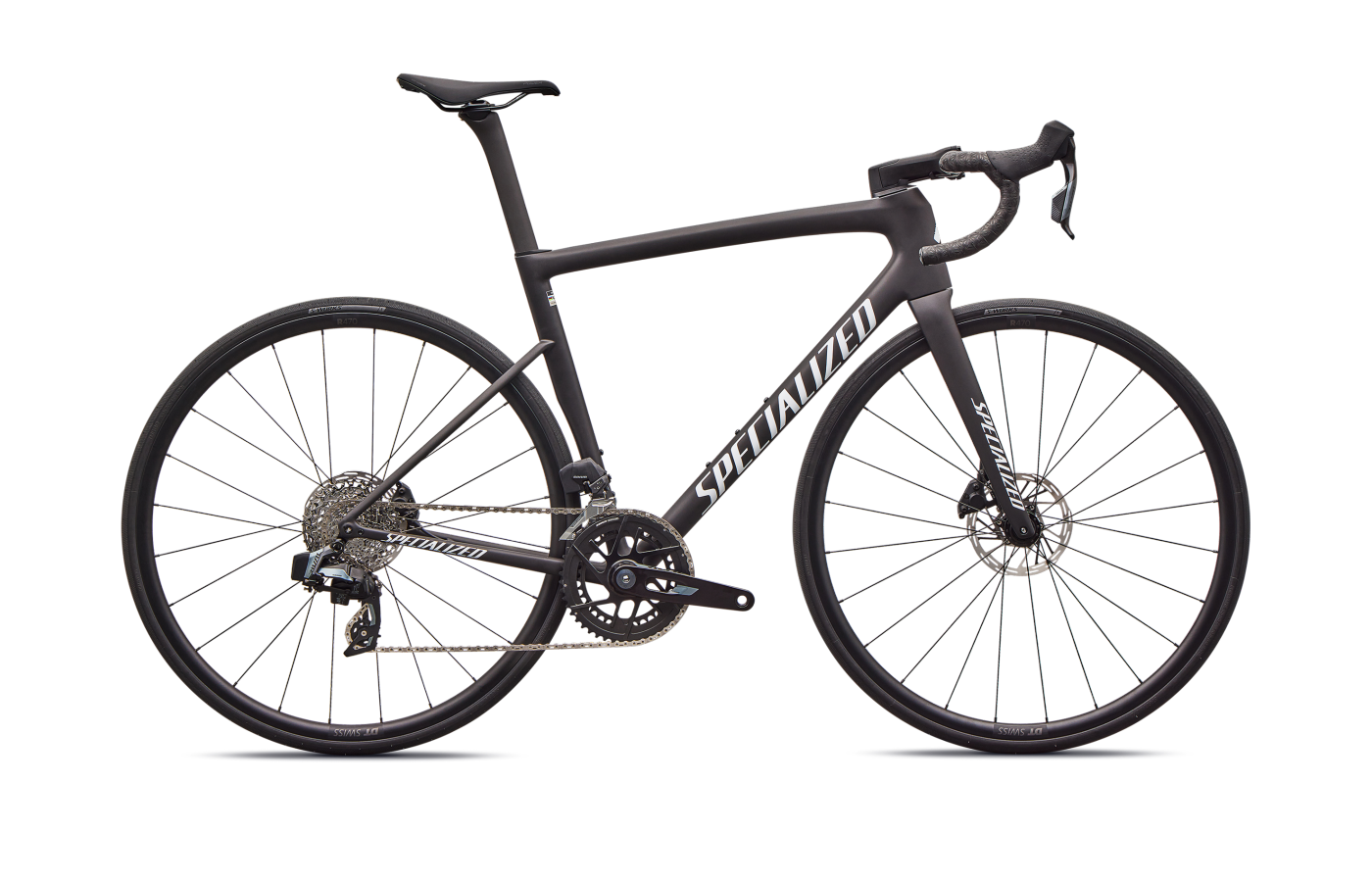
Tarmac
The all-rounder benchmark — lighter than either of these and just as fast on flats, with a wider build range that starts lower. If you want one road bike that does climbs, crits, and Sunday centuries equally well, the Tarmac is still the default.
Compare →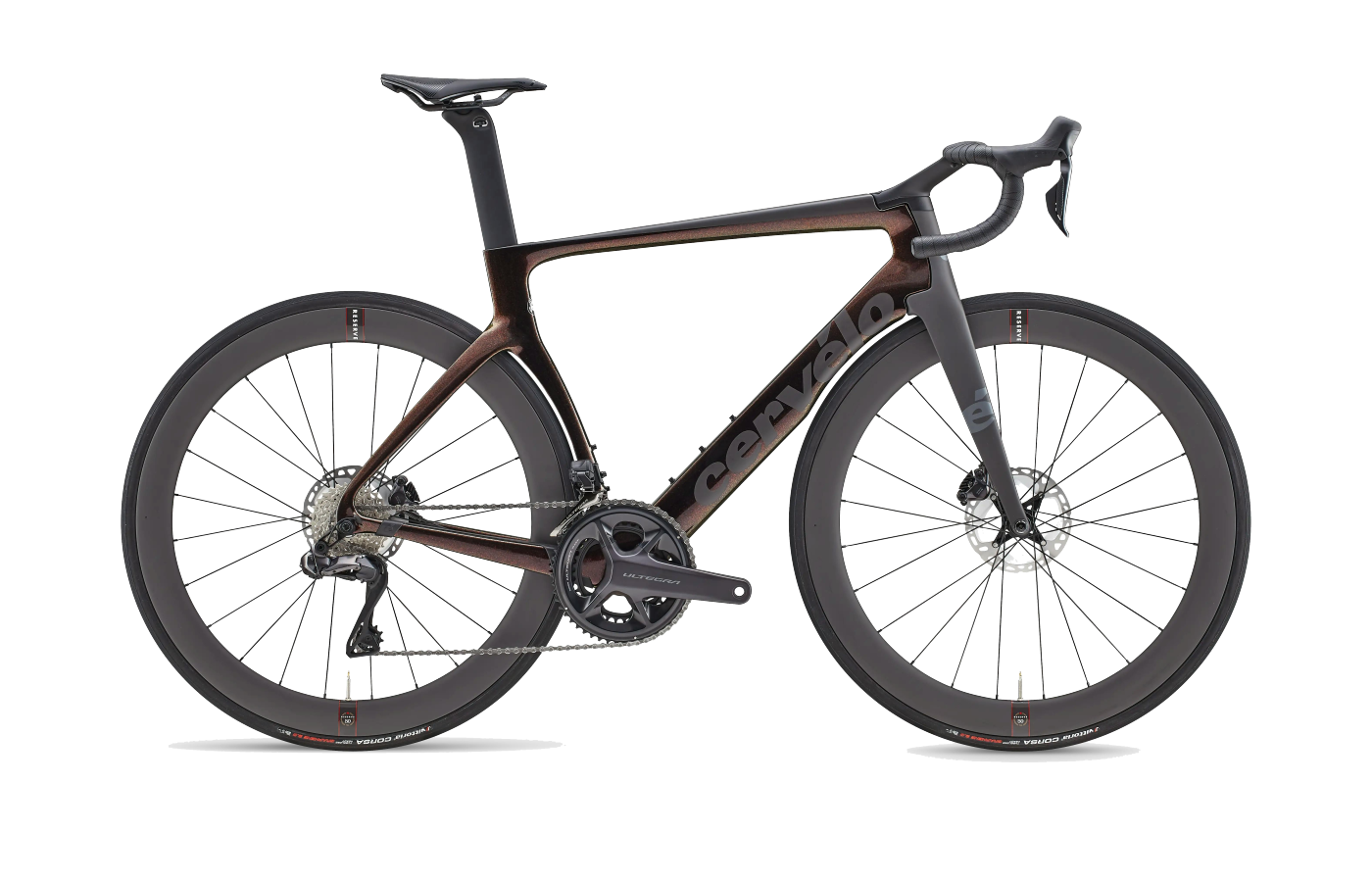
S5
The Aeroad's closest spiritual rival — a similarly radical integrated cockpit and a ride quality built around raw flat-road speed. Pricier than the Canyon, more boutique than the Bianchi, and arguably the sharpest pure aero bike of the three.
Compare →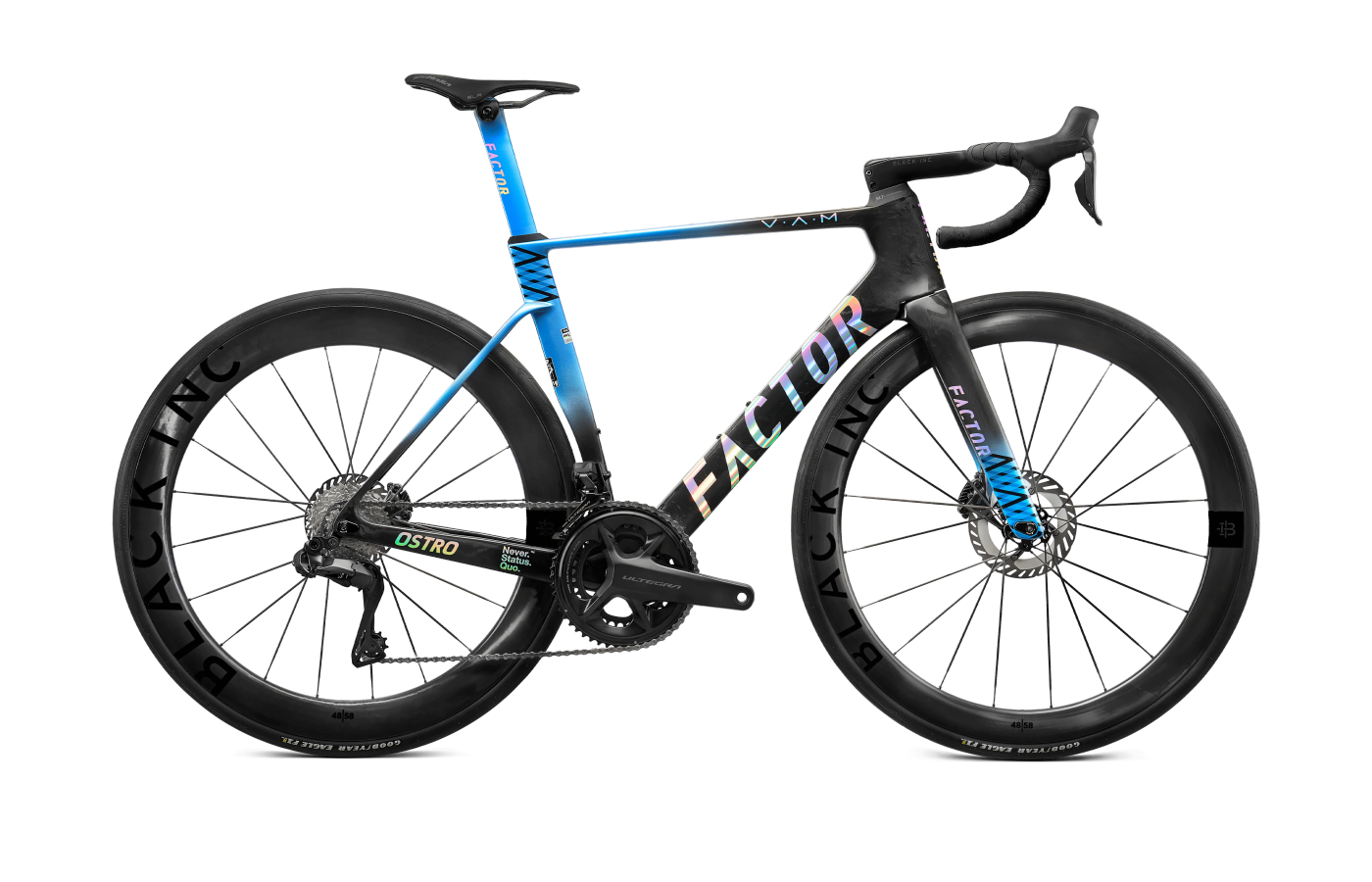
Ostro VAM
A lightweight aero competitor that splits the difference between Tarmac-style versatility and S5-style aggression. Crucially, Factor lets you spec stem and bar widths from the factory — a real advantage over both bikes here for riders with non-standard fits.
Compare →