Sum
vsSoloist
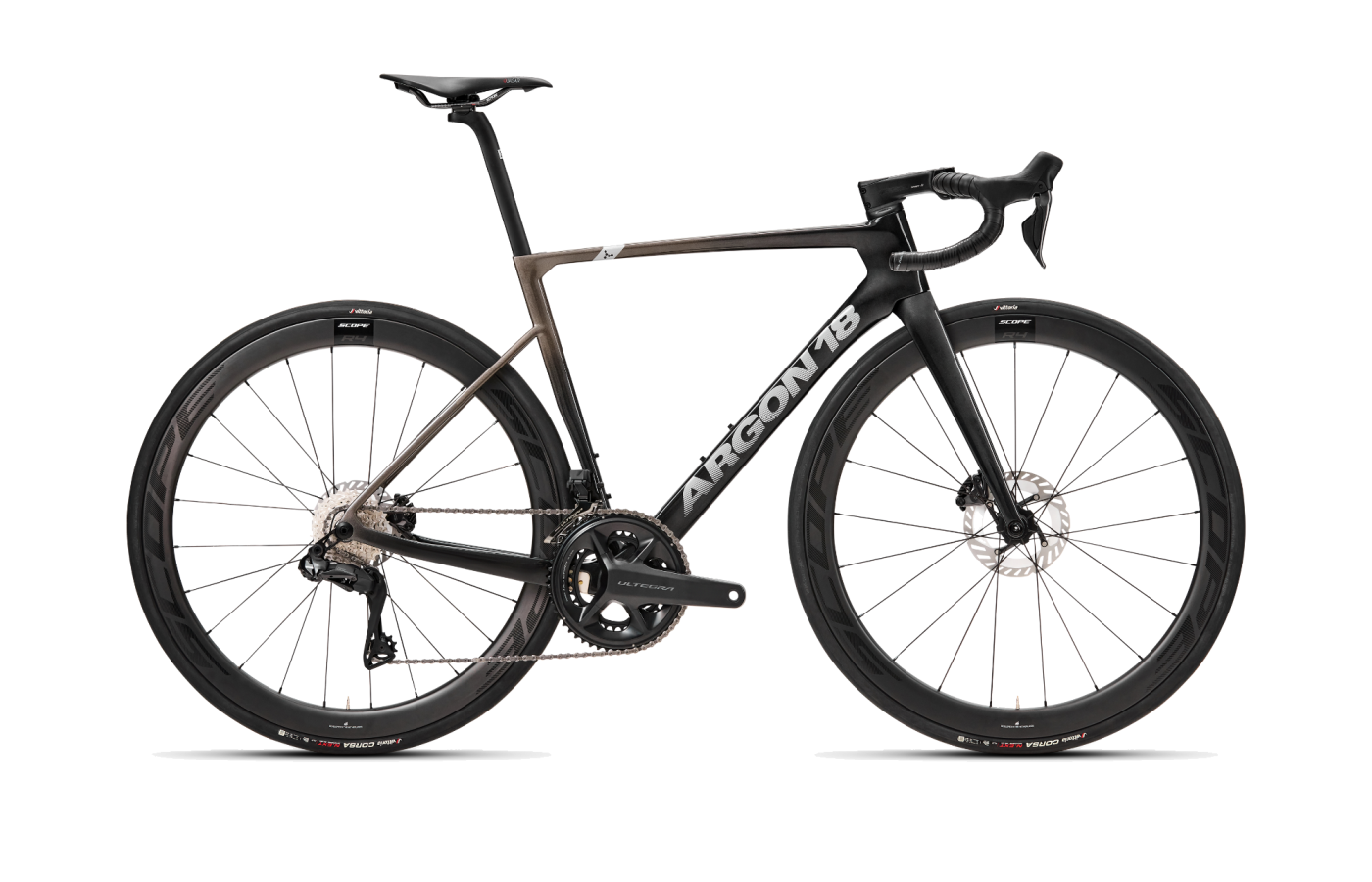
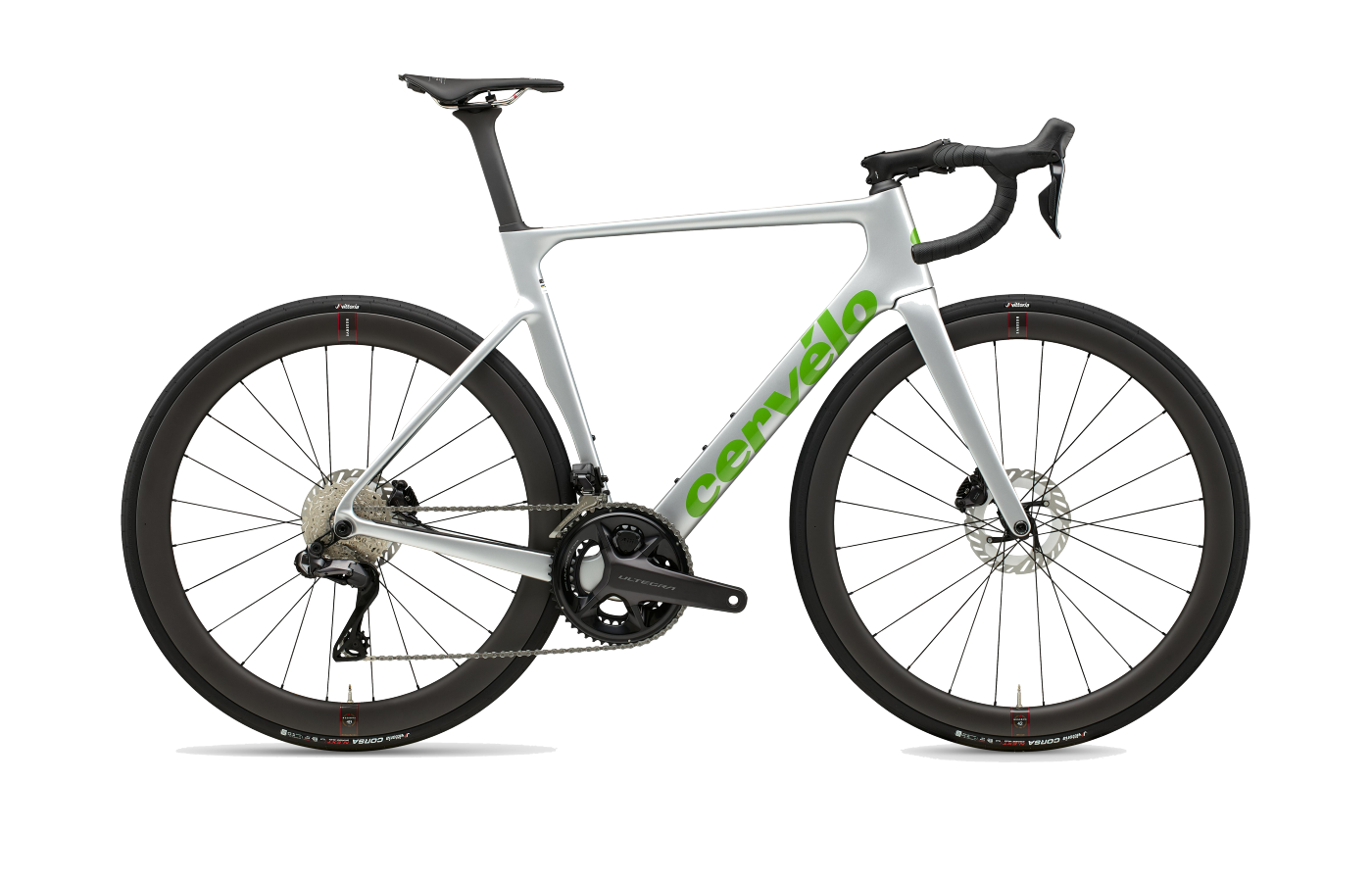
Two all-rounders, two routes to the same place.
The Argon 18 Sum bets on a supple, low race position. The Cervélo Soloist bets on serviceability and a stiffer, more upright stance.
Sum
- Genuinely supple ride — dropped seatstays plus a D-shaped post let it 'pedal over stretches you'd brace for' (Road.cc).
- Aggressive race position with 14 mm more reach than the Soloist at the equivalent size — the natural fit for low-and-long riders.
- Lowest price floor in the matchup — Rival AXS at $4,250 undercuts the Soloist's same-tier build by $2,450.
- BB86 press-fit bottom bracket is harder to service than a threaded BB and more prone to creak.
- Stock alloy cockpit and Scope wheels lag the Soloist's Reserve hoops on the higher builds.
Soloist
- Mechanic-friendly by design — threaded T47 BBRight, under-stem cable routing, and a frame that still accepts mechanical shifting.
- Reserve carbon wheels on every build from Rival AXS up — widely flagged as best-in-class stock hoops at this price.
- Wider tire clearance (34 mm vs 32 mm) and a deeper build range — six builds from $3,900 to $7,600.
- Heavier than the Sum across the lineup; Road.cc's Ultegra Di2 test bike weighed 8.47 kg.
- Multiple reviewers (Velo, Cyclist UK) report creaking from the BBRight T47 BB — not universal, but documented.
Editor’s analysis
Both bikes chase the same ideal — one frame for the climbs, the flats, and the Sunday century — but they get there with completely different priorities under the paint.
On paper the Argon 18 Sum and Cervélo Soloist sit in identical territory: mid-priced carbon all-rounders pitched at the amateur racer who doesn't want to choose between a climbing bike and an aero bike. Both clear 32–34 mm tires. Both run dropped seatstays. Both start under $5k and top out under $8k. The marketing copy could swap and you wouldn't notice.
The Argon 18 Sum is the more aggressive, more compliant of the two. At a size M the stack is 540 mm with 397 mm of reach — a longer, more stretched-out cockpit than the Soloist's 540/383 at a 54. The frame uses dropped seatstays inherited from the Krypton endurance bike and a D-shaped seatpost, and reviewers from Road.cc to Cycling Weekly consistently flag the ride as unusually supple for a race bike — Mark Beaumont called the Sum Pro 'as comfortable as any endurance bike I have ridden.' If your roads are bad and you still want to race, this is the platform that handles both.
The Cervélo Soloist plays a different game. The geometry is lifted from the R5 — 73° head tube, 977 mm wheelbase at 54, 13 mm shorter than the Sum and a touch steeper out front. The frame is stiff end-to-end (Velo: 'unfazed by even my least-tame accelerations'), and Cervélo built it around a threaded T47 BBRight bottom bracket, under-stem cable routing, and even a mechanical-shifting build option. It's the bike of choice if you turn your own wrenches and want to swap a stem without bleeding brakes.
The trade reads cleanly. Argon's Sum is the smoother, more aggressive ride with a lower price floor. The Soloist is the stiffer, more practical platform with a wider build range and Reserve carbon wheels on most builds. Same category, different temperaments.
Where the builds differ.
Comparing our editor's-pick builds side-by-side. Winners highlighted row-by-row — lower price and weight, and the better-spec component, each mark a point.
Build variants & pricing
Both lineups span roughly $4k of range. The Soloist starts cheaper at the entry point ($3,900 mechanical 105) and offers six builds; the Sum tops out cleanest with a Force AXS halo at $6,749.
Prices are current US MSRP. The editor's-pick tier parity here is Shimano Ultegra Di2 on both sides — the Soloist Ultegra build runs $976 more than the Sum equivalent, largely covered by the Reserve carbon wheelset.
How they fit, how they steer.
Same 540 mm stack, but the Sum (M) runs 14 mm longer in reach and a 13 mm longer wheelbase than the Soloist (54). The Soloist's 73° head tube is 0.3° steeper, giving it the quicker front end despite the more upright fit.
Which size should I buy?
Size suggestions based on stack, reach, and effective top tube. The Sum's six sizes start a touch smaller (XXS) than the Soloist's six (48).
→These are starting points. Flexibility, riding style, and preferred position all shift the answer — if you’re between sizes, a professional fit beats a chart.
What the magazines said.
Published reviews from trusted cycling outlets. Click through for the full write-up.
Which one should you buy?
If your roads are rough and you want the more aggressive race fit, get the Sum. If you turn your own wrenches and want better stock wheels, get the Soloist.
Sum
If you want a supple, aggressive race bike that doesn't punish you on broken pavement, the Sum is the answer. The dropped seatstays and D-shaped post deliver real compliance, the reach is genuinely long for a low cockpit, and the Rival AXS build at $4,250 is the cheapest way into either platform.
Soloist
If you do your own service and value stock wheels you won't immediately upgrade, the Soloist wins. Threaded T47 bottom bracket, under-stem routing, Reserve carbon hoops on most builds, and a mechanical-shift option that almost no other premium frame still offers.
Questions buyers actually ask.
Short answers to the things we get emailed about most often.
01Which has the more aggressive race position?
The Argon 18 Sum. At its size M and the Soloist's 54, both bikes have an identical 540 mm stack — but the Sum's reach is 397 mm versus the Soloist's 383 mm. That's 14 mm of extra reach, which translates to a longer, more stretched-out cockpit and a flatter back angle in the drops.
If you want low-and-long, the Sum is the bike. If you want low-and-compact, the Soloist.
02Which is easier to live with as a home mechanic?
The Cervélo Soloist, by a wide margin. Cervélo routes the cables under the stem (not through the headset), so swapping a stem or bar doesn't require re-bleeding the brakes. The bottom bracket is a threaded T47 BBRight rather than press-fit, which is easier to install and less likely to creak long-term. The frame even accepts mechanical shifting — rare for a 2025 race bike.
The Sum uses a BB86 press-fit BB and FSA's ACR fully internal routing through the headset. Neither is exotic, but both add time and friction to routine service.
03What's the maximum tire clearance?
Sum: 32 mm officially. Several reviewers run 28 mm comfortably and recommend 28–30 mm for the best ride.
Soloist: 34 mm officially. The Reserve 42|49 TA wheels also have wider internal rim widths, so a 29 mm tire (stock on most builds) measures closer to 30–31 mm on-bike.
Neither is a gravel bike. For anything rougher than chip-seal, look at the Cervélo Caledonia or a dedicated all-road frame.
04How do they compare on weight?
Argon 18 claims 850 g for a Sum Pro frame and 890 g for the standard Sum (medium). Cervélo doesn't publish a frame weight in the same form, but complete-bike test weights are informative: Cycling Weekly weighed a Sum Pro at 7.3 kg (size 54), while Road.cc's Soloist Ultegra Di2 came in at 8.47 kg.
Call it a roughly half-kilo to one-kilo build-weight advantage for the Sum at equivalent spec — noticeable on long climbs, less so on rolling terrain.
05Are the Reserve wheels really worth the price gap?
Reviewers think so. The Soloist's Reserve 42|49 TA carbon wheels (Rival AXS and up) are repeatedly called the best stock wheelset in the price band — In The Know Cycling described them as 'the nicest stock wheelset you can get at this price point,' and Velo and BikeRadar both flagged them as a reason not to immediately upgrade.
The Sum's Scope R4 carbon wheels (Ultegra Di2 and Force AXS builds) are competent but get less universal praise; reviewers occasionally note they feel heavier than alternatives like Hunt or Roval. The Reserve advantage is real but not massive — if you'd swap stock wheels on either bike, it's a wash.
06Which one creaks more?
Honest answer: both have documented BB issues, but they're different. The Soloist's BBRight T47 bottom bracket has been flagged by Velo and Cyclist UK for creaking — though In The Know Cycling reported a silent T47 after 3,000 miles, so it's clearly not universal.
The Sum uses a BB86 press-fit, which is structurally more prone to creaking over time than any threaded BB, including the Soloist's. No specific creak complaints surfaced in the Sum reviews, but press-fit is press-fit.
07Can I get either with mechanical shifting?
Only the Soloist. Cervélo still offers a 105 Race mechanical build at $5,350 and a base 105 mechanical at $3,900 — the frame retains the cable stops needed for derailleur cables.
The Sum is electronic-only across the lineup: 105 Di2, Ultegra Di2, Rival AXS, or Force AXS. If you want a wireless 12-speed setup, both bikes deliver. If you want cable shifting on a current premium frame, the Soloist is one of the last options on the market.
08What warranty do they come with?
Both frames come with a lifetime frame warranty to the original owner against manufacturing defects. Cervélo and Argon 18 each offer crash-replacement pricing for original-owner riders who damage their frame in a wreck — typical industry terms, usually a percentage off MSRP for a replacement frame.
Similar bikes
If your priorities don’t map cleanly onto either of these, one of these adjacent bikes probably fits better.
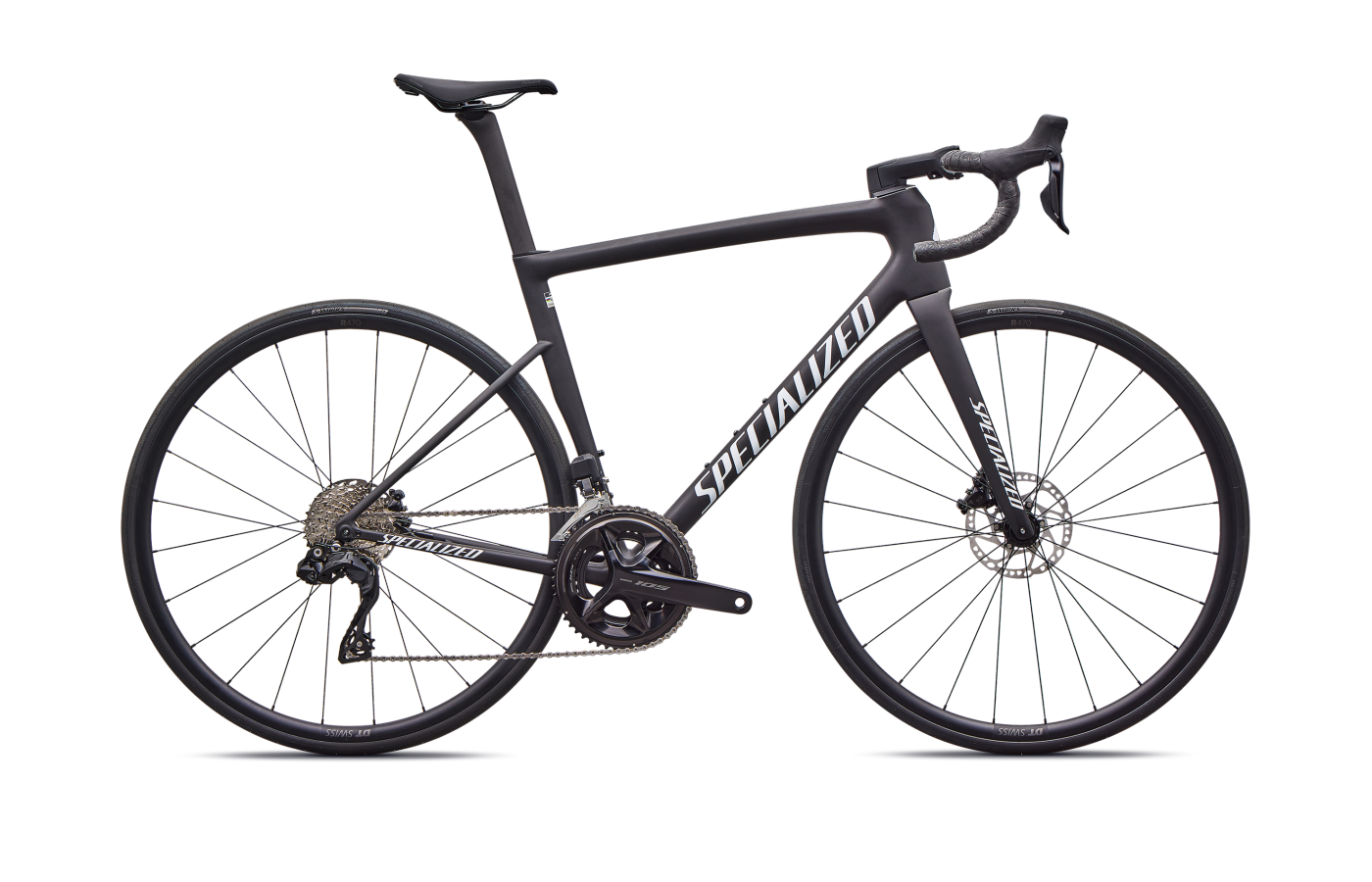
Tarmac
The Tarmac is the benchmark in this category — lighter than either of these and built around a wider build range. Pay the Specialized premium and get the bike everyone else benchmarks against.
Compare →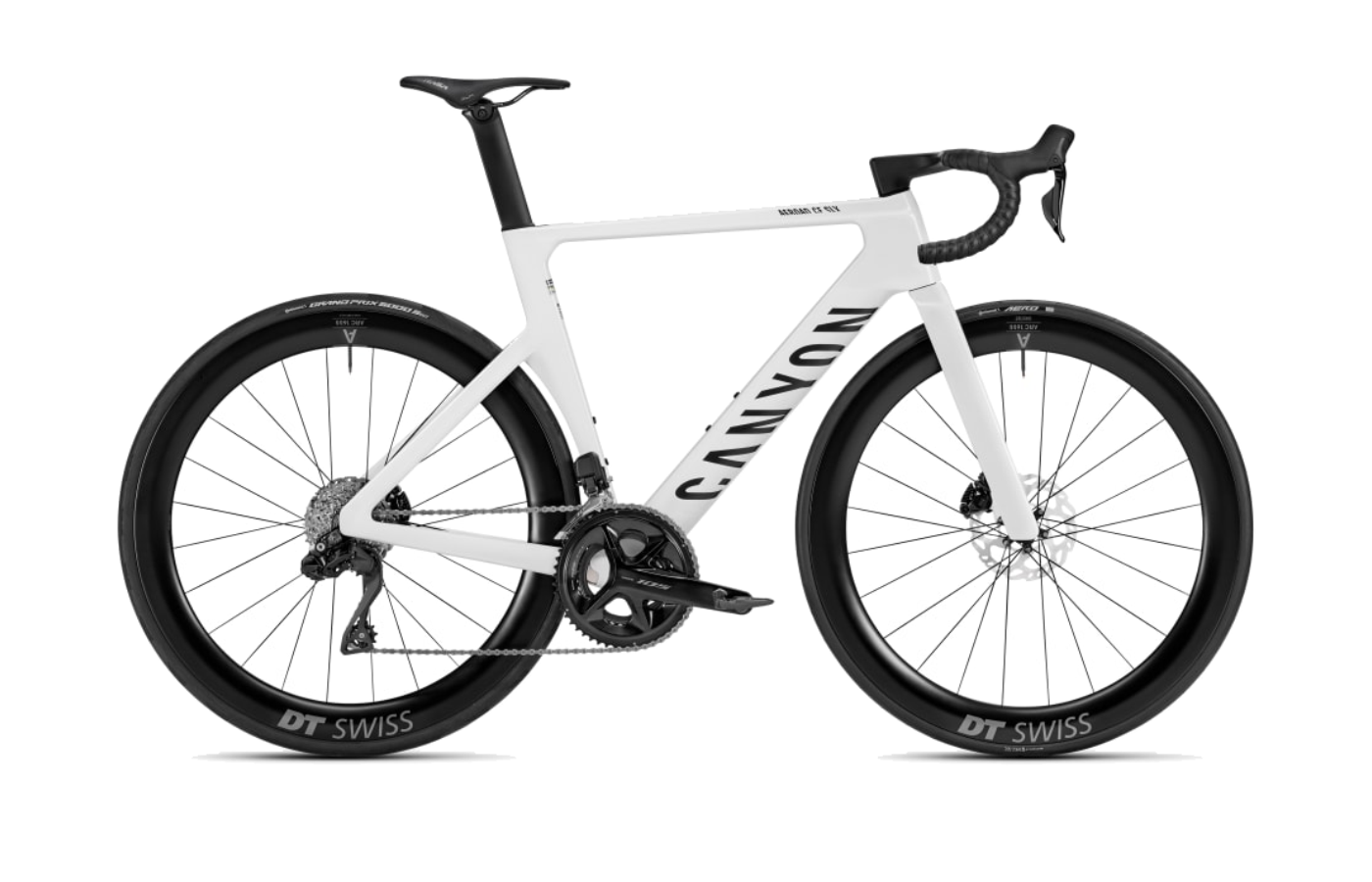
Aeroad
If you've decided pure aero matters more than the all-rounder compromise, the Aeroad goes harder than either bike here on flat speed — direct-to-consumer pricing keeps the cost reasonable, but you give up the local dealer.
Compare →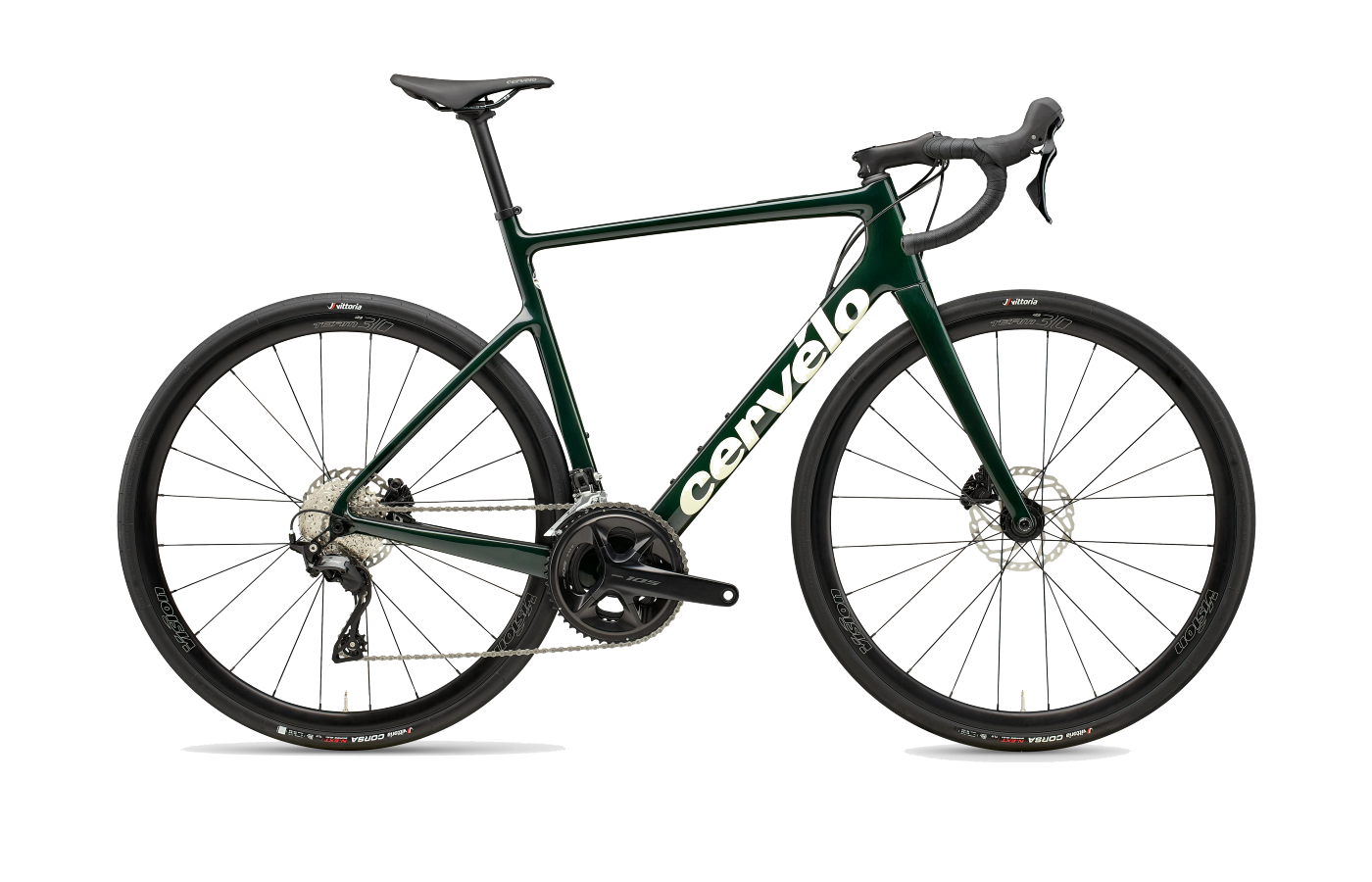
Caledonia
Same brand as the Soloist, more compliance and a higher stack. If the Soloist's front end reads as too harsh in the reviews you're reading, the Caledonia is the endurance-flavored answer — slower, more comfortable.
Compare →