Adlar
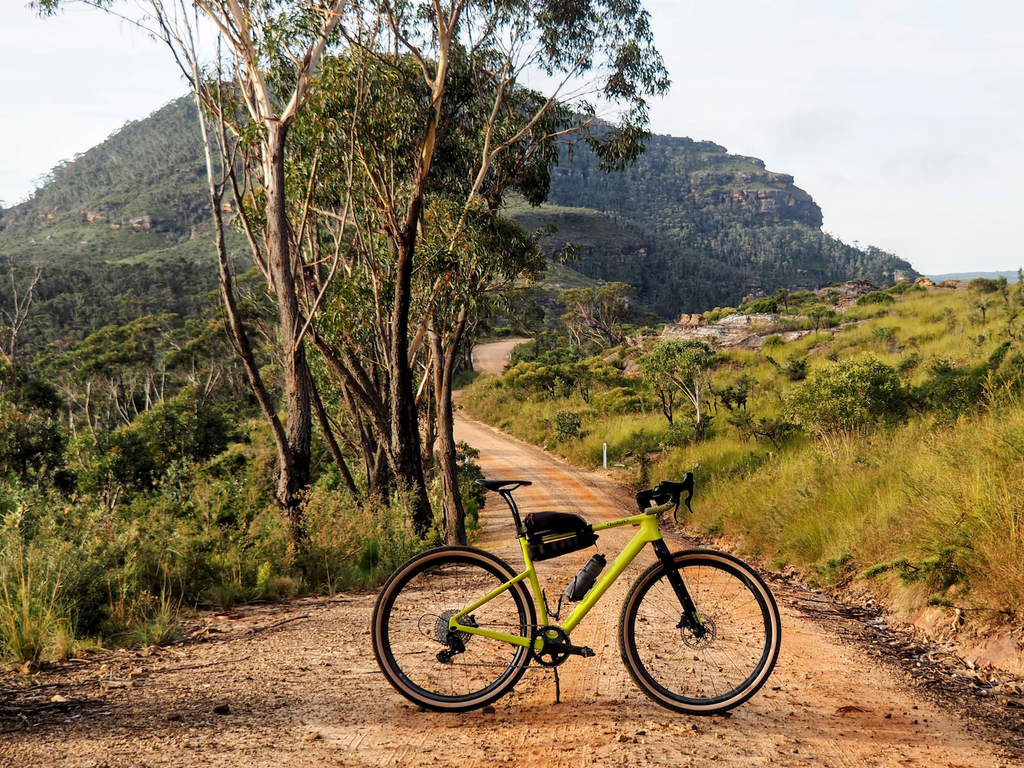
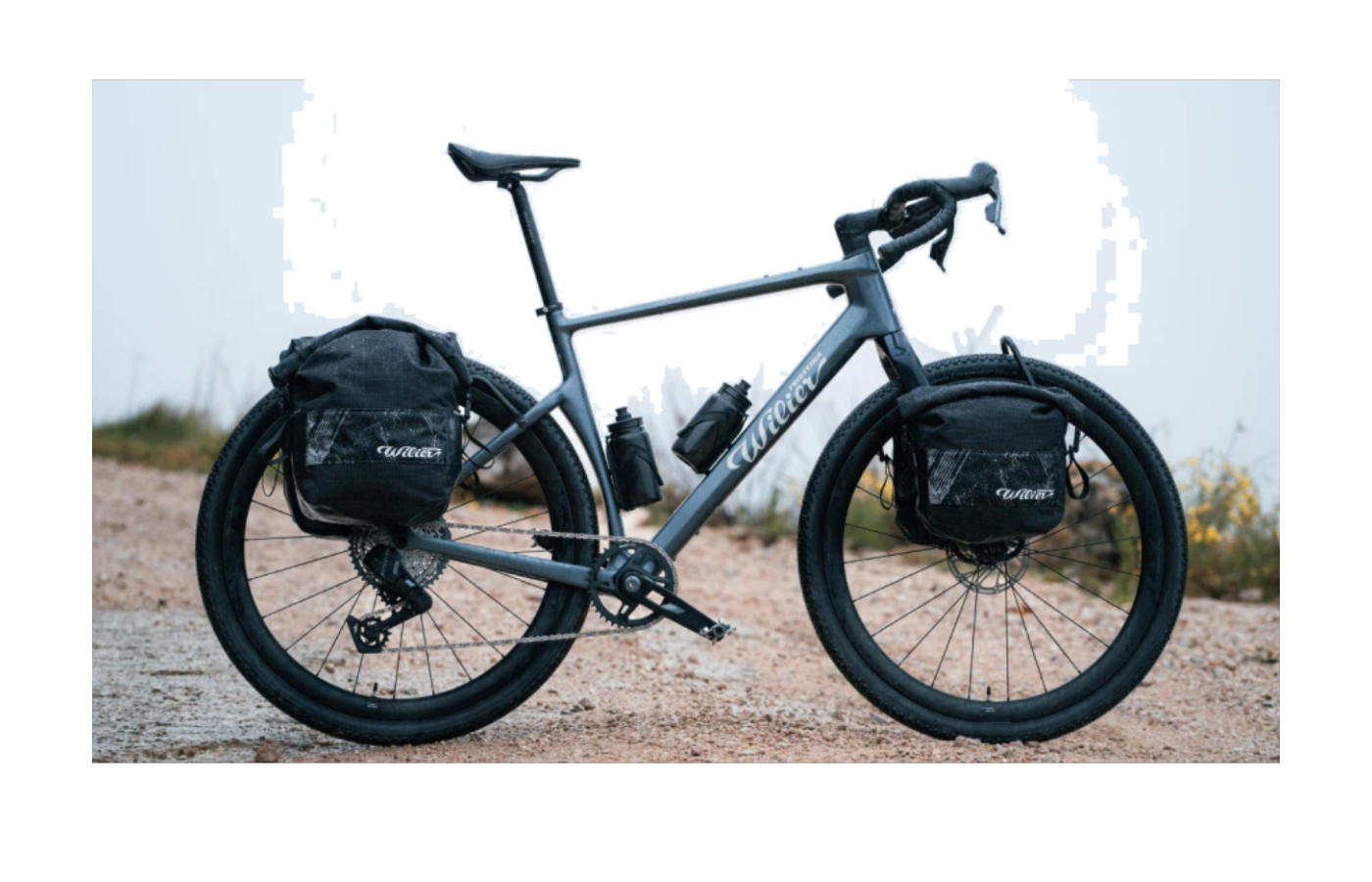
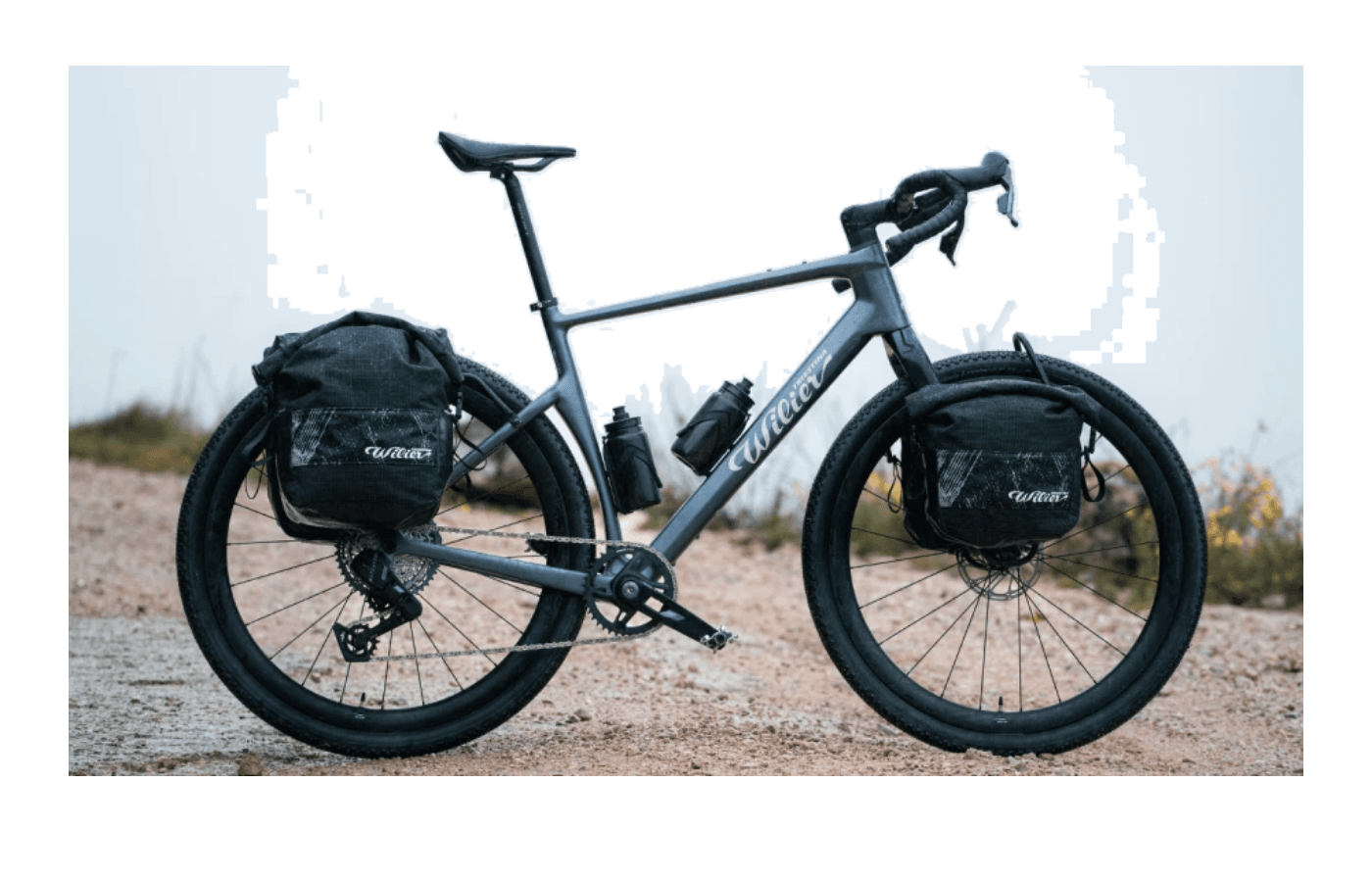
Introduced for the 2024 model year, the Wilier Adlar is a dedicated adventure and bikepacking platform built around a reinforced carbon frame. Moving away from the brand's traditional racing heritage, this model is engineered specifically for carrying heavy loads across remote terrain, rated to handle up to 35 kilograms of additional gear. The frame utilizes a unique axle-mounted carrier system rather than standard rack eyelets, shifting the weight distribution directly onto the thru-axles. Designed strictly around 1x drivetrains, the Adlar accommodates massive tires up to 29 by 2.0 inches and is ready for a short-travel suspension fork. It suits endurance riders and multi-day bikepackers who prioritize structural reliability and carrying capacity over outright sprinting speed, offering a highly modular foundation for crossing unpredictable landscapes.
Geometry & fit.
5 sizes published.
The Adlar leans heavily on mountain bike geometry principles to achieve its stable handling signature. The foundation is a slack 70-degree head tube angle paired with a long wheelbase and dropped chainstays. This open steering geometry is designed to prevent the front end from wandering or feeling nervous when the bike is weighed down with bikepacking bags.
To balance the slack front end, Wilier extends the frame reach and specifies a shorter stem, keeping the steering inputs manageable and the rider’s weight properly distributed. The stock cockpit features the Ritchey Comp Corralitos flared alloy drop bar, which provides a wide stance and extra leverage for manhandling the bike through technical descents. Rider posture is relatively upright and centered, prioritizing long-distance endurance over an aerodynamic tuck. The frame uses a standard 27.2mm seatpost, which adds a degree of seated compliance, and includes routing for a dropper post for riders who want to get their weight lower on steep off-road sections.
Where the handlebar sits relative to the bottom bracket — the single most important fit pair.
01Fit geometry4 values
03Handling geometry3 values
Which size should I buy?
Slide your height to see the recommended size. GearWise's fit algorithm works from the published stack, reach, and ETT — the brand's own recommendation may differ.
→Calculated from GearWise's own stack / reach / ETT algorithm — the brand's size chart may recommend a different size, and a proper bike fit beats any calculator.
The lineup.
4 builds, ranging $4,200 – $5,950.
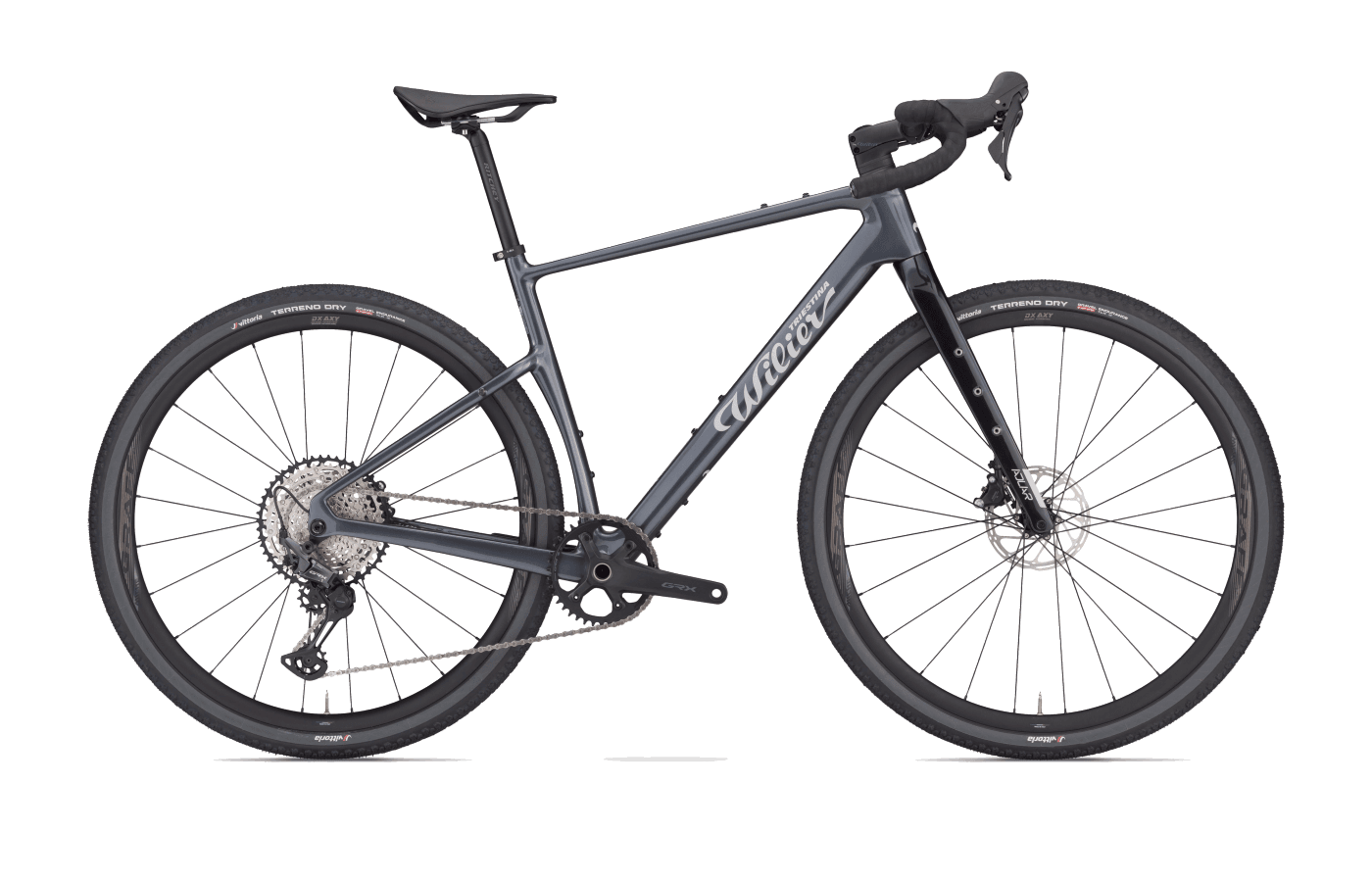
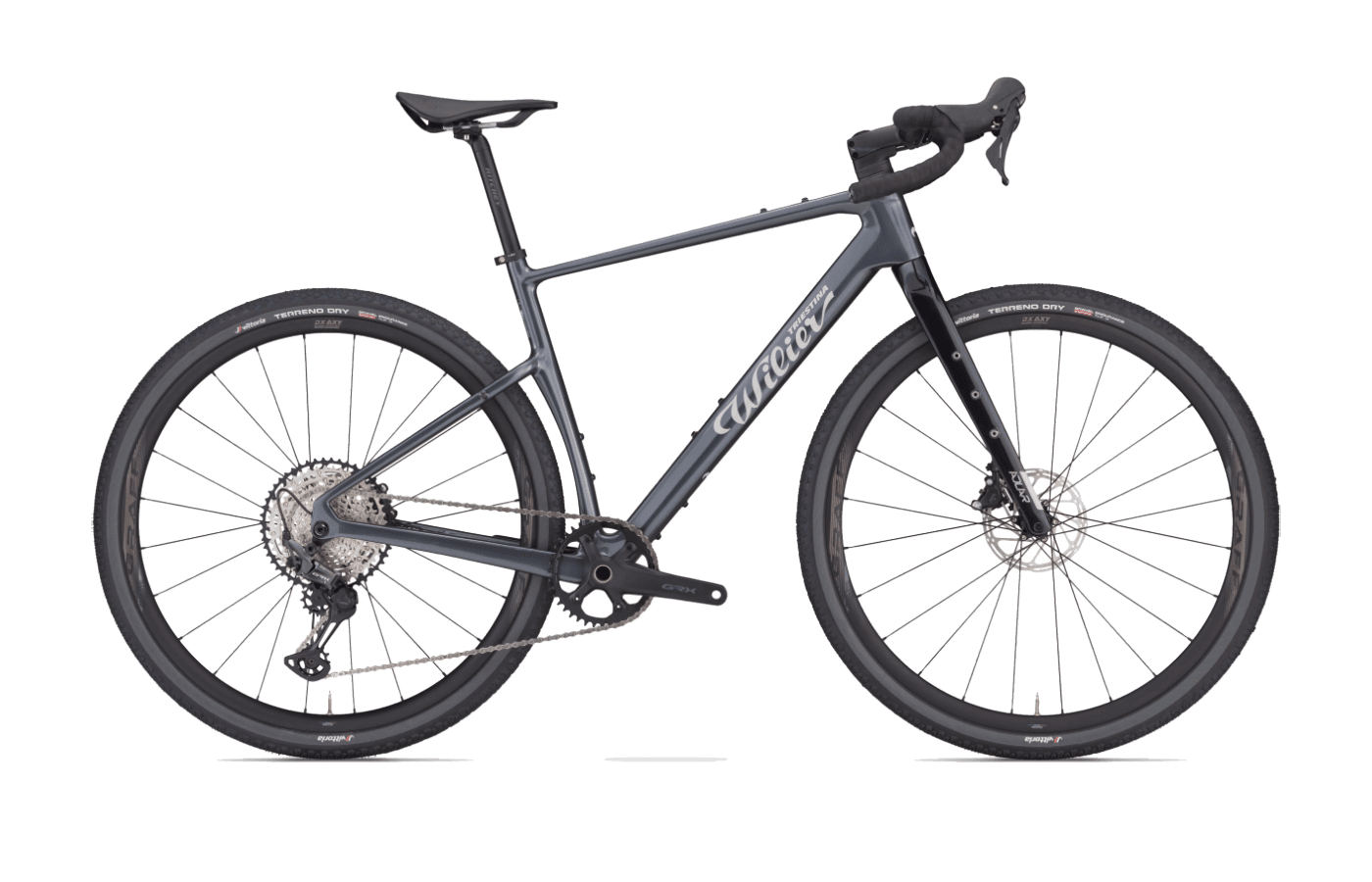
The Adlar lineup is tightly focused, offering four builds that share the exact same carbon frame, fork, and core finishing kit. Every model rolls on Miche Graff alloy wheels wrapped in high-volume 50mm Vittoria Terreno T50 tubeless-ready tires, maximizing traction and vibration damping right off the showroom floor. The cockpit components, including the Ritchey flared alloy handlebars and Wilier Stemma S2 stem, are also uniform across the range.
The primary differentiator between the builds is the drivetrain. The entry point features a mechanical Shimano GRX 12-speed setup with a 10-51T cassette, providing a massive gear range for winching heavy loads up steep grades. Riders can upgrade to Shimano GRX Di2 for electronic shifting with the same 12-speed gearing spread. At the top of the ladder, Wilier offers two closely related SRAM Rival XPLR AXS builds. These 13-speed electronic setups utilize a slightly tighter 10-46T cassette, trading a bit of extreme low-end bailout gearing for smaller jumps between cogs. Because the foundational components remain identical, the base mechanical GRX build presents a compelling value for remote touring where electronic charging might be a liability.
From the press.
1 review from the cycling press.
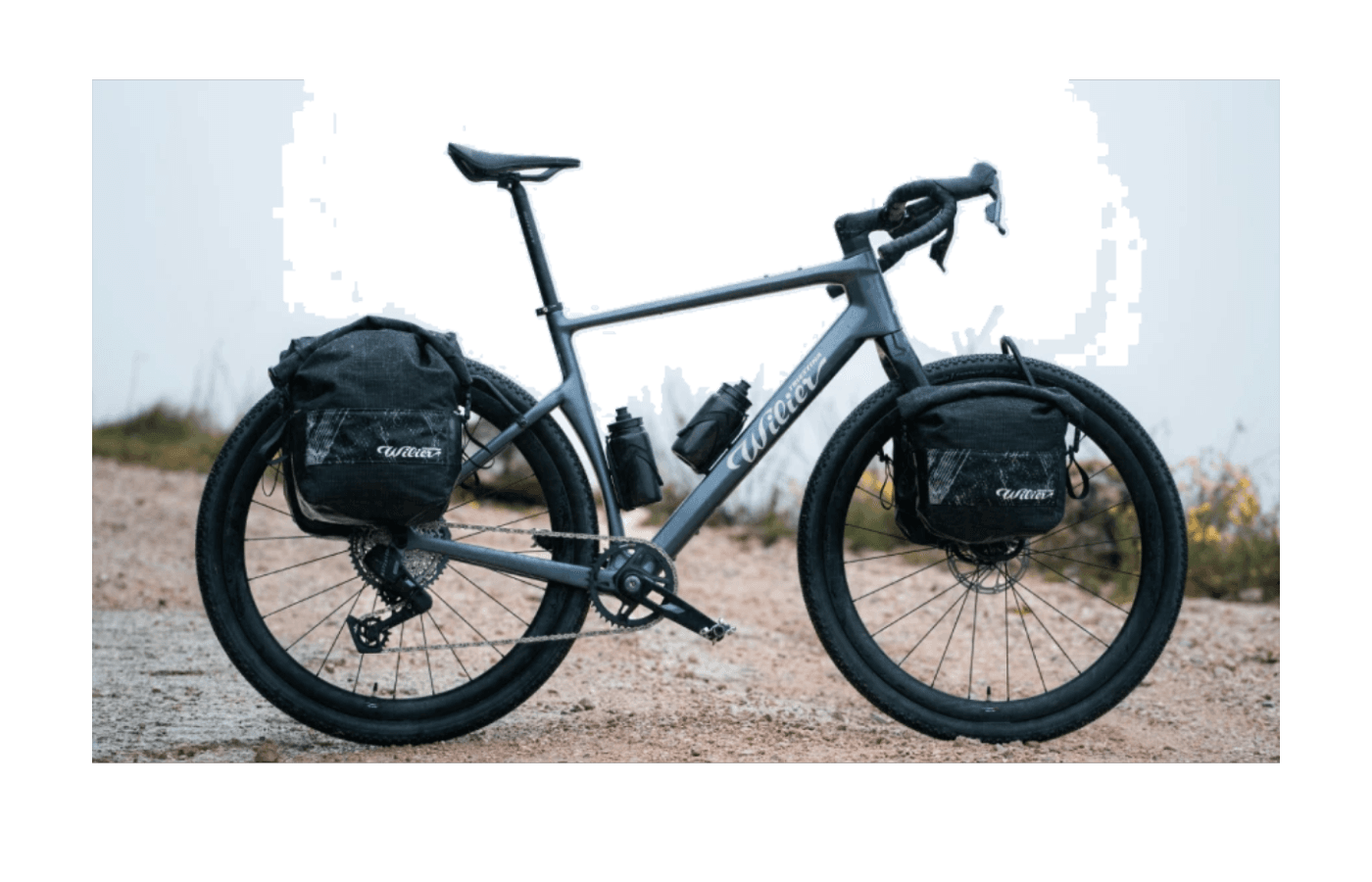
Reviewers characterize the Adlar by its distinct lack of drama on rough terrain, noting that the bike delivers a "calm under pressure" (Chainsmith) ride quality. Rather than reacting sharply to trail imperfections, the chassis absorbs impacts and remains "grounded" (Chainsmith) on loose descents and rutted tracks. This stability makes it highly effective at mitigating rider fatigue during long, heavily loaded expeditions.
Despite its rugged intentions and high load capacity, the carbon frame avoids feeling sluggish. Testers found the bike "surprisingly quick on tarmac" (Chainsmith) and responsive enough to accelerate cleanly when navigating traffic or steep pitches. The carbon layup effectively mutes trail chatter without "dulling the ride" (Chainsmith), maintaining a tactile connection to the surface.
The primary tradeoff is its specialized nature. It is not a twitchy, race-oriented gravel bike, and its handling is optimized for steady momentum rather than low-speed agility. However, for riders tackling multi-day routes or unpredictable backcountry trails, the consensus points to a highly dependable machine that preserves energy and maintains composure when the terrain deteriorates.