GS1
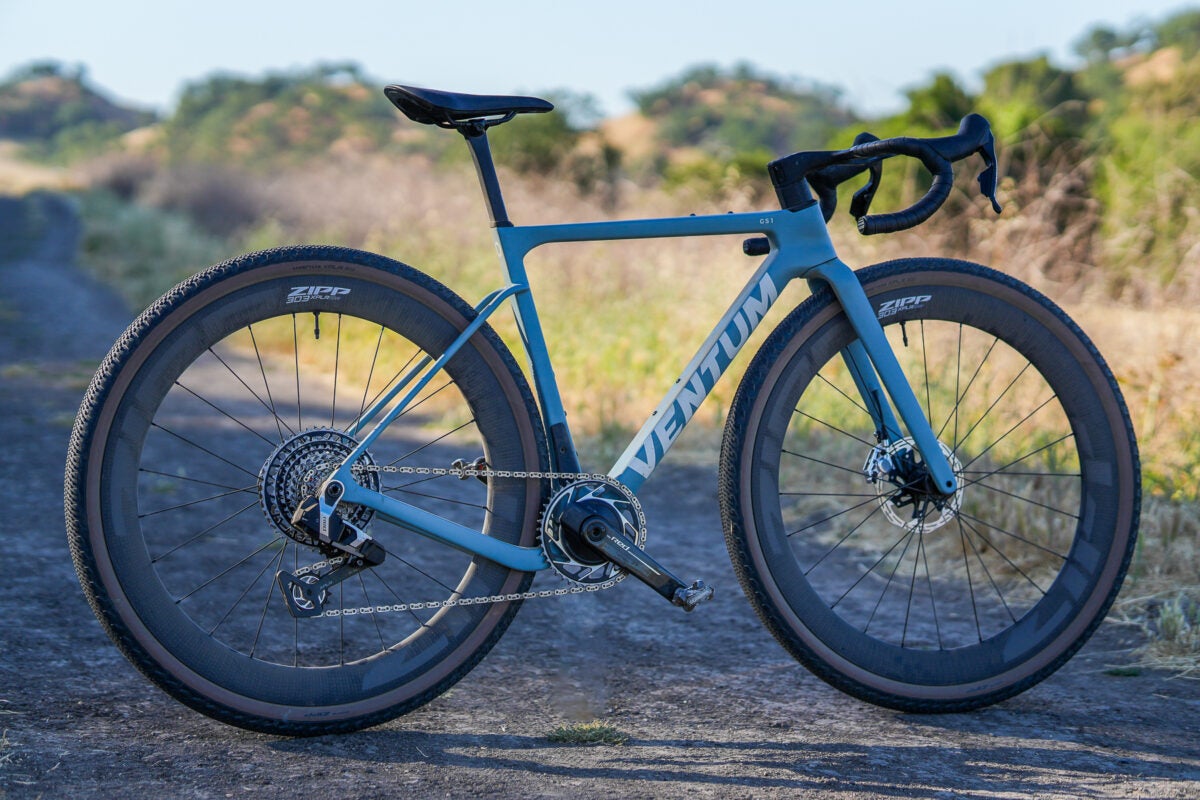
The third-generation Ventum GS1 is an unapologetic gravel racing bike designed for high-speed efficiency. Rather than chasing the adventure market with cargo hatches and excessive mounting points, Ventum stripped the frame down to its essentials. This iteration eliminates the previous generation's fork flip-chip and bottom bracket accessory mounts to save weight and simplify the chassis. The revised carbon layup increases stiffness at the head tube and bottom bracket, reinforcing the bike's aggressive, road-inspired identity.
Despite this rigid focus on power transfer, the frame now accommodates massive tires, clearing up to 50mm in the rear and 56mm in the front. This combination of a stiff, lightweight platform with high-volume rubber positions the GS1 as a specialized tool for competitive gravel athletes and fast-paced group riders who prioritize forward momentum over technical trail capability.
Geometry & fit.
6 sizes published.
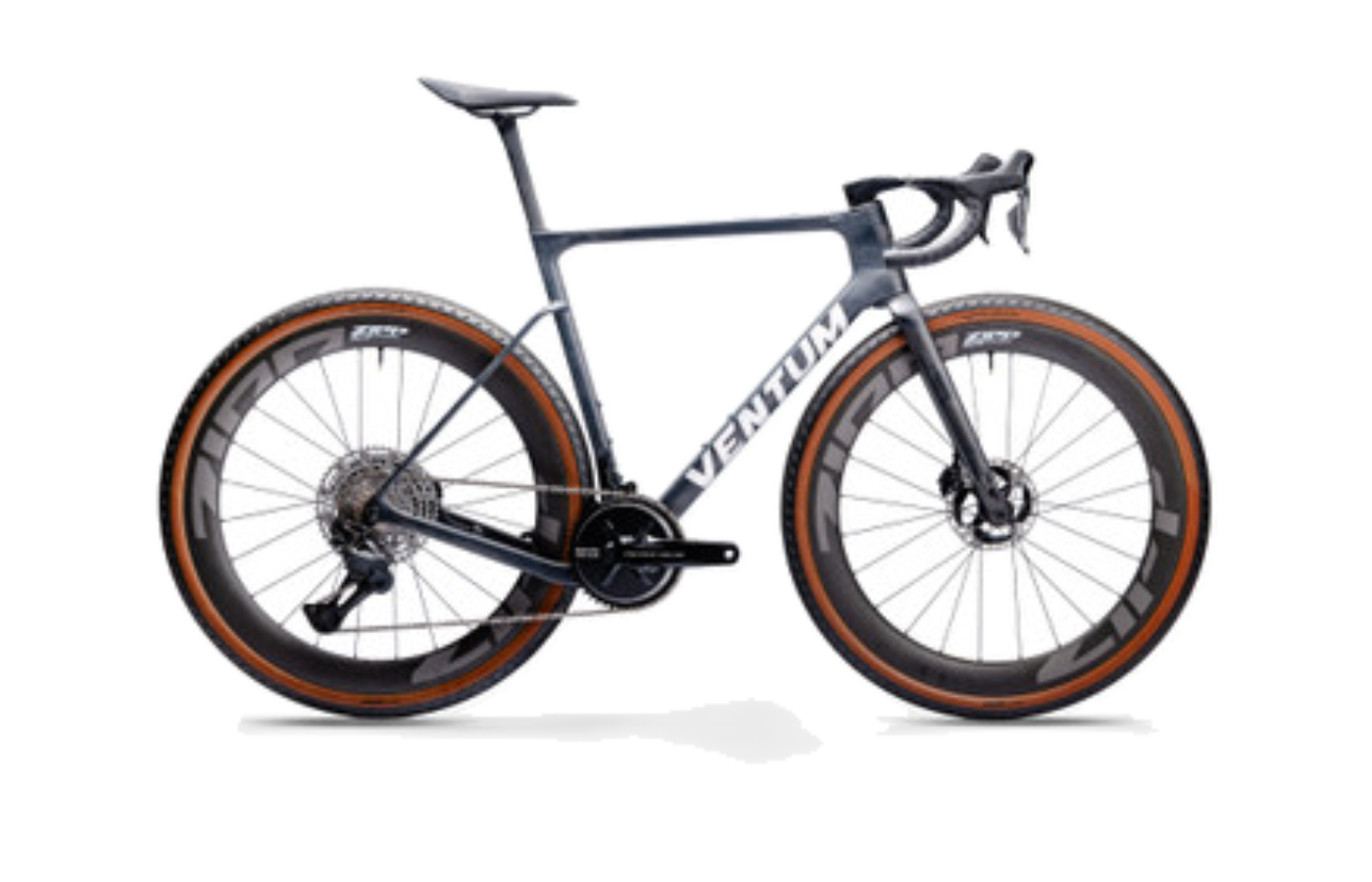
The GS1’s geometry closely mirrors Ventum’s NS1 road bike, featuring aggressive stack and reach figures that put the rider in a low, aerodynamic posture. Short 420mm chainstays across all sizes keep the rear wheel tucked in tightly, contributing to the bike's snappy acceleration and rapid initial steering response.
While the rider positioning is consistent, the handling geometry varies significantly across the size run. Because Ventum uses a single fork with a fixed 50mm offset for all frames, the trail figures shift dramatically. The smallest frames exhibit a high, mountain-bike-like trail of 86mm, which can feel slightly unsettled on winding singletrack. Conversely, the largest sizes drop down to a steep 62mm trail, placing them firmly in quick-handling road territory.
Most builds feature Ventum’s CR5 integrated carbon handlebar and stem, which provides a stiff platform for sprinting and a visually clean front end. Riders can specify their preferred bar width, stem length, and crank length at purchase, ensuring the aggressive fit can be dialed in without requiring immediate aftermarket swaps.
Where the handlebar sits relative to the bottom bracket — the single most important fit pair.
01Fit geometry6 values
03Handling geometry8 values
Which size should I buy?
Slide your height to see the recommended size. GearWise's fit algorithm works from the published stack, reach, and ETT — the brand's own recommendation may differ.
→Calculated from GearWise's own stack / reach / ETT algorithm — the brand's size chart may recommend a different size, and a proper bike fit beats any calculator.
The lineup.
5 builds, ranging $5,399 – $9,999.
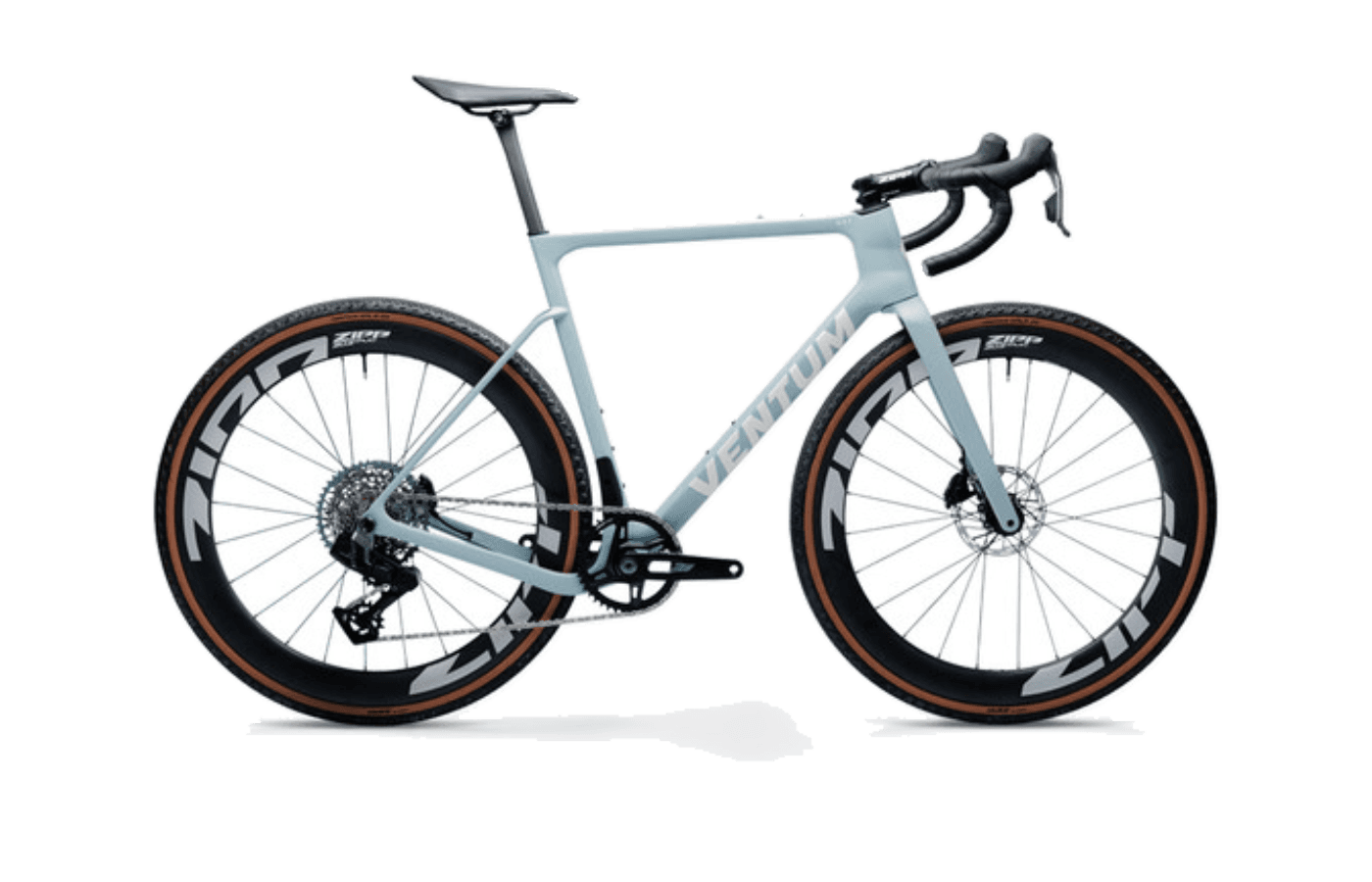
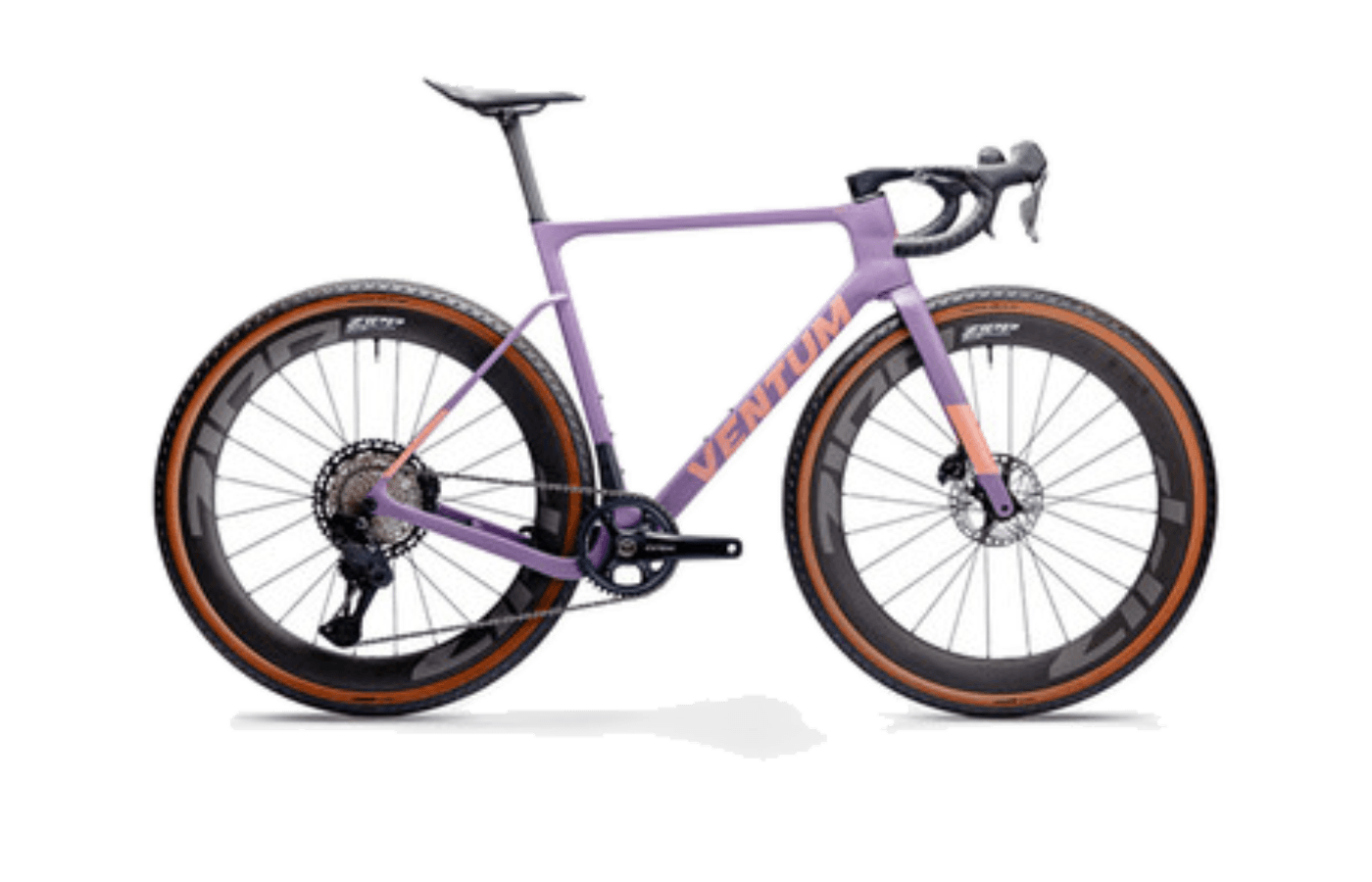
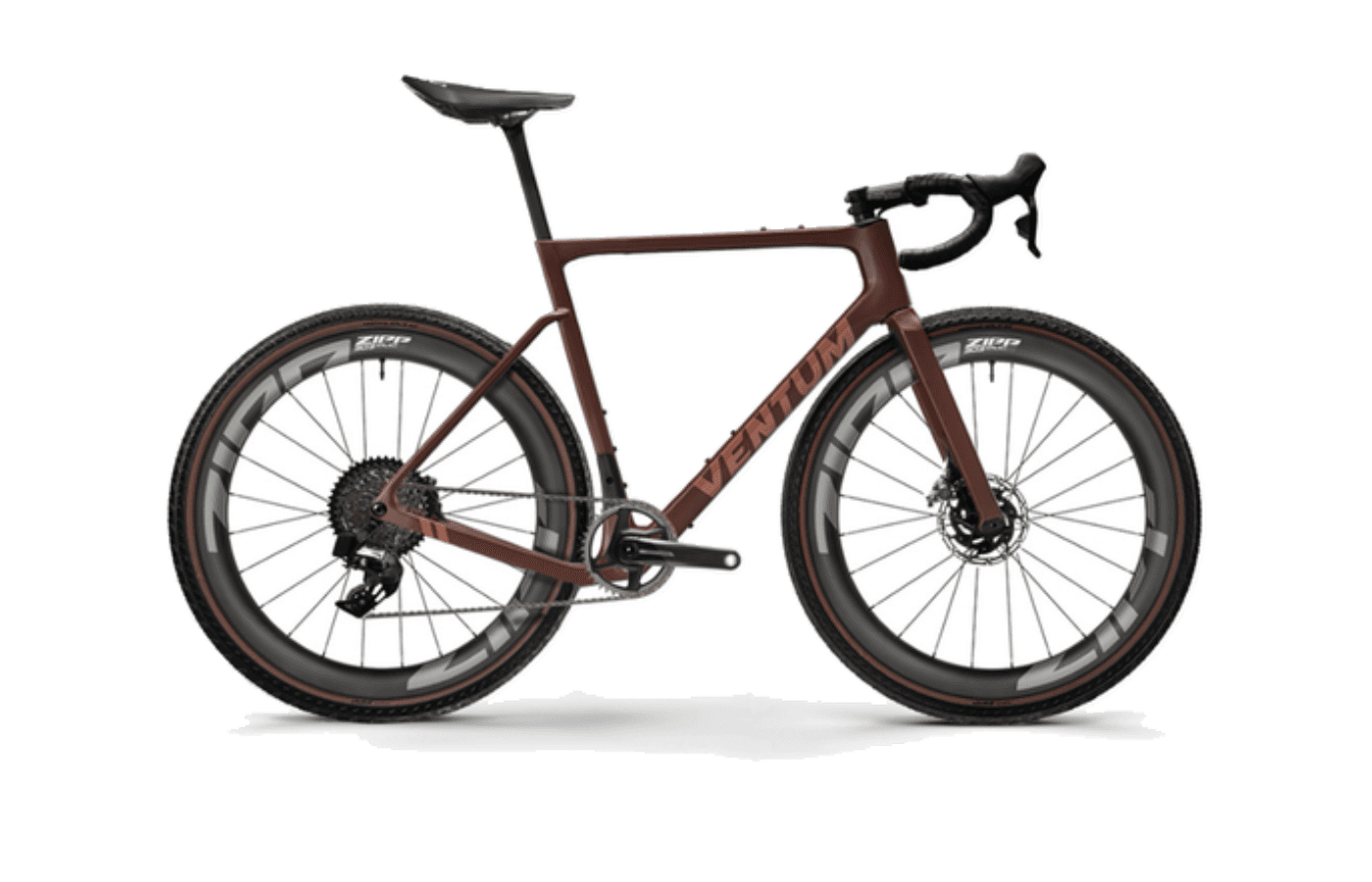
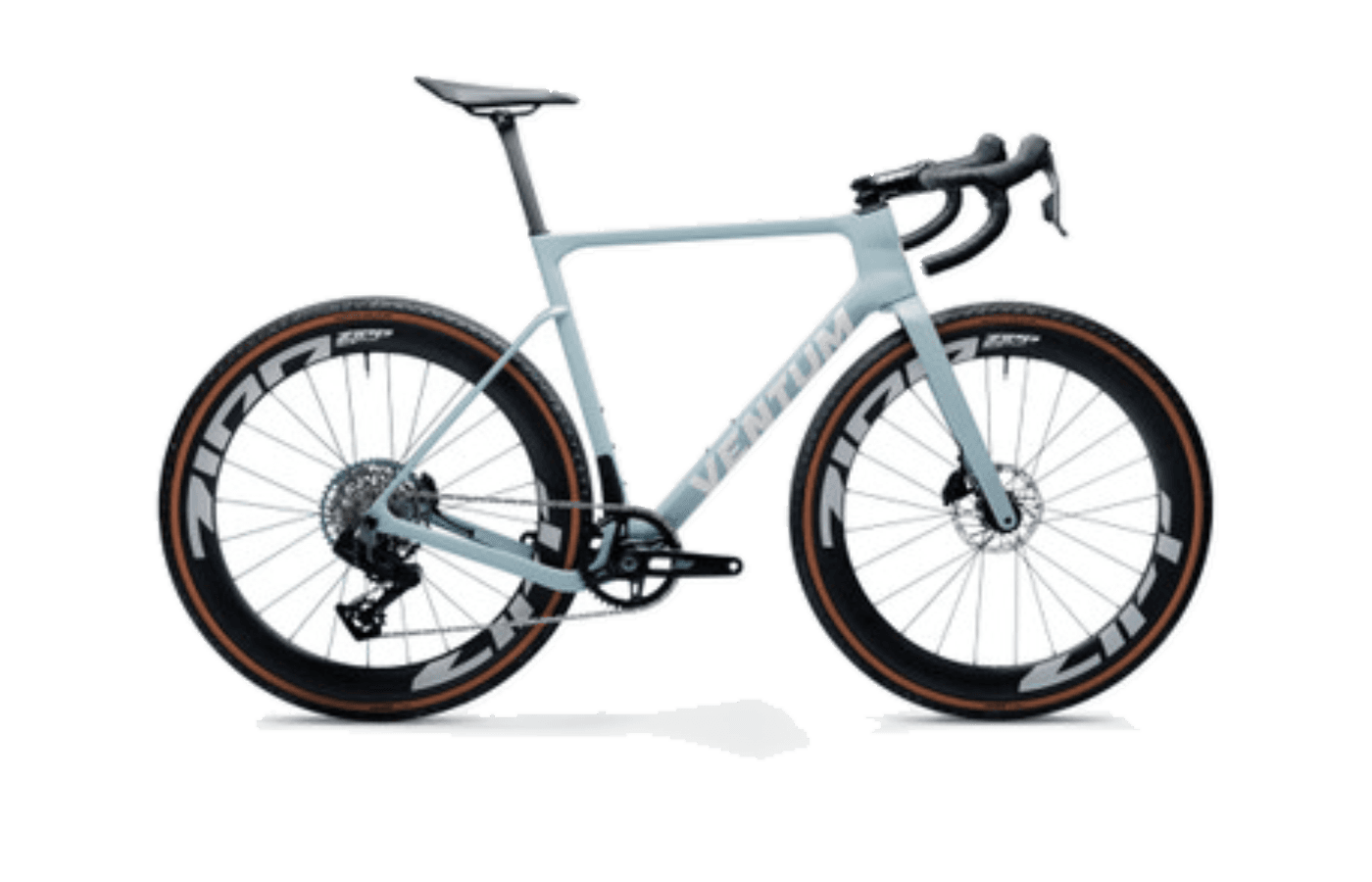
The GS1 lineup spans five electronic-only builds, ranging from a SRAM Rival XPLR entry point to a premium Shimano XTR Di2 configuration. Ventum utilizes a direct-to-consumer model, which keeps pricing competitive given the high-modulus carbon frame.
Mechanically, the third-generation frame adopts universally appreciated standards, including a creak-free T47 threaded bottom bracket, a standard 1 1/8-inch steerer tube, and the SRAM Universal Derailleur Hanger. These choices simplify long-term maintenance and ensure compatibility with modern drivetrains.
The build ladder emphasizes race-ready components out of the box. The mid-tier Force XPLR and top-tier Red XPLR and XTR Di2 models all include power meters, a valuable addition for data-driven athletes. Gearing choices also reflect the bike's fast-paced intentions; SRAM 1x builds ship with a 42-tooth chainring paired to a 10-46T cassette, offering a higher top speed than the 40-tooth rings commonly found on competing gravel bikes. Rolling stock is similarly aggressive, with most builds featuring Zipp 303 XPLR carbon wheels wrapped in 45mm Goodyear XPLR Inter tires, maximizing the aerodynamic and traction benefits of the frame's generous tire clearance.
From the press.
3 reviews from the cycling press.
Reviewers consistently characterize the GS1 as a highly responsive machine that excels on fast, open courses. The frame's rigidity translates directly into acceleration, with one tester noting that "every bit of energy you put into the pedals went into forward momentum" (Velo). At speed, the bike maintains excellent straight-line stability, making it highly effective for minimizing fatigue during long, rolling races.
Opinions on the bike's comfort are slightly mixed, largely depending on how testers attribute the damping. One rider found the rear end "so plush that I'll often look down to see if my rear tire is going flat" (YouTube). Conversely, another reviewer argued the frame itself is quite rigid, suggesting the high-volume tires and seatpost extension do the heavy lifting for vibration reduction.
When the terrain turns tight and technical, the bike's road-racing DNA becomes apparent. Cornering behavior was described as a "story of two halves" (Velo), characterized by a very quick initial turn-in that slows down toward the apex. While this requires a brief adjustment period, it reinforces the consensus that the GS1 is essentially a "road bike stretched out just enough to fit a big gravel tire" (Velo), rather than a drop-bar mountain bike meant for navigating rough singletrack.