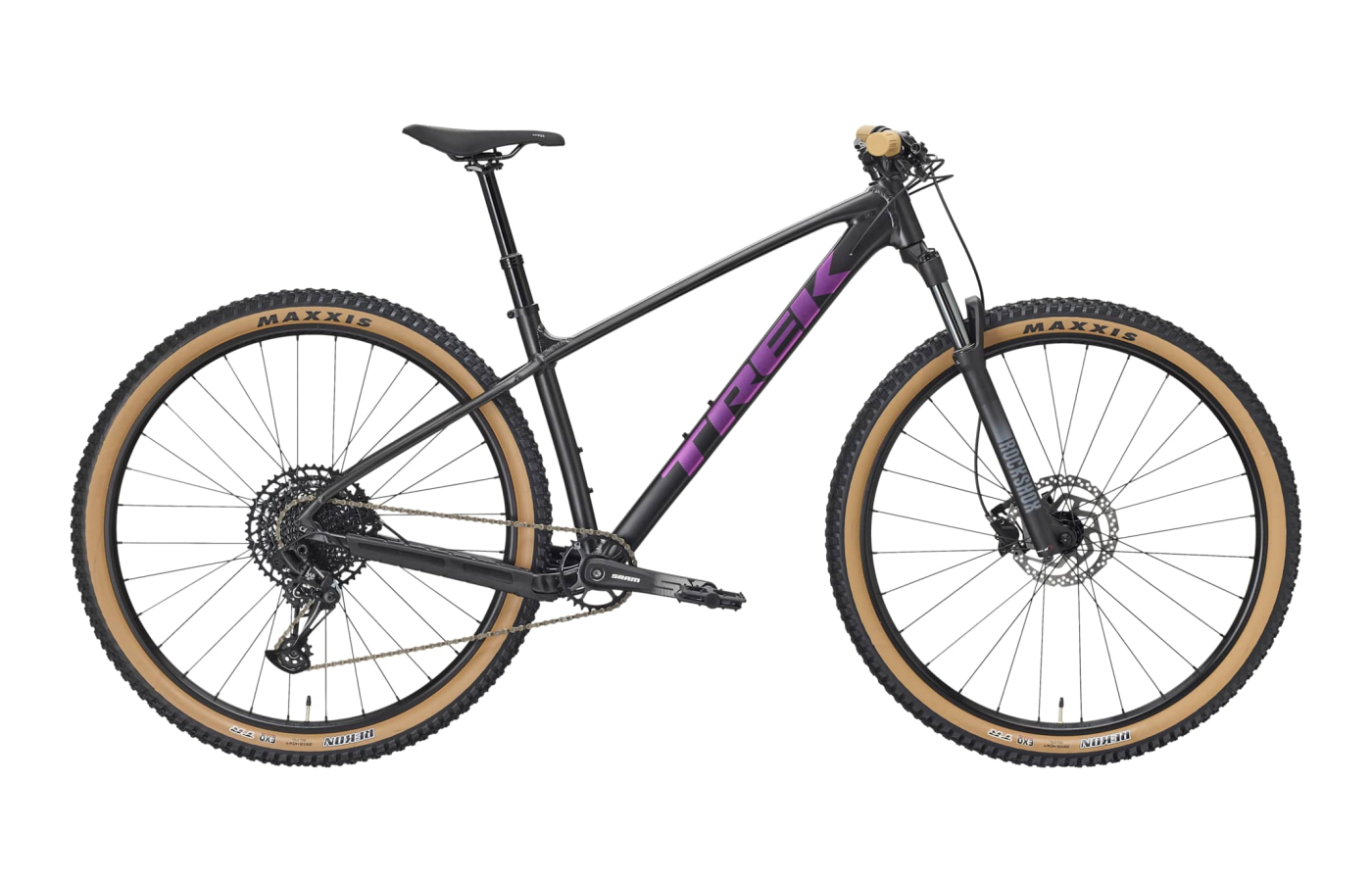
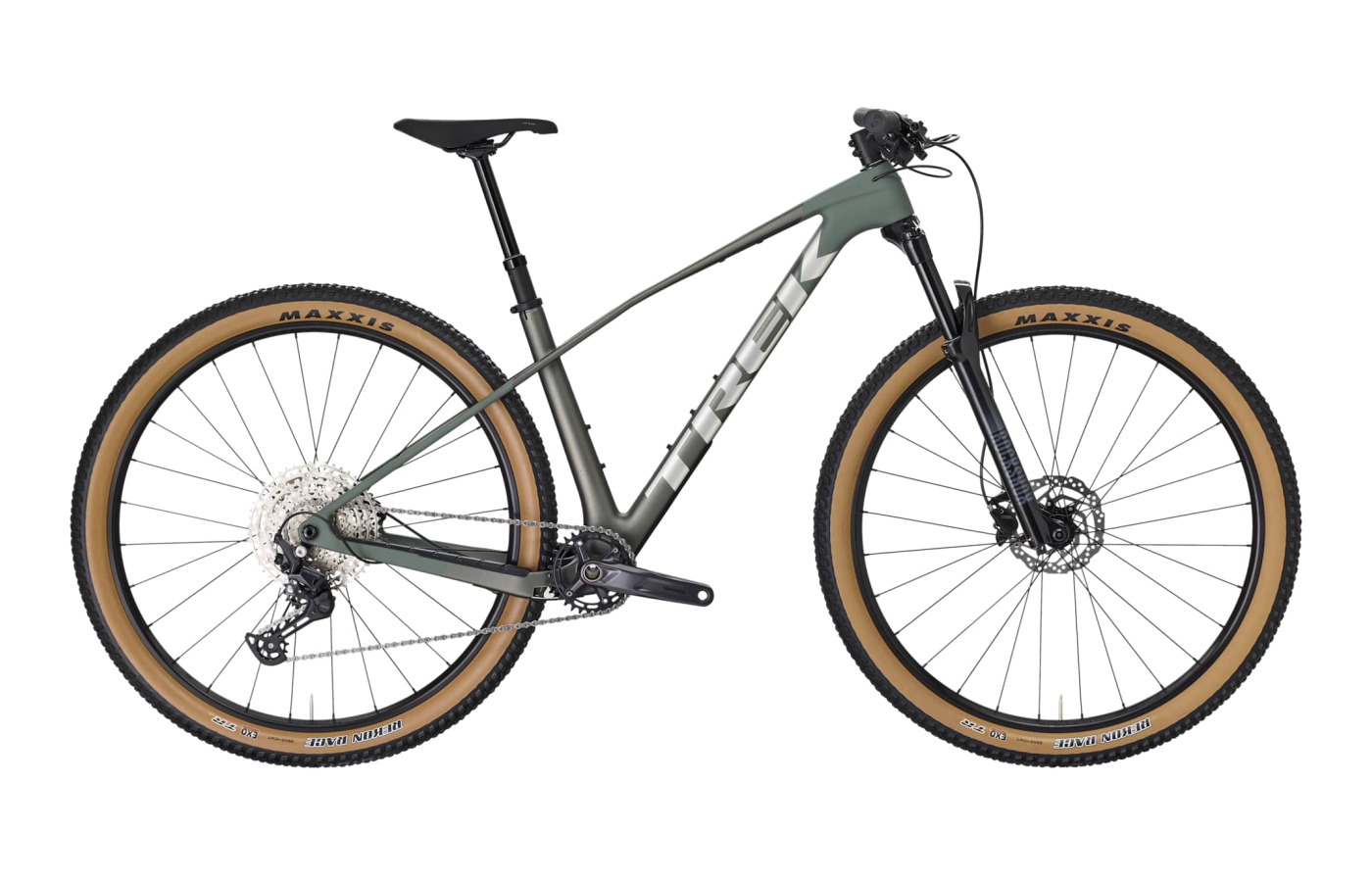
Stache
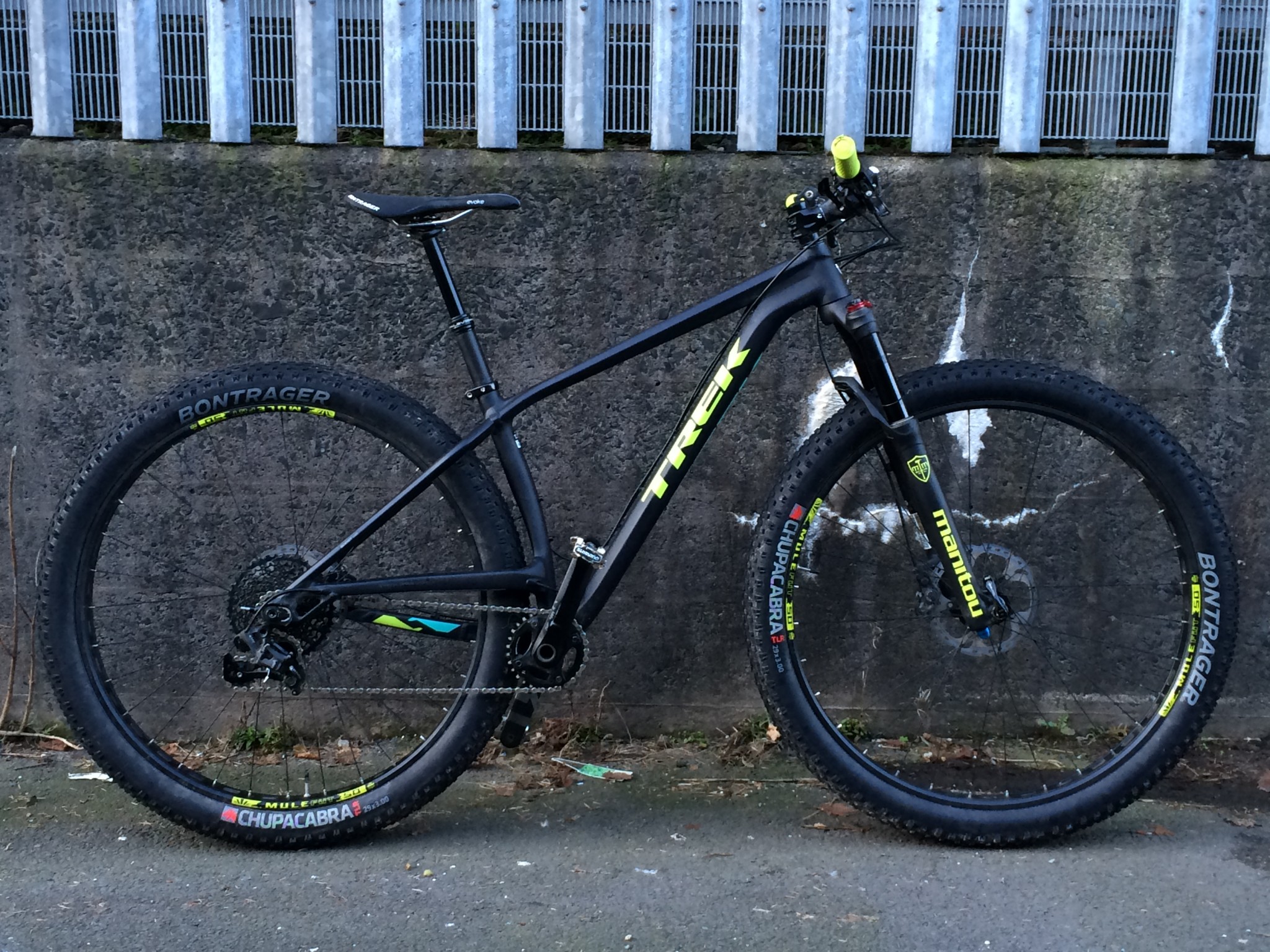
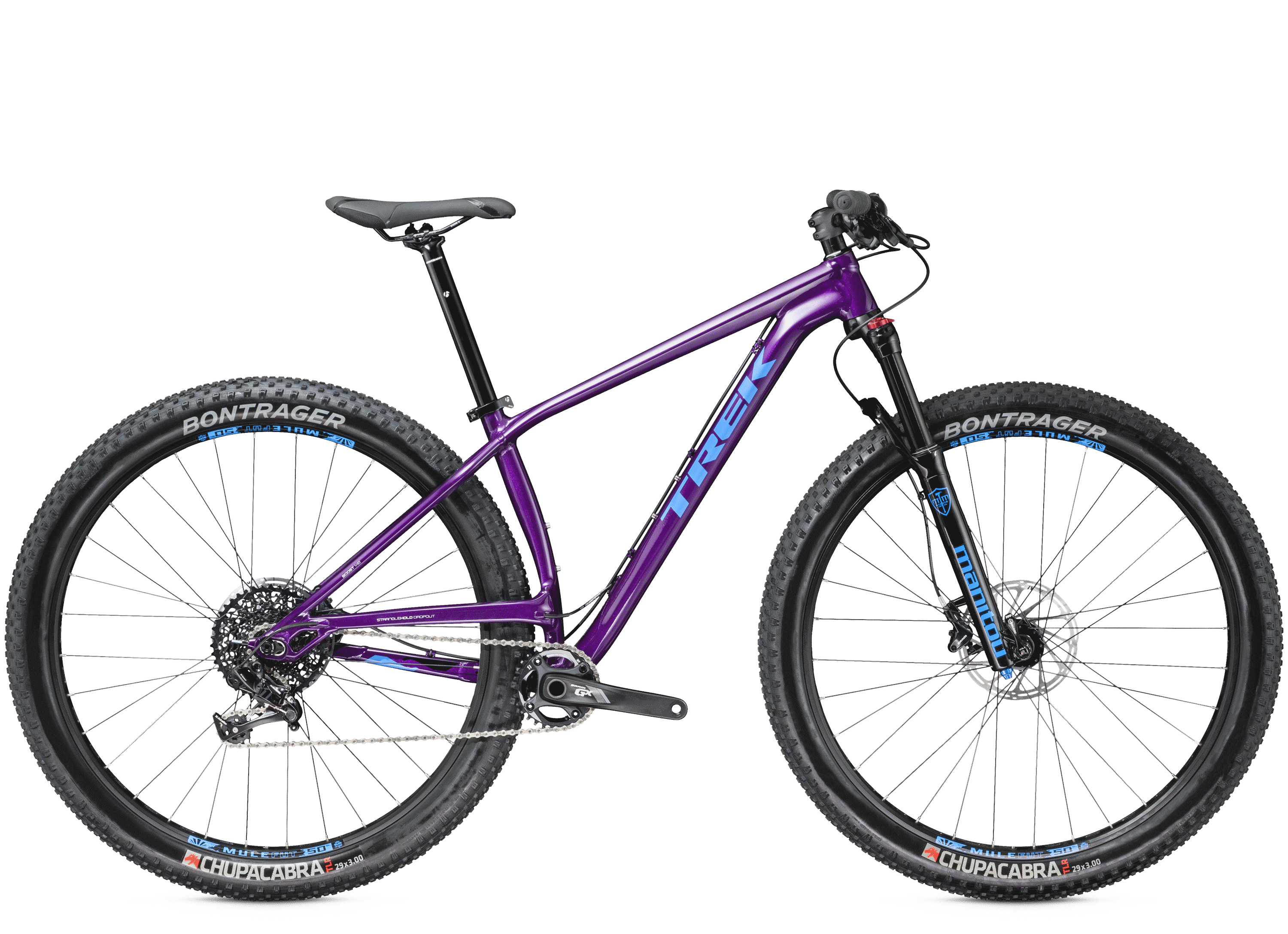
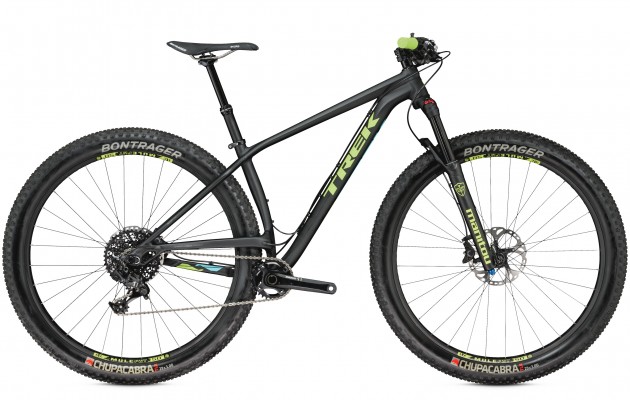
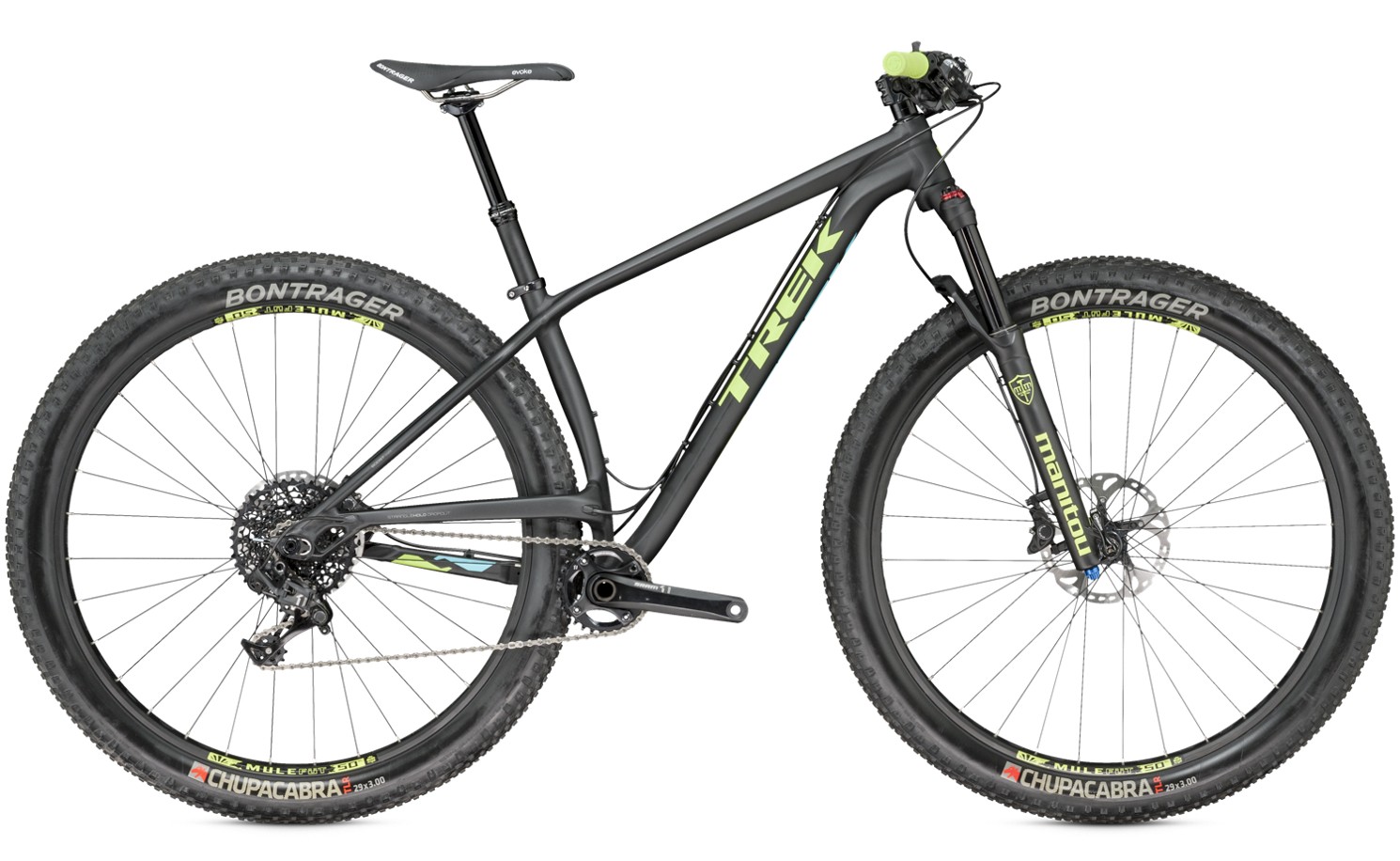
The 2016–2021 Trek Stache is the generation that turned the model into one of the most recognizable 29+ hardtails of its era. Rather than simply stretching a conventional 29er trail bike to fit bigger rubber, Trek redesigned the platform around 29 x 3.0in tires, Boost 148 rear spacing, and an elevated driveside mid-stay to create clearance for the oversized rear wheel without giving up an unusually short rear center. That packaging solution, combined with Trek’s sliding dropout system, made the Stache more than a novelty: it was a purpose-built trail hardtail that used tire volume as a central part of its suspension and handling character.
What distinguishes this generation is the contrast between its massive wheel-and-tire package and its very compact rear end. The adjustable chainstay length, commonly cited at 405–420mm, is exceptionally short for a 29+ bike and is a big reason the Stache developed a reputation for being playful rather than simply tractor-like. The sliding dropouts also broadened the frame’s usefulness, allowing alternate wheel sizes and singlespeed setups. In the market, the Stache sat in a niche between traditional trail hardtails, short-travel full-suspension bikes, and adventure-oriented plus bikes: more capable and forgiving than a standard hardtail on rough ground, but still simpler and more direct than a full-suspension trail bike.
From the press.
18 reviews from the cycling press.
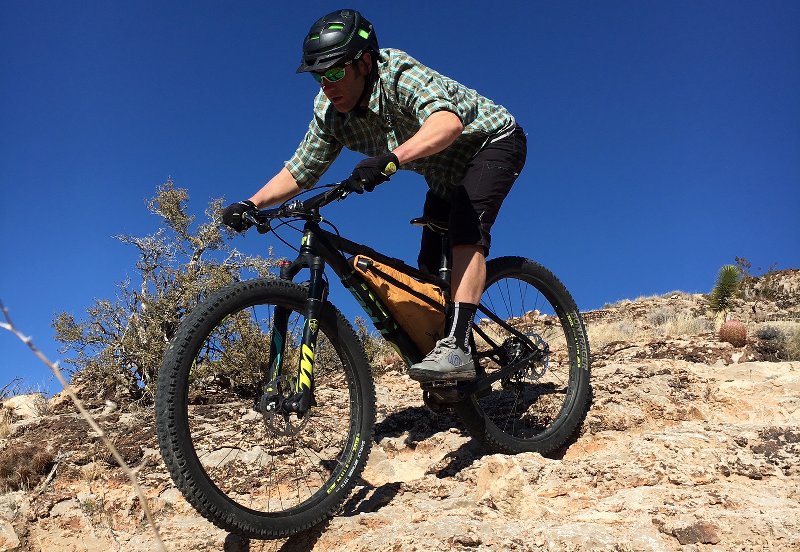
Reviewers were broadly aligned on what makes the Stache special: the 29+ wheel system fundamentally changes the ride. Across outlets including BikeRadar, OutdoorGearLab, Flow Mountain Bike, and others, the bike was described as a "monster truck," "hovercraft-like," and unusually comfortable for a hardtail. Testers consistently praised the way the 3.0in Bontrager Chupacabra tires on 50mm rims muted trail chatter, carried momentum through rocks and roots, and delivered exceptional traction on technical climbs. Several reviewers also highlighted how Trek’s very short rear end made the bike far more maneuverable than expected, with manuals, front-wheel lifts, and tight line changes feeling easier than on most big-wheeled hardtails.
The drawbacks were just as consistent. Reviewers repeatedly noted sluggish acceleration and heavy rotational feel, especially from a standstill or in stop-start terrain. BikeRadar called out the burdensome wheel and tire weight, while OutdoorGearLab found the bike better on smoother, rolling trails than on highly technical descents. Multiple testers warned that the Stache is extremely sensitive to tire pressure, with a narrow setup window before the ride turns harsh, vague, or bouncy. There were also recurring complaints about the stock Chupacabra tires’ durability in rocky terrain, occasional leg rub from the ultra-short rear end, and on some builds, missing or problematic equipment such as the lack of a dropper post on lower-tier models. The overall verdict was positive but specific: the Stache was seen as a highly entertaining, unusually capable hardtail for riders who value traction, momentum, and simplicity more than crisp acceleration or full-suspension composure.
Tested: Trek Stache 9 29+
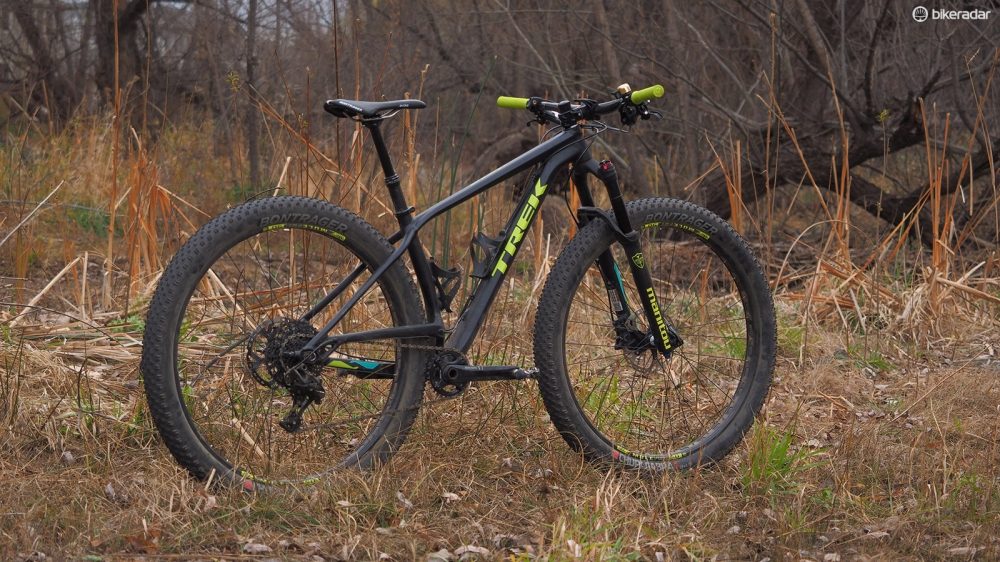
Trek Stache 9 review
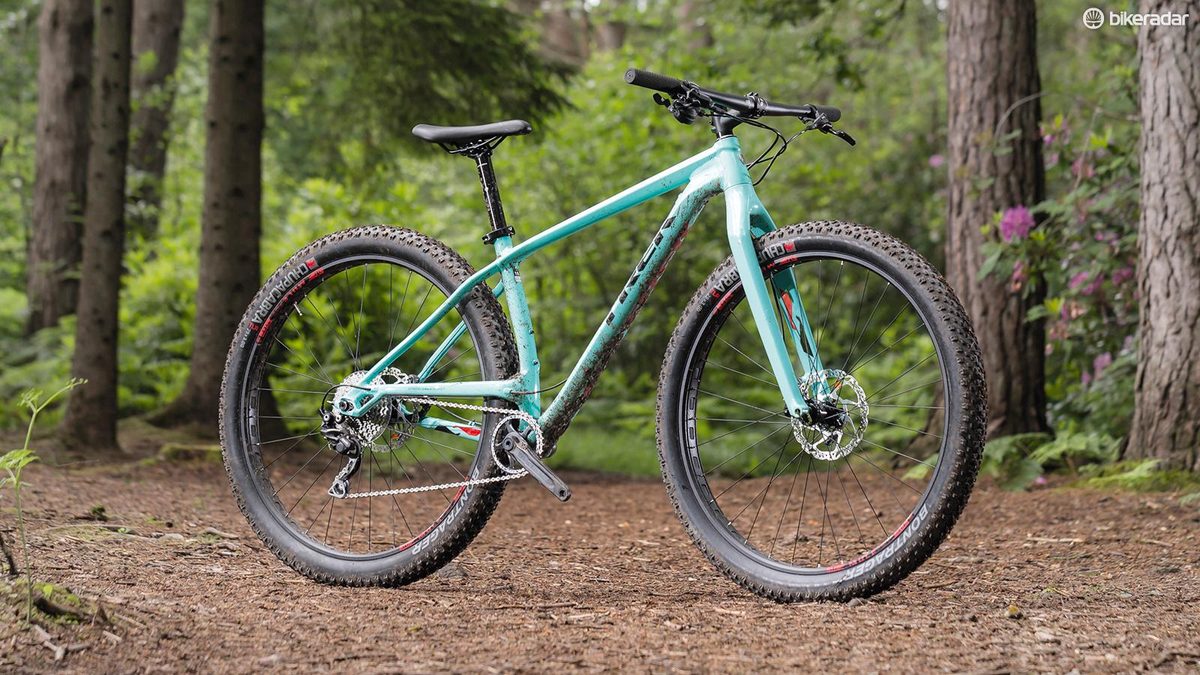
Trek Stache 5 review
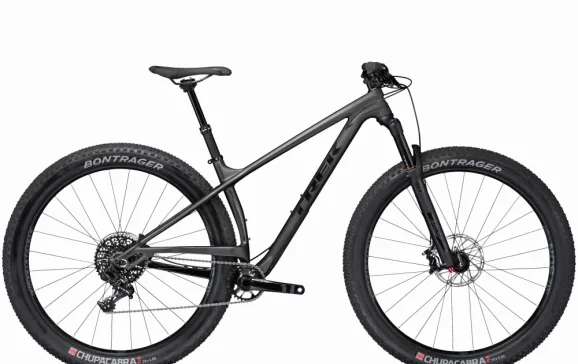
Trek Stache 9.6
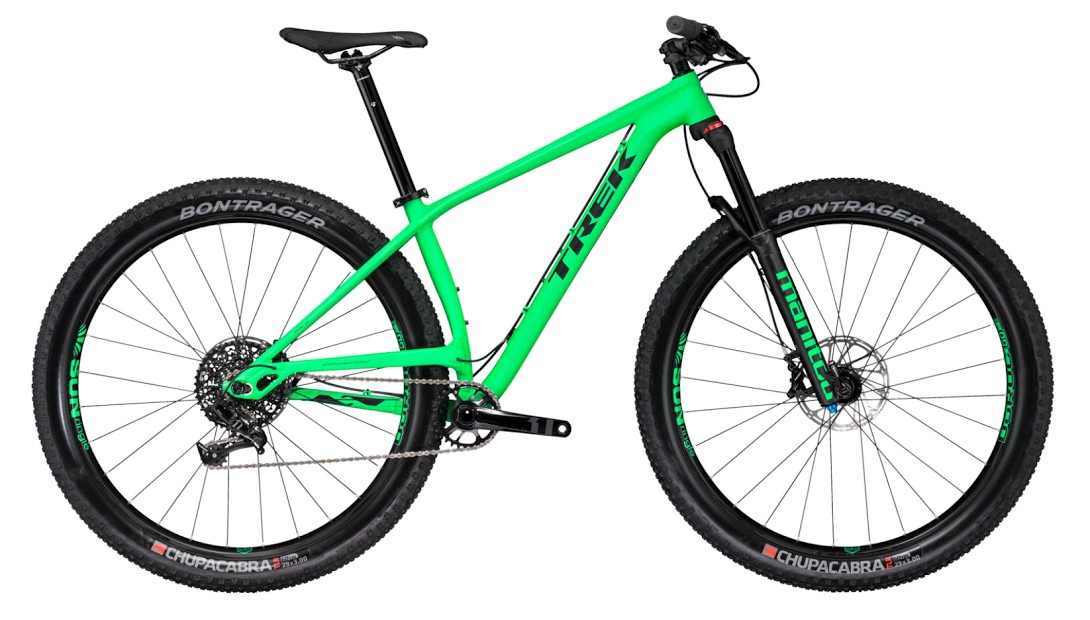
Trek Stache 7 2017 Review
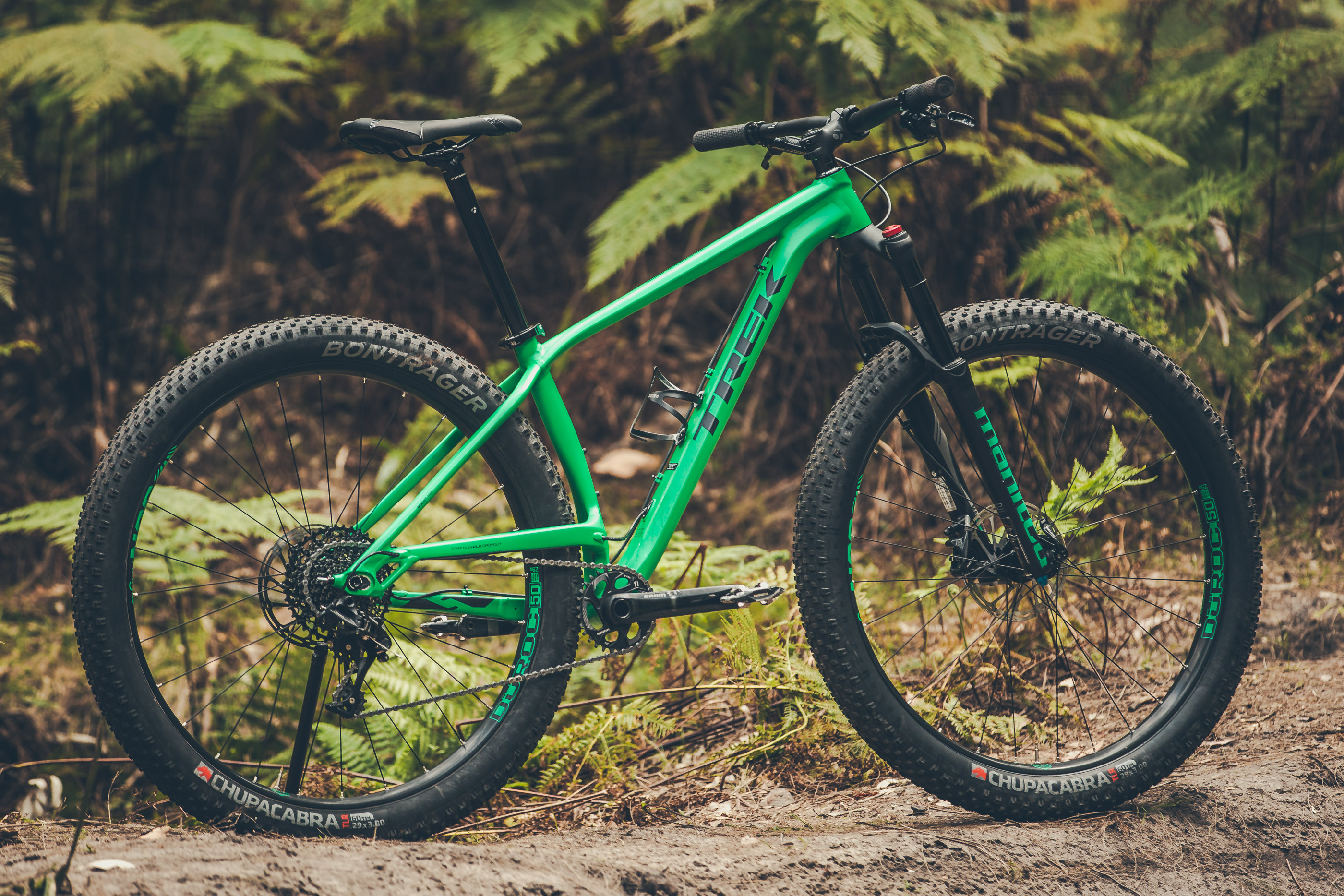
Tested: Trek Stache 7
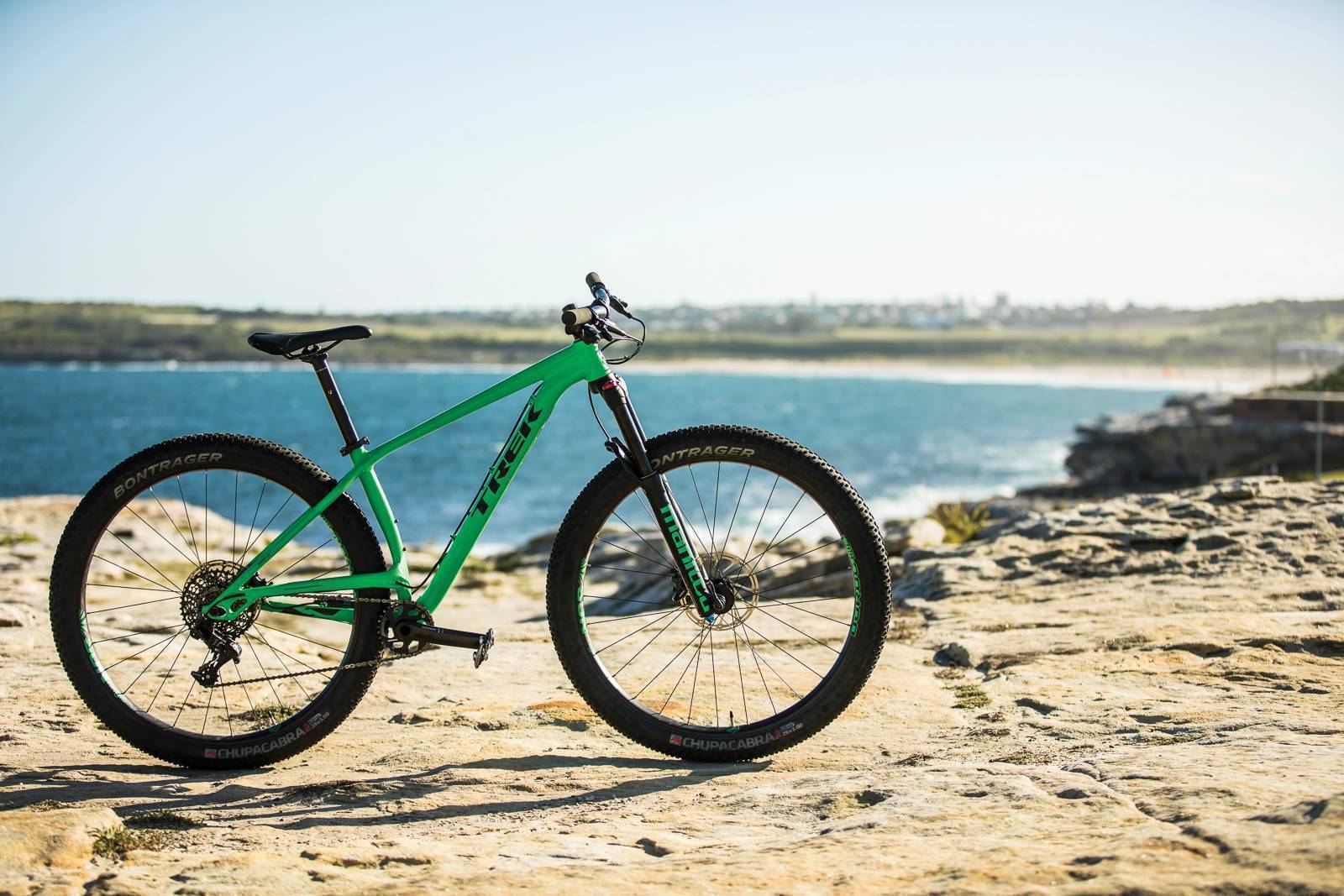
TESTED: Trek Stache - Australian Mountain Bike
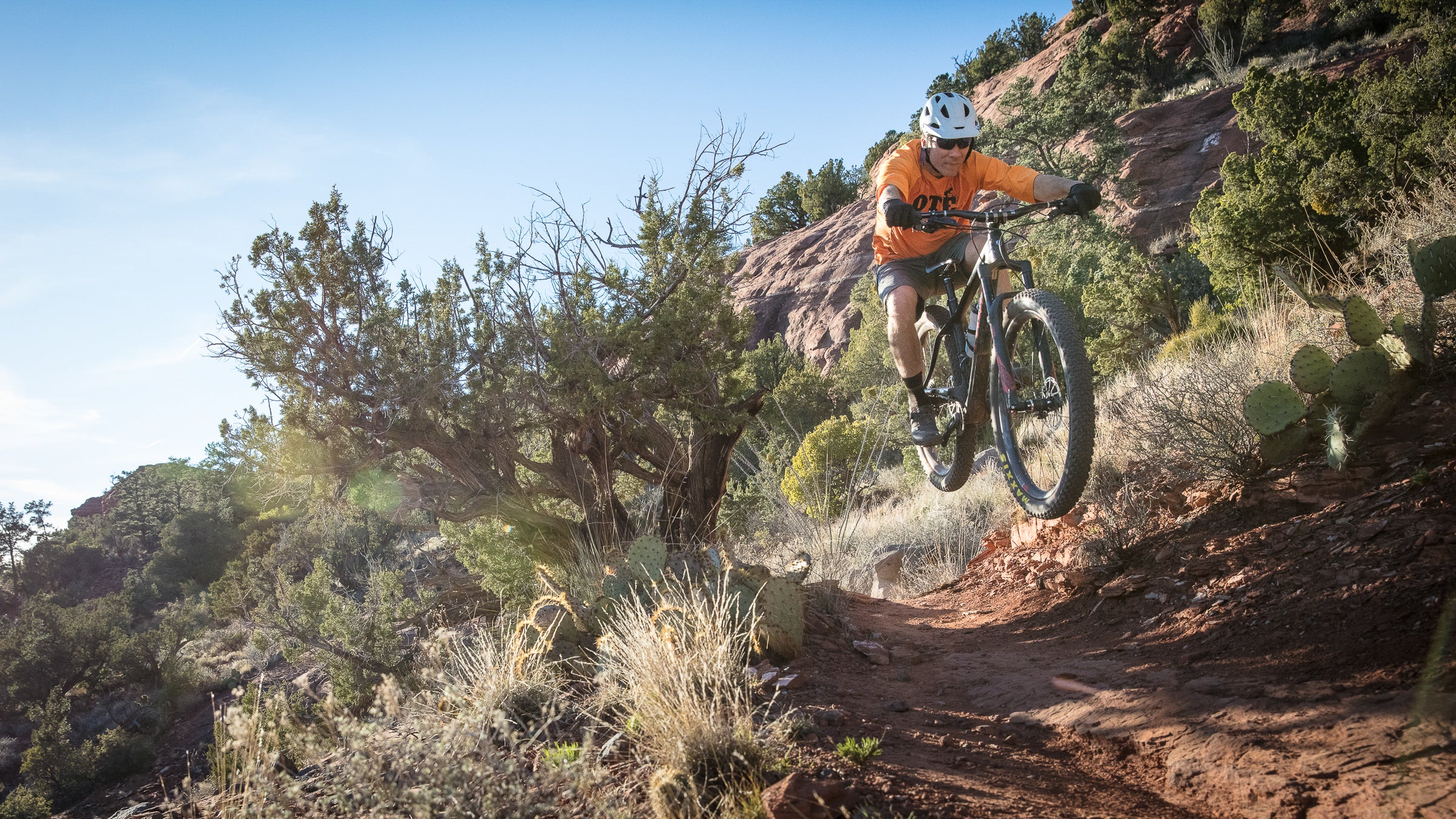
Six-Month Review: Trek Stache 9.8
Review: Trek Stache 9.8
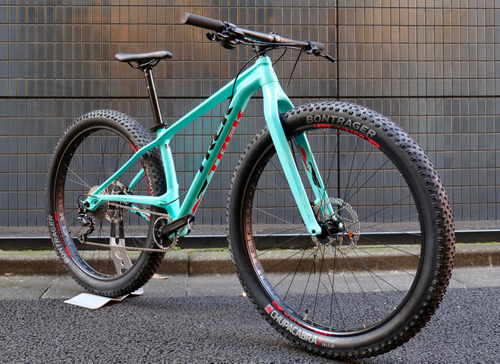
Trek Stache 5 Review - Jack's Blog
Trek Bikes Stache 9 2016 | Mountain Bike Reviews » Bikes » Hard Tails | Free Mountain Bike Magazine | IMB
2016 Trek Stache 7 Long Term Review - ShutUpLegs.ca
Trek Stache 9 29+ (2016) review - MBR
2016 Trek Stache 9 29+ Bike (discontinued) - Vital MTB
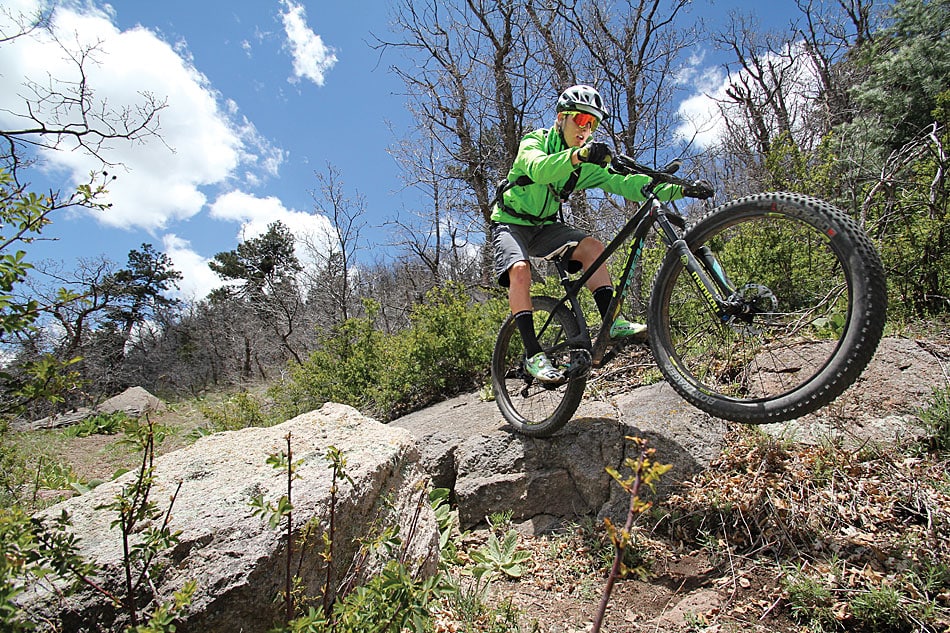
Bike Test: Trek Stache 9
Trek Stache 9 29+ - First Ride
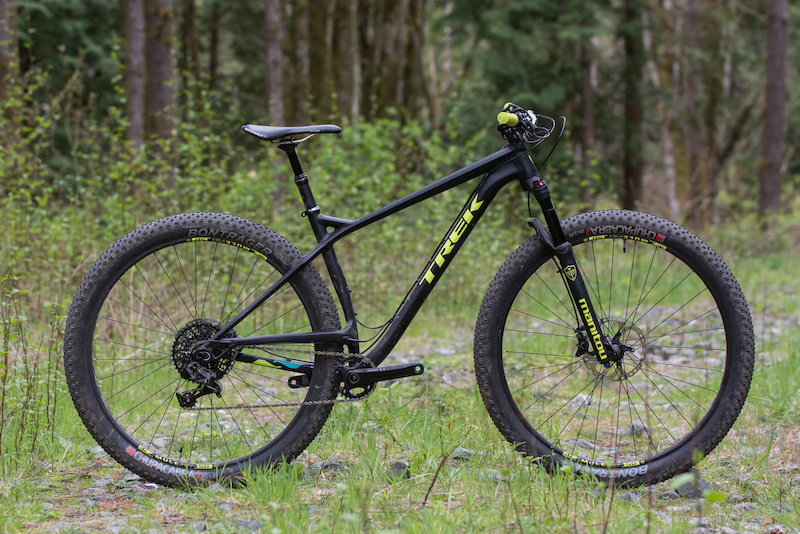
Trek Stache 9 - Review
Compared to.
Most-viewed comparisons.