Session
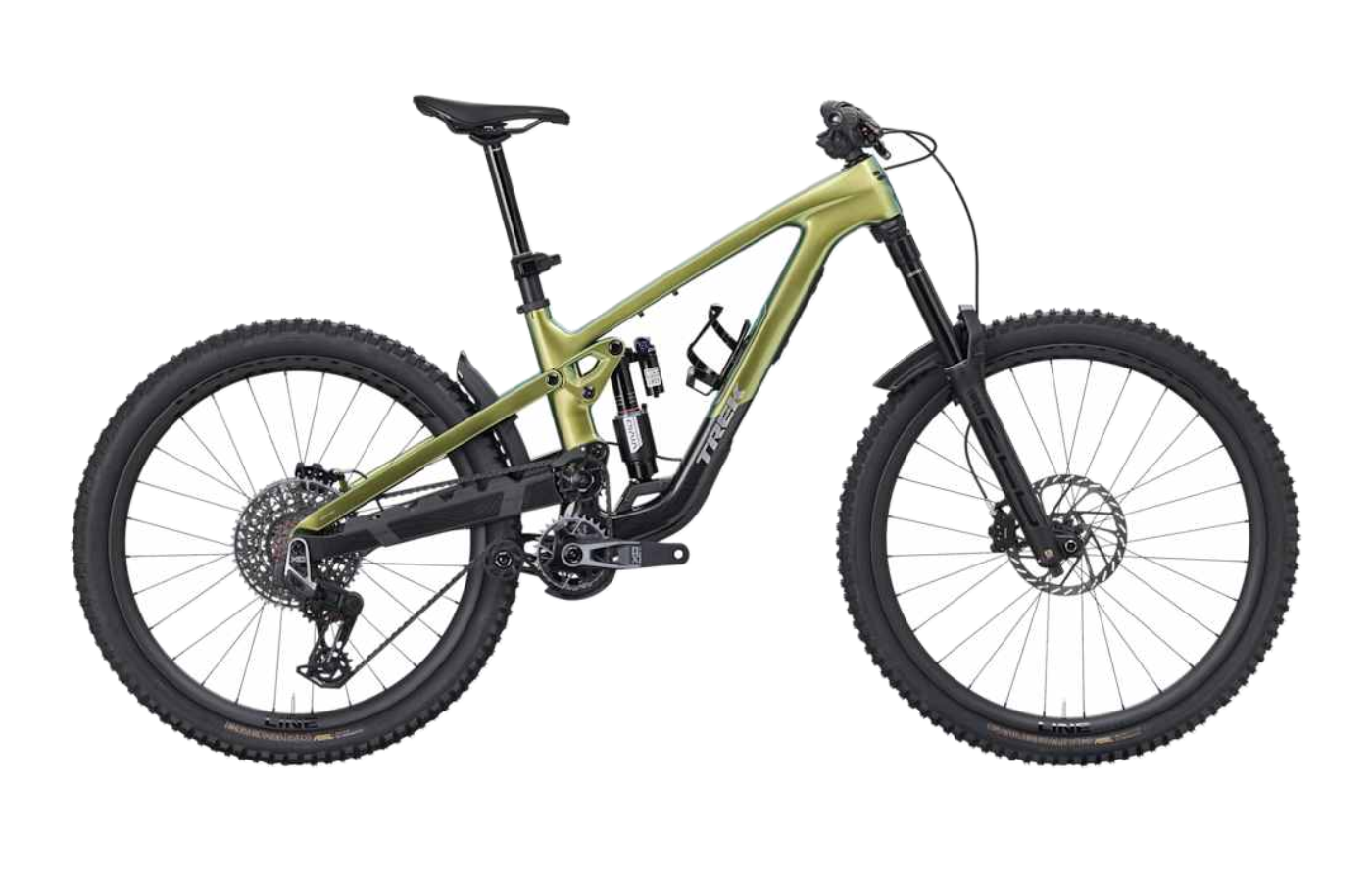
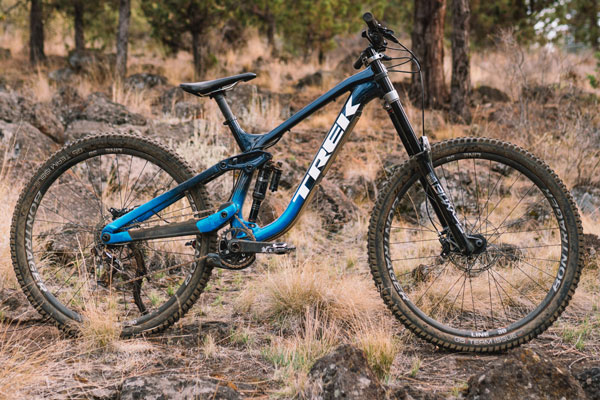
The 2021-onward Trek Session is a major reset for Trek’s downhill platform. Instead of evolving the previous carbon Session, Trek moved to an aluminum-only frame and a high-pivot suspension layout with an idler pulley, explicitly targeting better momentum retention and composure in rough terrain. That high main pivot is the defining feature of this generation: it creates a more rearward axle path to help the rear wheel move with square-edge impacts rather than hanging up on them, while the idler manages chain growth and keeps pedal kickback under control. This is not a generalist gravity bike dressed up as a race bike; it is a dedicated downhill chassis built around speed through violent terrain.
What separates this Session from many DH competitors is how much adjustability Trek wrapped around that race-first concept. The bike uses reach-based sizing (R1, R2, R3), size-specific chainstays, and wheel-size flexibility for full 29, mixed-wheel, or full 27.5 setups with the proper configuration. Trek also added a dedicated suspension Mino Link to change progression from 20% to 25%, giving riders a meaningful setup tool rather than a token flip chip. Practical details matter here too: full-coverage frame protection, user-choice internal or external routing, and a mechanic-friendly aluminum frame all reinforce that this bike is meant to be ridden hard, serviced often, and kept in use for multiple seasons.
In the market, the current Session sits squarely in the modern high-pivot DH category, but with a distinctly Trek interpretation. It is less about light weight or showroom-material prestige and more about calmness, durability, and race utility. That makes it especially relevant for riders focused on steep, rough tracks and privateers who value setup range and dealer support, even if the aluminum-only approach makes its pricing a tougher sell against some carbon-equipped rivals.
From the press.
8 reviews from the cycling press.
Reviewers were largely aligned on the current Session’s core character: it is an extremely calm, planted downhill bike that excels when speeds are high and the trail is rough. The Loam Wolf described it as feeling like a "cheat code" once the front end was dialed, especially on steep, double-black terrain, while Vital MTB said it "scoffs at square edge hits." Much of that praise centered on the high-pivot layout and idler, which multiple outlets said helped the bike carry speed through rock gardens and braking bumps while dramatically reducing pedal kickback. Blister also highlighted the ABP rear suspension behavior under braking, noting that the bike stays active instead of stiffening up in rough, steep sections.
The aluminum frame choice also drew meaningful comment. Several reviewers noted that Trek’s own racers preferred the calmer, more compliant feel of the alloy chassis over carbon, and testers generally agreed the bike feels notably muted and quiet on trail. AMB called the ride very muted, and more than one review praised the Session’s lack of mechanical noise thanks to effective frame protection and routing. That quiet, damped feel was seen as a genuine strength for fatigue reduction on long descents, with Vital specifically pointing to less foot and ankle fatigue because the pedals are not being kicked backward as harshly as on the previous generation.
The tradeoff, according to nearly every review, is that the Session is not especially playful. Blister said it pumps and pops fine but lacks the lively, flickable feel of a more park-oriented bike, and The Loam Wolf noted a learning curve in tight corners because the long rear end becomes harder to snap around as the suspension compresses. Reviewers consistently framed it as a race bike first, not a jibby bike-park machine. Value was another mixed point: the Session 8 was widely seen as the smart buy at $4,999, while the Session 9’s $6,999 price was harder to justify given the aluminum frame and competition from lower-priced carbon rivals. A near-universal complaint was the stock 180 mm rear rotor, which several testers said should be upgraded immediately for serious downhill use.
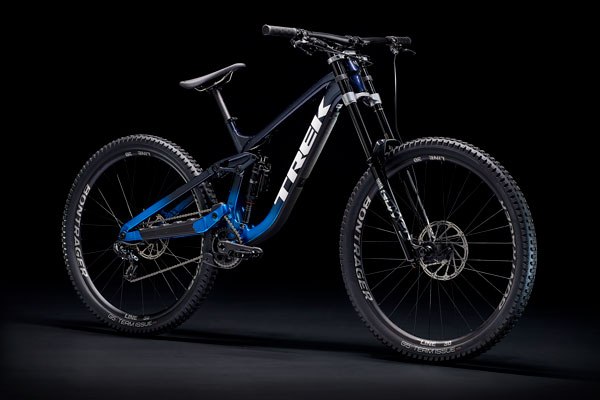
Dissected: The New 2022 Trek Session
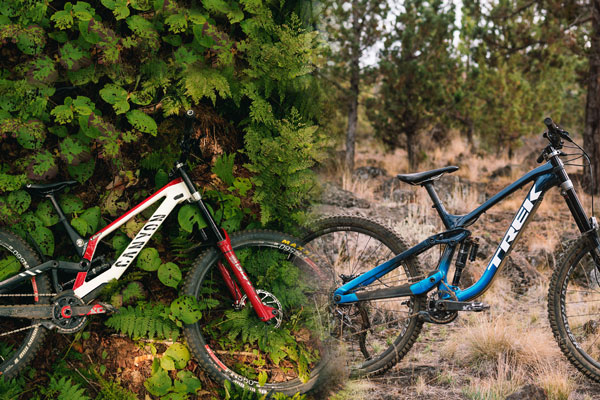
CANYON SENDER CFR vs. TREK SESSION 9 DOWNHILL BIKE REVIEW
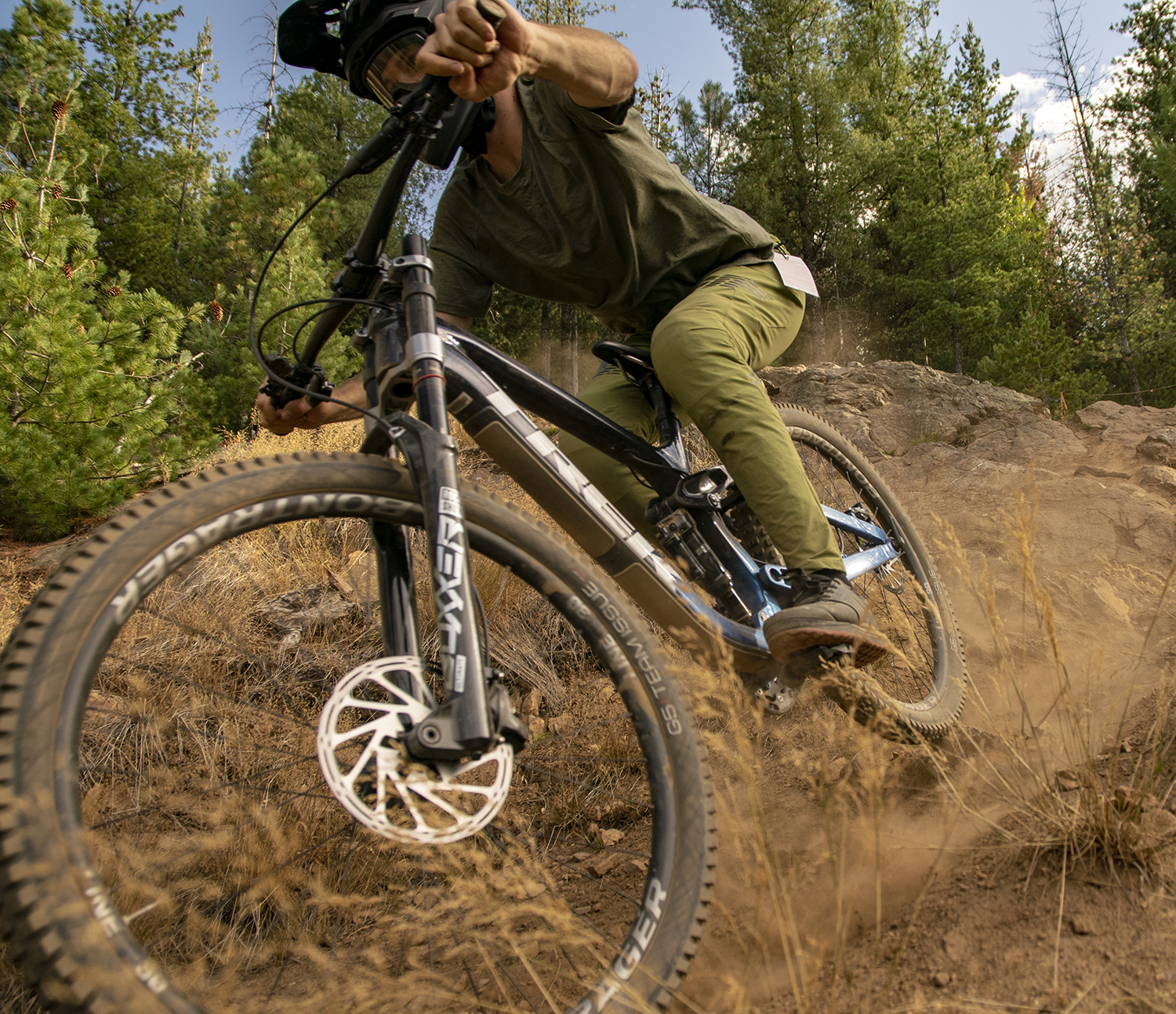
2022 Trek Session
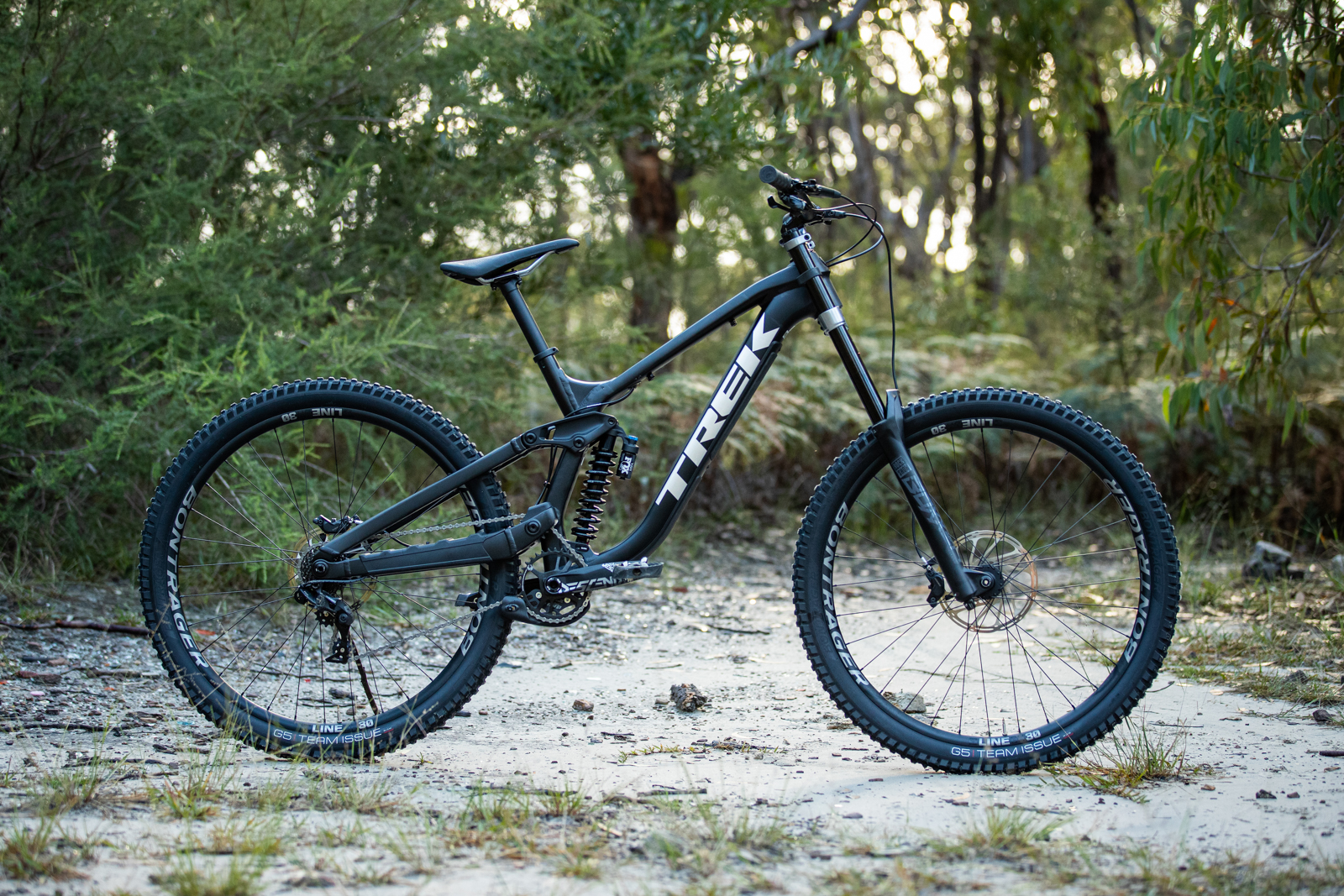
TESTED: 2022 Trek Session 8 - Australian Mountain Bike

$4,999 High-Pivot Trek Session 8 Review - Vital's Summer of Downhill
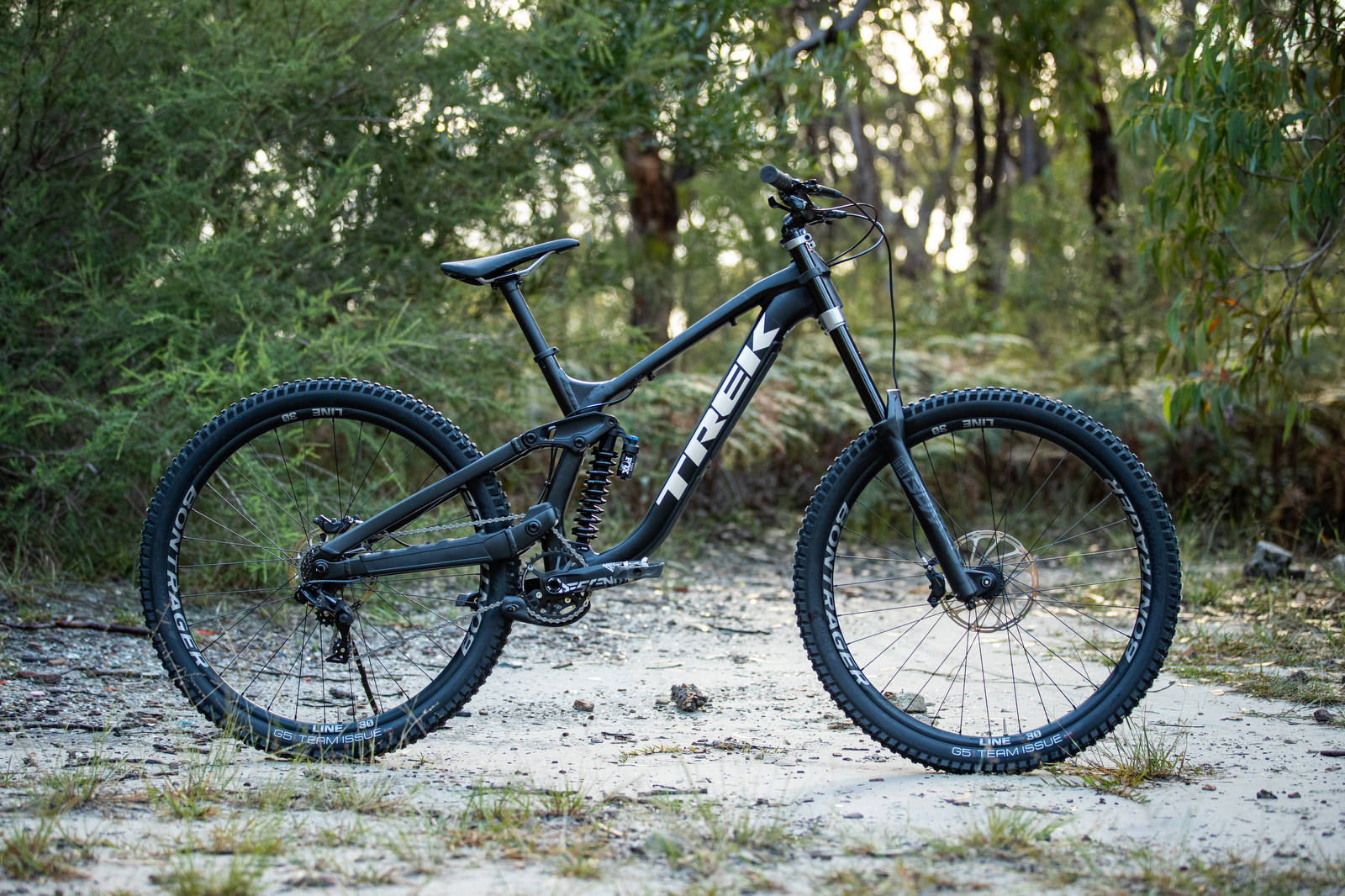
First rides on the 2022 Trek Session 8 - Australian Mountain Bike
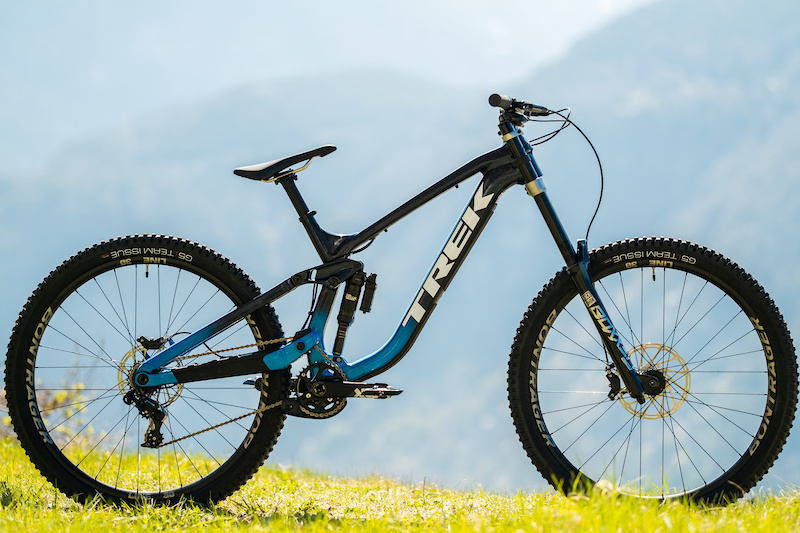
First Ride: 2022 Trek Session - Nope, Not Going to Say It
Compared to.
Most-viewed comparisons.