Roscoe
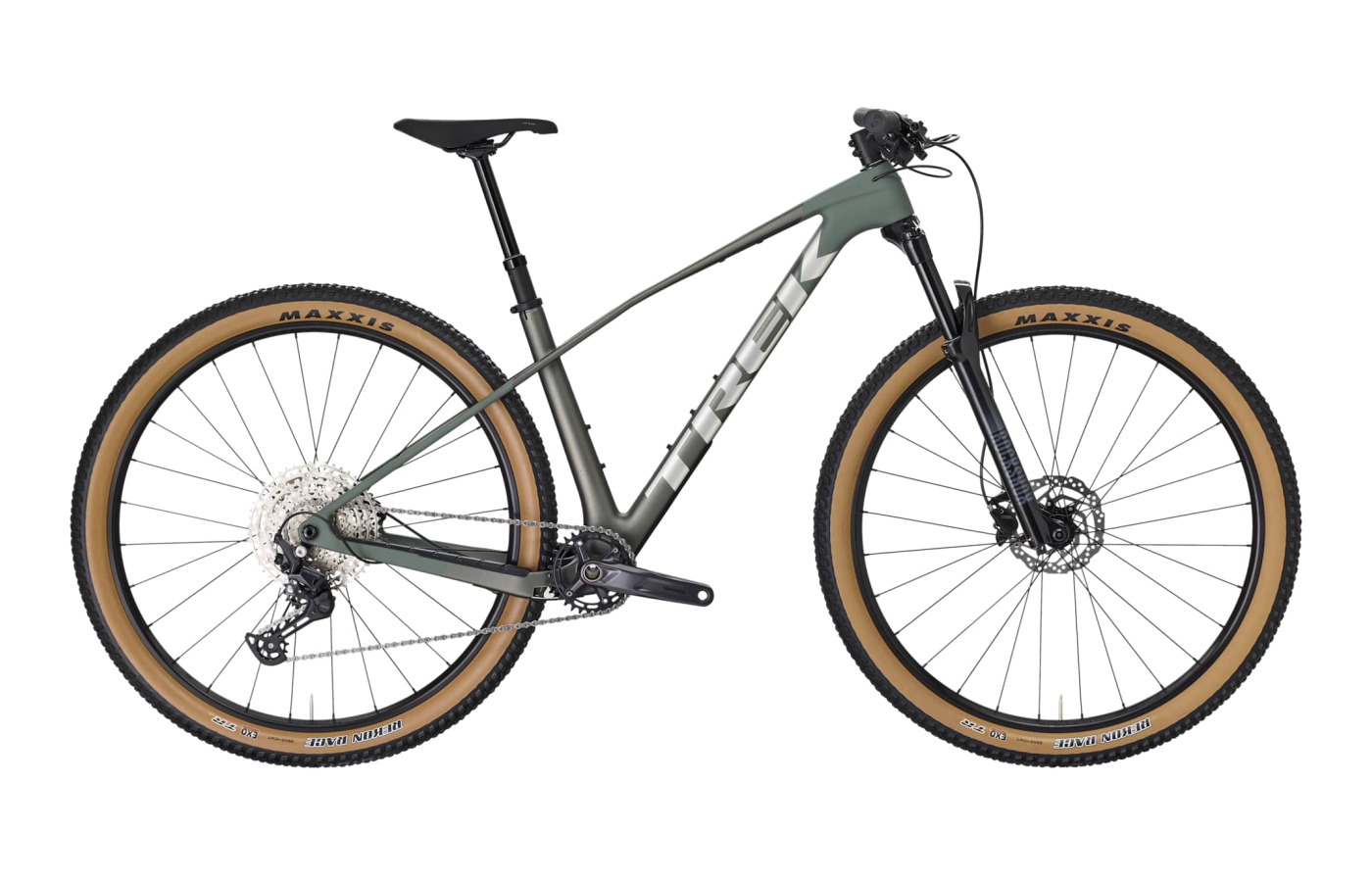
The 2026 Trek Roscoe Gen 4 pushes the Roscoe deeper into the modern hardcore-hardtail category. The biggest change is the move to a 150mm fork as standard, backed by a frame that is also approved for longer forks, which shifts the bike away from general trail hardtail territory and toward more aggressive descending and technical riding. Trek pairs that with a revised frame layout aimed at lower standover and significantly better dropper-post insertion, making the bike easier to move around on steep or awkward terrain.
The frame details show a clear emphasis on durability and current standards rather than novelty. Gen 4 uses zero-stack headset cups, allowing angle-adjust headset compatibility, and includes a threaded bottom bracket, UDH, Boost 148 spacing, ISCG-05 tabs, internal routing, and a bolt-on downtube guard. Trek also rethinks utility around the long-dropper concept: bottle mounts are moved to the downtube only, while complete bikes include a frame-specific bolt-on bag. That combination gives the Roscoe a practical edge for riders who want storage on the bike without compromising saddle clearance.
In the market, the Roscoe Gen 4 sits as a purpose-built aggressive aluminum trail hardtail rather than an entry-level or all-round hardtail. It is aimed at riders who want hardtail simplicity and direct trail feel, but with geometry, fork travel, and frame features that can keep up with modern technical trails. Compared with lighter or cheaper trail hardtails, it is more specialized and more robustly equipped for descending; compared with boutique hardcore hardtails, it offers a mainstream, future-proof platform with unusually thoughtful frame integration.
From the press.
1 review from the cycling press.
Early reviews of the Roscoe 8 Gen 4 describe a bike that has become noticeably burlier without turning dull or cumbersome. Reviewers repeatedly point to the 150mm Fox Rhythm 36 as a defining upgrade, noting the fork's stiffness and composure in rough terrain and the way its adjustability lets riders tune the front end for different trails. The bike's 29 x 2.5in tires, 4-piston Shimano Deore brakes, and 203mm front rotor also drew praise for giving the Roscoe a level of confidence and stopping power that feels closer to a short-travel full-suspension trail bike than a typical hardtail.
A consistent theme is that the Roscoe still feels playful despite its more aggressive intent. One reviewer specifically said it "feels fast" and does not ride like a sluggish "monster truck" on flatter terrain. The upright cockpit, helped by the stock 40mm-rise bar, was described as notably comfortable, and the deep dropper insertion was a major talking point. On medium and larger sizes, the stock 200mm TransX dropper gives riders far more room to move, and reviewers said that makes it easier to "really get wild" on steeper descents and in corners.
Criticism was mostly aimed at value and finishing-kit choices rather than the core frame or trail performance. Reviewers noted that at about $2,400, the Roscoe 8 sits high for an aluminum hardtail, especially with some lower-rent details such as a stem shared with Trek's cheaper Marlin range and a 31.8mm bar clamp rather than a 35mm setup. They also pointed out the inherent limitation of any hardtail: despite the high-volume tires and quality fork, it will still be more fatiguing than a full-suspension bike on long, chattery descents. Even so, the overall verdict was that Trek got the fundamentals right: strong frame quality, useful standards, sharp braking, quick hub engagement, and geometry that makes the bike capable without making it awkward on everyday trails.

Compared to.
Most-viewed comparisons.
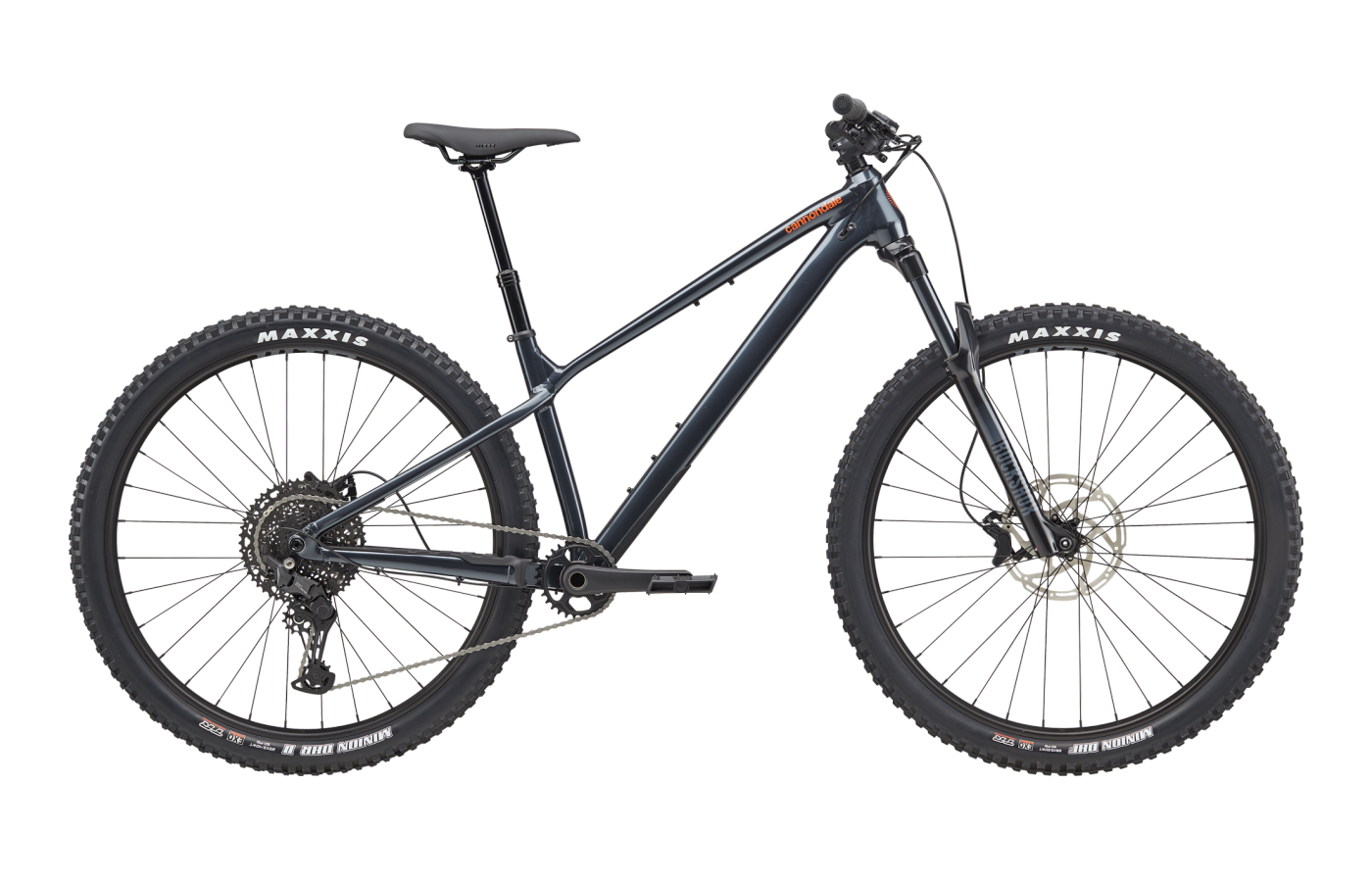
Cannondale Habit HT vs Trek Roscoe
Read comparison→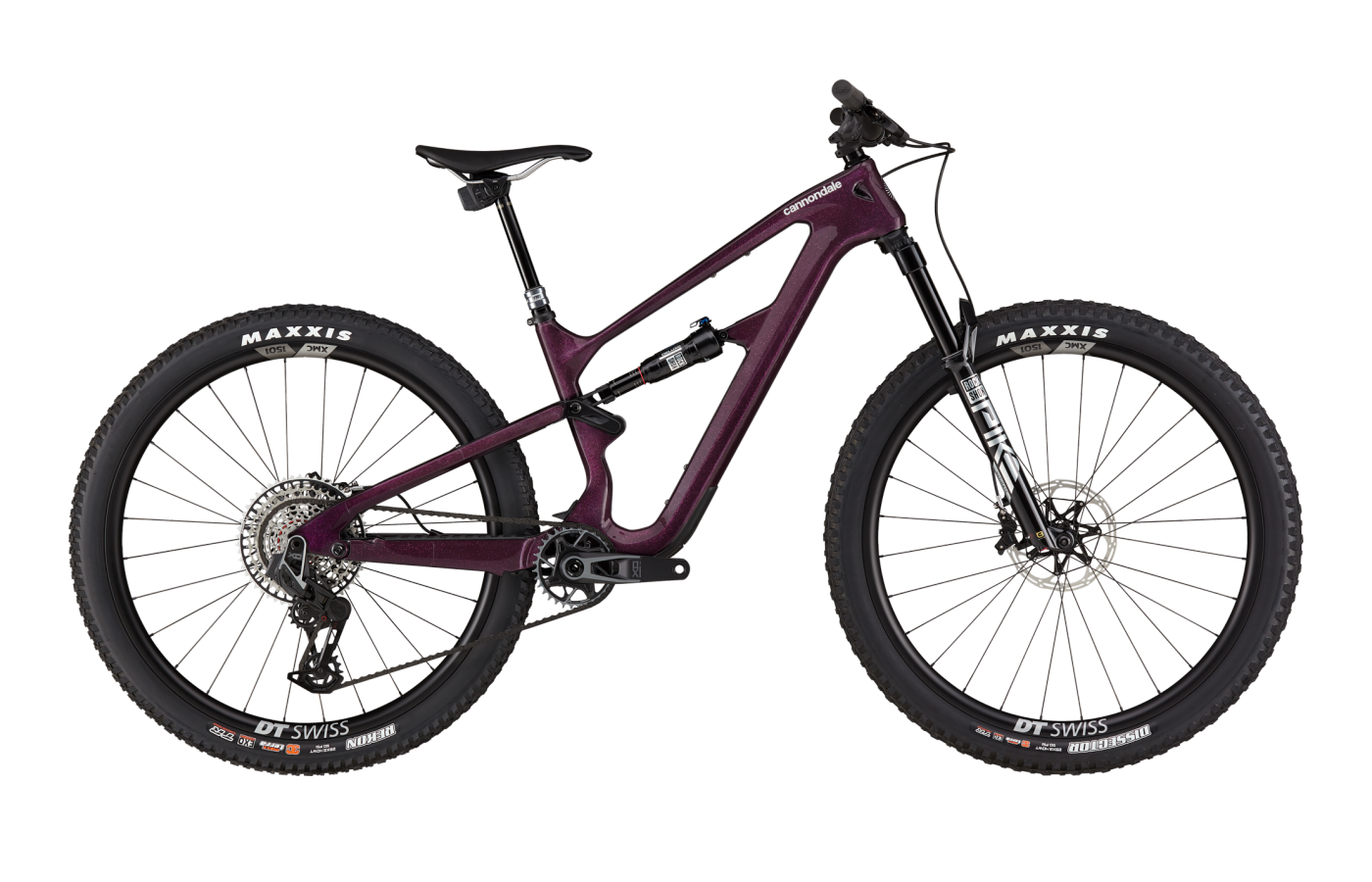
Cannondale Habit vs Trek Roscoe
Read comparison→
Devinci Kobain vs Trek Roscoe
Read comparison→Kona Big Honzo vs Trek Roscoe
Read comparison→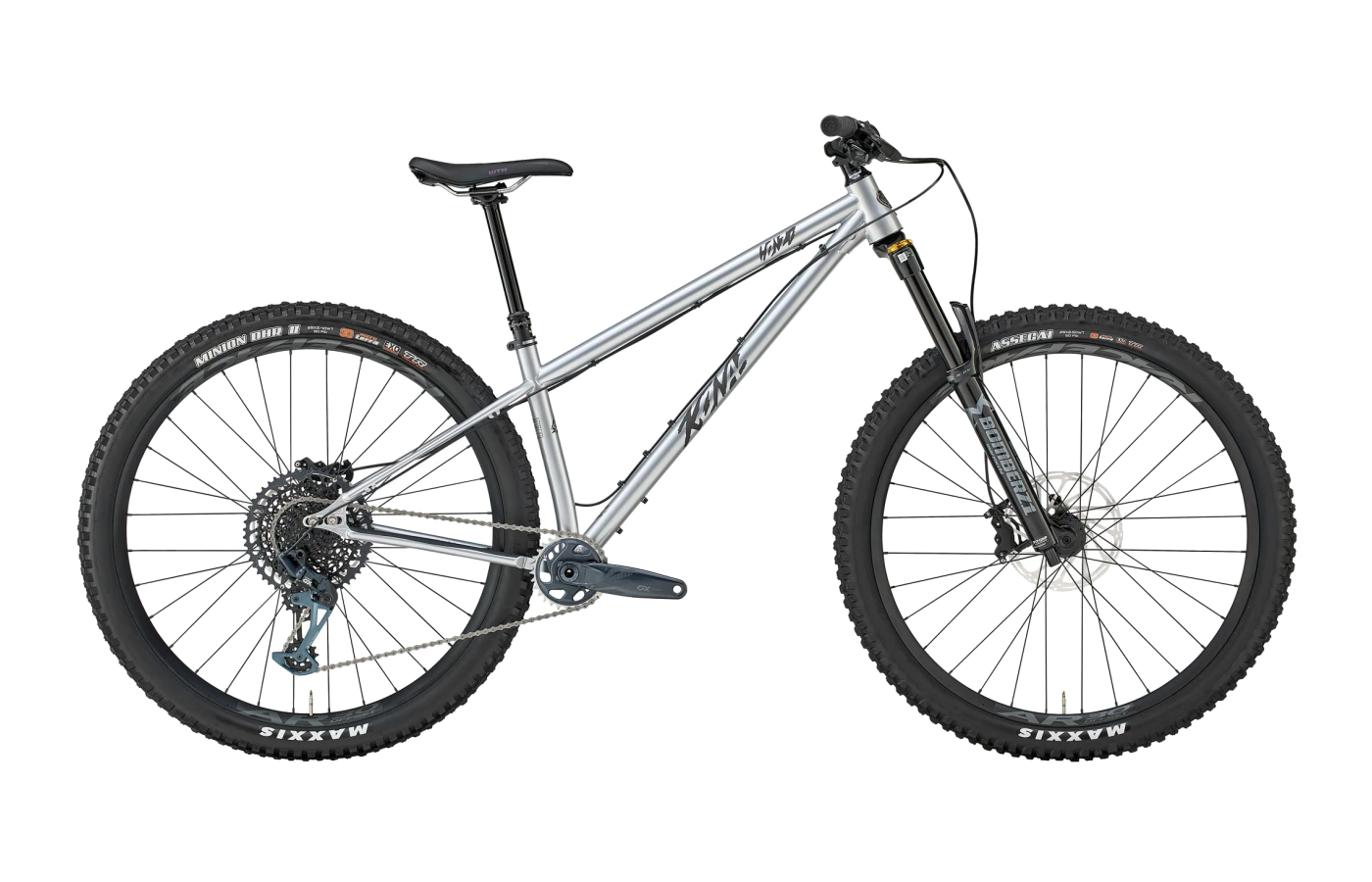
Kona Honzo vs Trek Roscoe
Read comparison→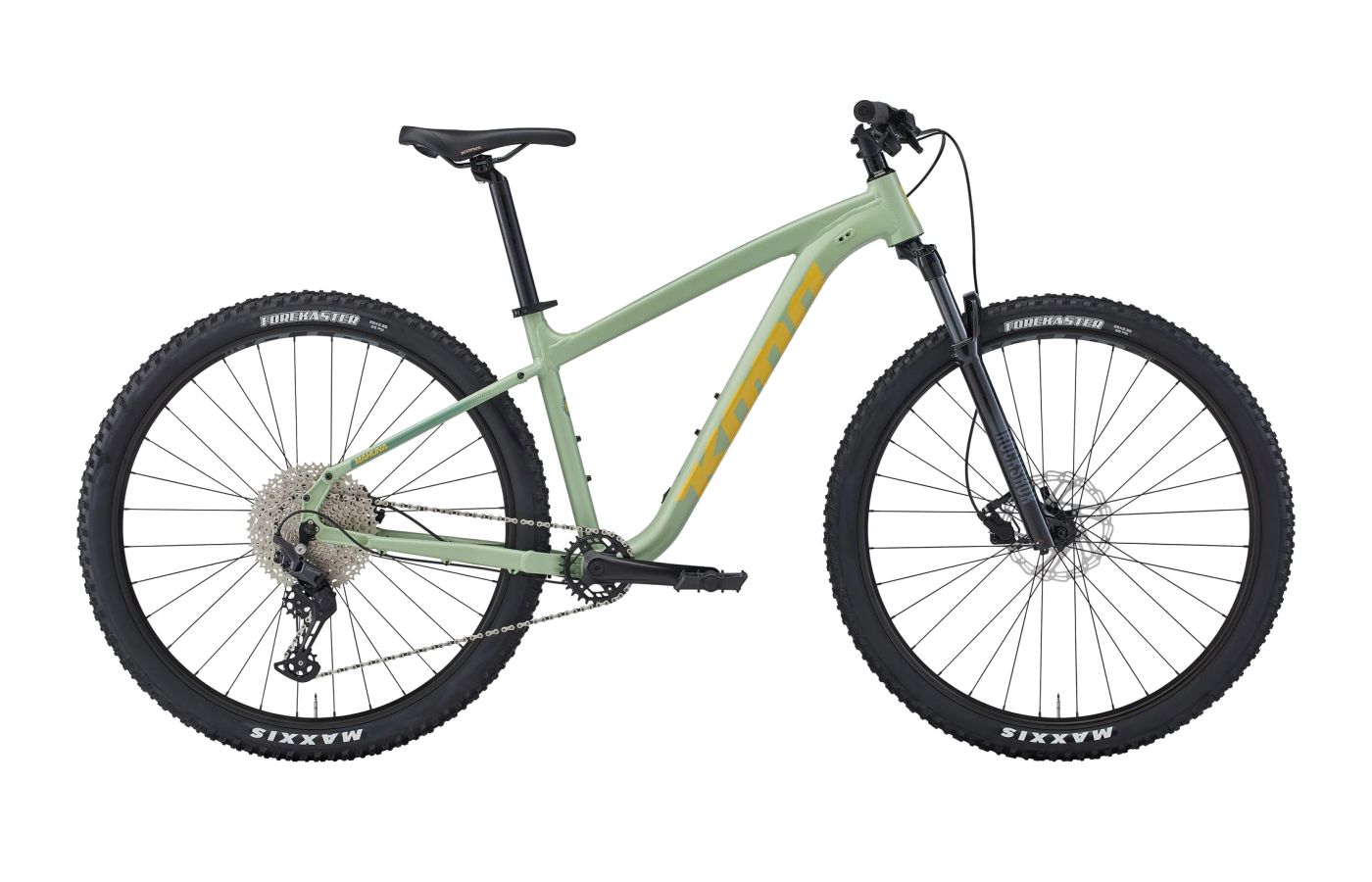
Kona Mahuna vs Trek Roscoe
Read comparison→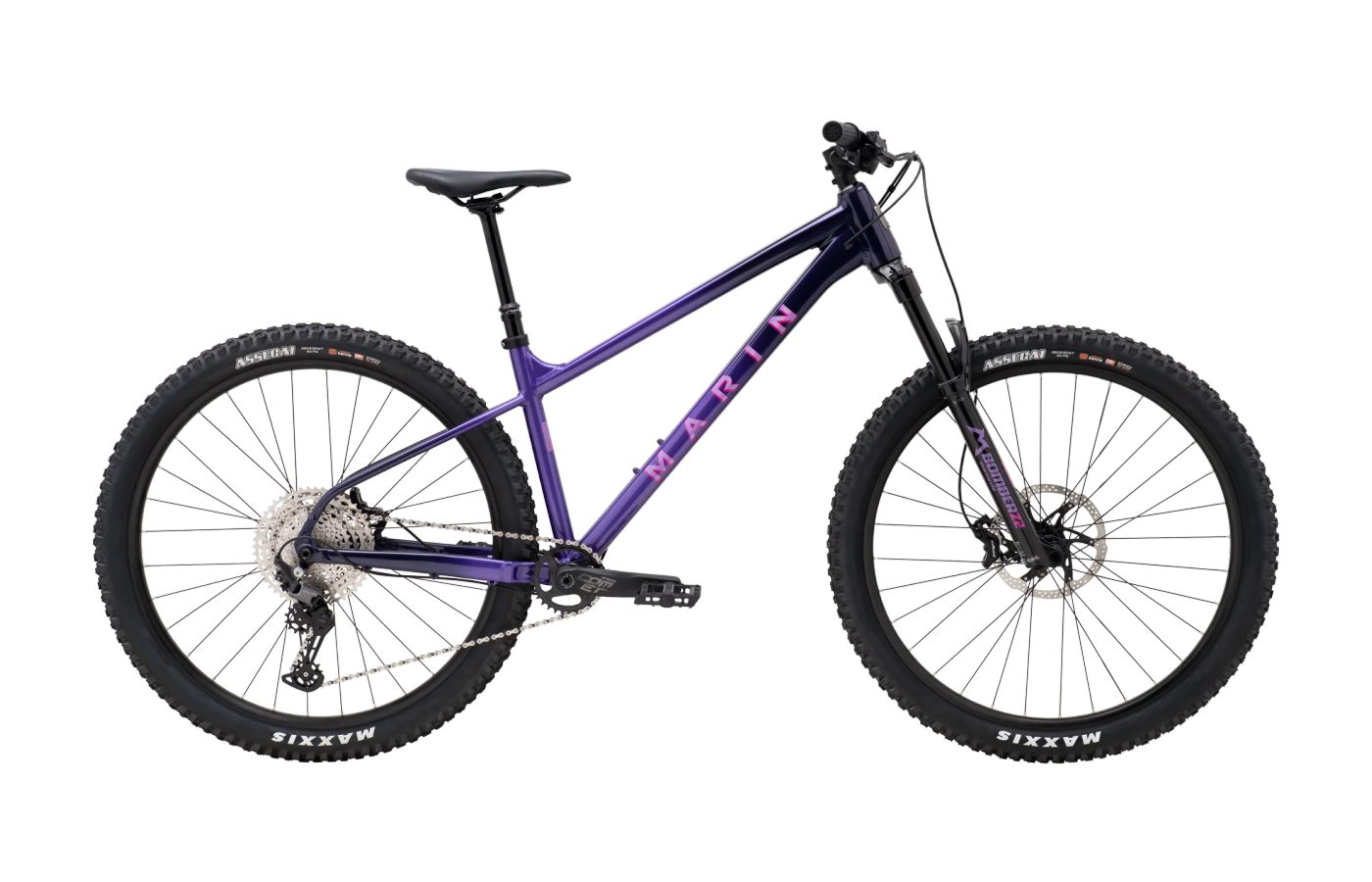
Marin San Quentin vs Trek Roscoe
Read comparison→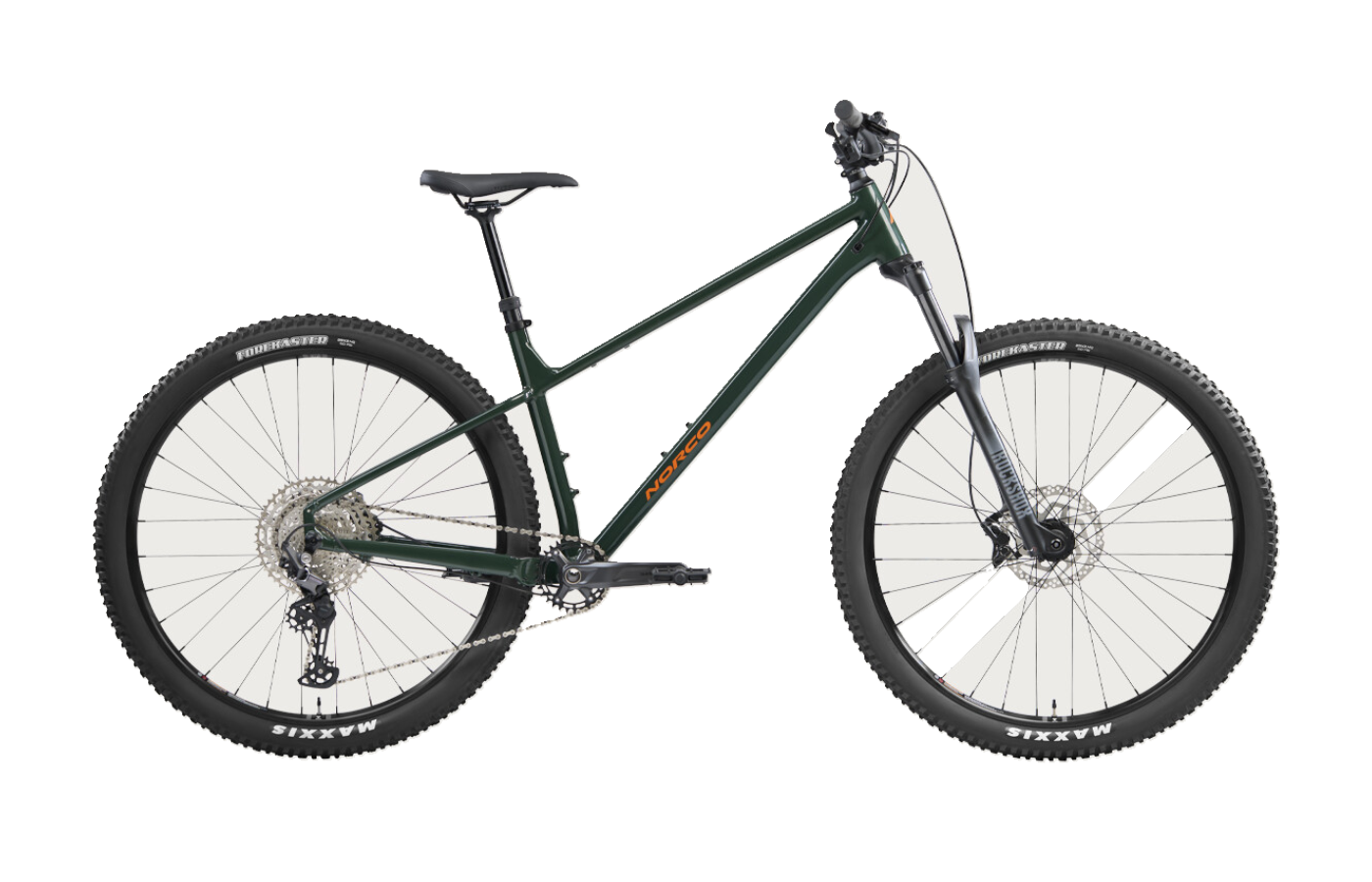
Norco Charger vs Trek Roscoe
Read comparison→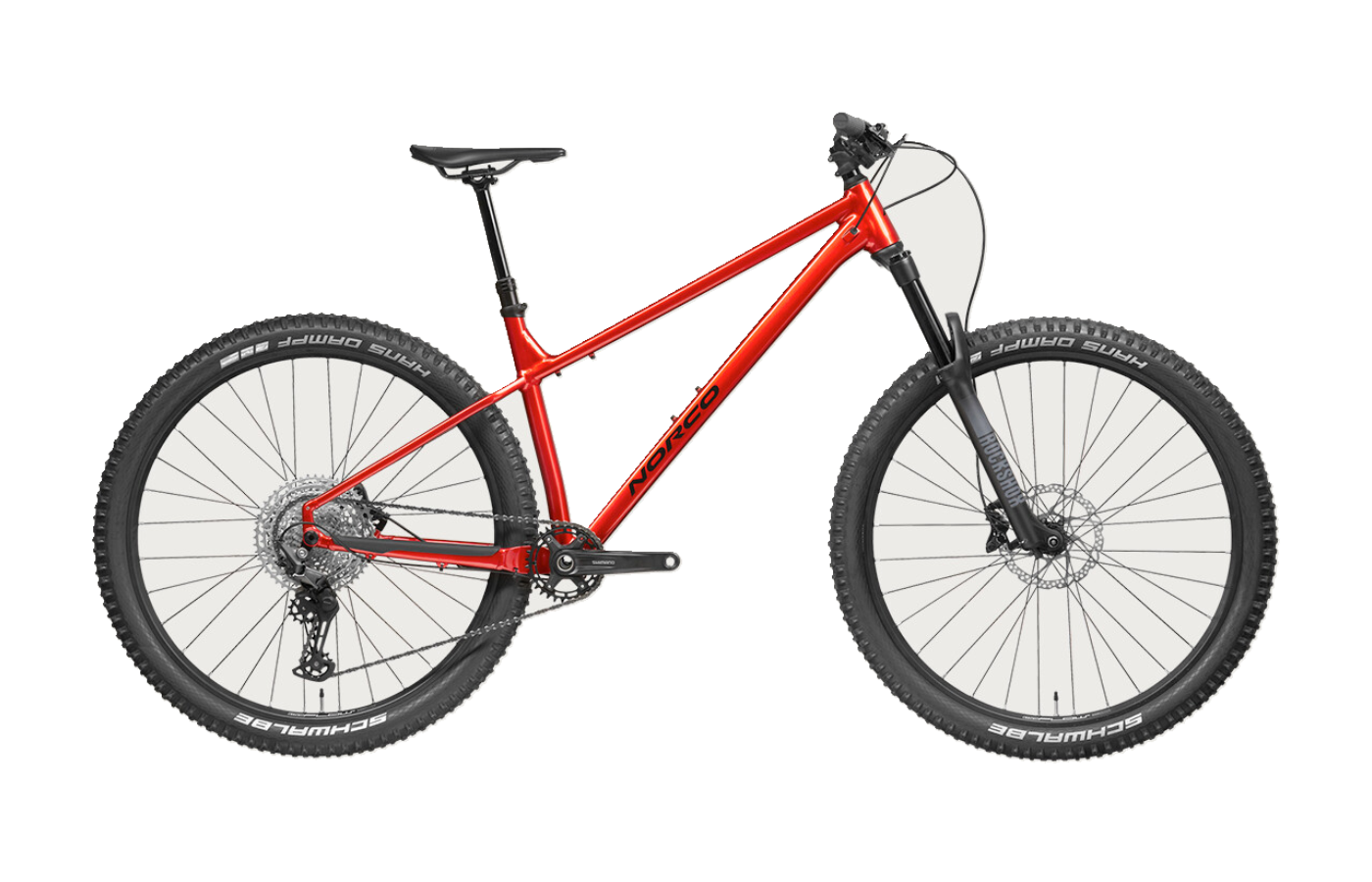
Norco Torrent vs Trek Roscoe
Read comparison→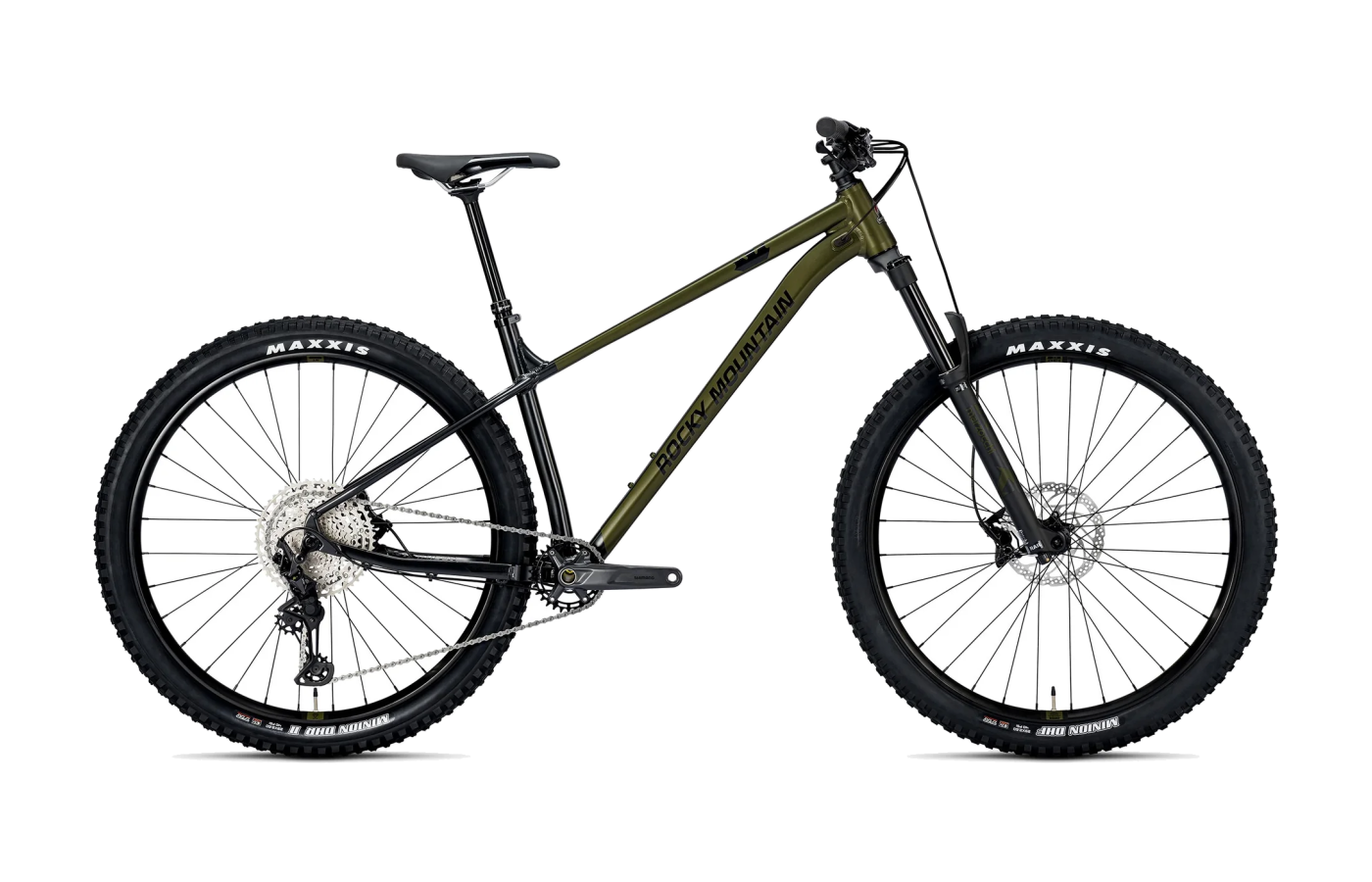
Rocky Mountain Growler vs Trek Roscoe
Read comparison→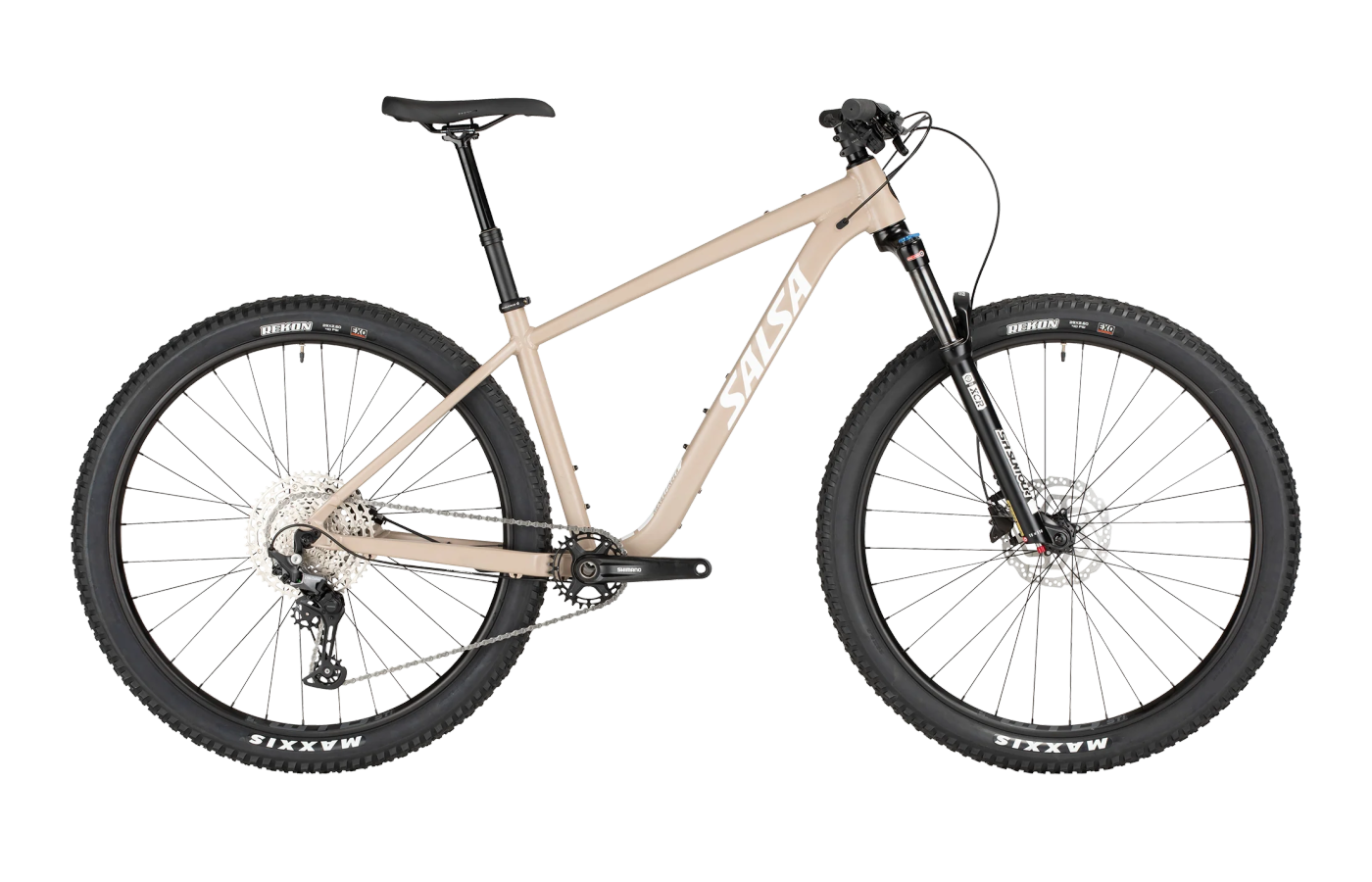
Salsa Rangefinder vs Trek Roscoe
Read comparison→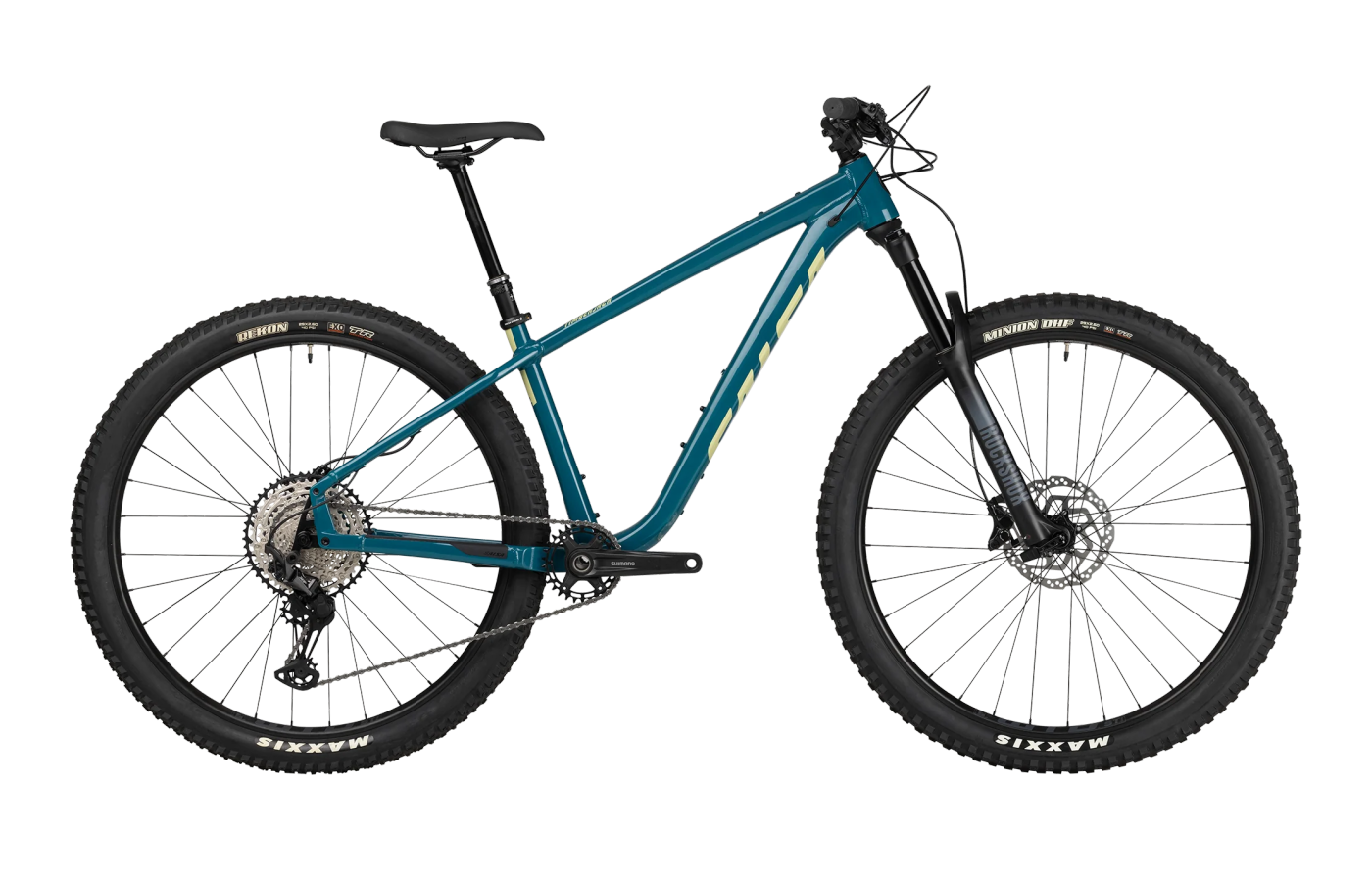
Salsa Timberjack vs Trek Roscoe
Read comparison→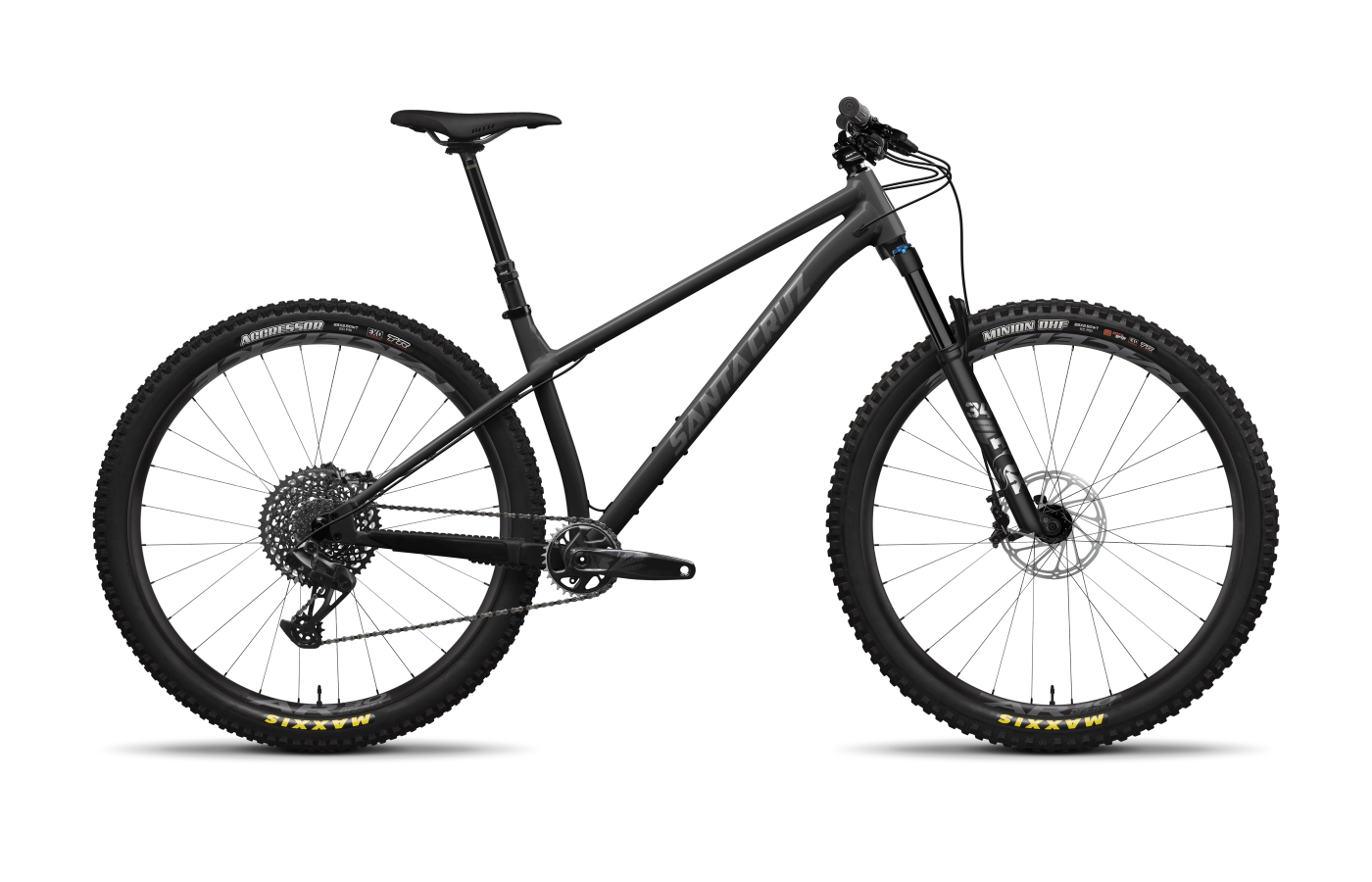
Santa Cruz Chameleon vs Trek Roscoe
Read comparison→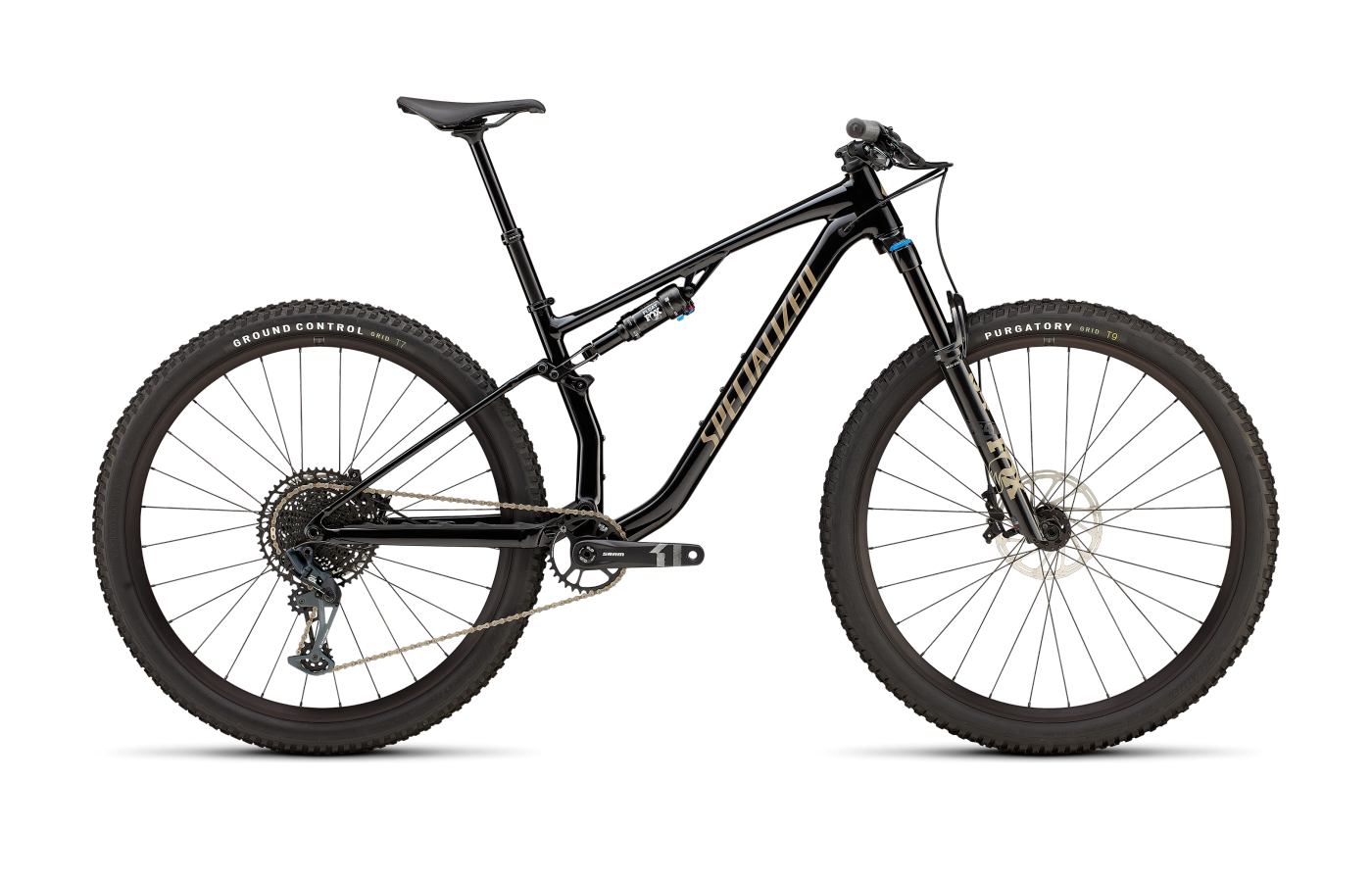
Specialized Chisel vs Trek Roscoe
Read comparison→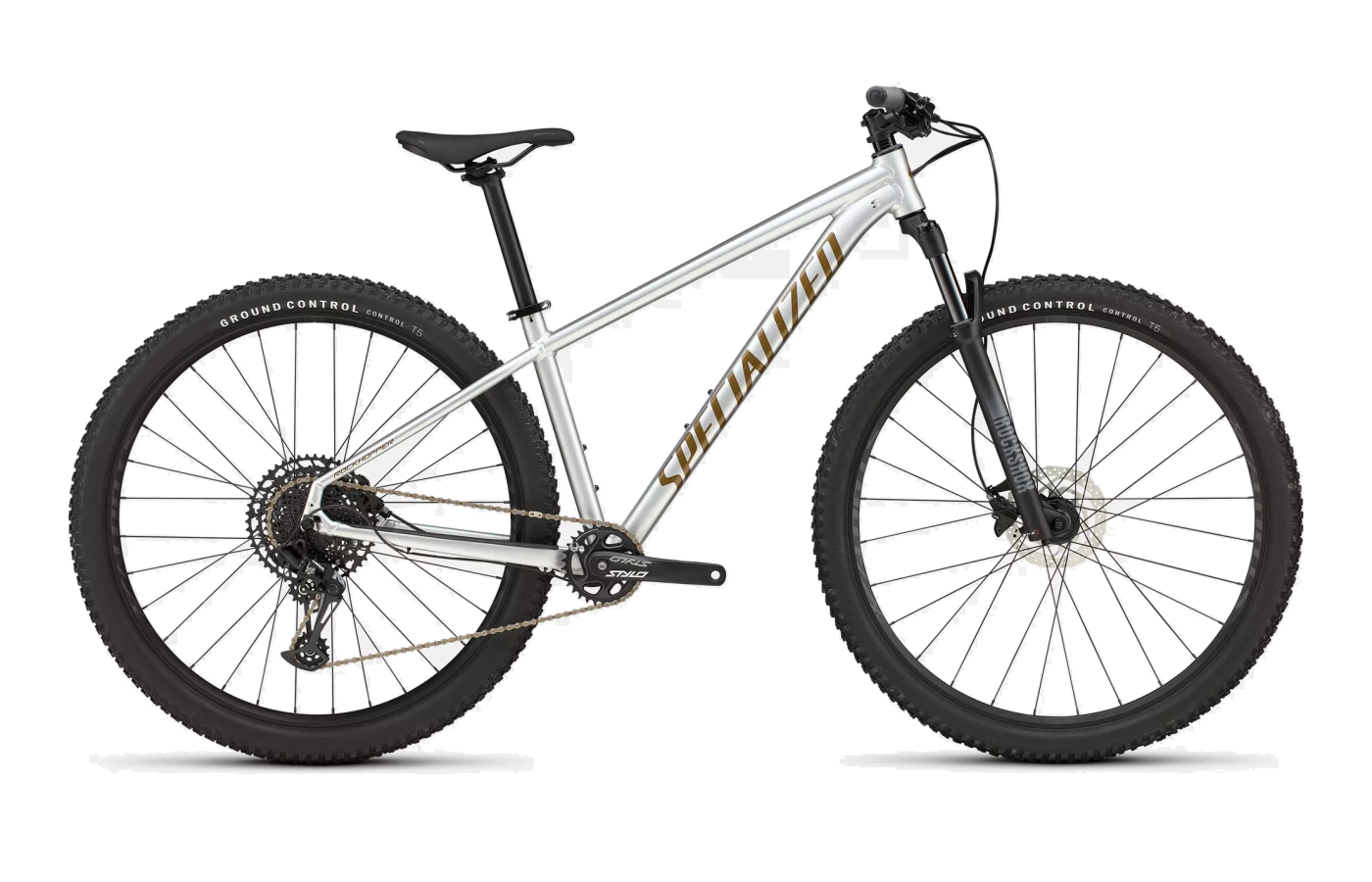
Specialized Rockhopper vs Trek Roscoe
Read comparison→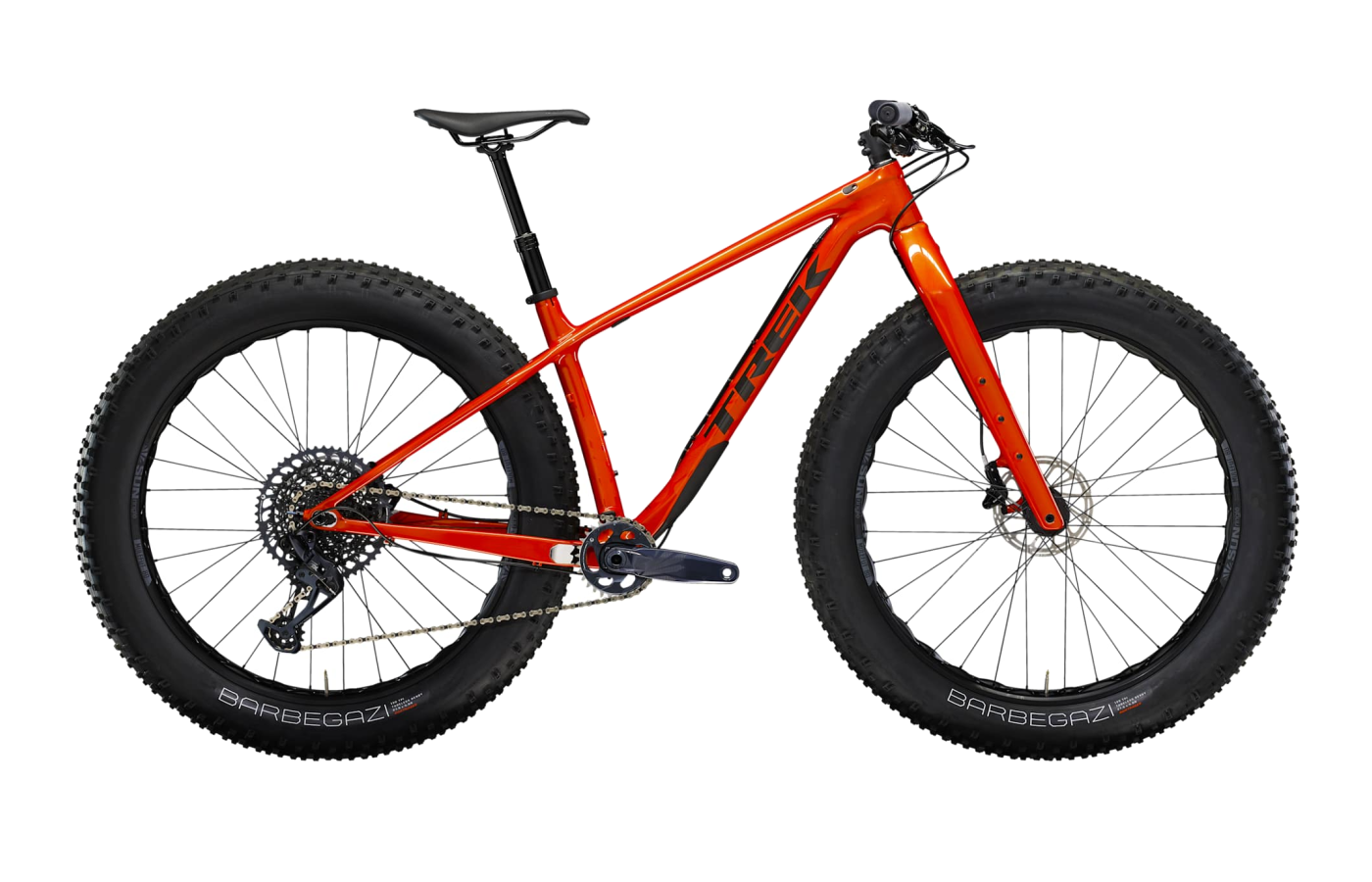
Trek Farley vs Roscoe
Read comparison→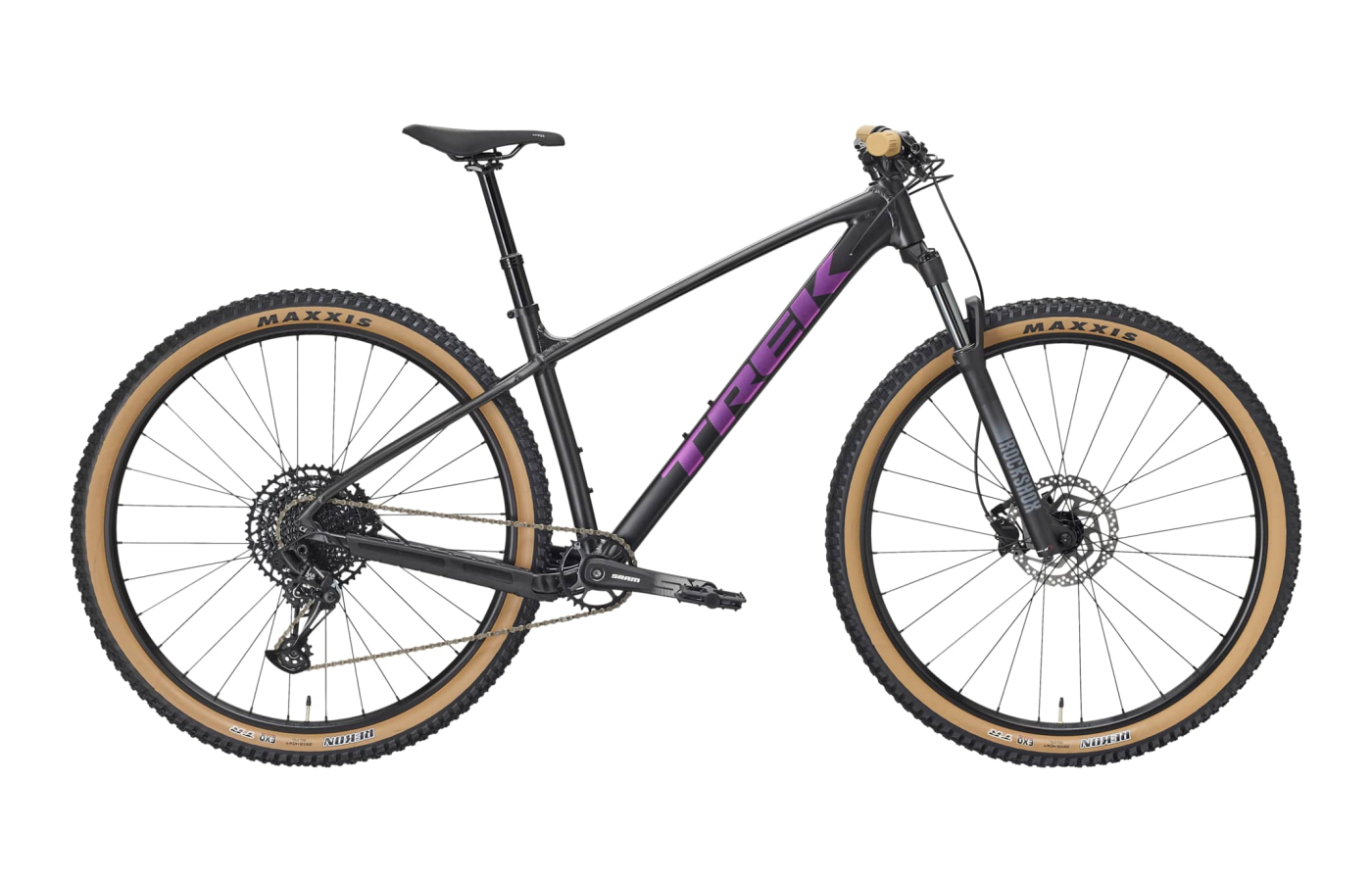
Trek Marlin vs Roscoe
Read comparison→