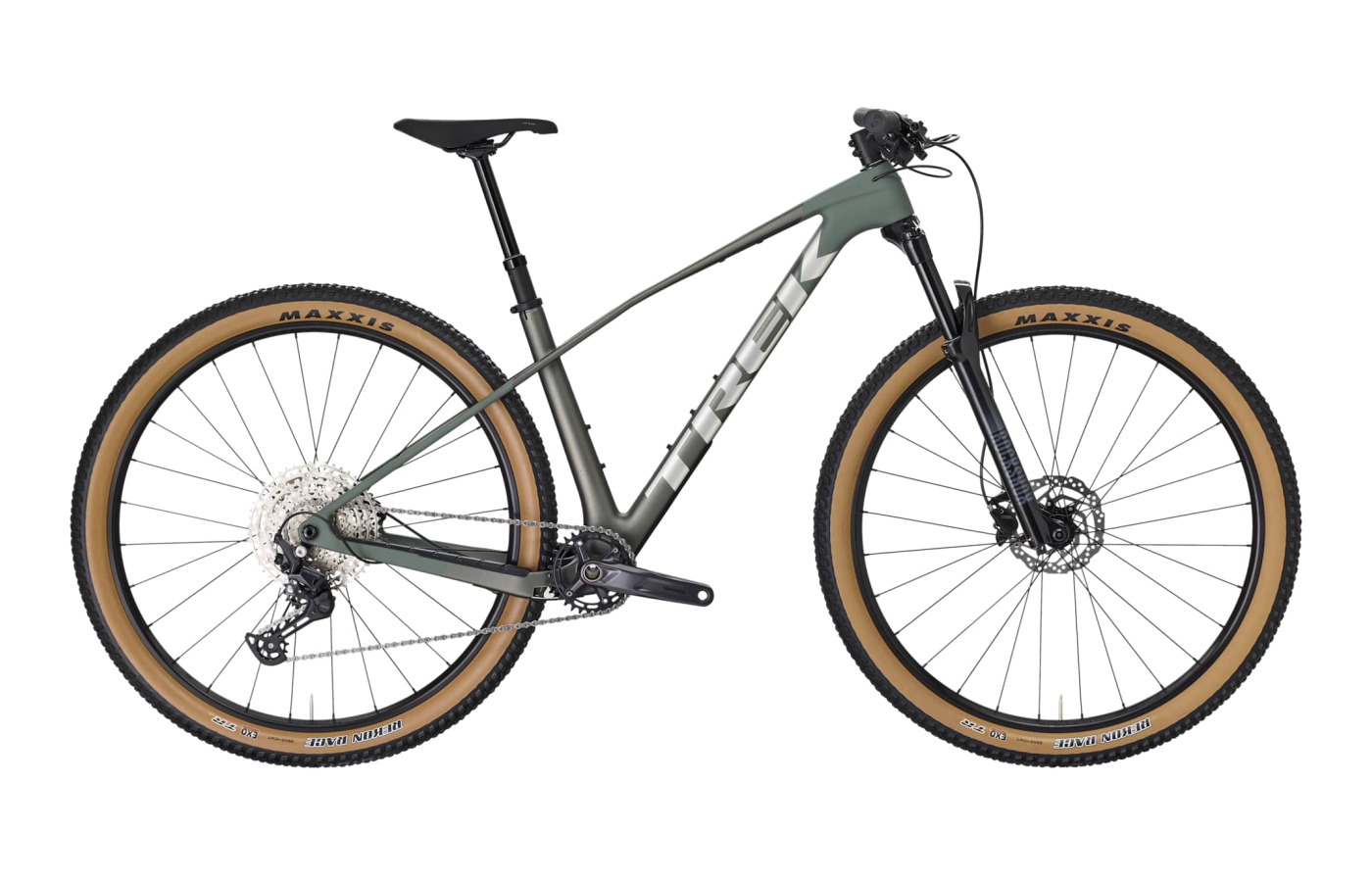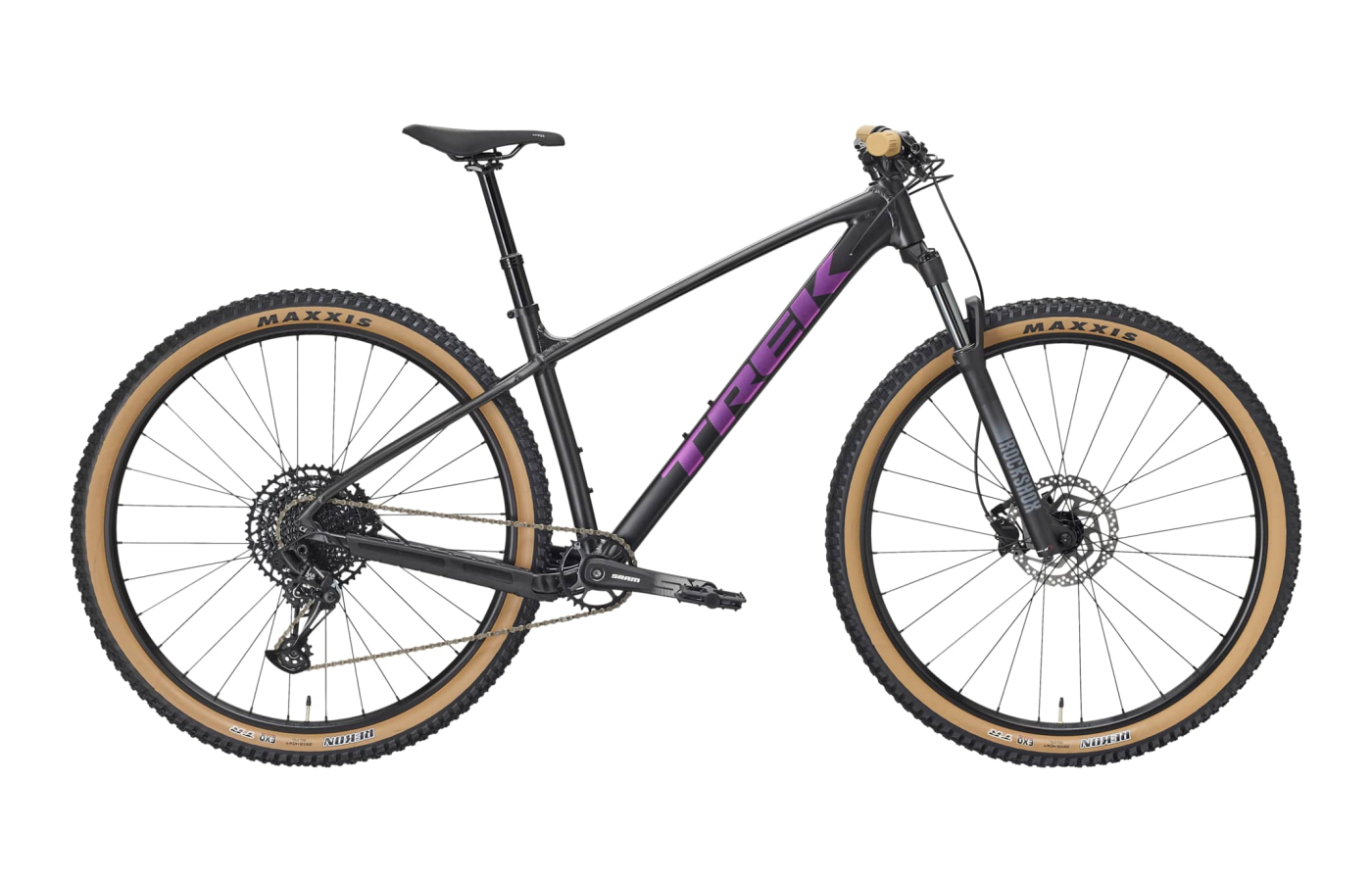
The third-generation Trek Marlin marks a deliberate shift from its cross-country and hybrid origins toward a modern trail hardtail. Trek designed this aluminum frame to serve a dual purpose, catering to newer mountain bikers exploring singletrack while retaining the utility needed for rugged commuting. The defining update is a significantly longer and slacker profile, bringing current trail bike proportions to an entry-level price point.
Despite the aggressive new silhouette, the Marlin Gen 3 remains deeply practical. The frame includes integrated mounts for racks, fenders, and kickstands, acknowledging that many riders will use it for daily transportation as well as weekend recreation. Trek also updated the frame standards to include internal dropper post routing and increased tire clearance. It is positioned as a versatile, durable starting point for riders who want a capable off-road machine that does not sacrifice everyday usability.
Where to get it.
1 retailer · size M.
Spec sheet.
Every component shipped with this build.
Geometry & fit.
7 sizes published.
The Marlin Gen 3 adopts a distinctly modern trail posture, defined by a slack head tube angle and a lengthened reach. This pushes the front wheel further out, stabilizing the steering on descents and preventing the twitchy feel common to older cross-country designs. To maintain pedaling efficiency, Trek steepened the seat tube angle, placing the rider in a neutral, upright position that centers their weight over the bottom bracket for seated climbing.
Trek utilizes size-specific wheel sizing to keep handling consistent across rider heights. The smallest frames roll on 26-inch or 27.5-inch wheels and feature a heavily curved top tube to maximize standover clearance, while medium through XXL frames use 29-inch wheels. The cockpit setup reinforces the bike’s trail intentions, pairing wide handlebars with a short stem to provide leverage and responsive steering inputs. While the seated position is comfortable for touring and commuting, some taller riders may find the reach slightly cramped during long, flat pedaling efforts.
Where the handlebar sits relative to the bottom bracket — the single most important fit pair.
01Fit geometry6 values
02Component geometry4 values
03Handling geometry8 values
Which size should I buy?
Slide your height to see the recommended size. GearWise's fit algorithm works from the published stack, reach, and ETT — the brand's own recommendation may differ.
→Calculated from GearWise's own stack / reach / ETT algorithm — the brand's size chart may recommend a different size, and a proper bike fit beats any calculator.
The lineup.
4 builds, ranging $630 – $1,400.
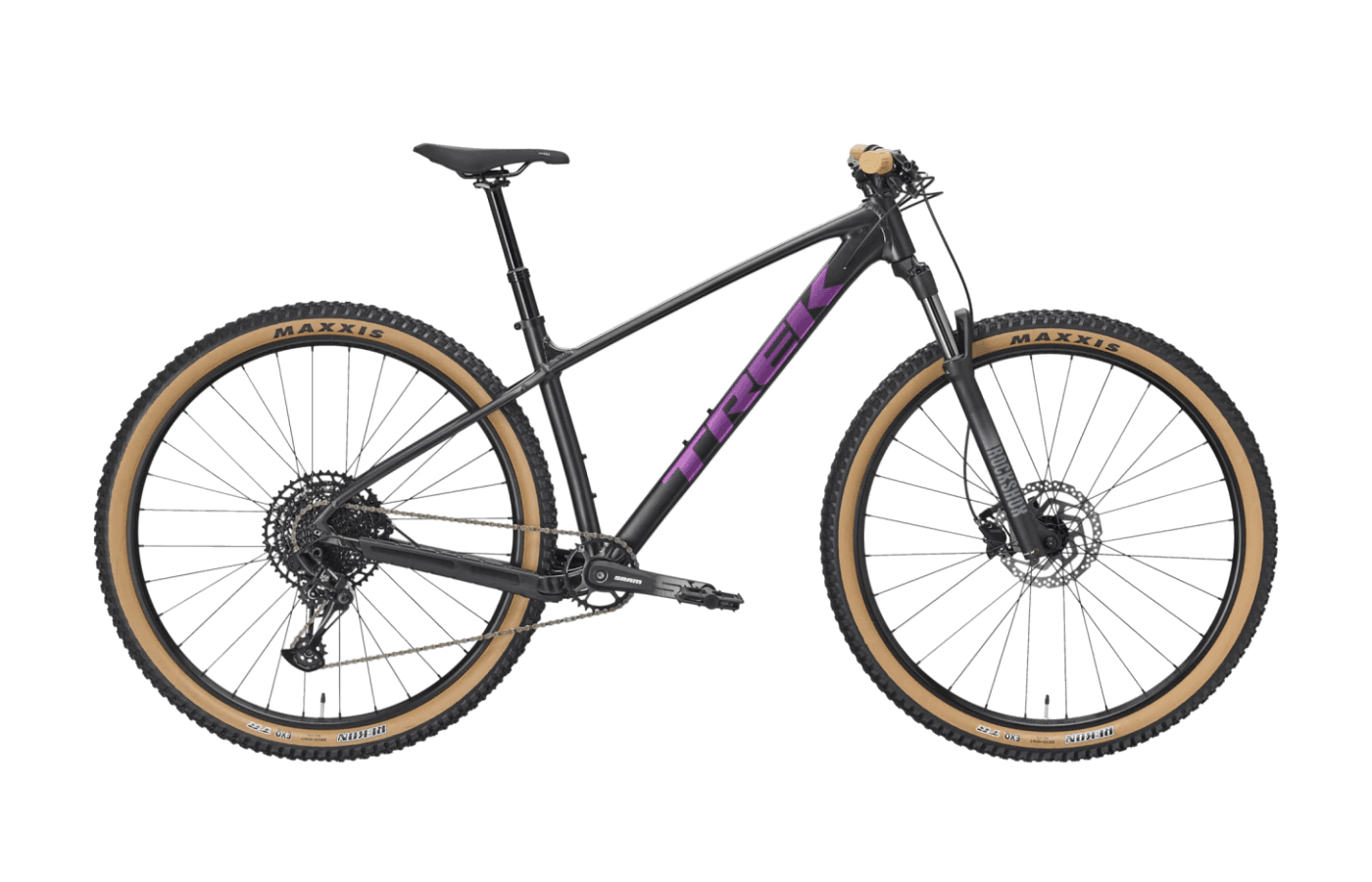
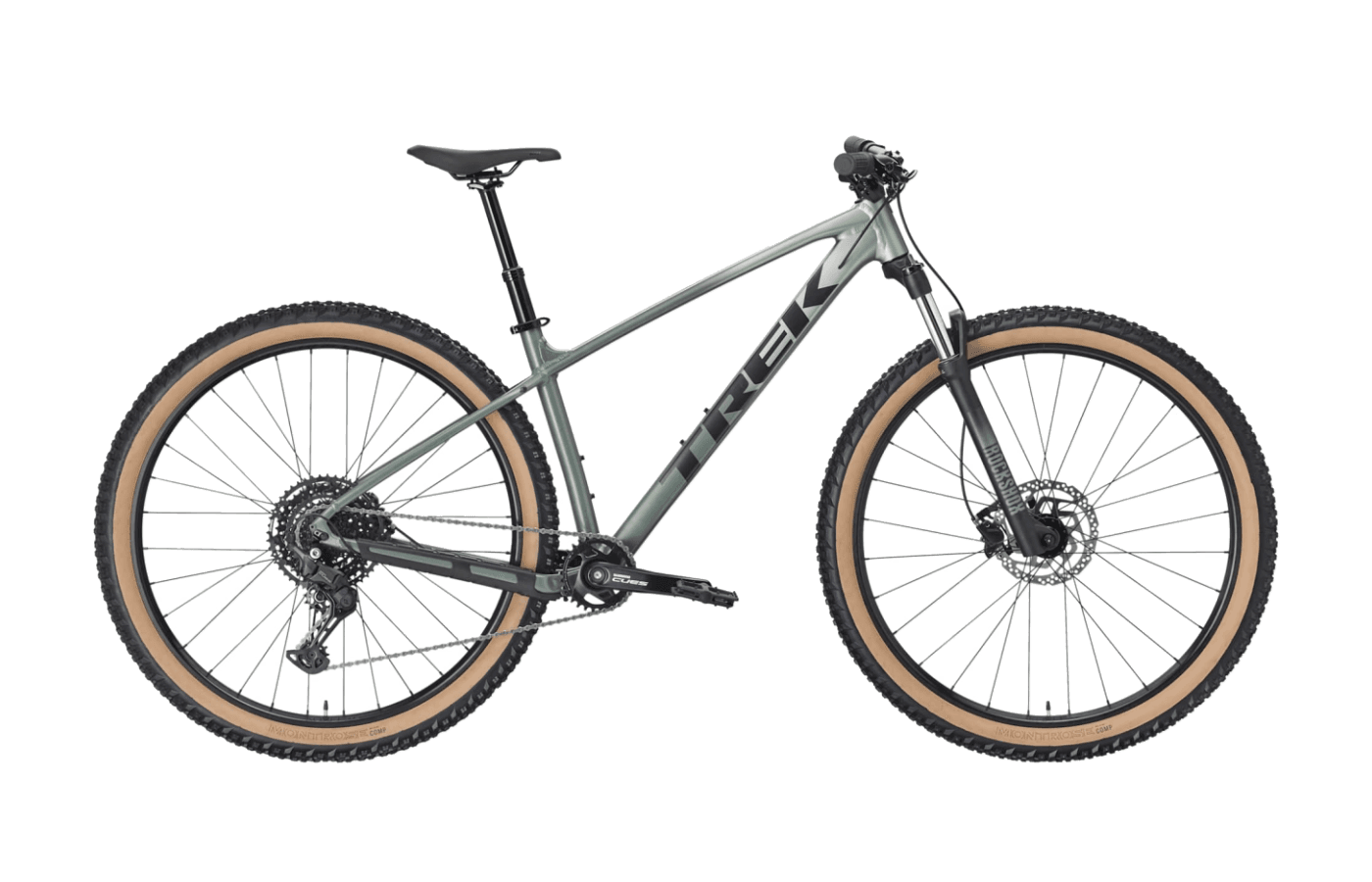
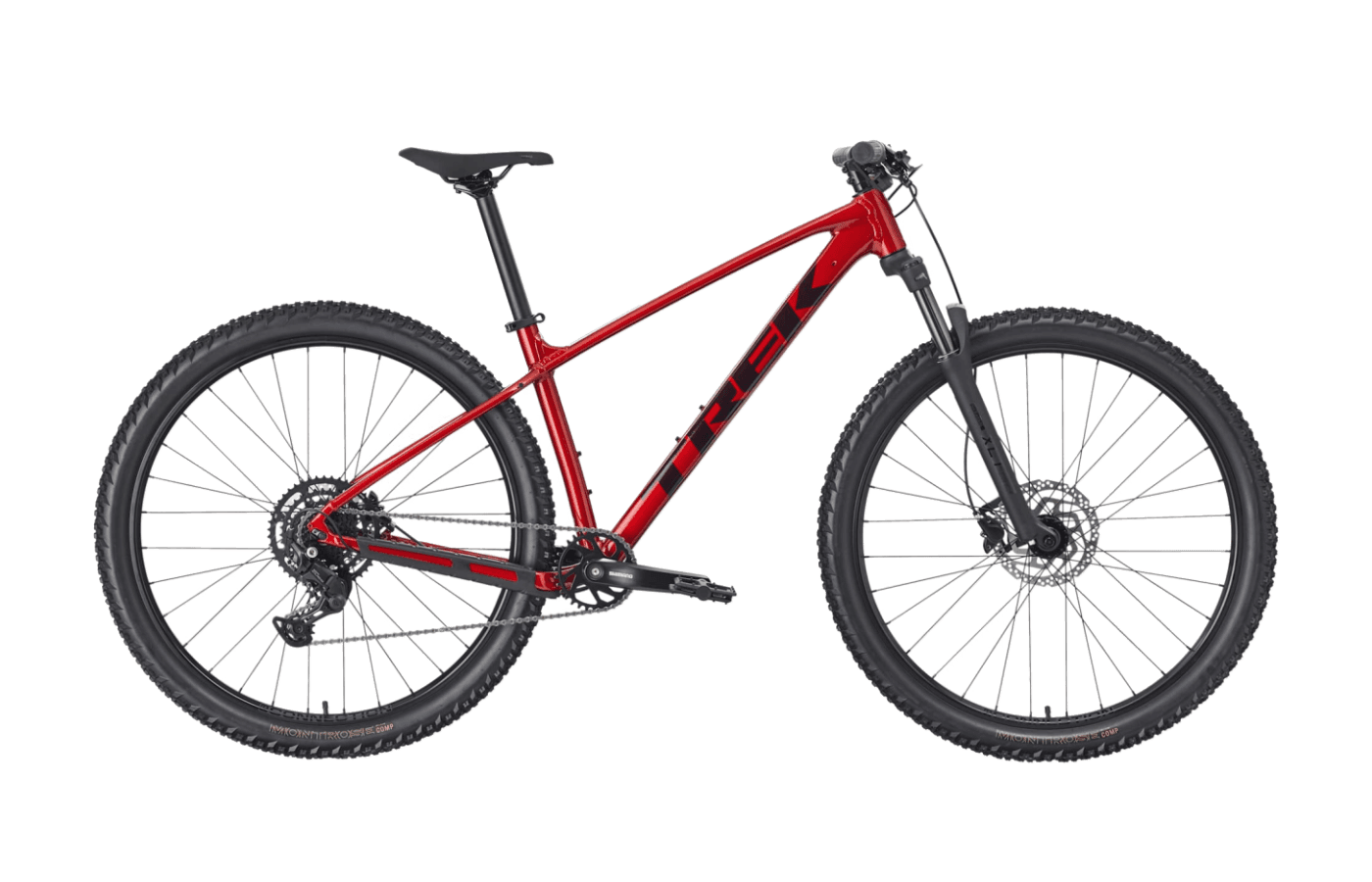
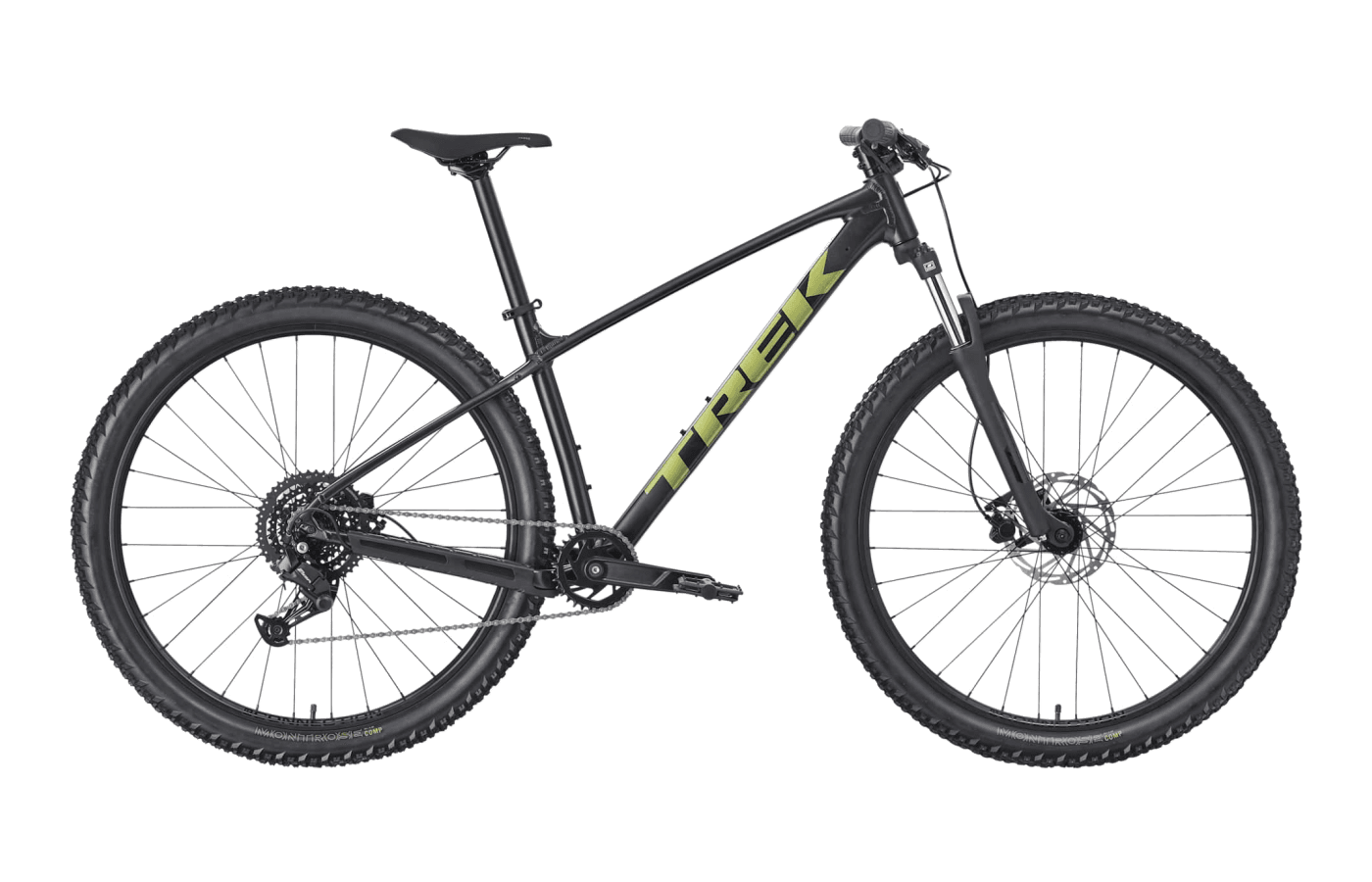
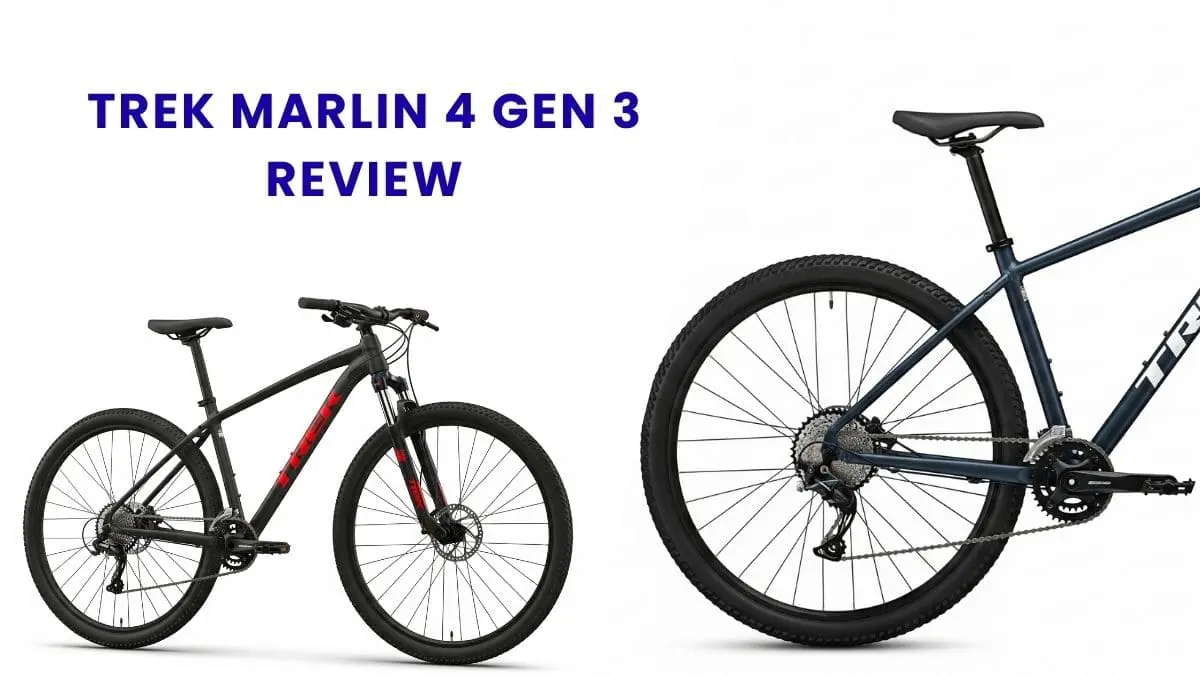
The Marlin Gen 3 lineup spans four aluminum builds, with significant component shifts dictating each model's off-road capability. The entry-level Marlin 4 and 5 utilize basic coil-sprung forks and rigid seatposts. The Marlin 4 relies on an 8-speed drivetrain and Tektro hydraulic brakes, while the Marlin 5 steps up to a 9-speed Shimano CUES system.
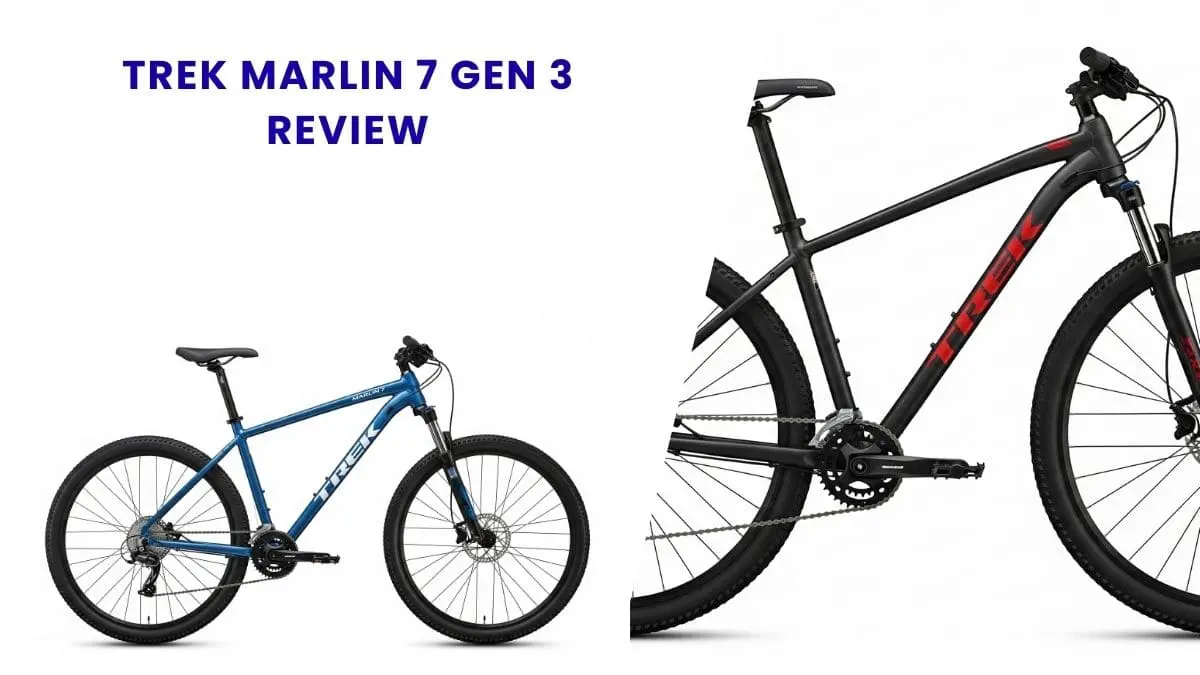
The Marlin 6 and 7 represent a major jump in trail readiness, introducing TranzX dropper posts and tubeless-ready Bontrager Kovee wheels. The Marlin 6 features a 10-speed Shimano CUES drivetrain and a RockShox Judy coil fork. The flagship Marlin 7 offers the most refined ride, upgrading to a lighter RockShox Judy Silver air fork with adjustable rebound and a 12-speed SRAM Eagle drivetrain.
While the frame offers excellent durability and a threaded bottom bracket, long-term upgrade potential is inherently limited. The straight head tube restricts aftermarket fork options, and the reliance on quick-release and ThruSkew axles prevents riders from easily swapping to modern thru-axle wheelsets. Consequently, the higher-tier builds offer the best out-of-the-box value for dedicated trail riding, as upgrading the lower-tier models later will prove difficult.
From the press.
14 reviews from the cycling press.
Reviewers consistently praise the Marlin Gen 3 for its modernized geometry, noting that the longer footprint translates to a highly predictable ride on moderate singletrack. On flowing descents, the updated frame delivers "calmer handling" (BikeRadar), allowing newer riders to navigate green and blue trails without feeling pitched over the front wheel. Testers also found the aluminum chassis surprisingly forgiving, highlighting a "compliant character" (Ambmag) that helps mute trail chatter at lower speeds.
However, critics agree that the bike has clear limits when pushed hard. The combination of a quick-release front axle and Trek’s ThruSkew rear system introduces noticeable flex under heavy cornering loads. When taken onto steep, rocky, or high-speed descents, the chassis feels "easily overwhelmed" (Ambmag). Multiple testers also pointed out that the internal cable routing can become "rather noisy and rattly on more challenging terrain" (YouTube), detracting from the otherwise solid ride quality.
While the bike is an efficient climber on smooth fire roads, its overall weight can feel sluggish on steep, technical ascents. Ultimately, reviewers view the Marlin as an excellent gateway mountain bike that balances off-road capability with pavement manners, provided riders stay within its intended light-trail scope.
Trek Marlin 7 Gen 3 Review | Is It The Best Mid-Range MTB?
Trek Marlin 4 Gen 3 Review: Best Entry-Level MTB for Beginners?
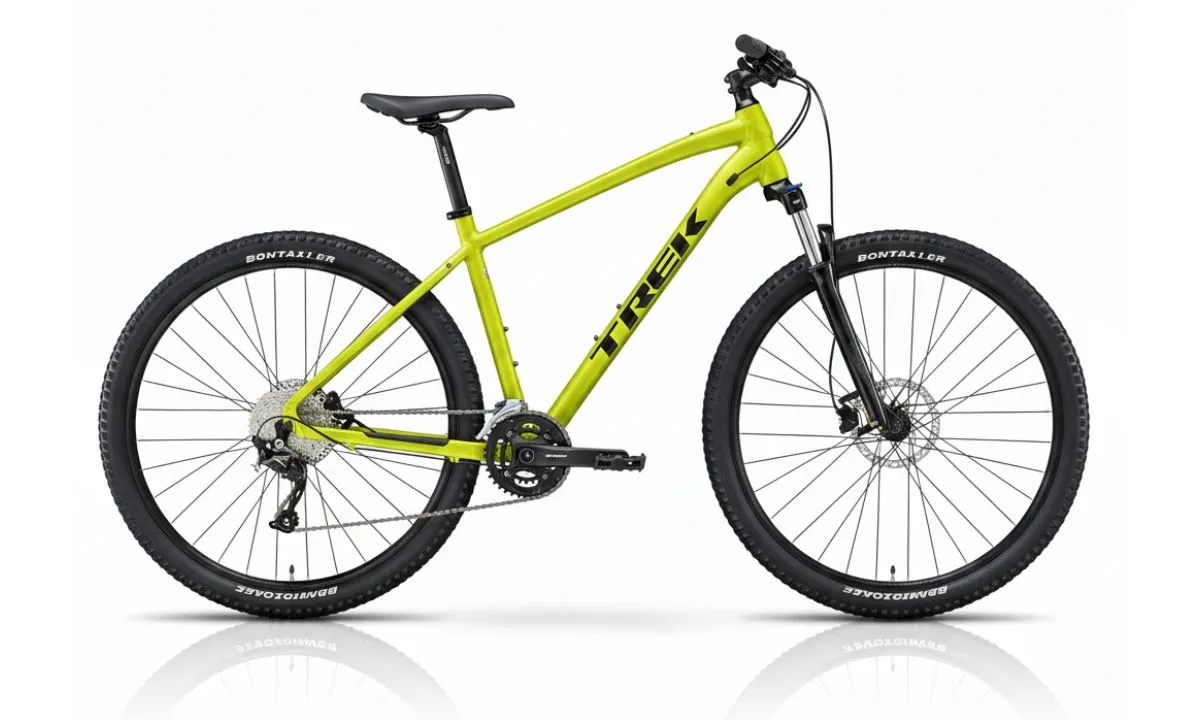
Trek Marlin 5 Gen 3 Review: Best Entry MTB?
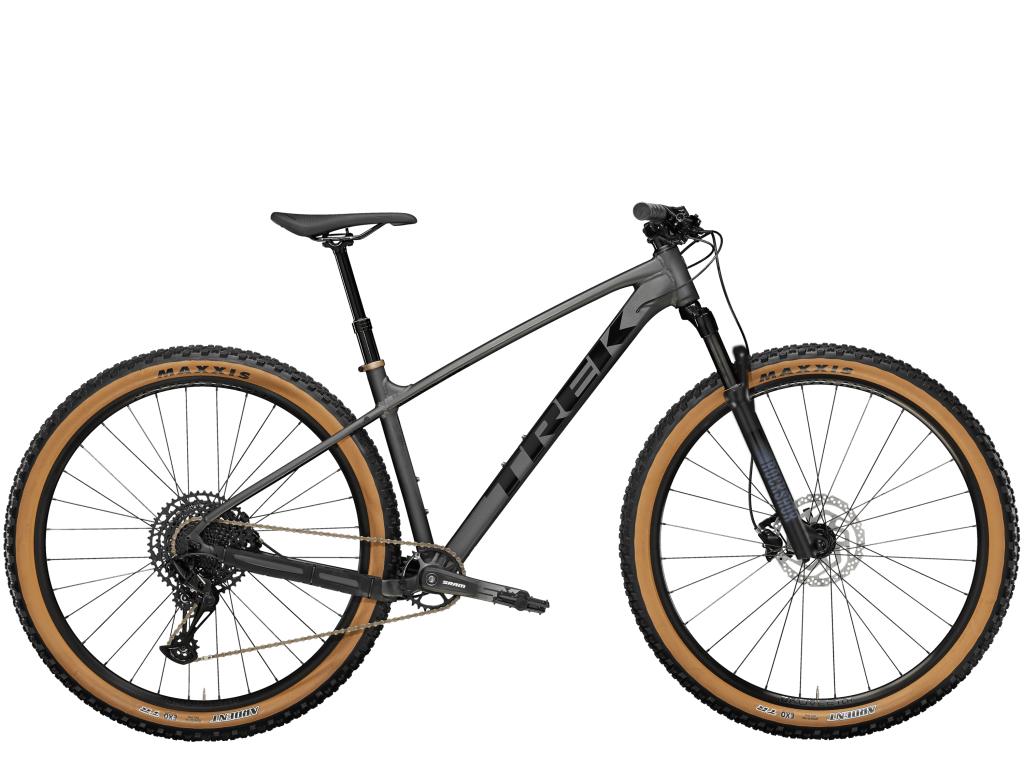
Trek Marlin 8 gen 3 2023 Review
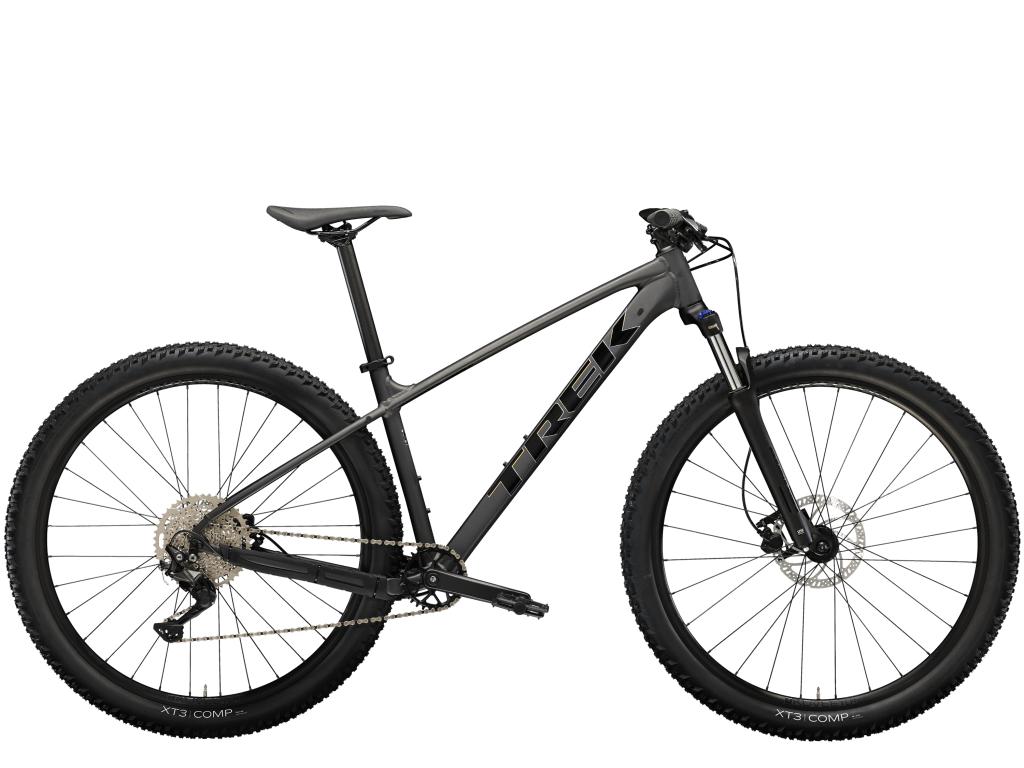
Trek Marlin 6 gen 3 2023 Review
Trek Marlin 7 gen 3 2023 Review
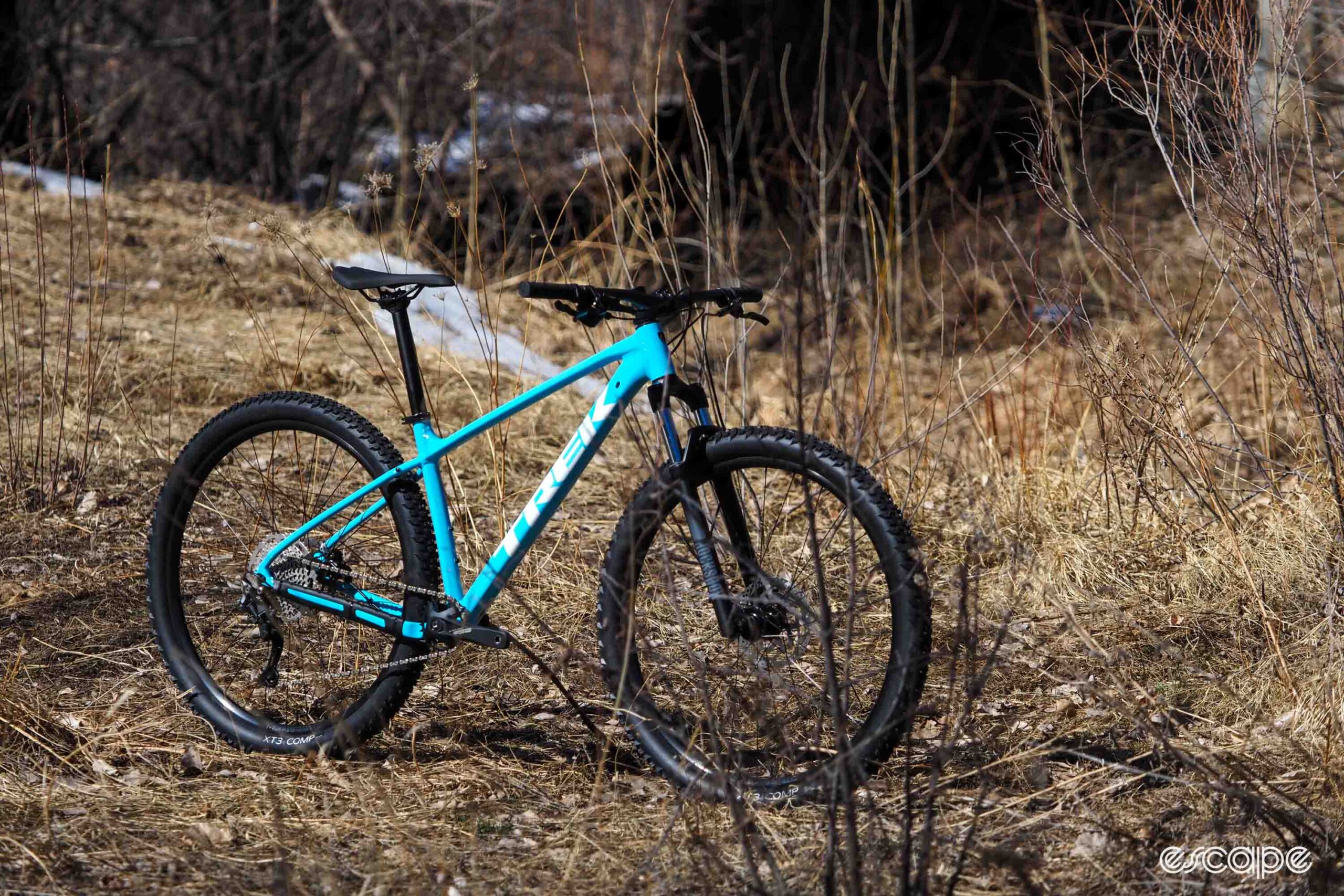
Trek Marlin Gen 3 review: Good bones
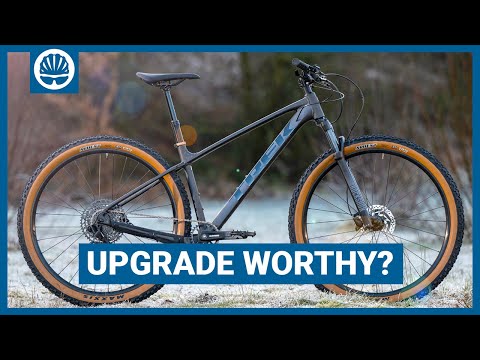
2023 Trek Marlin 8 Review | £1200 Beginner's Bike
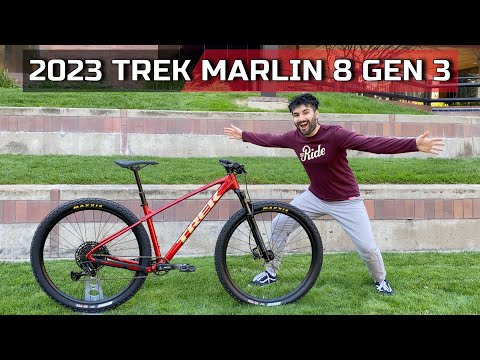
My BRAND NEW 2023 Trek Marlin 8 Gen 3!!! (Review + Ride)
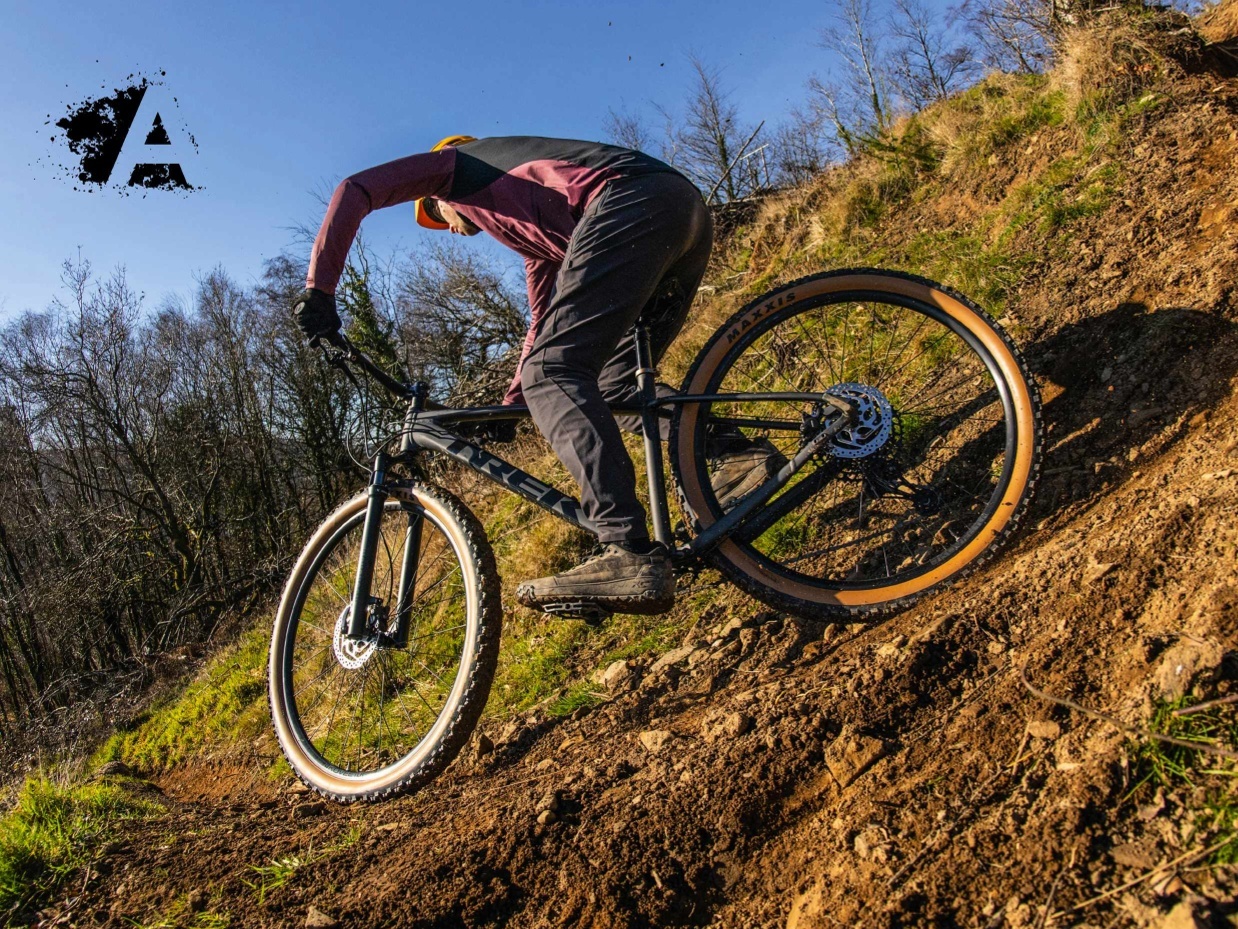
Trek marlin 8 gen.3
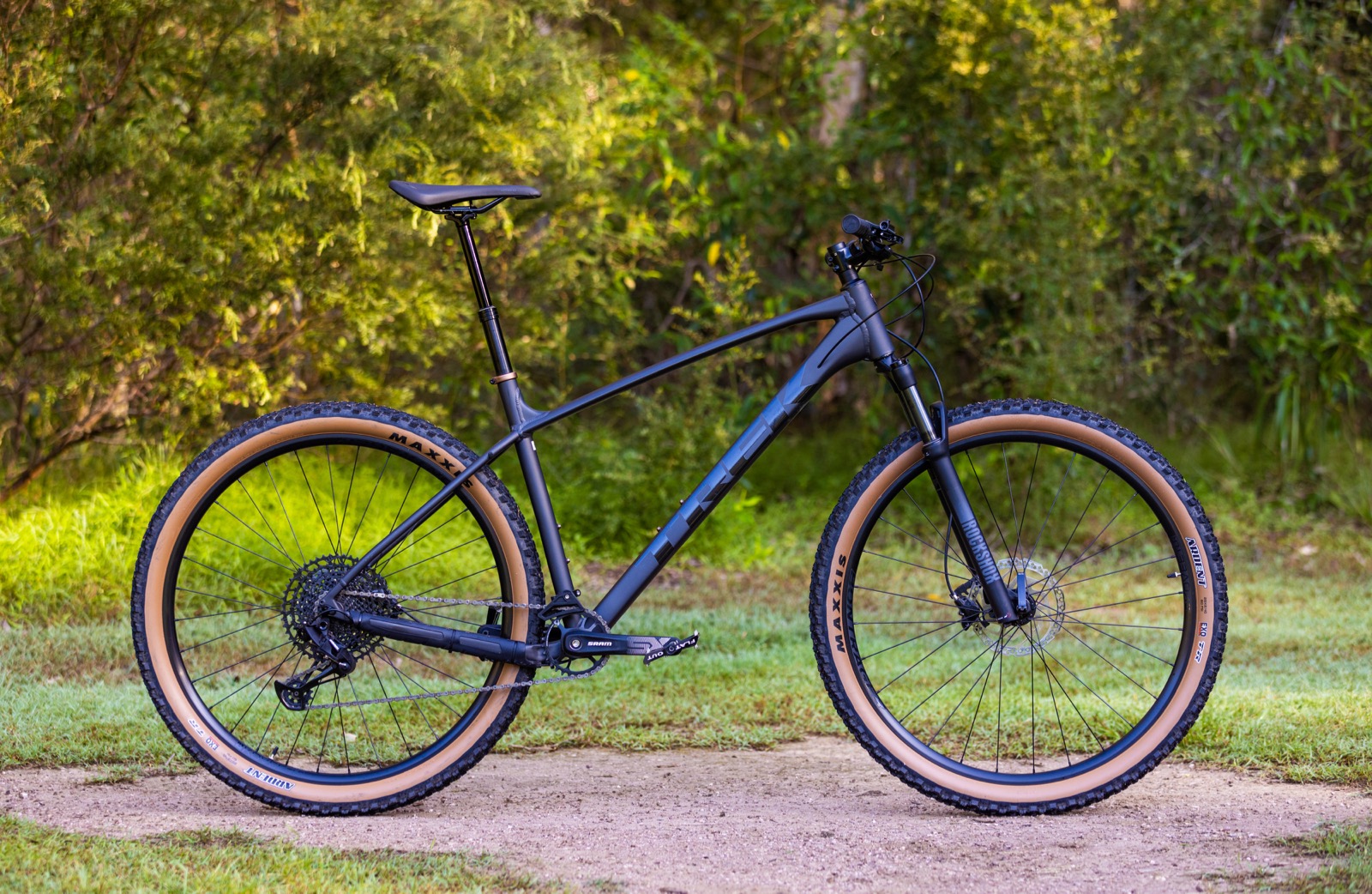
TESTED: Trek Marlin 8 hardtail mountain bike - Australian Mountain Bike
Trek Marlin 8 review
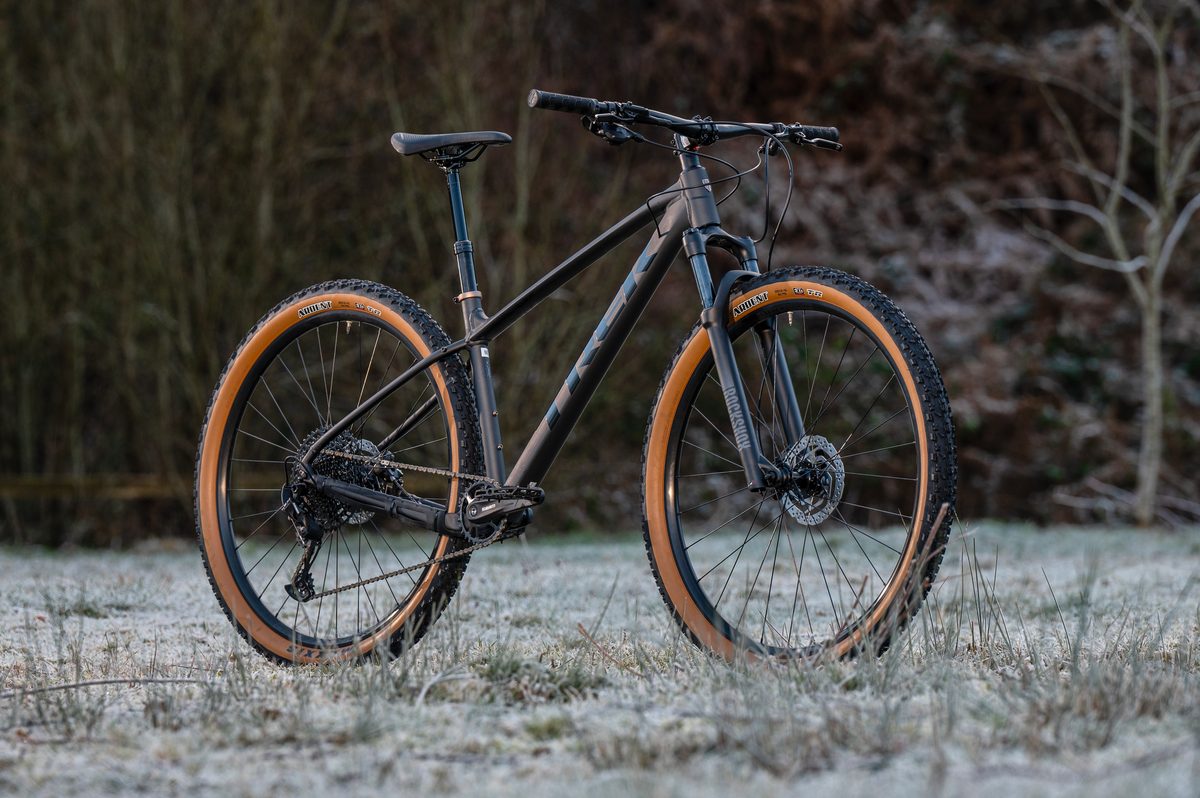
Trek Marlin 8 review - Mountain Bikes
Compared to.
Most-viewed comparisons.
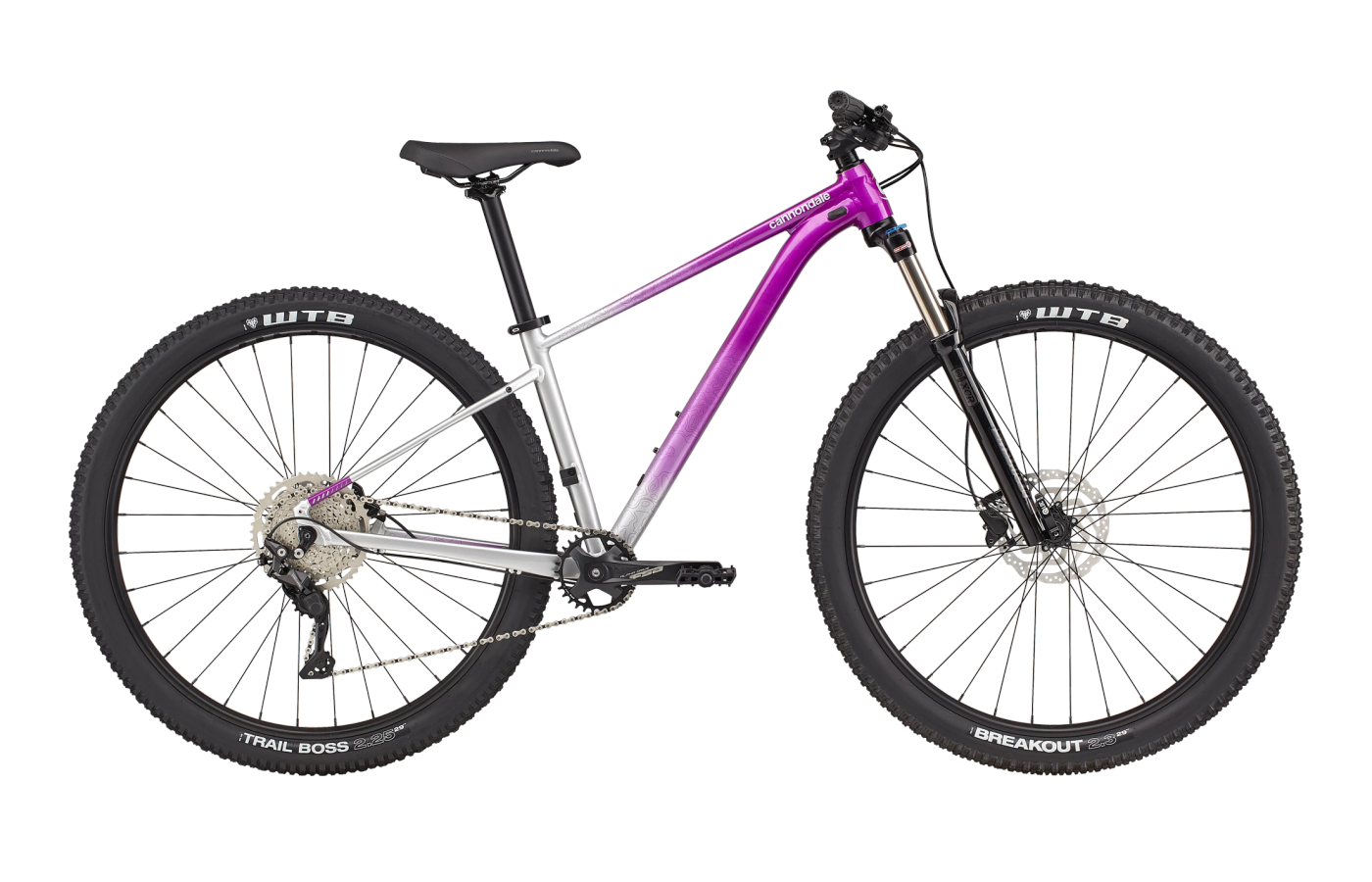
Cannondale Trail vs Trek Marlin
Read comparison→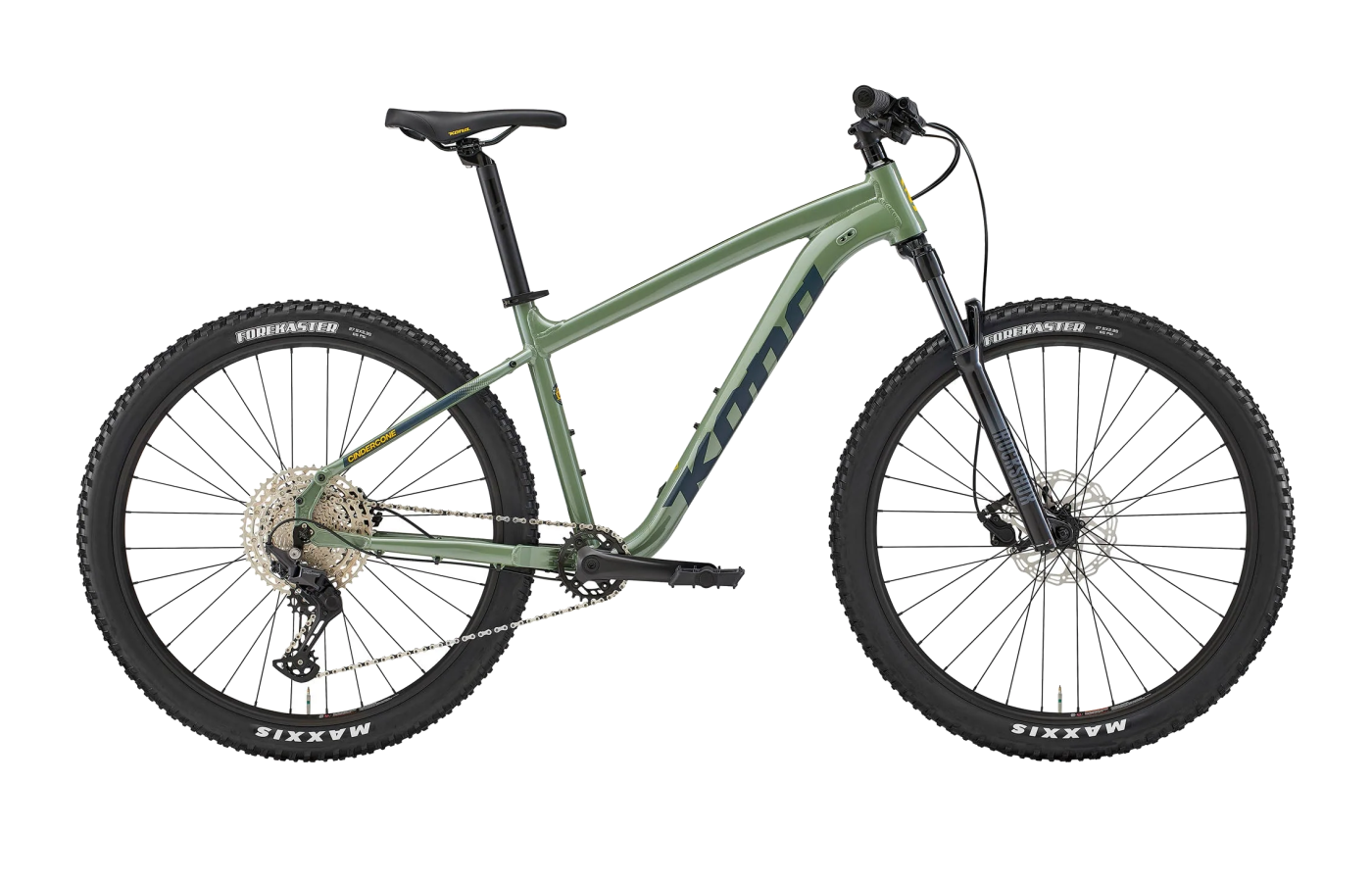
Kona Cinder Cone vs Trek Marlin
Read comparison→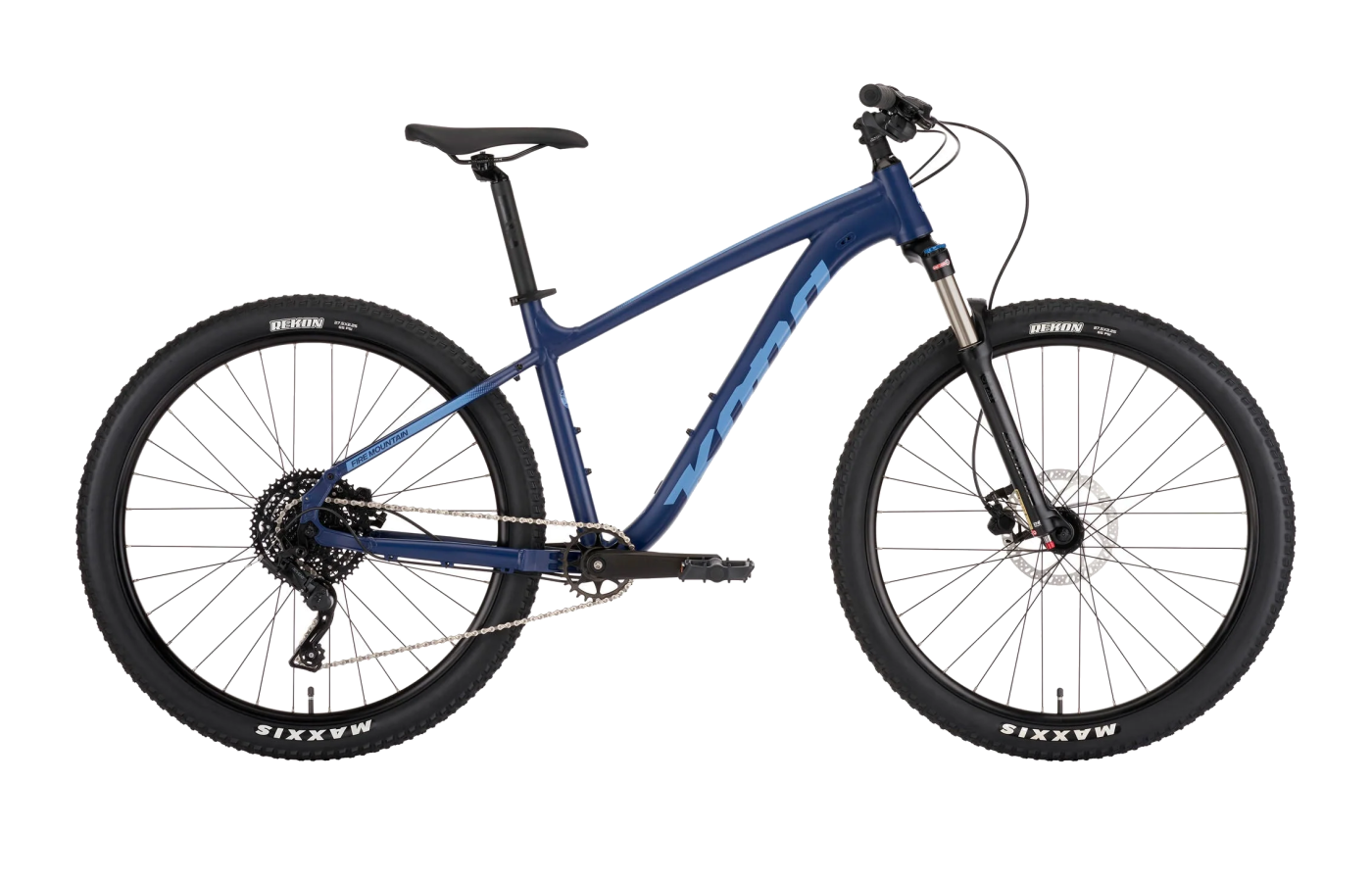
Kona Fire Mountain vs Trek Marlin
Read comparison→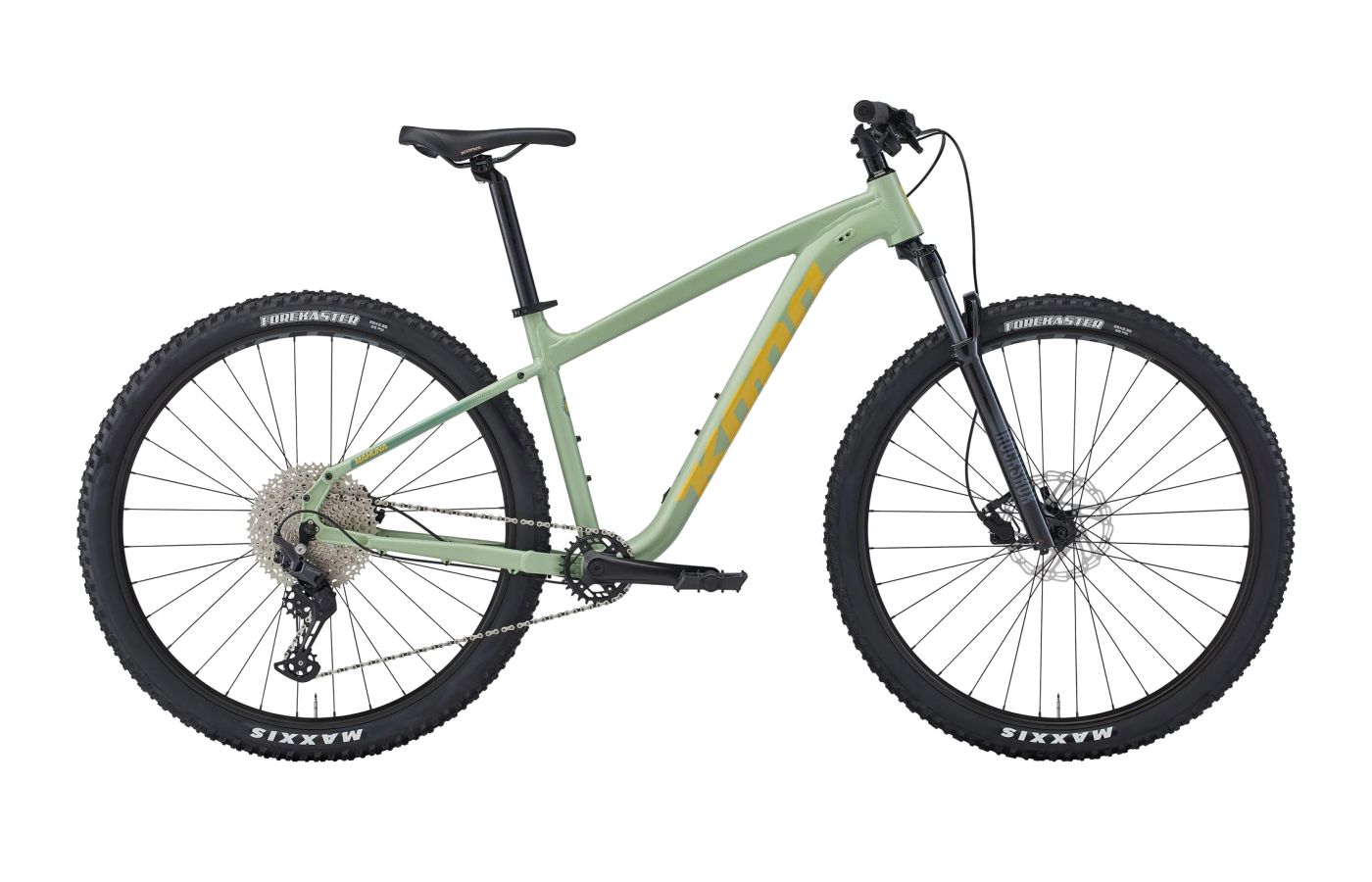
Kona Mahuna vs Trek Marlin
Read comparison→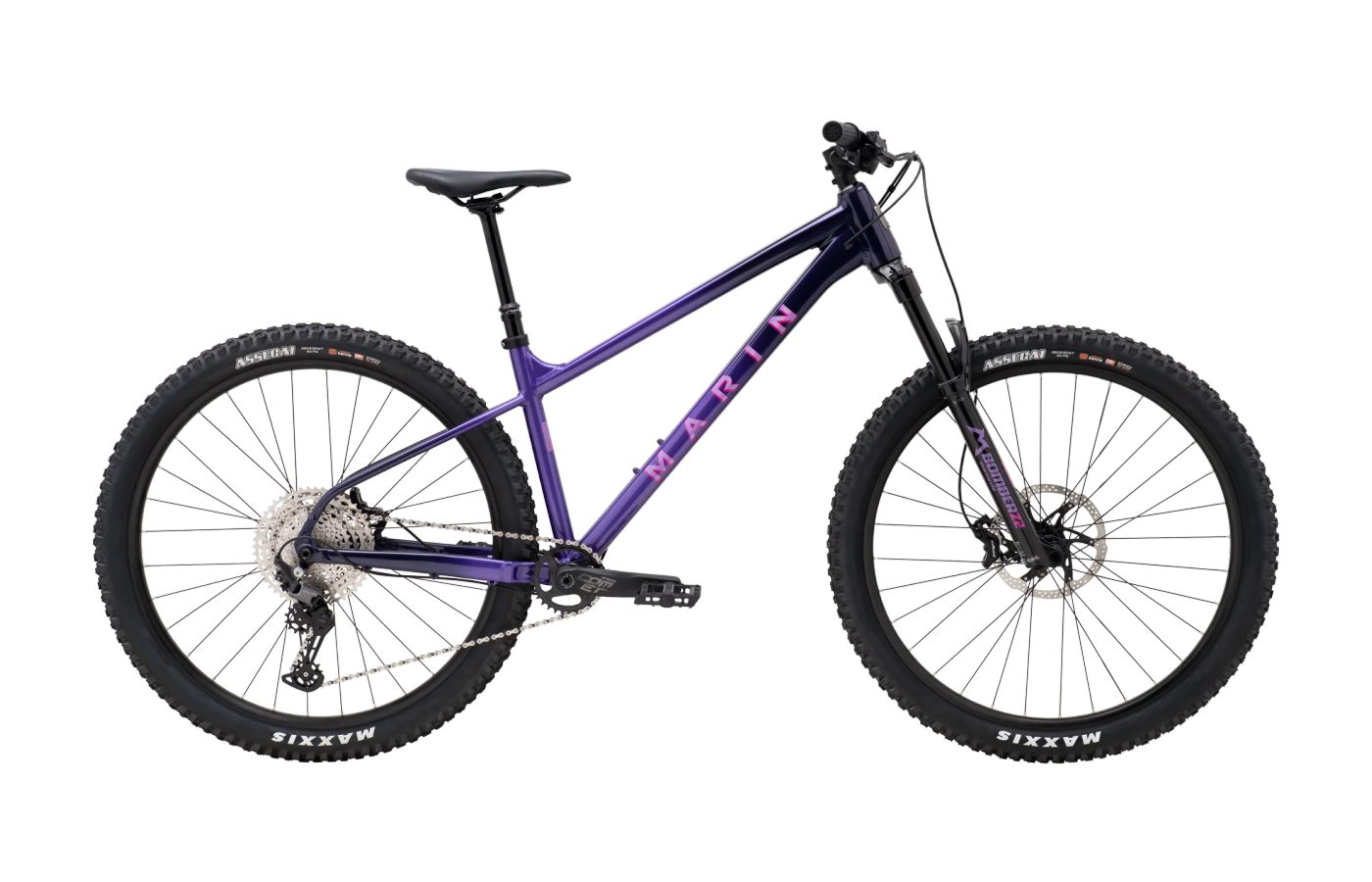
Marin San Quentin vs Trek Marlin
Read comparison→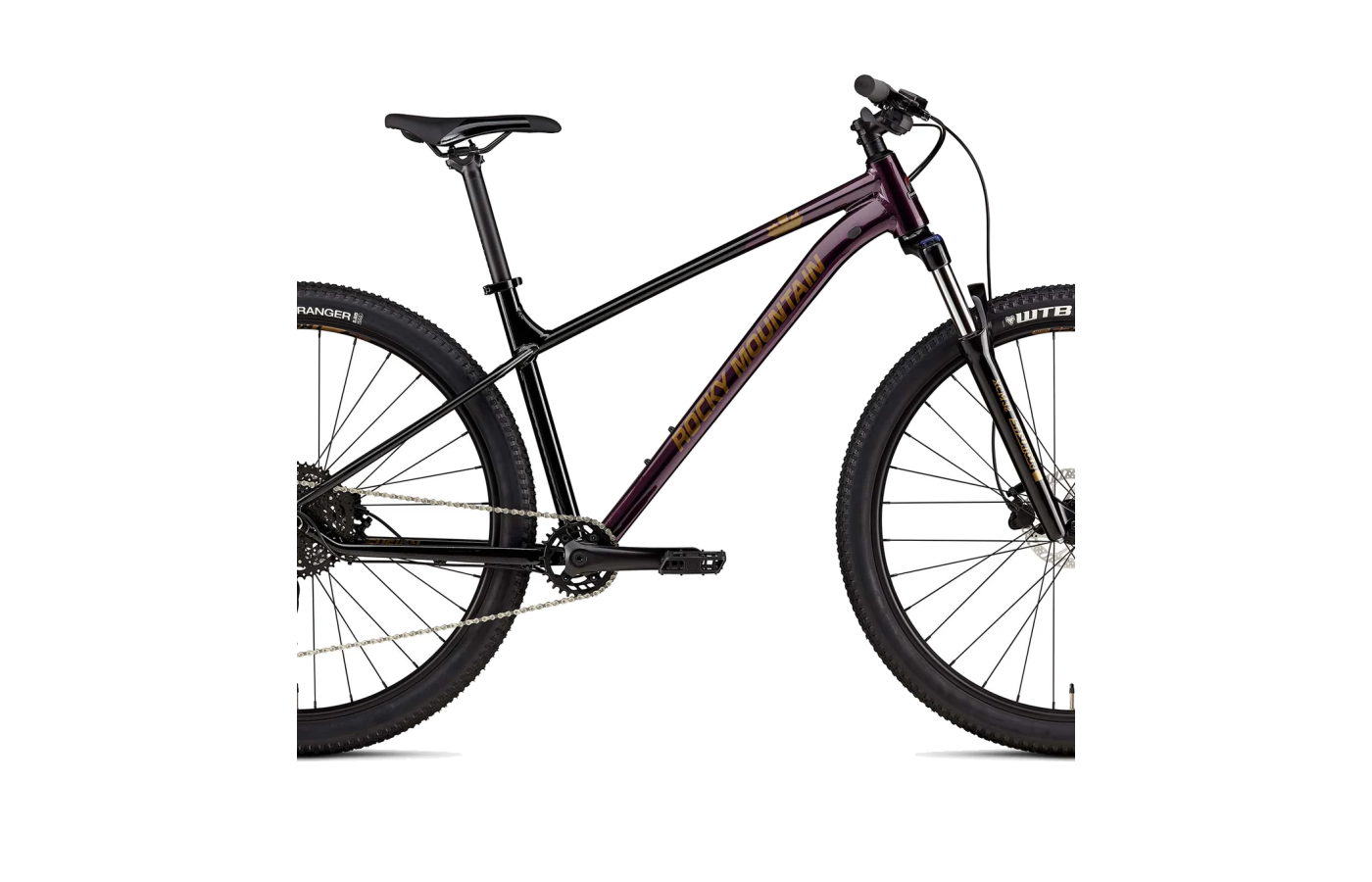
Rocky Mountain Fusion vs Trek Marlin
Read comparison→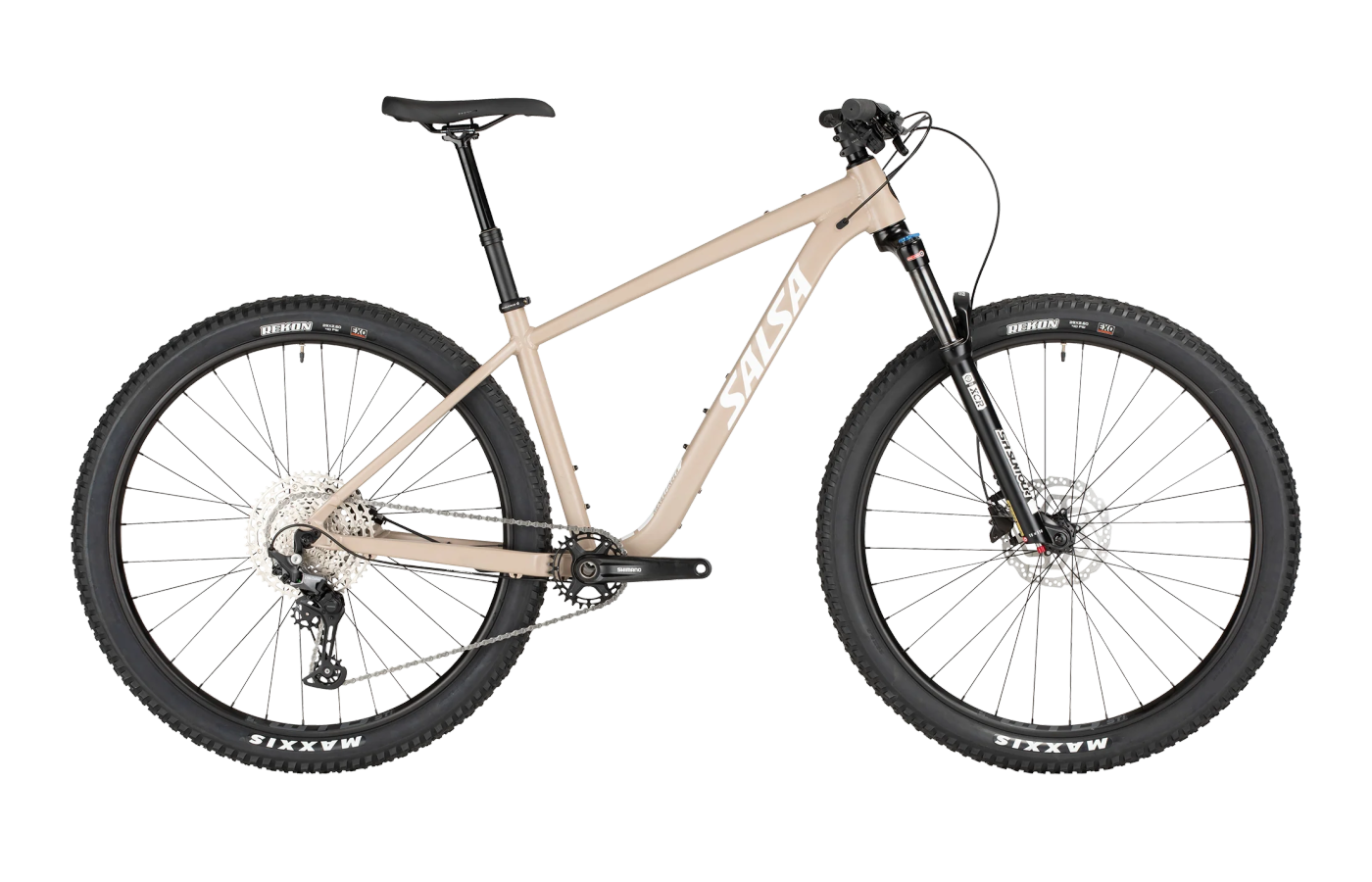
Salsa Rangefinder vs Trek Marlin
Read comparison→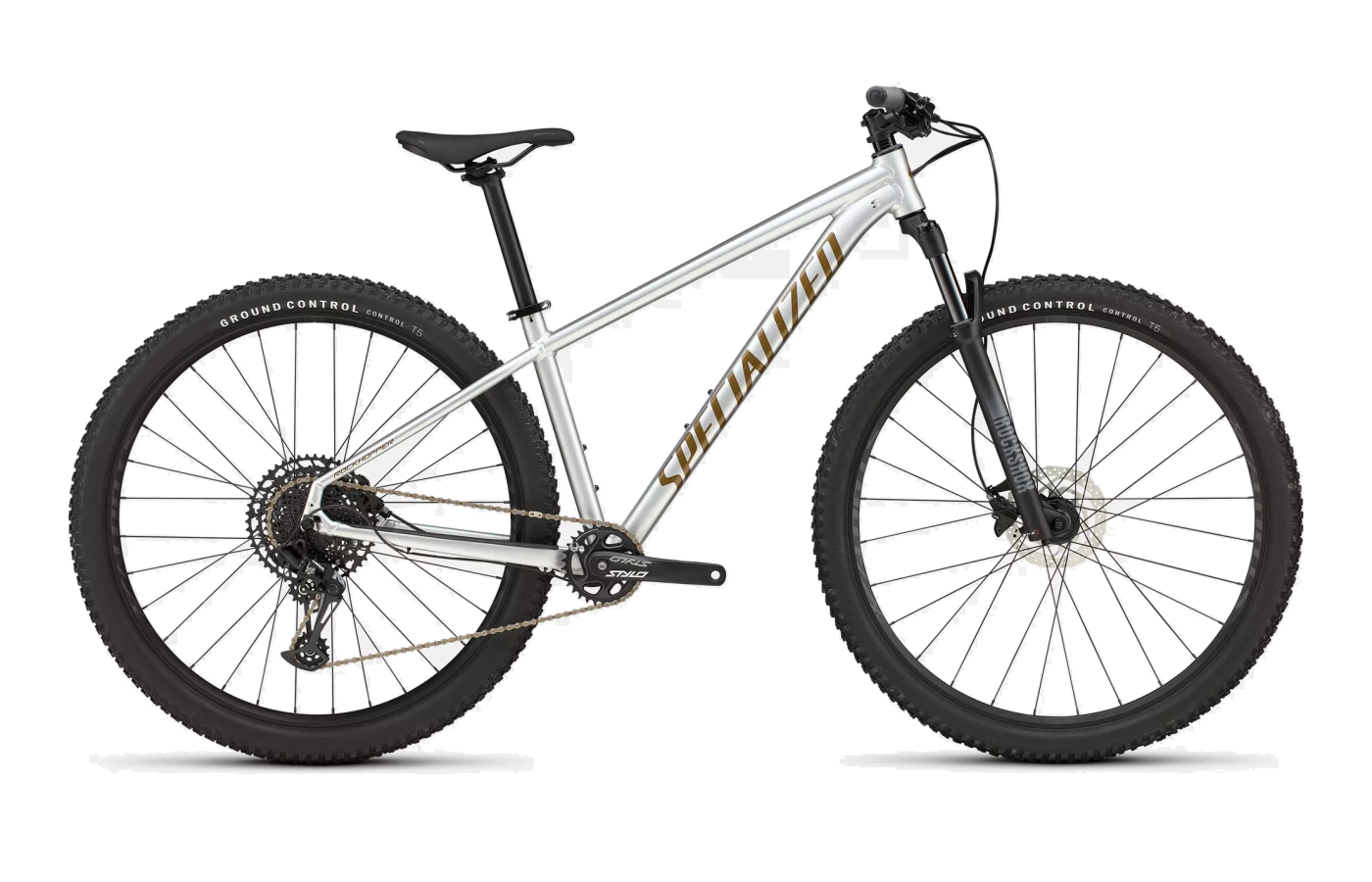
Specialized Rockhopper vs Trek Marlin
Read comparison→