Fuel MX
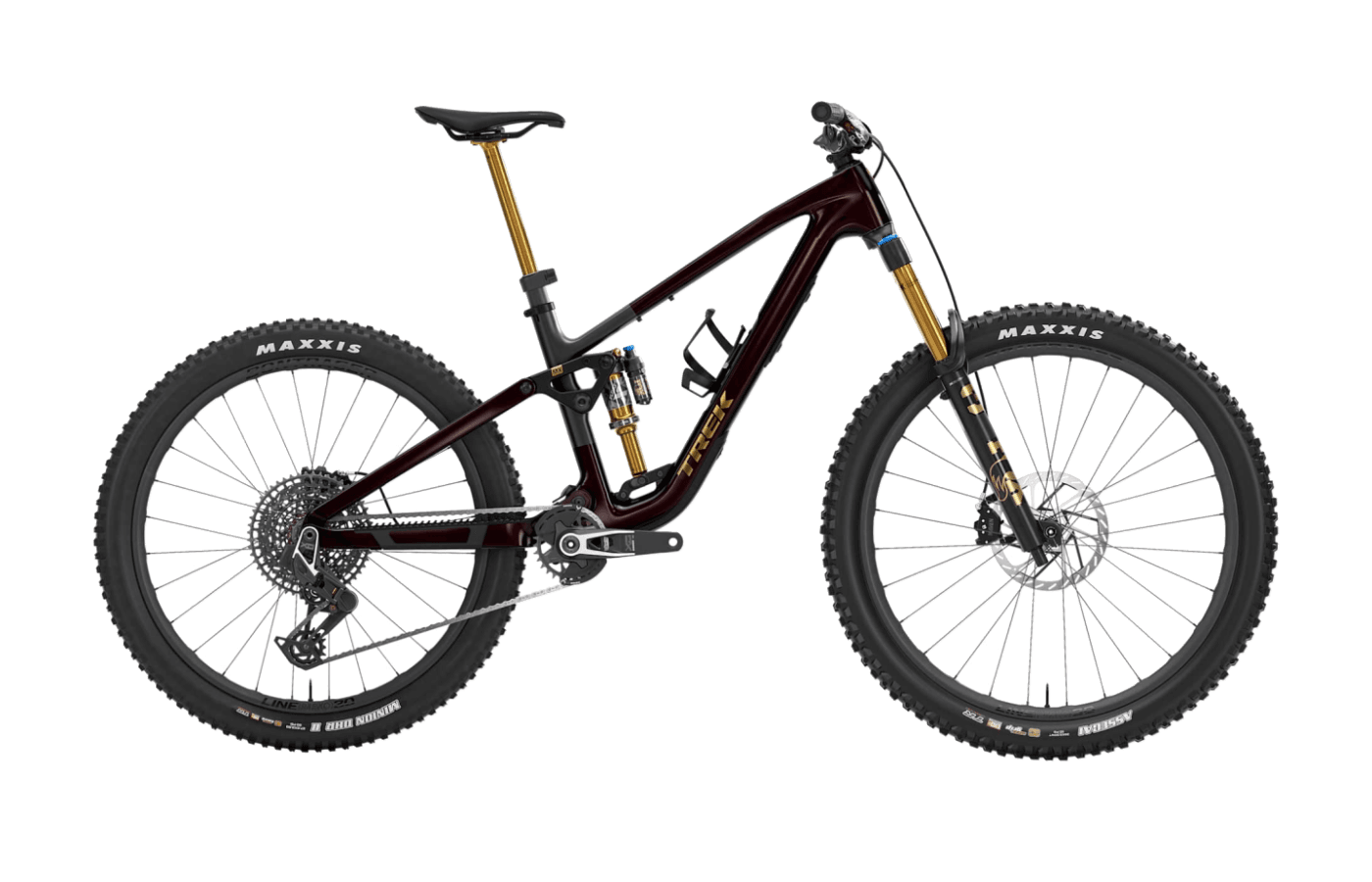
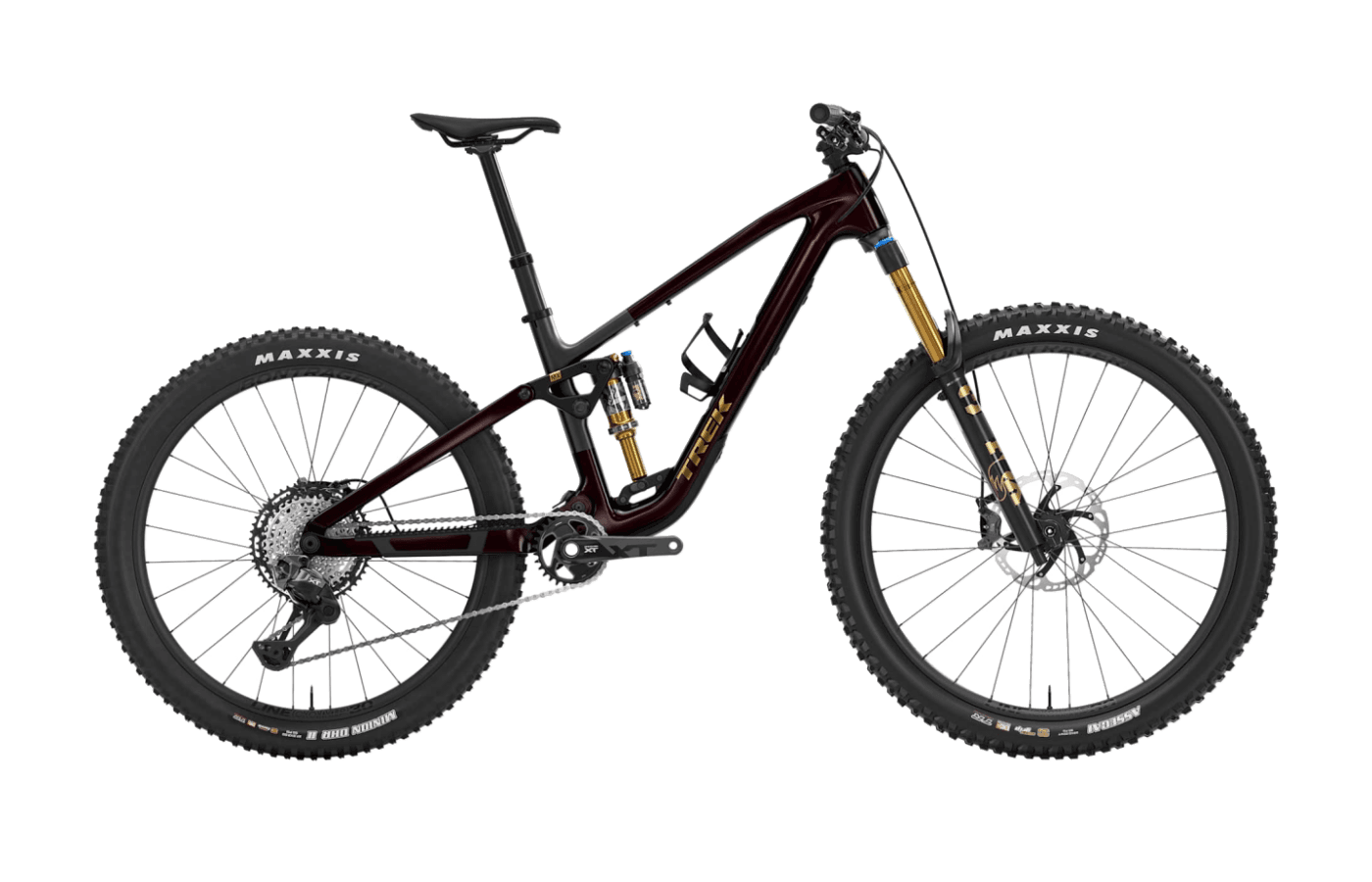
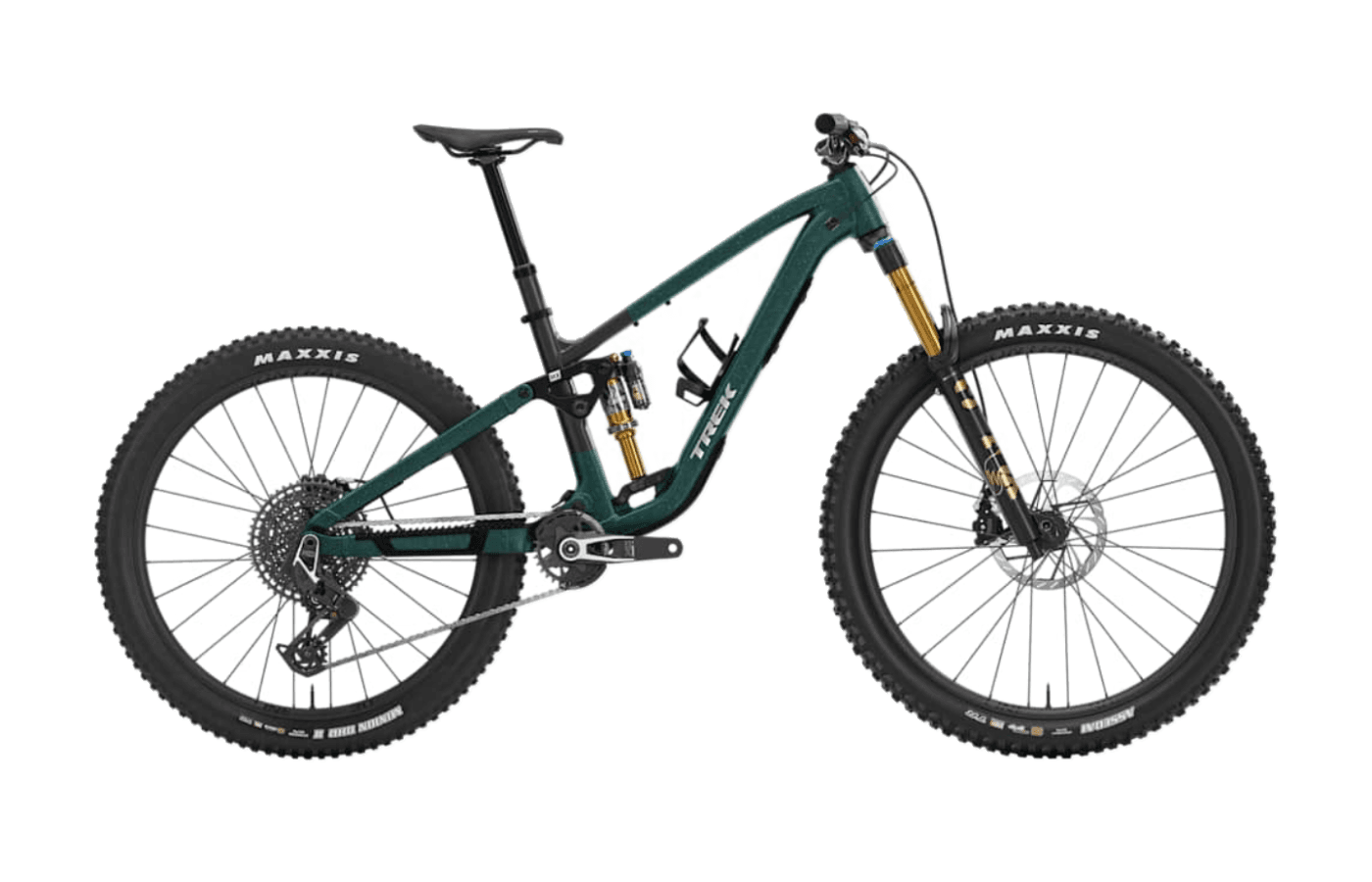
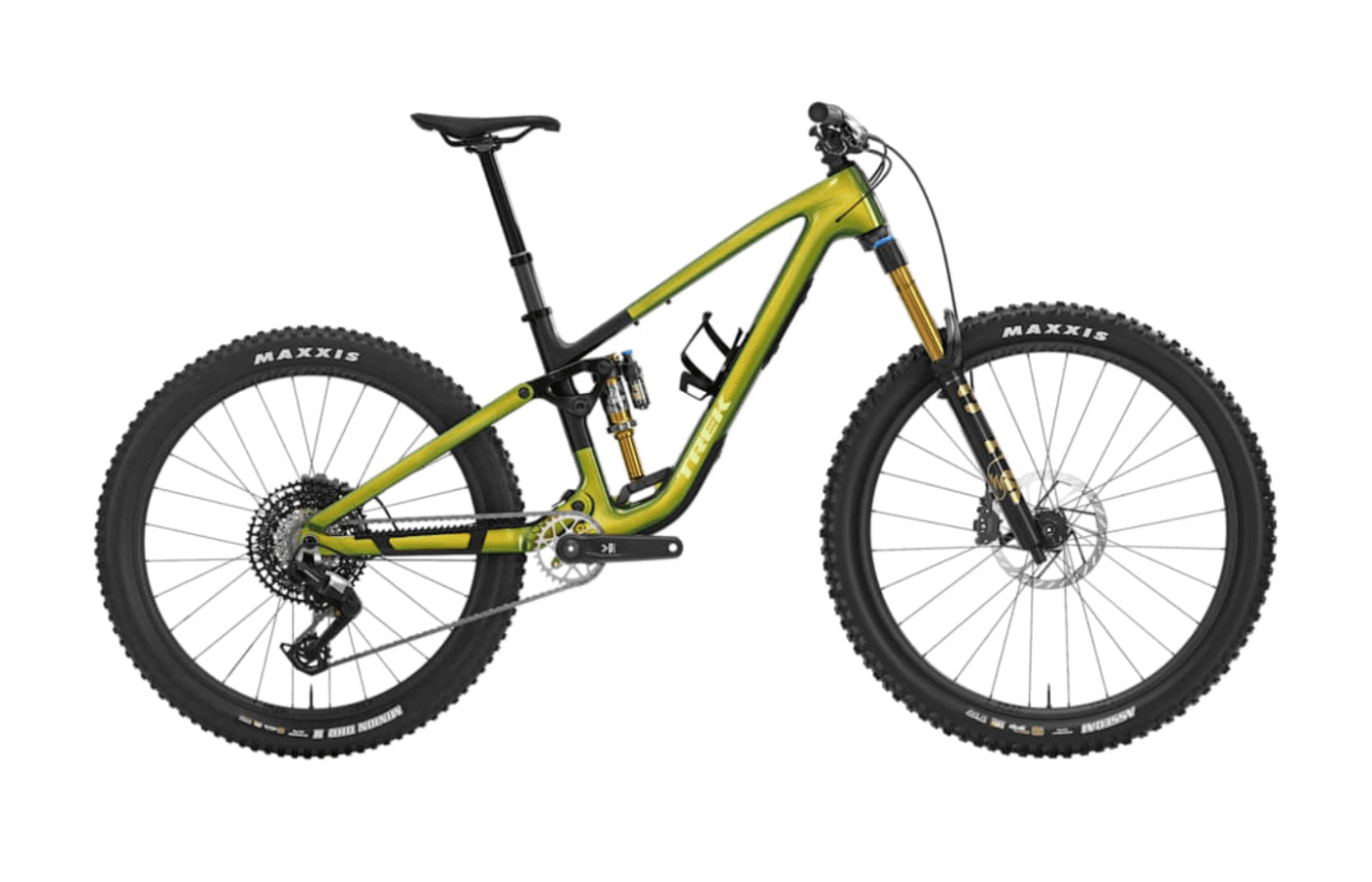
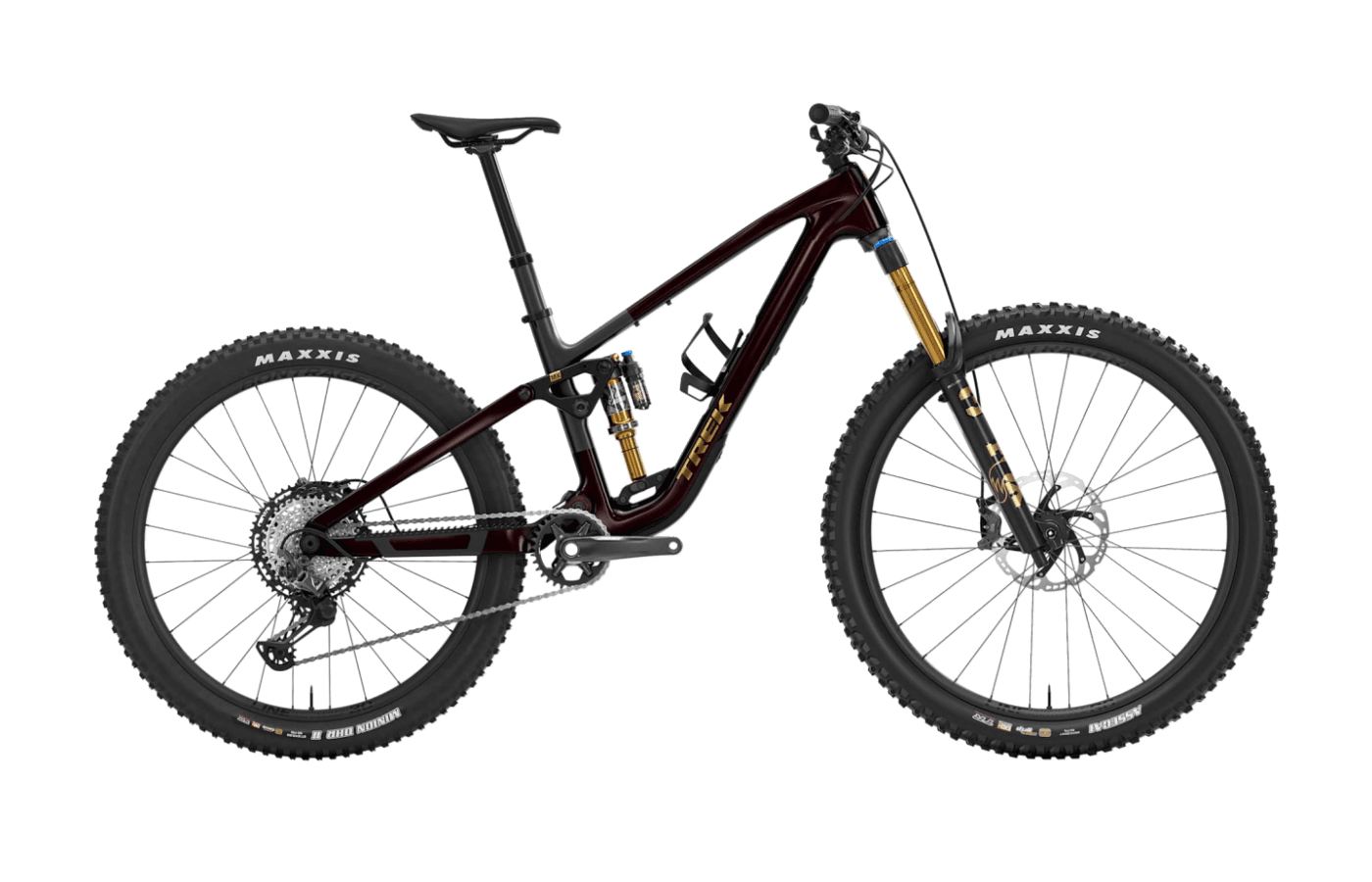
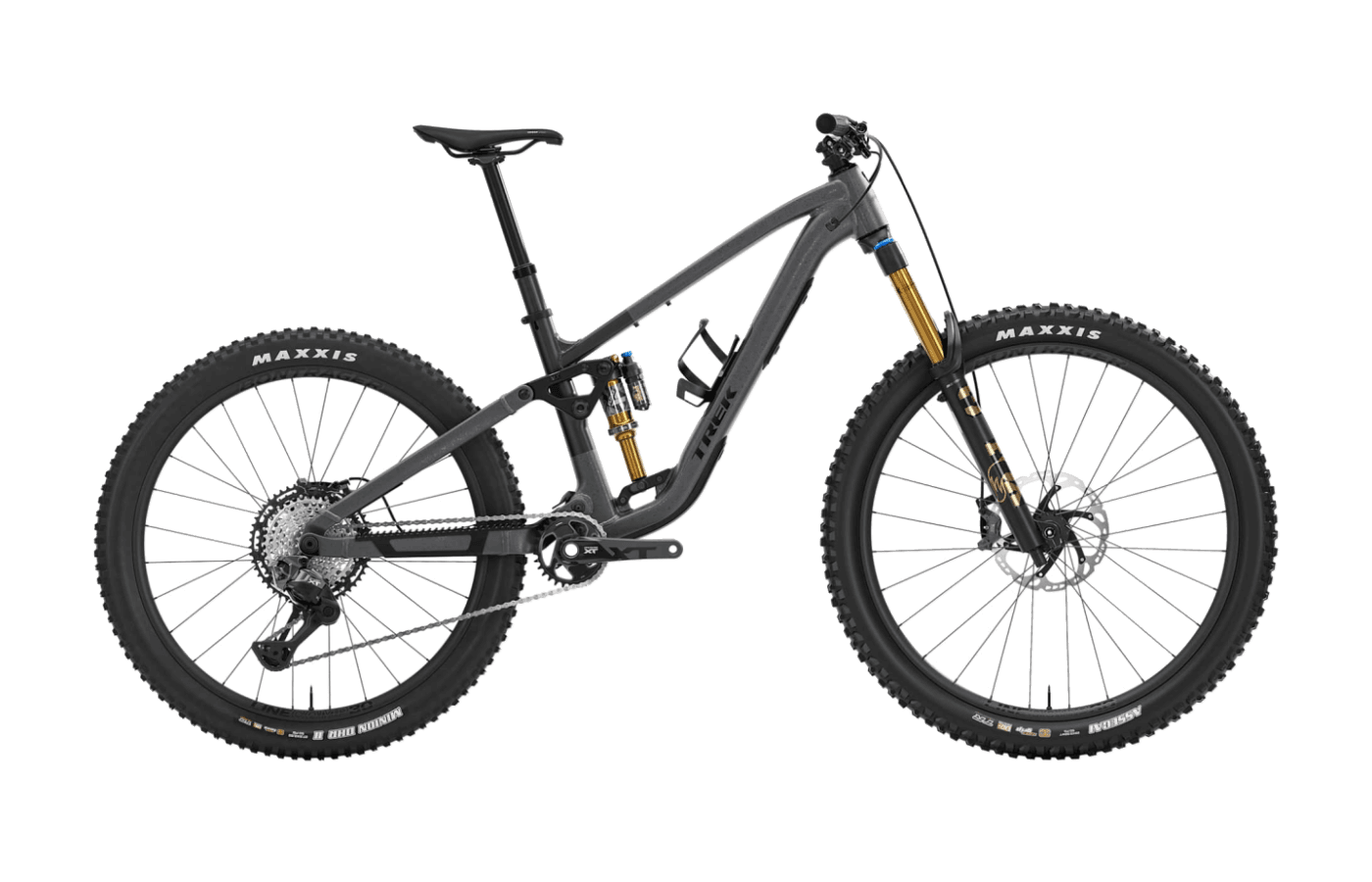
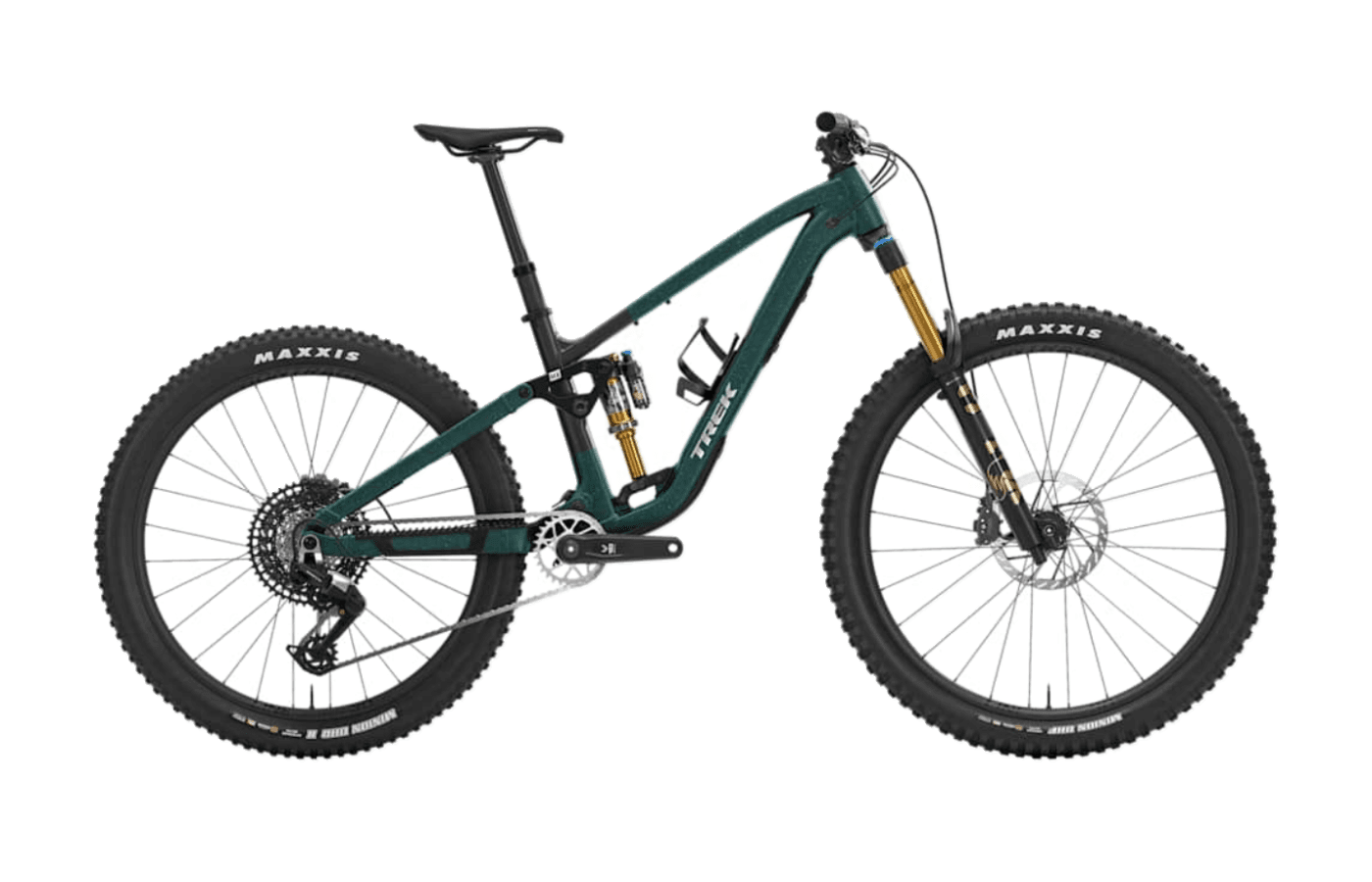
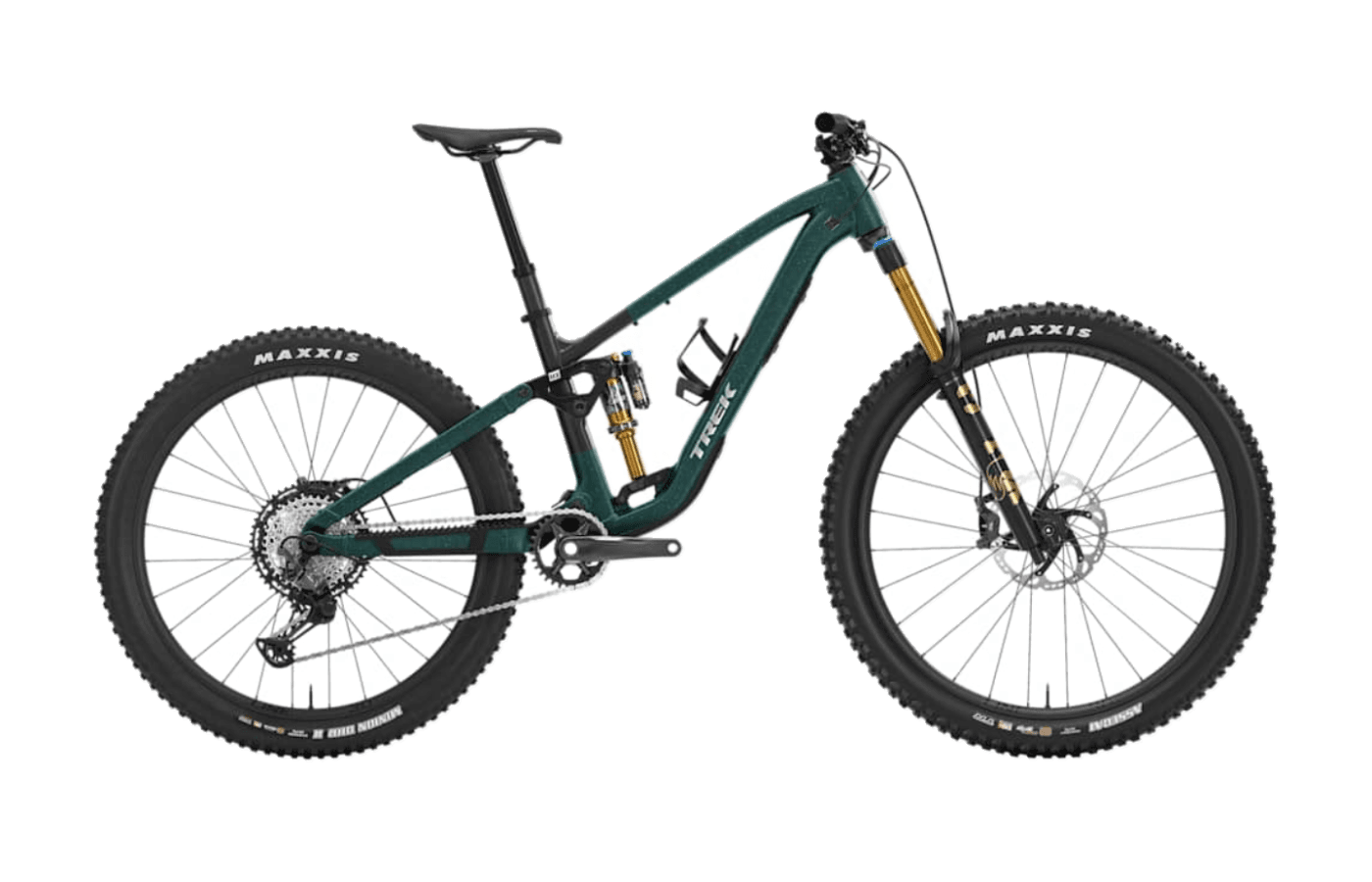
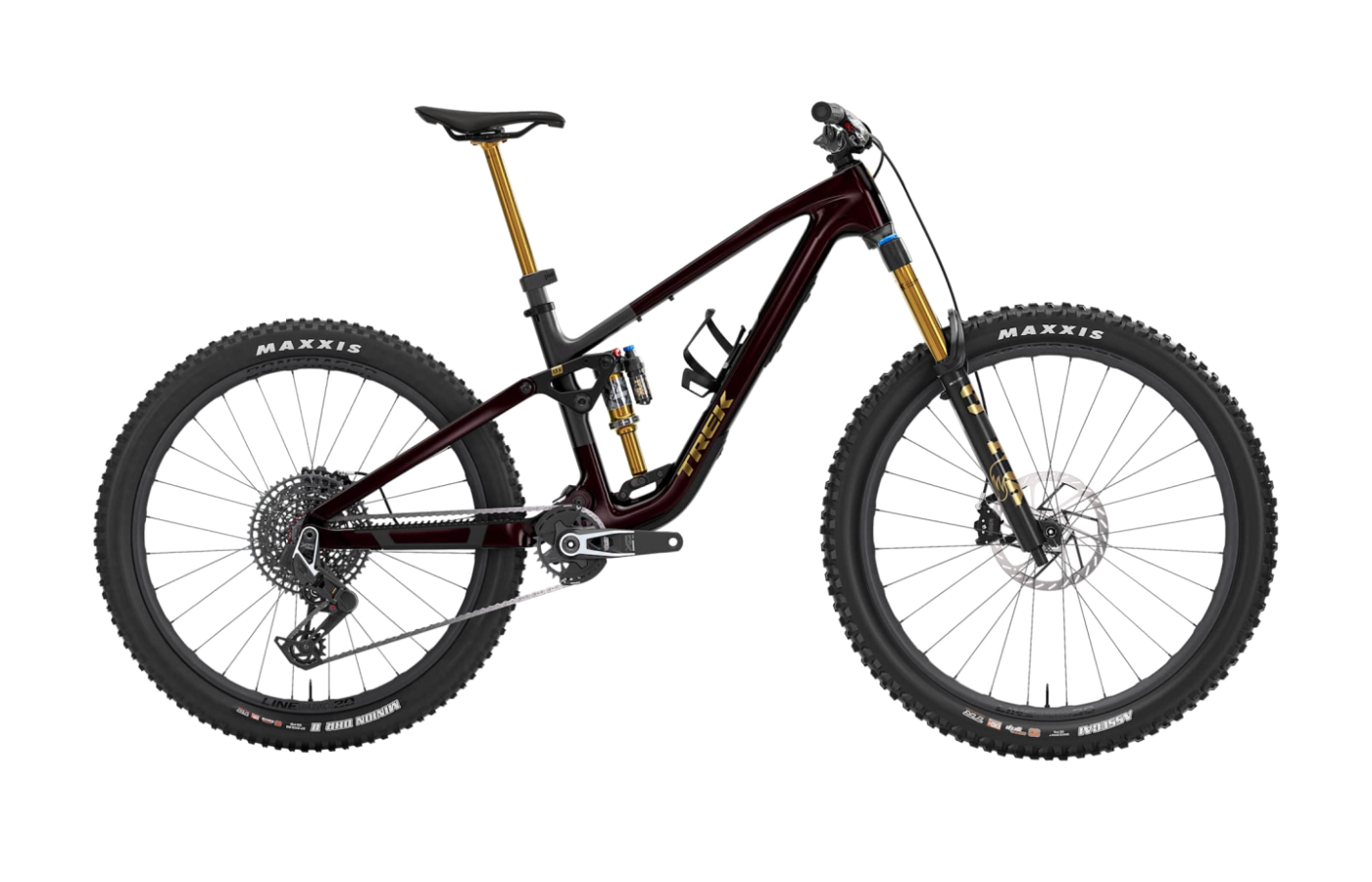
The Gen 7 Trek Fuel MX is the more aggressive mixed-wheel expression of Trek’s new shared Fuel platform. Rather than building a separate frame around a mullet layout, Trek uses one chassis for the Fuel EX, Fuel MX, and Fuel LX, then changes rocker links, the lower shock mount, and relevant wheel and suspension parts to create each configuration. In MX form, that yields a 29-inch front wheel, 27.5-inch rear wheel, 150mm of rear travel, and a 160mm fork—placing it squarely in the modern all-mountain category for riders who want more maneuverability and rear-wheel clearance than a full 29er without stepping into a full enduro bike.
What distinguishes this generation is not just the wheel format, but the underlying platform update. Gen 7 adds more dropper-post insertion depth, lower standover, more front-triangle clearance, improved in-frame storage, quieter routing and frame protection, a standard ZS headset for angle-adjust compatibility, and UDH support, while retaining Trek’s ABP suspension layout. That makes the Fuel MX notable as a configurable platform bike rather than a one-off niche model: it targets riders who prioritize a playful, quicker-handling setup, but it does so with the same modern frame standards and practical features expected in the upper middle of the all-mountain market.
Geometry & fit.
5 sizes published.
The Fuel MX’s geometry is clearly aimed at aggressive trail and all-mountain riding. Across the size range, the head tube angle is a consistent 64.2 degrees, paired with 132mm of trail, which points to stable front-end behavior at speed and on steeper descents. Reach numbers are contemporary without being extreme—456mm in Medium, 482mm in Large, and 507mm in XL—while stack heights of 627mm, 641mm, and 654mm respectively suggest a reasonably tall front end suited to descending confidence more than low-slung XC positioning.
Chainstay length grows with size, from 434mm on S and M to 449mm on XXL, helping preserve weight balance as front-center increases. Wheelbase follows suit, stretching from 1191mm in S to 1332mm in XXL, which should give larger sizes consistent stability rather than feeling disproportionately short at the rear. The 31mm BB drop is moderate for a mixed-wheel bike, balancing cornering stability with pedal clearance, while the listed 72.3-degree seat tube angle is relatively slack by current standards on paper; in practice, riders sensitive to seated climbing position may pay close attention to fit and saddle setup, especially on longer climbs.
Where the handlebar sits relative to the bottom bracket — the single most important fit pair.
01Fit geometry6 values
03Handling geometry8 values
Which size should I buy?
Slide your height to see the recommended size. GearWise's fit algorithm works from the published stack, reach, and ETT — the brand's own recommendation may differ.
→Calculated from GearWise's own stack / reach / ETT algorithm — the brand's size chart may recommend a different size, and a proper bike fit beats any calculator.
The lineup.
8 builds, ranging $5,000 – $8,500.
The Fuel MX Gen 7 range starts at $4,999.99 and runs to $8,499.99, with Trek offering multiple drivetrain paths at the same price points rather than forcing riders into a single spec philosophy. At the entry level, the 9 XT Gen 7 and 9 Eagle 90 Gen 7 both sit at $4,999.99, followed by the 9 XT Di2 Gen 7 at $5,499.99. The $5,999.99 tier is especially broad, with 9.8 XT Gen 7, 9.8 Eagle 90 Gen 7, and 9 X0 AXS Gen 7 all available at the same price, before stepping up to the 9.8 XT Di2 Gen 7 at $6,499.99 and the flagship 9.9 X0 AXS Gen 7 at $8,499.99.
From the naming alone, the lineup’s main differentiators are drivetrain families and frame/material tiering, with Shimano XT, Shimano XT Di2, SRAM Eagle 90, and SRAM X0 AXS represented across the range. That gives buyers a clear choice between mechanical and electronic shifting, and between Shimano and SRAM ecosystems, without a large penalty until the top-end 9.9 build. The strongest value on paper is likely in the dense $5,999.99 middle of the range, where Trek offers several distinct component directions at the same price rather than reserving meaningful choice only for premium builds.