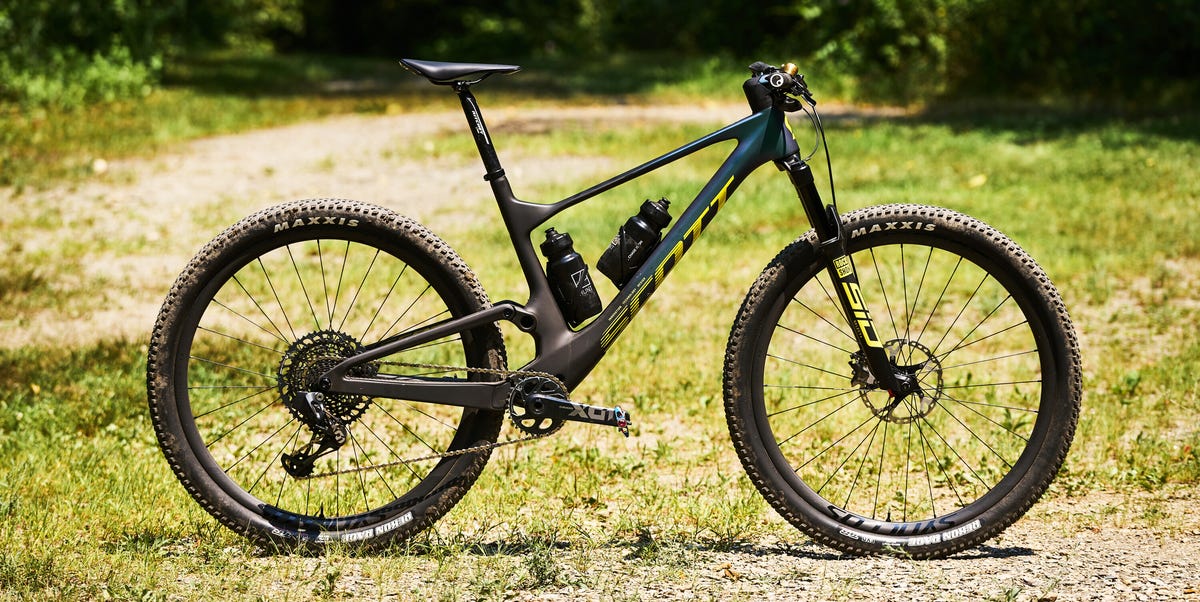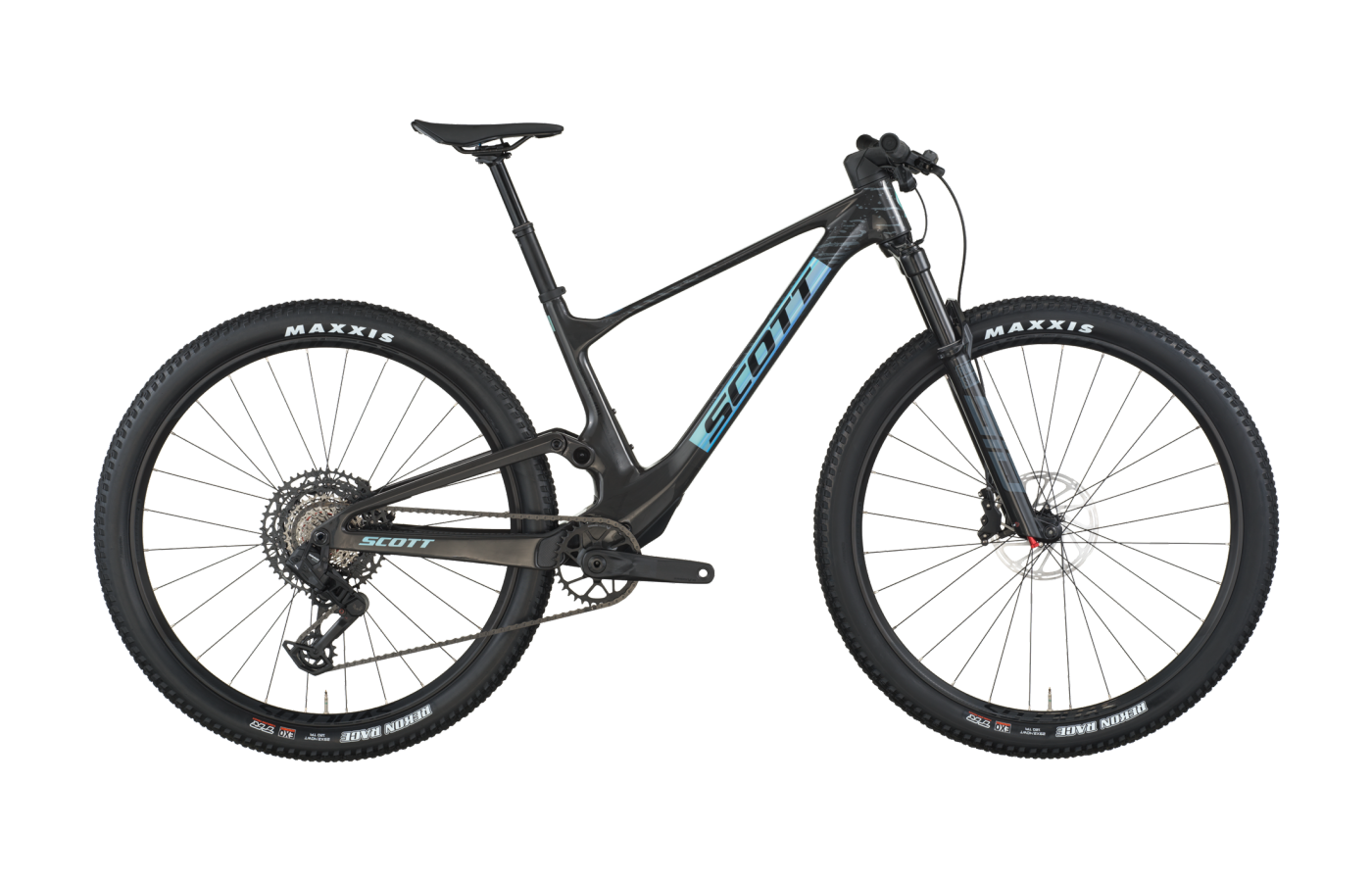
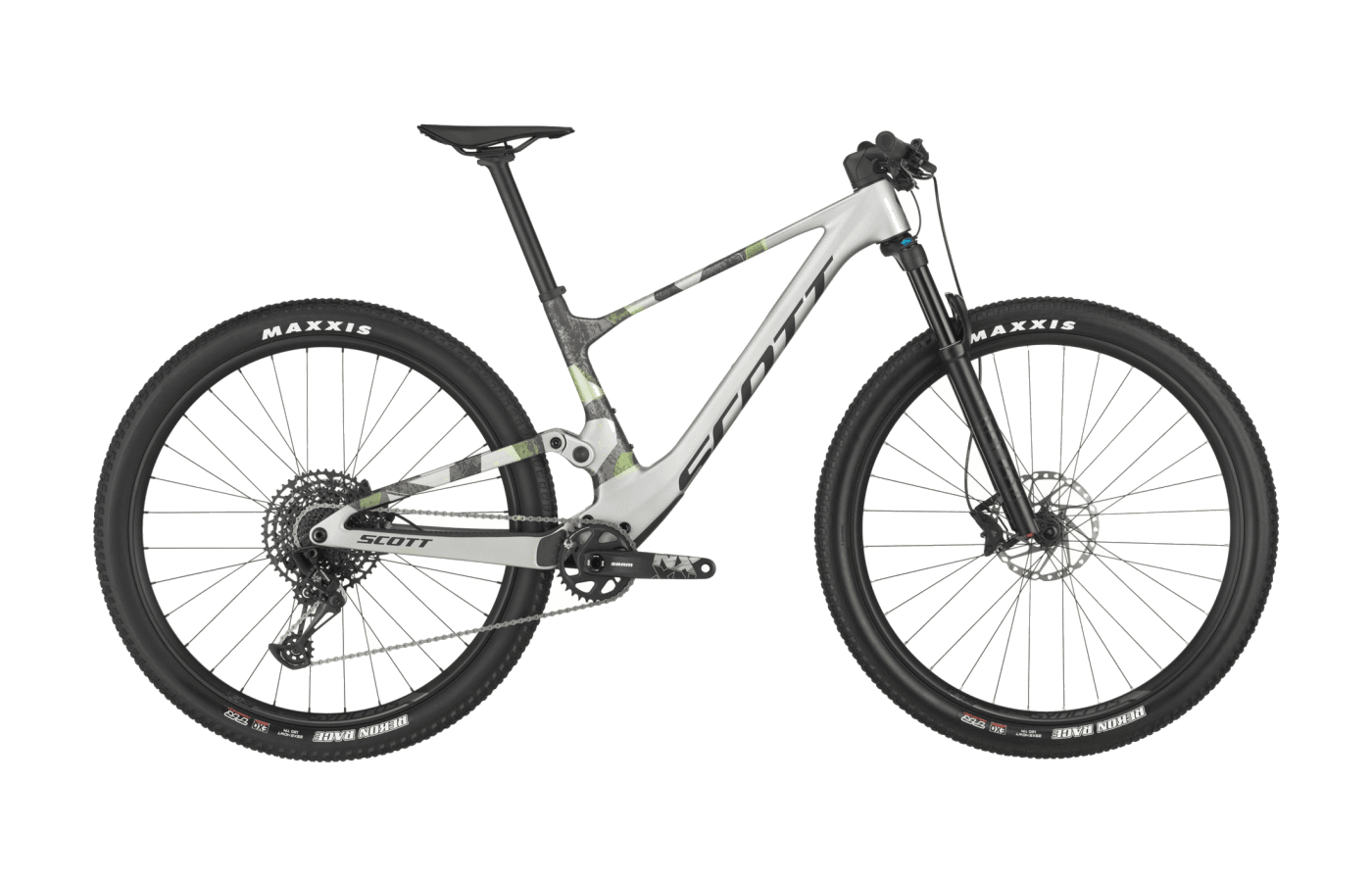
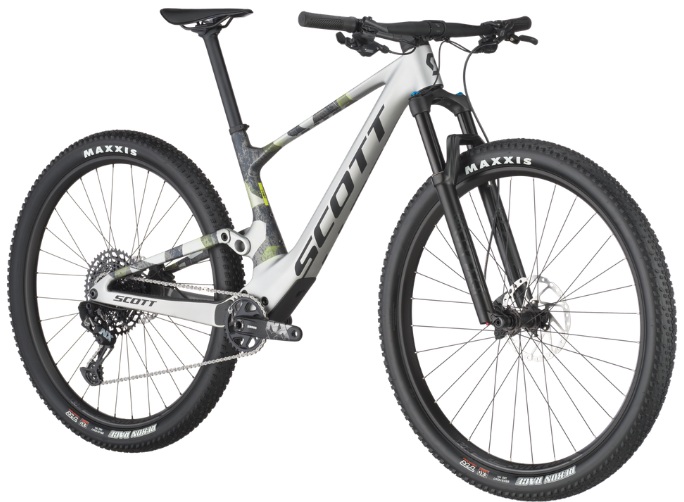
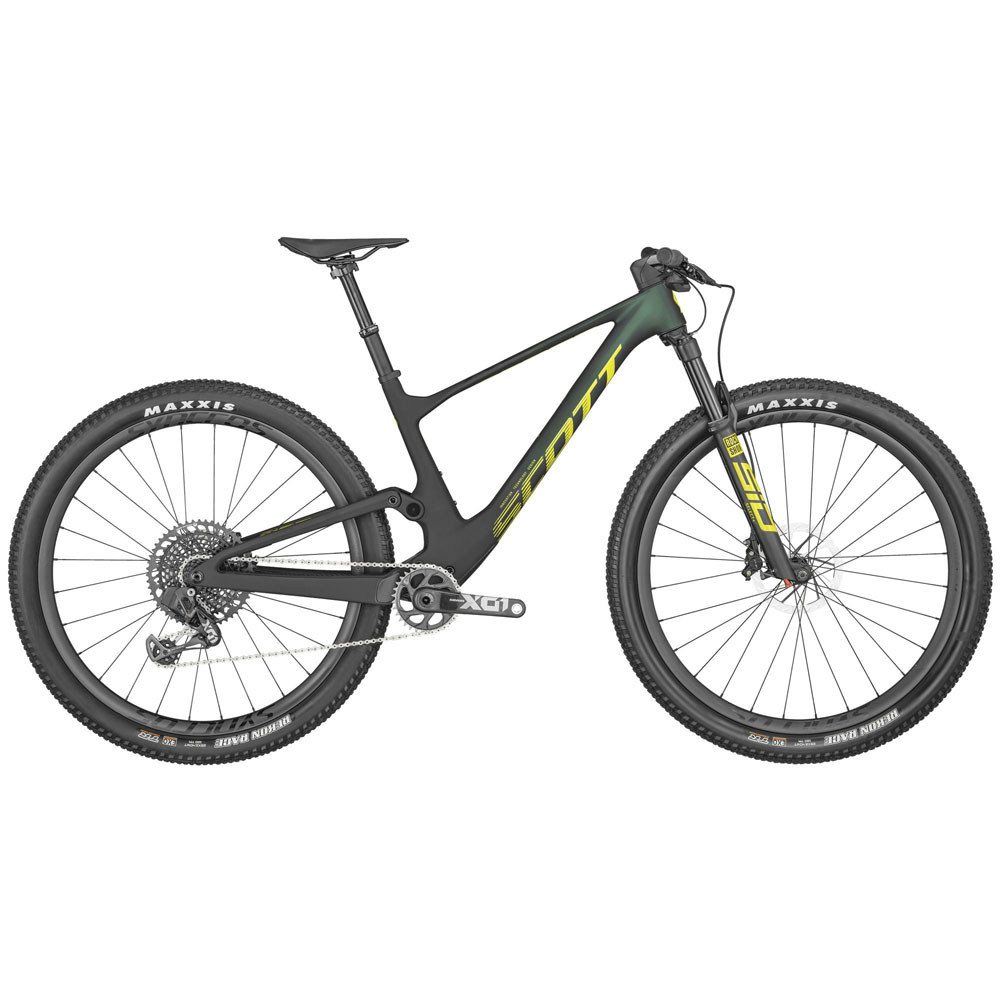
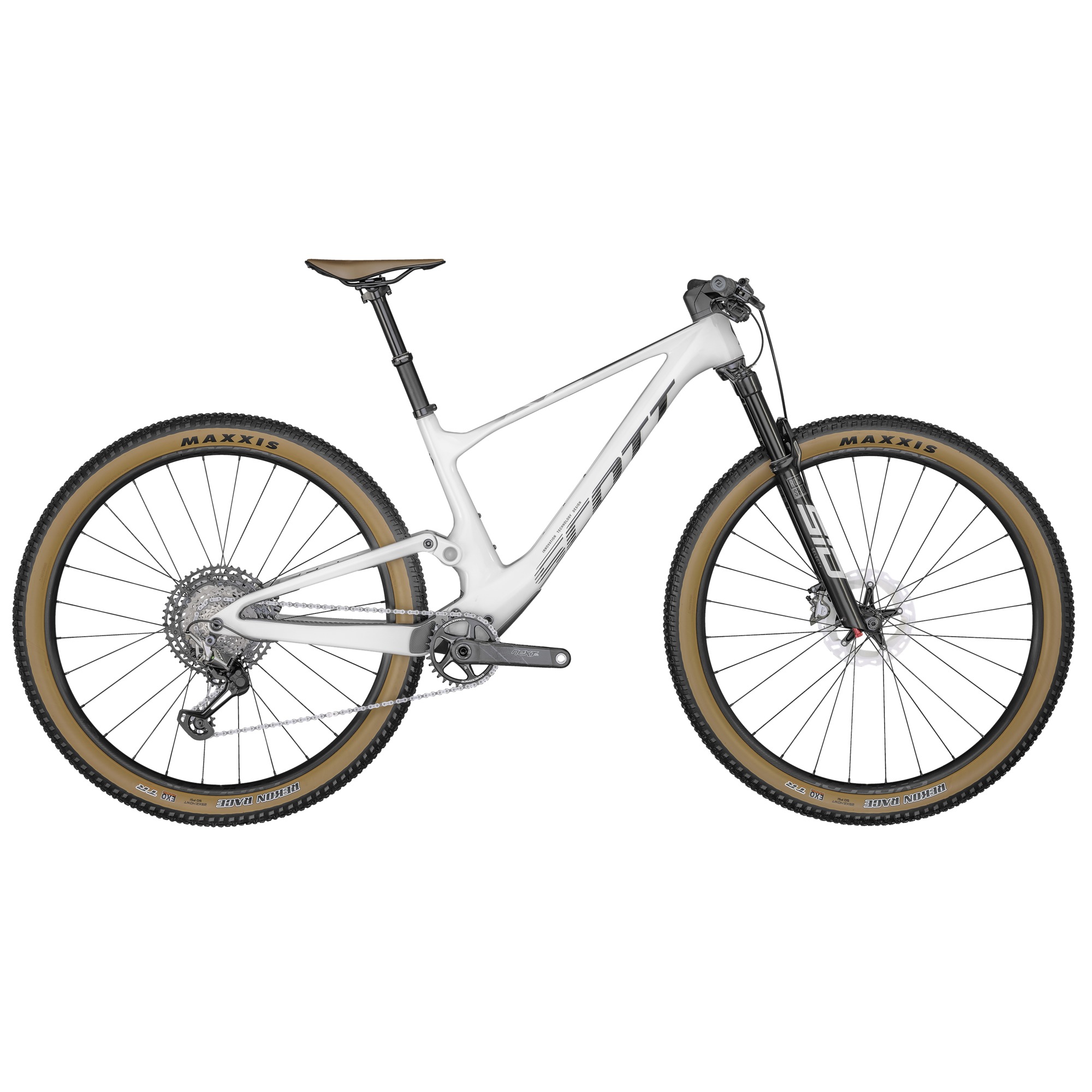
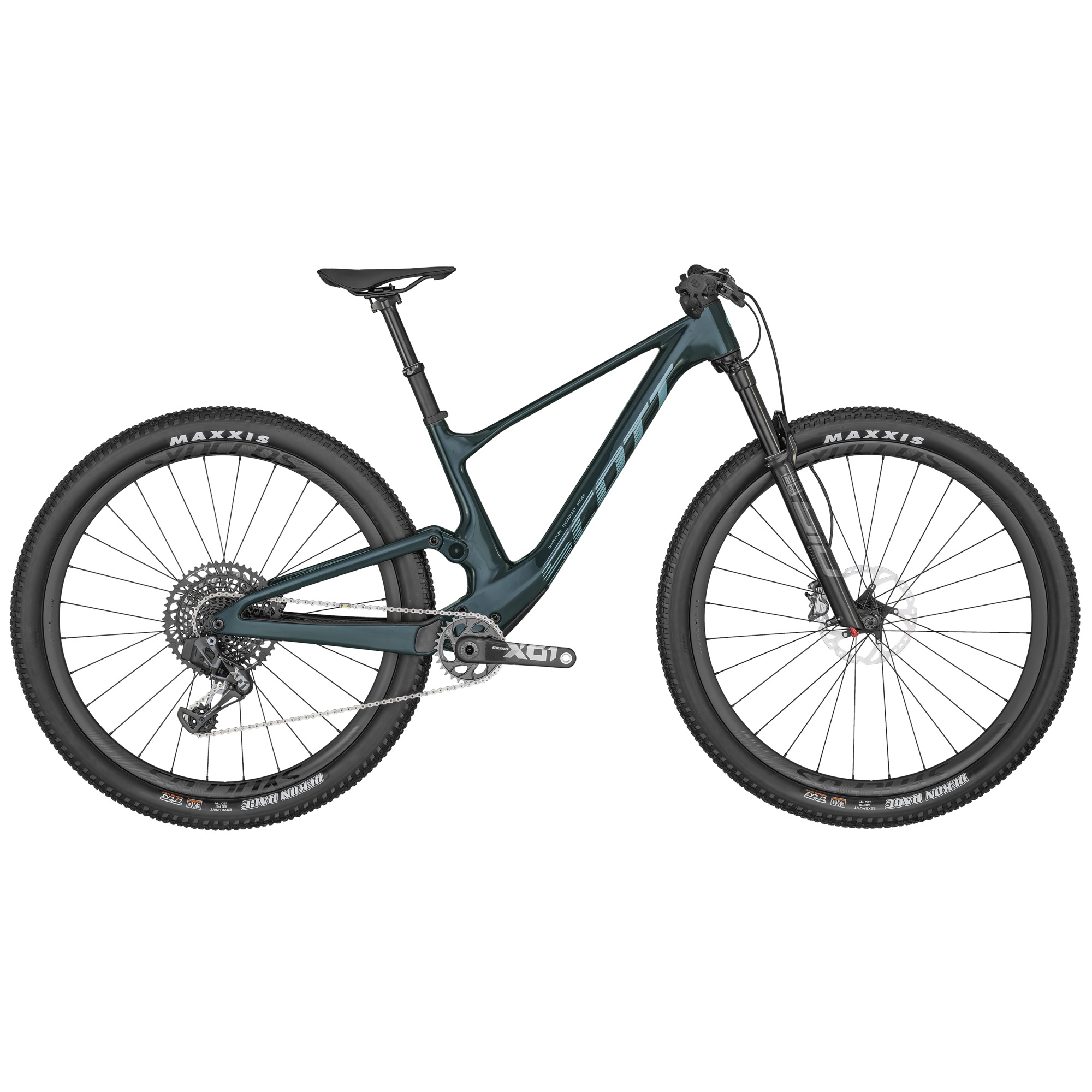
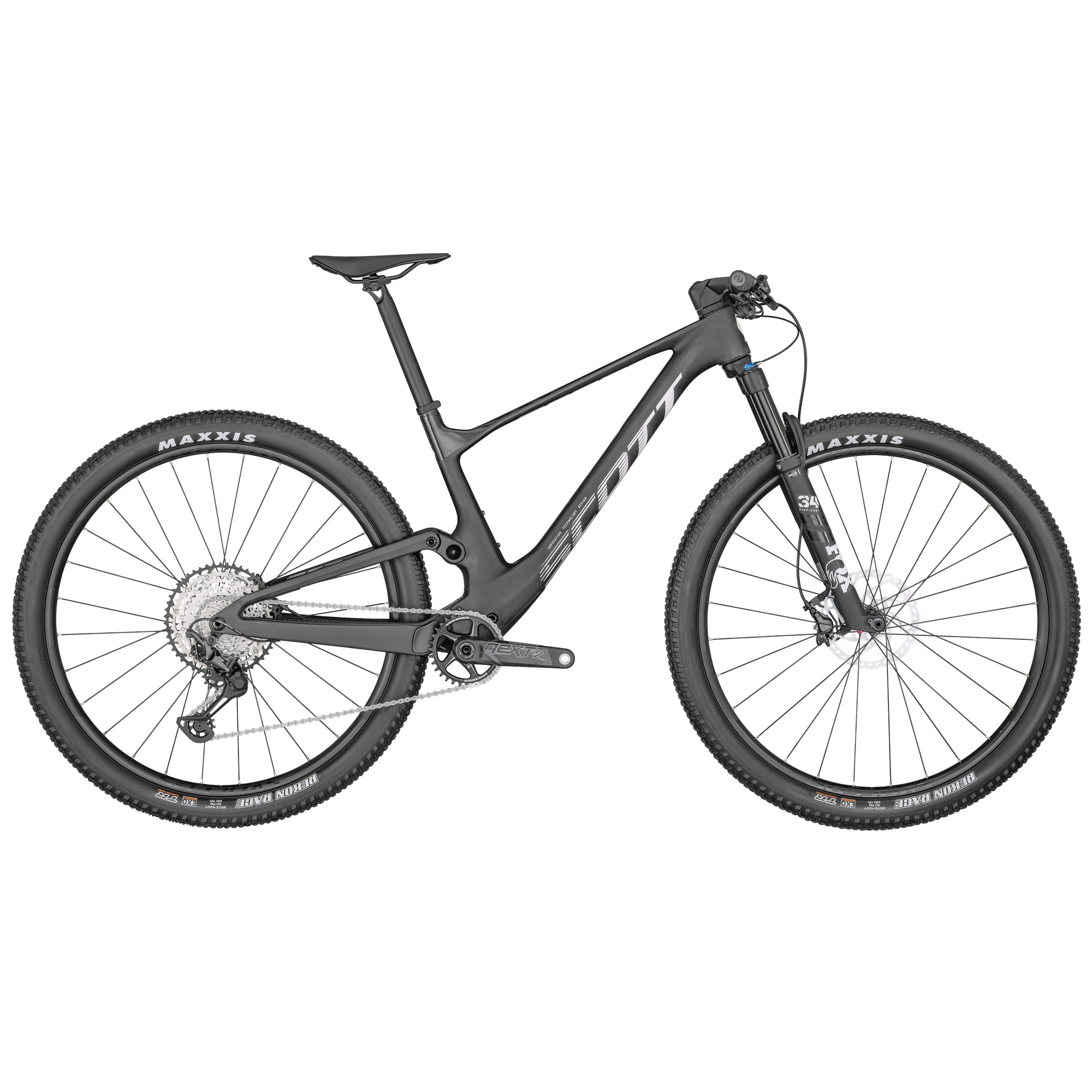
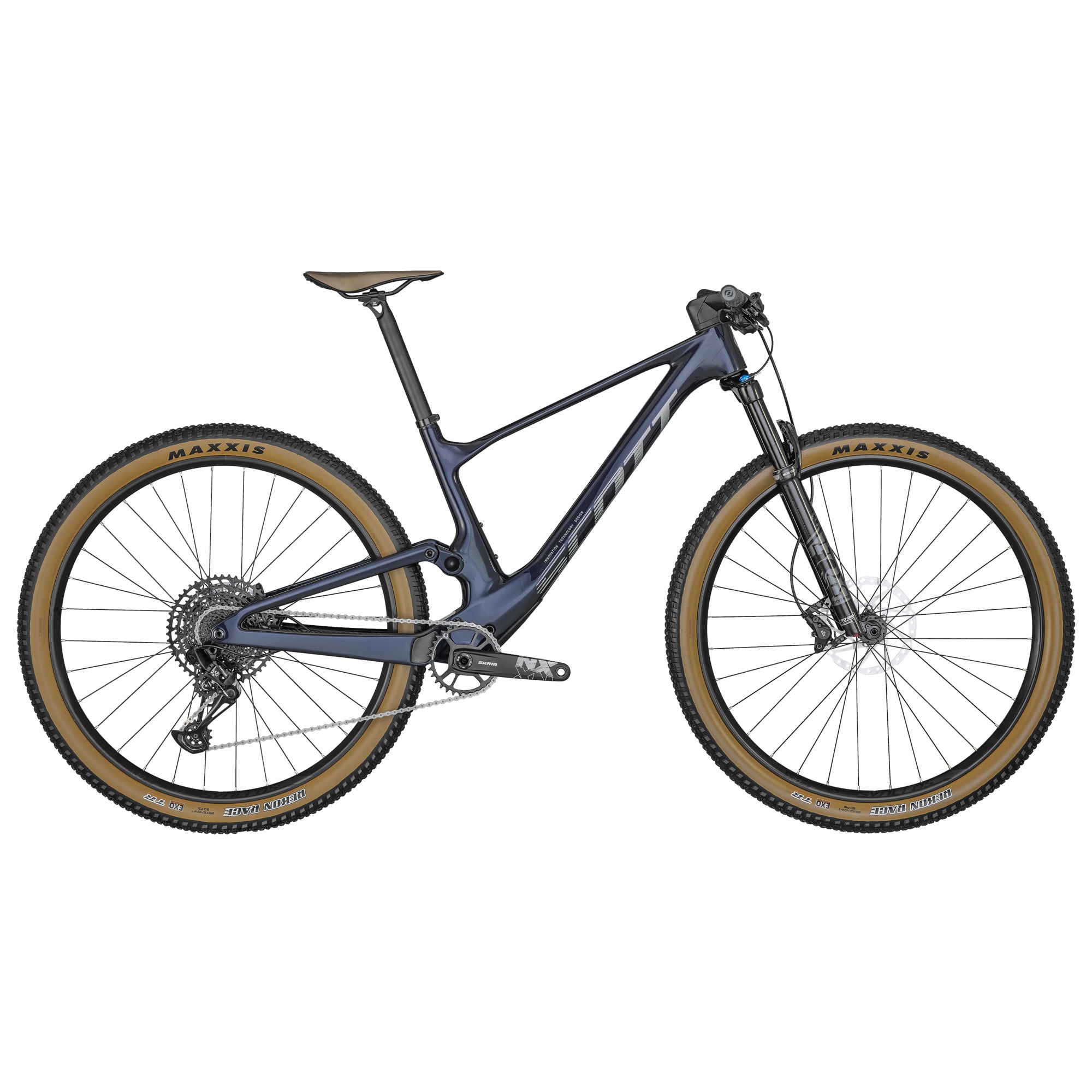
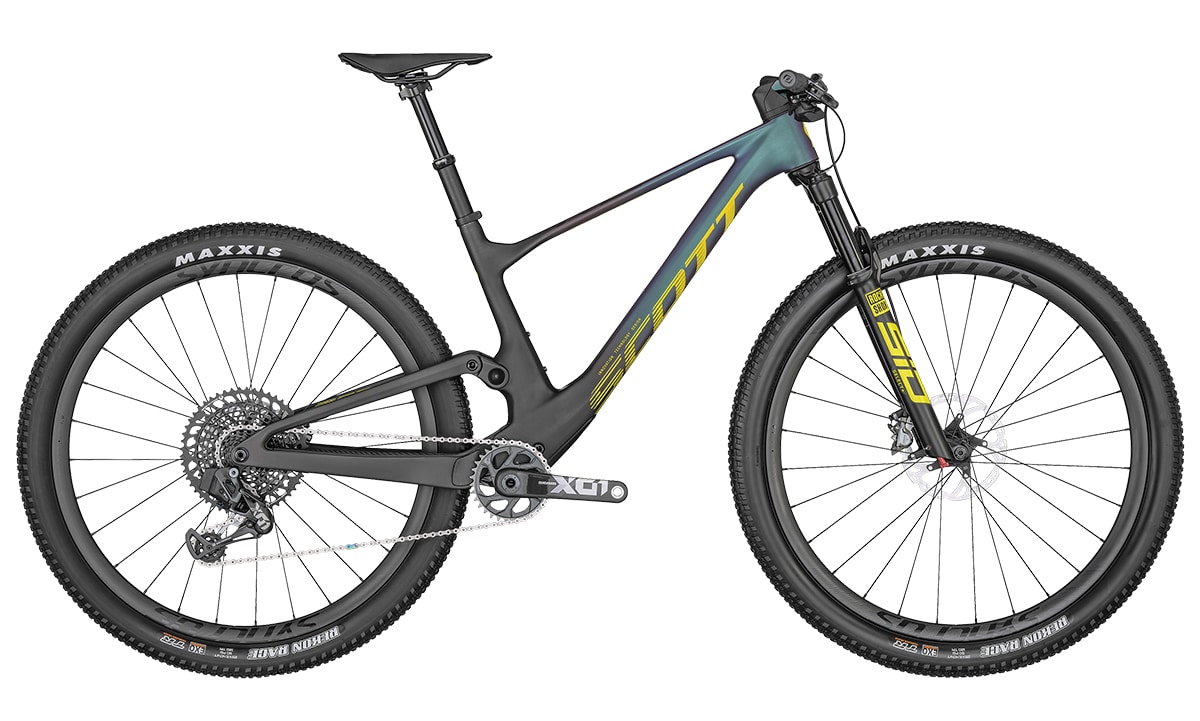
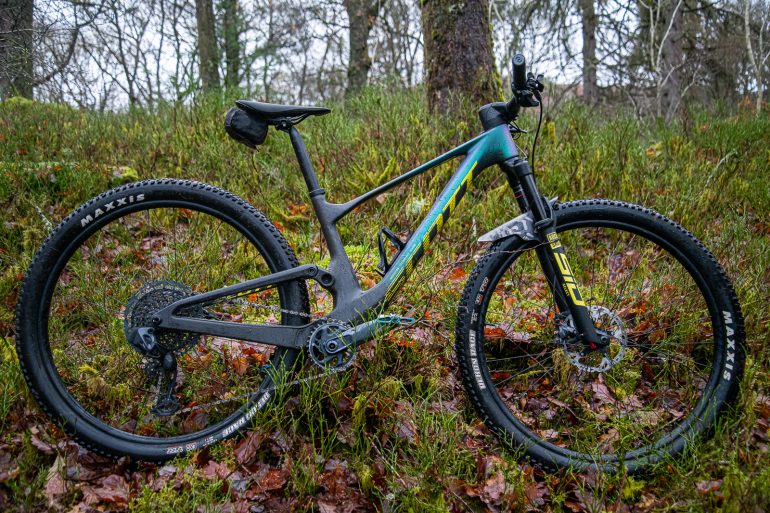
The MY22 Scott Spark RC was a major reset of Scott’s flagship cross-country race bike. Its defining feature is the integrated rear shock, housed inside the frame rather than mounted externally, a layout derived from Bold’s design language and used here for more than aesthetics. Scott used the packaging change to lower the shock position, free up space in the front triangle for better bottle capacity, and create a cleaner, more protected suspension layout with service access through a hatch under the down tube and bottom bracket area. Despite the unusual frame architecture, the Spark RC remained firmly race-oriented rather than becoming a trail bike in disguise.
What changed most in practice was the bike’s place in the XC market. With 120mm front and rear travel, modernized geometry, and Scott’s TwinLoc three-position suspension control, the Spark RC moved decisively toward the current World Cup trend of longer, slacker, steeper race bikes built for increasingly technical courses. It sits at the sharp end of the XC/downcountry overlap: more capable and composed than traditional 100mm race bikes, but still intended for riders who prioritize speed, climbing efficiency, and race-day precision over trail-bike simplicity. The adjustable headset concept and integrated cockpit underline that this is a highly engineered, performance-first platform rather than a conventional, easy-to-tinker-with XC bike.
Where to get it.
3 retailers · size M.
Spec sheet.
Every component shipped with this build.
Geometry & fit.
4 sizes published.
The Spark RC’s geometry is unmistakably modern for an XC bike. In size M it combines a 441mm reach, 67.2-degree head tube angle, 76.1-degree seat tube angle, 437.5mm chainstays, and a 1,159mm wheelbase. That is substantially longer and slacker than older race bikes, and it helps explain the bike’s high-speed stability and descending confidence. The 67.2-degree front end and 115mm trail figure slow the steering slightly compared with a traditional twitchy XC bike, while the steep seat angle keeps the rider centered for climbing and helps prevent the front wheel from wandering on steep pitches.
Across the size range, the numbers show Scott prioritizing consistency: chainstay length stays fixed at 437.5mm, while reach grows from 411mm in S to 501mm in XL and seat angle steepens from 75.9 to 76.9 degrees. That gives the bike a balanced, race-focused fit with an upright-but-efficient front end rather than an extreme stretched-out posture. The -45mm BB drop contributes to cornering stability but, combined with 120mm travel, also helps explain why reviewers found Traction Control mode useful for technical climbing and pedal-strike avoidance. Overall, the geometry favors riders who want a composed, aggressive XC bike for modern courses rather than a razor-sharp short-track specialist.
Where the handlebar sits relative to the bottom bracket — the single most important fit pair.
01Fit geometry6 values
03Handling geometry7 values
Which size should I buy?
Slide your height to see the recommended size. GearWise's fit algorithm works from the published stack, reach, and ETT — the brand's own recommendation may differ.
→Calculated from GearWise's own stack / reach / ETT algorithm — the brand's size chart may recommend a different size, and a proper bike fit beats any calculator.
The lineup.
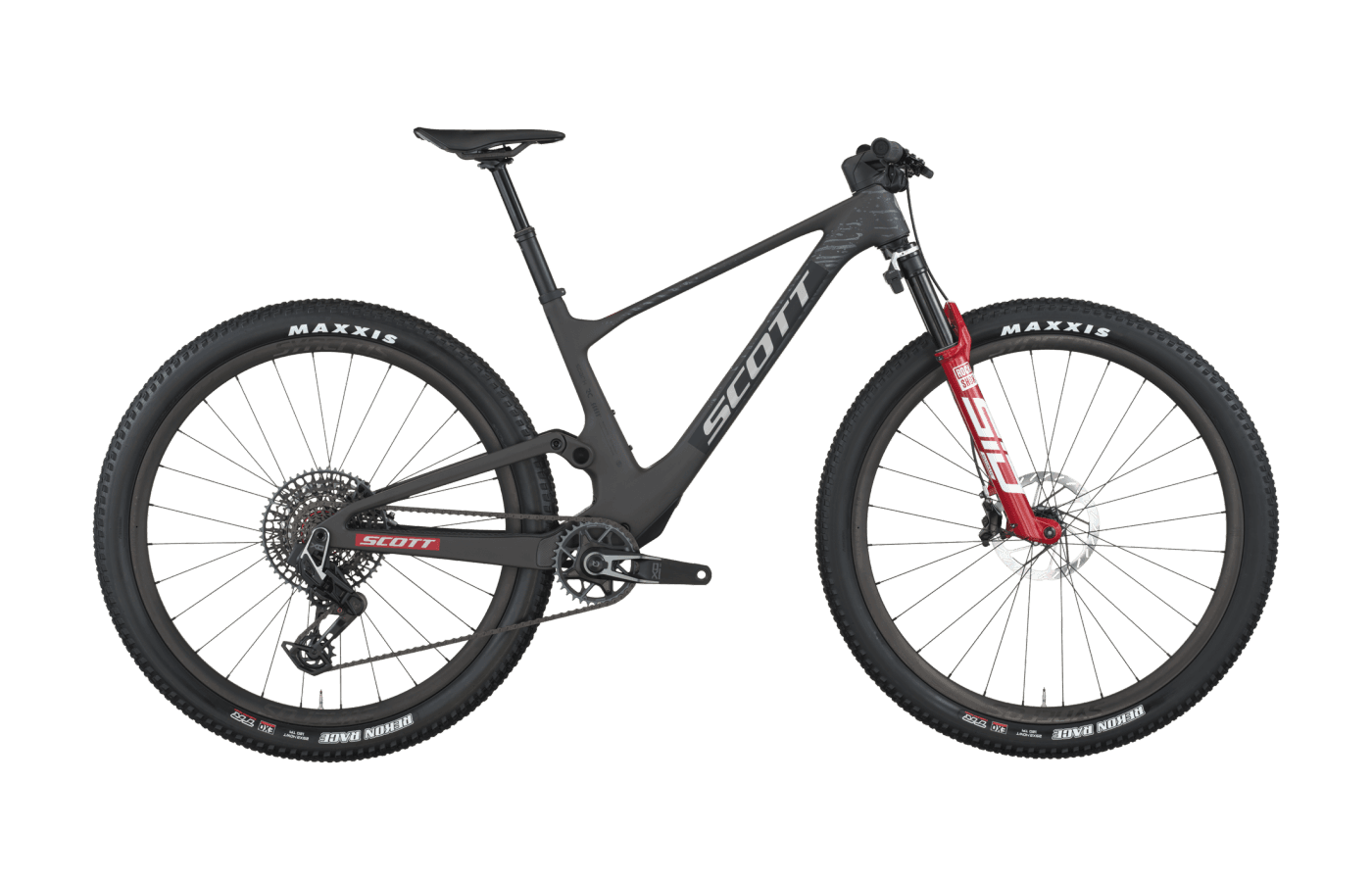
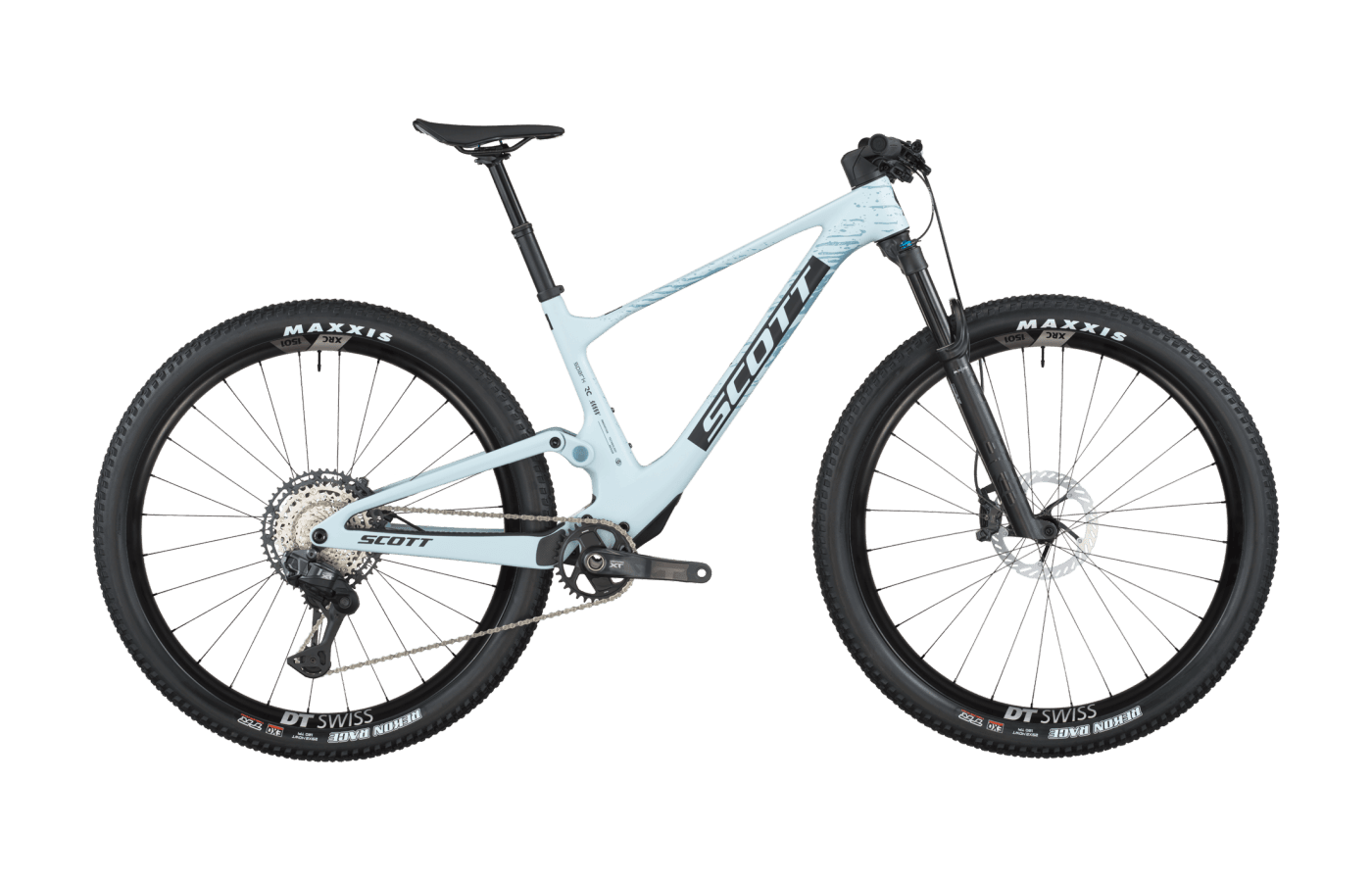
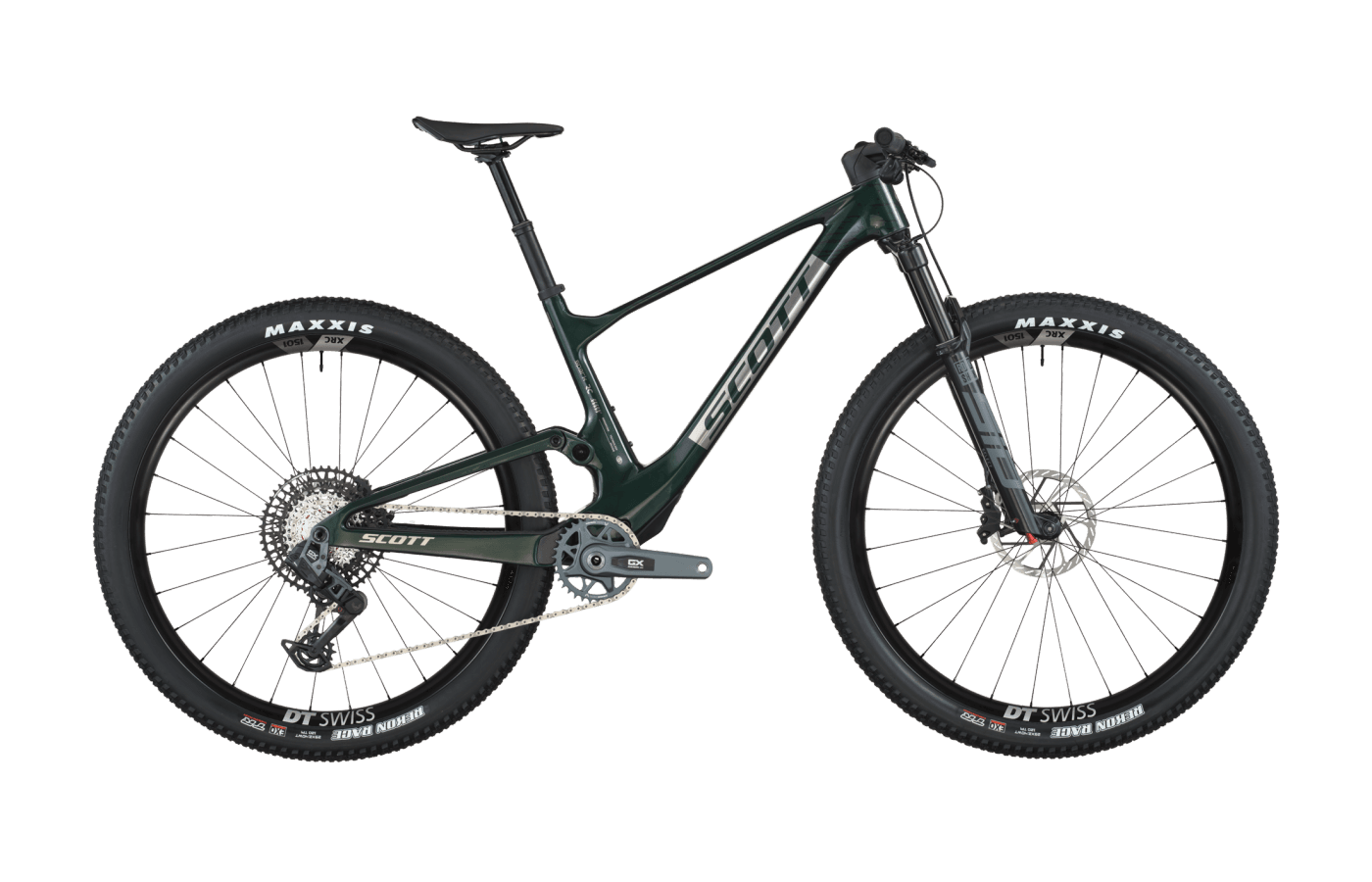
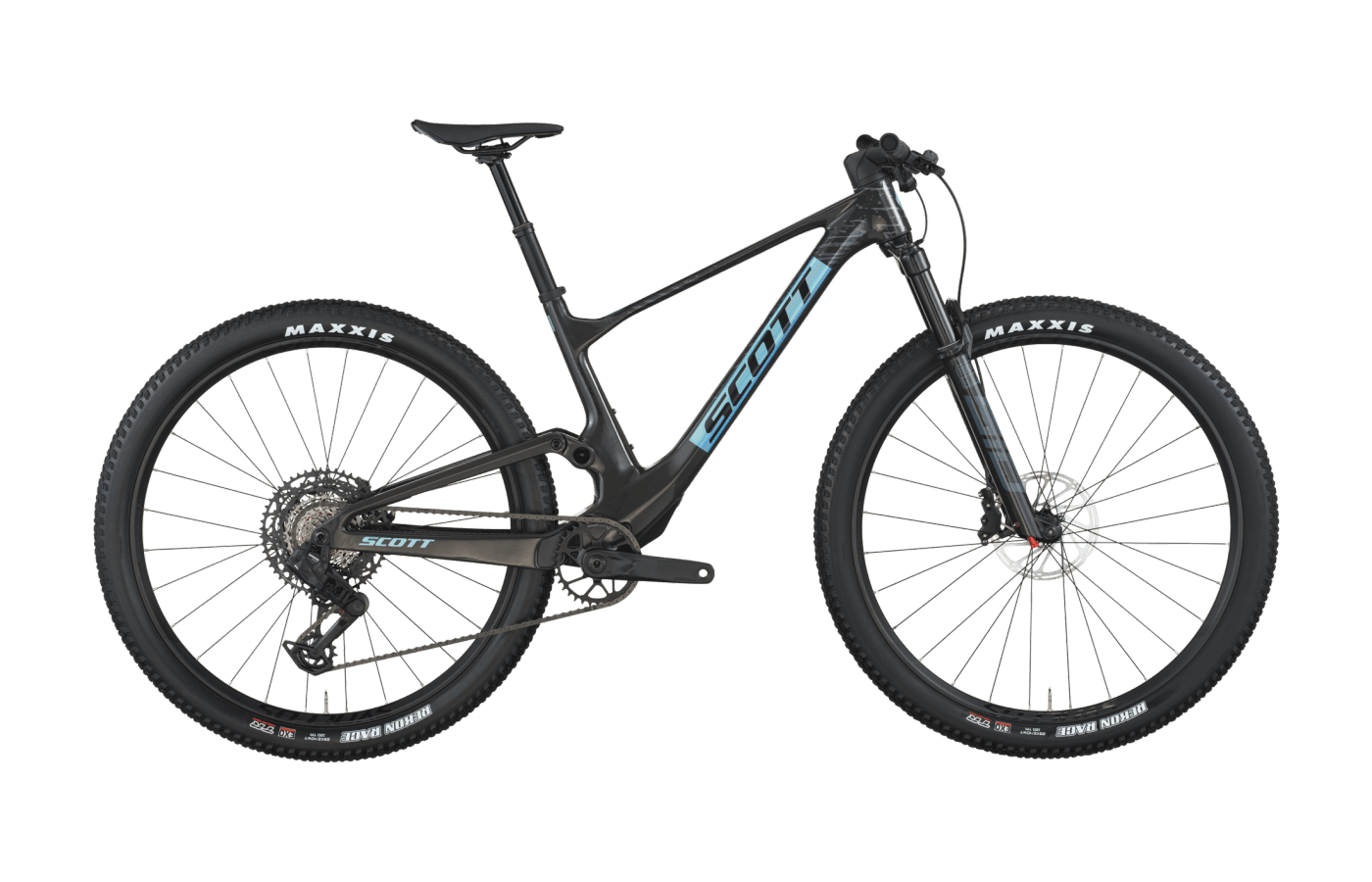
7 builds, ranging $4,000 – $15,000.
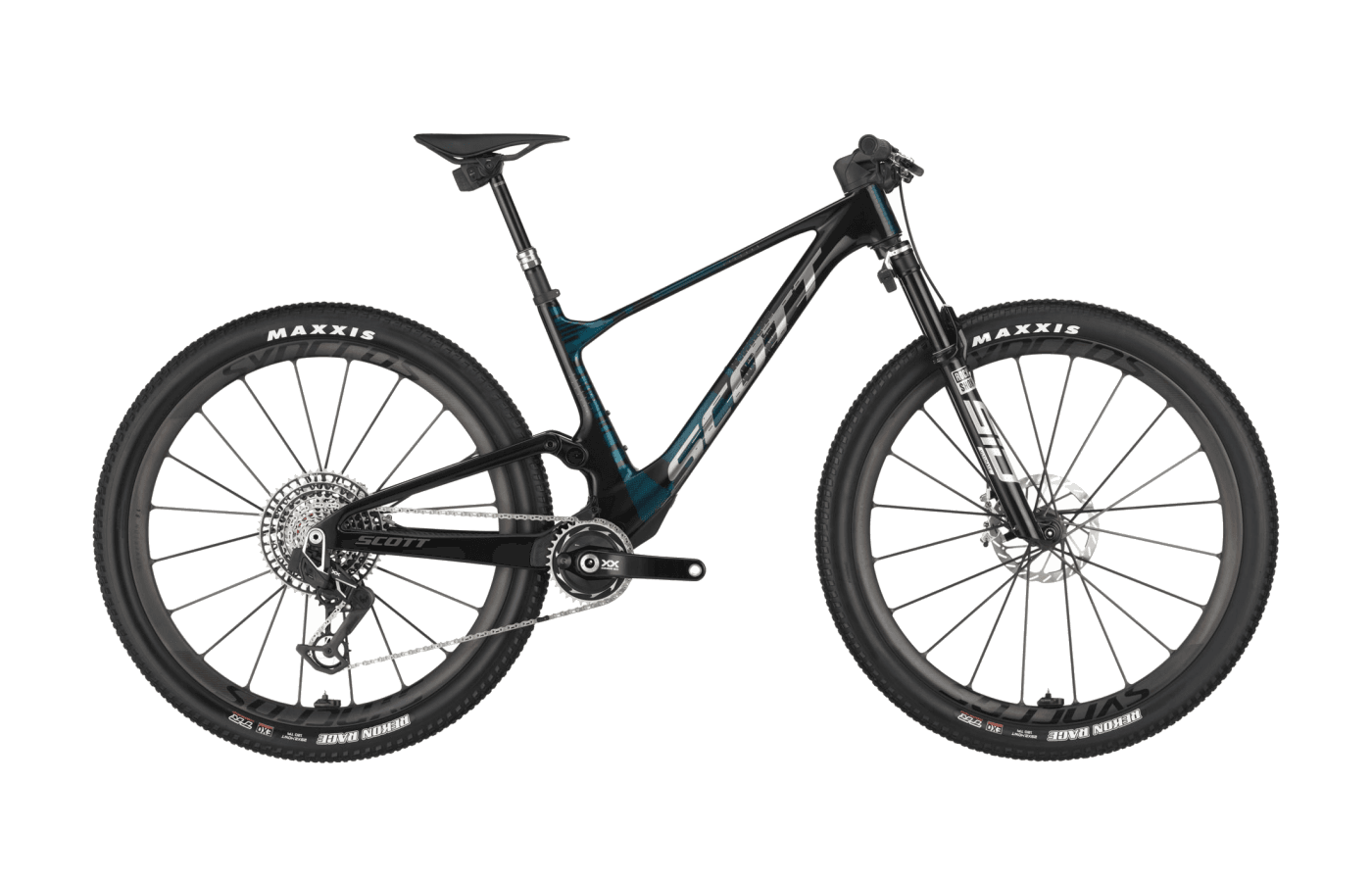
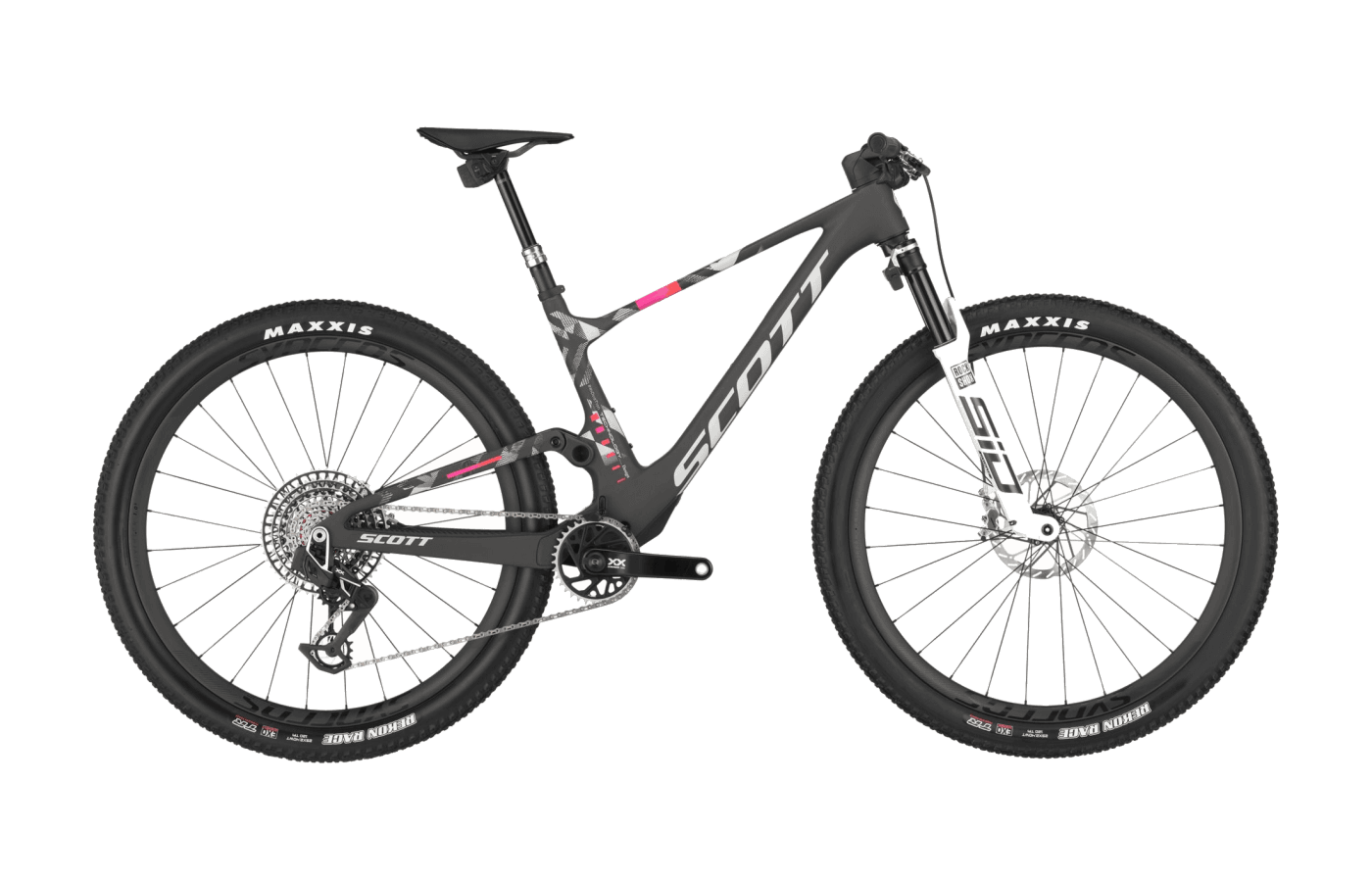
The Spark RC range spans a wide price spread, from the Comp at $3,999.99 to the SL at $14,999.99, with Team ($4,999.99), Team Issue ($5,999.99), Pro ($6,499.99), World Cup ($8,499.99), and World Cup EVO ($11,999.99) filling the middle. That gives buyers access to the same core MY22 frame concept and race geometry at every level, which is a major part of the bike’s appeal. Review coverage suggests even the lower-end bikes deliver the key experience of the platform, while lighter and more expensive models mainly buy weight reduction and higher-end components rather than a different ride concept.
The value story is strongest if the buyer prioritizes frame design and geometry first. Reviewers noted that the Comp remains relatively light for its class at 12.5kg, while the Team and Pro step up to 11.7kg and 11.2kg respectively, and top-end World Cup-level builds dip into the 10.7-10.9kg range. At the same time, reviews repeatedly pointed out that lower-tier builds can involve component compromises, and some mid-range models were criticized for omissions such as a dropper post despite technical intent. At the top of the range, the World Cup and above are positioned as premium race builds, but reviewers also noted that Scott’s integration and carbon hierarchy come with a real cost premium. In short, the lineup offers broad access to a benchmark chassis, but the lower and middle builds make the strongest case for riders who want the frame technology without paying flagship money.
From the press.
13 reviews from the cycling press.
Reviewers broadly agreed that the MY22 Spark RC changed expectations for what a cross-country race bike can feel like on rough terrain. Several described it as unusually composed and plush for the category, with Mud Club calling it an "enduro bike on an ultra-diet" and Flow Mountain Bike describing it as "ridiculously plush for an XC race bike." BikeRadar and Bicycling both highlighted the bike’s traction and comfort over technical ground, especially when paired with 120mm of travel and 2.4-inch tires. On descents, Pinkbike and others found it notably calmer and less twitchy than many short-travel XC rivals, with the longer wheelbase and lower-slung suspension mass contributing to a more stable feel at speed.
The biggest caveat in reviews was that the Spark RC’s efficiency depends heavily on using the TwinLoc system properly. Multiple testers noted that in fully open mode the bike can feel soft under power and bob more than expected, making the middle "Traction Control" setting effectively the default for mixed terrain. That mode, which reduces rear travel to 80mm, was widely praised for sharpening pedaling response and improving climbing behavior while preserving grip on roots and technical ascents. Reviewers also pointed out trade-offs: Bicycling noted some understeer on tighter, flatter old-school trails, BikeRadar questioned whether the frame was as laterally stiff as it could be under hard sprinting loads, and several publications criticized the maintenance burden created by headset cable routing and heavy integration. Heavier riders were also flagged by Mud Club as more likely to overwhelm the stock shock tune.
Scott Spark RC Comp 2025 Review: Test Ride, Specs, and Price
Scott SPARK RC WORLD CUP 2023 Review
Scott Spark RC Pro 2022 Review
Scott Contessa Spark RC World Cup 2022 Review
Scott Spark RC Team 2022 Review
Scott Spark RC Comp 2022 Review
2022 Scott Spark RC Comp — Mud Club
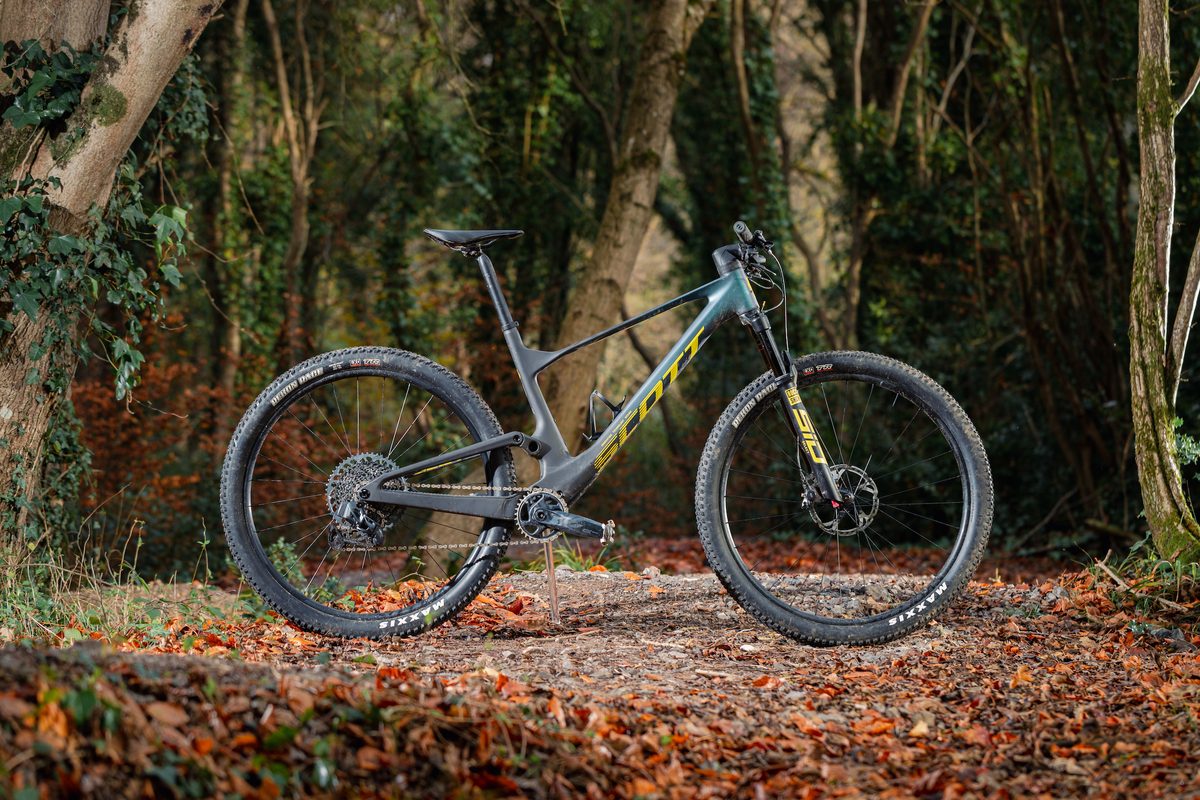
OLYMPIC PEDIGREE: SCOTT SPARK RC WORLD CUP REVIEW
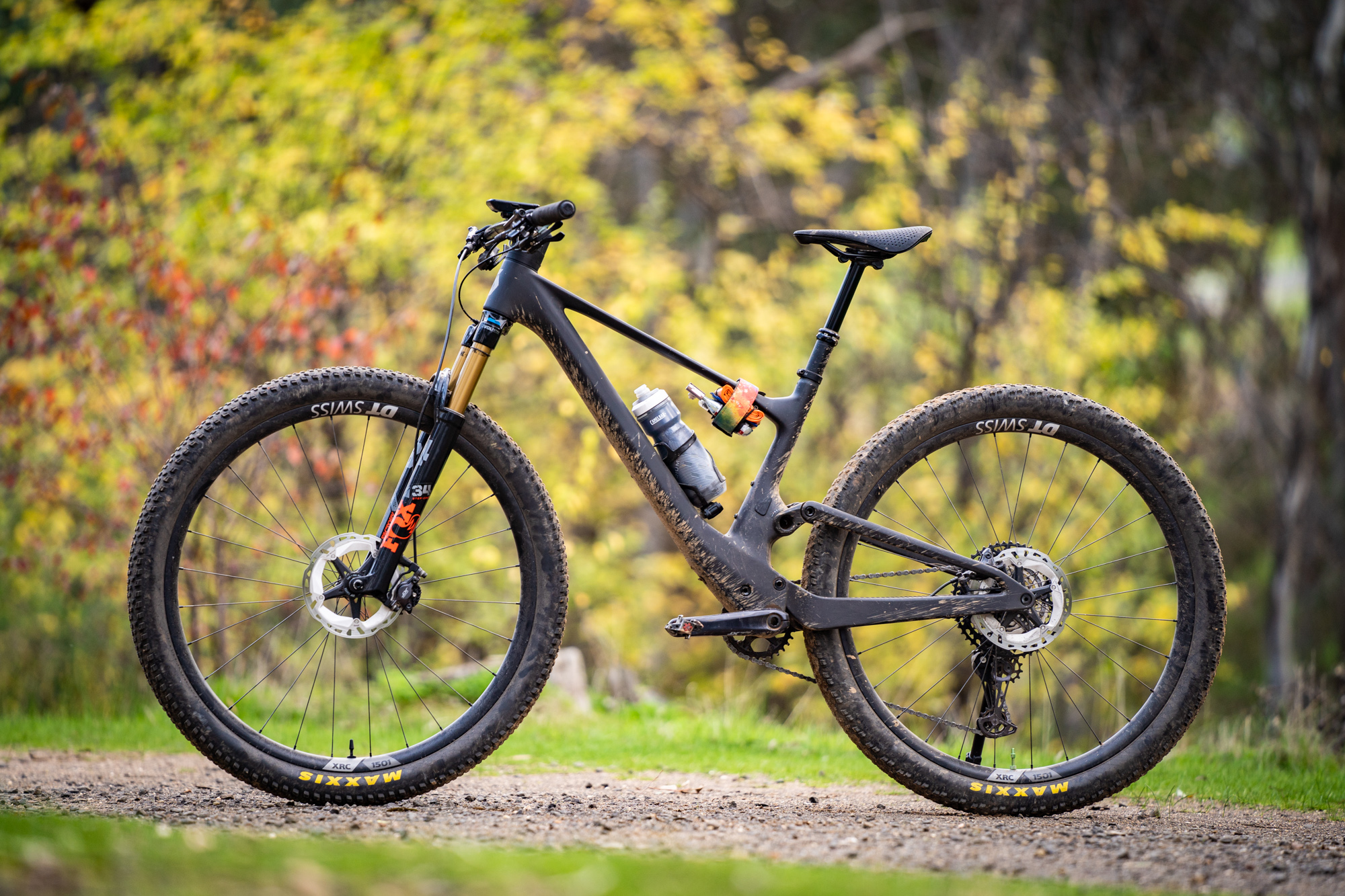
2022 Scott Spark RC Review | 6 upgrades to turn a Spark into a Spark RC
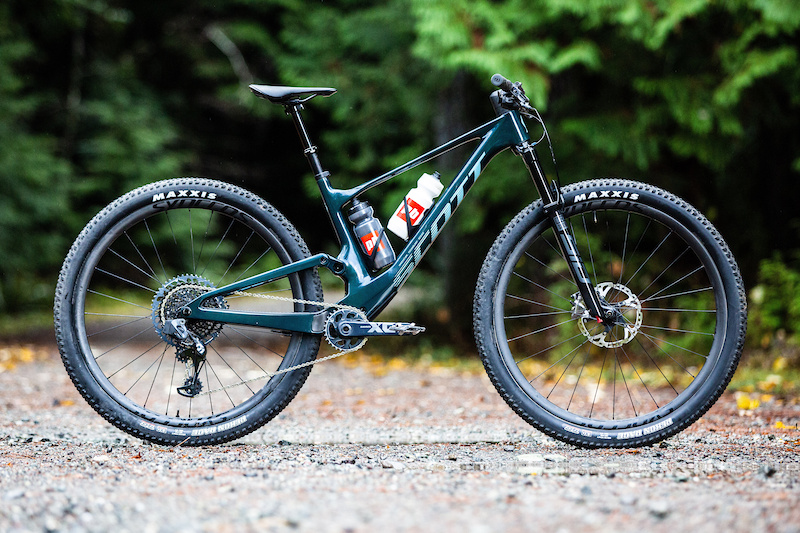
Review: Scott Spark RC World Cup - 120mm Is The New XC - Pinkbike
Scott Spark RC Team Issue AXS review | BikeRadar
Tested : Pete’s Scott Spark RC Team Issue AXS Review.