Confluence
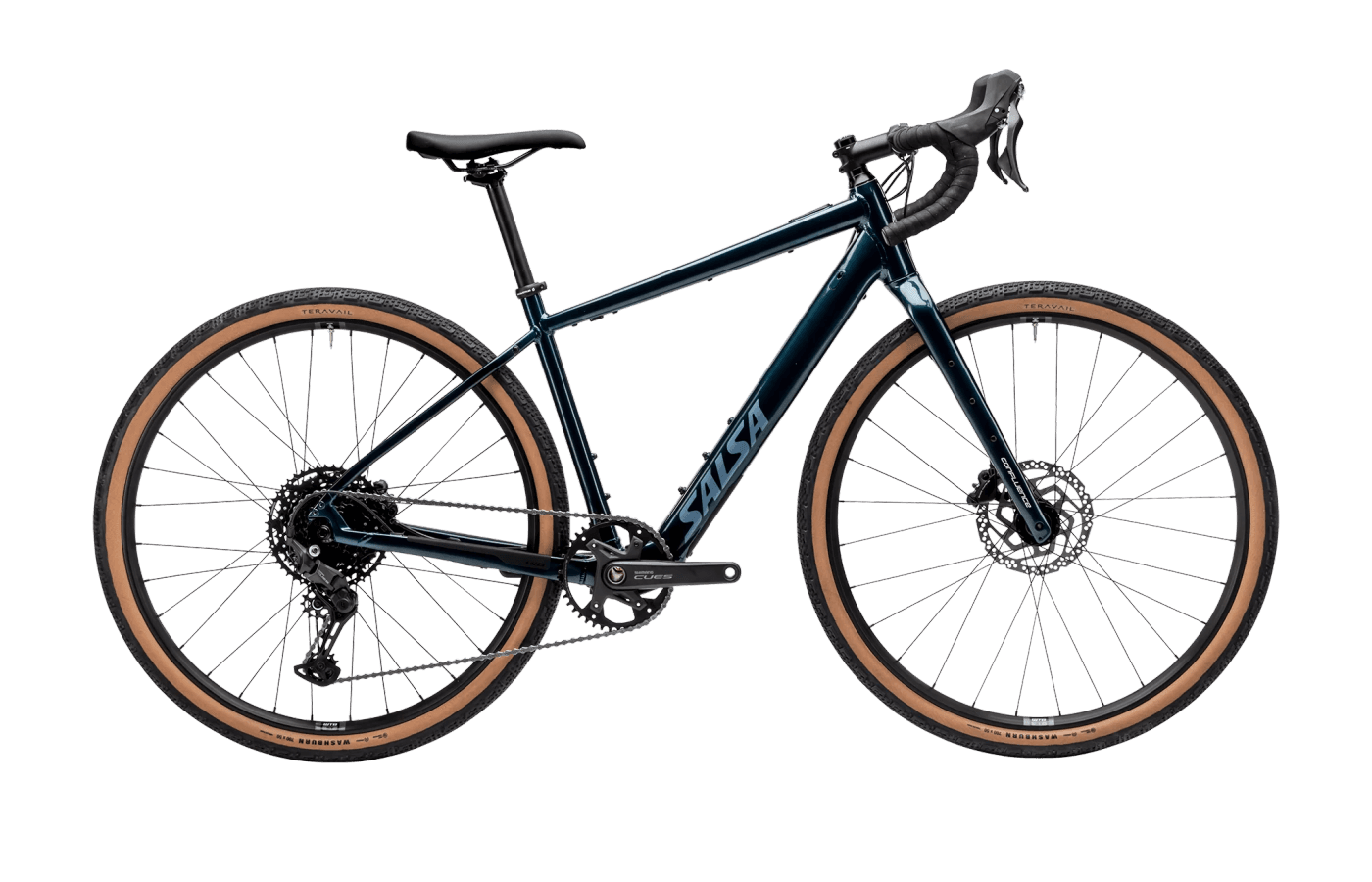
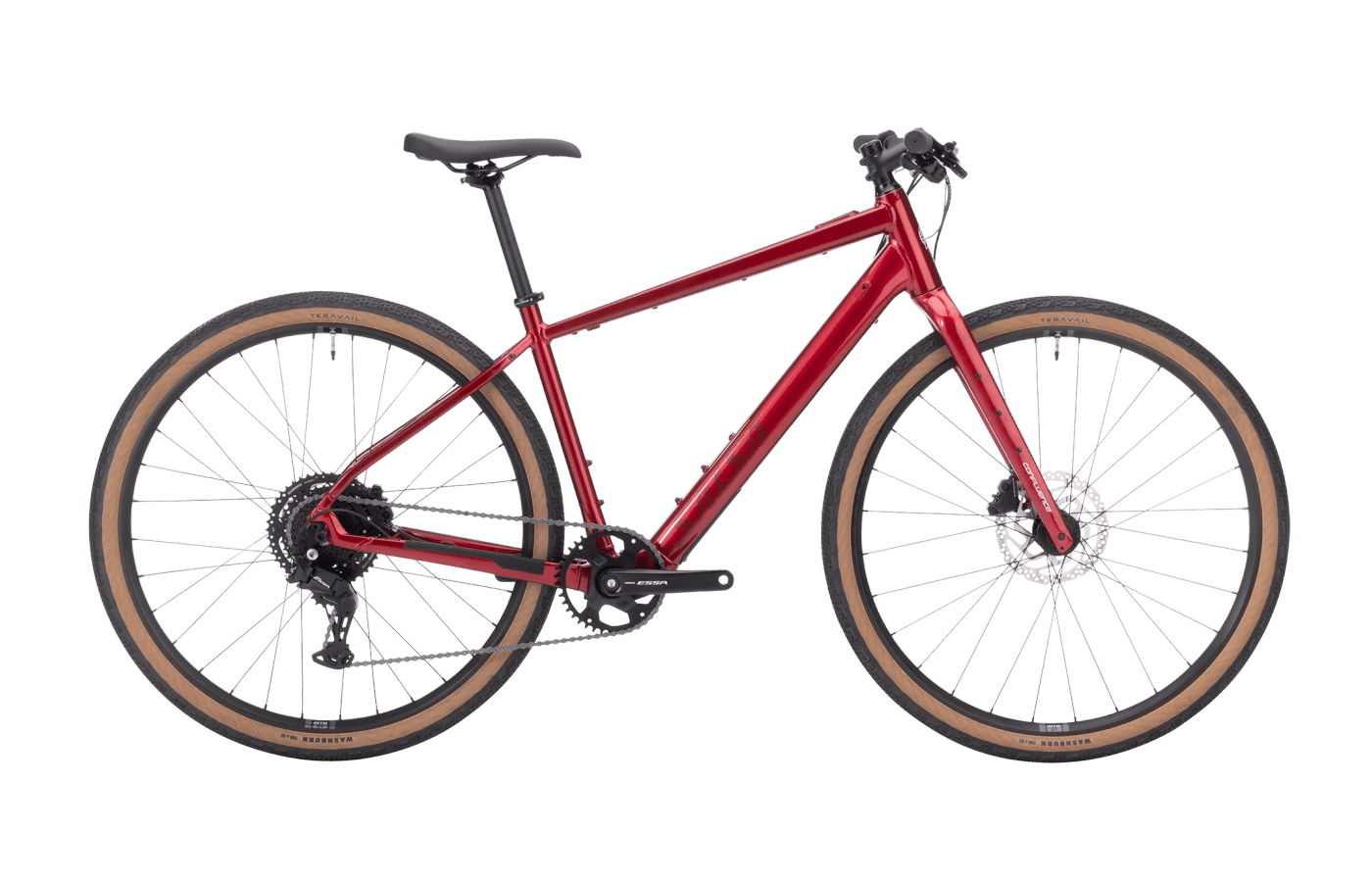
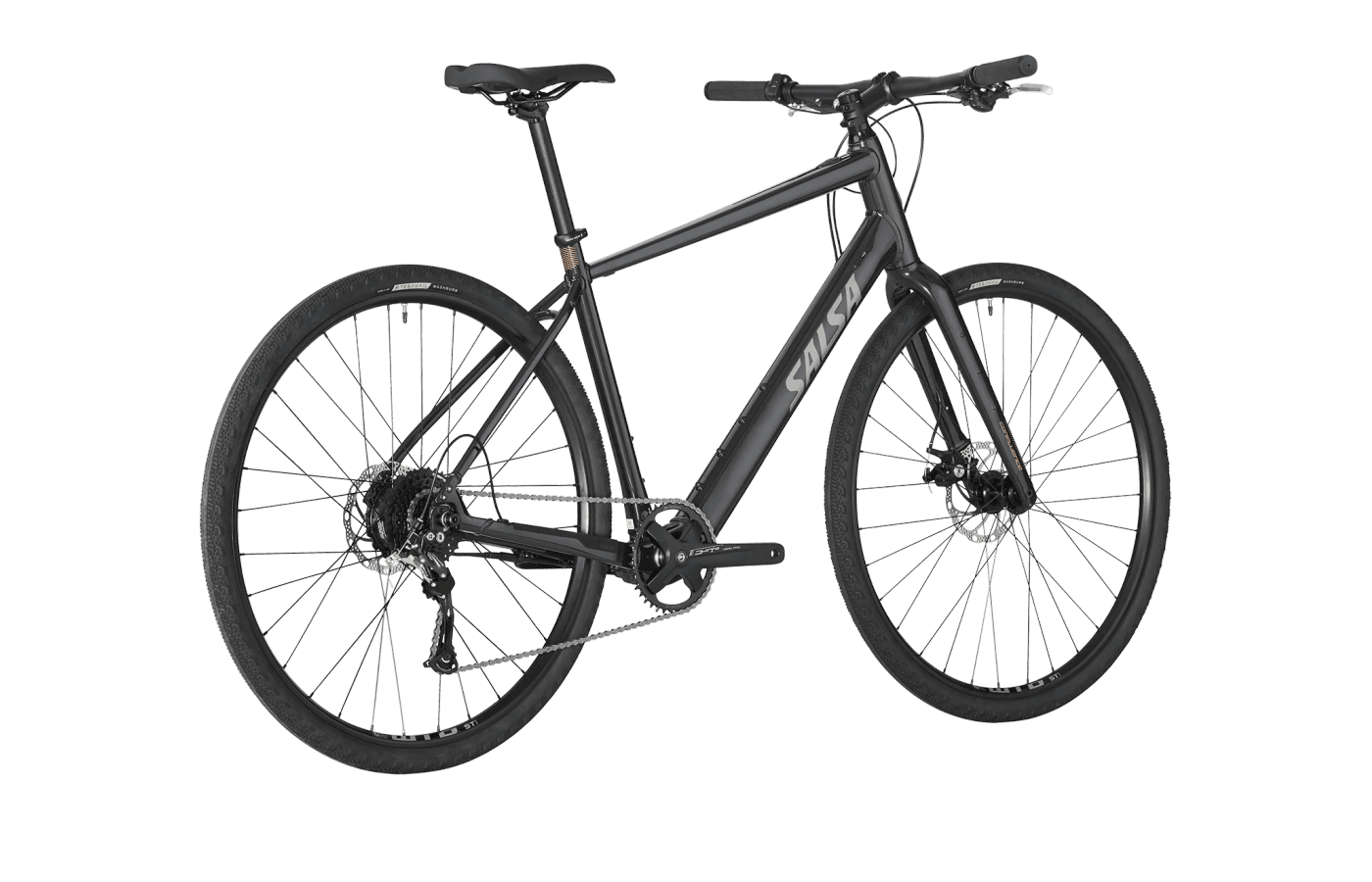
The current Salsa Confluence marks a substantive redesign rather than a routine spec update. Salsa identifies it as the Confluence 2.0 frame with a Confluence Carbon 2.0 fork, and the move to a suspension-corrected chassis is the clearest sign of a new platform. The rigid fork’s 417 mm axle-to-crown length is designed around compatibility with 40 mm gravel suspension forks, which shifts the bike’s baseline toward rougher-surface capability than the earlier version. It remains a light-assist gravel and all-road e-bike, but this generation is more clearly positioned for riders who want a stable, utility-friendly drop-bar or flat-bar bike that can handle broken pavement, gravel roads, and light backcountry use without stepping into full-power e-bike territory.
The assist system also changes meaningfully. Confluence 2.0 uses MAHLE’s newer X30 rear-hub drive with a stated 45 Nm of torque and a 237 Wh internal battery, keeping the bike in the discreet Class 1 "light e-bike" category while improving on the earlier X35+ ecosystem. Salsa has kept the broader Confluence formula intact: conservative, comfort-oriented geometry, a rear-hub motor that preserves a more traditional ride feel than a mid-drive, and numerous mounts for racks, fenders, bottles, and cargo. In the market, that makes the Confluence 2.0 a practical option for riders who want electric assistance for mixed-surface riding, commuting, and light touring, but who still value the appearance, packaging, and handling priorities of a conventional gravel bike.
Geometry & fit.
5 sizes published.
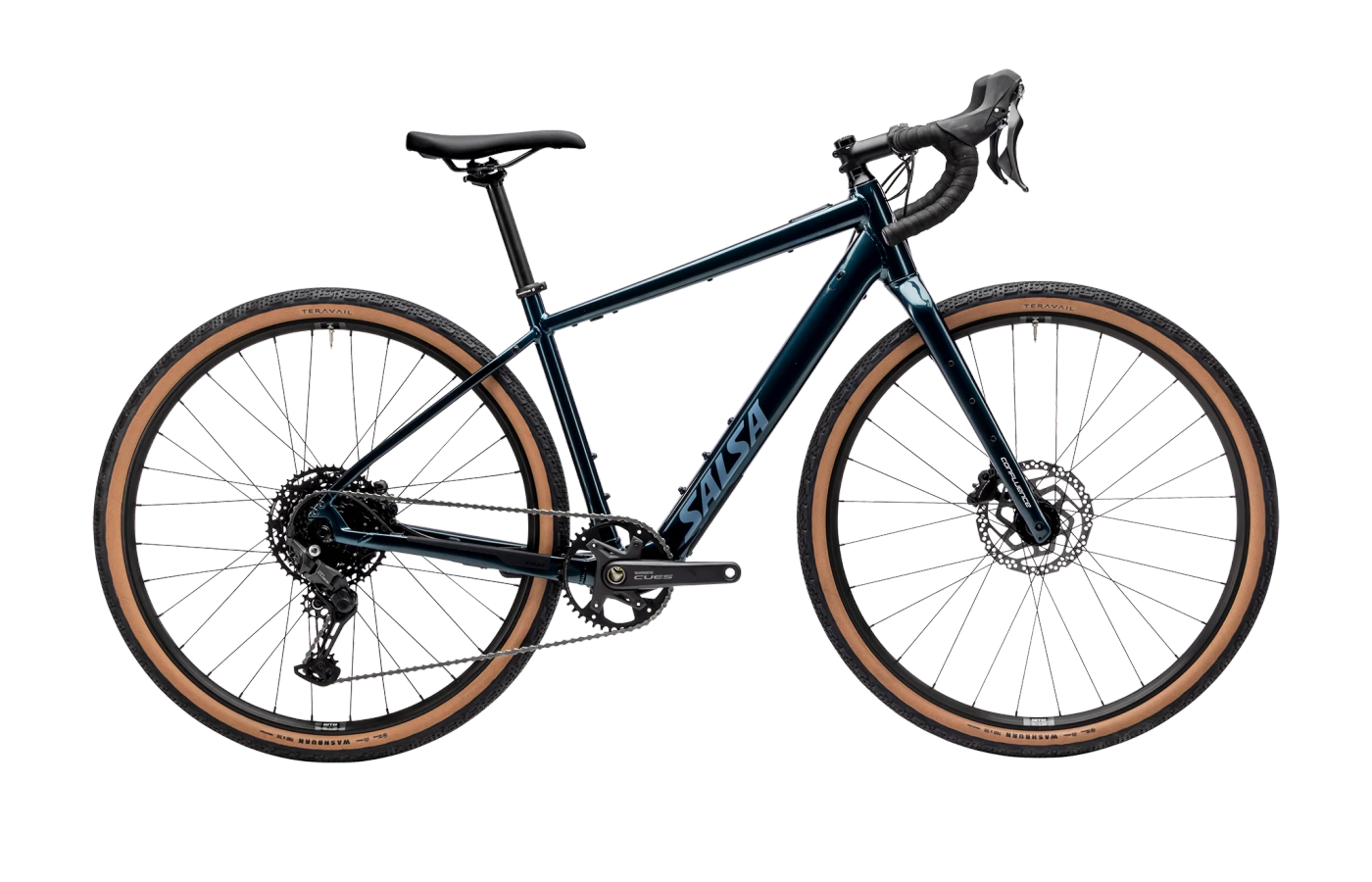
The geometry points clearly toward stability and comfort over quick steering. Across all sizes, the head tube angle is 68.5 degrees and the chainstay length is 440 mm, both notably relaxed by gravel-bike standards. Combined with wheelbases ranging from 1056 mm in XS to 1168 mm in XL, that gives the Confluence a long, planted footprint that should feel composed on loose surfaces and under cargo, while also helping offset the added weight and rearward mass of a hub-drive e-bike. The 70 mm bottom bracket drop reinforces that settled feel by keeping the rider centered lower in the bike.
Fit numbers also suggest an upright, less aggressive position. A size Medium pairs 575 mm of stack with 424 mm of reach, while a Large moves to 613 mm stack and 438 mm reach, both indicating a taller front end relative to reach. Effective top tubes from 550 mm to 650 mm and a consistent 73-degree seat tube angle keep rider positioning neutral rather than especially stretched or steep. The result should be a bike that suits long mixed-surface rides, commuting, and recreational gravel use more than high-speed, race-oriented riding. The suspension-corrected front end further supports that intent, as the chassis is designed around a taller axle-to-crown baseline and can accept a 40 mm gravel suspension fork without distorting handling.
Where the handlebar sits relative to the bottom bracket — the single most important fit pair.
01Fit geometry6 values
03Handling geometry6 values
Which size should I buy?
Slide your height to see the recommended size. GearWise's fit algorithm works from the published stack, reach, and ETT — the brand's own recommendation may differ.
→Calculated from GearWise's own stack / reach / ETT algorithm — the brand's size chart may recommend a different size, and a proper bike fit beats any calculator.
The lineup.
6 builds, ranging $2,699 – $3,699.
The Confluence 2.0 range is broad, spanning $2699 to $3699 and covering both flat-bar and drop-bar configurations. At the entry level, the Flat Bar Altus at $2699 and Flat Bar Essa 8 at $2899 target utility and recreational riders looking for the new frame and MAHLE X30 system at the lowest cost. The Flat Bar CUES 11 at $3199 sits higher in the flat-bar lineup, while the Apex 1 at the same $3199 price provides a drop-bar option for riders who want a more conventional gravel cockpit without moving into the upper-tier builds.
Above that, the CUES 10 at $3499 and GRX 600 2x at $3699 round out the range with more premium drivetrain choices. The key distinction is not just price but intended use: the flat-bar bikes lean more toward commuting, casual mixed-surface riding, and utility use, while the drop-bar builds better match the Confluence’s gravel and all-road brief. The GRX 600 2x build is the most road- and gravel-specific option in the lineup, whereas the CUES-equipped models emphasize durability and broad-use practicality. Taken together, the range gives buyers multiple access points into the same redesigned chassis and X30 assist system, with cockpit style and drivetrain preference doing most of the differentiation.