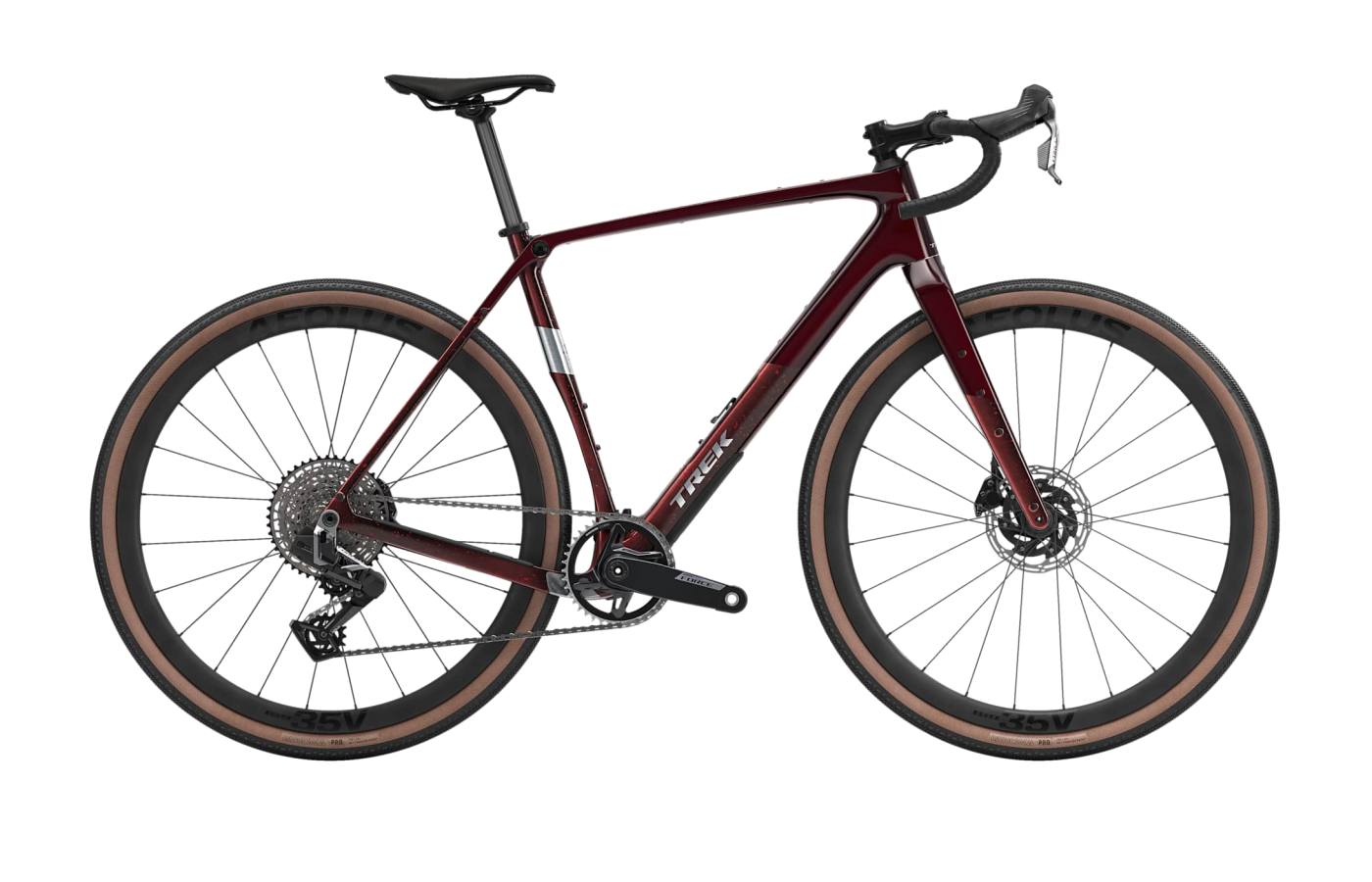
Solo
The Rocky Mountain Solo is a rugged, adventure-oriented gravel platform designed to handle everything from multi-day bikepacking routes to aggressive trail riding. Introduced for the 2023 model year, this generation marks a significant departure from its predecessor by adding a carbon frame option alongside the traditional alloy models. The redesign leans heavily into mountain bike capability, built around massive tire clearance that accommodates up to 29 x 2.0-inch or 650b x 2.2-inch rubber.
Beyond the expanded tire capacity, the frame is engineered for maximum utility. It supports both 1x and 2x drivetrains, includes dropper post routing, and features an extensive array of mounting points across the frame and fork. With frame protection details and mountain-bike-level durability testing, the Solo is positioned for riders who want a single drop-bar bike capable of pushing well past smooth dirt roads into demanding, technical terrain.
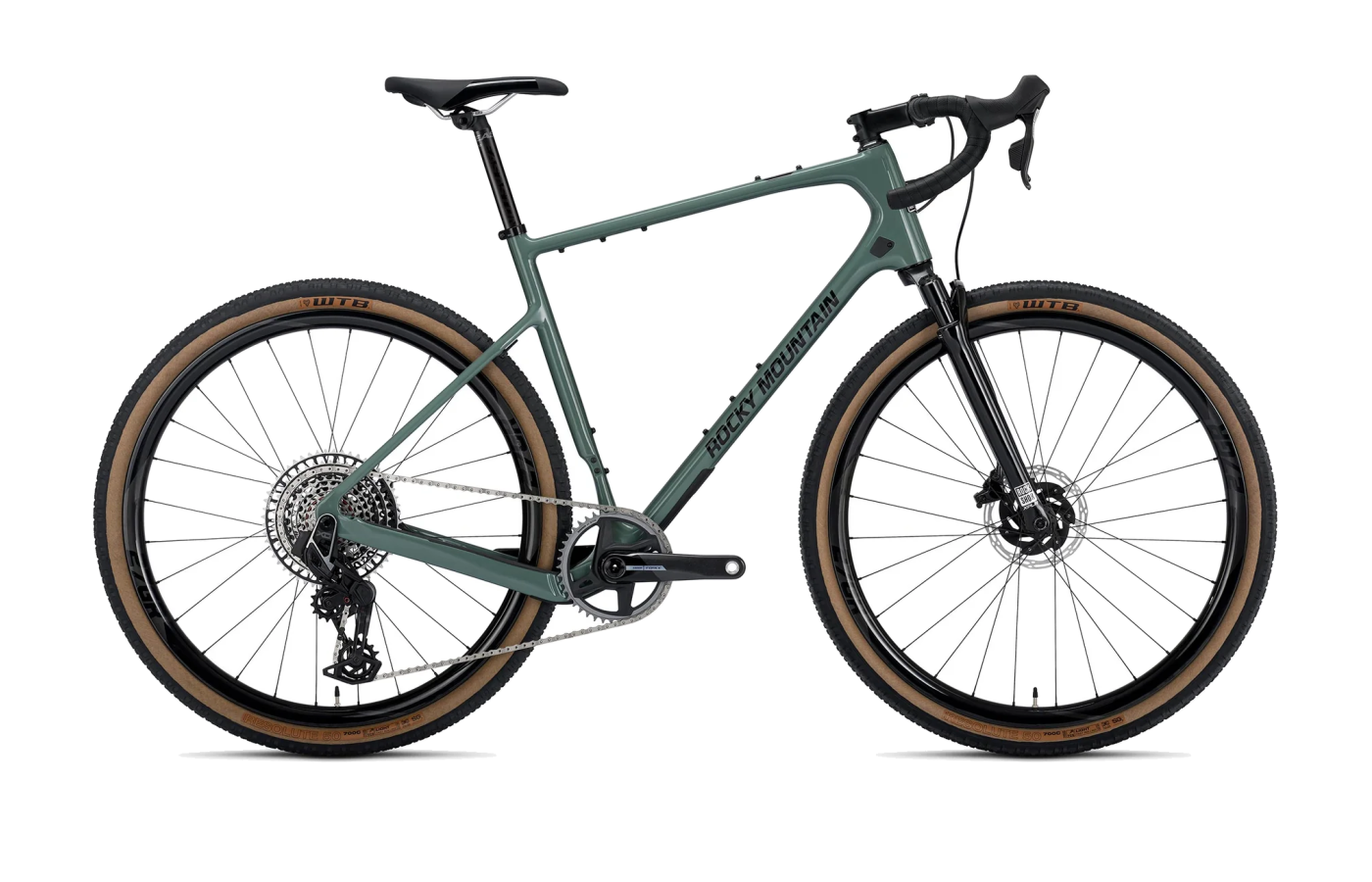
Geometry & fit.
5 sizes published.
The Solo’s geometry blends modern gravel trends with subtle mountain bike influences, creating a posture that favors long-distance comfort and rough-terrain control. Across the size range, the head tube is kept relatively short, but a longer fork increases the overall stack height. This results in a slightly more upright, compact seated position that reduces rider fatigue during extended bikepacking trips or multi-hour trail rides.
Handling is dictated by a relatively long wheelbase and a notably low bottom bracket drop of around 75mm to 78mm, depending on the frame size. This low-slung design anchors the rider's weight, prioritizing stability through fast, sweeping corners and loose descents. To maintain agility, Rocky Mountain pairs this long front center with short 425mm chainstays, keeping the rear wheel tucked in for traction on steep climbs and maneuverability through tight singletrack.
The cockpit setup complements the frame's off-road intentions. Most builds feature an Easton handlebar with a moderate 16-degree flare, offering a wider stance for descending control without forcing the brake levers into an awkward, overly angled position.
Where the handlebar sits relative to the bottom bracket — the single most important fit pair.
01Fit geometry6 values
03Handling geometry5 values
Which size should I buy?
Slide your height to see the recommended size. GearWise's fit algorithm works from the published stack, reach, and ETT — the brand's own recommendation may differ.
→Calculated from GearWise's own stack / reach / ETT algorithm — the brand's size chart may recommend a different size, and a proper bike fit beats any calculator.
The lineup.
4 builds, ranging $1,699 – $5,999.
The Solo lineup is split between premium carbon models and more accessible alloy builds, spanning four primary tiers. The carbon frames feature a sculpted seat tube for added compliance and utilize a BB386 press-fit bottom bracket to maximize rear tire clearance. The alloy frames share the same core geometry and mounting capabilities but carry a slight weight penalty.
At the top end, the Carbon 90 BC Edition and Carbon 70 are equipped with wireless electronic shifting. The Carbon 70 pairs a SRAM Rival AXS XPLR drivetrain with Easton alloy wheels. While the 42-tooth chainring and 10-44 cassette provide a versatile range for general gravel riding, riders planning heavily loaded bikepacking trips in steep terrain may find the stock gearing slightly tall.
The alloy models deliver strong value for budget-conscious riders. The entry-level Alloy 30 features a reliable SRAM Apex 11-speed mechanical drivetrain, though it relies on cable-actuated mechanical disc brakes, which represent a functional but noticeable step down in stopping power compared to the hydraulic systems found higher up the ladder. Across all builds, the stock 40mm tires are competent, but the frames are clearly designed to accommodate much wider rubber.


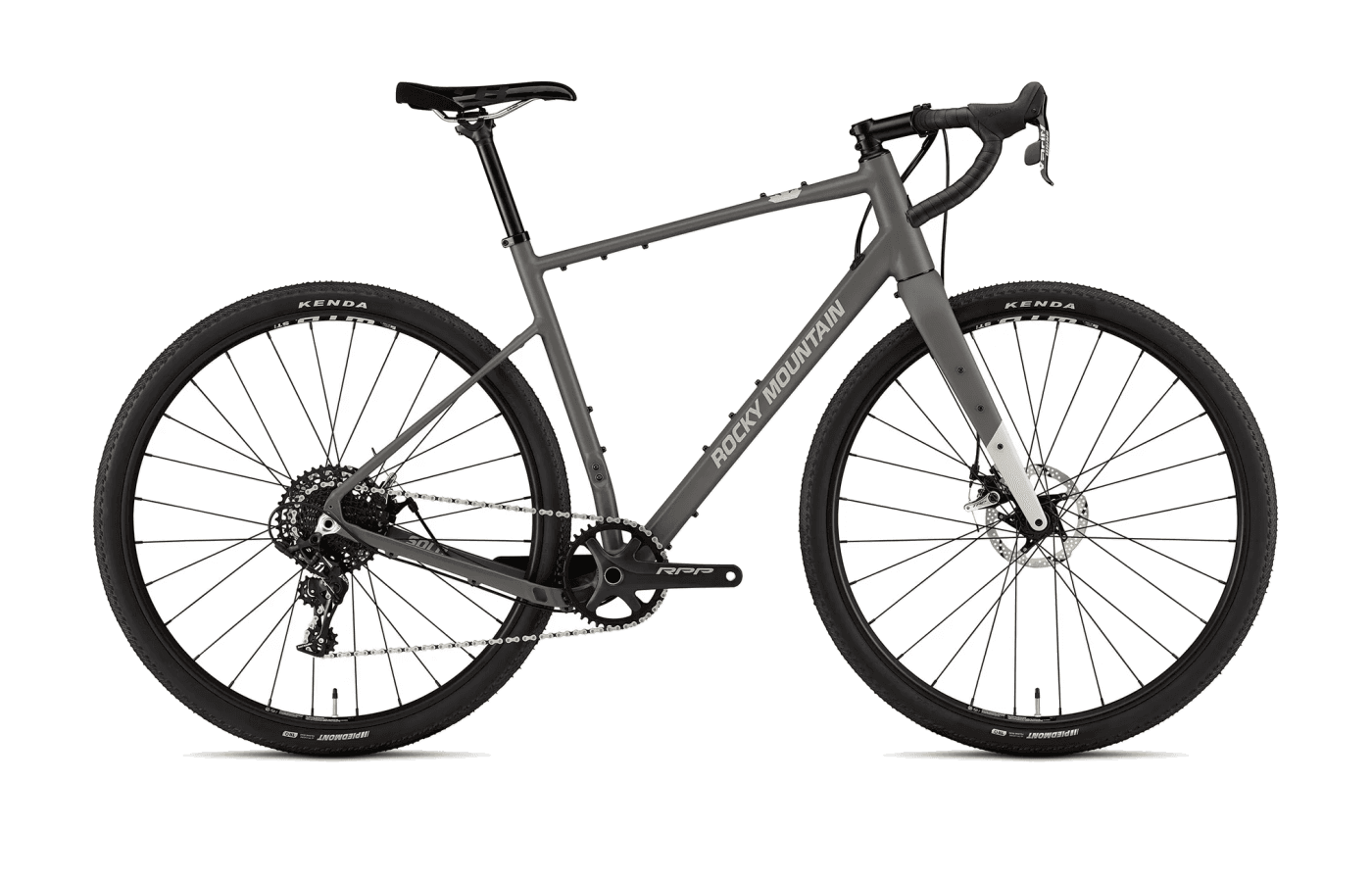
From the press.
4 reviews from the cycling press.
Reviewers consistently praise the Rocky Mountain Solo for its balanced, highly capable ride feel across a wide spectrum of off-road conditions. The frame’s mountain-bike-inspired geometry translates to excellent high-speed stability, with testers noting it delivers "stable, confident riding on flat bumpy terrain and high-speed descents" (Cxmagazine). Despite this planted demeanor, the bike remains surprisingly responsive in tight sections. The carbon model feels "quite agile and handy" (Velomotion) on singletrack, while the entry-level alloy version "climbs like a billy goat" (YouTube) when pointed up steep pitches.
The most common critique centers on the low bottom bracket, which can lead to pedal strikes in technical terrain when running the stock 40mm tires. However, testers largely forgave this trait, finding that the "lower center of gravity is worth the occasional pedal strike" (Cxmagazine) for the cornering benefits it provides.
To realize the platform's full potential, reviewers universally recommend taking advantage of the massive frame clearance. Swapping the stock rubber for 45mm gravel tires or 2.2-inch mountain bike treads dramatically improves vibration damping and traction. While the carbon frame’s sculpted seat tube offers noticeable compliance, maximizing tire volume is the agreed-upon method for smoothing out the roughest adventure routes.
Reviewed: Rocky Mountain Solo C70 Carbon Gravel Bike
New carbon gravel bike in DownCountry style
Rocky Mountain Solo C70 gravel bike in the test – velomotion.de
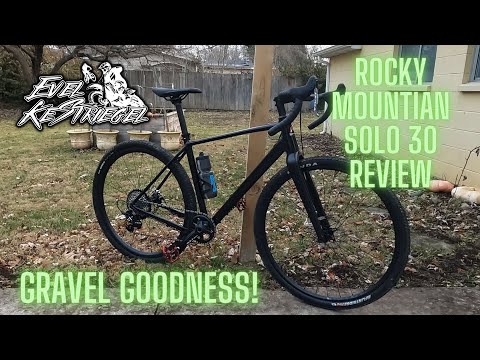
Rocky Mountain Solo 30 Review!
Compared to.
Most-viewed comparisons.