Ridley
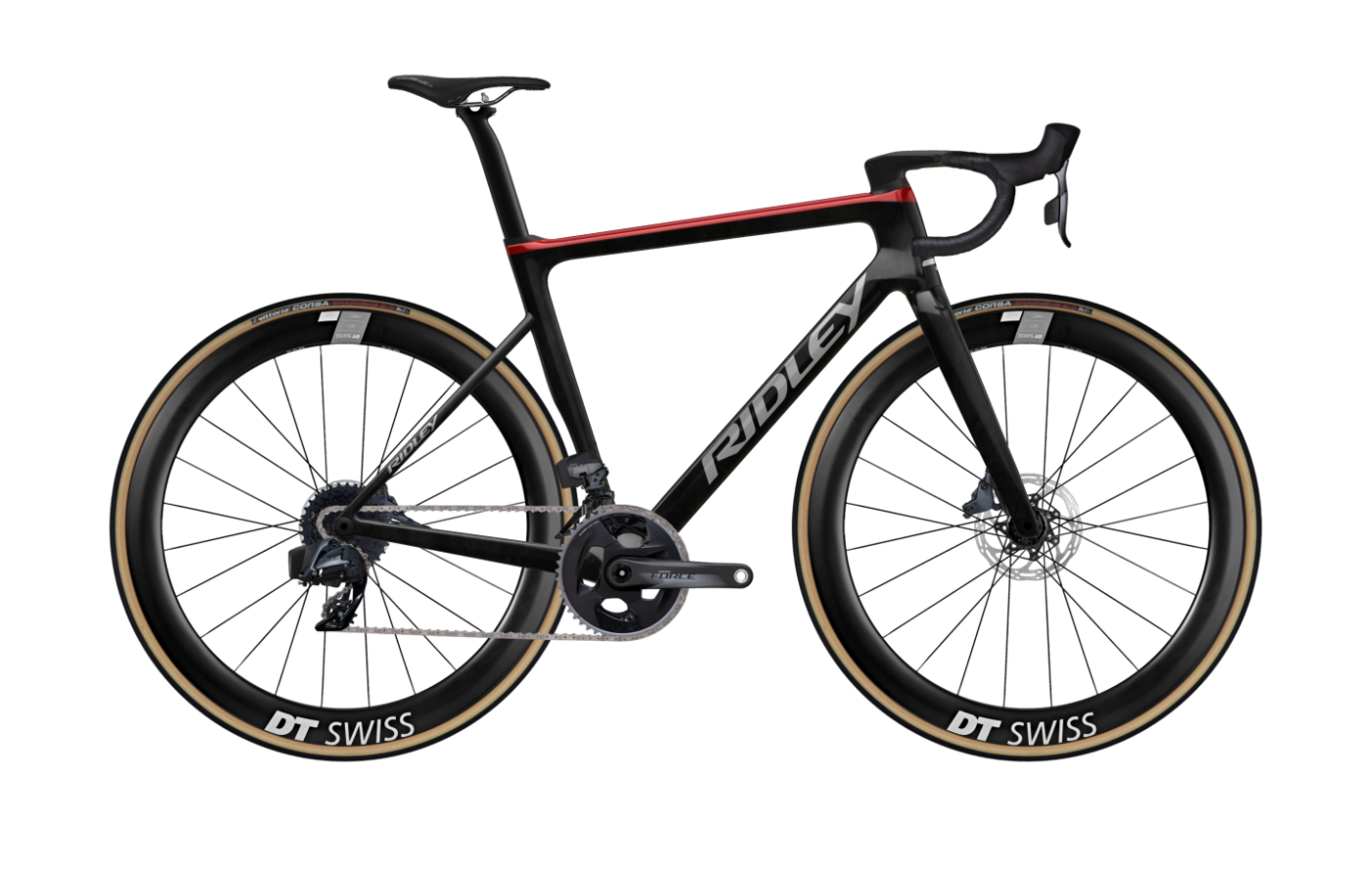
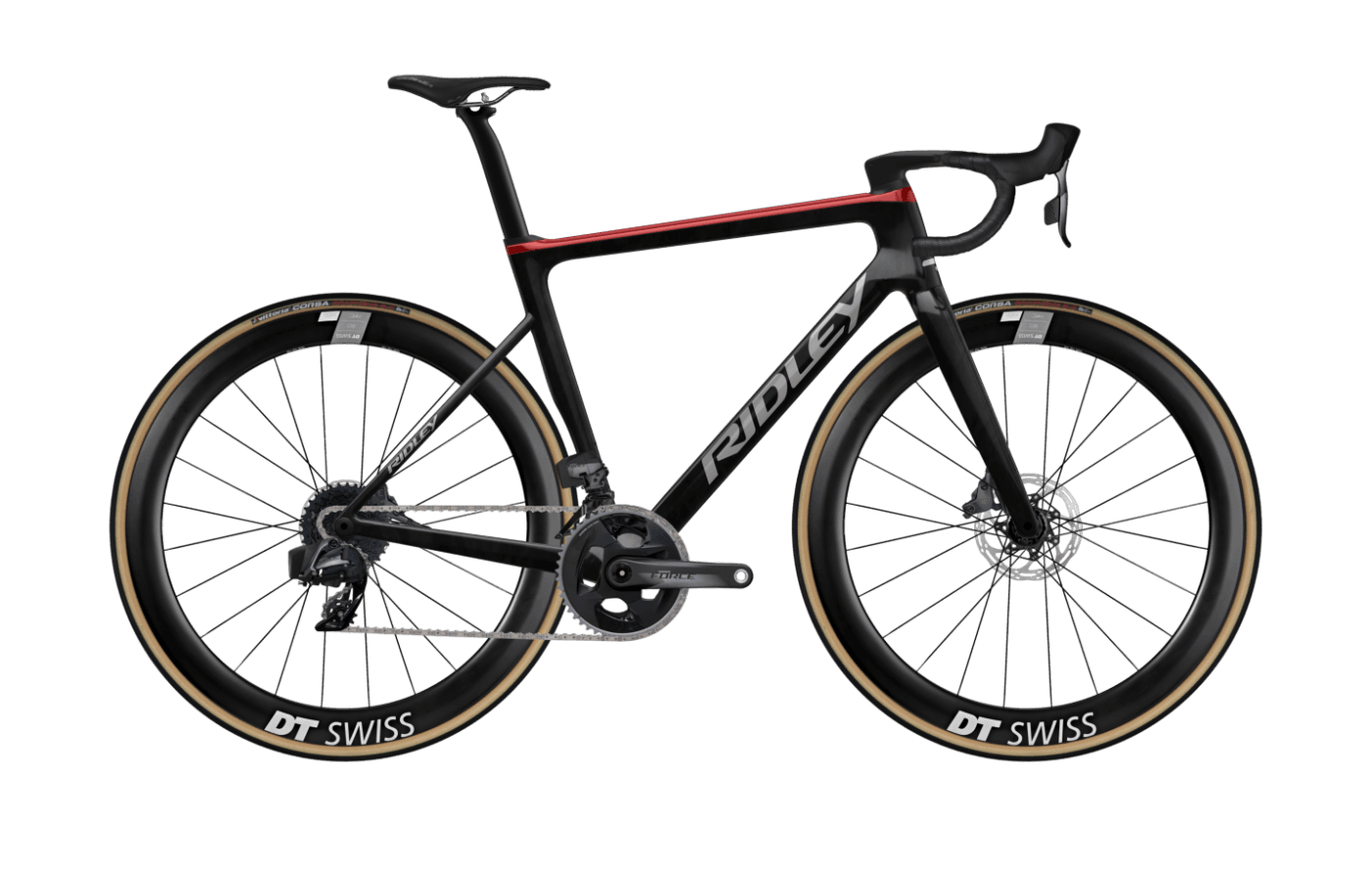
Falcn RSSram Force AXS 2x12sp (NEW 2025)
The Ridley Falcn RS is Ridley’s modern all-round race bike, positioned deliberately between the pure-aero Noah Fast Disc and the lightweight Helium SLX Disc. Its defining brief is “aero-to-weight”: deliver meaningful aerodynamic gains without the mass penalty that traditionally comes with aero road frames. That shows up in the details: a claimed frame weight around 825-830 g in size medium, a deeper head tube and slim aero tube shaping, and a rear triangle designed to preserve low weight rather than chase maximum tube volume. It is a race bike first, but one built around current road-racing realities rather than old climbing-bike or aero-bike silos.
What makes the Falcn RS distinctive is how thoroughly it blends race performance with broader usability. Ridley designed it around 28 mm tires but allows up to 34 mm actual clearance, which is unusually generous for this category and gives the bike more range on rough tarmac, cobbles, and imperfect roads without changing its core handling character. The frame is electronic-only, supports both 1x and 2x drivetrains via a removable front derailleur mount, uses SRAM’s UDH standard, and routes hoses internally through Ridley’s D-shaped/F-steerer setup into an integrated Forza cockpit. In the current market, that places the Falcn RS squarely among premium superbikes such as the Tarmac, SuperSix Evo, and Ultimate: a high-end race platform for riders who want one bike for fast road racing, hard group rides, and hilly events rather than a specialist machine at either extreme.
Spec sheet.
Every component shipped with this build.
Geometry & fit.
6 sizes published.
The Falcn RS uses aggressive race-bike geometry with a notably low front end. In size M, the stack is 551 mm and reach is 397 mm, paired with a 73.5° head tube angle, 73° seat tube angle, 407 mm chainstays, and a 987 mm wheelbase. That combination puts the rider in a long, low position suited to racing and fast group riding rather than relaxed endurance use. The shortish rear end and moderate wheelbase help preserve responsiveness, while the front-end figures keep steering quick without pushing it into unstable territory. Reviewers consistently felt this translated into a bike that is sharp and lively but still predictable at speed.
Across the size range, the geometry stays consistent in intent: 407 mm chainstays throughout, head angles from 71.5° on XXS to 74° on XL, and BB drop varying from 75 mm on the smallest sizes to 68 mm on L and XL. Ridley’s lower front end is a major part of the bike’s identity, and it explains why many testers described the riding position as firmly race-oriented. At the same time, the generous tire clearance softens the practical impact of that geometry, letting riders run 28-30 mm tires or larger to add comfort and composure on rough roads while keeping the underlying handling crisp and direct.
Where the handlebar sits relative to the bottom bracket — the single most important fit pair.
01Fit geometry6 values
03Handling geometry5 values
Which size should I buy?
Slide your height to see the recommended size. GearWise's fit algorithm works from the published stack, reach, and ETT — the brand's own recommendation may differ.
→Calculated from GearWise's own stack / reach / ETT algorithm — the brand's size chart may recommend a different size, and a proper bike fit beats any calculator.
The lineup.
5 builds.
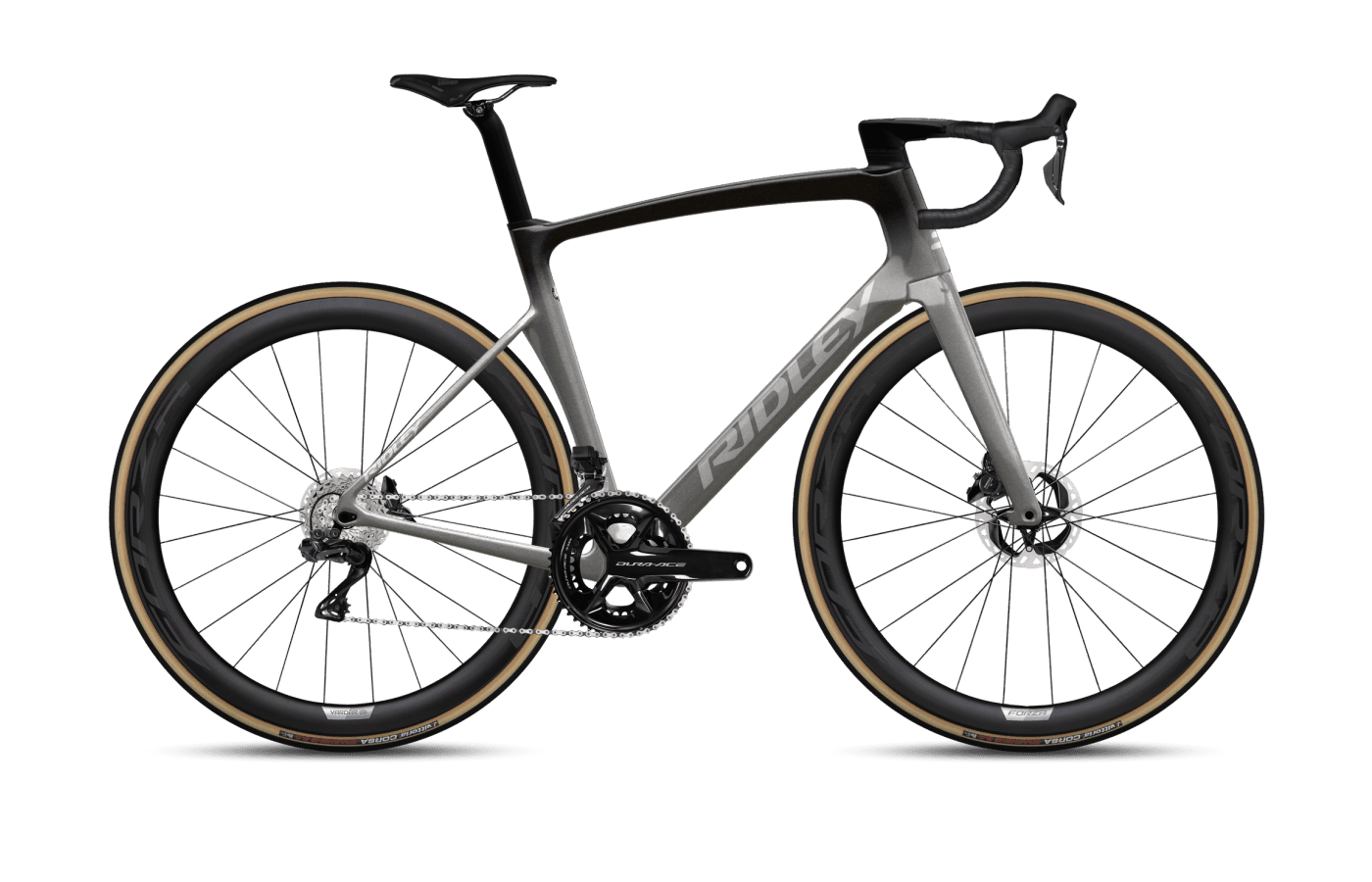
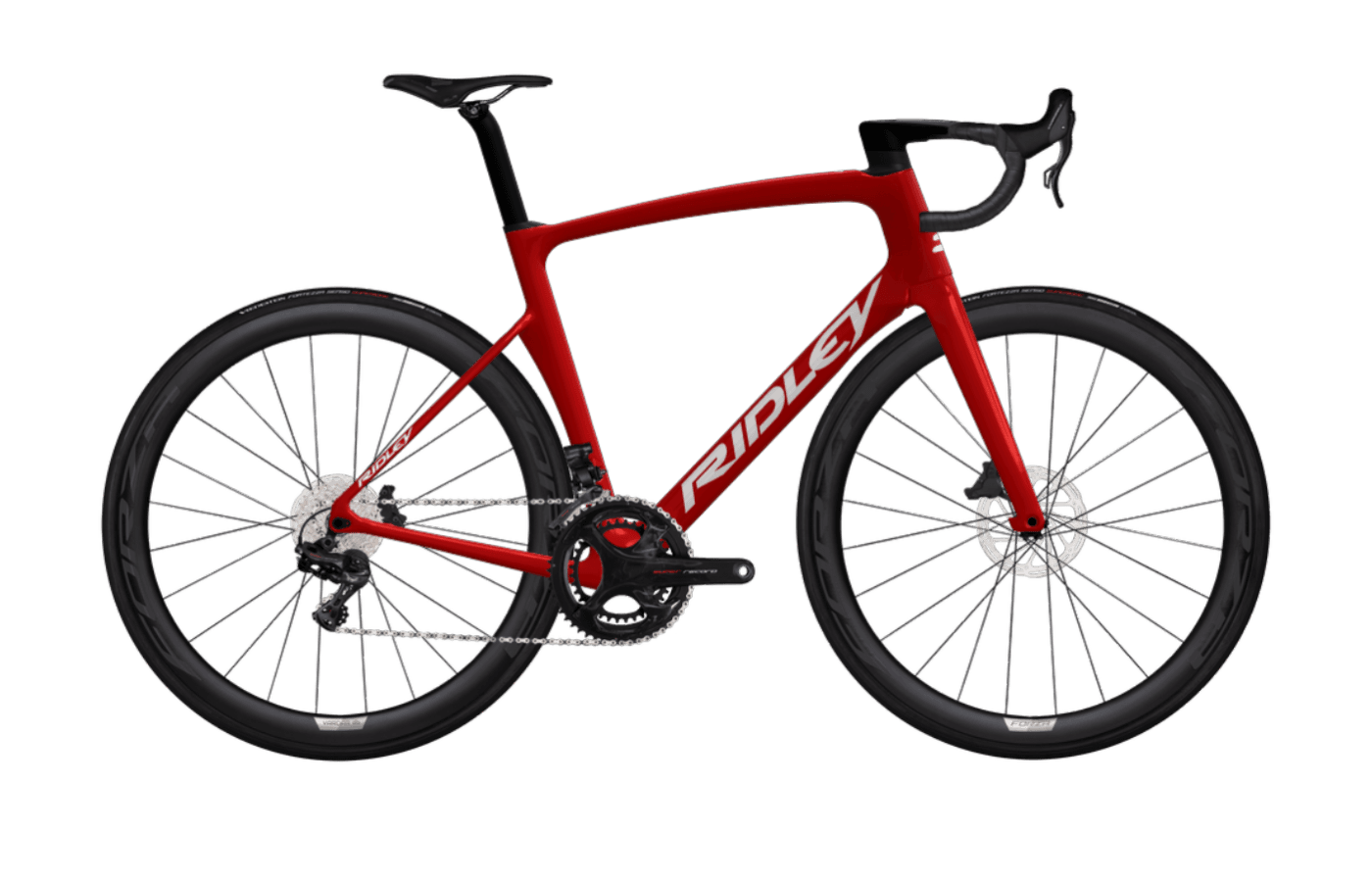
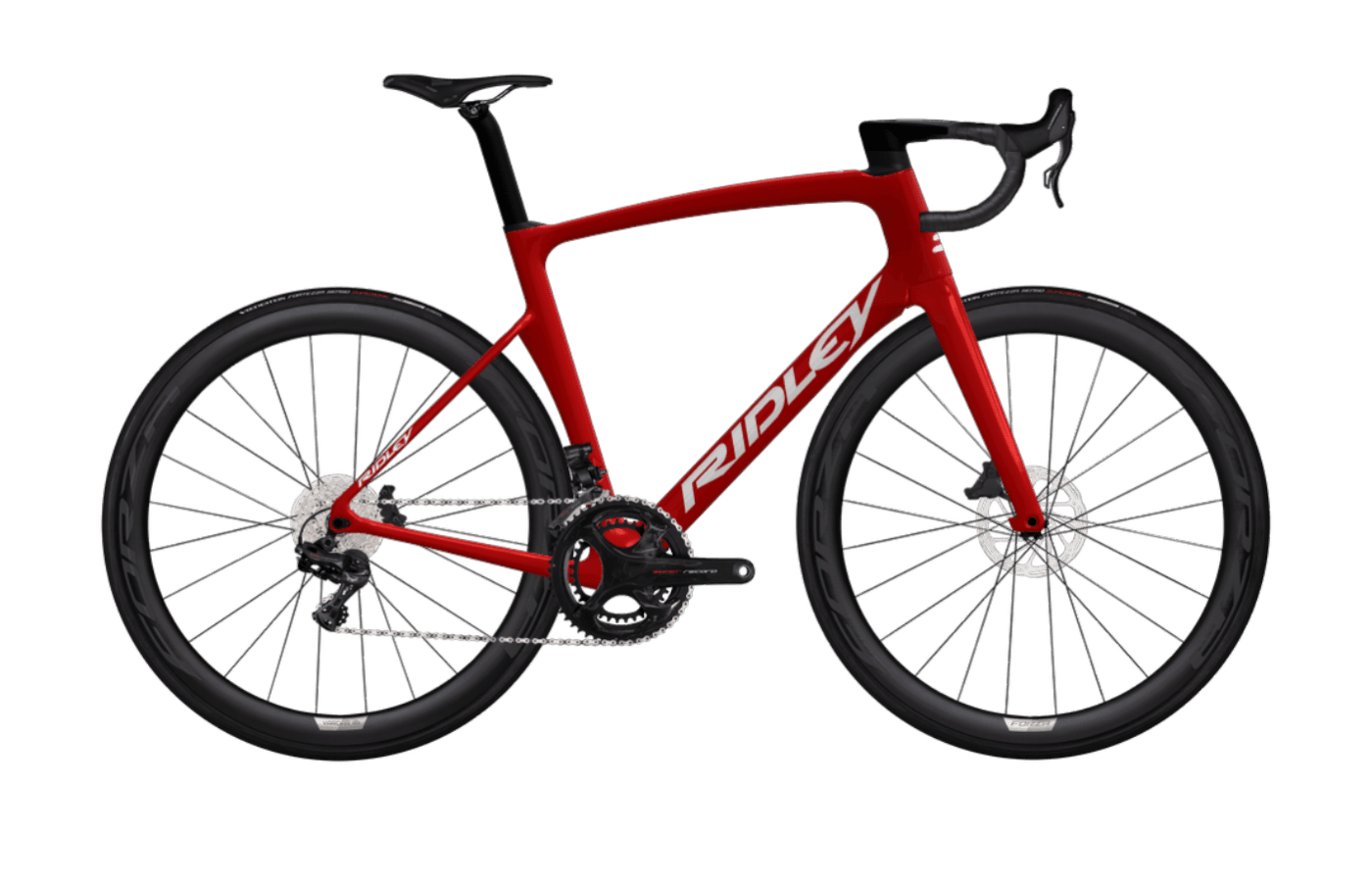
The Falcn RS is offered in a broad spread of premium builds, all aimed at the performance end of the market: SRAM Red AXS 2x12, SRAM Force AXS 2x12, Shimano Ultegra Di2 2x12, Shimano Dura-Ace Di2 2x12, and a more unusual Classified SRAM Force AXS 1x12 Powershift option. That range gives buyers both conventional top-tier 2x race setups and a dedicated 1x configuration for riders interested in a cleaner drivetrain concept without giving up wide gearing. The common thread is that there are no budget mechanical builds here; the Falcn RS is positioned as a high-end electronic-only platform.
Review coverage suggests the better-equipped builds stand out for using premium wheelsets such as DT Swiss ARC 1400 carbon wheels, which were repeatedly cited as a meaningful spec highlight rather than a cost-cutting house-brand compromise. At the same time, reviewers were not universally convinced on value. The lower entry point was noted at £6,399 for a 105 Di2 option in some review coverage, while higher Ultegra Di2 and Force AXS builds were discussed around the £8,199-£8,600 / €9,399 / $12,399 level depending on market and model year. Across those builds, the most common criticisms were the lack of an included power meter and the limited fit adjustability of the integrated Forza cockpit, both of which matter on a bike sold at this level.
From the press.
10 reviews from the cycling press.
Reviewers were broadly aligned on the Falcn RS’s core character: it is a fast, stiff, highly responsive race bike that succeeds in combining low weight, strong speed retention, and confident handling. Cyclist called it “a damn good, modern performance bike that’s made for racing,” highlighting its light weight, stiffness, acceleration, and benchmark tire clearance. BikeRadar described it as “brilliantly entertaining to ride,” while Cyclingnews found that it “carries and maintains speed really well on the flat” and remains stable and confidence-inspiring in corners and descents. Several reviewers also pointed to the bike’s efficient power transfer, especially around the bottom bracket and rear end, with Road.cc noting that hard efforts feel direct and effective whether seated or out of the saddle.
Handling drew especially strong praise. Across outlets, the steering was described as sharp and direct without becoming nervous, and the bike’s stability at speed was repeatedly mentioned as a major strength. That said, reviewers also identified a few clear drawbacks. Escape Collective found the front end notably harsh, describing it as uncompromising even at low tire pressures, and some testers said the steering initially felt very light or “pointy” compared with more neutral-feeling rivals. Fit and spec choices were another recurring criticism: the integrated Forza cockpit offers limited sizing combinations, and multiple reviews noted the absence of a power meter at a price where many competitors include one. Value was therefore judged more critically than ride quality, particularly in markets where similarly equipped rivals undercut the Falcn RS.
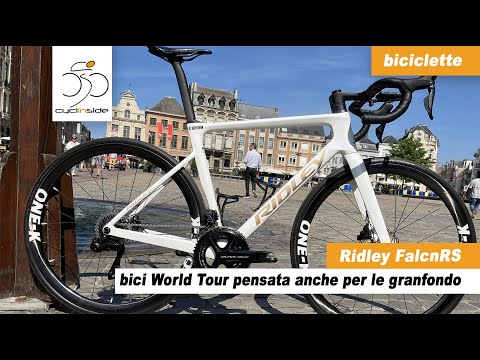
Falcn RS
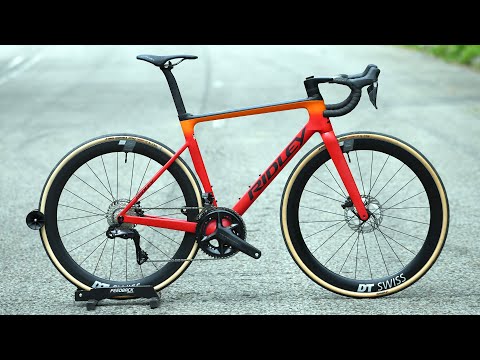
Ridley Falcn RS Review: Lightweight and Aero Perfection?
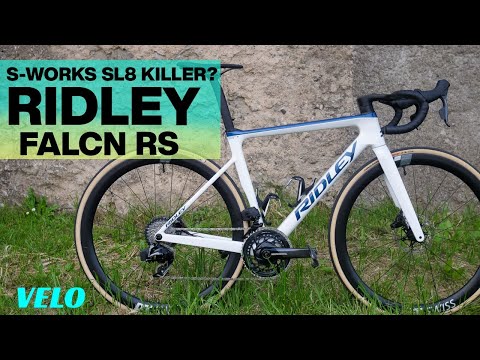
First ride review: Ridley Falcn RS. Light and aero
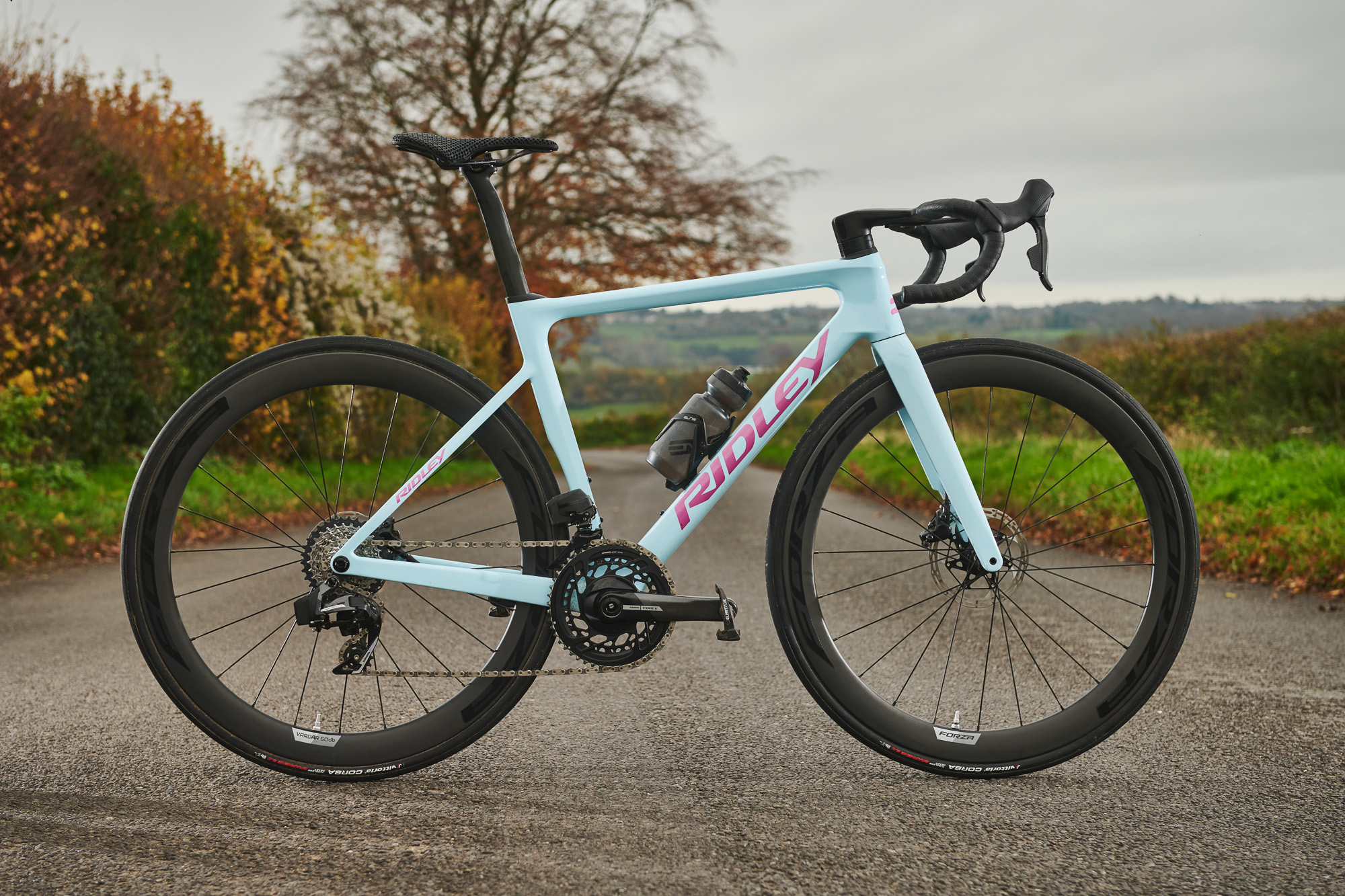
Ridley Falcn RS road bike review
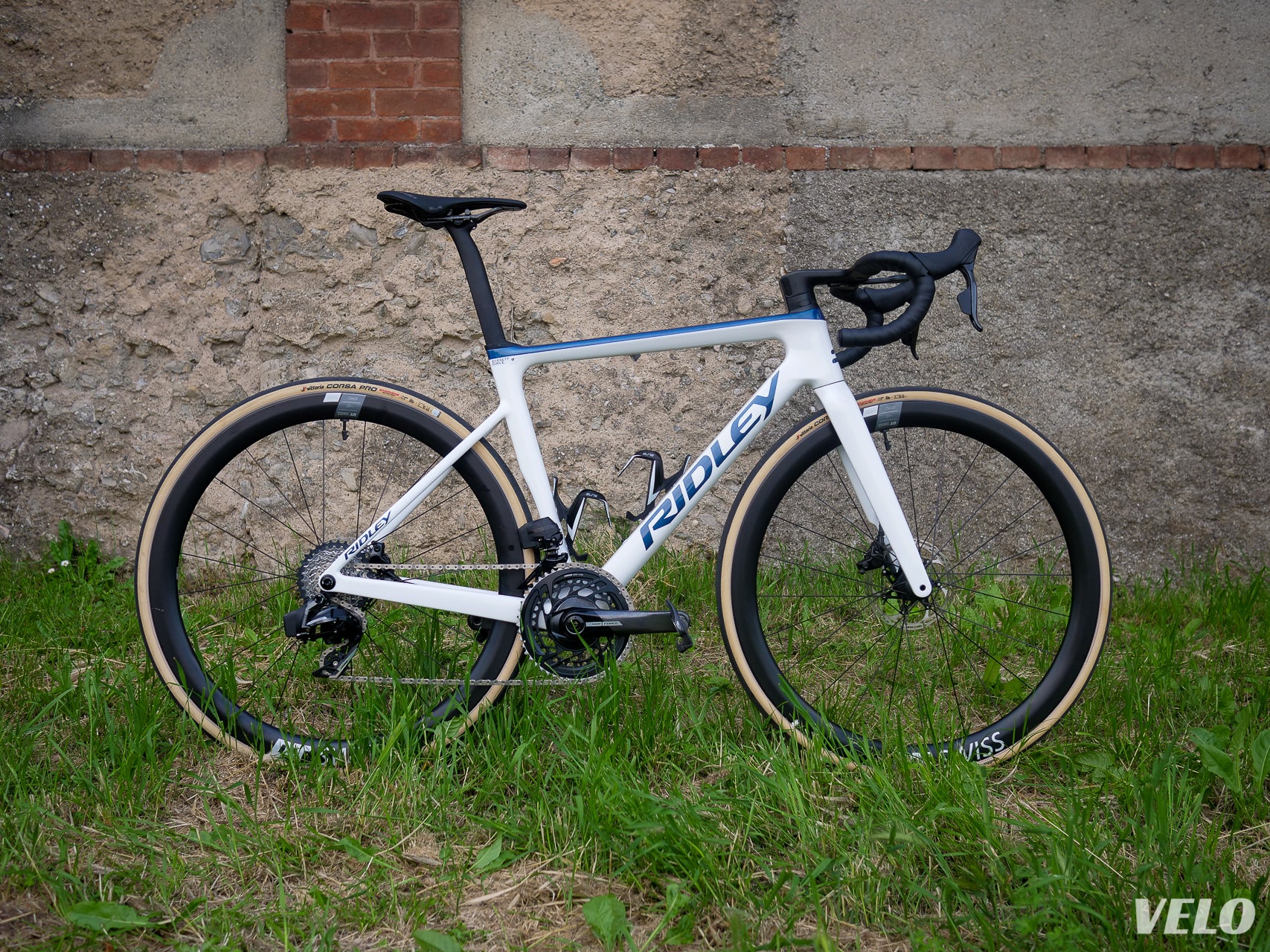
First ride review: Ridley Falcn RS
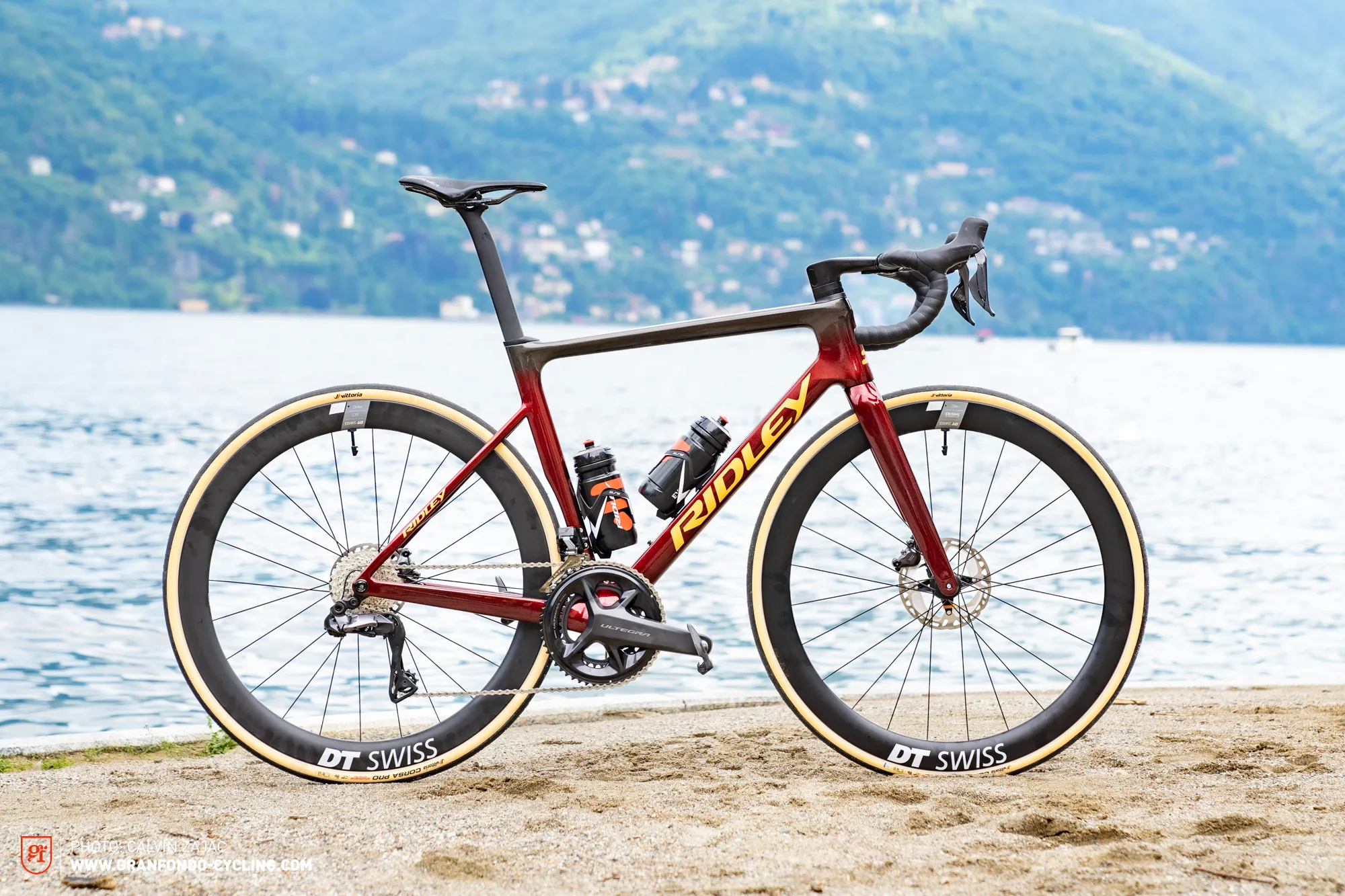
First ride review of the Ridley Falcn RS – The new all ...
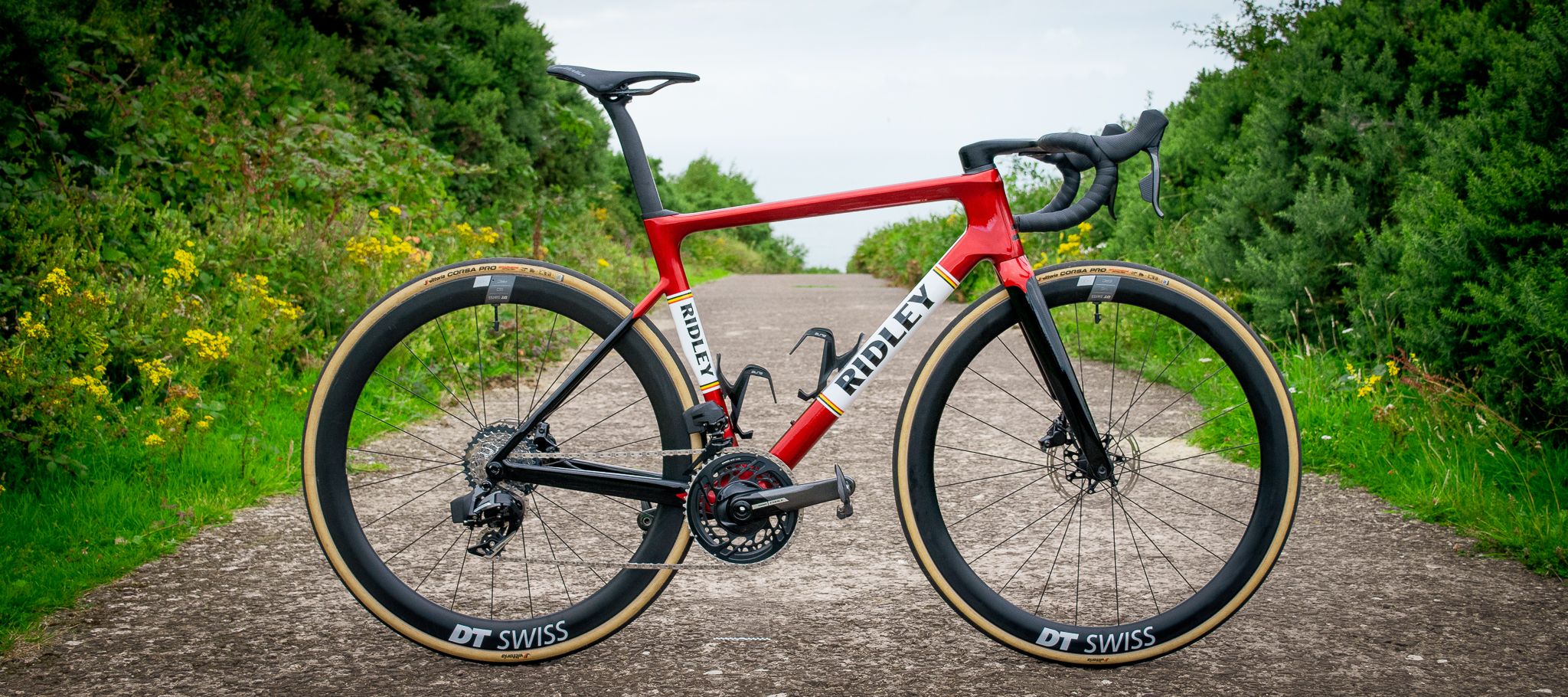
Ridley Falcn review: An aero blend in a fast, purposeful ...
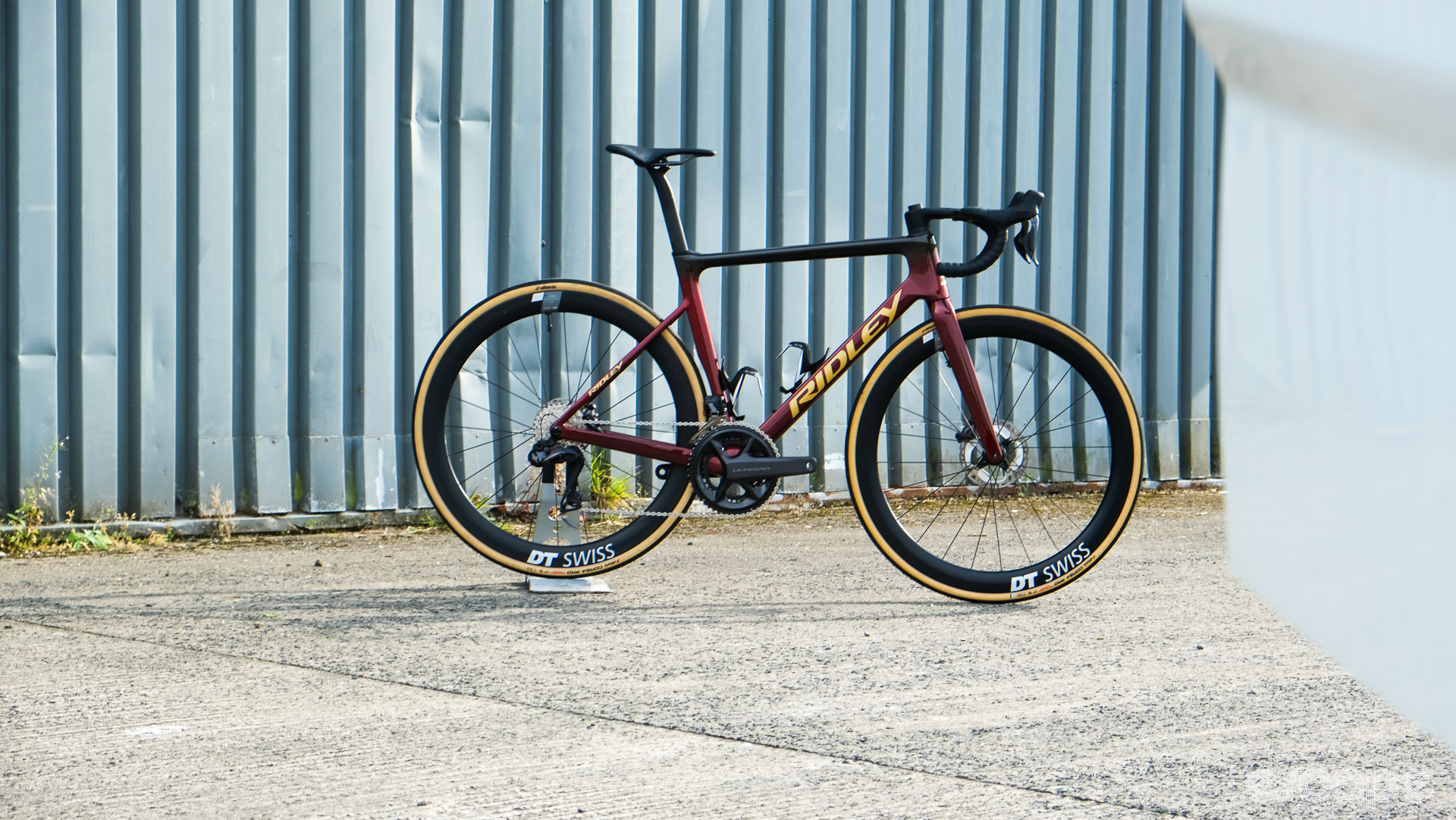
Review: Ridley's new Falcn RS might be an all-conquering ...
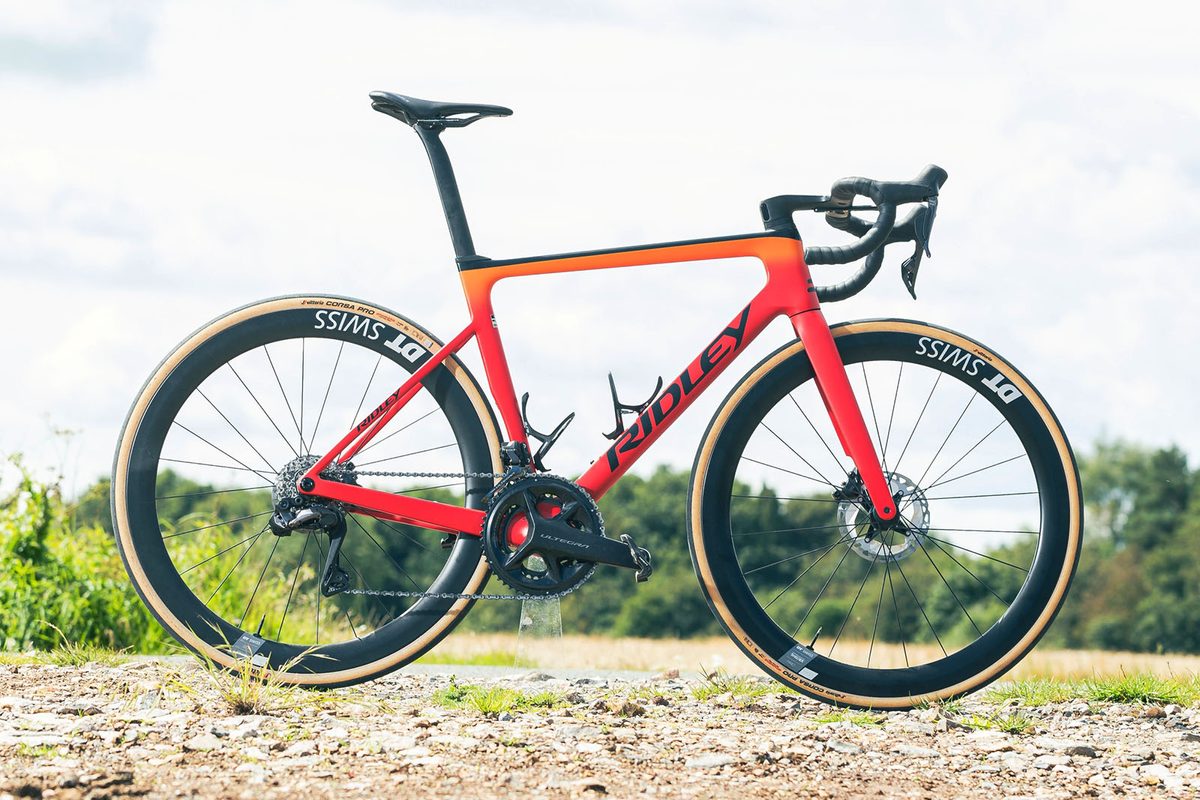
Ridley Falcn RS Ultegra Di2 review - Road Bikes
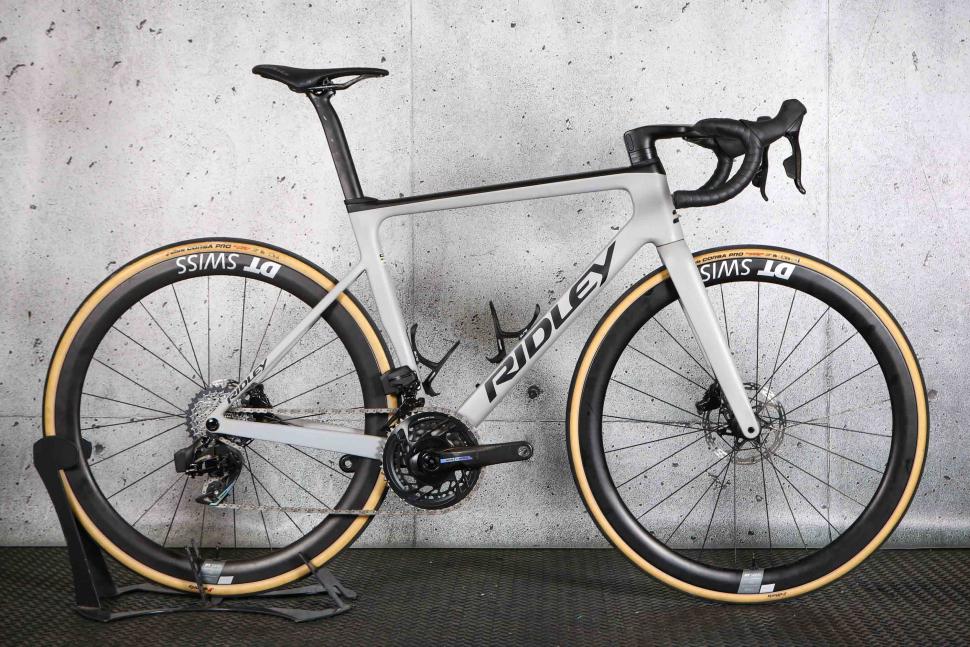
Ridley Falcn RS 2023
Compared to.
Most-viewed comparisons.