Wayward
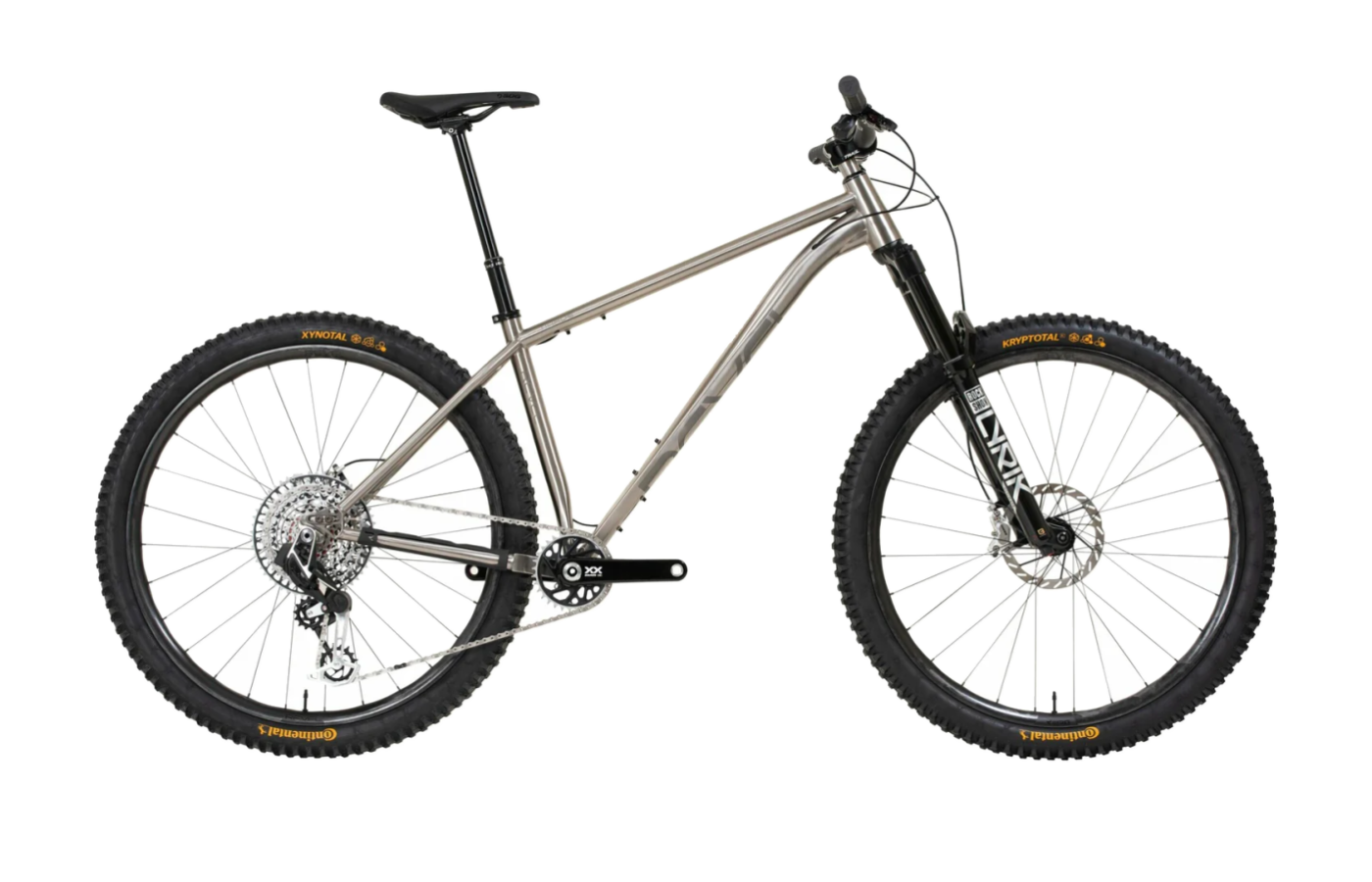
The Wayward V2 is Revel’s titanium 29+ adventure hardtail, carried over from the original Why Cycles version with the same core chassis concept intact. It uses cold-formed 3/2.5 titanium tubing, sliding titanium dropouts, and a belt-drive-compatible frame split, but the important shift in this generation was moving the bike from a 100mm-corrected layout to geometry built around a 120mm fork. That change, along with a higher front end, lowered top tube, shorter seat tube, and revised rear-end shaping, pushed the bike away from being primarily a niche rigid-plus bike and toward a broader role as a modern trail hardtail that can also carry bikepacking loads.
What makes the V2 distinctive is how deliberately it blends trail-bike priorities with expedition utility. The frame was revised to better clear a true 29 x 3.0-inch rear tire with more mud room, while expanded mounting provisions and extra cargo mounts make it substantially easier to outfit for long trips. At the same time, the lower standover and longer-dropper-friendly fit acknowledge that many riders were using the bike more aggressively than a traditional adventure hardtail. In the market, it sits in a premium niche: a boutique titanium hardtail for riders who want one frame to cover loaded backcountry travel, rigid or suspended 29+ riding, and technical singletrack without giving up the durability and ride feel that draw buyers to titanium in the first place.
From the press.
1 review from the cycling press.
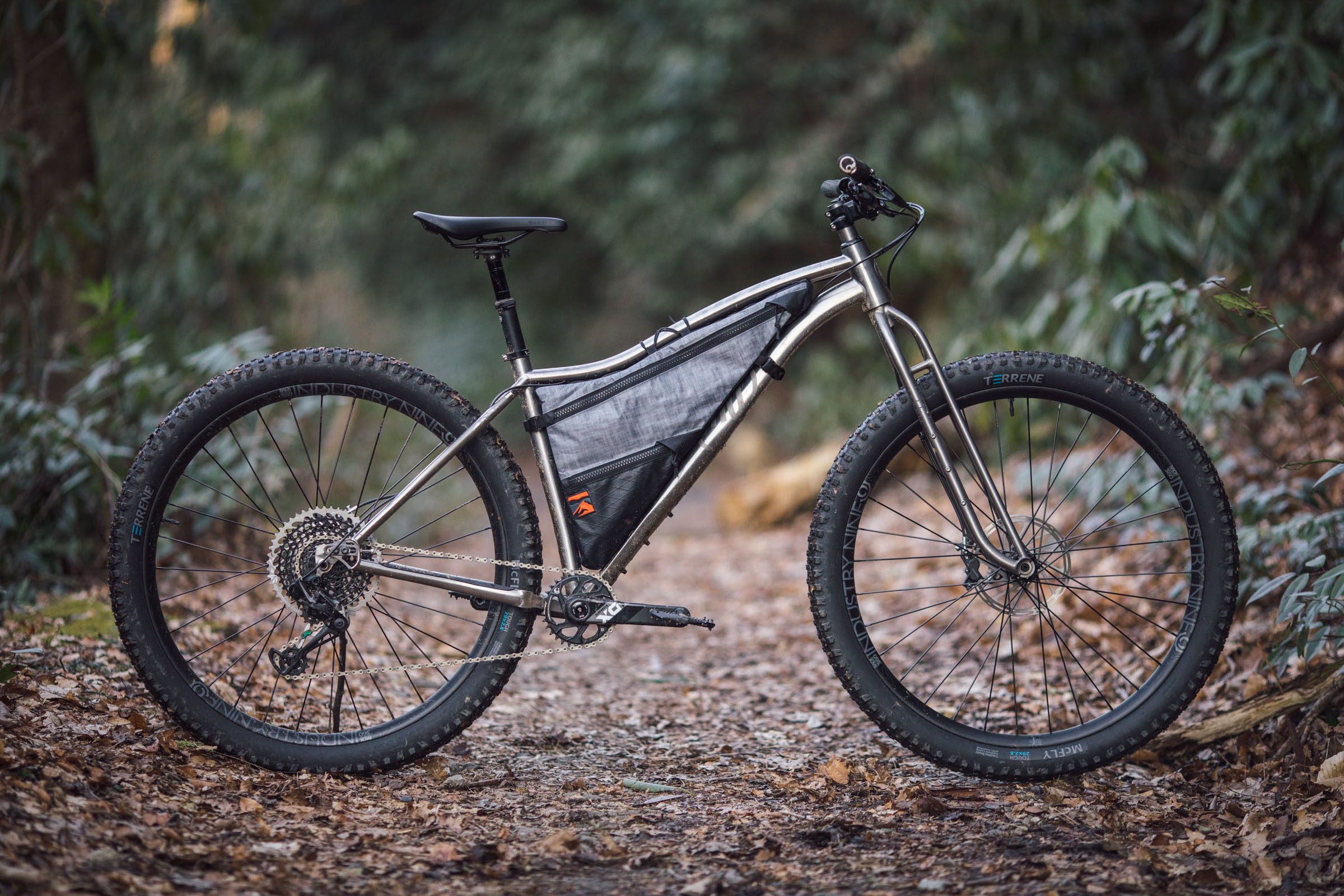
Review coverage centers on Bikepacking.com’s assessment of the Wayward V2 as an unusually successful rigid-or-suspension 29+ platform. Logan Watts described the tested rigid titanium "SquidWard" build as "the best riding rigid 29+ bike I’ve had the pleasure to throw my leg over," praising the frame’s combination of lateral stiffness and vertical compliance. He found it responsive and lively for a 29+ bike, yet stable and comfortable on long doubletrack climbs and all-day rides. The review repeatedly points to the cold-formed titanium frame, low bottom bracket, and updated 120mm-corrected geometry as the reasons the bike feels both planted and engaging rather than sluggish.
The strongest praise was reserved for ride quality and versatility. Watts noted that the bike remained composed on technical singletrack, felt confidence-inspiring at speed, and could be tuned further through its adjustable 435-450mm chainstay range. The tested build’s Oddity Squidfork and Lowrizer bar also shaped the verdict; both were credited with adding noticeable front-end compliance and reducing fatigue, especially with 29 x 2.8-inch tires run at low pressure. At the same time, the review makes clear that this level of refinement comes at a cost. The frame-only price of $2,449 already places it firmly in premium territory, and the reviewed build drifted toward boutique luxury once the $1,000 titanium fork upgrade and other high-end parts were included. There were no major reliability complaints in the initial test period, but the review was based on early impressions rather than long-term ownership.
Compared to.
Most-viewed comparisons.