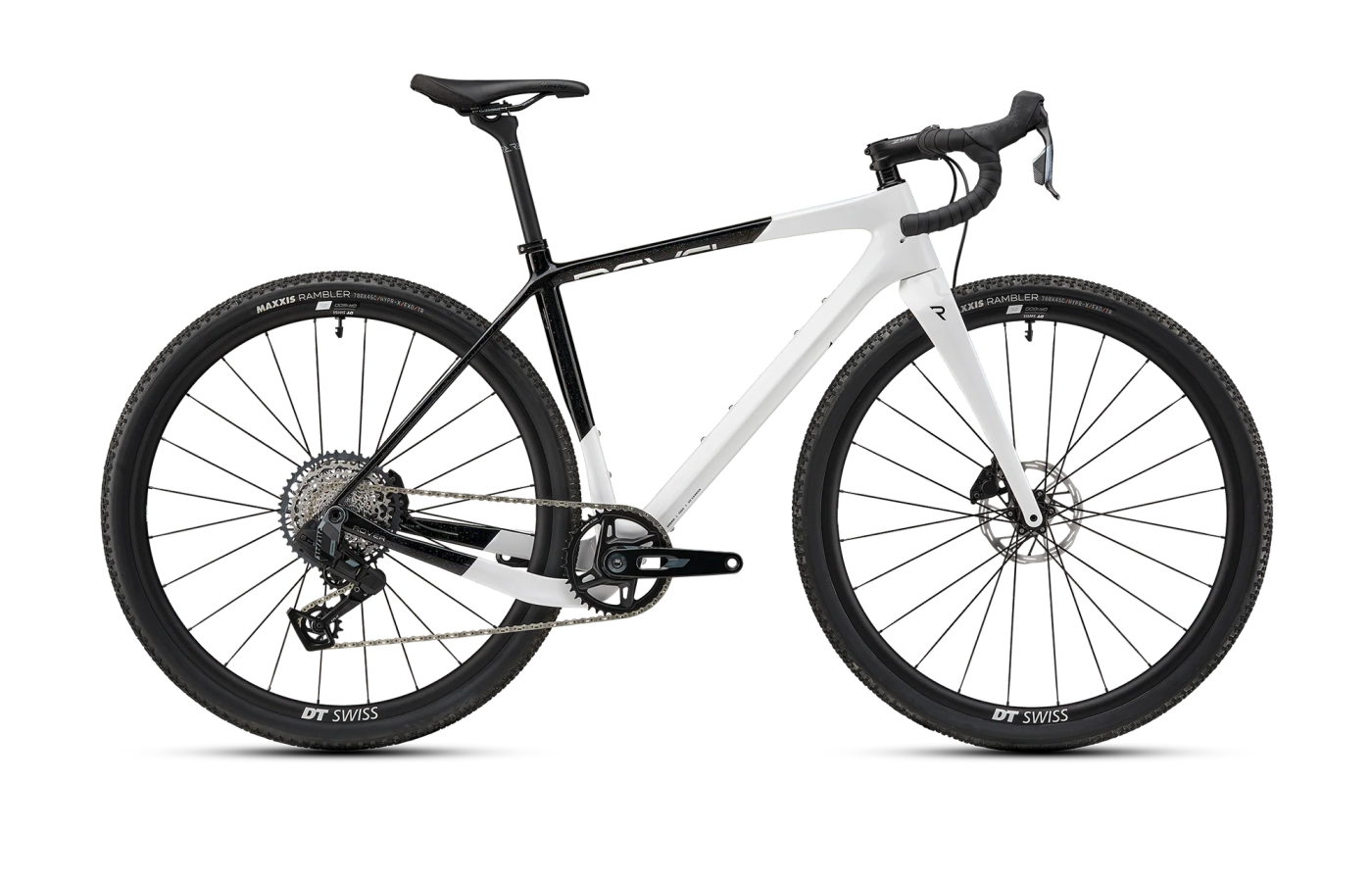
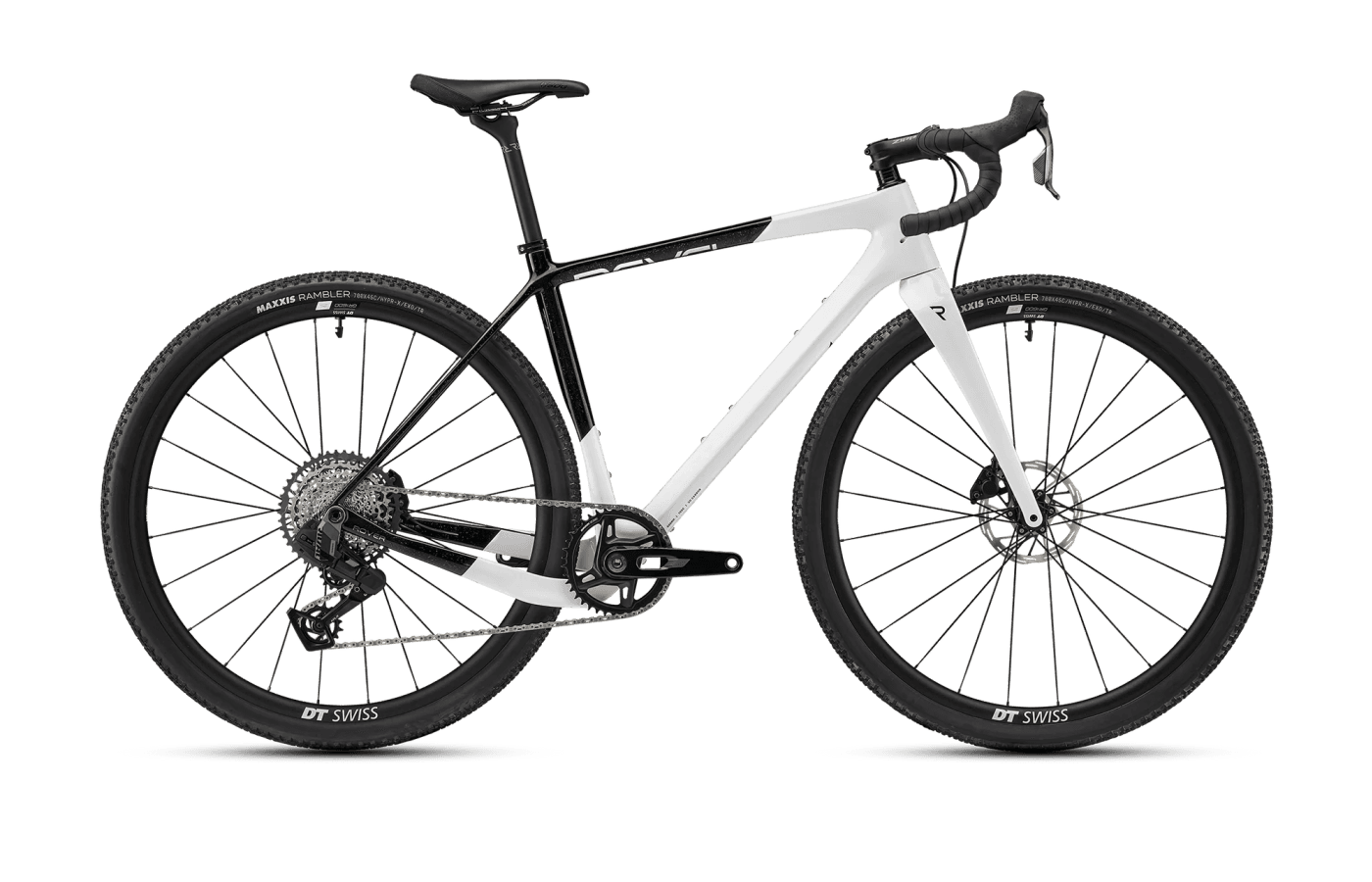
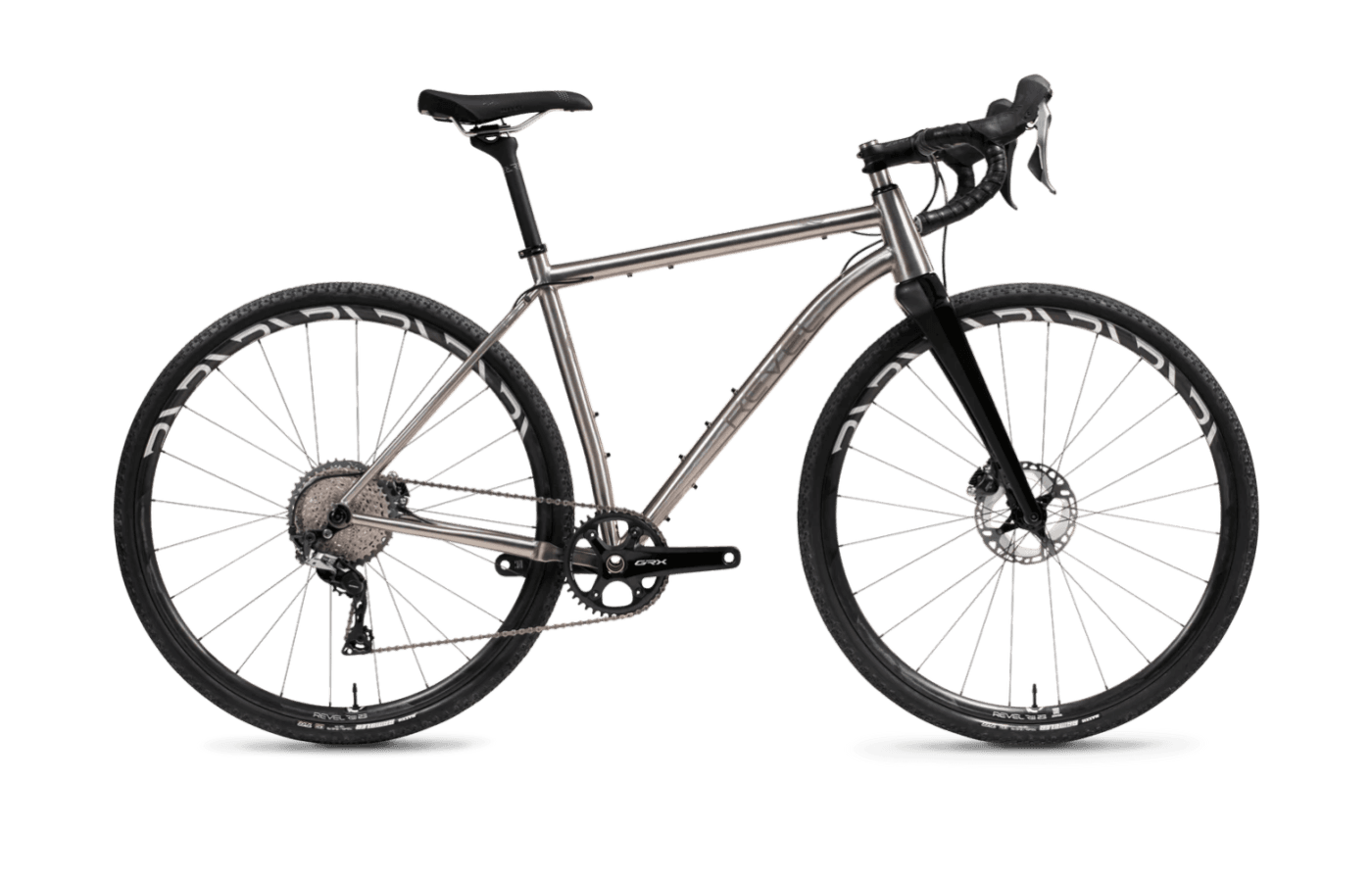
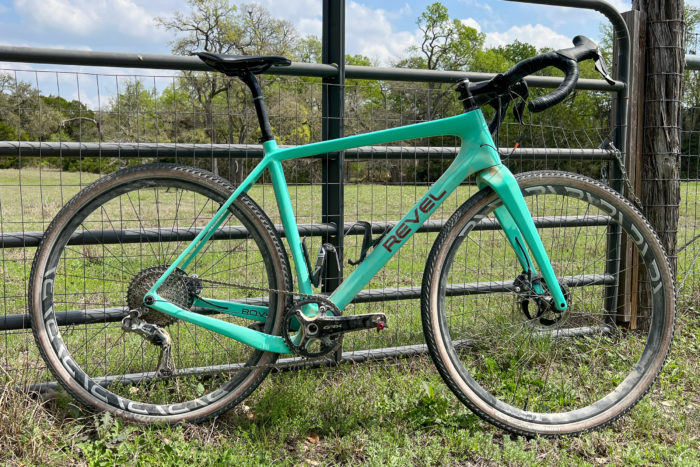
The Revel Rover is the mountain bike brand’s dedicated carbon gravel platform, introduced in 2022 and designed with a clear emphasis on ride quality over absolute weight savings or aerodynamic integration. Visually characterized by oversized, angular carbon tubing and a dropped drive-side chainstay, the frame projects a rugged aesthetic but is engineered specifically to damp vibration and reduce fatigue on rough terrain. Revel positions the Rover as a high-performance option for riders who split their time between aggressive gravel roads and light singletrack. It is built strictly around 1x drivetrains and eschews traditional rack and fender mounts in favor of a clean, race-oriented silhouette, meaning bikepackers will need to rely on strap-on bags. With generous tire clearance and mountain-bike-inspired frame details, it suits riders looking for a durable, compliant chassis that prioritizes off-road capability.
Where to get it.
No retailers stocking size Medium.
No retailers carrying size Medium right now.
Spec sheet.
Every component shipped with this build.
Geometry & fit.
5 sizes published.
The Rover’s geometry blends modern gravel stability with a few distinct choices that shape its handling. A steep 75-degree seat tube angle across all sizes places the rider in a forward, aggressive pedaling position directly over the bottom bracket, which aids power transfer on steep dirt climbs. This is paired with notably short 420mm chainstays and a 69mm trail figure, creating a compact rear center and a responsive front end. The result is a bike that feels eager to change direction on singletrack rather than defaulting to straight-line plowing.
A 70mm bottom bracket drop provides a standard, balanced center of gravity without risking excessive pedal strikes on uneven terrain. Fit and handling on early production runs were somewhat compromised for smaller riders due to a uniform 44cm handlebar specification across all frame sizes, which made steering feel cumbersome. Revel has since adjusted this, equipping smaller frames with 42cm bars to quicken the steering response and better match rider shoulder width. The frame utilizes a standard 27.2mm seatpost and includes internal routing for a dropper post.
Where the handlebar sits relative to the bottom bracket — the single most important fit pair.
01Fit geometry6 values
03Handling geometry8 values
Which size should I buy?
Slide your height to see the recommended size. GearWise's fit algorithm works from the published stack, reach, and ETT — the brand's own recommendation may differ.
→Calculated from GearWise's own stack / reach / ETT algorithm — the brand's size chart may recommend a different size, and a proper bike fit beats any calculator.
The lineup.
4 builds, ranging $3,220 – $8,299.
The Rover is offered across four complete builds, utilizing a single carbon frame and fork tier. The lineup relies entirely on 1x drivetrains, starting with a mechanical Shimano GRX 12-speed option and moving up through SRAM’s wireless AXS ecosystem with Rival XPLR, Force AXS, and Red AXS kits. Because the frame lacks front derailleur compatibility, riders who prefer the tighter gear jumps of a 2x system will need to look elsewhere.
Frame details prioritize long-term serviceability, featuring a threaded BSA 68mm bottom bracket, fully guided internal cable routing, and a SRAM Universal Derailleur Hanger. The dropped drive-side chainstay affords massive tire clearance, accommodating up to 700x50c or 27.5x2.1-inch rubber.
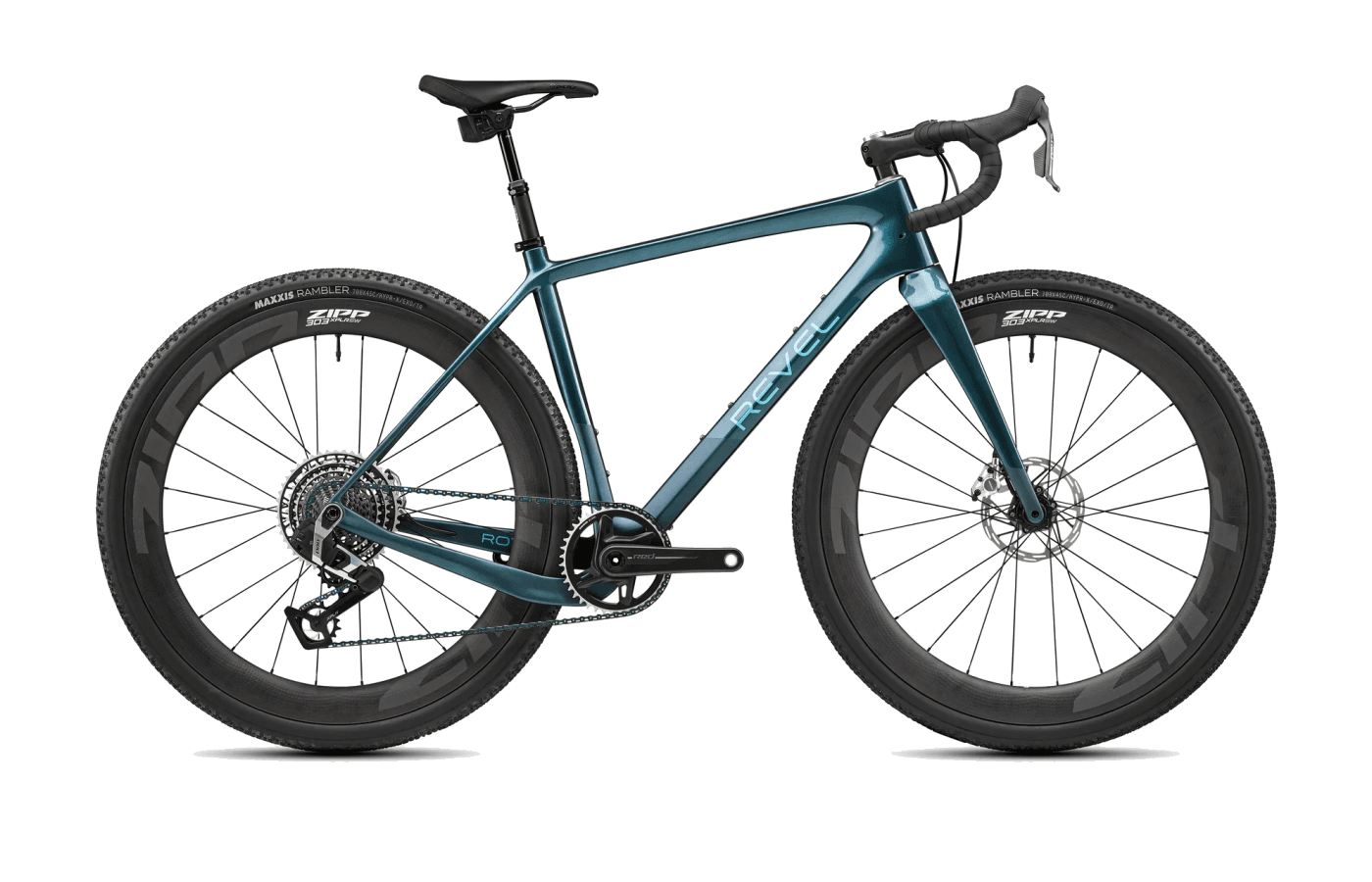
Standard builds typically roll on Industry Nine 1/1 GRCX alloy wheels, which provide quick hub engagement and a modern internal width. Riders looking to maximize the frame’s vibration-damping qualities can upgrade to Revel’s US-made FusionFiber carbon wheels at an additional cost. While the complete builds sit at a premium price point compared to some direct-to-consumer alternatives, the inclusion of high-quality contact points and easily serviceable frame standards bolsters the long-term value for dedicated off-road riders.
From the press.
4 reviews from the cycling press.
Despite its bulky tube profiles, reviewers consistently note that the Rover delivers an exceptionally compliant ride. Testers expected a harsh, rigid feel but instead found a chassis that effectively isolates the rider from trail chatter. One reviewer noted it was "the first carbon chassis I’ve ridden that feels smooth and doesn’t leave me fatigued after rough and rugged roads" (Theradavist). This engineered flex helps the bike maintain momentum over washboard surfaces and allows the rear wheel to track the ground effectively during seated efforts.
Off-road, the bike is praised for its agility and climbing traction. The subtle lateral give in the frame helps the rear tire grip on loose, punchy ascents rather than spinning out. However, this smooth character introduces a slight tradeoff at high speeds. Because the frame absorbs so much feedback, it can mask how fast the bike is actually traveling, which means it "can feel a bit squirrely when it gets fast and loose" (Velo).
Cornering is generally viewed as a strong suit, with testers reporting that the bike "soaked up chatter like a champ" (GearJunkie), allowing riders to lean into rough turns without getting bounced off their line. While it may lack the explosive snap of a pure road-oriented gravel racer on pavement, the consensus points to a highly capable off-road machine that rewards active handling on technical dirt.
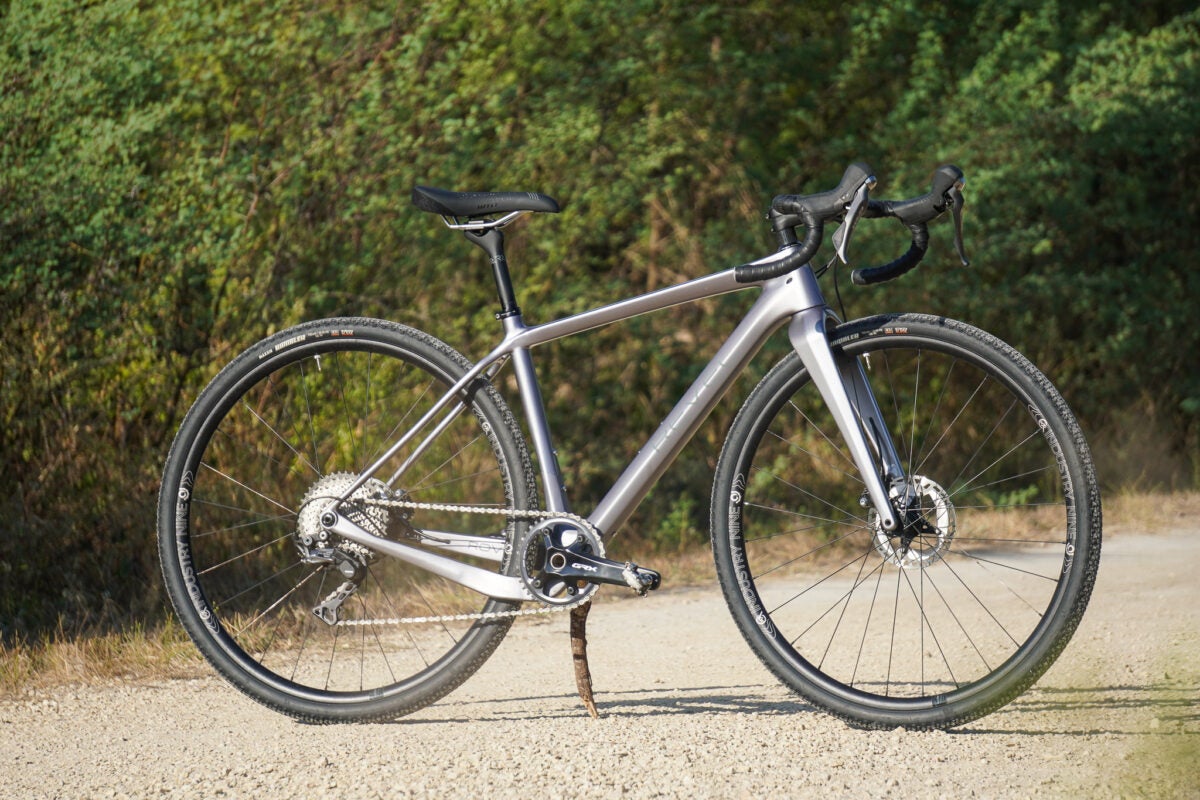
The Revel Rover Gravel Bike Isn't Just a '90s Mountain Bike
Review: The Revel Rover Gravel Bike Isn’t Just a ’90s Mountain Bike
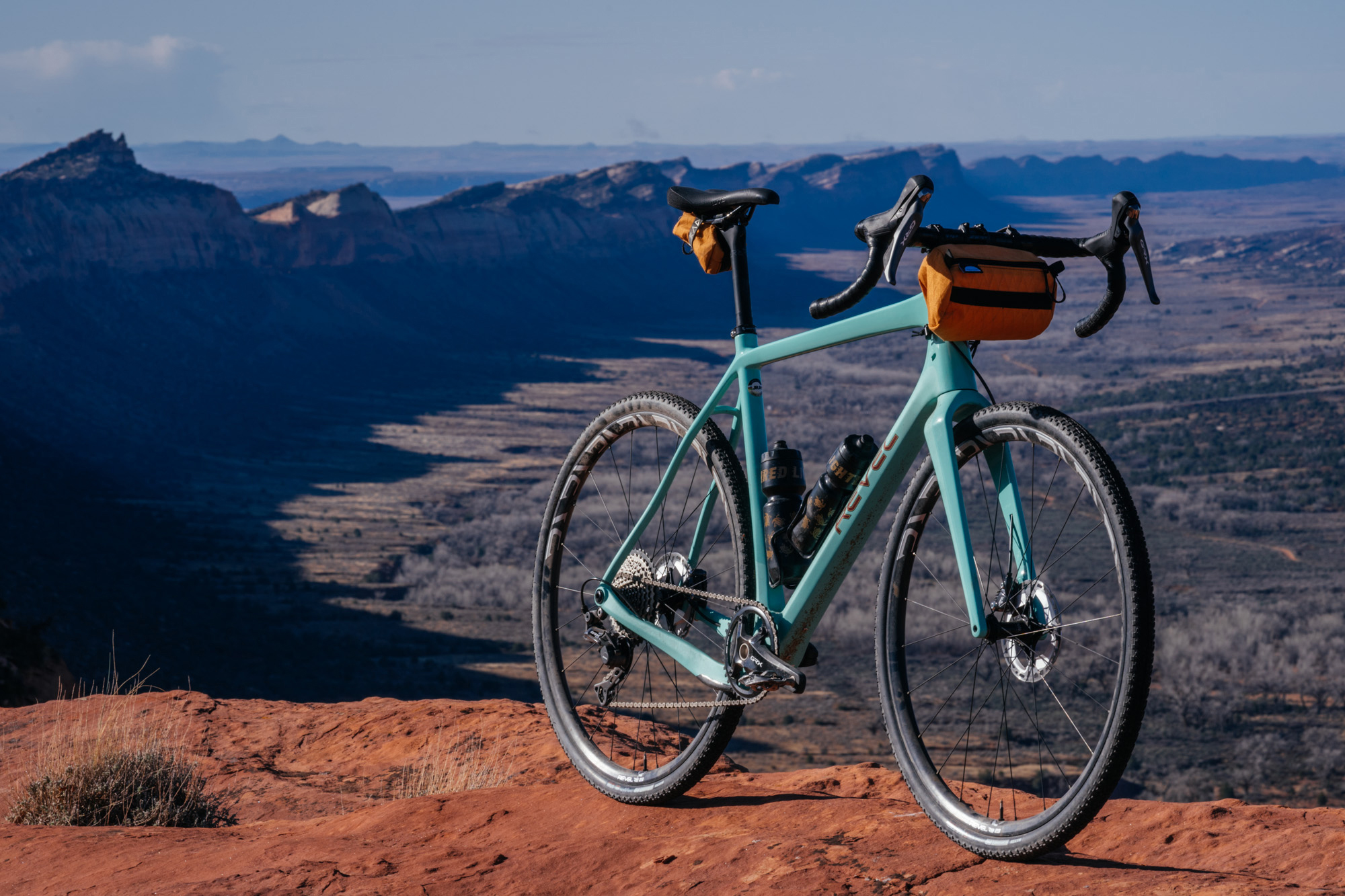
Revel Rover Review: When Mountain Bike Companies Do ...
Surprise! Stout Revel Rover Carbon Gravel Bike Is Smooth, ...
Compared to.
Most-viewed comparisons.