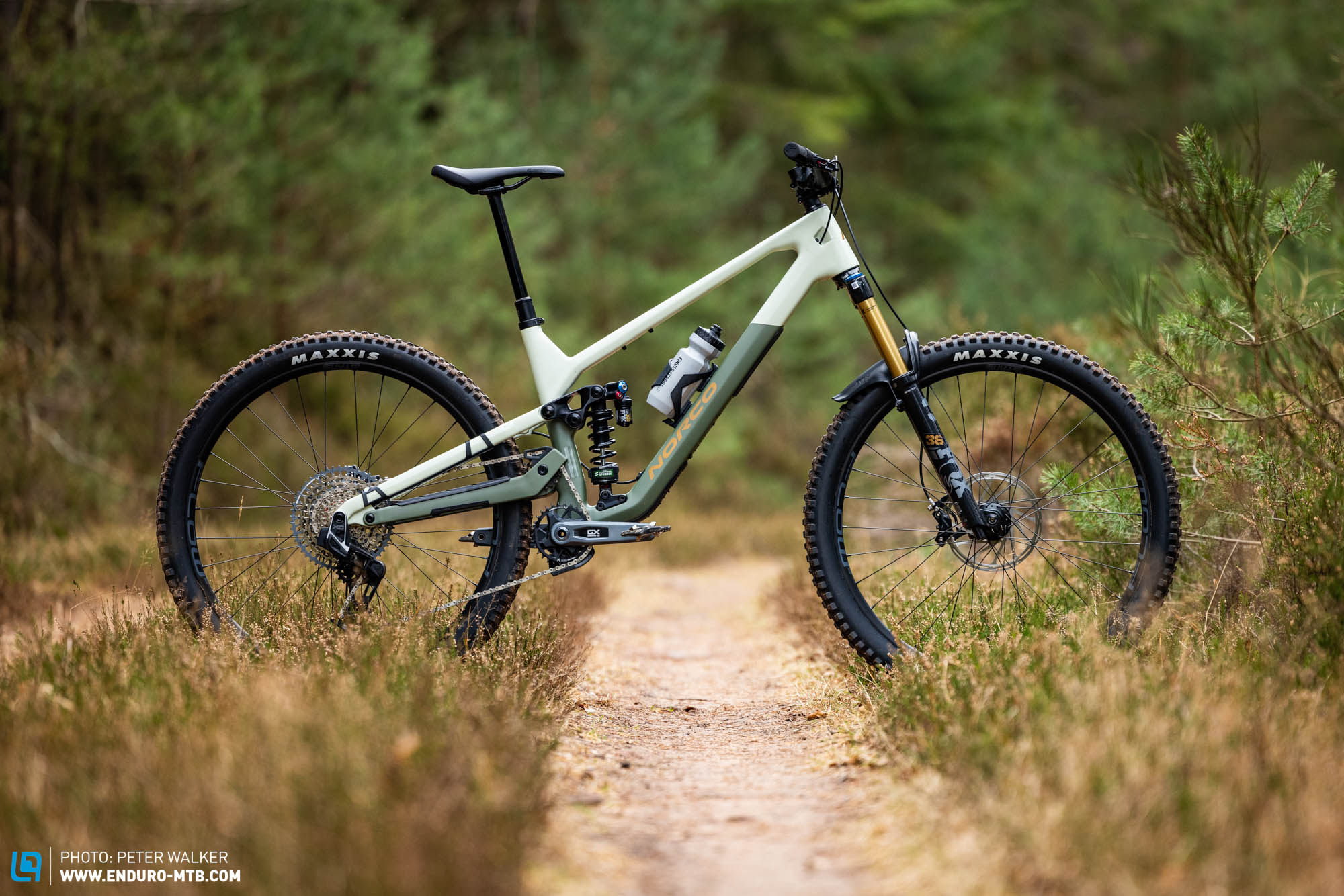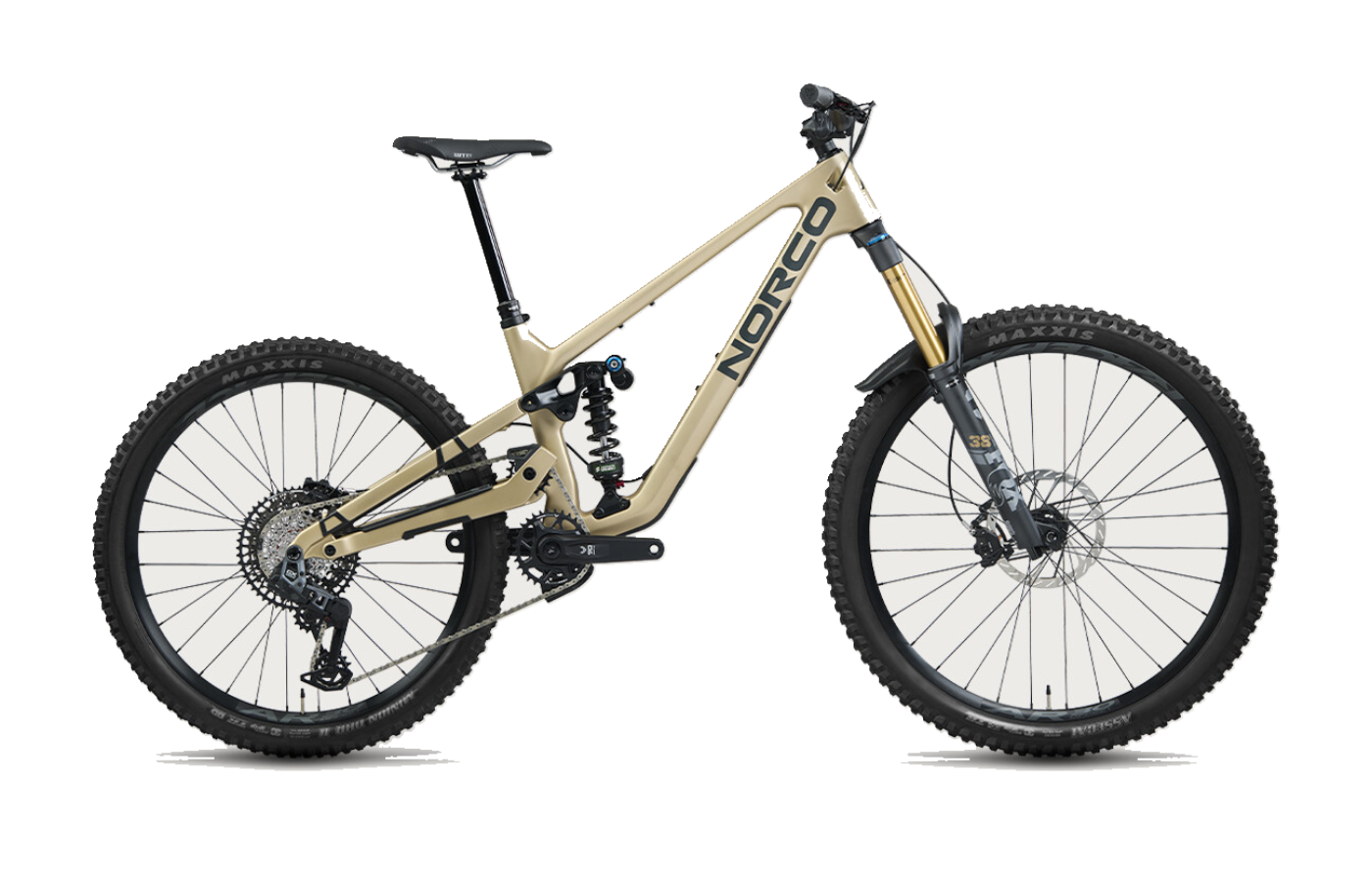
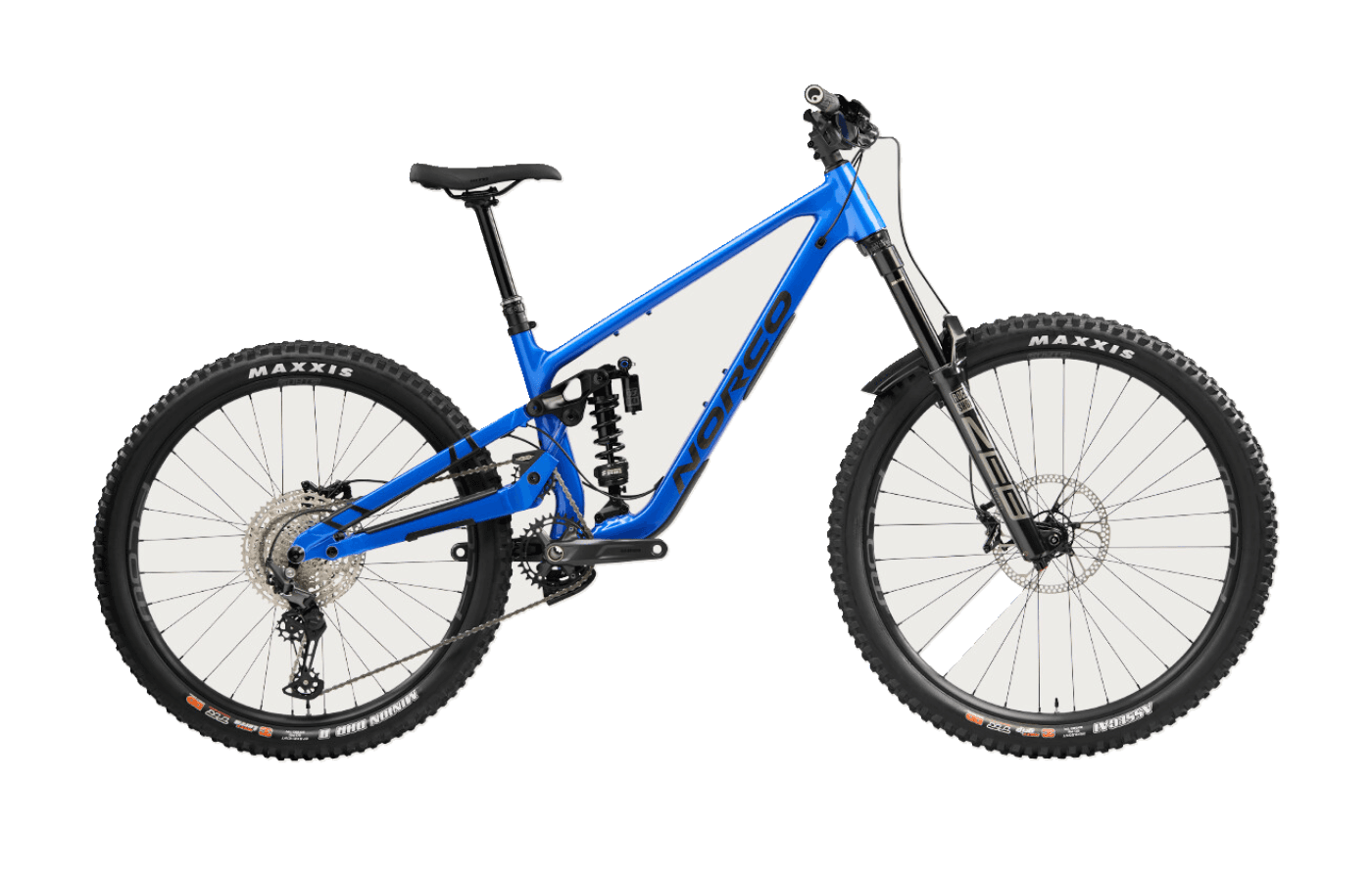
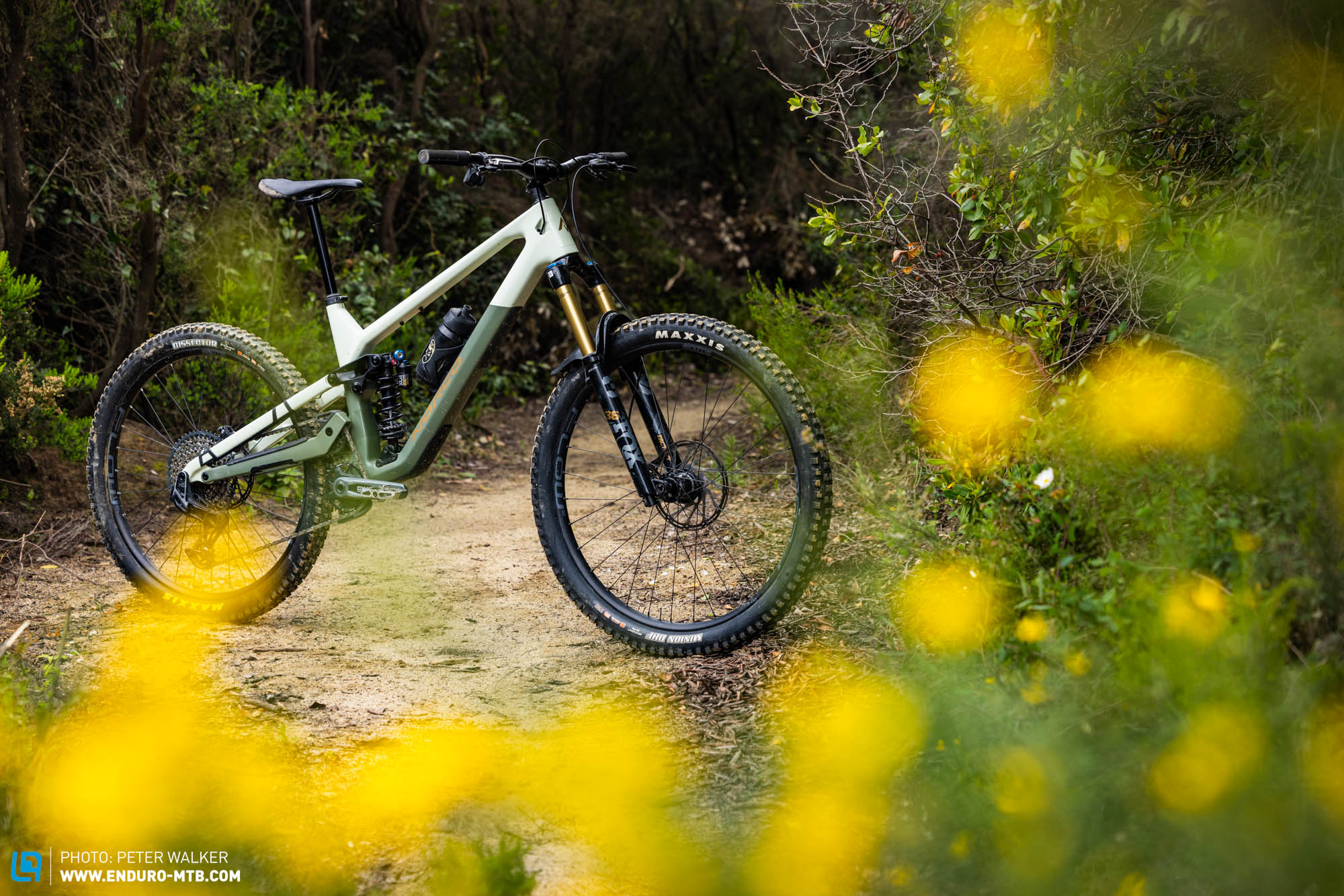
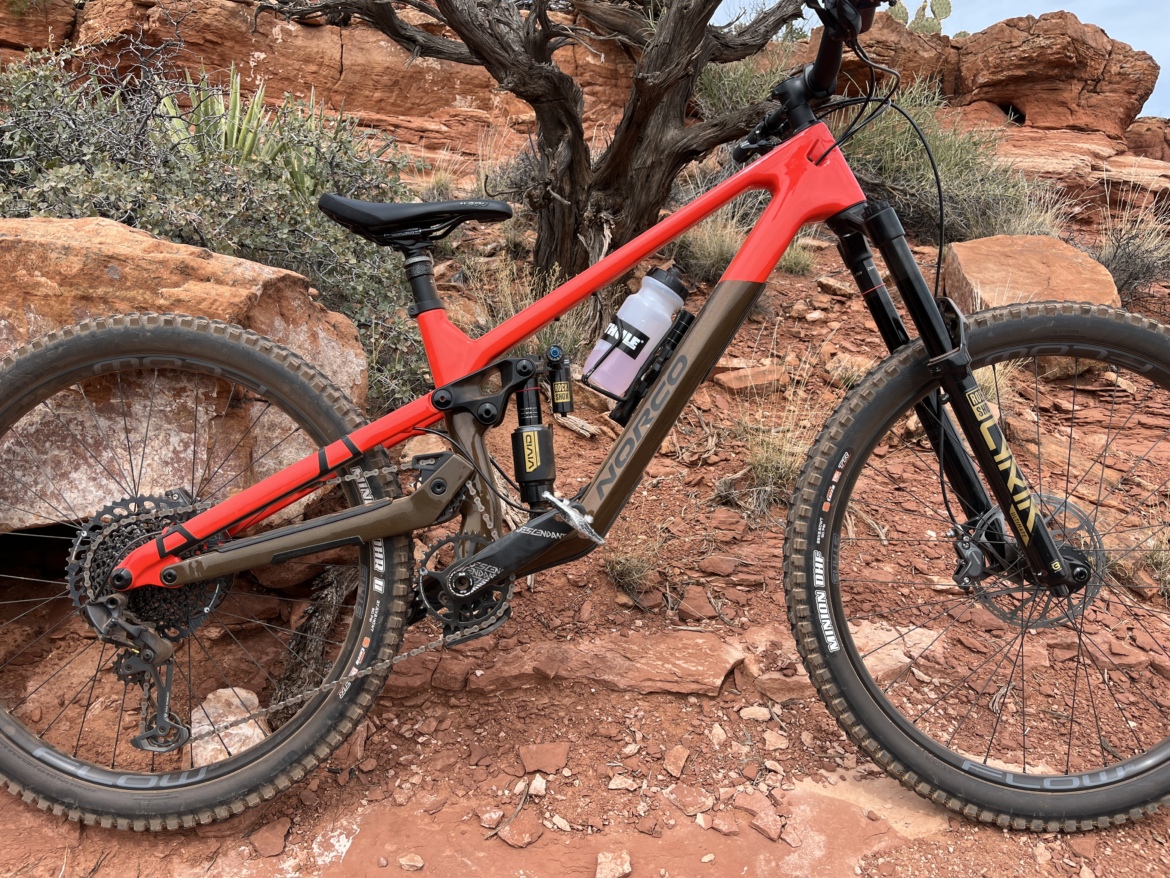
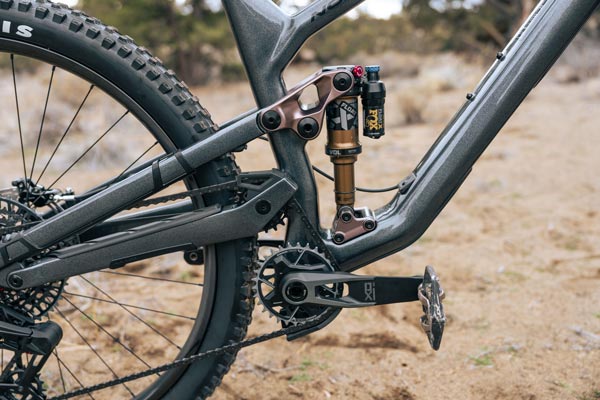
The fifth-generation Norco Sight 160 marks a significant structural shift for the platform, moving from a traditional four-bar layout to a high-pivot Horst Link design. Intended as a versatile all-mountain machine, this iteration pairs 150 millimeters of rear travel with a 160-millimeter fork. The defining feature is its chainstay-mounted idler pulley, engineered to manage chain growth and pedal kickback while delivering a moderately rearward axle path.
This generation also introduces a highly adaptable chassis. Rather than producing dedicated frames for different wheel sizes, Norco designed the Sight to accommodate both dual 29-inch and mixed-wheel setups. Riders can swap between configurations using an aftermarket linkage kit that preserves the bike's kinematics. Positioned between a dedicated trail bike and a full-blown enduro sled, the Sight 160 is built for riders who prioritize descending composure and technical grip over outright climbing speed or a lightweight overall package.
Where to get it.
No retailers stocking size 2.
No retailers carrying size 2 right now.
Spec sheet.
Every component shipped with this build.
Geometry & fit.
5 sizes published.
Norco utilizes a numbered sizing system from 1 to 5, moving away from traditional letter sizing. The geometry leans progressive, characterized by a slack 64-degree head tube angle and reach measurements that run long across the board—a Size 4 stretches to nearly 498 millimeters. To maintain balanced handling across different rider heights, the chainstay lengths grow incrementally with each frame size.
The seated pedaling position is kept upright and centered by steep, size-specific seat tube angles hovering around 77 degrees. Notably, the seat tubes are kept exceptionally short, maximizing standover clearance and allowing riders to run long-travel dropper posts, with larger sizes easily accommodating 210-millimeter or 230-millimeter drops.
On the trail, the relatively high stack and bottom bracket position the rider in a commanding, upright posture that aids stability on steep descents. However, this taller stance, combined with the long reach, means riders must actively weight the front end to maintain front-wheel traction in flat corners. Setup is heavily supported by Norco’s Ride Aligned guide, which provides highly accurate baseline suspension and cockpit settings based on rider proportions and trail conditions.
Where the handlebar sits relative to the bottom bracket — the single most important fit pair.
01Fit geometry6 values
02Component geometry5 values
03Handling geometry8 values
Which size should I buy?
Slide your height to see the recommended size. GearWise's fit algorithm works from the published stack, reach, and ETT — the brand's own recommendation may differ.
→Calculated from GearWise's own stack / reach / ETT algorithm — the brand's size chart may recommend a different size, and a proper bike fit beats any calculator.
The lineup.
3 builds, ranging $3,449 – $7,599.
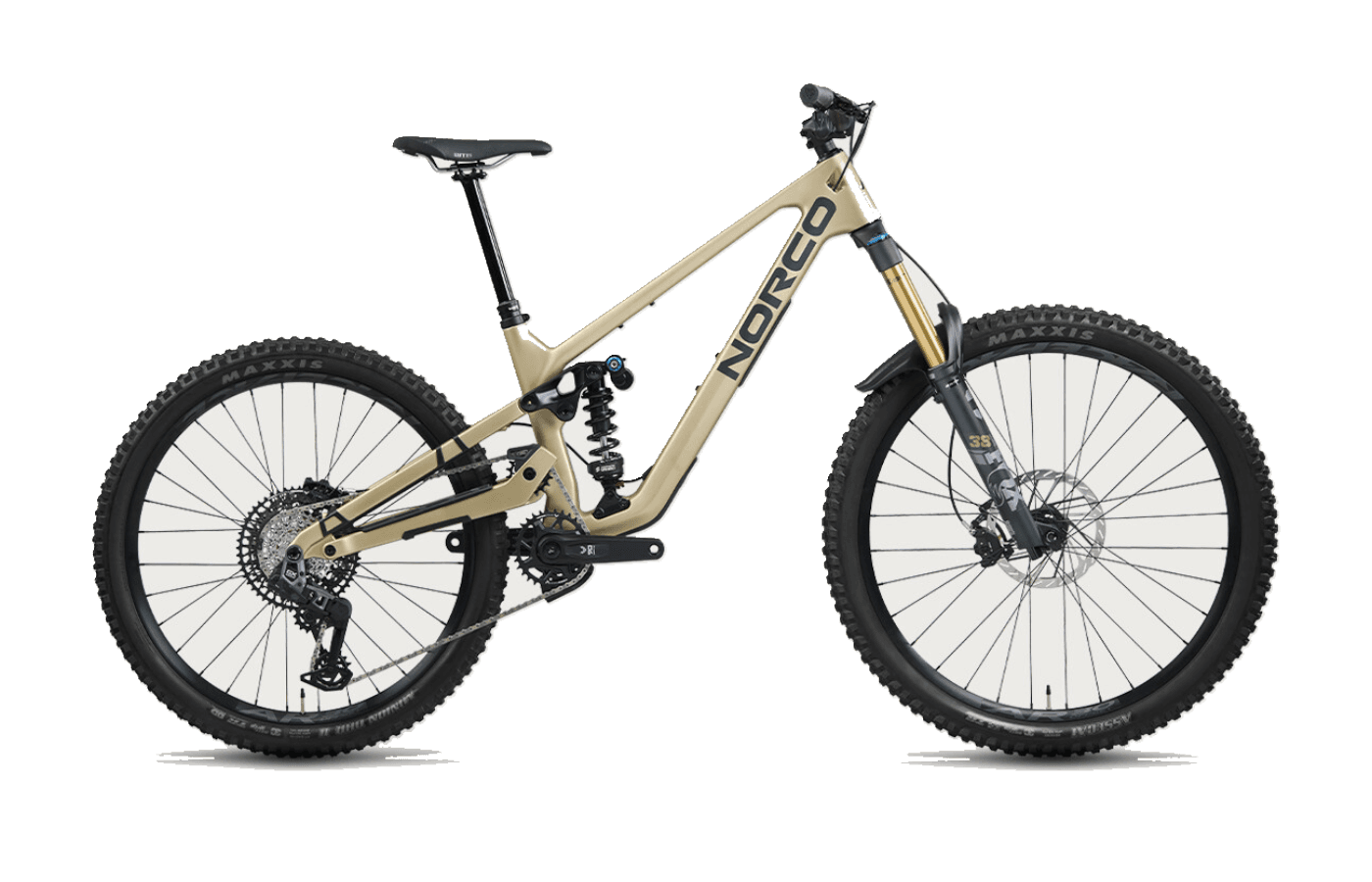
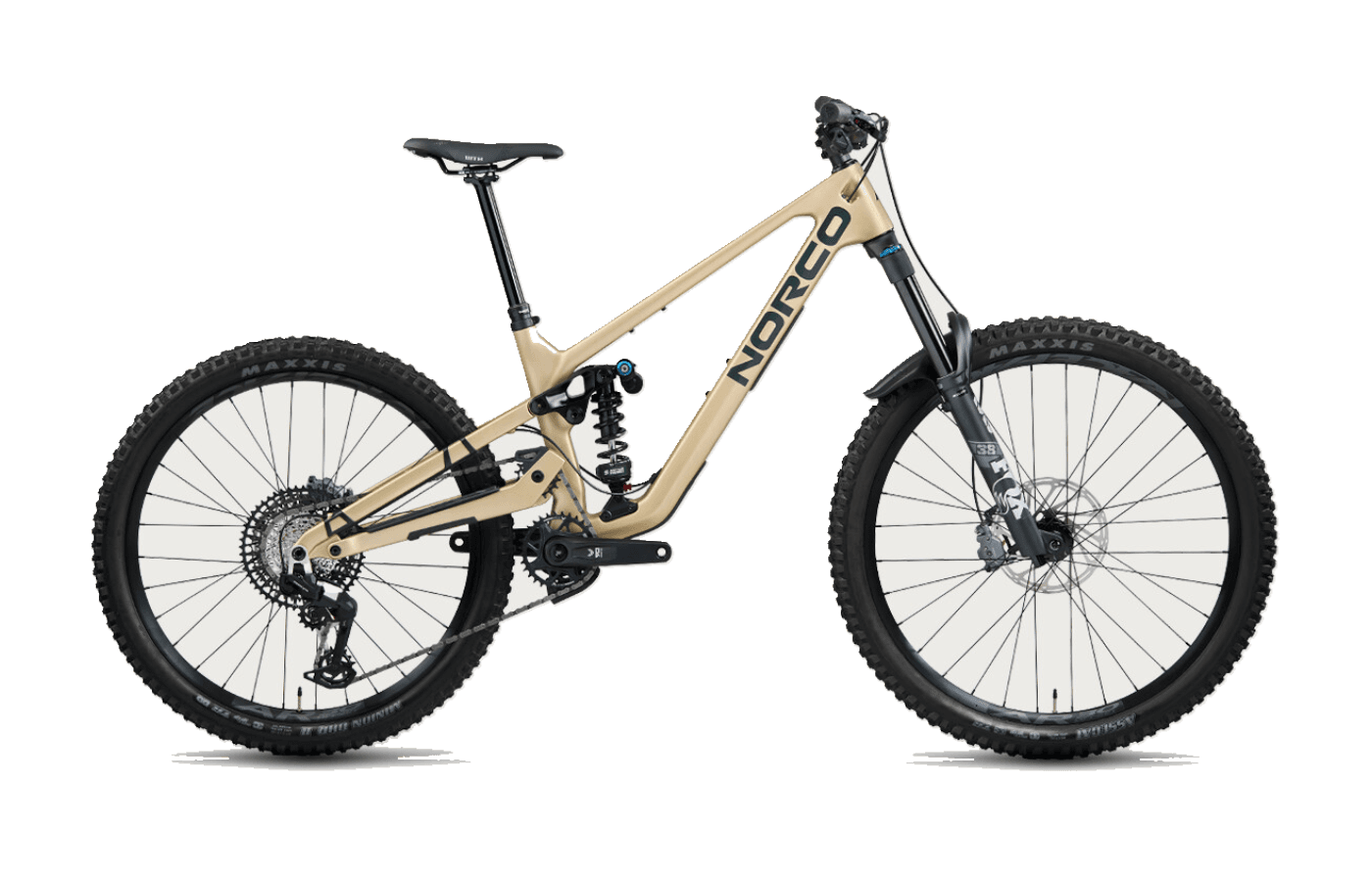
The Sight 160 lineup includes both carbon and aluminum frame options, with the MX builds featuring a 29-inch front and 27.5-inch rear wheel. The top-tier C1 MX pairs a Fox 38 Factory fork with a DHX2 Factory coil shock, driven by a SRAM GX and X0 Transmission drivetrain and stopped by SRAM Maven Silver brakes. The C2 MX steps to Fox Performance Elite suspension and Maven Base brakes, while the A2 MX offers an aluminum frame with a RockShox ZEB Select+ fork, Vivid Coil shock, and a Shimano Deore drivetrain.
A standout feature across the coil-equipped builds is the inclusion of a Sprindex adjustable spring, allowing riders to fine-tune their spring rate without buying replacement coils. While the suspension specification is robust, reviewers frequently point out that the stock 180-millimeter rear brake rotors found on the carbon builds can overheat on long descents, often recommending an upgrade to a larger rotor. Additionally, the Maxxis EXO+ casing tires spec'd on the front of these builds may lack the puncture protection aggressive riders need, and some testers reported tension issues with the stock Stan's Flow S2 rims.
From the press.
14 reviews from the cycling press.
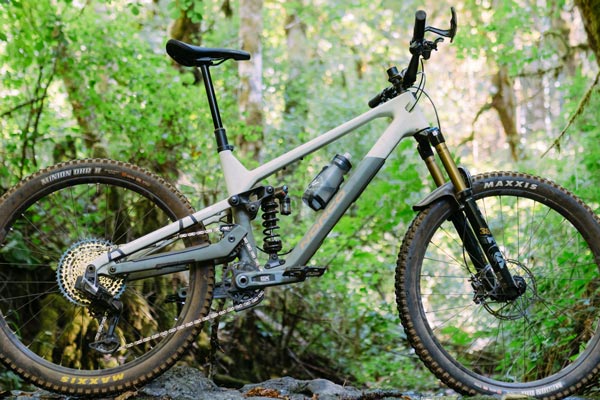
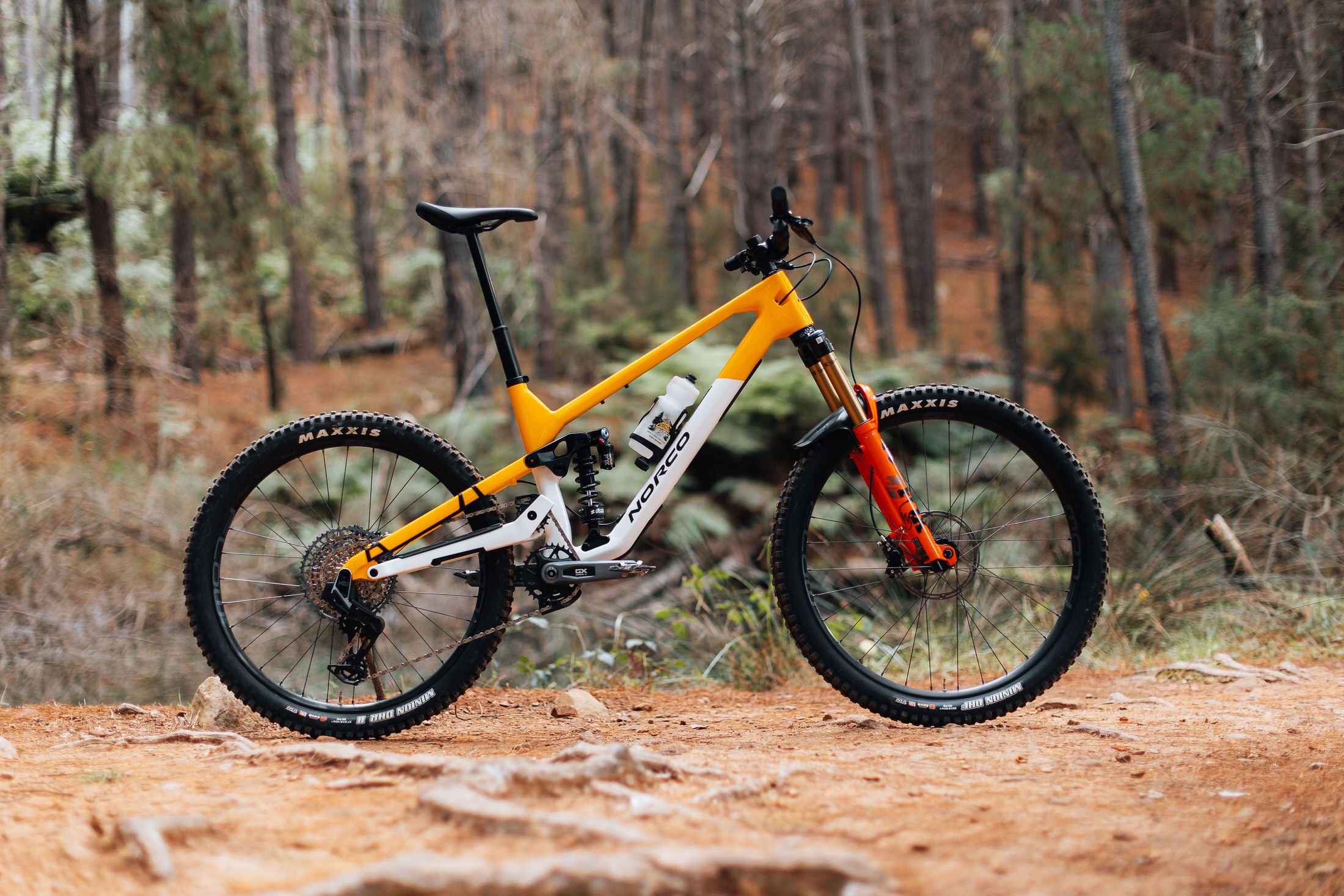
Reviewers consistently praise the Sight for its exceptional descending composure and bump-eating suspension. The high-pivot design isolates the rider from rough terrain, allowing the rear wheel to track smoothly over square-edged hits. As one tester noted, the bike "eats up braking bumps and other square edged obstacles" (Bike Magazine), maintaining momentum where traditional designs might hang up. Crucially, the rearward axle path is moderate enough to avoid the awkward cornering dynamics sometimes associated with high-pivot platforms.
On the climbs, the Sight earns high marks for technical traction but draws criticism for its weight and pedaling efficiency on smooth grades. The active suspension helps the rear wheel "clamber its way up some technical climbs" (Pinkbike) without losing grip, but testers frequently described the bike as sluggish on fire roads. The idler pulley also introduces noticeable drivetrain noise, particularly when the chain is dry.
Handling feedback reveals a dual personality. At speed, the chassis is highly stable and encourages aggressive riding. However, in slow, awkward terrain, the bike's length and weight become apparent. Navigating tight switchbacks "requires greater physical effort" (Enduro MTB), demanding an active riding style to keep the front wheel weighted. Ultimately, it rewards riders who stay off the brakes and let the suspension do the heavy lifting.

Norco Sight Review: The Next Generation Of All-Mountain ...
Review: 2024 Norco Sight C1

Norco Sight C1 mountain bike review
2024 Norco Sight Mountain Bike Review
2024 Norco Sight Review | All-Mountain Weapon, High ...
Norco Sight C1 – in our big 2024 enduro comparison test


2024 Norco Sight - Blister Review
Norco Sight 2024 Review: Tested on Captain Ahab in Moab

Tested: Norco Sight Gen 5 - BikeMag
The 2024 Norco Sight High Pivot, Ridden and Reviewed in ...
2024 NORCO SIGHT & OPTIC HIGH PIVOTS