Norco
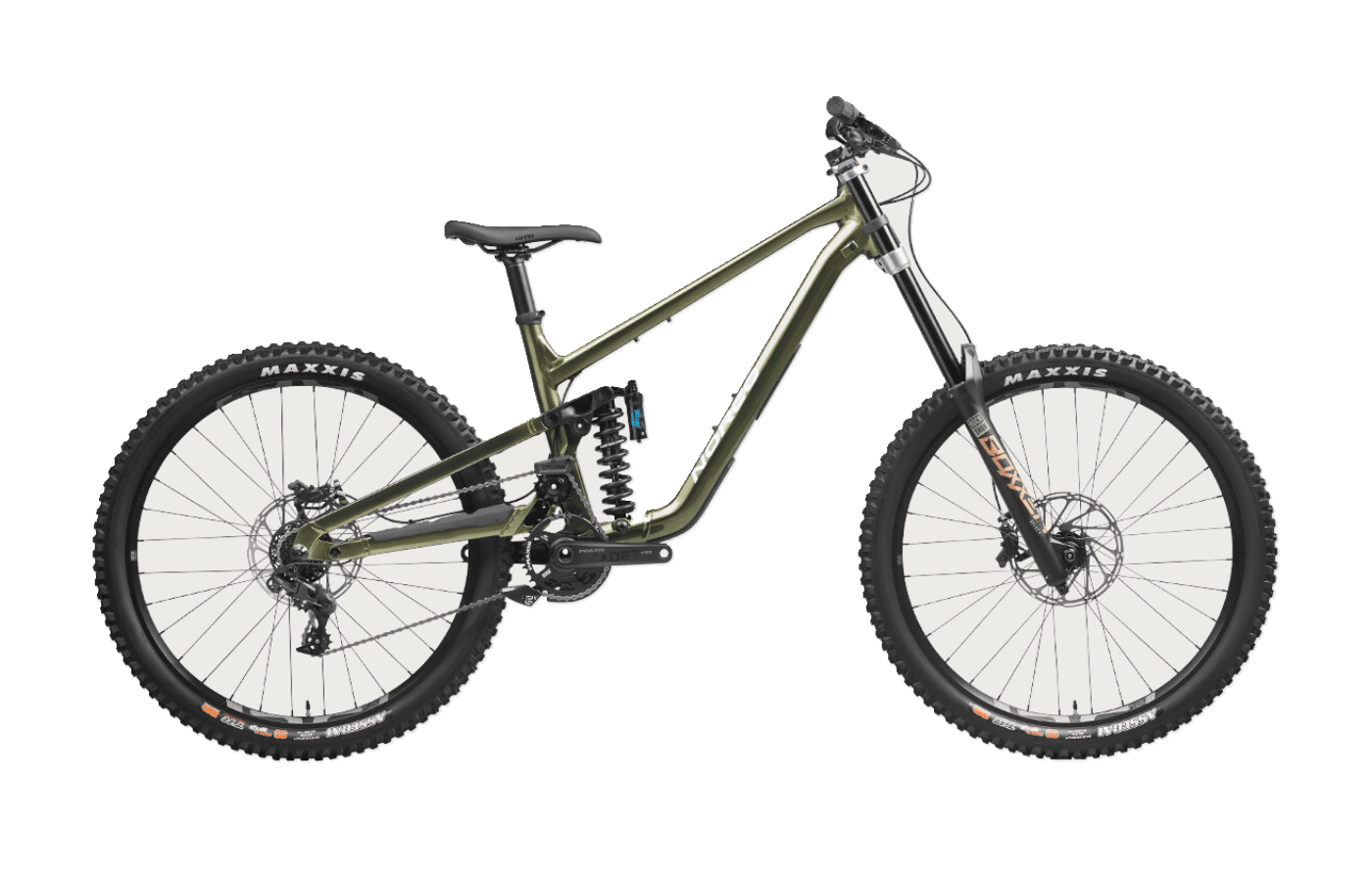
ShorePark Boxxer
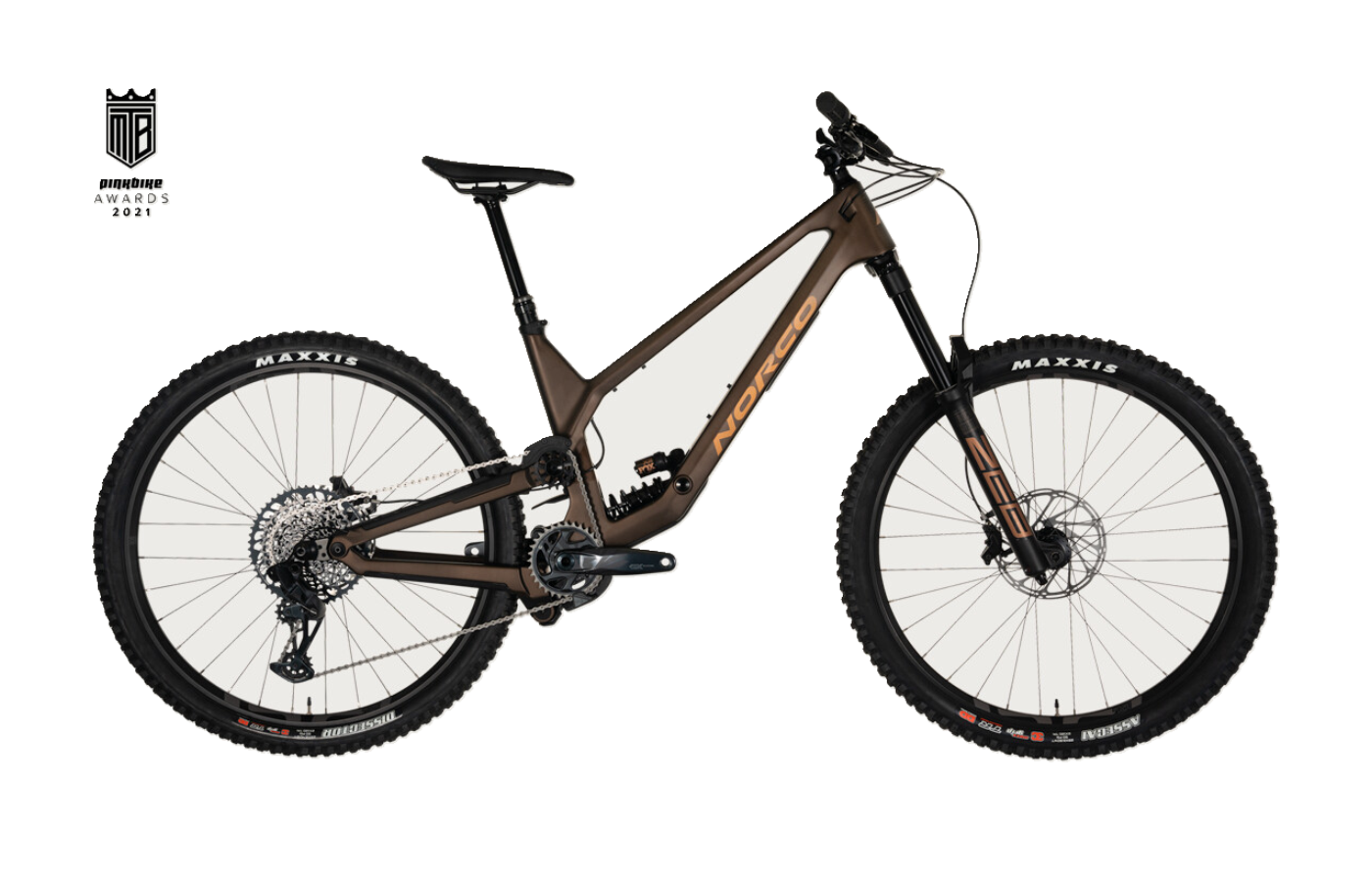
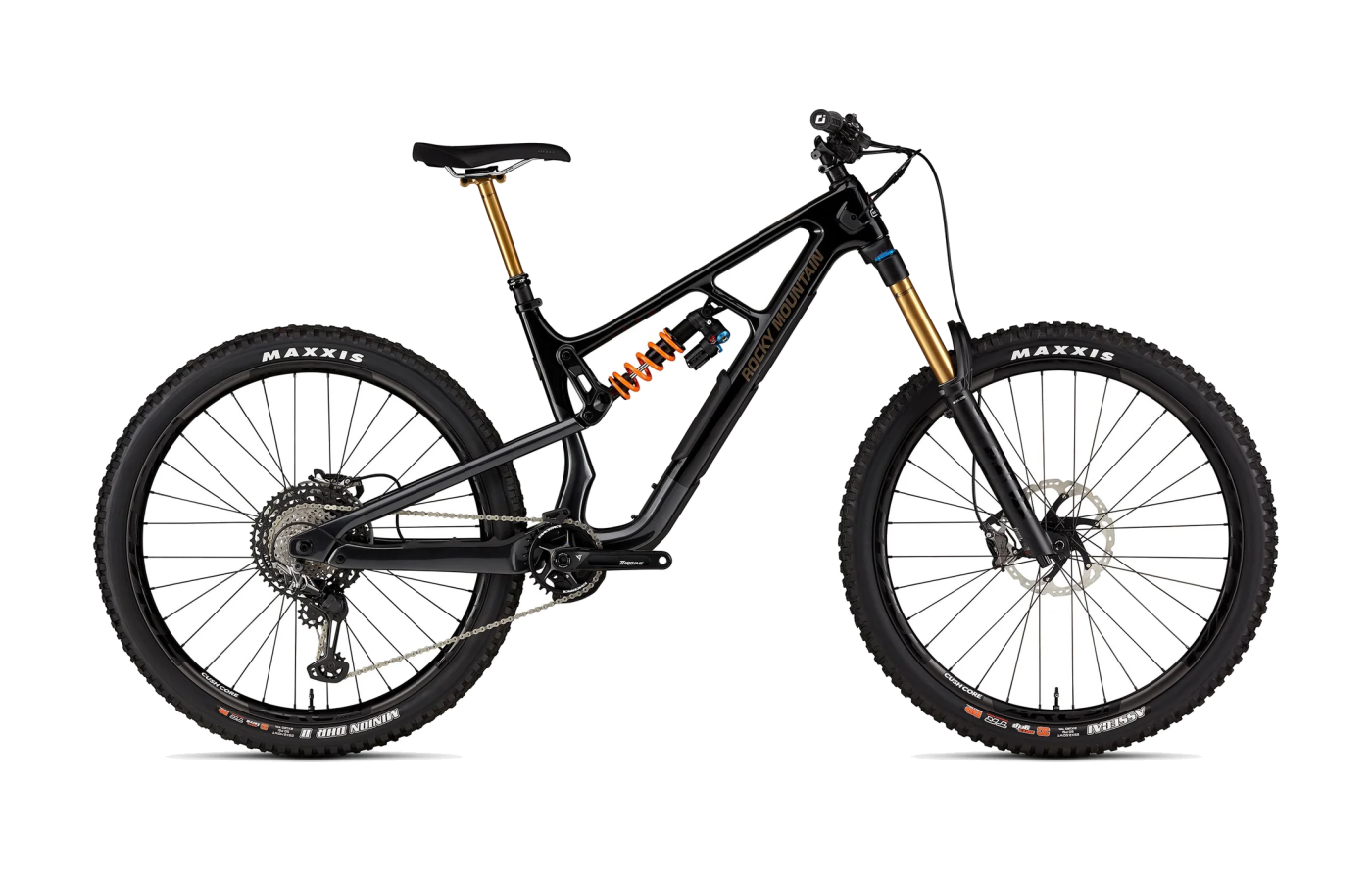
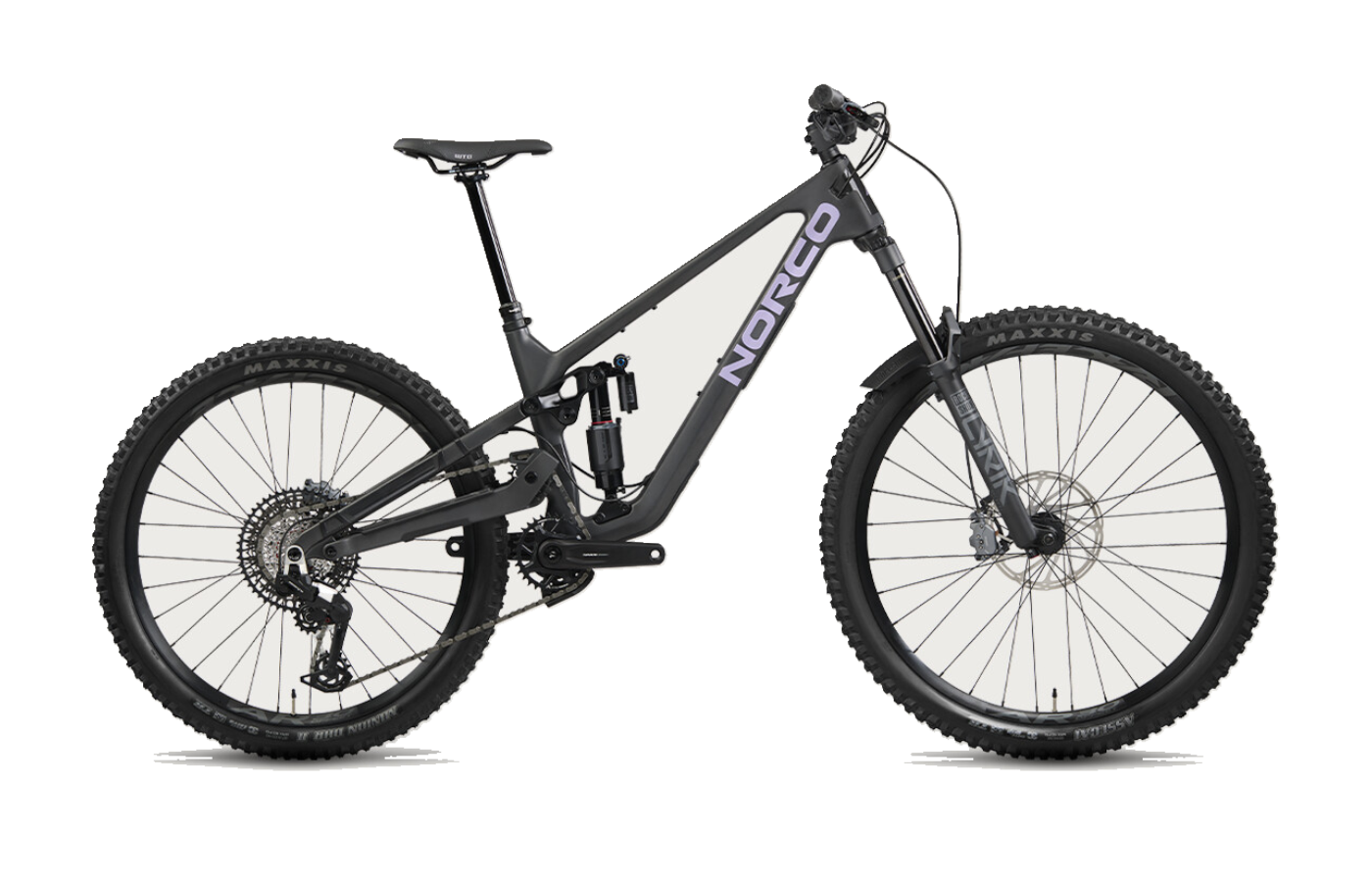
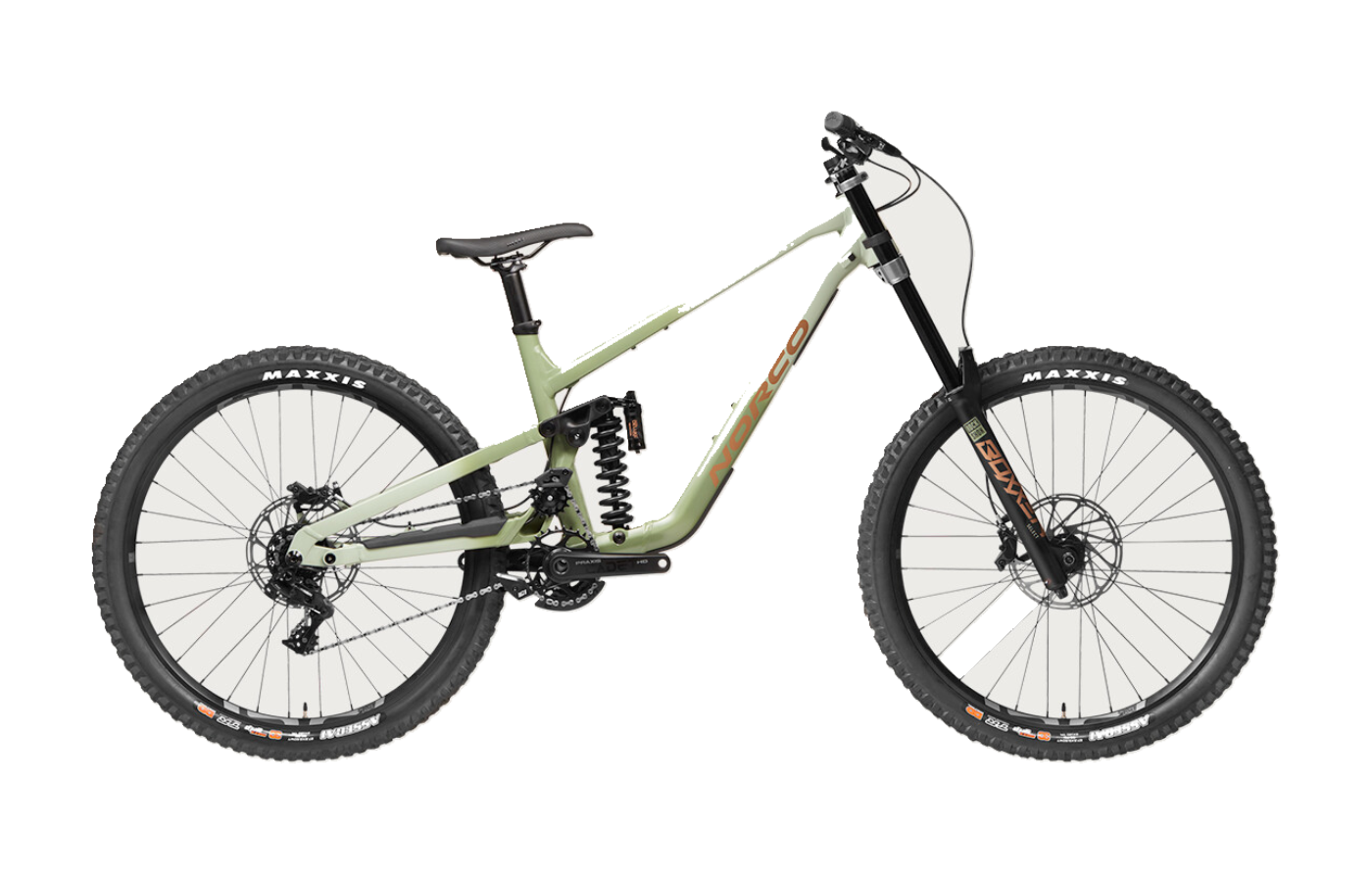
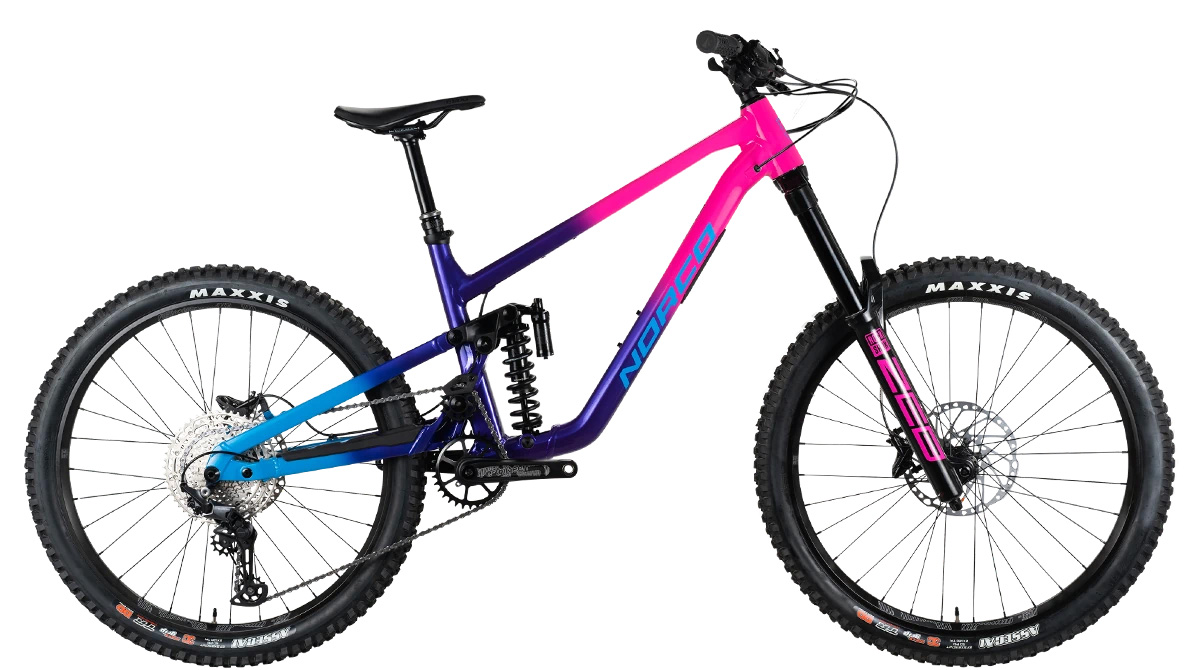
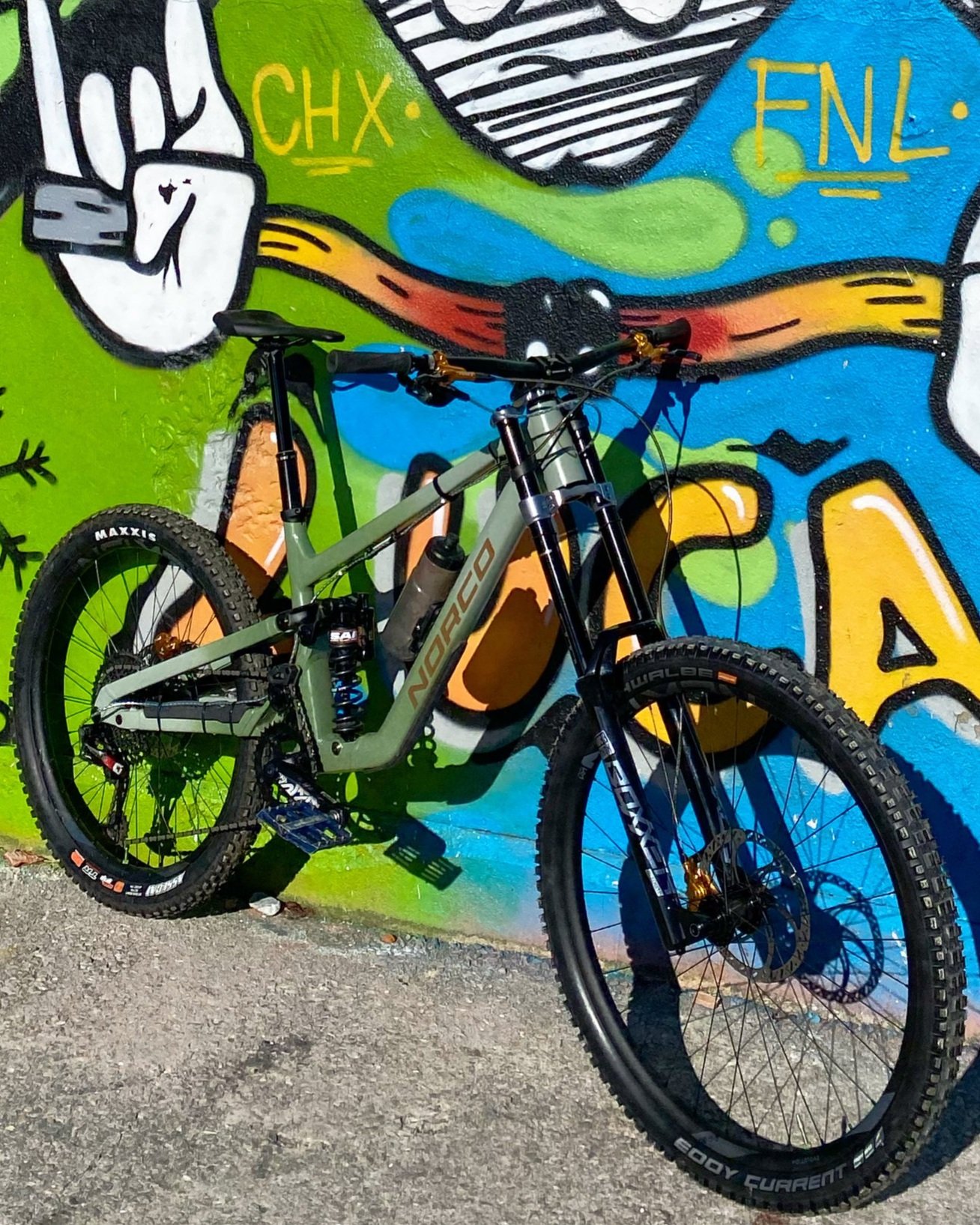
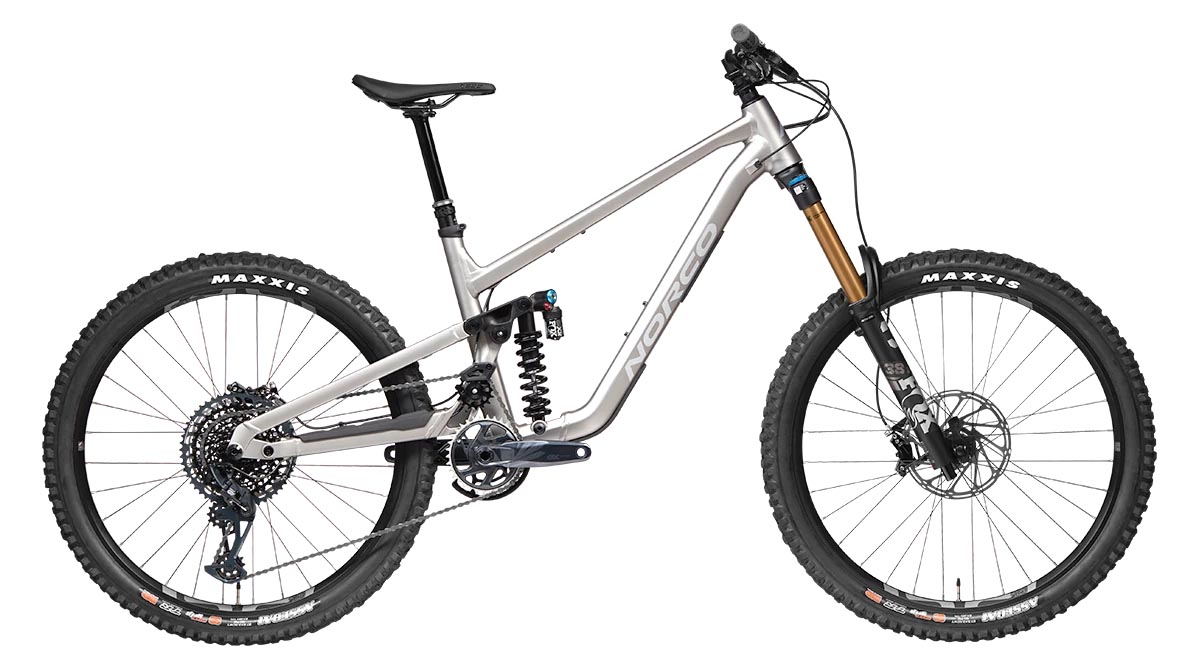
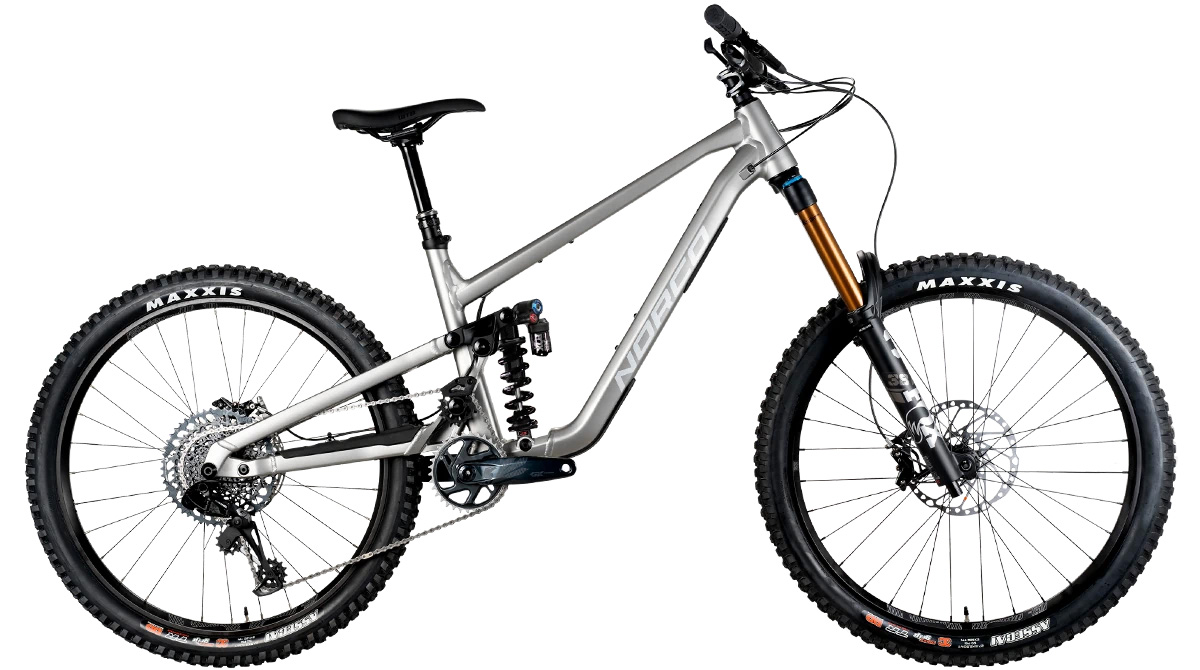
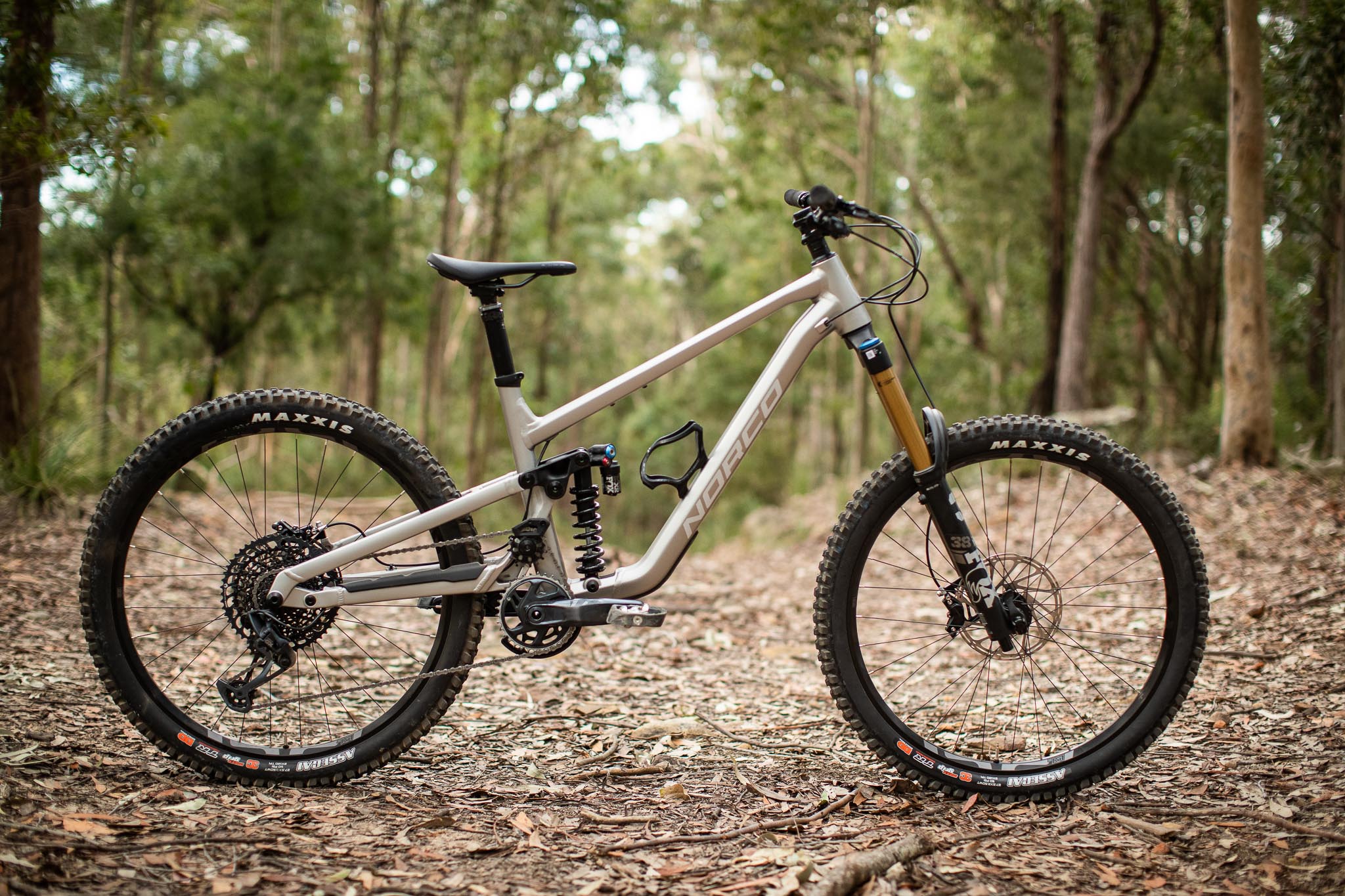
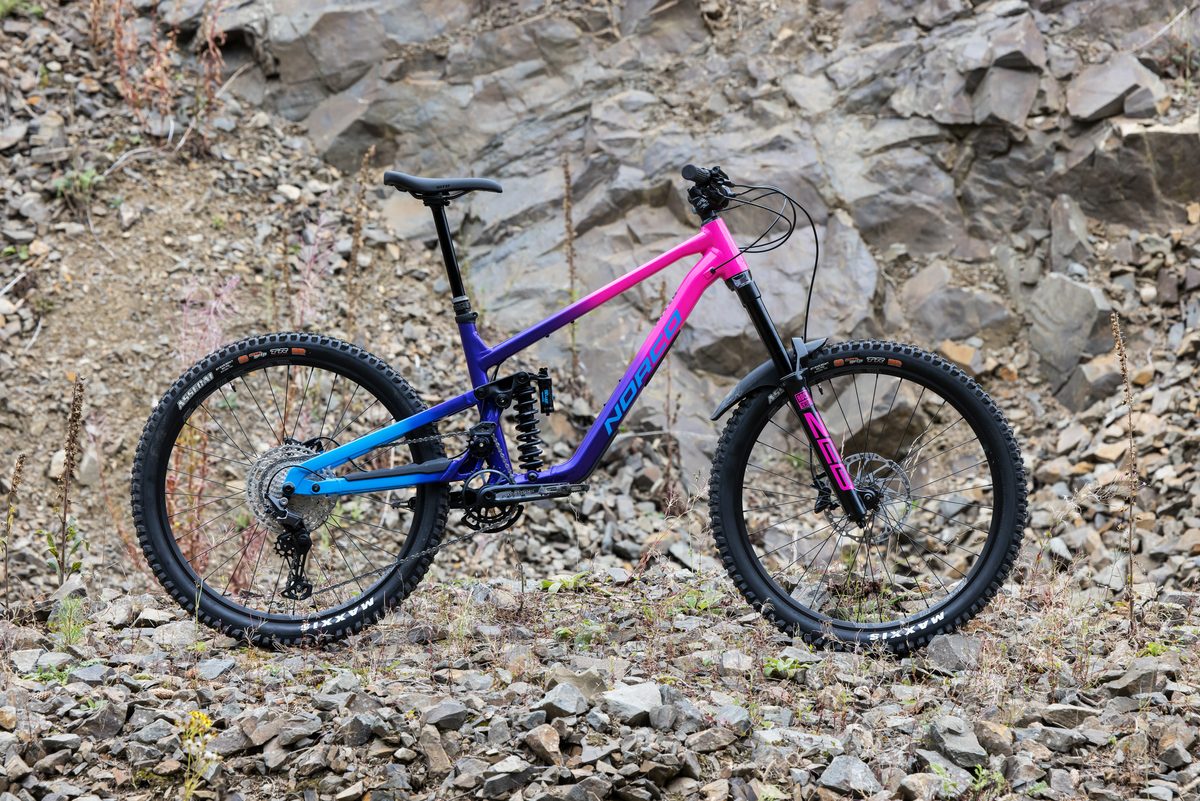
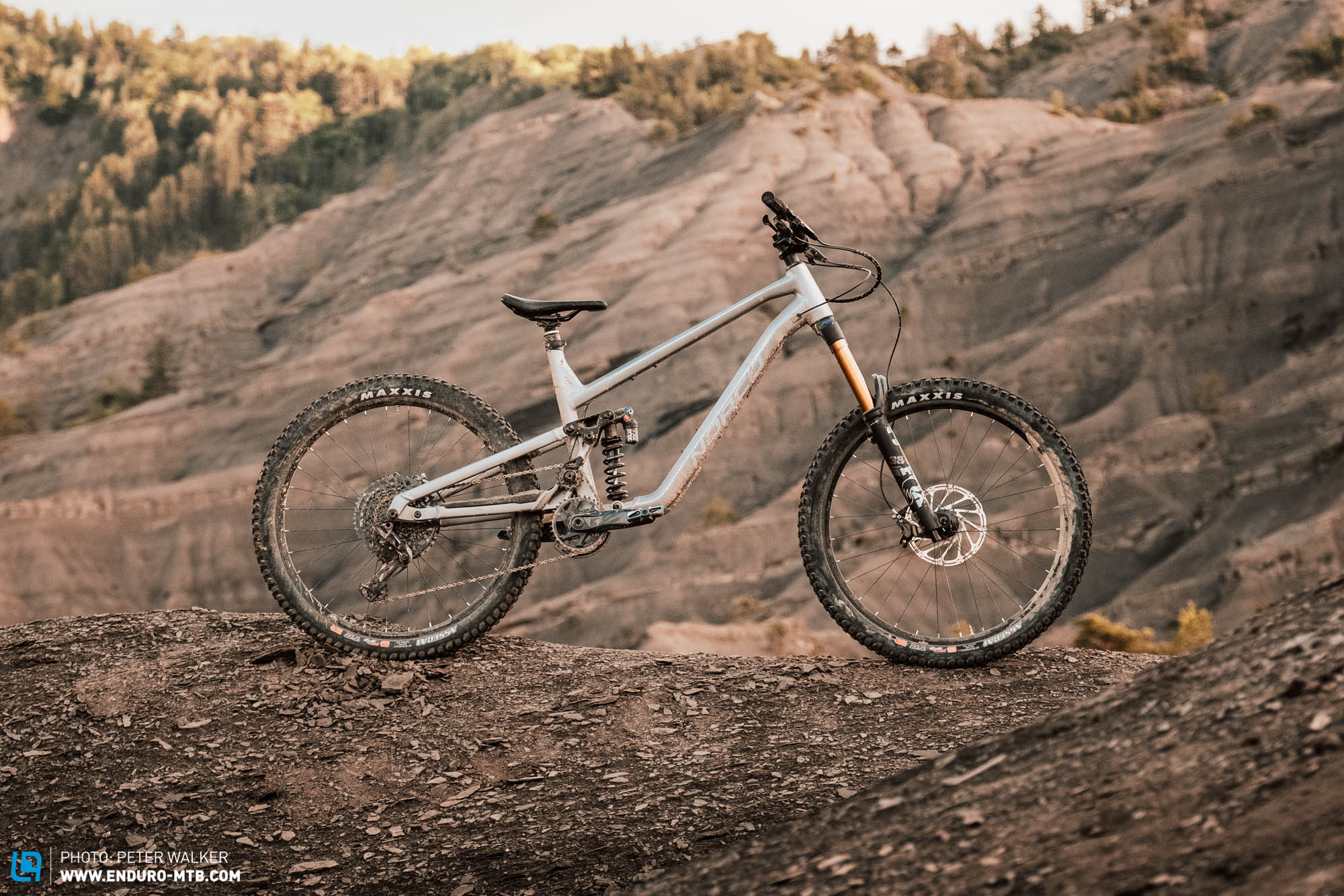
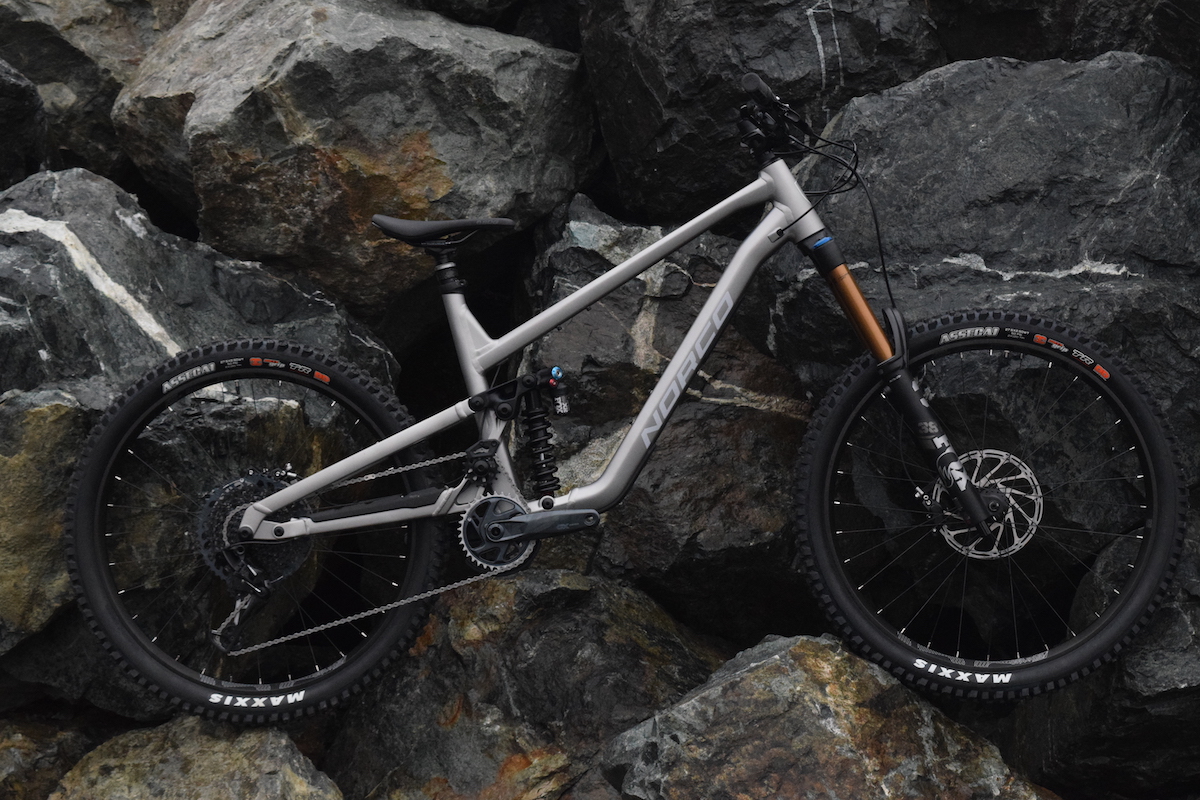
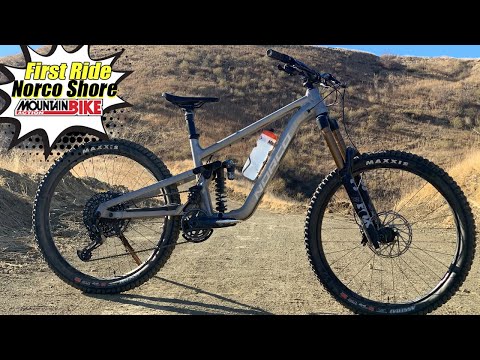
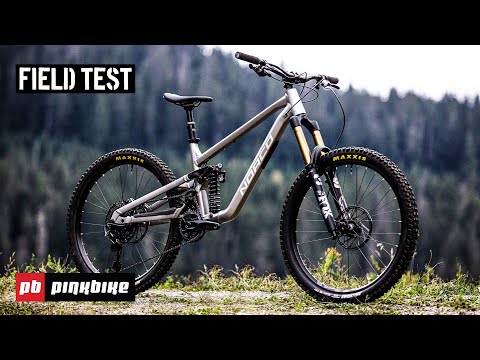
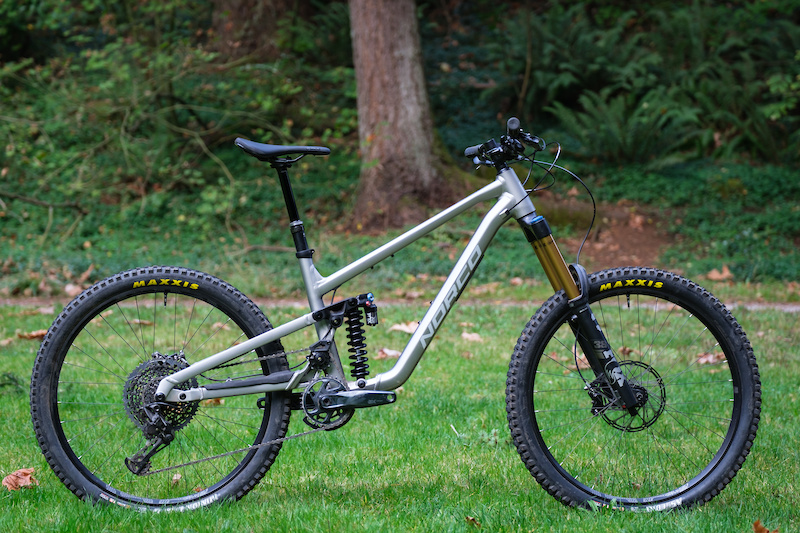
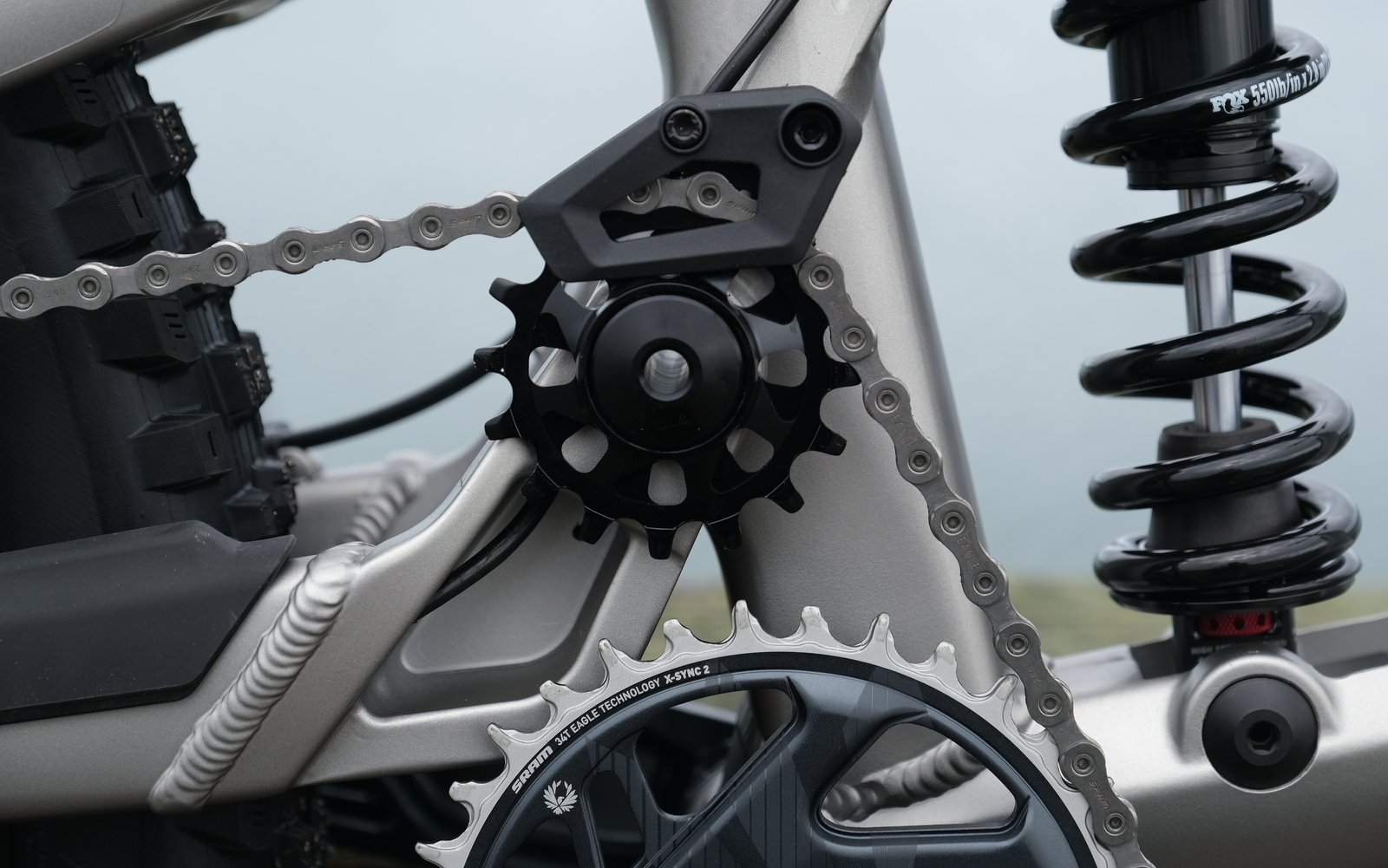
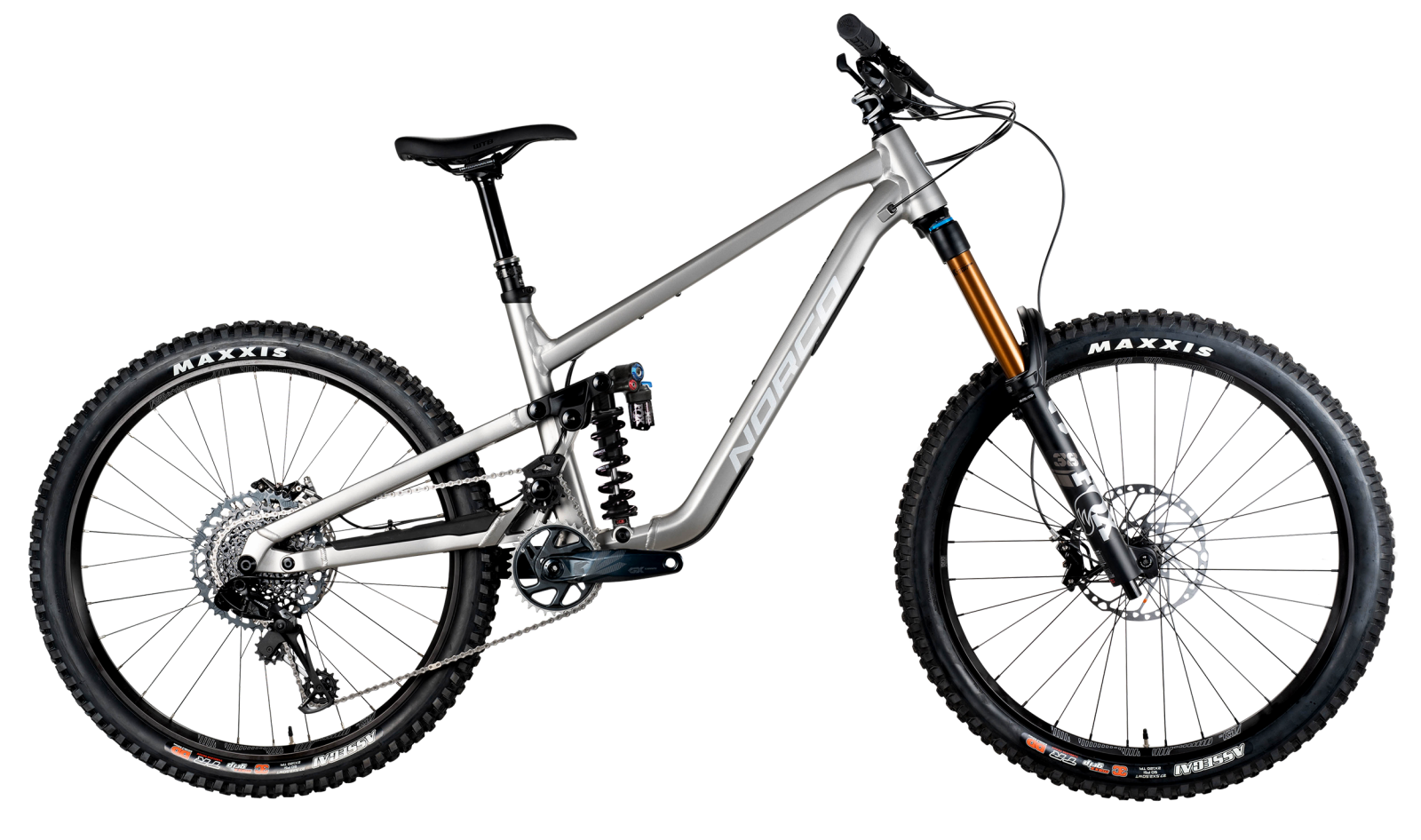
The modern Norco Shore is an unapologetic revival of a freeride icon, built specifically for big-mountain lines, bike park laps, and aggressive gravity riding. Rather than trying to stretch an enduro platform into a freeride role, Norco designed a dedicated aluminum chassis rolling exclusively on 27.5-inch wheels. The defining engineering feature is a high-pivot Horst-link suspension layout paired with an idler pulley, a design chosen to deliver a rearward axle path that absorbs deep landings and square-edge impacts without excessive pedal kickback. This is a heavy, purpose-built machine that prioritizes extreme durability and downhill composure over climbing speed or low weight. It suits riders who view the climb merely as a necessary toll to access the descent, or those who rely entirely on shuttles and chairlifts. The generation splits into two distinct mindsets: standard single-crown builds for earning your turns, and dual-crown Park variants pushed fully into downhill territory.
Spec sheet.
Every component shipped with this build.
Geometry & fit.
4 sizes published.
The Shore’s geometry is heavily biased toward downhill stability, utilizing a slack 63-degree head tube angle and a long wheelbase to keep the bike composed at high speeds. Norco employs its Ride Aligned sizing system here, which scales the chainstay length across the size run—from 435mm on a Small to 450mm on an XL—ensuring that riders of different heights experience a similar front-to-rear weight balance.
Because the high-pivot suspension design causes the rear center to lengthen as the bike moves through its travel, the Shore feels incredibly planted under heavy compressions. This dynamic lengthening requires the rider to adopt an active, forward-biased stance to maintain front-wheel traction in tight corners.
Despite its downhill-first handling, the seated pedaling position is surprisingly modern. A steep seat tube angle, hovering around 77.7 degrees on a size Large, places the rider comfortably over the bottom bracket. This upright posture prevents the front wheel from wandering on steep pitches and makes the inevitable slow winch to the top of the trail much more tolerable.
Where the handlebar sits relative to the bottom bracket — the single most important fit pair.
01Fit geometry6 values
02Component geometry3 values
03Handling geometry8 values
Which size should I buy?
Slide your height to see the recommended size. GearWise's fit algorithm works from the published stack, reach, and ETT — the brand's own recommendation may differ.
→Calculated from GearWise's own stack / reach / ETT algorithm — the brand's size chart may recommend a different size, and a proper bike fit beats any calculator.
The lineup.
3 builds, ranging $3,379 – $3,999.
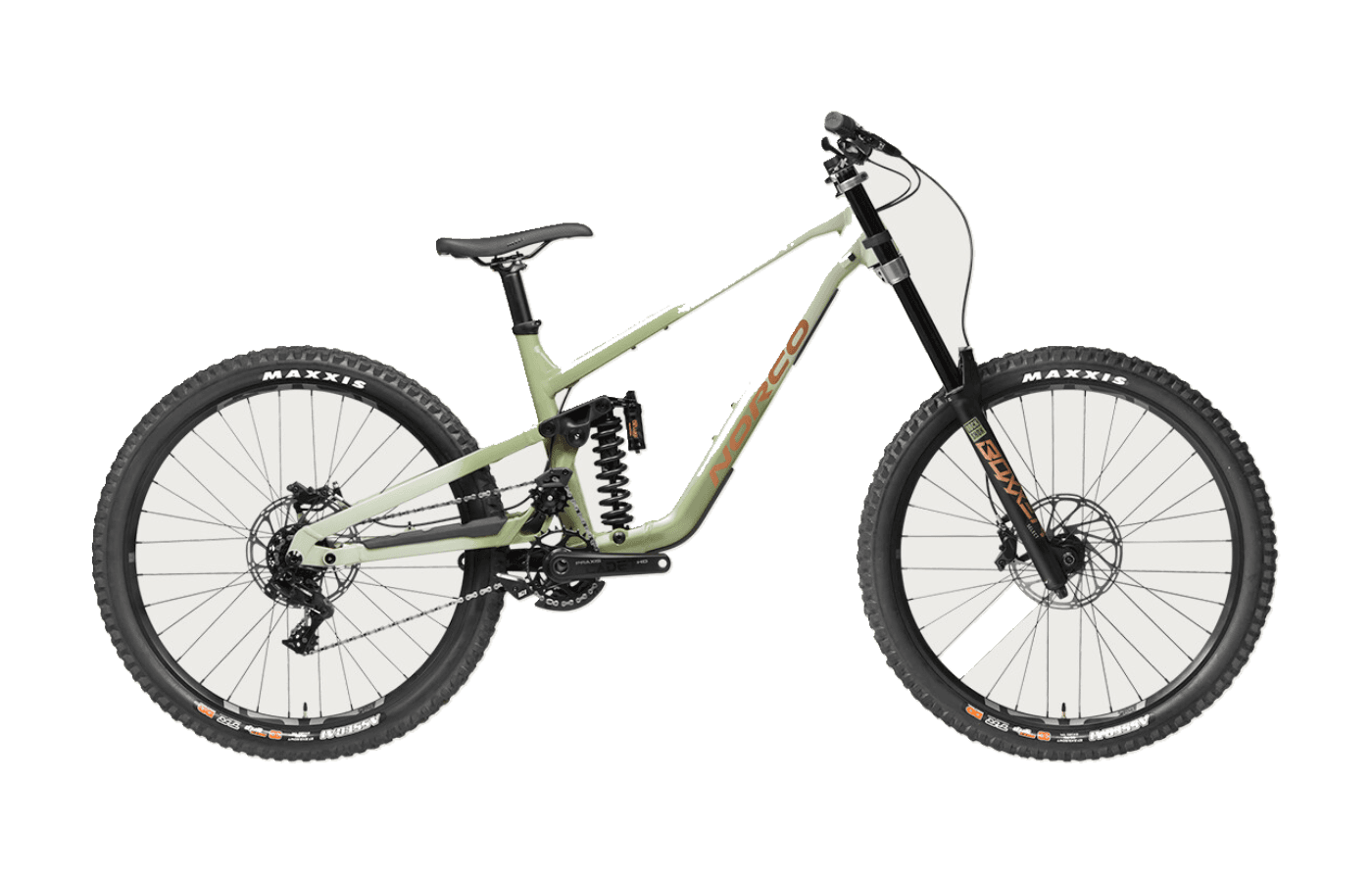
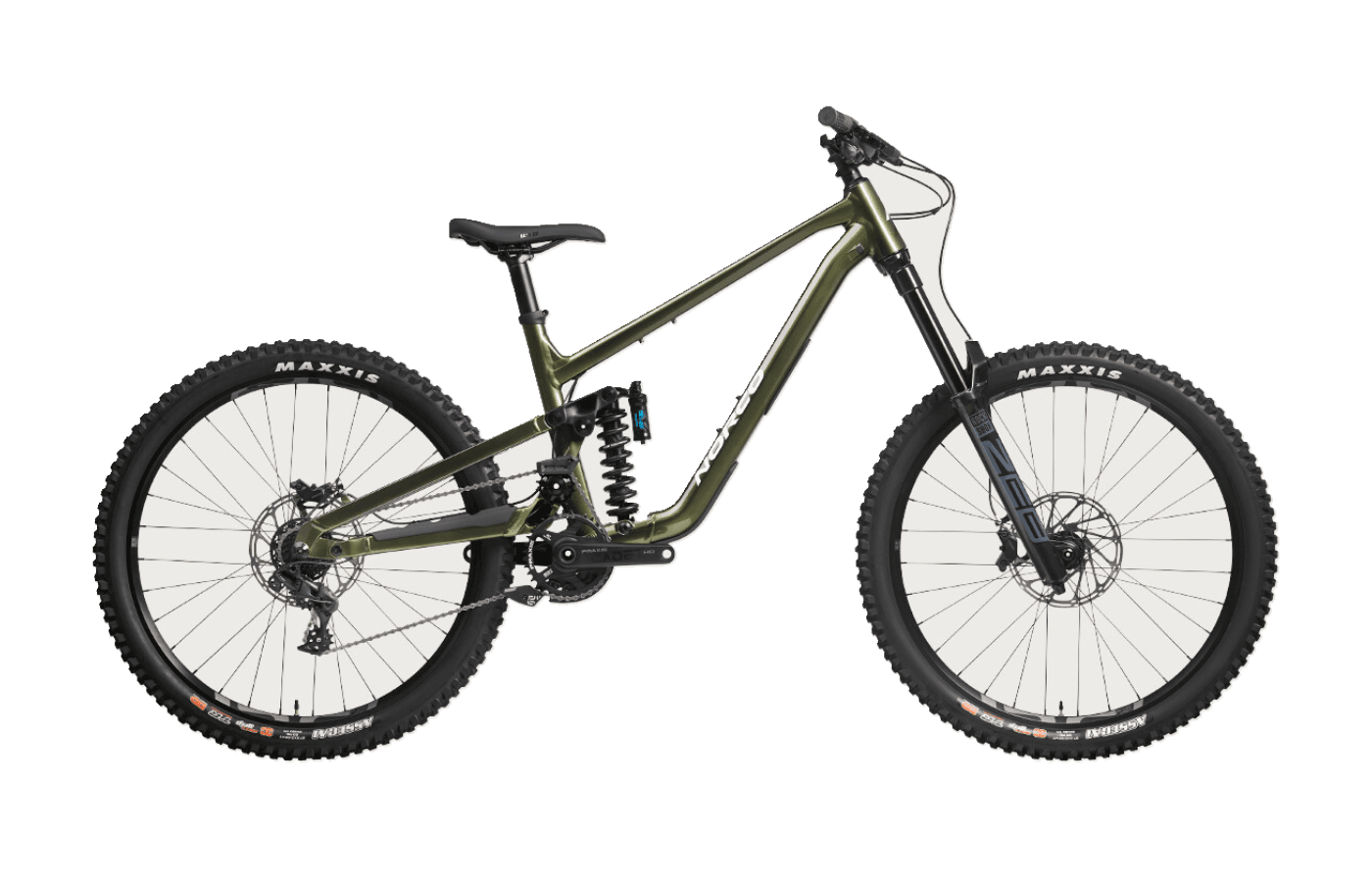
Norco’s build strategy for the Shore prioritizes rugged, gravity-ready components over weight savings. The lineup includes standard single-crown builds aimed at pedal-access freeride, alongside dedicated Park variants that push rear travel to 190mm and utilize 200mm dual-crown forks like the RockShox Boxxer.
Across the range, the investment is heavily concentrated in the suspension and braking. Coil shocks are standard, paired with stout forks and powerful four-piston brakes with 200mm rotors to manage the bike's heft. Drivetrains vary based on the model's intent; pedal-friendly versions feature wide-range 12-speed cassettes, while the Park builds rely on tight 7-speed downhill gearing.
The component spec offers strong value, particularly regarding the suspension, but there is a notable weak point in the rolling stock. While the Maxxis Assegai tires with DoubleDown casings and MaxxGrip compound are universally praised for their tenacious traction, the stock e*thirteen LG1 DH rims have a reputation for denting and failing under heavy abuse. Aggressive riders frequently view the rims as a consumable item, though the inclusion of reliable hubs provides a solid foundation for an eventual wheel rebuild.
From the press.
16 reviews from the cycling press.
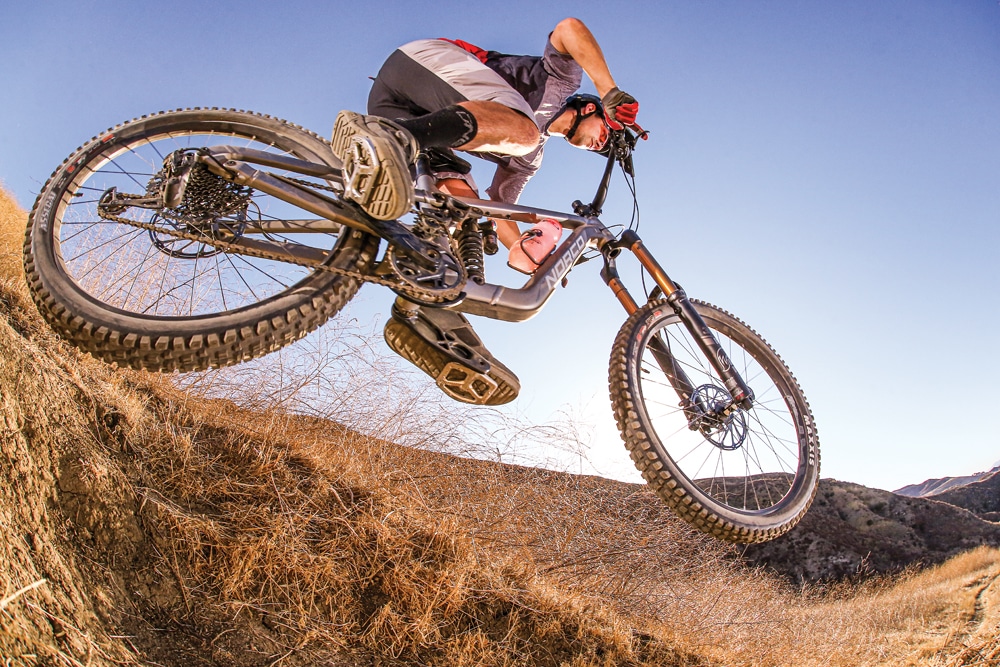
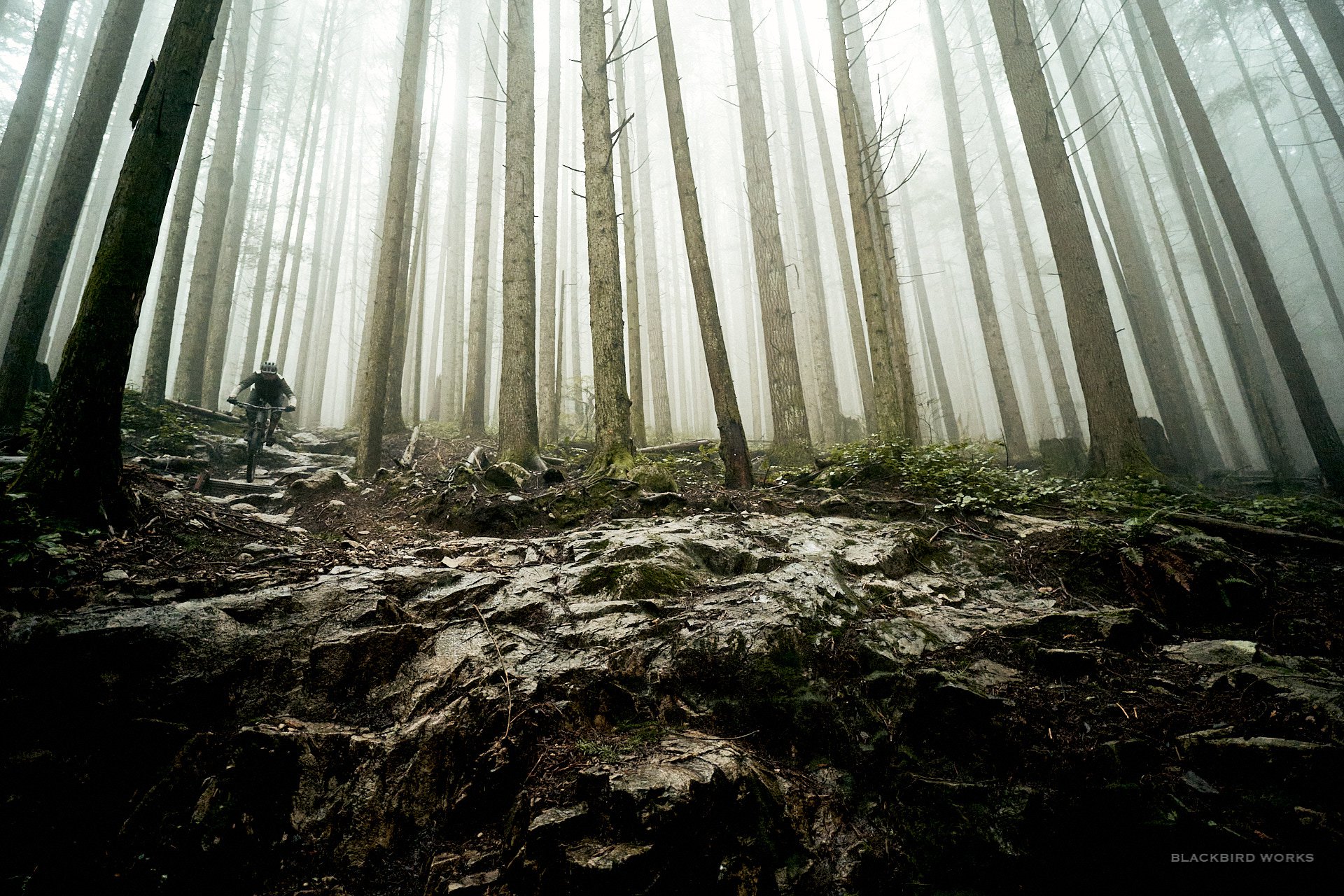
Reviewers universally agree that the Shore is a specialized descending tool that requires an aggressive pilot to truly come alive. On steep, rough terrain, the high-pivot suspension and coil shock work together to erase trail chatter and absorb massive impacts. The rear end is frequently praised for its plushness, and testers noted that "blasting down the trail like there’s no tomorrow is what the Shore does best" (Enduro MTB). Because the bike maintains momentum so effectively through heavy chop, riders found themselves carrying unusual speed into technical sections.
However, that immense stability comes with a distinct tradeoff in low-speed agility. The bike's substantial weight and extended footprint mean it can feel sluggish on flatter, meandering trails. If the rider loses focus or fails to actively muscle the bike, it can feel like a "runaway freight train" (PinkBike).
Climbing is widely viewed as a necessary chore rather than a strength. While the steep seat tube angle provides a comfortable upright posture and the idler pulley helps mitigate pedal bob, the sheer mass of the aluminum frame and heavy-duty tires makes ascending a slow process. Testers accepted this compromise, recognizing the bike is built for "rowdy terrain where good times and progression are the goal" (PinkBike).
The Norco Shore Saga — AstonMTB Reviews
Norco Shore 1 2023 Review
Norco Shore 1 2022 Review
TESTED: Norco Shore 1 - Australian Mountain Bike
Norco Shore 2 review
Norco Shore 1 – Made for bike parks! Right for bike parks?
Long-term review: 2021 Norco Shore
Mountain Bike Action Bike Test: Norco Shore 1 Trail Bike
2021 Norco Shore 1 - Review
First Ride Norco Shore - Mountain Bike Action Magazine
Norco Shore Review: Freeride Lives | 2021 Field Test
Field Test: 2021 Norco Shore - The Freeride Tank
First Ride: 2021 Norco Shore - Freeride's Alive
2021 Norco Shore A1 - First Impressions Review
2021 Norco Shore A1 Bike - Reviews, Comparisons, Specs
Compared to.
Most-viewed comparisons.