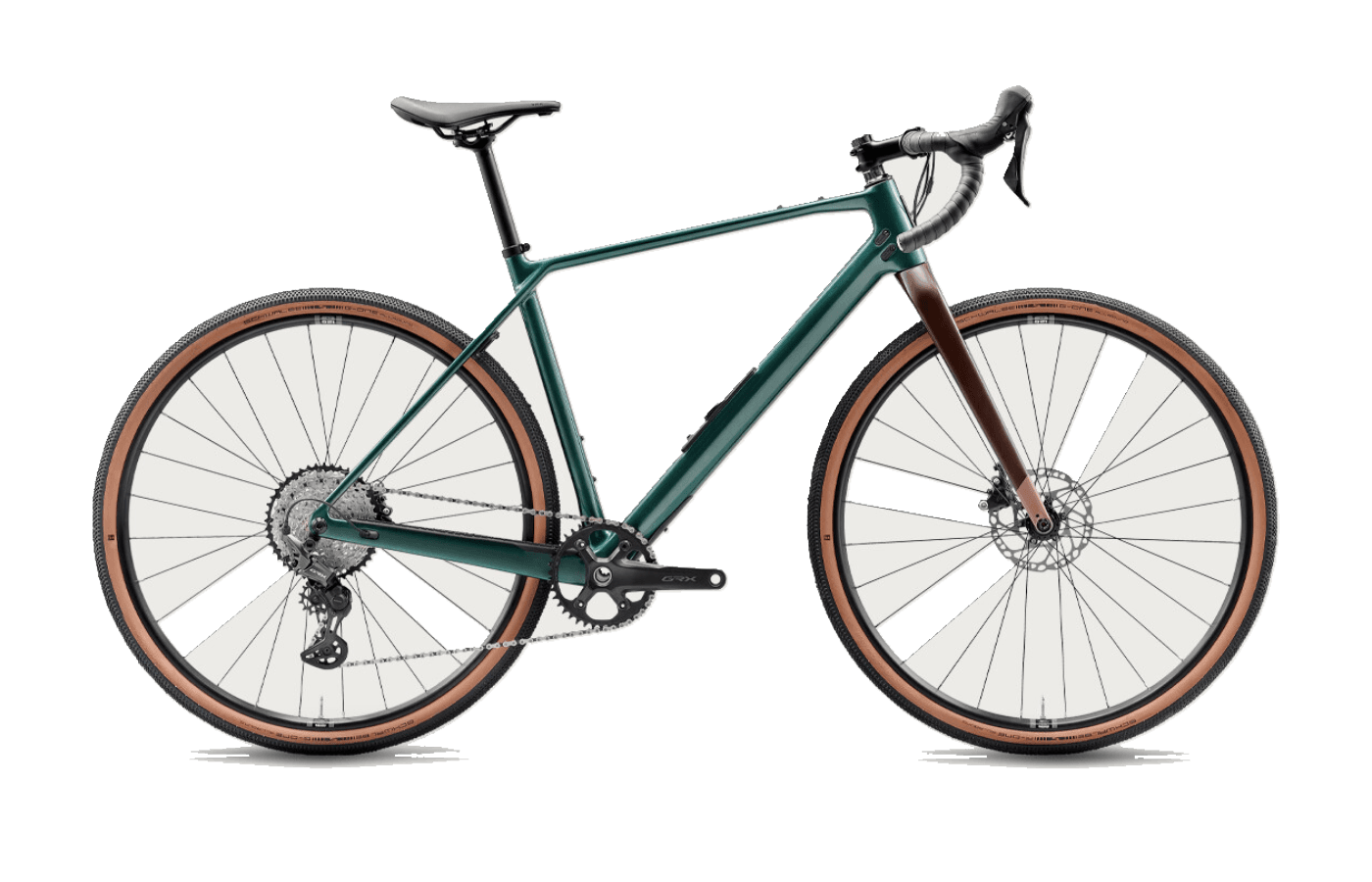
Search Carbon
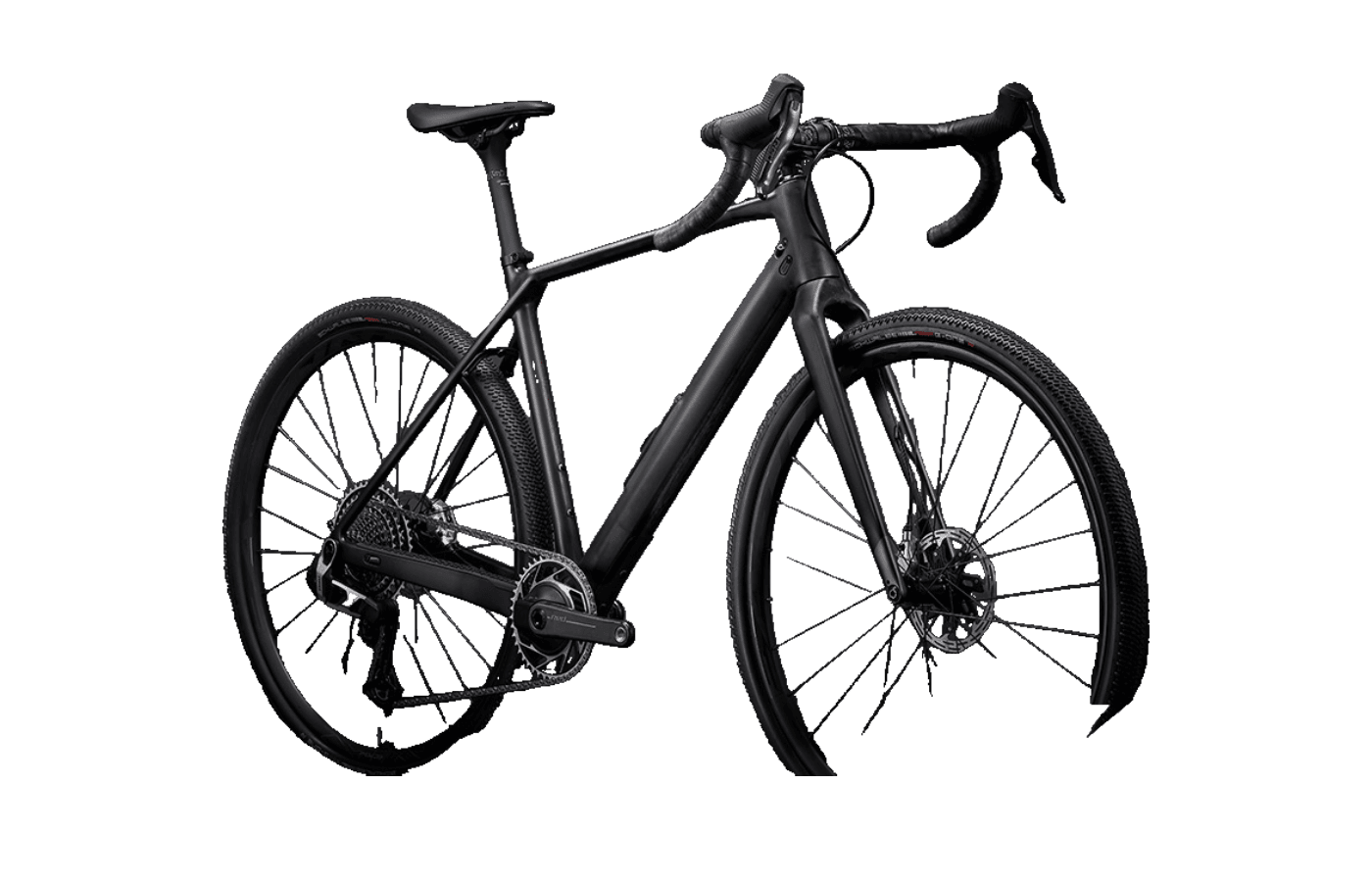
The 2025 Norco Search Carbon marks a clean break from the earlier Search XR era, with Norco explicitly positioning it as Search Gen 3 and reworking the bike around current gravel priorities rather than traditional drop-bar all-road conventions. Its defining theme is a more progressive fit and handling package: longer reach, a notably slack 69.5-degree head angle across the size range, taller stack, and short stock stems. That points the bike toward riders who want more confidence and control on rougher gravel, loose descents, and loaded backcountry riding, rather than a twitchy race-first feel.
Just as important, the new frame adds practical features that broaden its use. The carbon chassis now includes integrated downtube storage, a threaded BSA 68 mm bottom bracket, and UDH derailleur-hanger compatibility, all of which make the bike easier to live with and easier to service than many fully integrated carbon gravel frames. Clearance for 50 mm tires front and rear, 700c-only wheel compatibility, and frame/fork provisions that accommodate a longer fork length and suspension-fork use place the Search Carbon firmly in the adventure-gravel segment. In the current market, it sits as a modern, capability-first carbon gravel platform aimed at riders who value stability, packing utility, and off-pavement range as much as outright speed.
Geometry & fit.
5 sizes published.
The Search Carbon Gen 3's geometry is clearly biased toward stability and front-end confidence. Across all five sizes, the head tube angle stays at 69.5 degrees, paired with 80 mm of trail and a relatively long wheelbase that grows from 1037 mm in size 1 to 1132 mm in size 5. Those are mountain-bike-influenced gravel numbers, and they typically translate to calmer steering, better composure on steep or loose descents, and less nervous behavior when the bike is loaded. Chainstays are also on the longer side for a gravel bike at 425 mm to 430 mm, reinforcing straight-line stability and helping keep weight distribution balanced.
Fit follows the same modern pattern. Reach stretches from 385 mm to 445 mm while stack runs from 554 mm to 634 mm, giving the bike a roomier cockpit and taller front end than older, racier gravel designs. The steep-to-moderate seat tube angle range of 74.5 to 73.5 degrees helps keep the rider centered as sizes increase, while the consistent 75 mm bottom-bracket drop keeps the rider planted without pushing the bike into an overly low, pedal-strike-prone stance. Taken together, these numbers suggest a bike that favors a stable, centered riding position and controlled handling over quick, razor-sharp responses.
Where the handlebar sits relative to the bottom bracket — the single most important fit pair.
01Fit geometry6 values
03Handling geometry8 values
Which size should I buy?
Slide your height to see the recommended size. GearWise's fit algorithm works from the published stack, reach, and ETT — the brand's own recommendation may differ.
→Calculated from GearWise's own stack / reach / ETT algorithm — the brand's size chart may recommend a different size, and a proper bike fit beats any calculator.
The lineup.
5 builds, ranging $3,199 – $9,499.
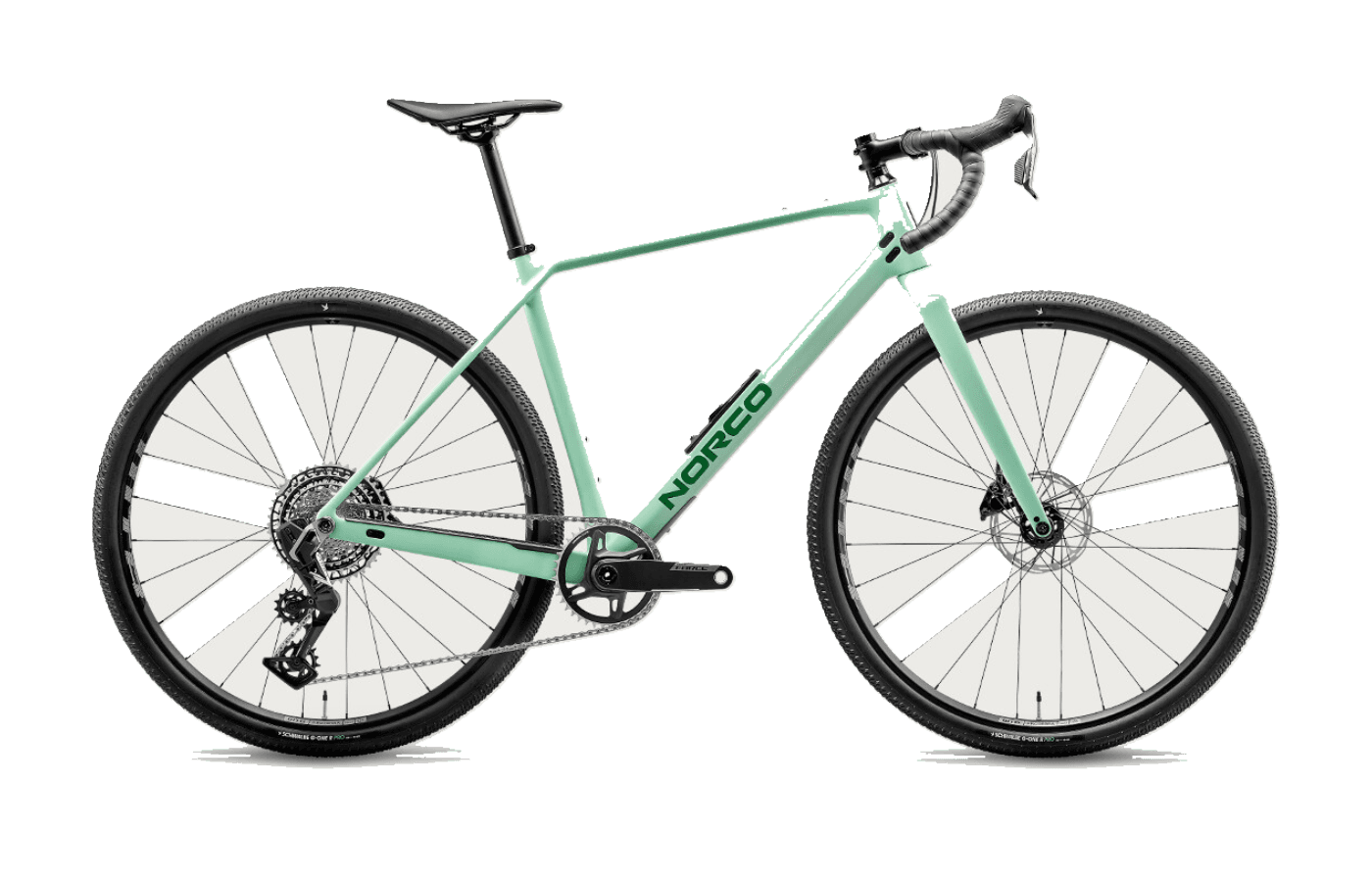
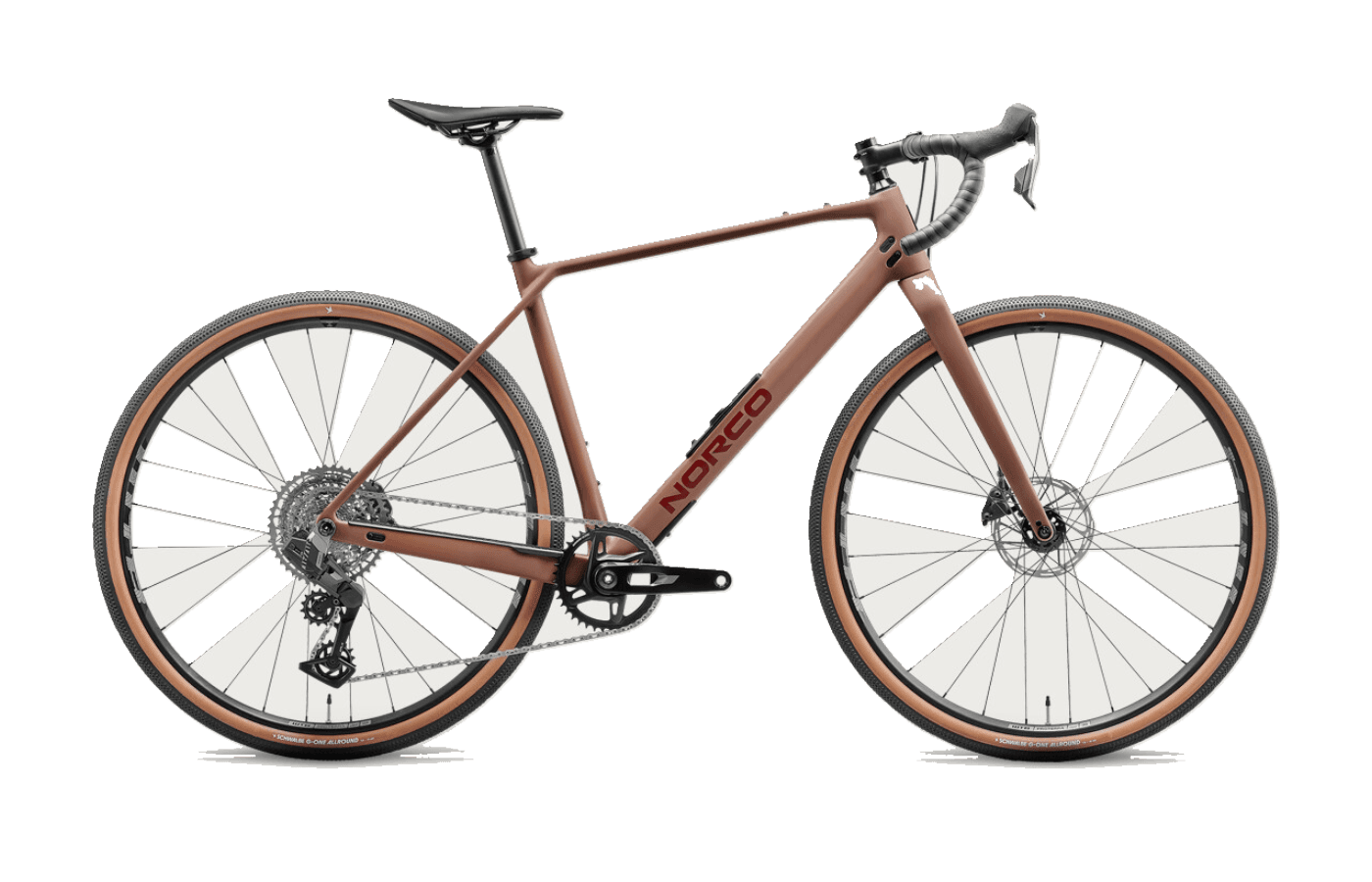
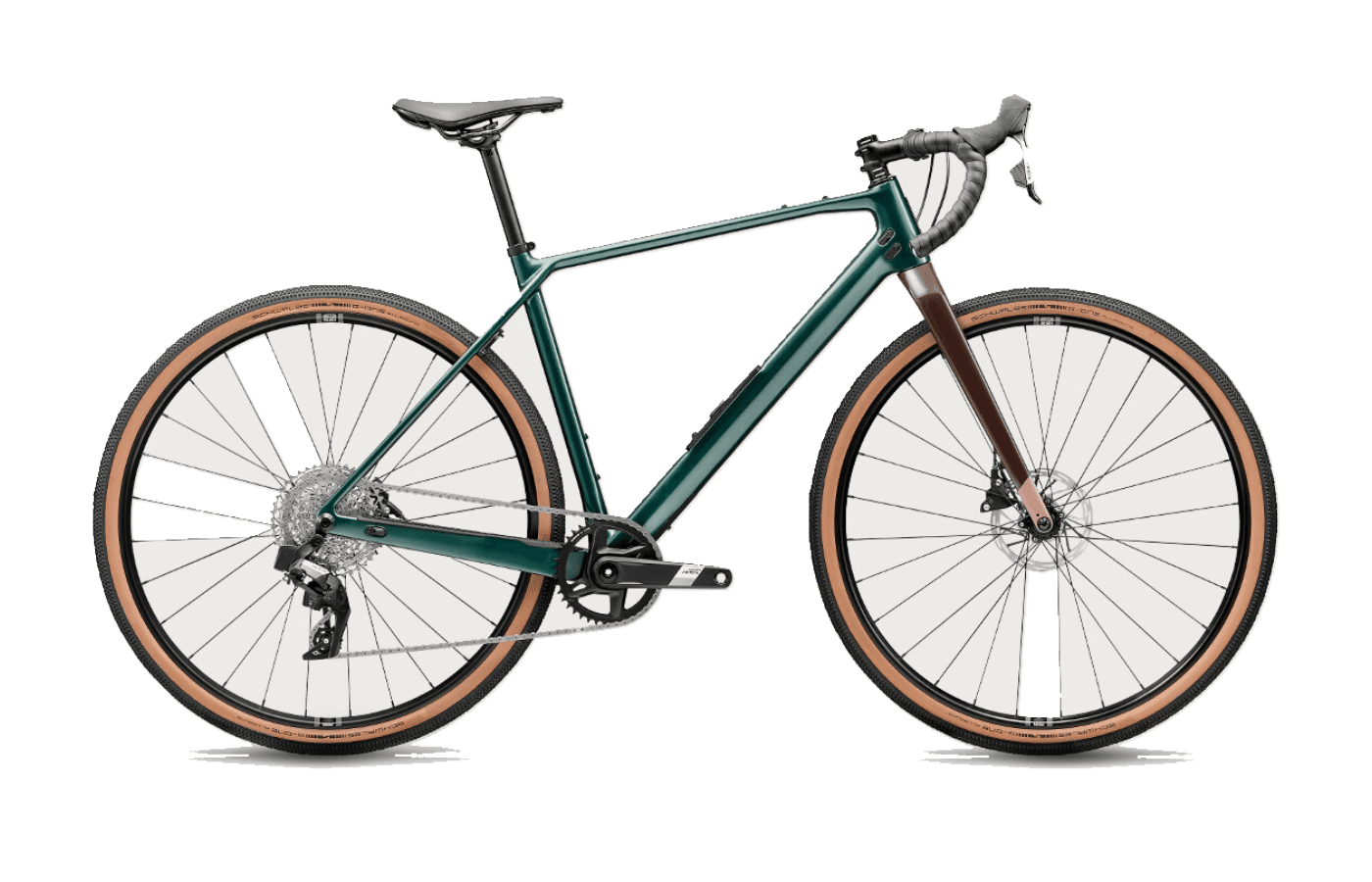
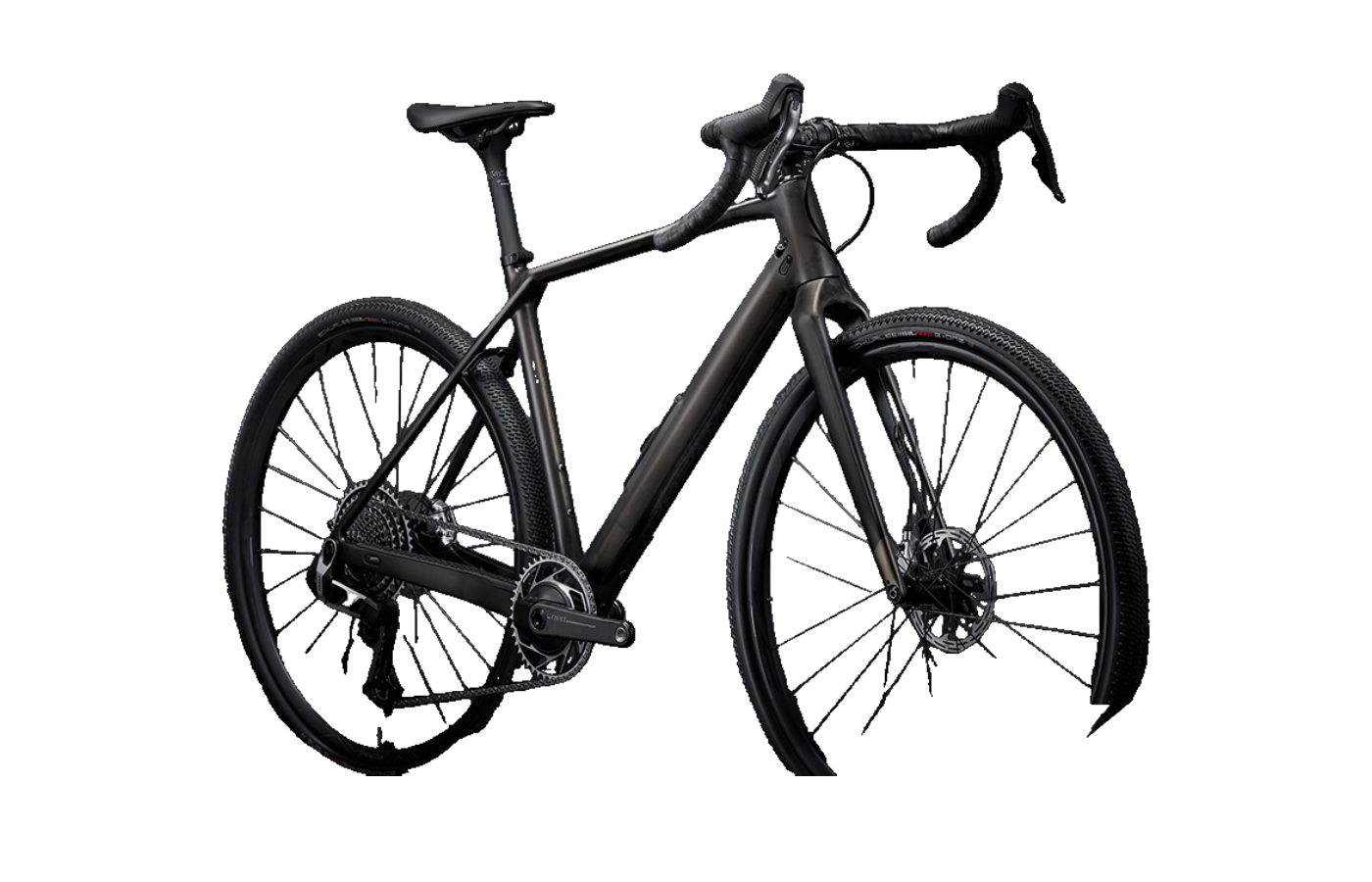
Norco offers the Search Carbon Gen 3 in five complete builds: C GRX Gen 3, C Apex XPLR Gen 3, C Rival XPLR Gen 3, C Force XPLR Gen 3, and C Red XPLR Gen 3. Even without detailed component and pricing information, the lineup structure is clear. Shimano is represented by the GRX model, while SRAM's gravel-oriented XPLR ecosystem covers the rest of the range from Apex through Rival and Force to Red, giving buyers a straightforward progression from more budget-conscious builds to premium electronic-equipped territory.
That spread suggests Norco is using one core frame platform to target a broad range of riders, from those prioritizing entry cost on a carbon adventure bike to those wanting a top-end drivetrain on the same storage-equipped, high-clearance chassis. With the same Gen 3 frame features shared across the family, the main distinctions between builds are likely to come down to drivetrain tier and overall finishing kit rather than differences in the underlying bike concept.