RLT 9 RDO
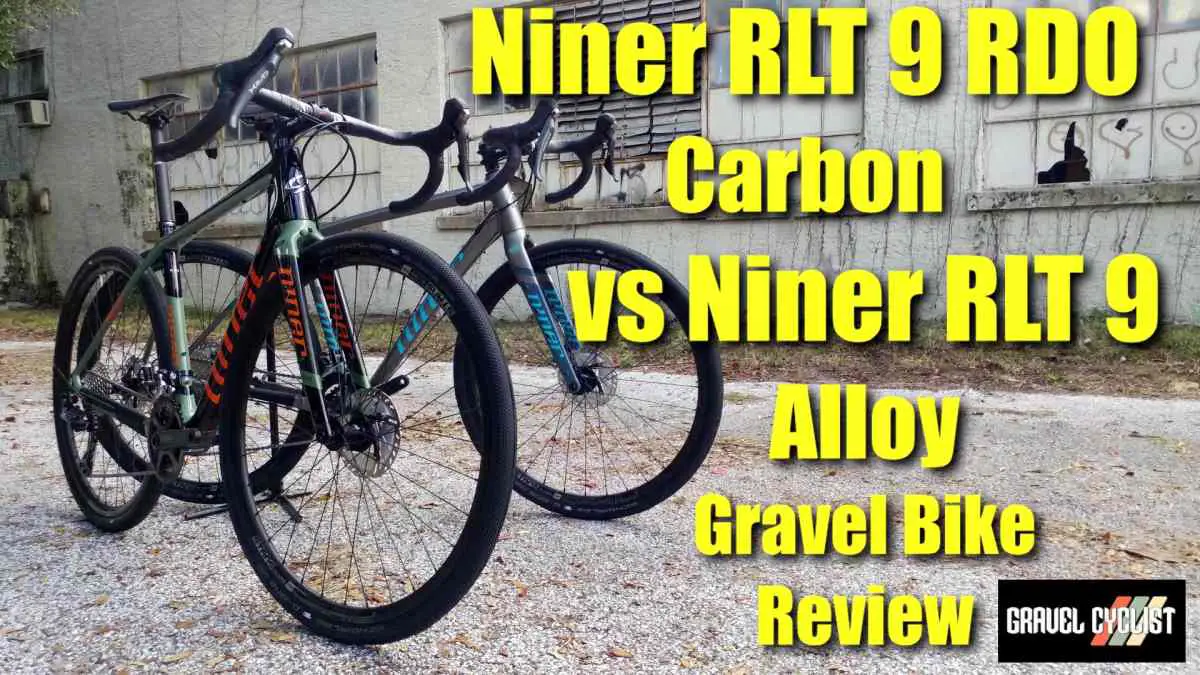
The Niner RLT 9 RDO is a carbon gravel bike designed to handle a broad spectrum of unpaved riding, from fast mixed-surface routes to loaded bikepacking trips. With its 2020 redesign, Niner moved the platform away from its cyclocross roots, reshaping it into a dedicated adventure and endurance machine. The defining shift for this generation is a massive increase in tire clearance, allowing riders to fit high-volume rubber for rougher terrain. Niner also integrated a comprehensive mounting ecosystem across the frame and fork, making it easy to attach racks, fenders, and cargo bags. Despite the heavy-duty utility, the carbon chassis retains a lightweight, responsive character intended for long days in the saddle. It suits riders looking for a single, highly adaptable drop-bar bike that can transition seamlessly between stripped-down gravel racing and multi-day off-road touring.
Geometry & fit.
6 sizes published.
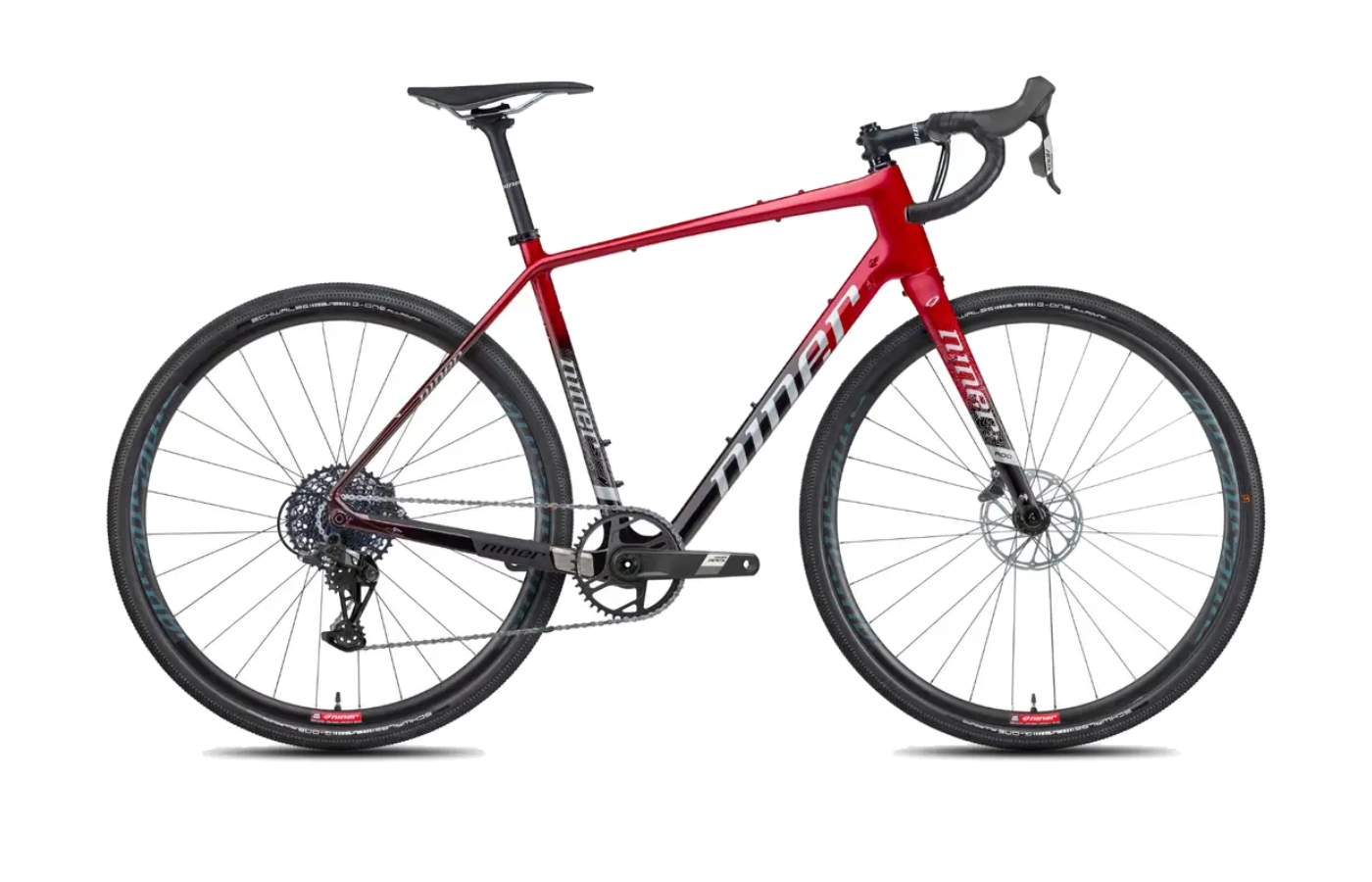
The RLT 9 RDO utilizes Niner’s Fireroad Geometry, which prioritizes stability and endurance comfort over aggressive agility. Compared to earlier iterations, this generation features longer chainstays, a lower bottom bracket, and a slacker head tube angle. This combination stretches the wheelbase and lowers the rider's center of gravity, resulting in a bike that tracks predictably on loose descents and maintains a steady line during long, seated efforts. The geometry encourages a relatively upright, centered posture that reduces fatigue over multi-hour rides while still allowing the rider to get low in the drops when facing a headwind.
The cockpit setup complements this endurance focus. The bike is equipped with flared handlebars, transitioning from Easton to Niner alloy depending on the size, which provide a wider, more stable stance for navigating technical sections. Stem lengths and crank arms scale logically across the six-size run, ensuring proportional fit and handling whether riding the 47cm or the 62cm frame.
Where the handlebar sits relative to the bottom bracket — the single most important fit pair.
01Fit geometry6 values
03Handling geometry7 values
Which size should I buy?
Slide your height to see the recommended size. GearWise's fit algorithm works from the published stack, reach, and ETT — the brand's own recommendation may differ.
→Calculated from GearWise's own stack / reach / ETT algorithm — the brand's size chart may recommend a different size, and a proper bike fit beats any calculator.
The lineup.
1 build, ranging $3,800.
The current build centers on a SRAM Apex XPLR drivetrain, offering a straightforward, reliable setup for mixed-terrain riding. It pairs a 40-tooth chainring with an 11-44T cassette, providing a wide gear range that handles steep gravel climbs without spinning out too quickly on paved descents. The bike rolls on Niner’s tubeless-ready alloy wheels wrapped in high-volume Schwalbe G-One R tires, taking advantage of the frame's generous clearance to maximize traction and pneumatic suspension.
Mechanics and home builders will appreciate the fully sleeved internal cable routing, which simplifies maintenance by allowing housing to push cleanly from the entry ports straight through to the bottom bracket. The 2020 redesign also updated the full carbon fork to a standard 12x100mm front thru-axle, expanding aftermarket wheel compatibility over the previous generation. With numerous threaded mounting points scattered across the frame and fork legs, the frameset is ready to accept almost any combination of bolt-on frame bags, water bottles, and cargo cages the rider requires.
From the press.
5 reviews from the cycling press.
Reviewers consistently characterize the RLT 9 RDO as a highly balanced, comfortable gravel bike that avoids the extremes of the category. Rather than feeling like a twitchy race machine or a sluggish touring rig, it sits squarely in the middle. One reviewer noted it is a "very neutral feeling and fitting bike" (YouTube), making it predictable and easy to manage across varied terrain. The carbon frame receives high marks for vibration damping. Niner intentionally "shapes the tubes and fibre layups to provide a more forgiving ride" (YouTube), ensuring the chassis does not feel overly harsh on rough roads. This compliance makes it an excellent companion for endurance events, where the frame helps "buff out the bumps over the cumulative time in the saddle" (YouTube).
While the frameset earns praise for its power transfer and straight-line stability, reviewers frequently point to stock wheelsets as a limiting factor. Heavy aluminum wheels on factory builds are often cited as the bike's primary weakness, dulling its acceleration and climbing responsiveness. However, testers agree that the frame is an excellent canvas for upgrades, noting that swapping to a lighter, performance-oriented wheelset dramatically improves the bike's agility and reveals its true capability on fast group rides or race days.

Bikes We Ride | Niner RLT 9 RDO Gravel Bike Review
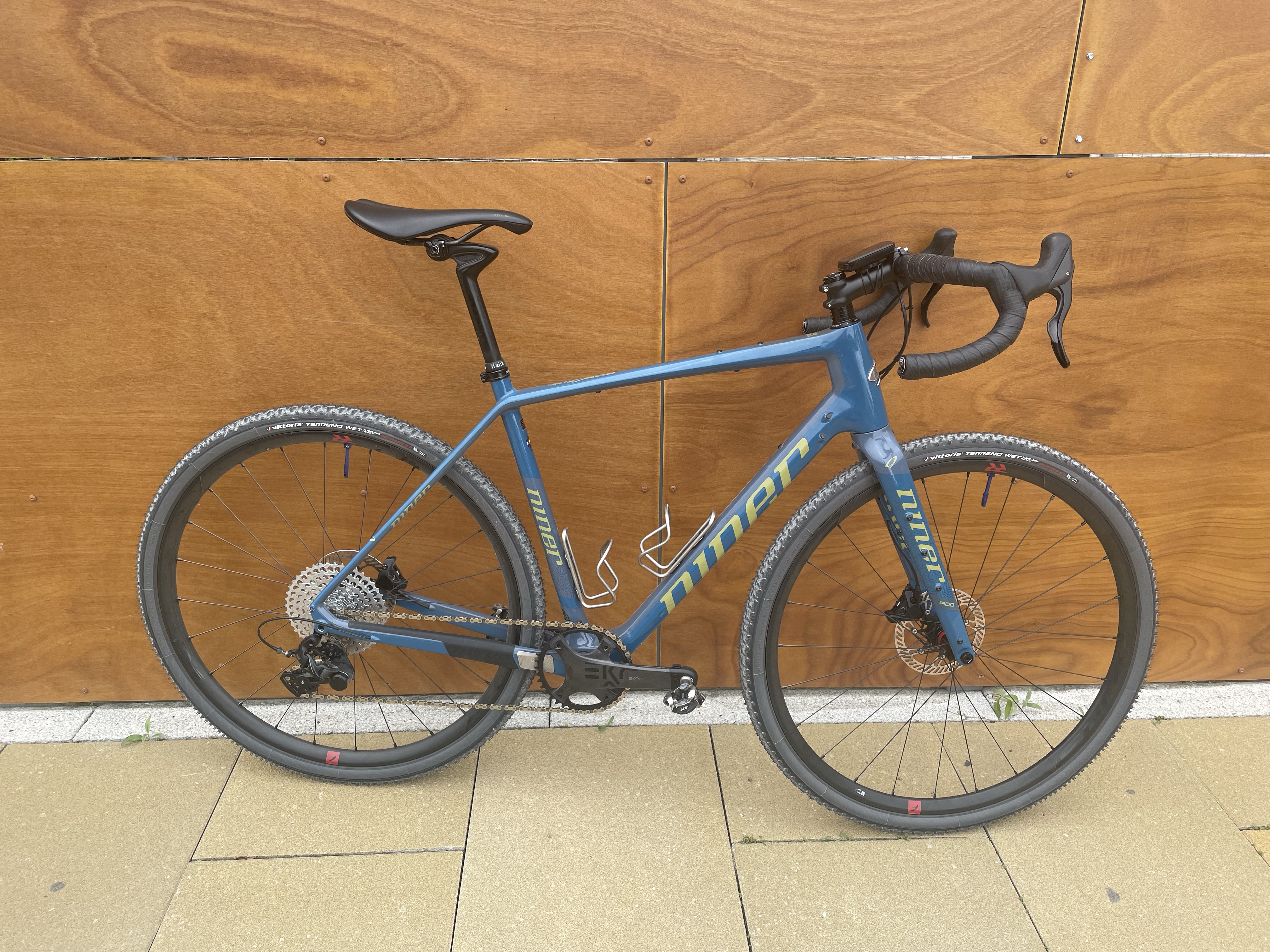
First Look: Niner RLT 9 RDO with Campagnolo Ekar

Niner RLT RDO Carbon vs RLT 9 Alloy - Gravel Bike Review ...
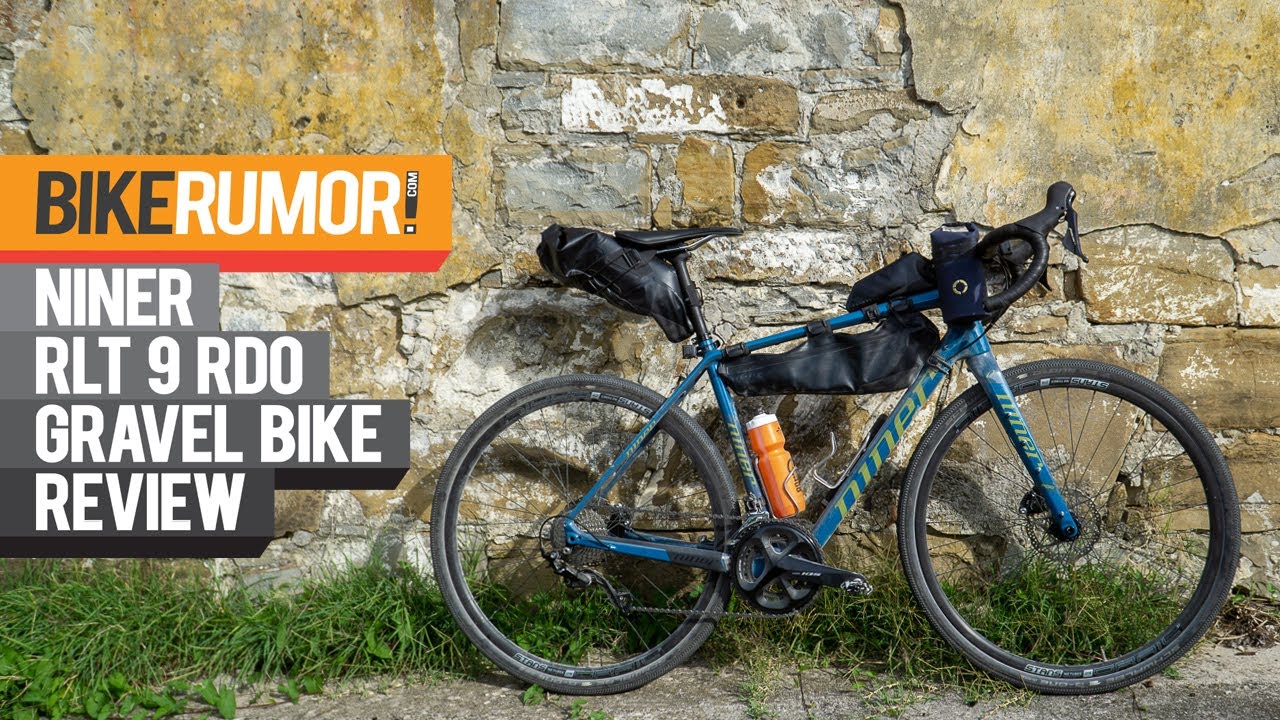
Niner RLT 9 RDO Gravel Bike Review