JET 9 RDO
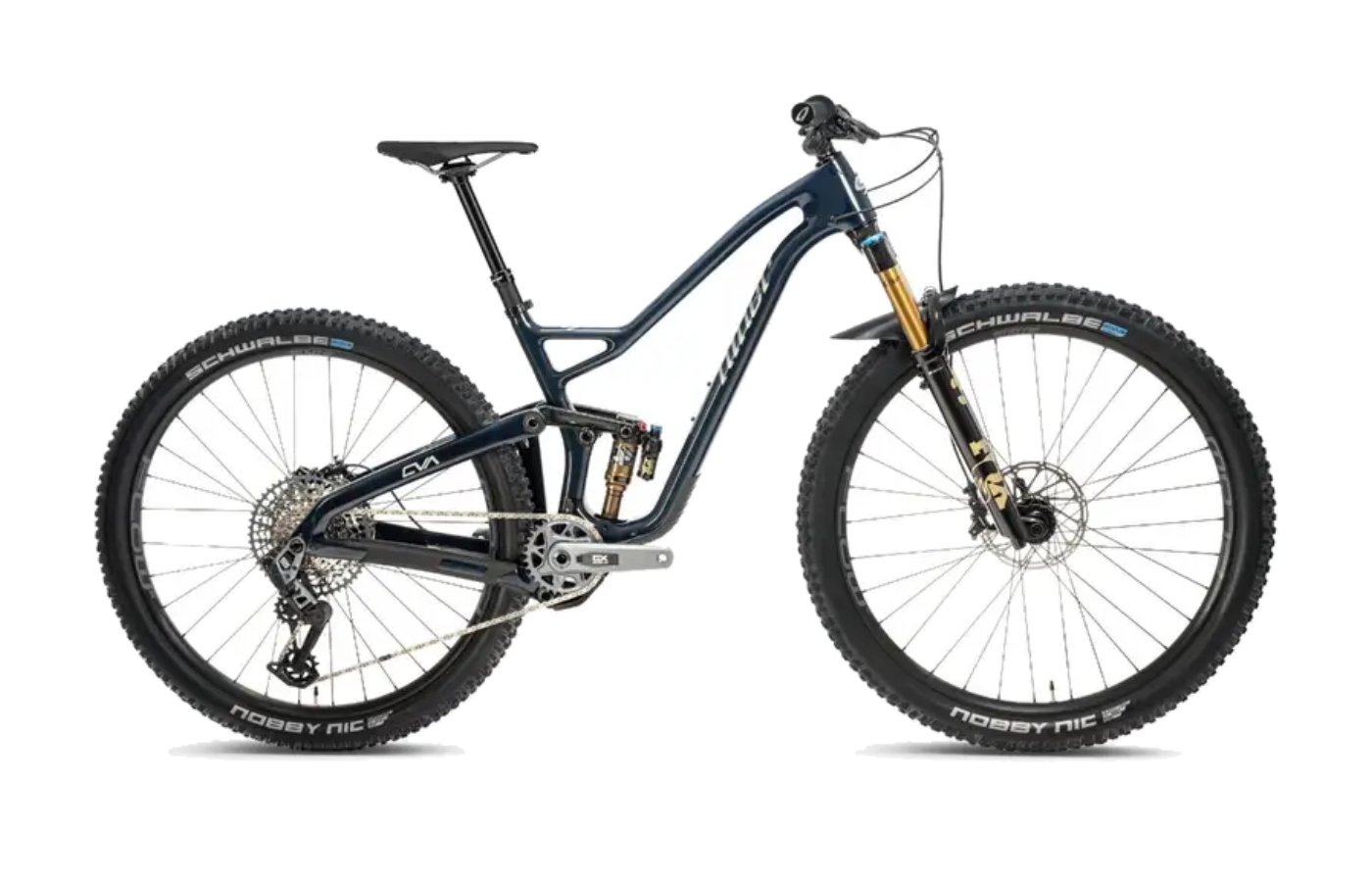
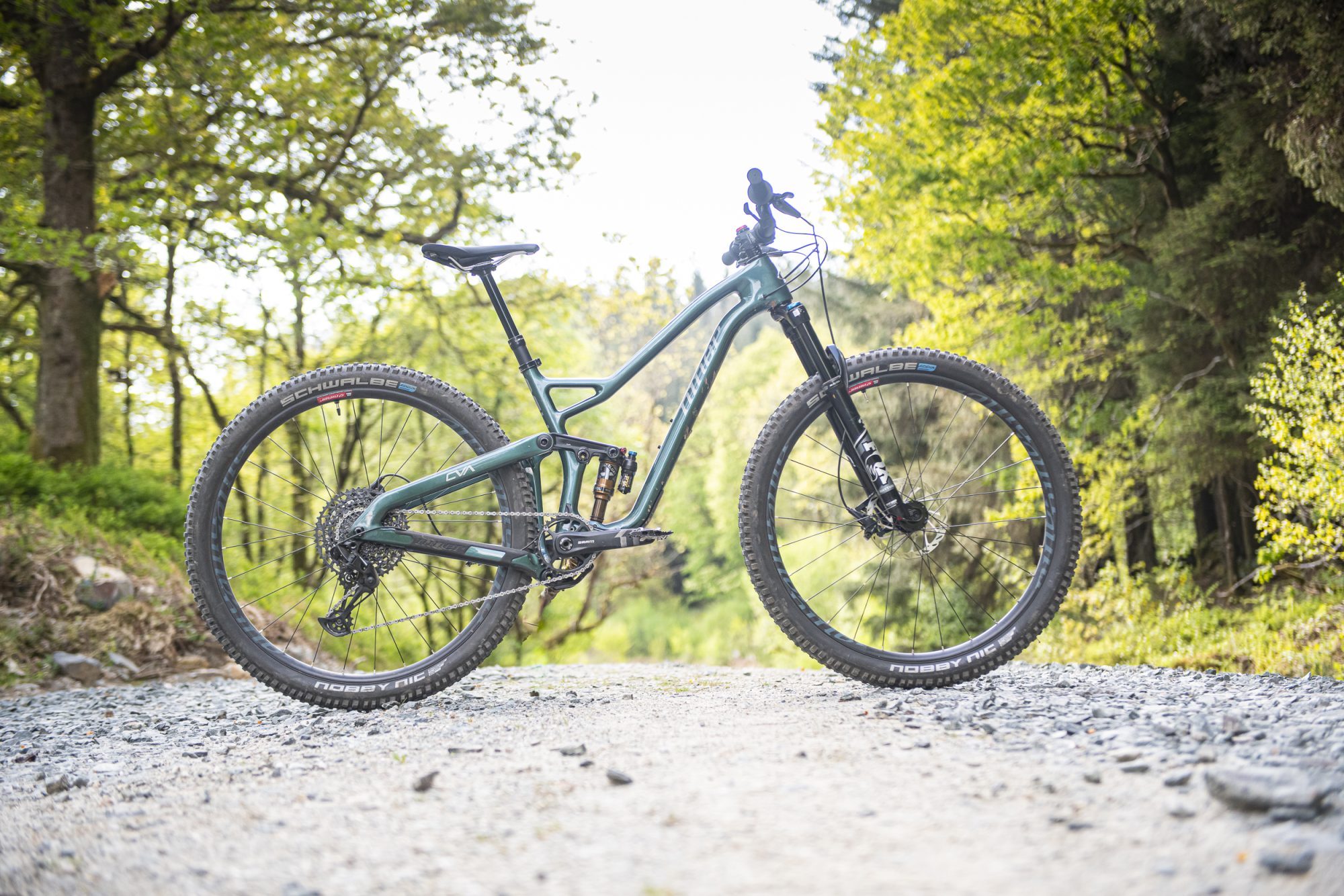
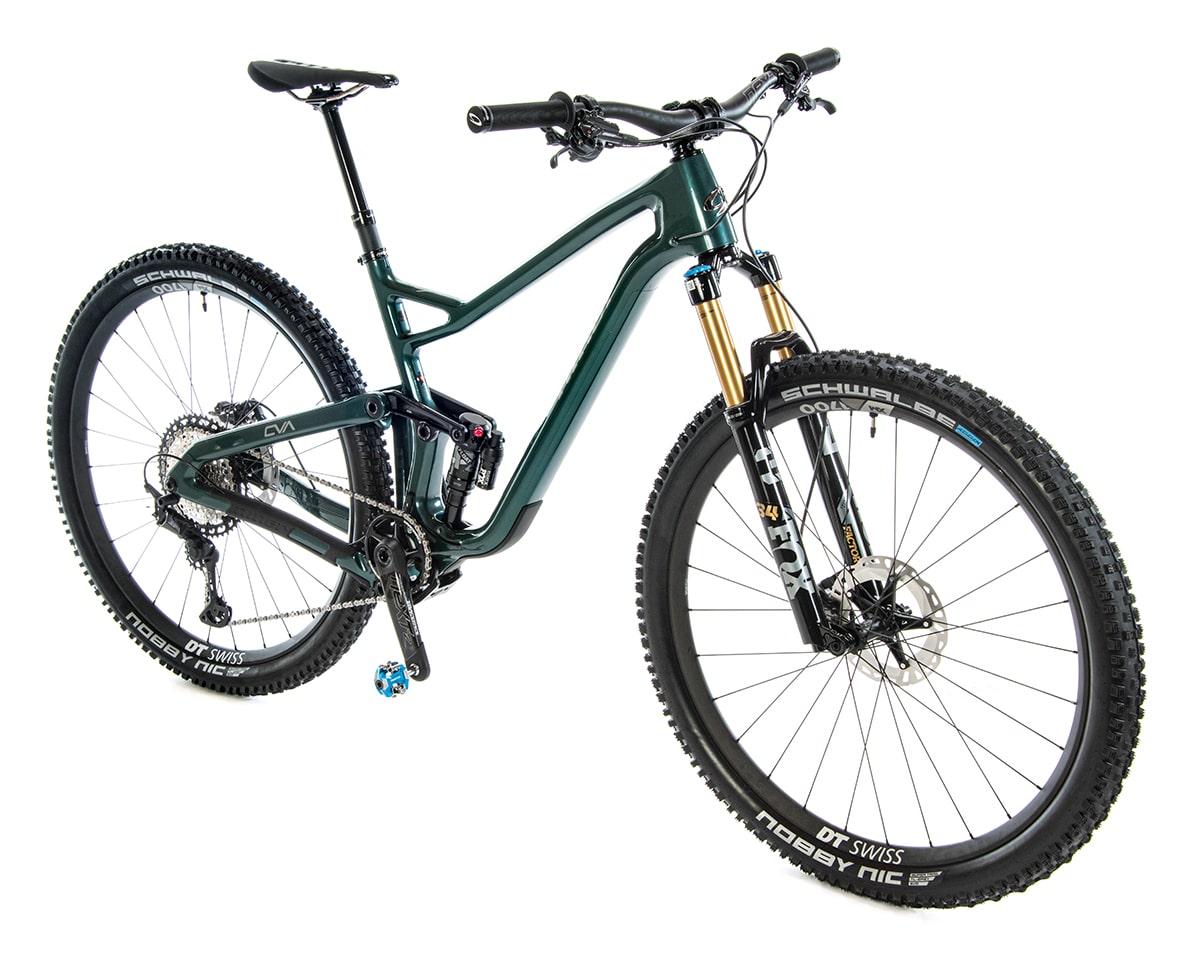
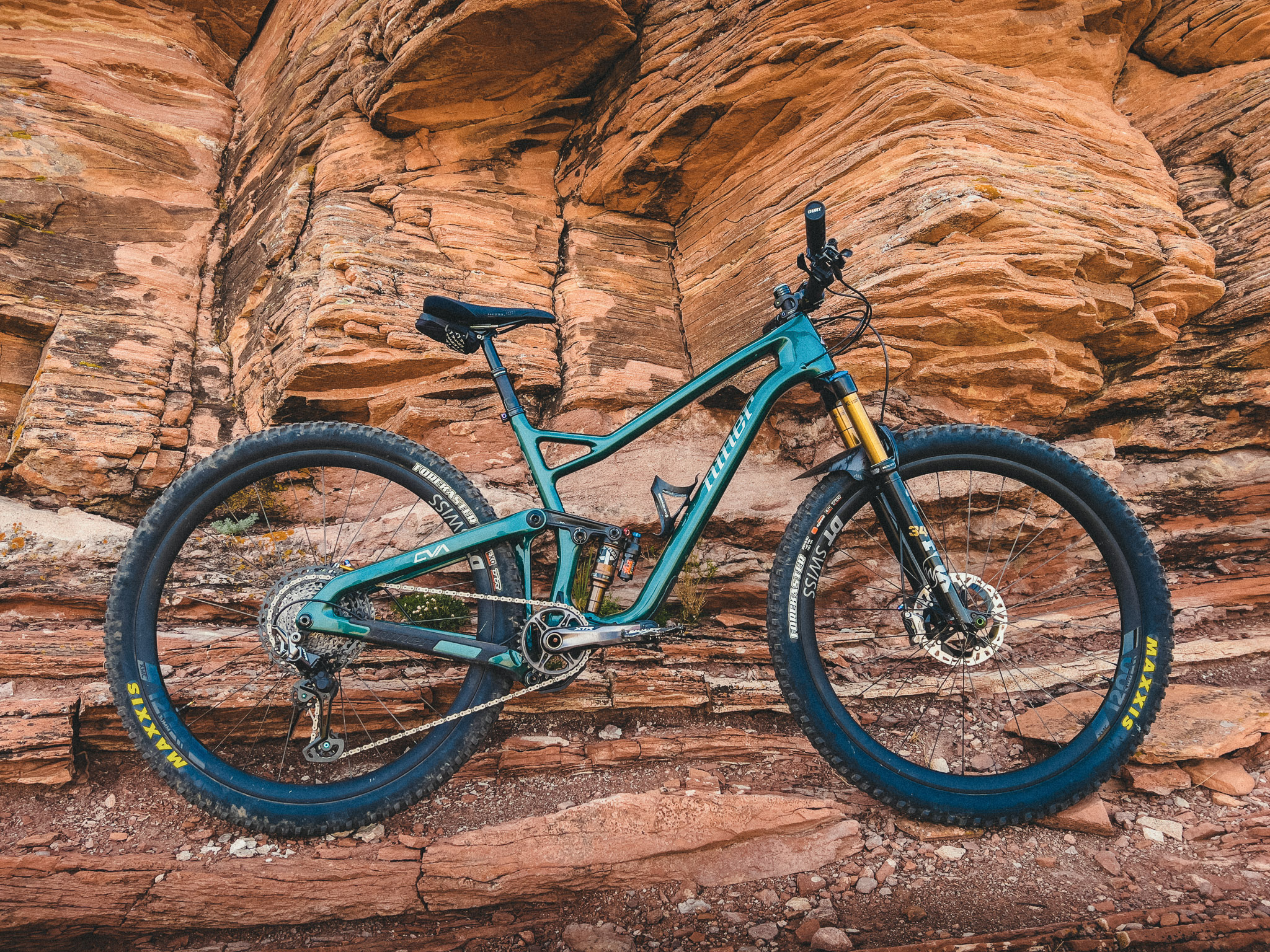
The third generation of the Niner JET 9 RDO firmly establishes the platform as a modern short-travel trail bike. Moving away from its cross-country racing origins, this iteration pairs 120mm of rear travel with a 130mm fork and clearance for high-volume 29-inch tires. Niner utilizes its dual-link CVA suspension layout, now driven by a trunnion-mount shock, to maintain the platform's reputation for pedaling efficiency while increasing frame stiffness and descending capability. The carbon frame features full-sleeve internal cable routing and integrated downtube protection. It suits riders who want a responsive, pedal-friendly machine for long days on rolling terrain, prioritizing quick acceleration and agility over the outright bump absorption of a longer-travel enduro bike.
Geometry & fit.
4 sizes published.
The JET 9 RDO features a geometry package that is longer, lower, and slacker than its predecessor, yet it avoids the extreme dimensions of aggressive gravity bikes. A flip-chip at the seatstay pivot allows riders to toggle between High and Low settings, adjusting the head tube angle between 66.5 and 66.0 degrees and altering the bottom bracket height.
The fit is characterized by a relatively high stack and a cockpit setup that typically includes a short stem and high-rise handlebars. This combination places the rider in an upright, relaxed posture with a distinct rearward weight bias. While this seated position reduces fatigue on long rides, it requires a deliberate shift in technique on flat corners or steep climbs. Riders may need to actively shift their weight forward to keep the front wheel tracking accurately. The uniform 430mm chainstays across all sizes keep the rear end compact, contributing to the bike's nimble handling and making it easy to lift the front wheel over trail obstacles.
Where the handlebar sits relative to the bottom bracket — the single most important fit pair.
01Fit geometry6 values
03Handling geometry6 values
Which size should I buy?
Slide your height to see the recommended size. GearWise's fit algorithm works from the published stack, reach, and ETT — the brand's own recommendation may differ.
→Calculated from GearWise's own stack / reach / ETT algorithm — the brand's size chart may recommend a different size, and a proper bike fit beats any calculator.
The lineup.
1 build, ranging $7,300.
Niner offers the JET 9 RDO across a wide pricing spectrum, ranging from entry-level configurations to premium electronic builds. The frame remains identical across all tiers, utilizing the same carbon fiber construction and Enduro Max pivot bearings.
Value in the lineup typically peaks in the mid-to-upper tiers, where Niner specifies highly tunable Fox Factory suspension. For example, the GX Eagle Transmission build pairs a Fox 36 Float SL Factory fork featuring the GRIP X damper with a Float X Factory rear shock, focusing investment on damping quality where it most impacts the ride. This build also includes SRAM's wireless T-Type drivetrain for precise shifting under load, along with reliable SRAM G2 R four-piston brakes.
Lower-tier builds make necessary compromises to hit their price points, often stepping down to basic Fox Rhythm forks and less powerful two-piston brakes, which heavier or aggressive riders may quickly outgrow. Across the board, Niner equips the bike with aggressive Schwalbe Nobby Nic tires, prioritizing cornering and braking traction over outright rolling speed. A threaded bottom bracket and universal derailleur hanger ensure straightforward maintenance and broad compatibility across all build levels.

From the press.
9 reviews from the cycling press.
Reviewers consistently praise the JET 9 RDO for its exceptional pedaling efficiency, noting that the CVA suspension provides a firm, supportive platform. The anti-squat characteristics are so effective that testers found "rarely any need" (Bike Rumor) to reach for the shock's lockout lever, even during out-of-the-saddle efforts. This crisp power transfer makes the bike feel eager on rolling terrain and smooth climbs.
However, this firm suspension tune comes with distinct tradeoffs. While the bike handles medium-speed impacts well, the stiff frame and supportive shock prioritize efficiency over ground-hugging compliance. On technical, loose climbs, the "firm platform... did manifest in a slight lack of grip in some instances" (PinkBike), requiring riders to maintain momentum rather than relying on the suspension to conform to every edge.
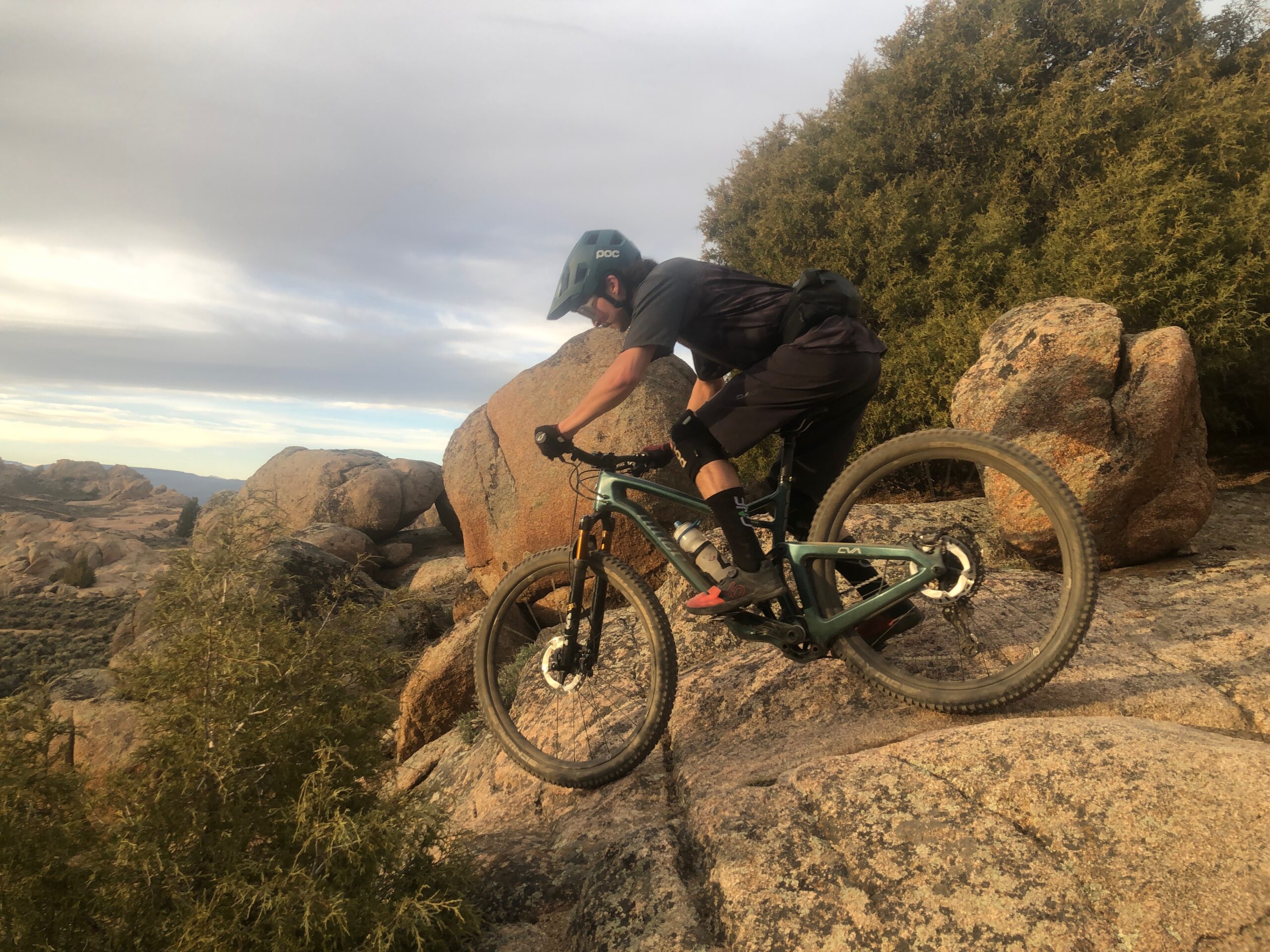
When pointed downhill, the bike is agile and rewards an active riding style. It handles moderate drops and jumps capably, but its short-travel nature becomes apparent on high-speed, chunky descents. In rougher sections, riders must "carefully choose my line and be strategic about weighting and unweighting the bike" (Blisterreview) rather than plowing through obstacles. A recurring mechanical note among testers is the presence of cable rattle from the internal routing tubes, which can be distracting on rougher trails.
First Look Review : Pete's Niner Jet 9 RDO V3 2-Star.
NINER JET 9 RD0 REVIEW: SHORT TRAVEL TRAIL BIKE VERSATILITY
2022 Niner JET 9 RDO
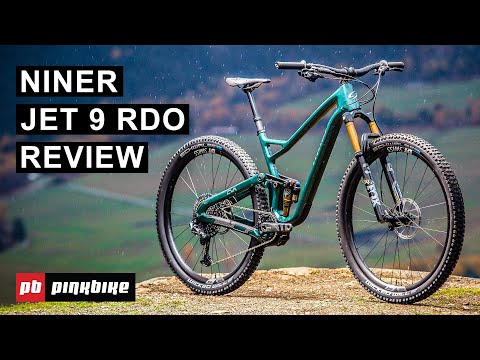
2022 Niner Jet 9 RDO Review: The Easy Rider | 2021 Fall ...
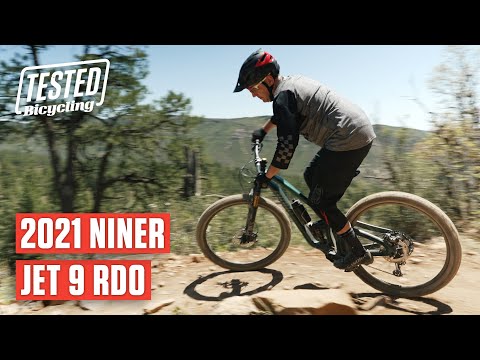
The 2021 Niner Jet 9 RDO Is One of the Best Trail Bikes Right ...
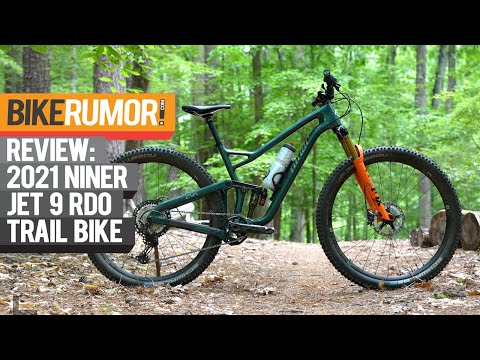
2021 Niner JET 9 RDO review
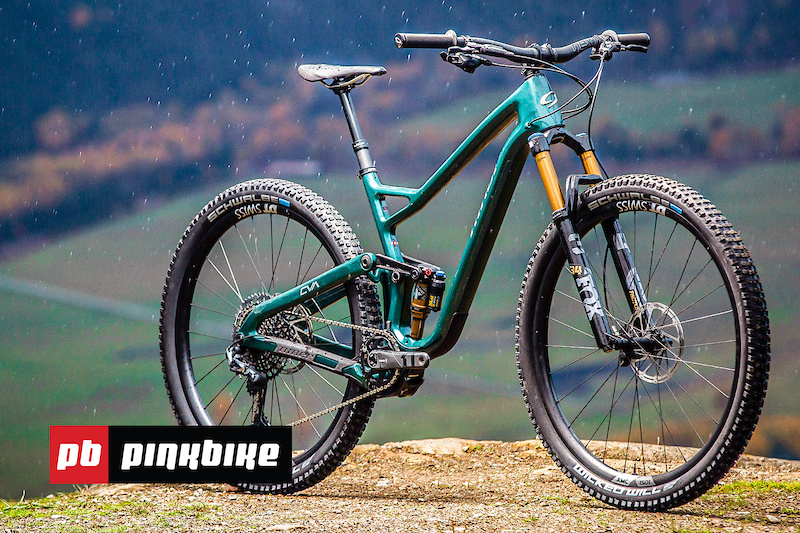
Field Test: 2022 Niner Jet 9 RDO - The Easy Rider
Review: Niner JET 9 RDO - Spoke Twist