Marin
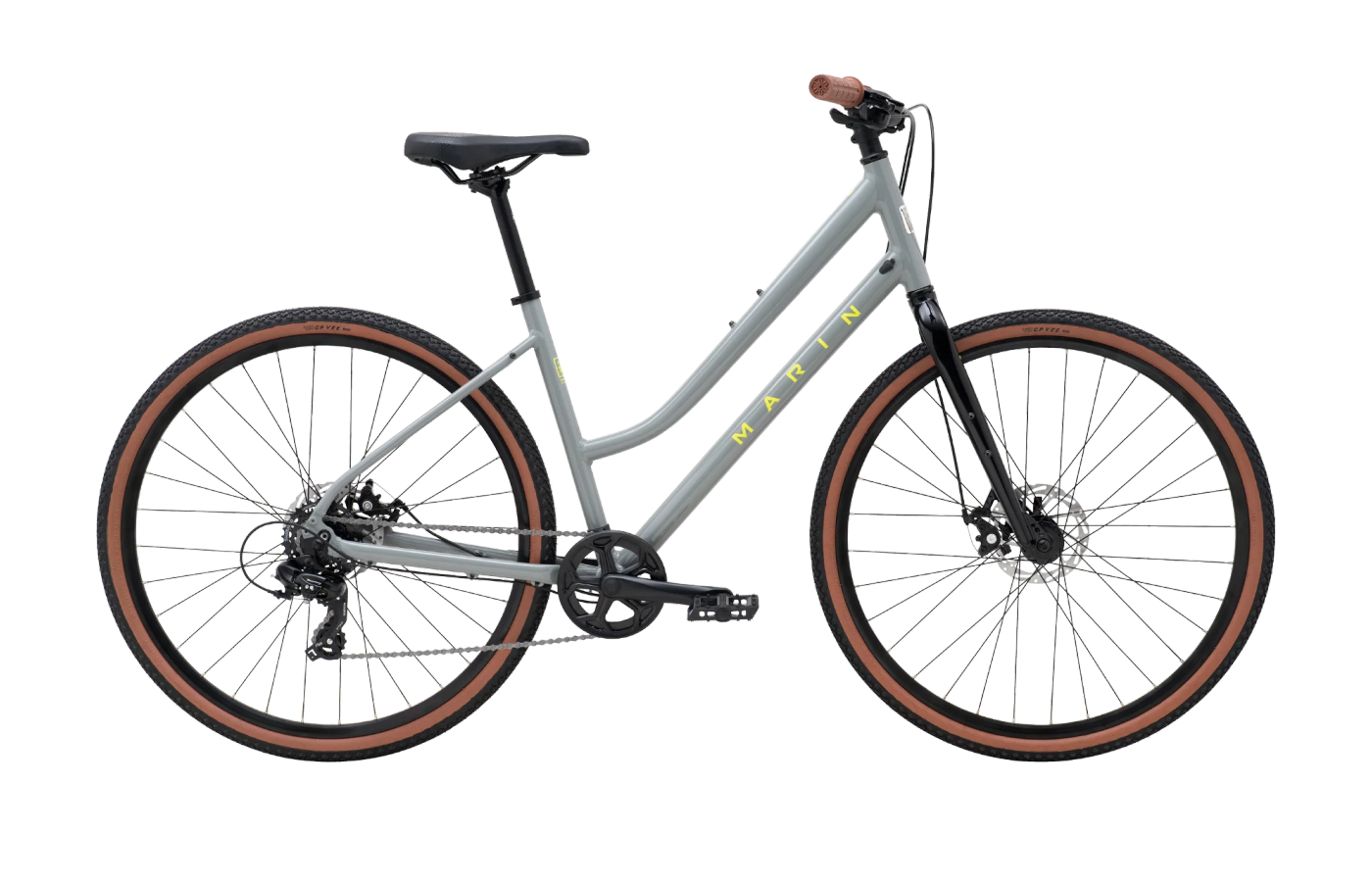
Kentfield1 ST
The 2021-on Marin Kentfield marked a clear reset for the model. Marin moved it off the older city-bike formula of quill stems, threaded headsets, triple chainrings, and rim brakes, and onto a disc-specific Series 1 aluminum platform with a threadless cockpit, rigid Moto Blade chromoly fork, and 1x drivetrains throughout the range. It is offered in both standard and step-through versions, but the core concept is the same: a simple, upright urban/fitness bike with more modern front-end proportions and more mixed-surface capability than a traditional comfort hybrid.
What distinguishes this generation is the way it blends commuter practicality with mountain-bike-influenced control. The geometry and stock 700x40 tires point to paved riding first, but the short stem, wide bar setup, disc brakes, and steel fork give it more confidence on rough streets and light gravel than older city hybrids typically offer. Across 2021, 2023, 2025, and 2026, Marin kept the core geometry effectively unchanged, which reinforces that this is one consistent platform rather than a series of annual reinventions. In the market, the Kentfield sits as a straightforward, utility-friendly hybrid for riders who want comfort, low maintenance, and stable handling without the weight and complication of a suspension fork.
Spec sheet.
Every component shipped with this build.
Geometry & fit.
3 sizes published.
The Kentfield's geometry is deliberately biased toward upright fit and stable handling. In size M, its 648.4 mm stack and 400 mm reach produce a notably short, tall rider position, and the stock 45 mm stem further reduces stretch to the bar. A 70° head tube angle is slack for an urban/fitness bike, which slows steering response slightly but adds composure and confidence, especially for newer riders or anyone riding on rough pavement. Marin pairs that with a 73.5° seat tube angle, which is moderate and keeps pedaling position centered rather than aggressively forward.
The rest of the numbers reinforce that calm, planted character. A 450 mm chainstay is long by hybrid standards, and the 1108 mm wheelbase in size M points to straight-line stability over quick, twitchy reactions. The 70 mm bottom bracket drop helps lower the rider's center of gravity, which should make the bike feel secure in corners and during stop-start urban riding. Combined with 700x40 tires, the overall effect is a bike that fits shorter and taller in front than a speed-oriented flat-bar bike, favoring visibility, comfort, and predictable handling over sharp acceleration or razor-quick steering.
Where the handlebar sits relative to the bottom bracket — the single most important fit pair.
01Fit geometry6 values
02Component geometry3 values
03Handling geometry7 values
Which size should I buy?
Slide your height to see the recommended size. GearWise's fit algorithm works from the published stack, reach, and ETT — the brand's own recommendation may differ.
→Calculated from GearWise's own stack / reach / ETT algorithm — the brand's size chart may recommend a different size, and a proper bike fit beats any calculator.
The lineup.
6 builds, ranging $629 – $899.
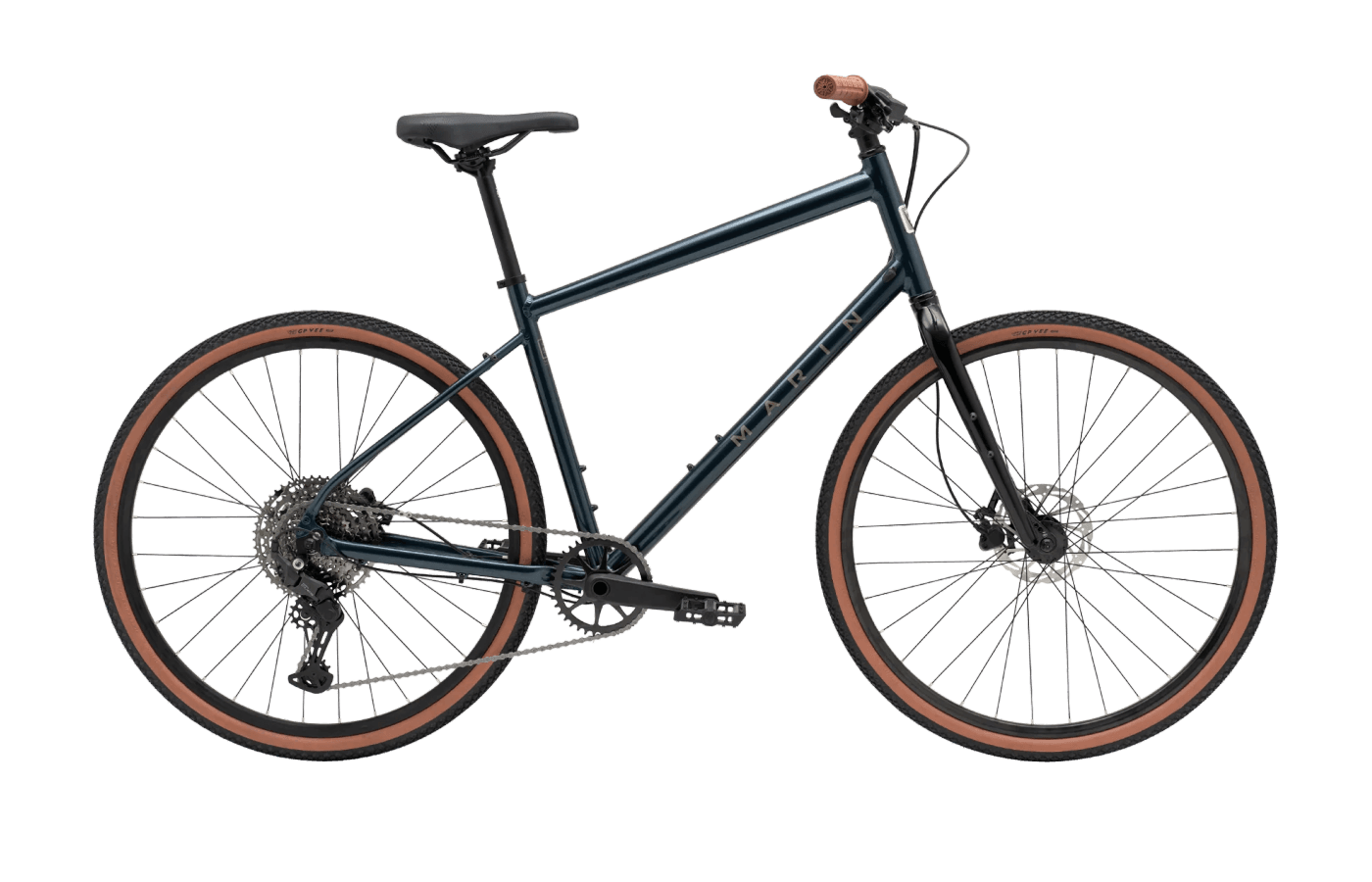
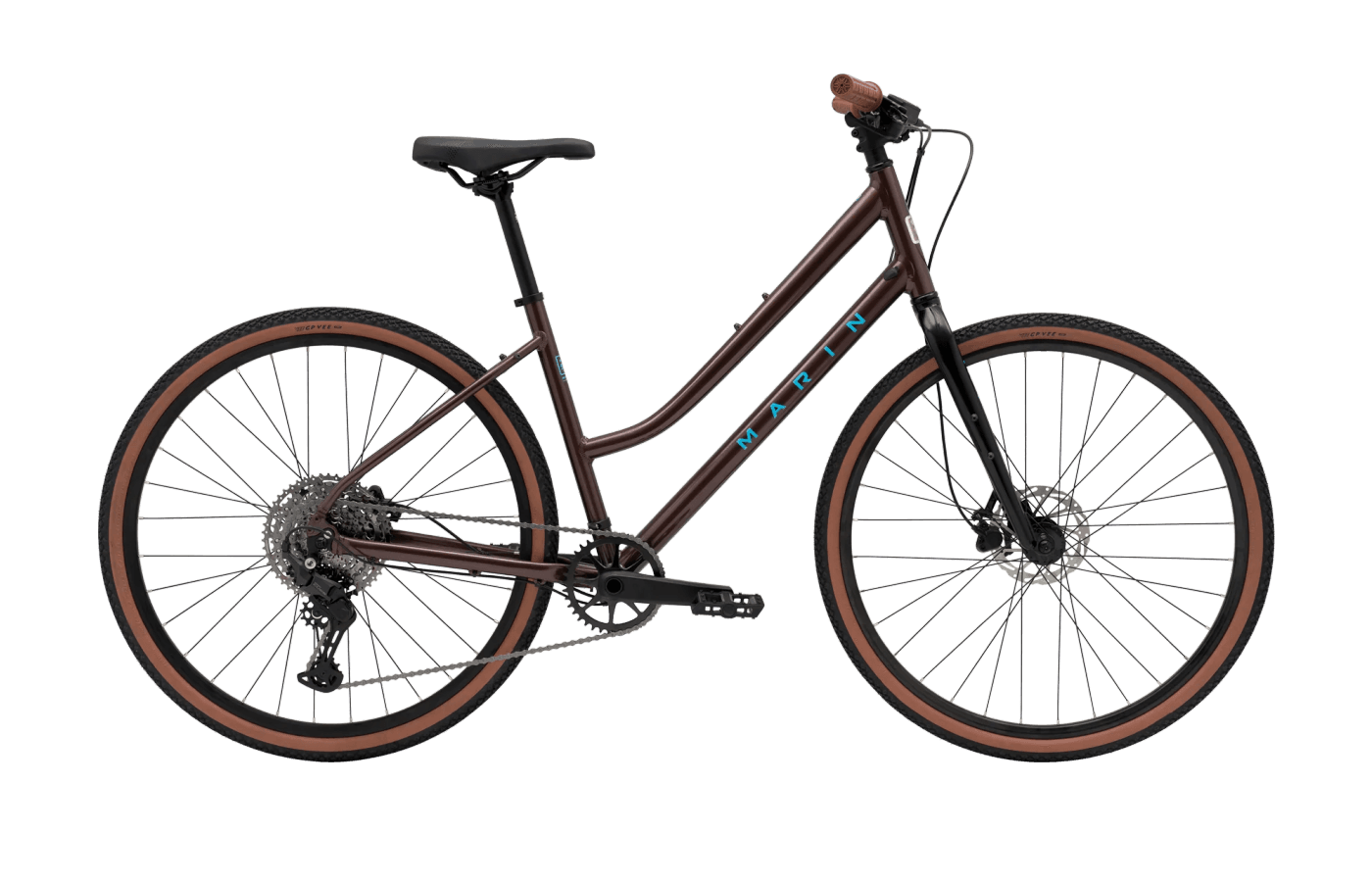
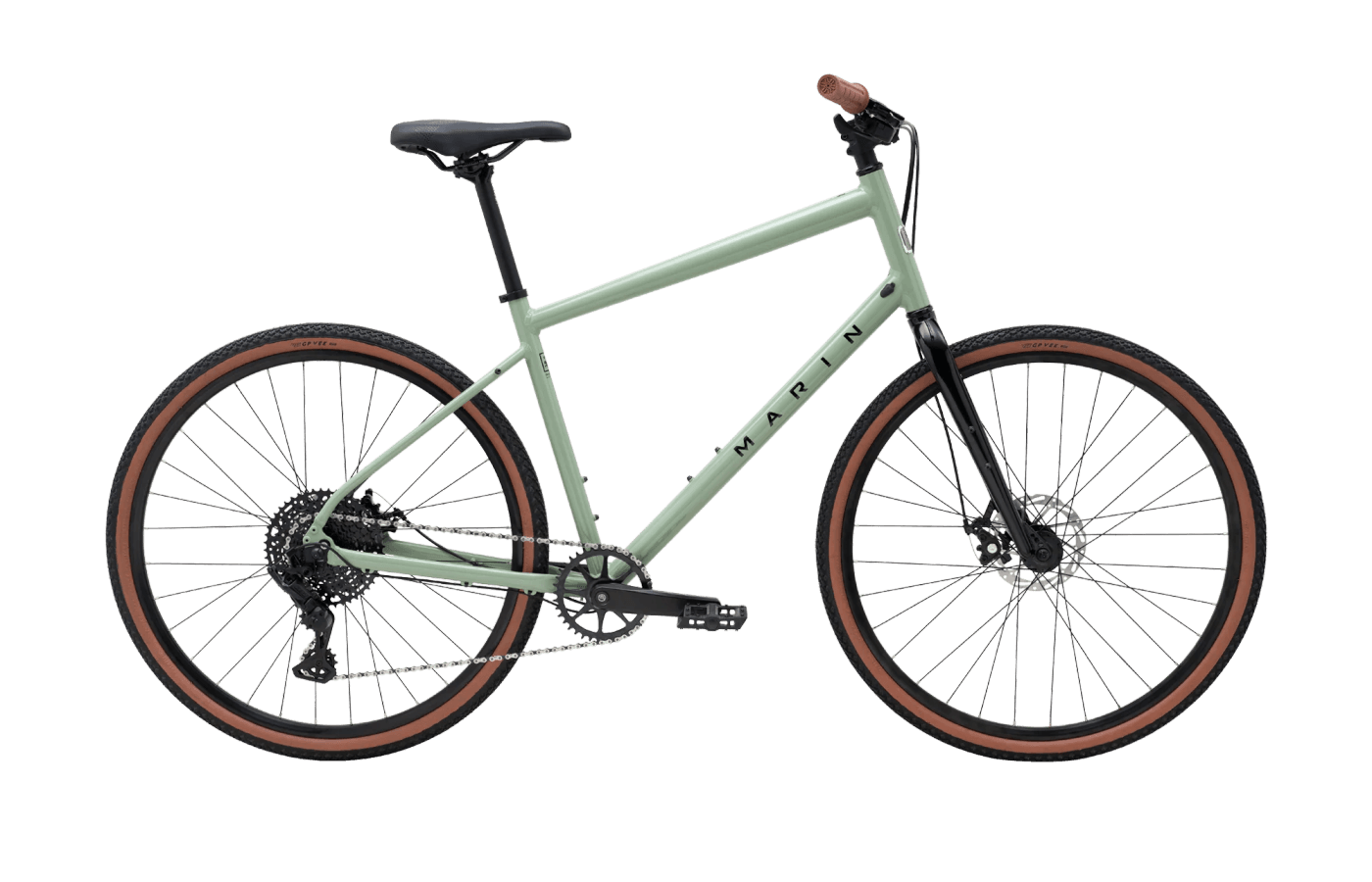
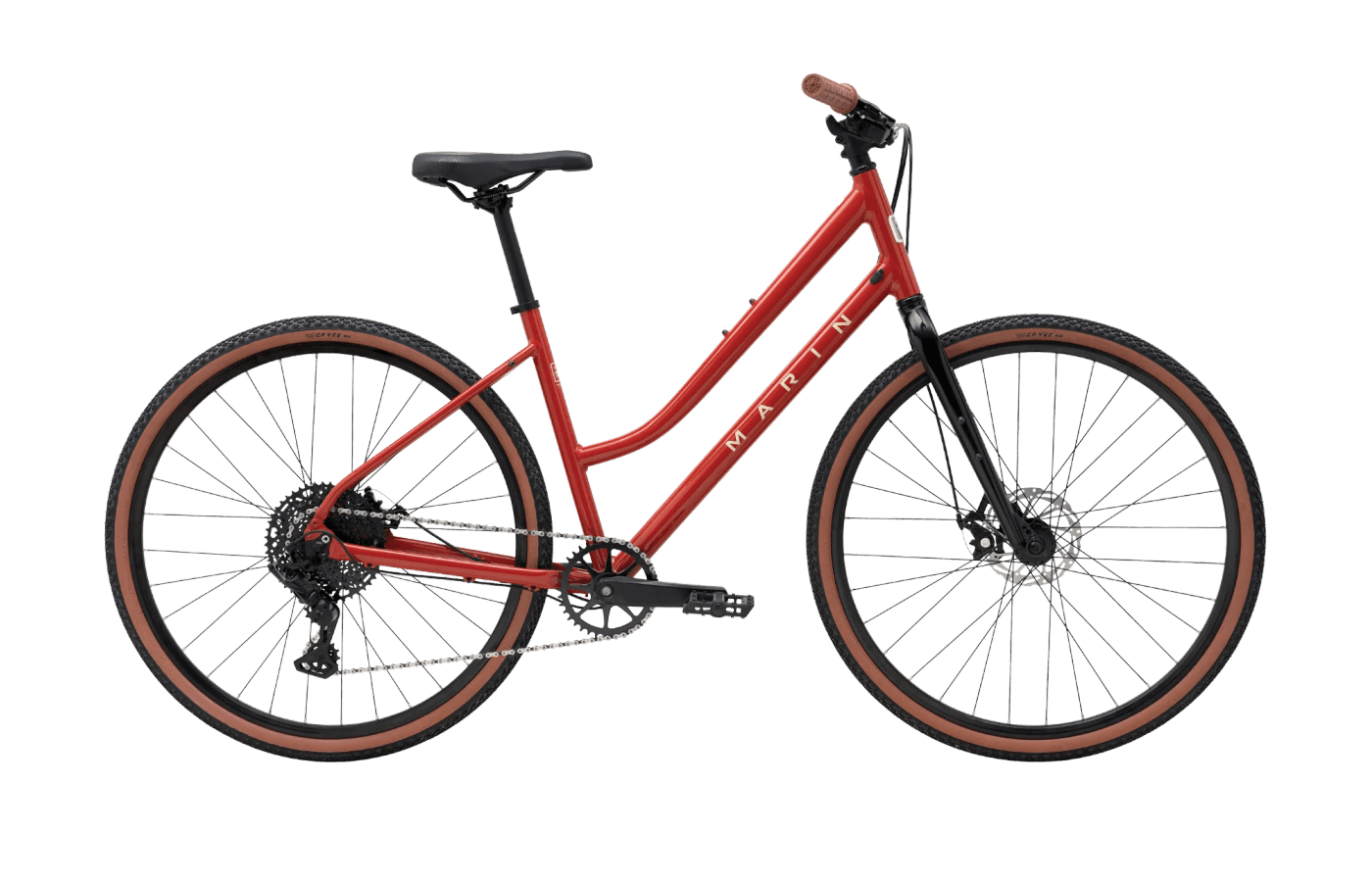
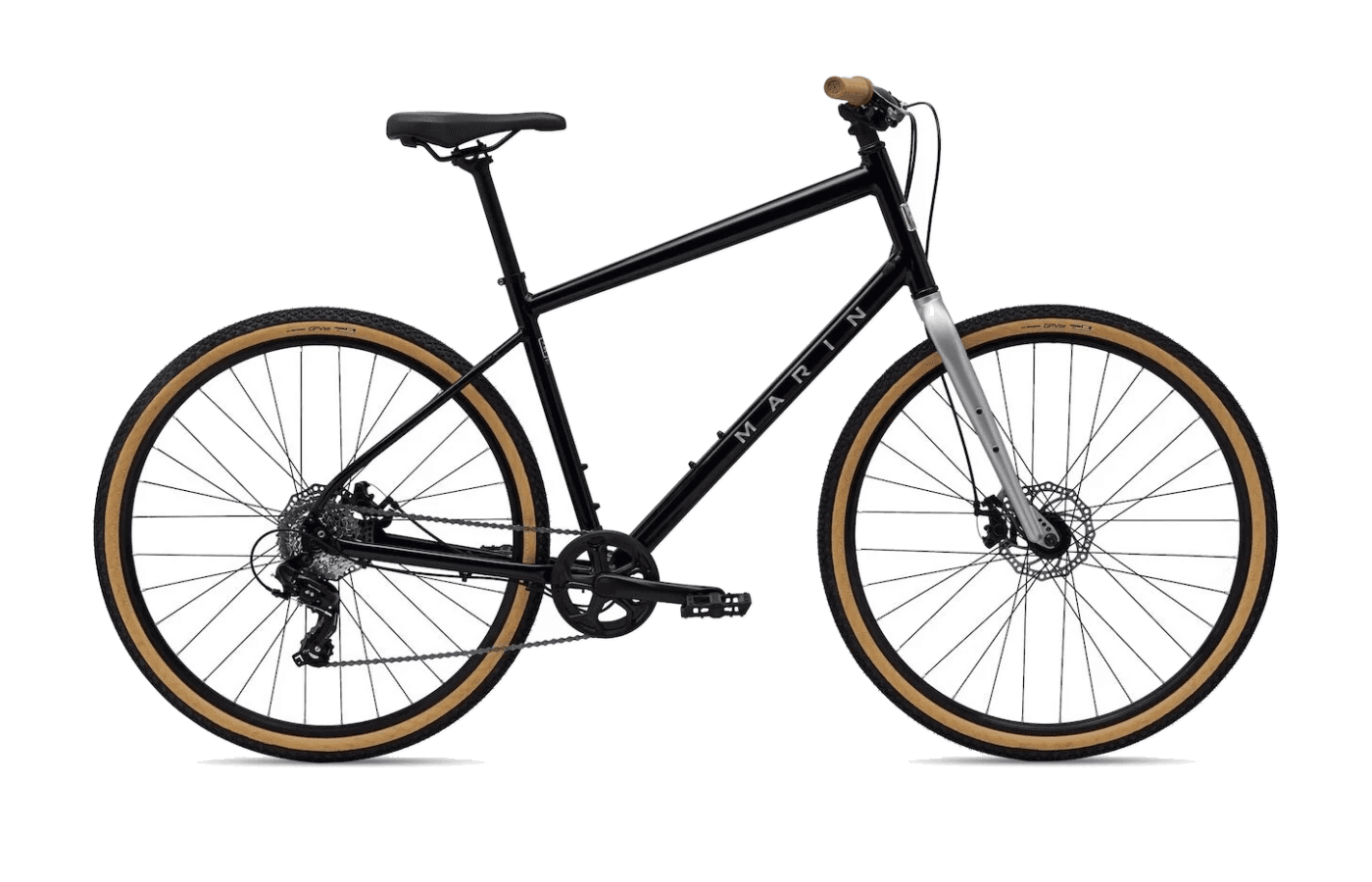
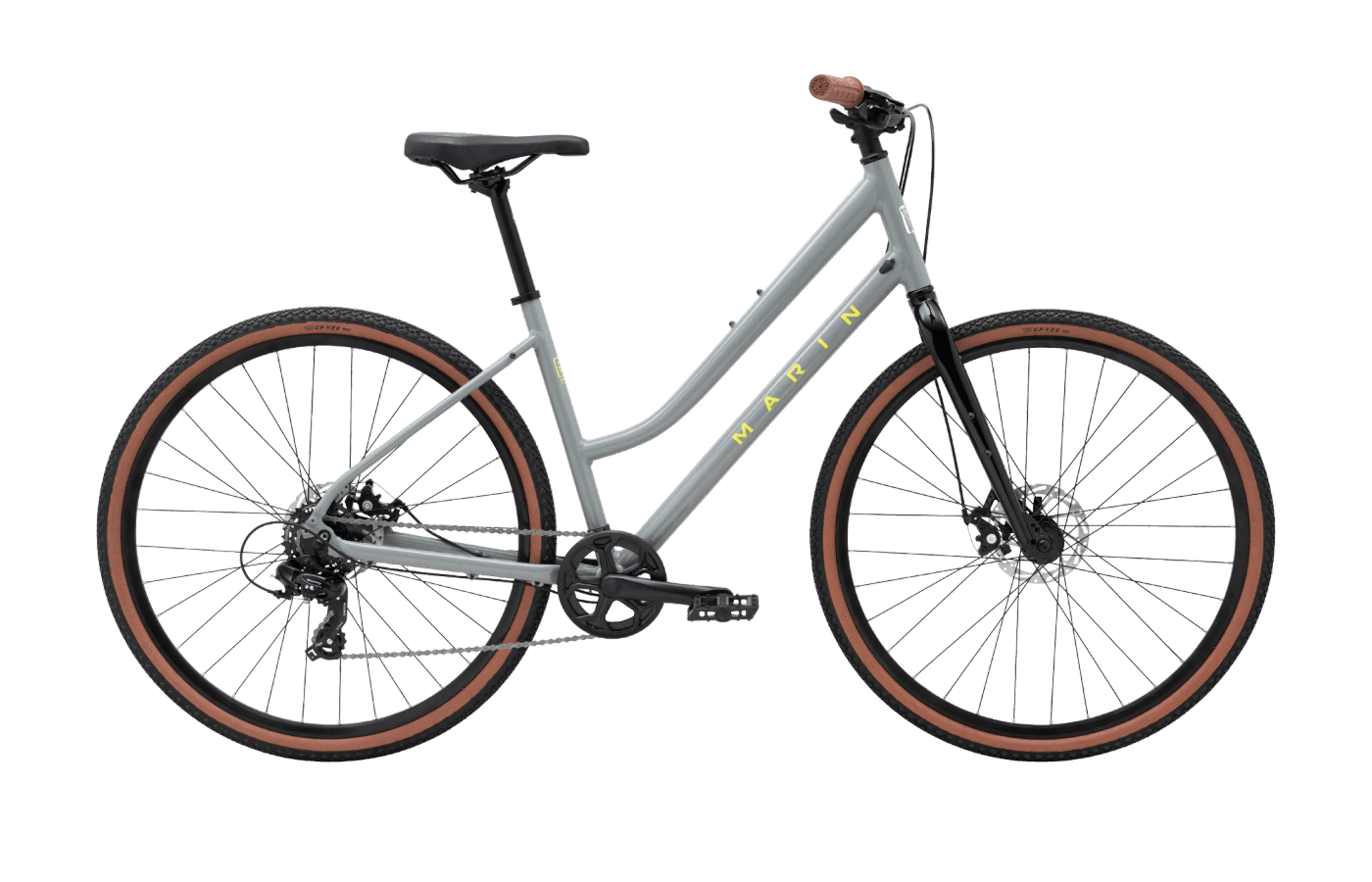
The Kentfield platform has been offered in six versions: 1, 1 ST, 2, 2 ST, 3, and 3 ST. The lineup structure is straightforward, with standard diamond-frame and step-through options at multiple trim levels. Review material specifically identifies the Kentfield 1 at $599 with a 1x7 Shimano Tourney drivetrain and the Kentfield 2 at $679 with a 1x10 microSHIFT Advent X setup, and that jump in gearing is the most important distinction called out by reviewers. The 2's wider range was repeatedly highlighted as the better choice for climbing and varied terrain, while the 1 was seen as adequate for everyday commuting but more limited for riders who care about cadence range or fitness use.
Across the range, the common theme is simplicity: rigid fork, 1x transmission, and disc brakes on a utility-ready aluminum frame. Later updates pushed the top-end Kentfield 3 to hydraulic brakes and Shimano CUES, but the underlying frame and geometry remained the same. That means buyers are mainly choosing between entry-level affordability and better drivetrain/brake performance rather than fundamentally different bikes. On value, the Kentfield 2 appears to be the sweet spot in the available review data, while the Kentfield 1 remains the budget-minded option for riders who want the same frame and riding position at a lower price.
From the press.
4 reviews from the cycling press.
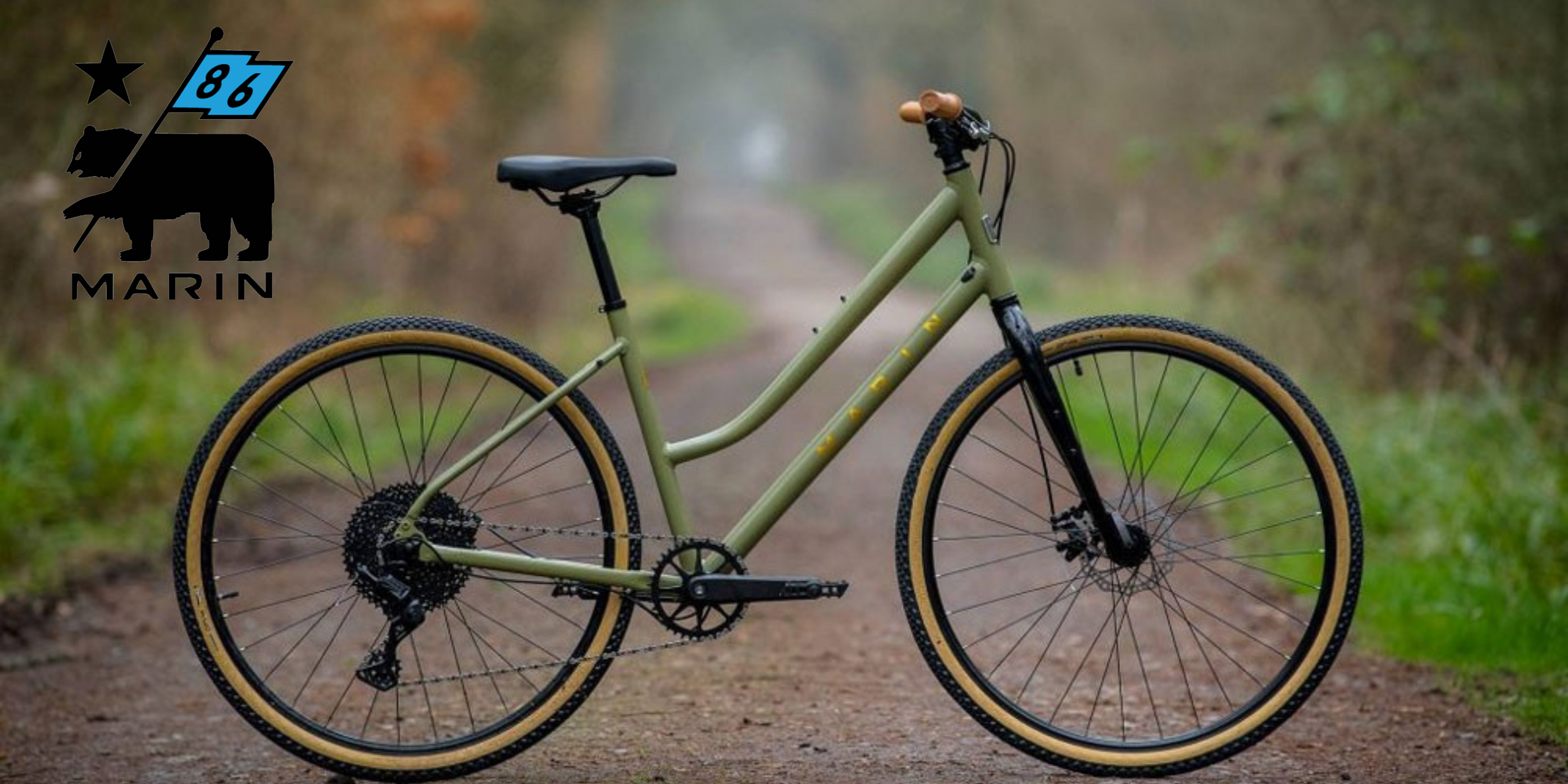
Reviewers consistently describe the Kentfield as an upright, comfort-first hybrid with a distinctive "retro-modern" character. Several noted that its riding position feels closer to a Dutch-style city bike than a sporty flat-bar fitness bike, with a high front end, relaxed posture, and a notably stable chassis. The wide 740 mm handlebar came up repeatedly: it can feel unusual at first on an urban bike, but testers generally found that it adds leverage, control, and confidence in traffic and on rough pavement. Comfort was another recurring theme, with praise for the plush saddle, the vibration damping from the steel Moto Blade fork, and the 700x40 mm tires' ability to smooth typical city surfaces.
At the same time, reviews make clear that the Kentfield is not a fast, aggressive fitness machine. Testers said it carries speed well enough on flat roads and commutes, but the upright position and overall character prioritize ease over urgency. The rigid fork and large-volume tires work well on pavement, bike paths, and well-maintained dirt, yet reviewers also noted that significantly broken roads and rougher trails expose the limits of the no-suspension setup. On spec, the Kentfield 2 drew the strongest praise thanks to its 1x10 microSHIFT Advent X drivetrain and wide 11-48T cassette, while the Kentfield 1's 1x7 setup was seen as simpler but more limiting. Mechanical disc brakes were generally considered adequate and easy to live with, though some reviewers felt they lacked the refinement riders might want for sustained steep descents or more demanding use.
Marin Kentfield Bike Review - Mammoth Journeys

Kentfield 2 vs San Anselmo 2: Which bike to choose
![Is Marin Kentfield 2 A Perfect Selection? - [Marin Kentfield 2 Review]](https://paklmrfyhygqlkyhjcnf.supabase.co/storage/v1/object/public/storage/review-images/marin/kentfield/generation-2021-present/review-97d7dccb5e39.webp)
Is Marin Kentfield 2 A Perfect Selection? - [Marin Kentfield 2 Review]
![Is Marin Kentfield 1 A Good Bike?[Marin Kentfield 1 Review]](https://paklmrfyhygqlkyhjcnf.supabase.co/storage/v1/object/public/storage/review-images/marin/kentfield/generation-2021-present/review-38530cd8d8ee.jpg)