Alpine Trail
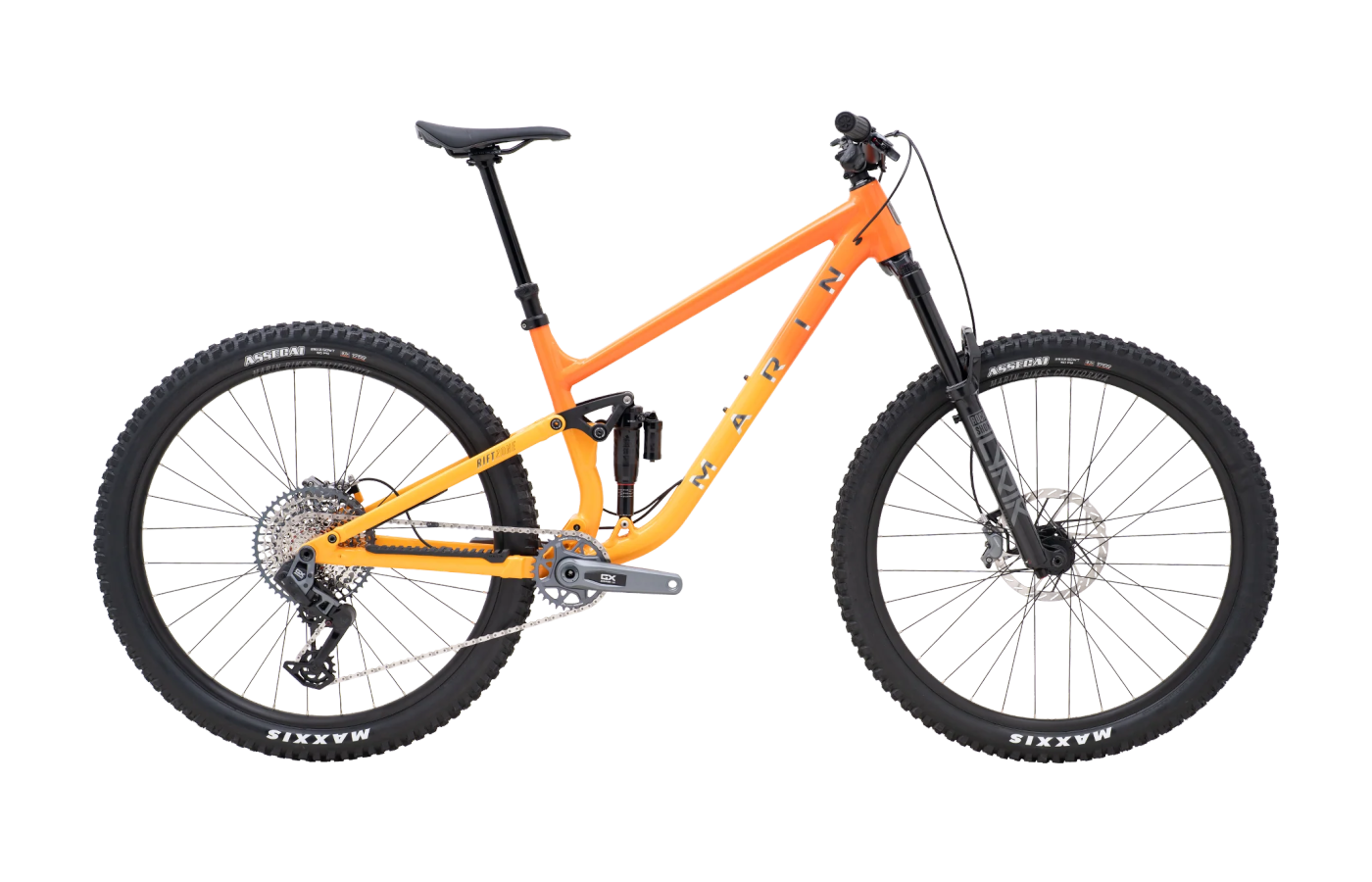
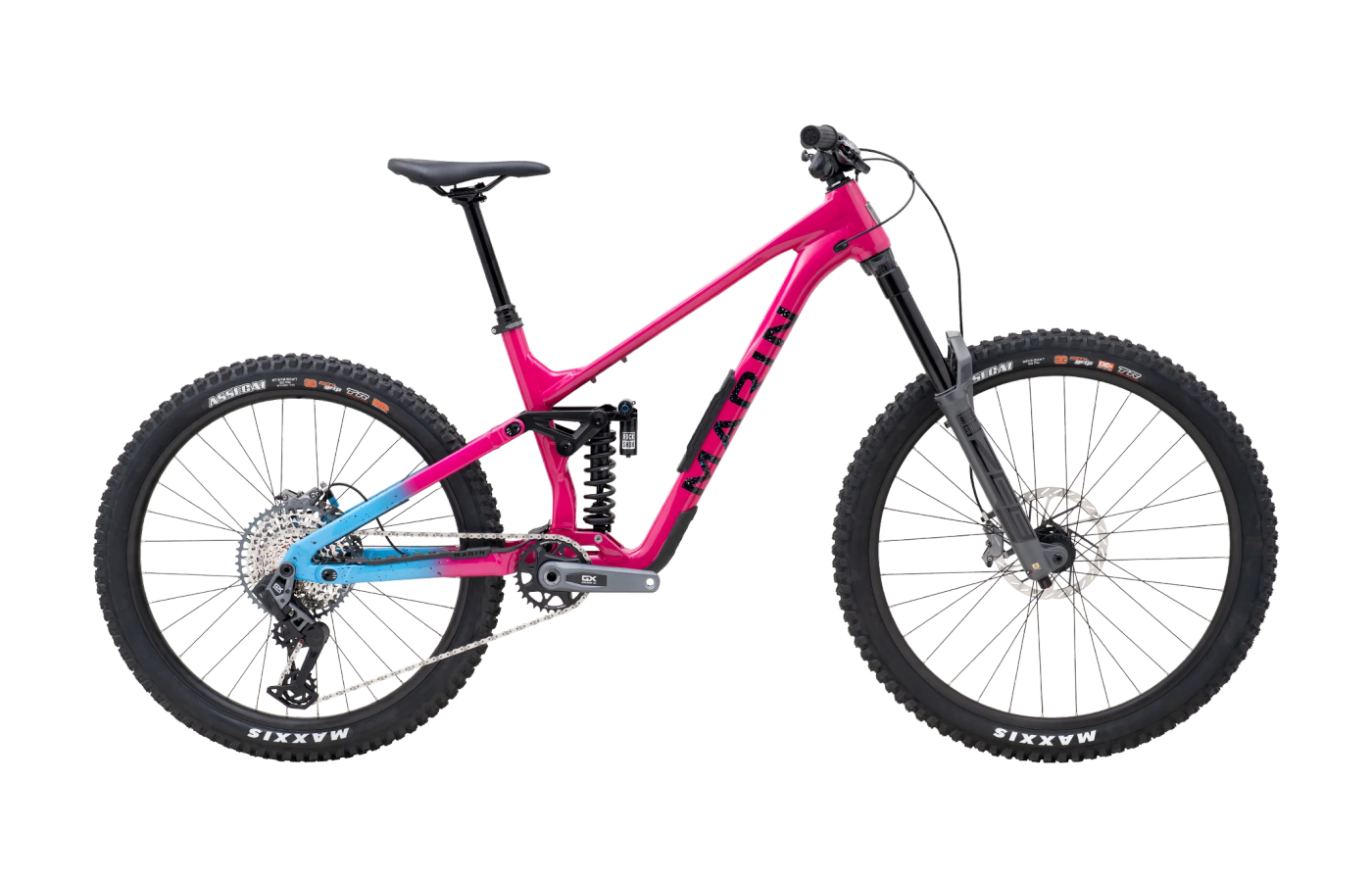
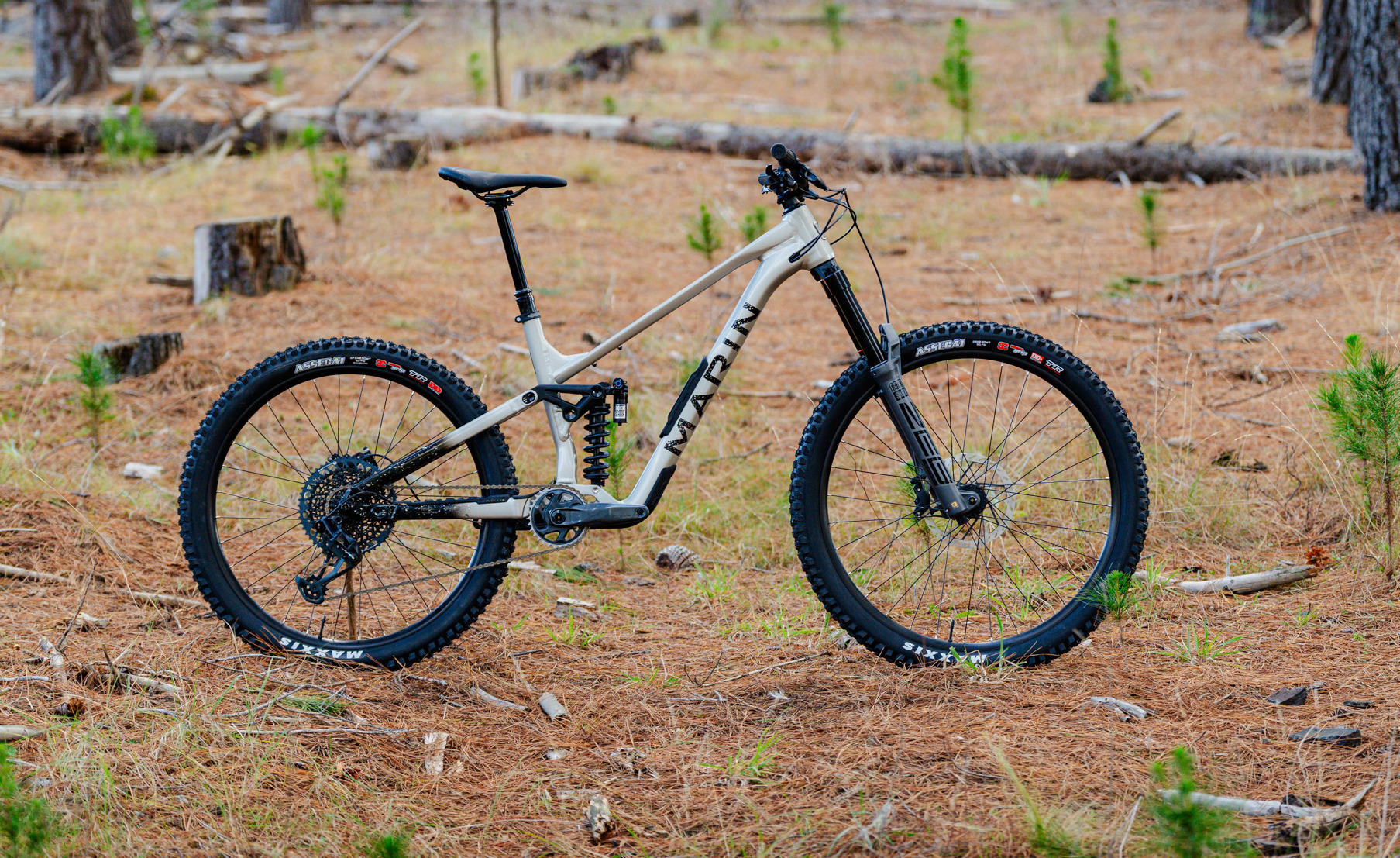
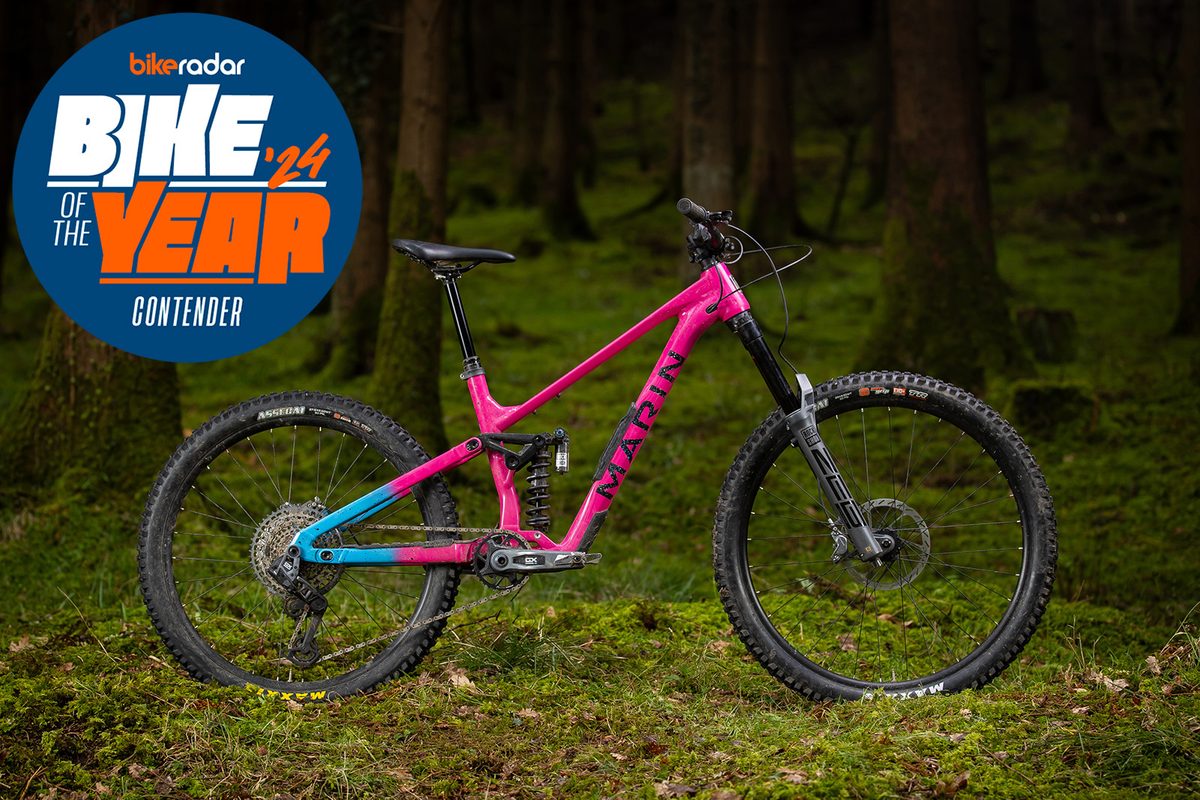
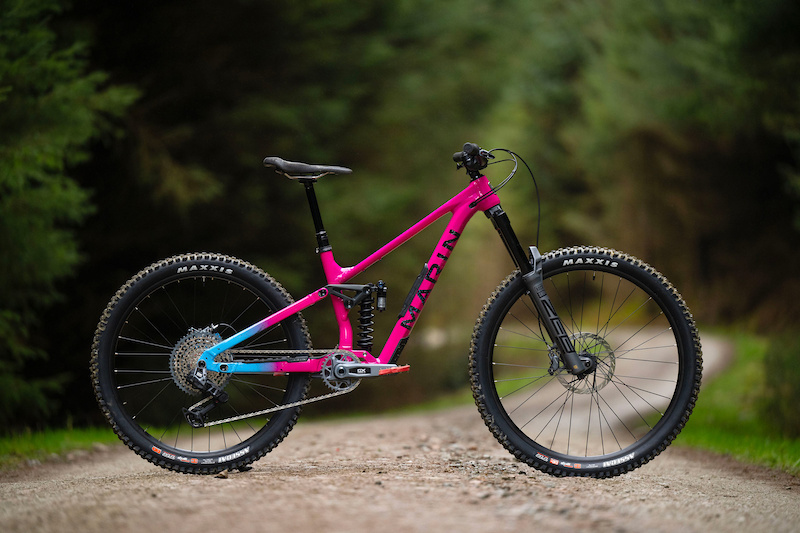
The 2024 Marin Alpine Trail is a dedicated aluminum enduro platform built for gravity-focused riding and extensive chassis tuning. Moving away from its previous single-pivot layout, Marin redesigned the frame around a four-bar Horst-link suspension system dubbed MultiTrac 2 LT. This update increases rear travel to 160mm, paired with a 170mm fork, pushing the bike firmly into aggressive downhill territory.
Beyond the suspension overhaul, this generation is defined by its modularity. The bike ships with a mixed-wheel setup but accommodates a full 29-inch rear wheel. Riders can fine-tune the handling through an angle-adjust headset and multiple flip-chips that alter bottom bracket height and chainstay length. Marin also modernized the frame details, adding integrated downtube storage and robust rubber protection to quiet the ride. The result is a highly adaptable, heavy-hitting machine designed to prioritize descending capability over uphill speed.
Geometry & fit.
4 sizes published.
The Alpine Trail’s geometry pairs a notably steep seat tube with a slack, adjustable front end to balance its downhill intentions with seated pedaling comfort. With effective seat tube angles hovering around 79 degrees, the rider is pushed forward over the bottom bracket. This upright posture prevents the front wheel from lifting on steep climbs and keeps weight off the hands during long ascents.
Handling is heavily dictated by the frame’s modularity. In its stock configuration, the 63-degree head tube angle provides immense stability at speed. Riders can use the offset headset cups to steepen the front end for quicker steering on flatter trails, or slacken it further for dedicated bike park laps. The chainstay flip-chip offers a choice between a longer, lower setting that maximizes high-speed tracking, and a shorter, higher setting that quickens cornering response and makes it easier to muscle the rear end through tight turns. Across all settings, the generous reach measurements create a spacious cockpit that encourages a centered, aggressive stance on descents.
Where the handlebar sits relative to the bottom bracket — the single most important fit pair.
01Fit geometry6 values
03Handling geometry7 values
Which size should I buy?
Slide your height to see the recommended size. GearWise's fit algorithm works from the published stack, reach, and ETT — the brand's own recommendation may differ.
→Calculated from GearWise's own stack / reach / ETT algorithm — the brand's size chart may recommend a different size, and a proper bike fit beats any calculator.
The lineup.
3 builds, ranging $3,499 – $5,199.
The Alpine Trail lineup consists of three aluminum builds, prioritizing suspension performance and durable components over weight savings. The entry-level Alpine Trail 1 features a Fox 36 Rhythm fork, a Fox Float Performance air shock, and a Shimano Deore drivetrain. While it offers a solid entry point, reviewers noted the base air shock lacks the initial sensitivity found higher up the ladder.
The mid-tier XR model is widely considered the sweet spot for value. It upgrades to a RockShox Zeb Ultimate fork and a Super Deluxe Ultimate Coil shock, delivering top-tier suspension performance alongside a mechanical SRAM GX drivetrain. The flagship XR AXS build shares this premium suspension package but adds a wireless SRAM GX Transmission and upgrades the brakes to SRAM Code Bronze.
Across all builds, Marin specifies heavy-duty house-brand alloy wheels and aggressive Maxxis Assegai tires with sticky MaxxGrip rubber. This wheel and tire combination maximizes downhill traction and puncture resistance but adds significant rotational weight, contributing to the bike's sluggish feel on climbs. Riders looking to improve pedaling efficiency often swap the rear tire for a faster-rolling alternative.


From the press.
9 reviews from the cycling press.
Reviewers consistently characterize the Alpine Trail as a highly capable descender that requires patience on the climbs. The bike’s substantial weight and sticky tires make ascending a chore, with testers noting it is "not the keenest bike to set uphill PRs" (Theloamwolf). However, the steep seat tube angle keeps the rider comfortably centered, preventing the front wheel from wandering on steep pitches.
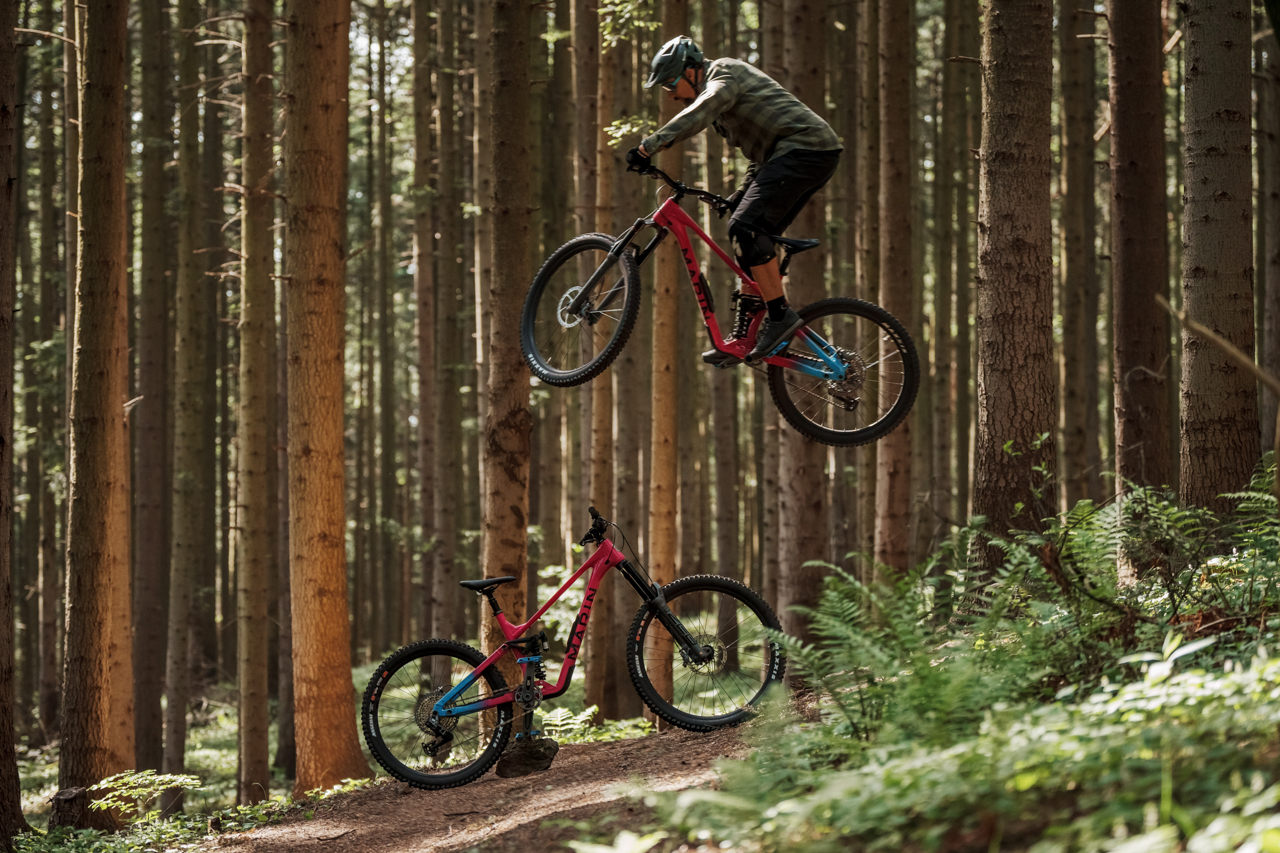
Pointed downhill, the bike transforms into an "unapologetic downhill machine" (BikeRadar) that excels in steep, rough terrain. The updated suspension platform provides excellent traction and mid-stroke support, especially on models equipped with a coil shock. Testers found the rear end remains "composed when it goes deep into its stroke" (PinkBike), absorbing heavy impacts without feeling dead or sluggish. While it requires deliberate rider input to navigate tight, slow-speed sections, the chassis rewards aggressive riding at higher speeds.
The extensive geometry adjustments were widely praised for allowing riders to genuinely alter the bike's personality. Testers noted that the frame is "shockingly quiet" (Bike Magazine) through rough sections, enhancing the overall perception of quality. The primary criticism across reviews centered on the bike's sluggishness on flat trails, a direct tradeoff for its exceptional stability and grip when the gradient drops.
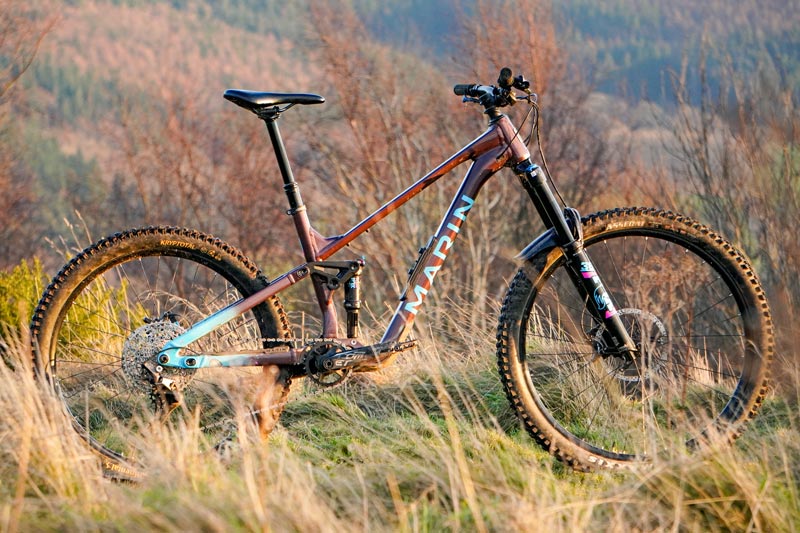
Review: Marin Alpine Trail 1 | Excellent Value, Shocking ...

What Is The BEST Enduro Mountain Bike In 2024?

Marin Alpine Trail XR - Blister Review
2025 Marin Alpine Trail XR Review | This value-packed enduro bike is bigger, better, and a whole lot more adjustable
Tested (again): Marin Alpine Trail XR - BikeMag
Tested: Marin Alpine Trail XR Enduro Bike - BikeMag
New Marin Alpine Trail – First Ride
Marin Alpine Trail XR AXS review | Enduro Bike of the ...
Review: The New Marin Alpine Trail is More Adjustable & ...
Compared to.
Most-viewed comparisons.