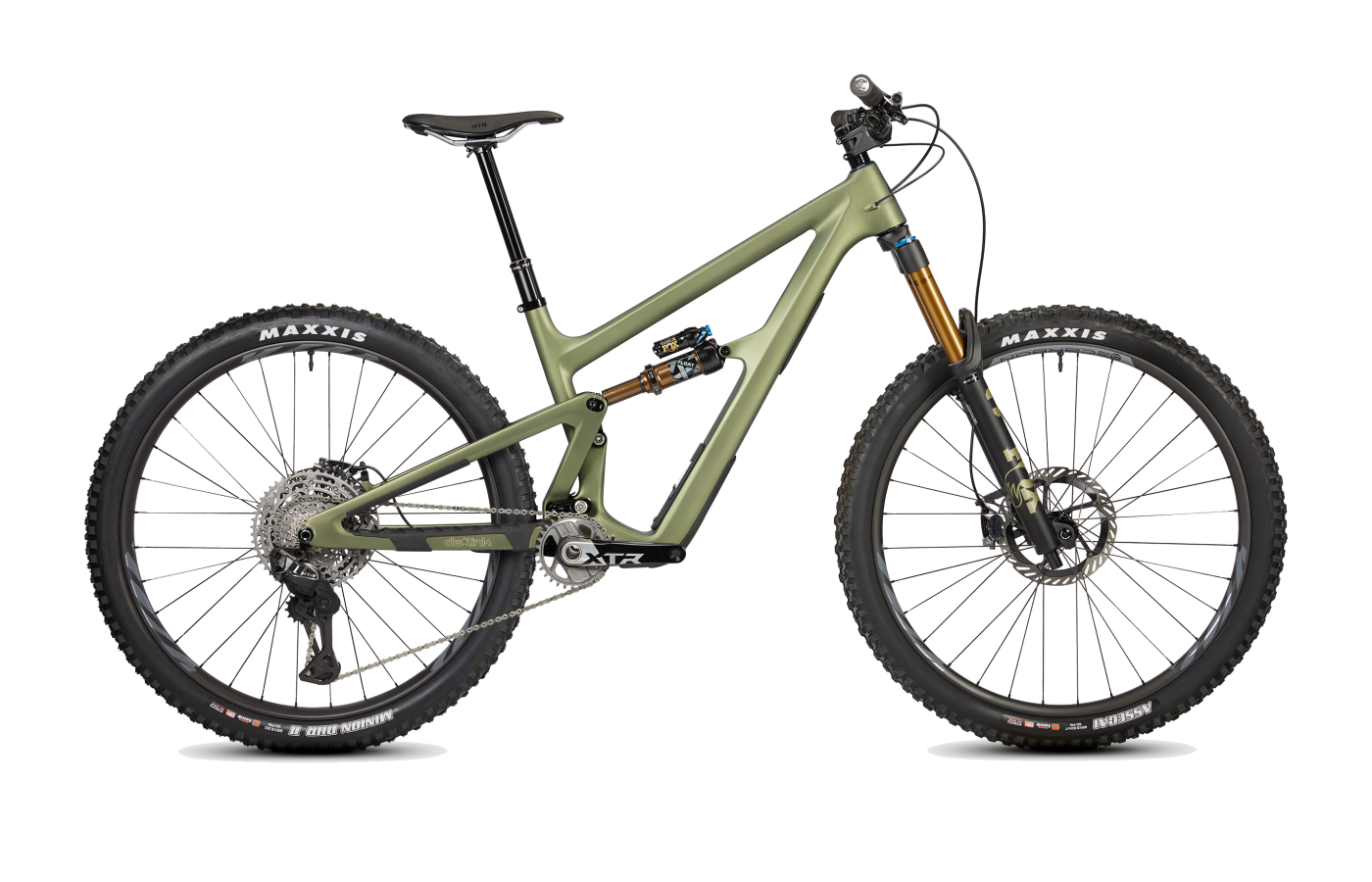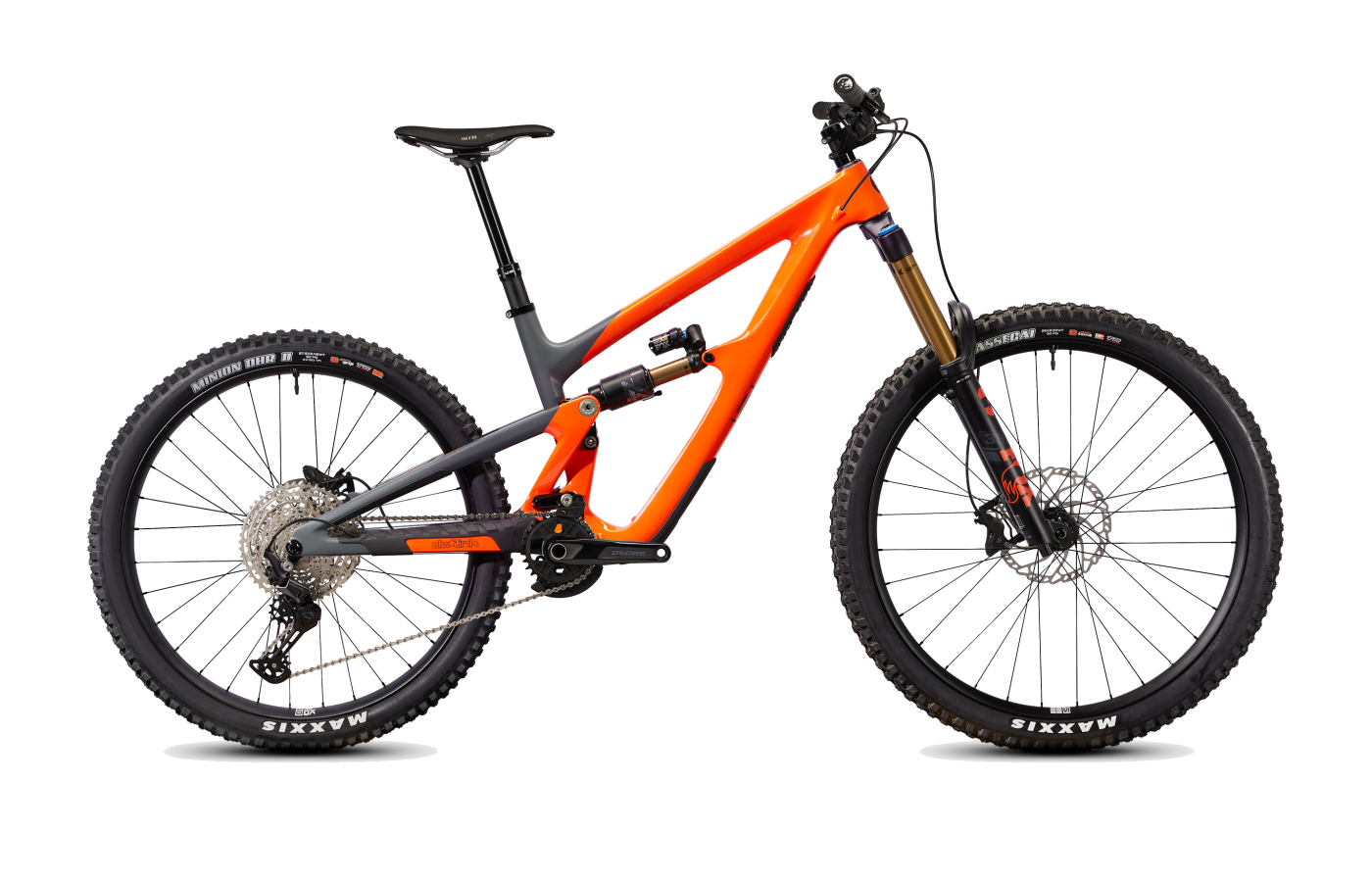
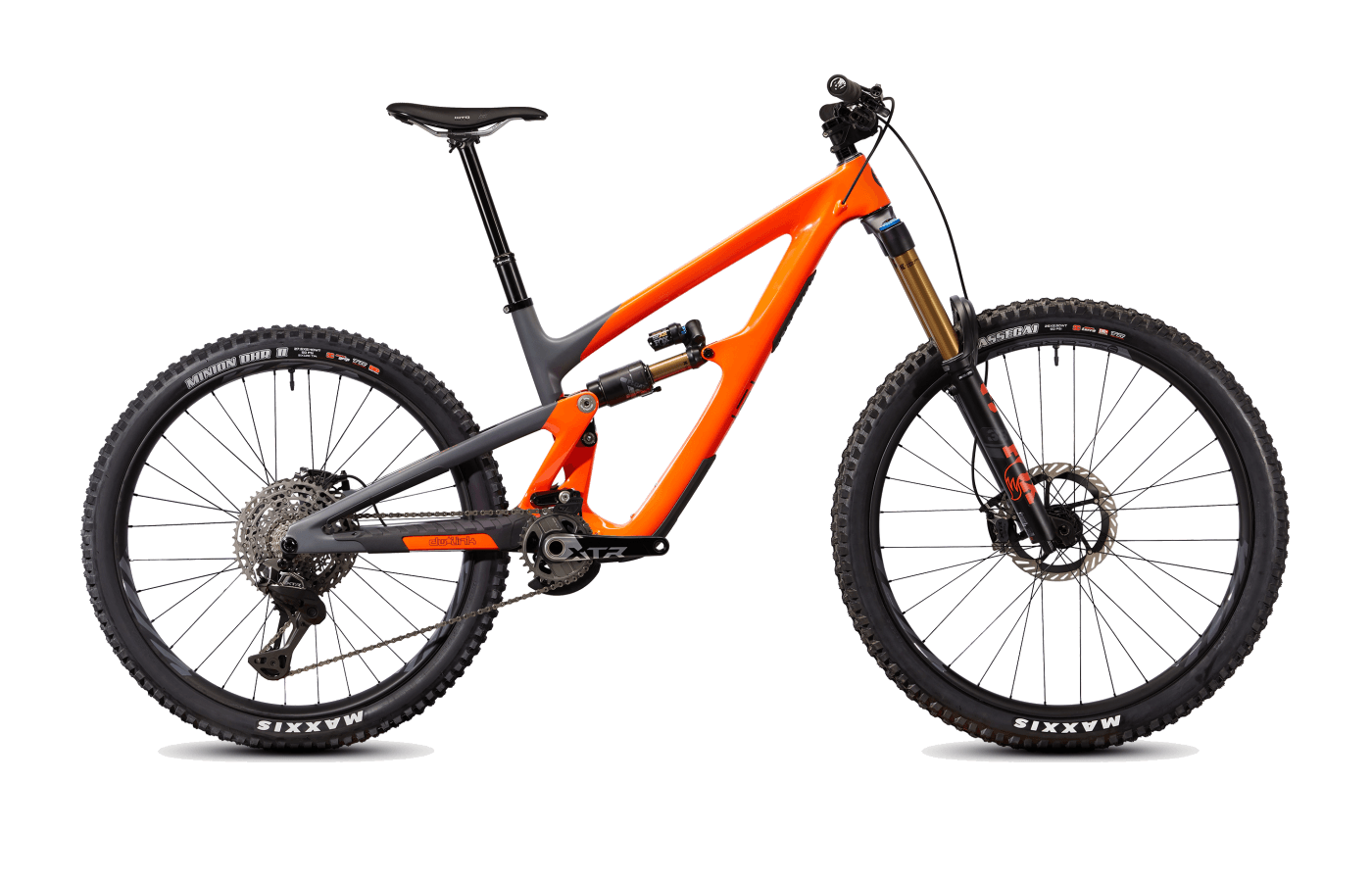
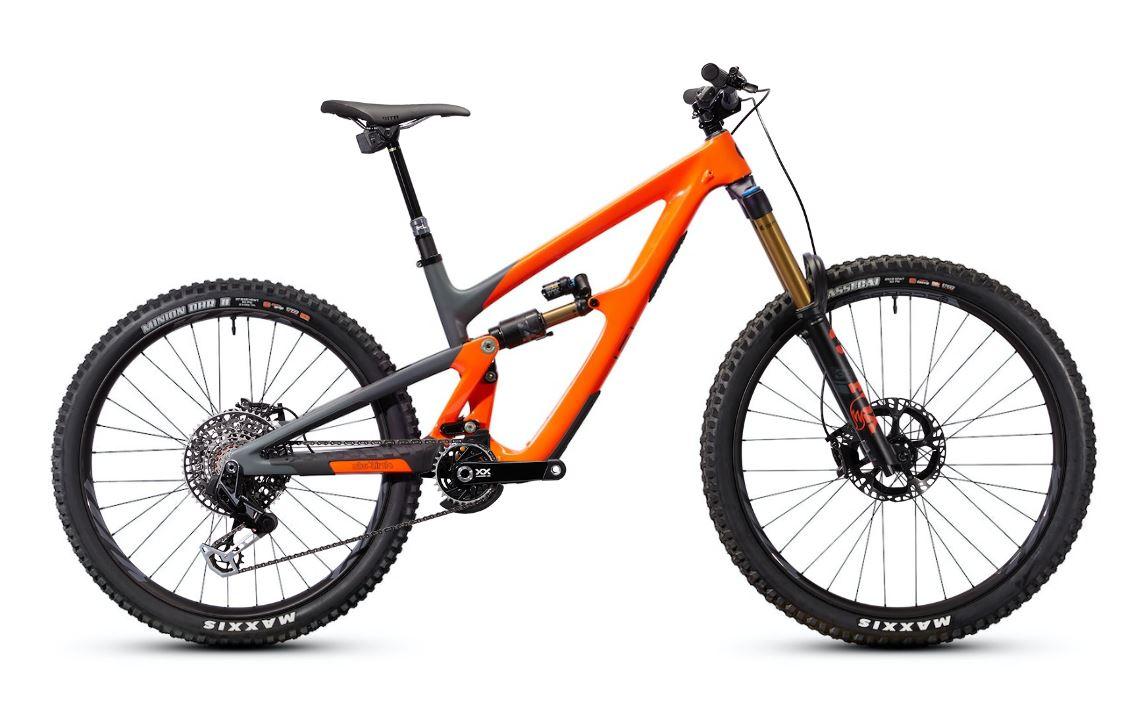
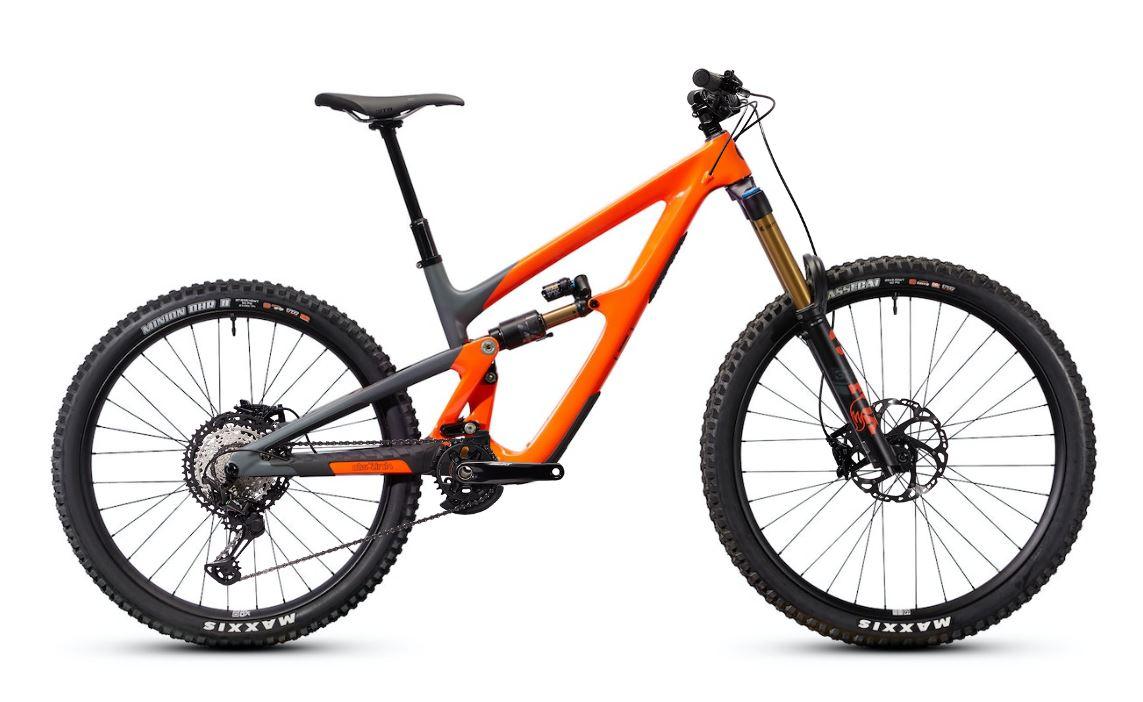
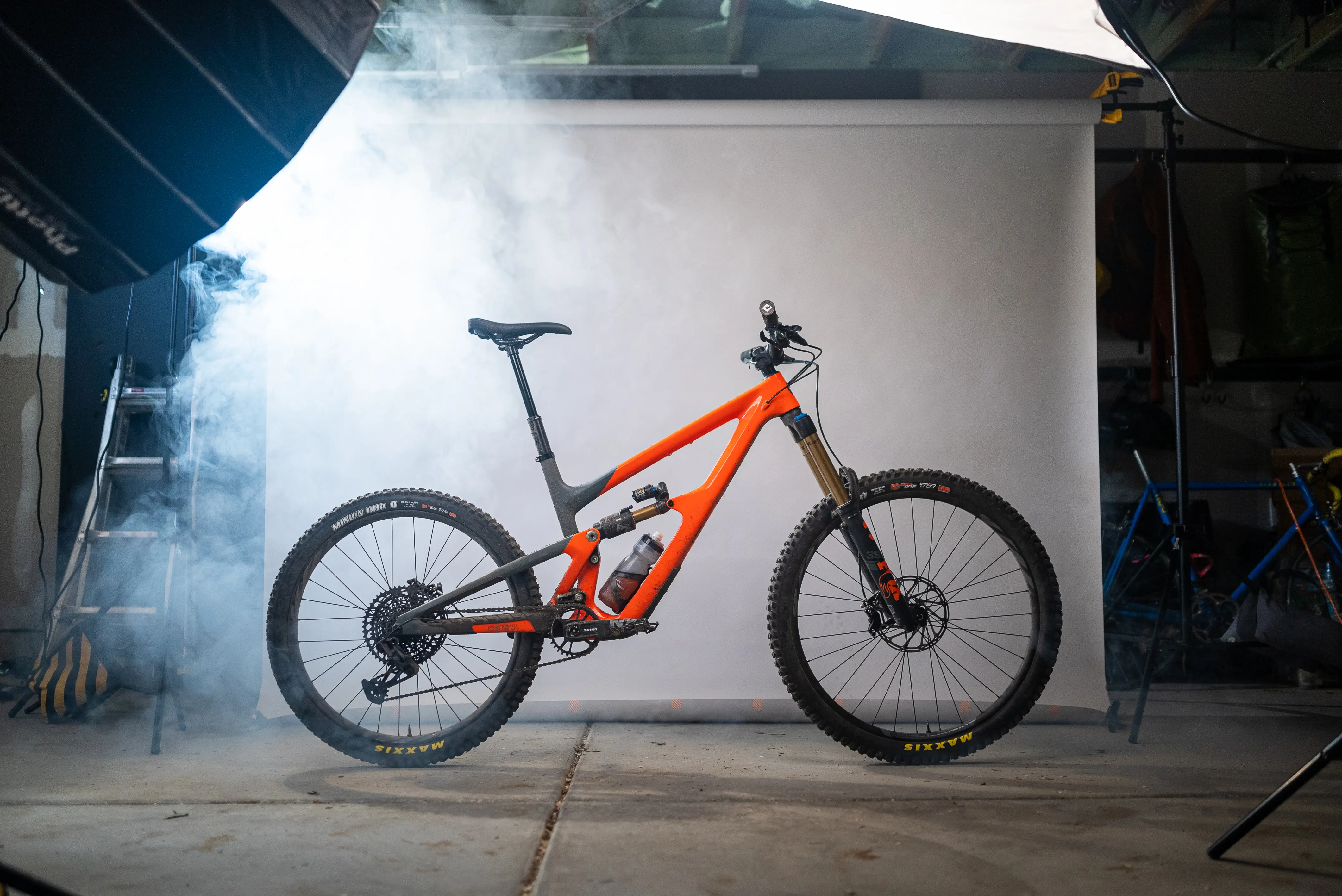
Introduced in 2023, the Ibis HD6 is a dedicated mixed-wheel enduro bike built around 165mm of rear suspension and a 180mm fork. It represents a visual and structural shift for the brand, adopting a straighter frame silhouette and a revised DW-link layout that moves the upper link forward of the seat tube. Positioned as the longest-travel bike in the Ibis lineup, it targets enduro racers and aggressive riders who want substantial suspension without losing pedaling efficiency.
The carbon-only frame platform relies on modern, practical standards, including a threaded bottom bracket, SRAM UDH compatibility, and a 34.9mm seat tube. By pairing a 29-inch front wheel with a 27.5-inch rear wheel, the HD6 is designed to balance high-speed stability with tight-corner maneuverability, catering to riders who prefer an active, dynamic approach to descending rather than simply plowing through rough terrain.
Where to get it.
No retailers stocking size M.
No retailers carrying size M right now.
Spec sheet.
Every component shipped with this build.
Geometry & fit.
5 sizes published.
Ibis uses a numeric sizing system spanning five sizes, aiming to help riders choose based on reach and handling preferences rather than traditional labels. The geometry pairs a moderately slack head tube angle with a steep seat tube angle that increases on larger frames, keeping taller riders centered over the bottom bracket during seated climbs.
The most defining geometric trait is the chainstay length, which remains a compact 435mm across all five sizes. Combined with the smaller rear wheel, this short rear center dictates much of the bike's handling, making it highly maneuverable in tight corners and easy to manual. However, for taller riders on the largest frames, the static chainstay length creates a rearward weight bias that requires a deliberate, forward-leaning posture to maintain front-wheel traction.
Up front, the HD6 features notably short head tubes, resulting in a low stack height. When paired with the long-travel fork, this low front end can feel pronounced as the fork compresses on steep terrain. Many riders compensate by running higher-rise handlebars or adding stem spacers to achieve a more neutral descending position.
Where the handlebar sits relative to the bottom bracket — the single most important fit pair.
01Fit geometry6 values
02Component geometry4 values
03Handling geometry8 values
Which size should I buy?
Slide your height to see the recommended size. GearWise's fit algorithm works from the published stack, reach, and ETT — the brand's own recommendation may differ.
→Calculated from GearWise's own stack / reach / ETT algorithm — the brand's size chart may recommend a different size, and a proper bike fit beats any calculator.
The lineup.
5 builds, ranging $4,999 – $9,999.
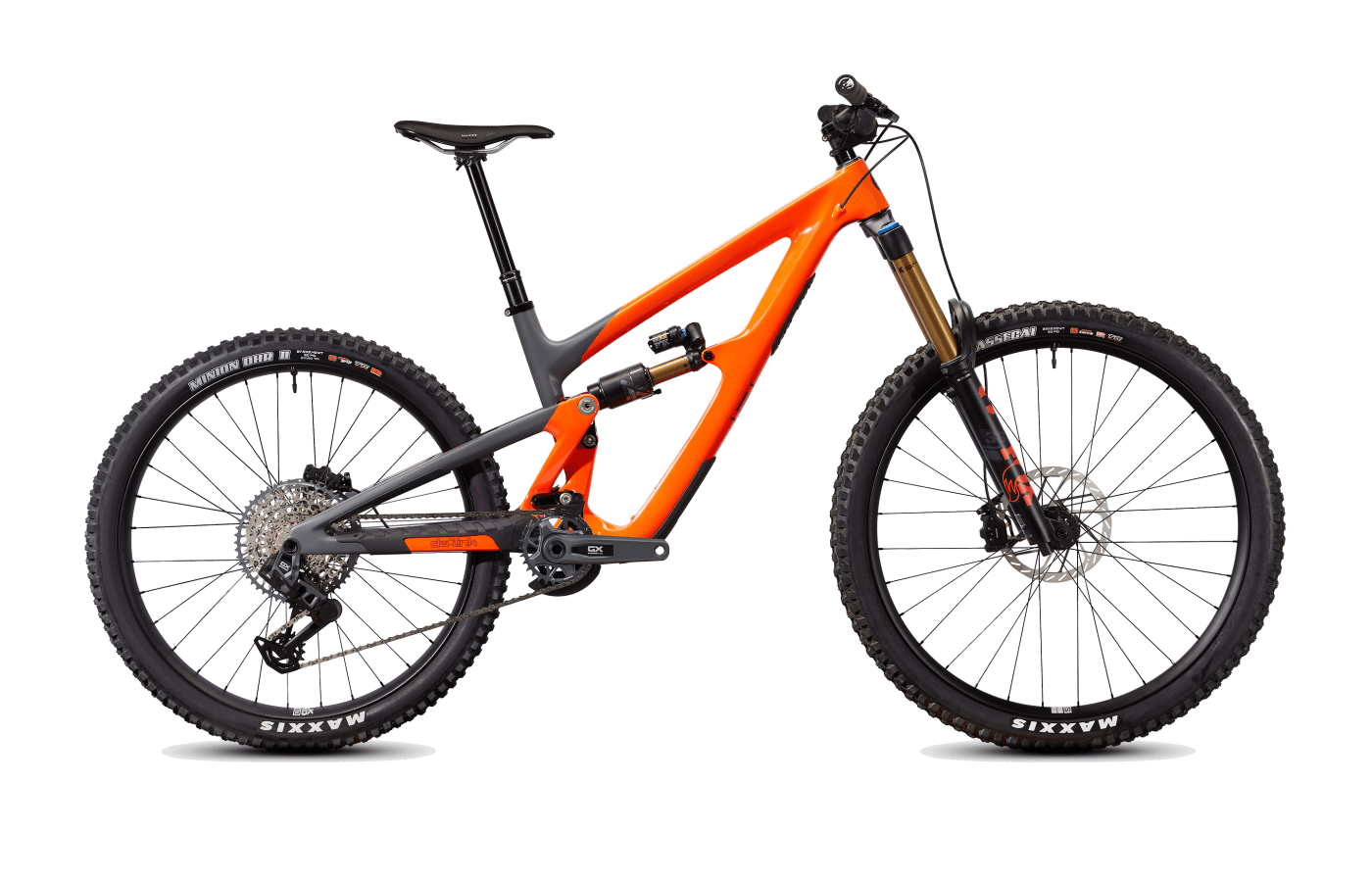
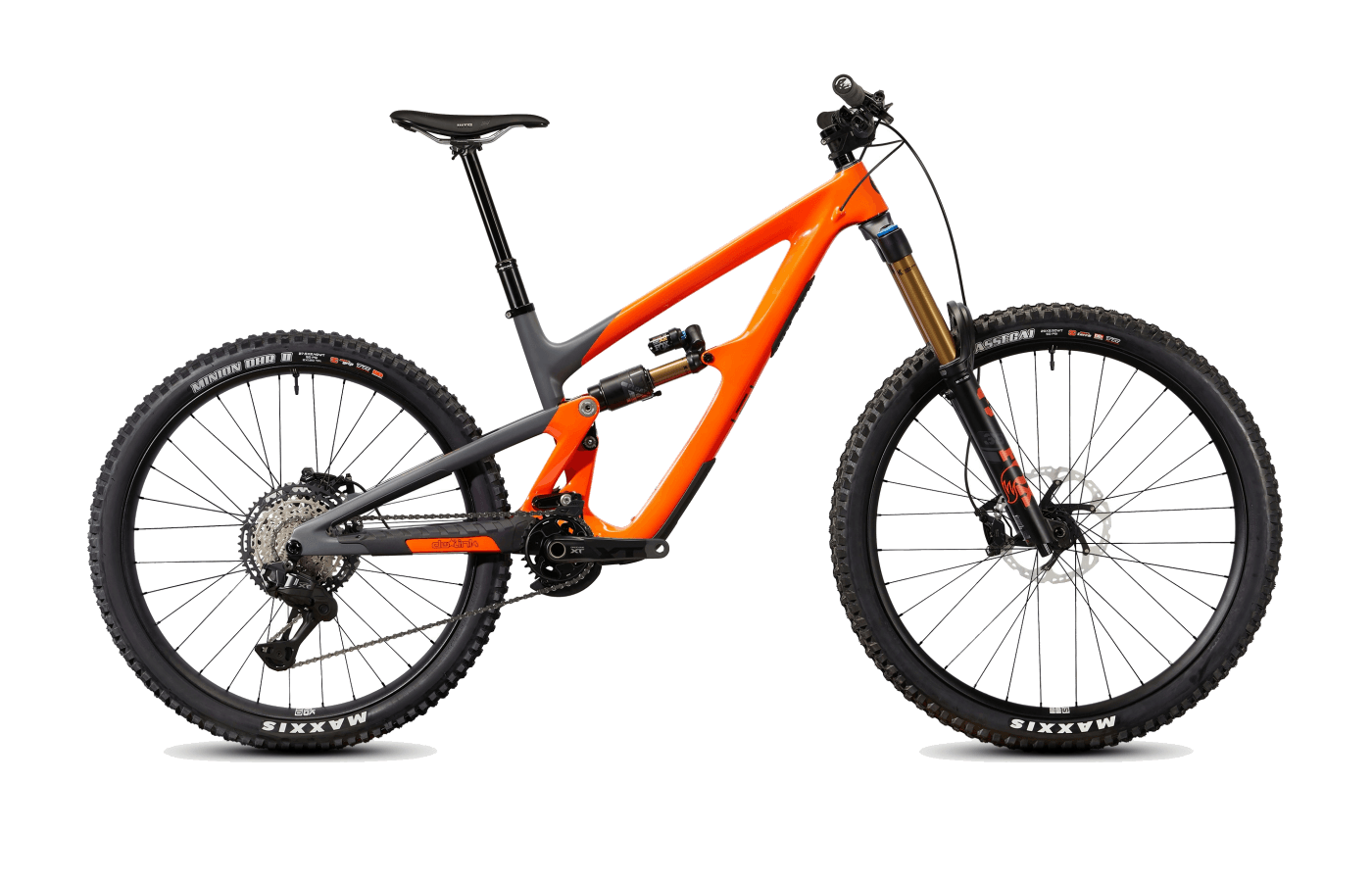
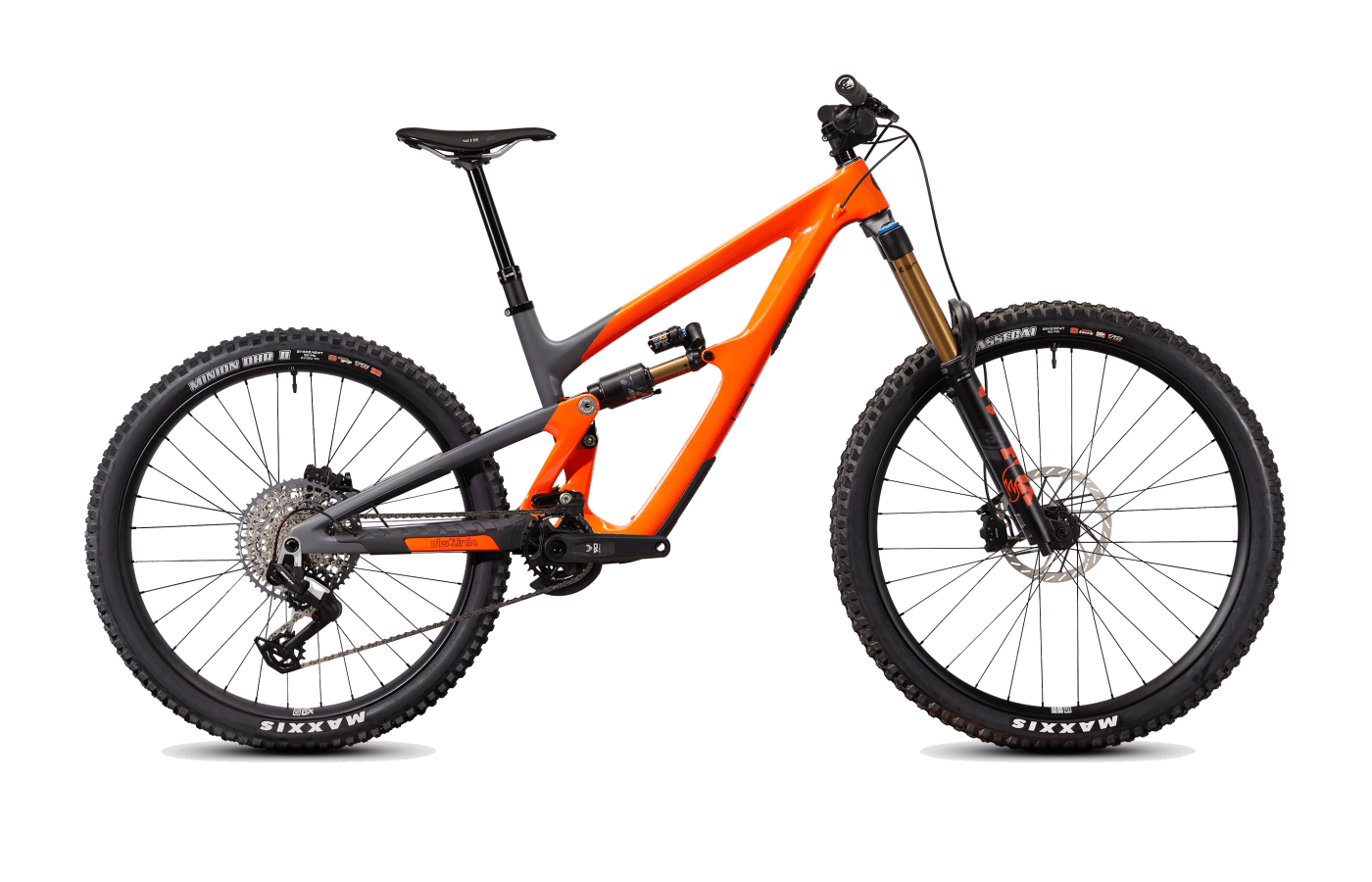
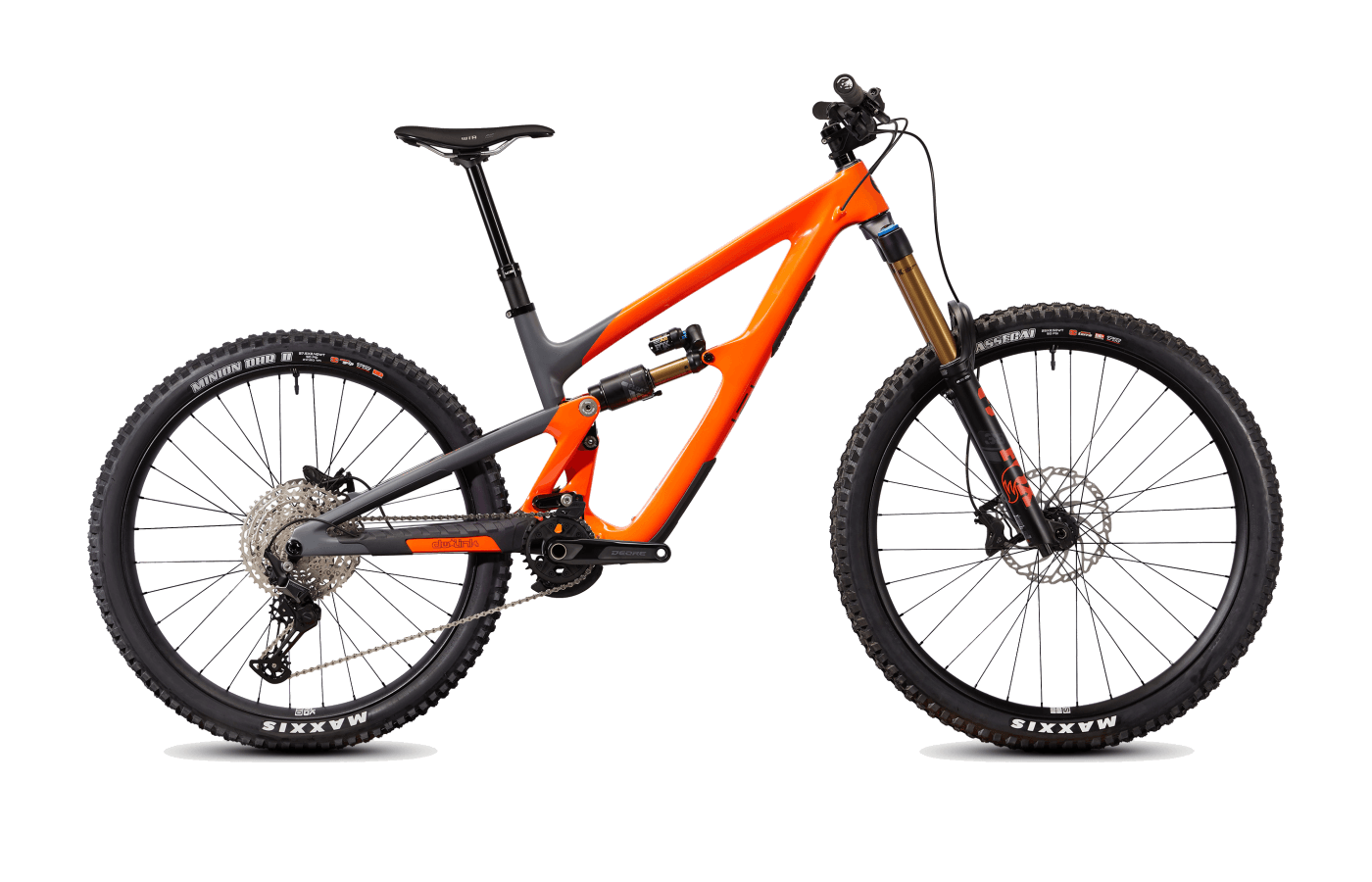
The HD6 lineup spans five carbon-framed builds, ranging from Shimano Deore to premium Shimano XTR or SRAM Transmission specifications. A standout feature of the pricing structure is that Ibis equips every build with top-tier Fox Factory suspension. Whether selecting the entry-level option or the flagship model, riders receive a Fox 38 Factory fork and a Float X2 Factory shock, securing high-end damping performance across the board.
Mid-tier builds featuring Shimano SLX or XT drivetrains are frequently highlighted as the sweet spot for value, pairing the premium suspension with reliable four-piston brakes and durable alloy wheelsets. Moving up the ladder introduces electronic shifting and carbon handlebar upgrades, alongside the option for Ibis carbon rims laced to Industry Nine hubs.
While the component choices are generally well-regarded, the dropper post specifications draw some criticism on the highest-end models. The flagship SRAM AXS builds utilize a 170mm Reverb AXS post, which many riders find too short for a modern enduro frame designed around a 34.9mm seat tube. In contrast, the mid-range builds utilize mechanically actuated posts that offer more generous drop lengths on larger frame sizes.
From the press.
21 reviews from the cycling press.
Reviewers consistently praise the HD6 for masking its long travel on the climbs, noting that the DW-link suspension provides a firm pedaling platform with minimal bob. Multiple testers found it surprisingly energetic on ascents, with one noting it feels "unimaginably snappy for a 165mm enduro sled" (Mountain Bike Action). The bike maintains momentum well on rolling terrain, though a few riders mentioned that its slack geometry requires deliberate weight shifts to keep the front wheel tracking on steep, technical climbs.
Pointed downhill, the bike earns high marks for its cornering agility and composure. The mixed-wheel setup and supportive suspension encourage an active riding style. Rather than muting the trail entirely, the chassis delivers an "agile, lively ride" (BikeRadar) that responds well to pumping and jumping. When pushed into heavy impacts, the rear end remains predictable and "handles impacts of all sizes effectively, but most importantly, with consistency" (PinkBike).
The primary tradeoff noted by testers is the bike's behavior on extremely steep, sustained descents. Because the front end sits relatively low and the chainstays are short, the HD6 demands a precise, forward-biased riding posture. Riders who fail to actively weight the front wheel may experience understeer, making it less forgiving of lazy technique than heavier, longer-wheelbase alternatives.
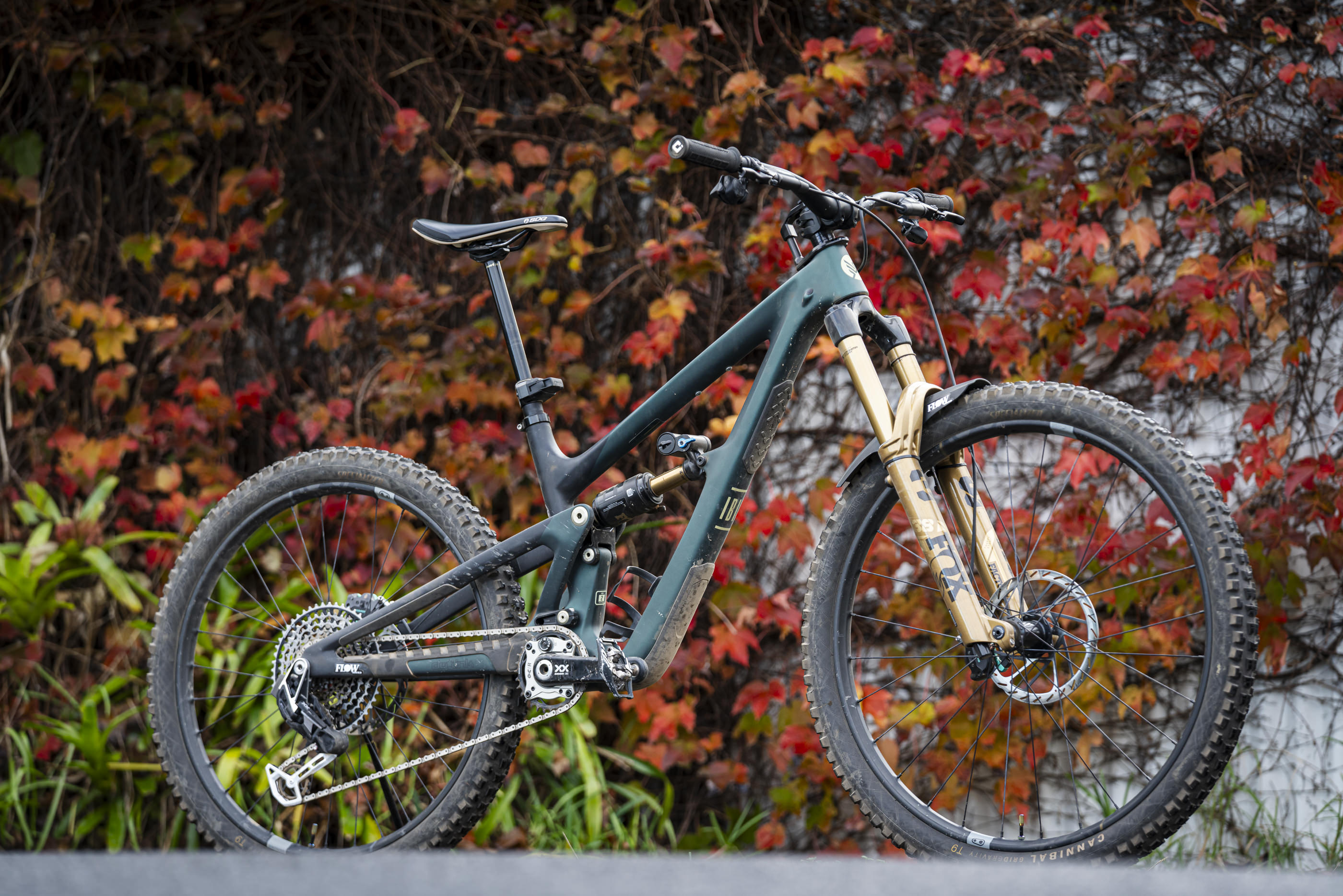
Staff Rides | Mick's Ibis HD6, Reborn
![[4k] 2024 IBIS HD6 Full Review](https://img.youtube.com/vi/KHvTNfeU3aY/hqdefault.jpg)
[4k] 2024 IBIS HD6 Full Review
The Ibis HD6 Catfished Me? (Long Term Bike Review)
2024 Ibis HD6 Test Ride & Review
Ibis HD6 XT 2023 Review

Ibis HD6 SLX 2023 Review
Ibis HD6 XT review | Enduro Bike of the Year contender
ibis hd6 review—hard-hitting enduro perfection
Ibis HD6
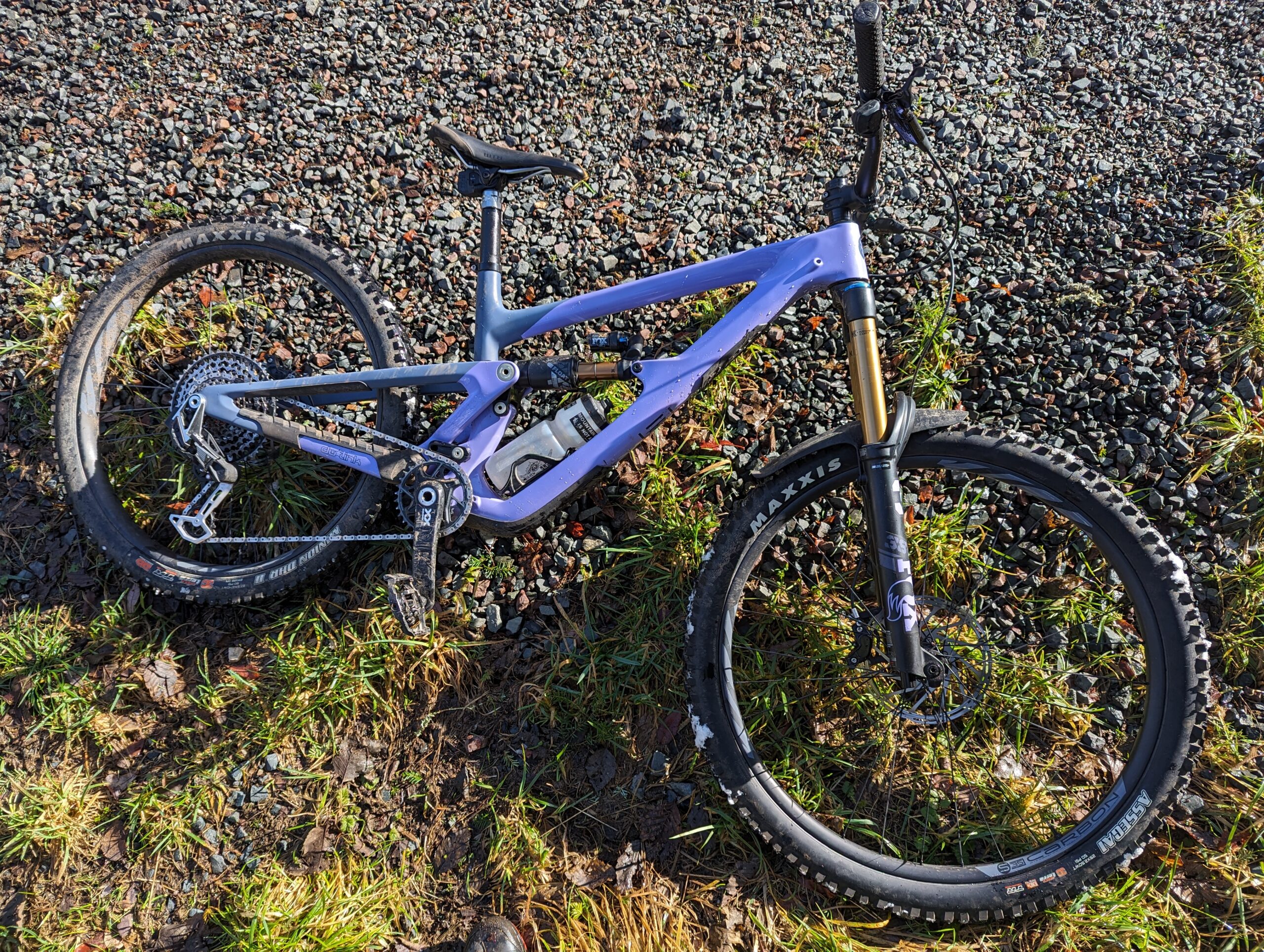
Flash Review — Ibis HD6
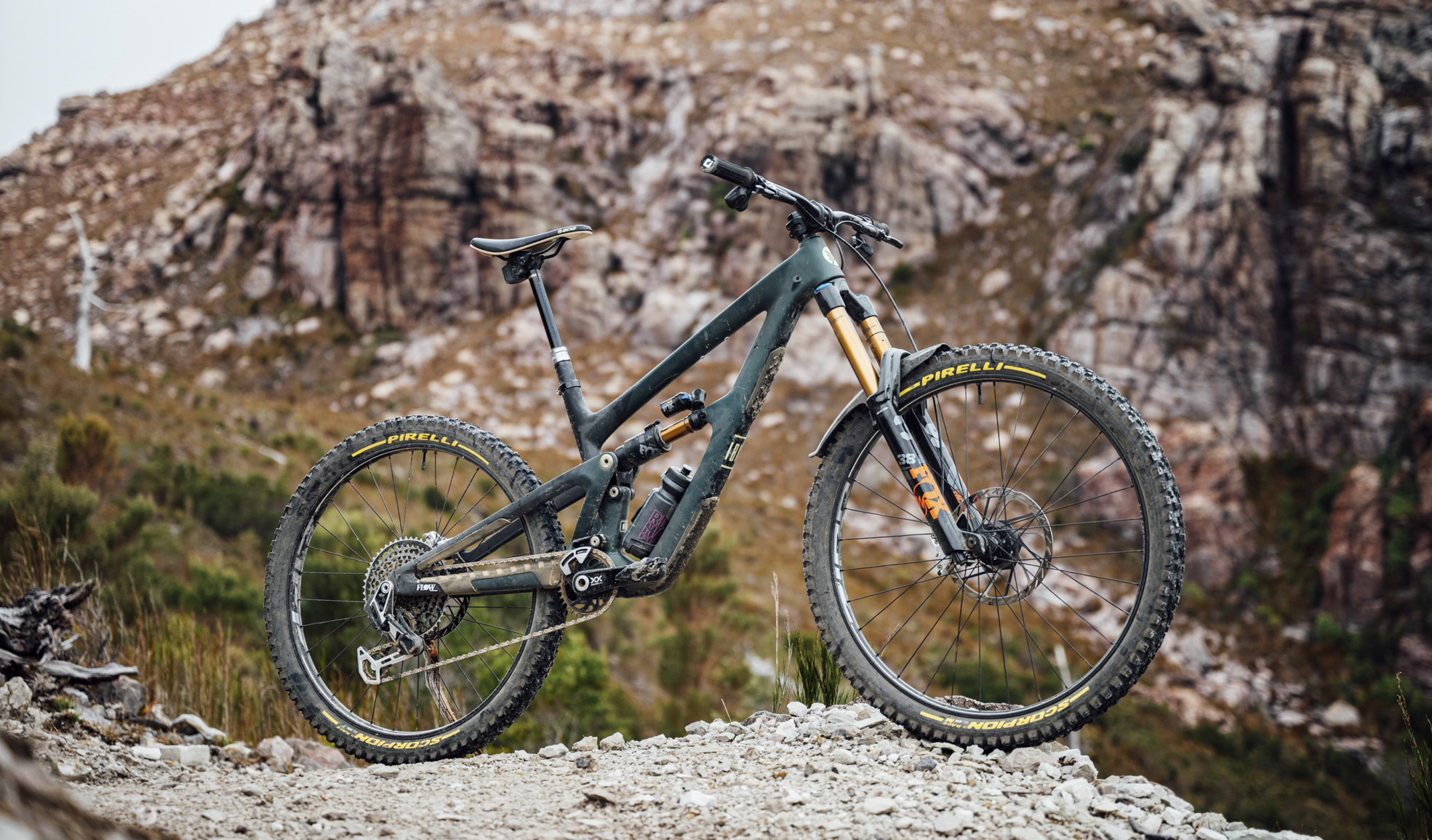
Ibis HD6 | Mick's Indomitable Custom Build, An Ongoing ...
Master The Fundamentals: Ibis HD6 Review | 2023 Pinkbike ...
Ibis HD6 review- I didn't change ANYTHING!
Ibis HD6 Review | by Jesse White | Medium
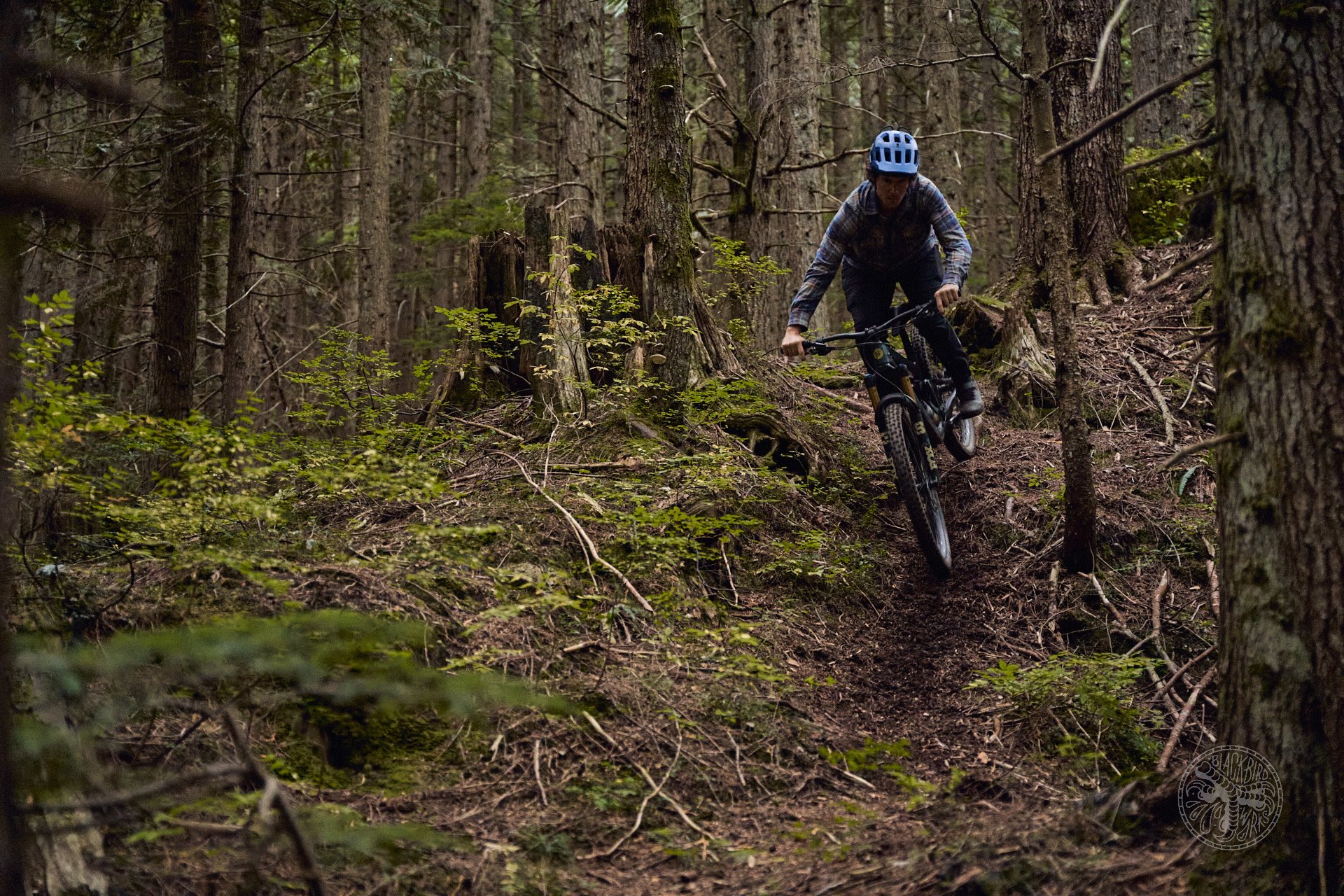
2023 Ibis HD6 Long Term Review
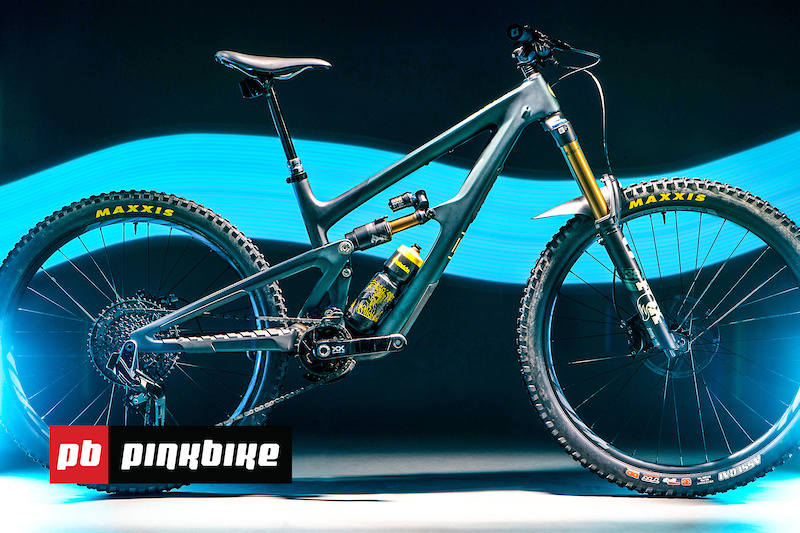
Field Test Review: 2024 Ibis HD6 - Sporty and Smashy - Pinkbike
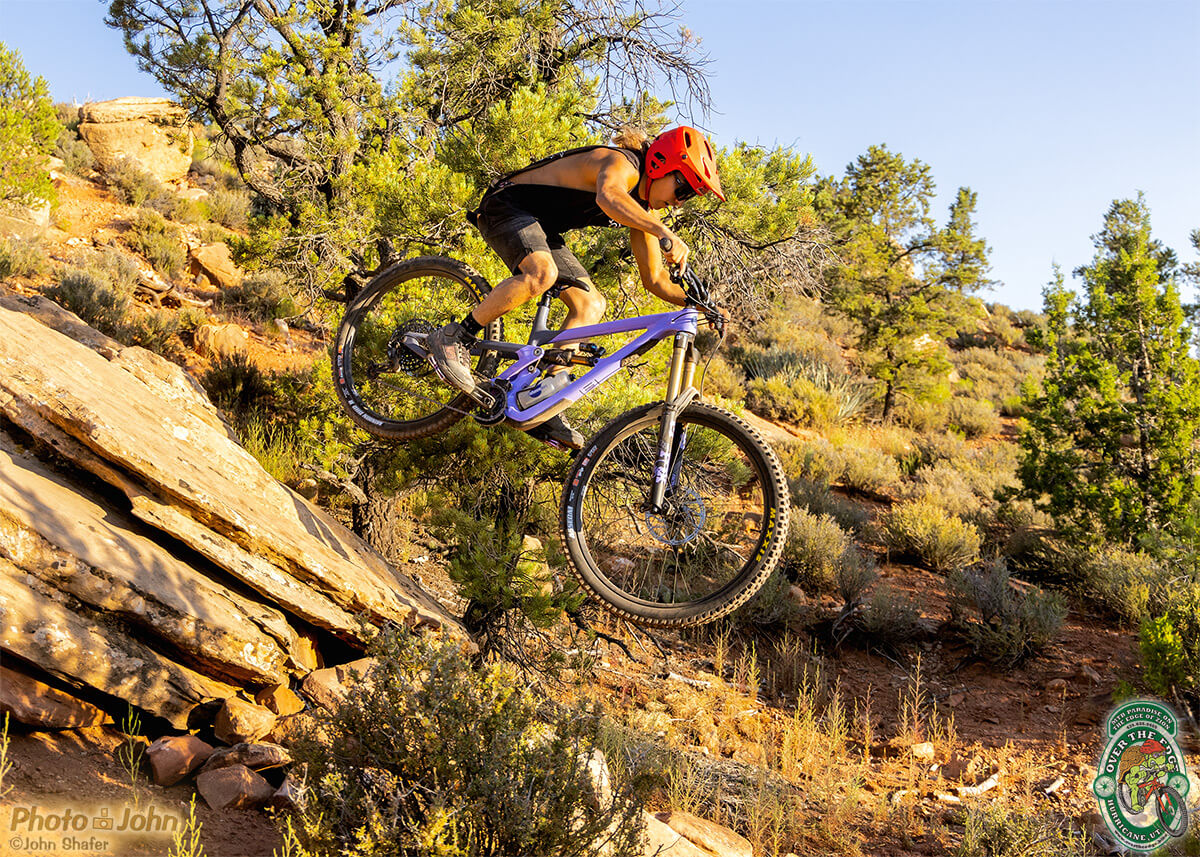
First Ride: The Ibis HD6 Enduro Bike In Southern Utah
Introducing the Ibis HD6
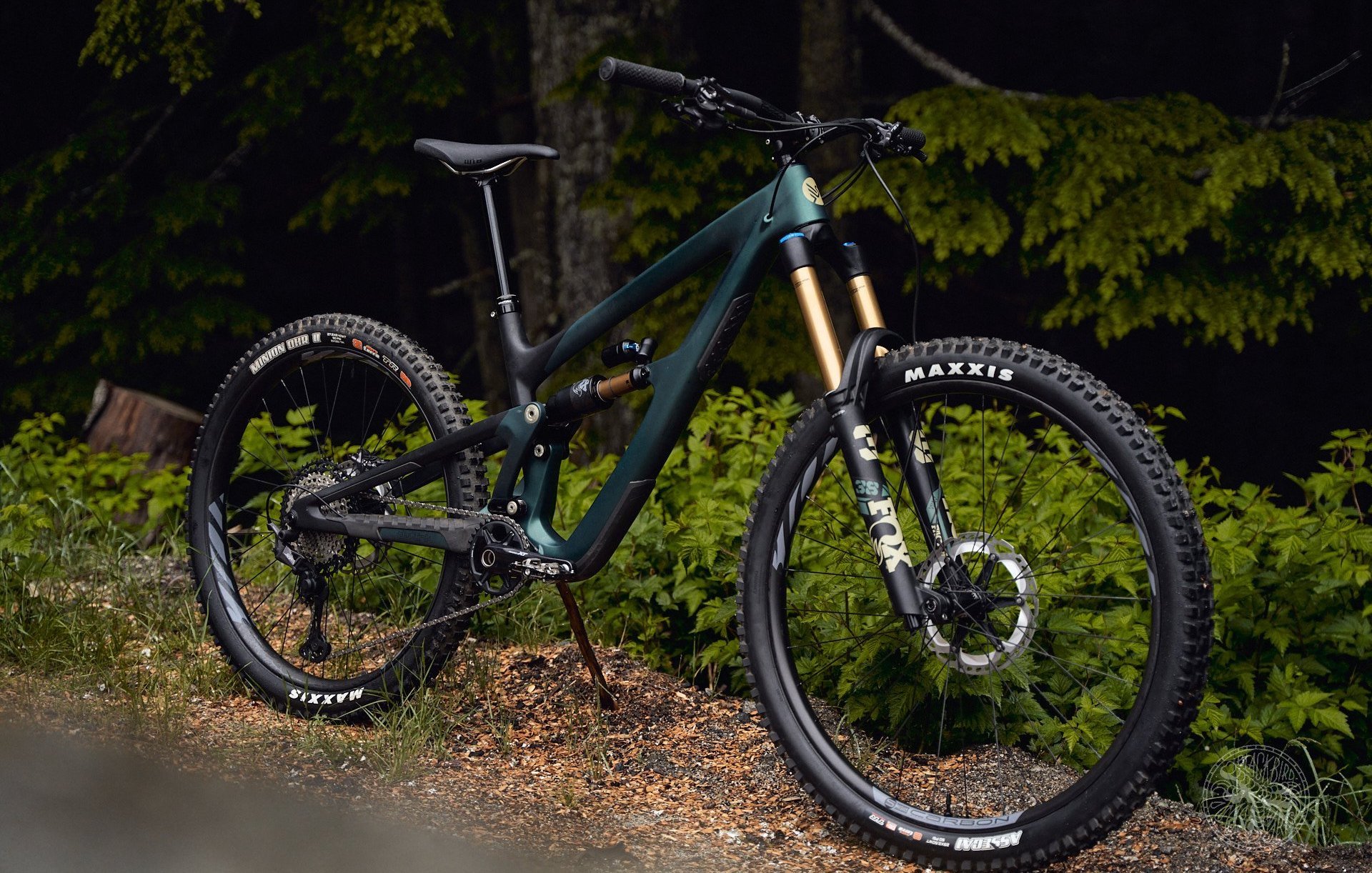
NSMB.com - Introducing the Ibis HD6
Ibis HD6 Review: The Goldilocks Enduro Bike?
Compared to.
Most-viewed comparisons.