ZFS-5 120
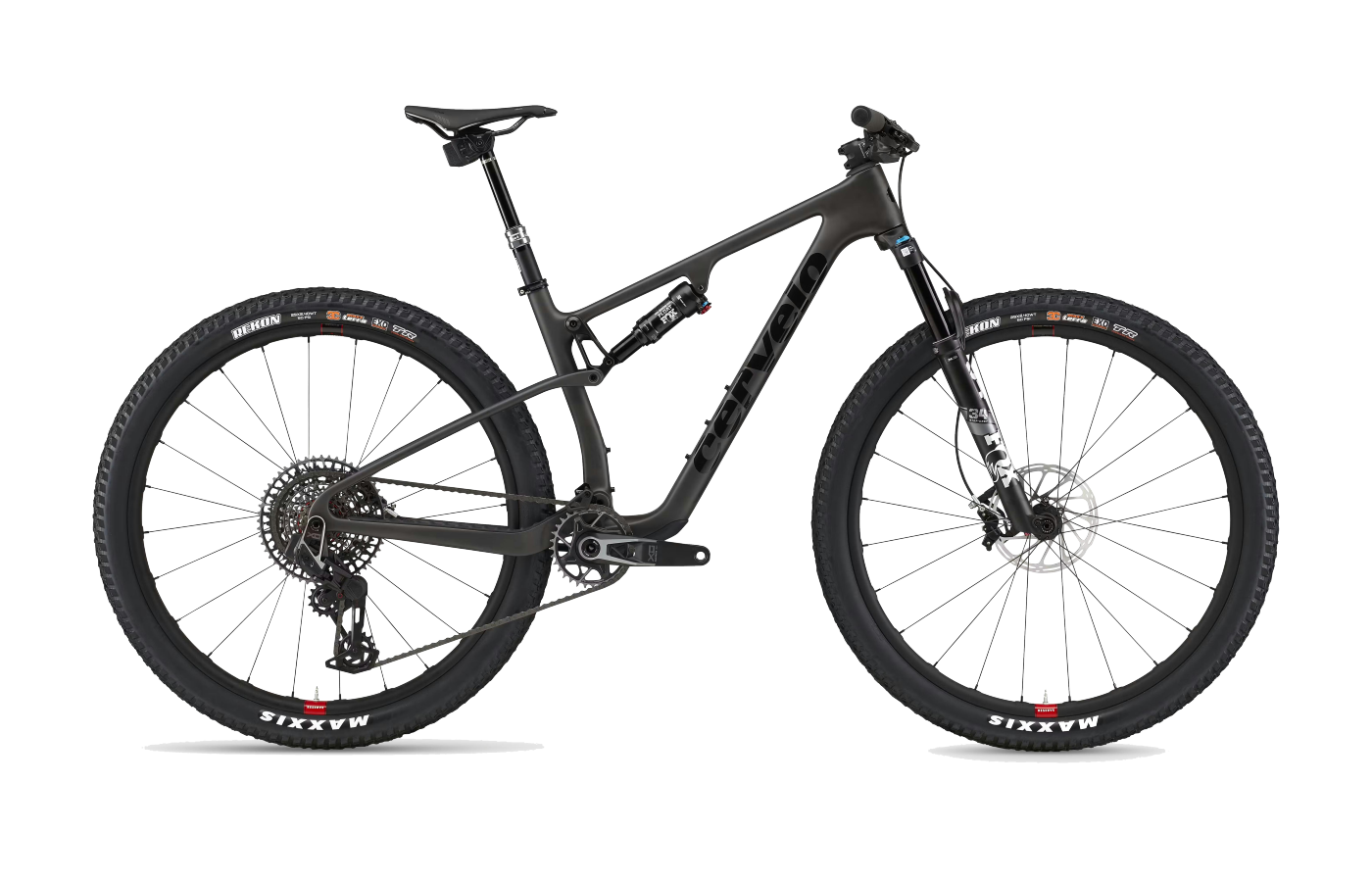
The Cervélo ZFS-5 120 is Cervélo’s interpretation of the modern downcountry-leaning XC race bike: a full-suspension platform built for current XCO tracks that are faster, rougher, and more technically demanding than traditional cross-country courses. Rather than creating a separate frame for different travel levels, Cervélo uses the same ZFS-5 chassis for both 100mm and 120mm versions, with the 120mm model achieved through a longer-stroke 190x45mm shock instead of the 190x40mm unit used on the shorter-travel setup. That makes the 120 a variation of the same race-focused platform, but one aimed more directly at riders who want extra margin and descending confidence without leaving the XC category.
The frame uses a linkage-driven single-pivot suspension layout with flex stays, a common contemporary solution in this segment because it keeps weight and complexity down while preserving pedaling efficiency. Cervélo pairs that with practical standards including a threaded BSA 73 bottom bracket and SRAM UDH compatibility, though the headset cable routing is a more divisive choice from a service standpoint. What distinguishes the ZFS-5 120 in the market is that it does not chase pure ultralight, razor-sharp XC-bike minimalism; instead, it sits in the increasingly important space between race bike and short-travel trail bike, with geometry and travel that reflect how elite XC equipment has evolved.
Geometry & fit.
4 sizes published.
The ZFS-5 120’s geometry is notably progressive for an XC bike, and the numbers show that Cervélo intended it to be more capable on descents than older race platforms. Across the size range, the head angle sits at 66.6-66.7 degrees, which is quite slack by cross-country standards and should add front-end stability on steep or rough terrain. Reach figures are modern without being extreme—433mm in Medium, 457mm in Large, and 484mm in XL—paired with stacks from 600mm to 624mm, suggesting a fit that can still be raced aggressively but is less cramped and twitchy than traditional XC bikes. The effective seat tube angle stays around 75 degrees, which helps keep the rider centered for seated climbing and efficient pedaling.
Chainstay lengths grow slightly with size, from 432mm in Small to 440mm in XL, which is a sensible proportional approach that should help preserve weight balance across the range. Wheelbase numbers are correspondingly substantial for the category, at 1159mm in Medium and 1190mm in Large, reinforcing the bike’s stable, composed character at speed. A 33mm bottom bracket drop is fairly typical for this class, balancing cornering confidence with pedal-clearance needs on technical XC courses. Overall, the geometry points to a bike that should feel planted and forgiving for an XC machine, while still retaining the efficient rider position expected of a race-oriented platform.
Where the handlebar sits relative to the bottom bracket — the single most important fit pair.
01Fit geometry5 values
03Handling geometry7 values
Which size should I buy?
Slide your height to see the recommended size. GearWise's fit algorithm works from the published stack, reach, and ETT — the brand's own recommendation may differ.
→Calculated from GearWise's own stack / reach / ETT algorithm — the brand's size chart may recommend a different size, and a proper bike fit beats any calculator.
The lineup.
4 builds, ranging $5,250 – $8,700.
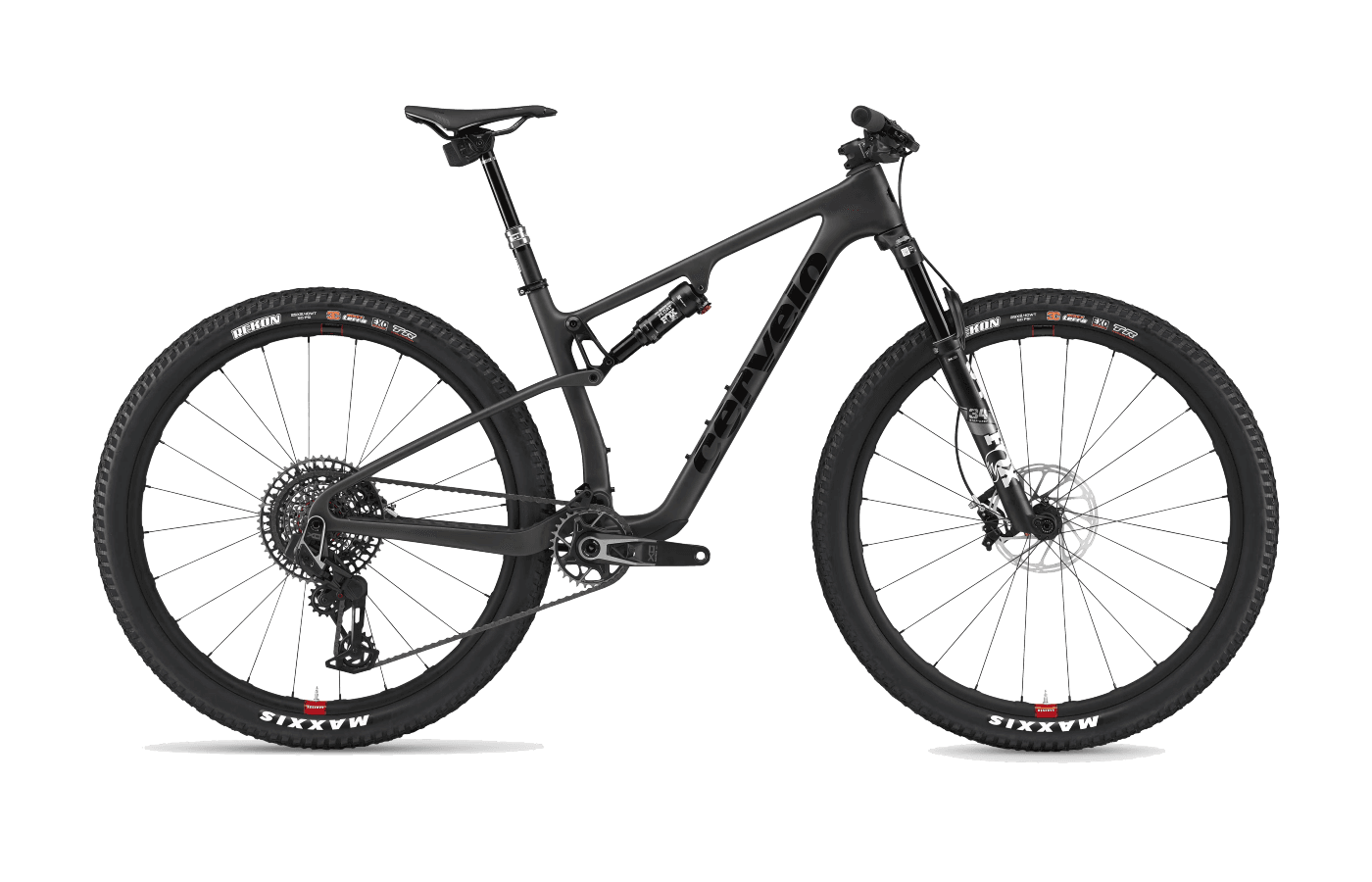
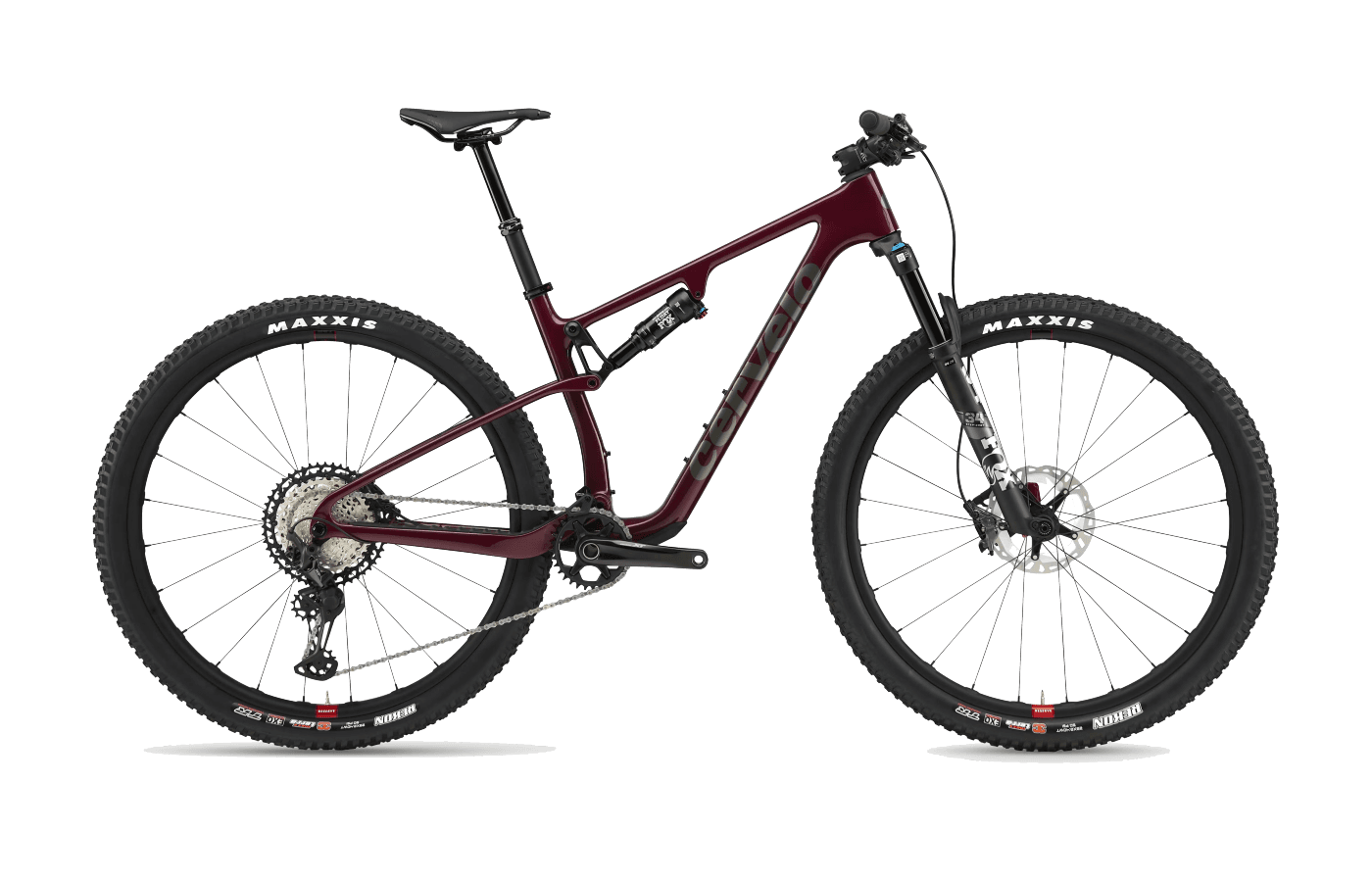
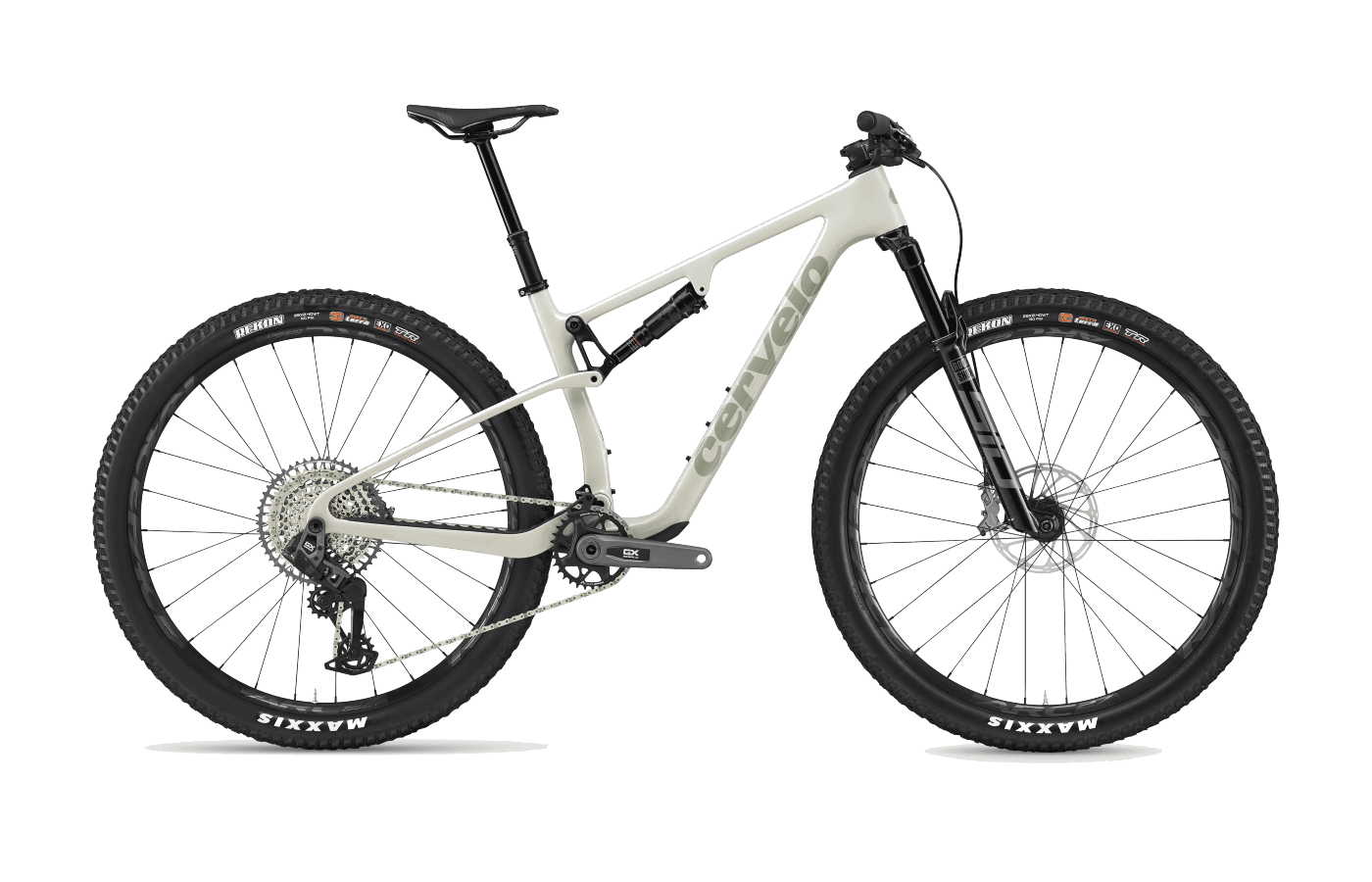
The ZFS-5 120 range spans four builds from $5,250 to $8,700, with drivetrain choice and electronic shifting doing much of the price separation. The entry point is the 120 GX Eagle at $5,250, followed by the 120 GX AXS at $6,500, which brings SRAM’s wireless shifting to a more attainable point in the lineup. Above that, the 120 XT at $7,000 offers a Shimano-based alternative, while the top-end 120 X0 AXS at $8,700 is the premium SRAM option.
From the available build information, the main distinction is whether a rider wants mechanical SRAM GX, wireless SRAM GX AXS, Shimano XT, or higher-end SRAM X0 AXS. That gives the lineup a clear structure: the GX Eagle model is the value-oriented way into the frame, GX AXS targets riders who prioritize electronic shifting without going to the top tier, XT serves buyers committed to Shimano, and X0 AXS is the flagship build for riders willing to pay for the lightest and most premium SRAM option in the range.