Sender
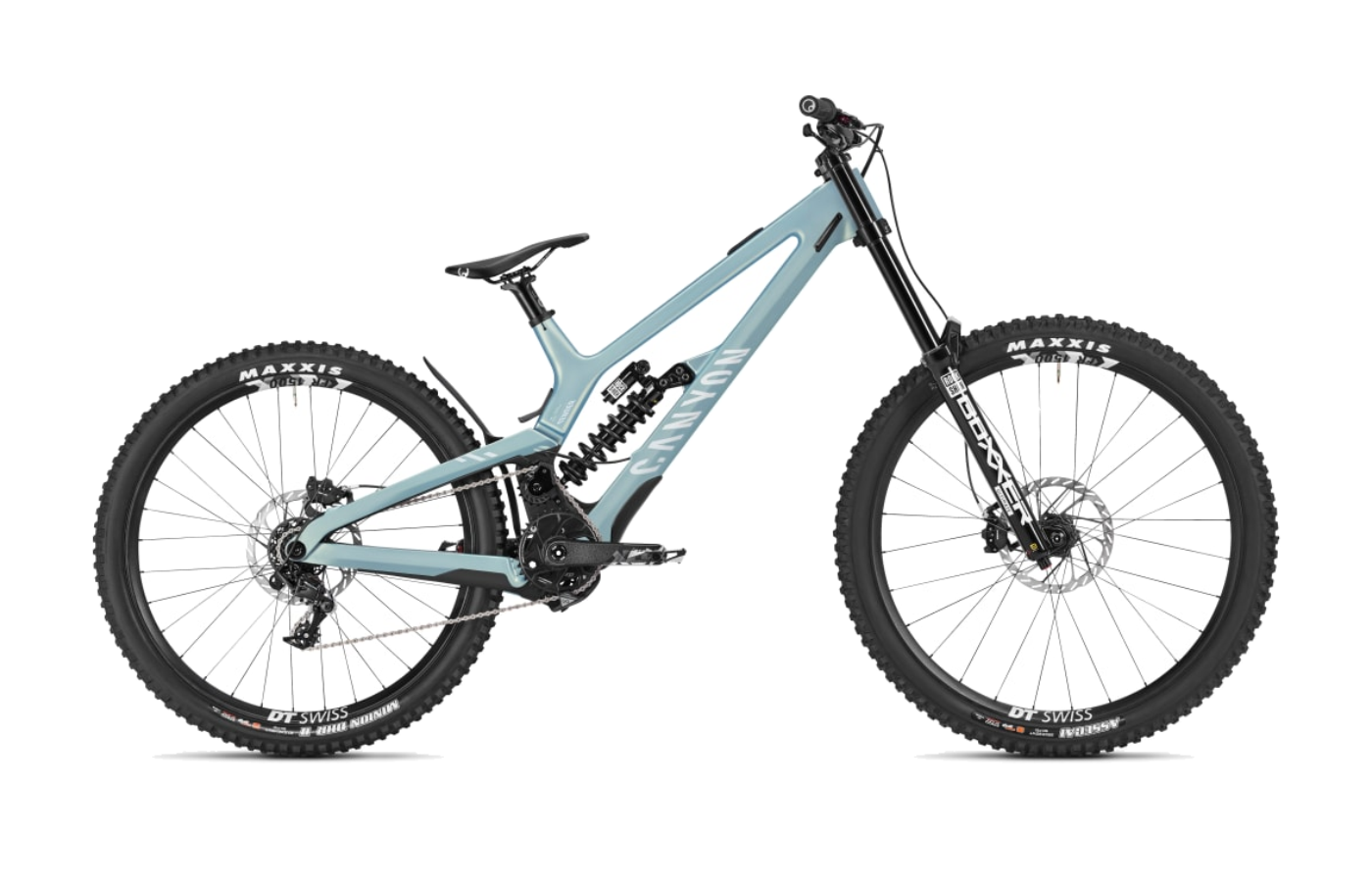
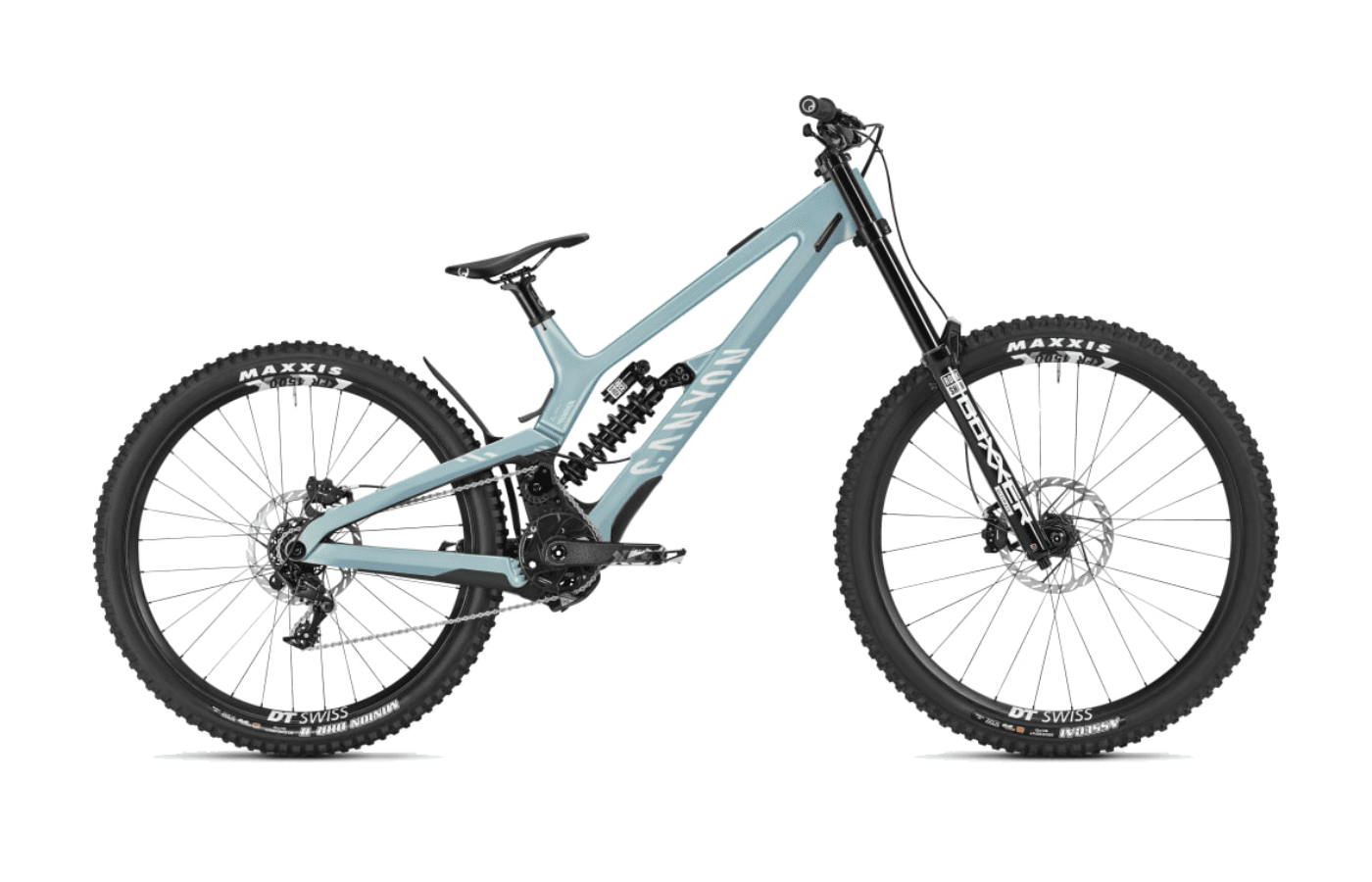
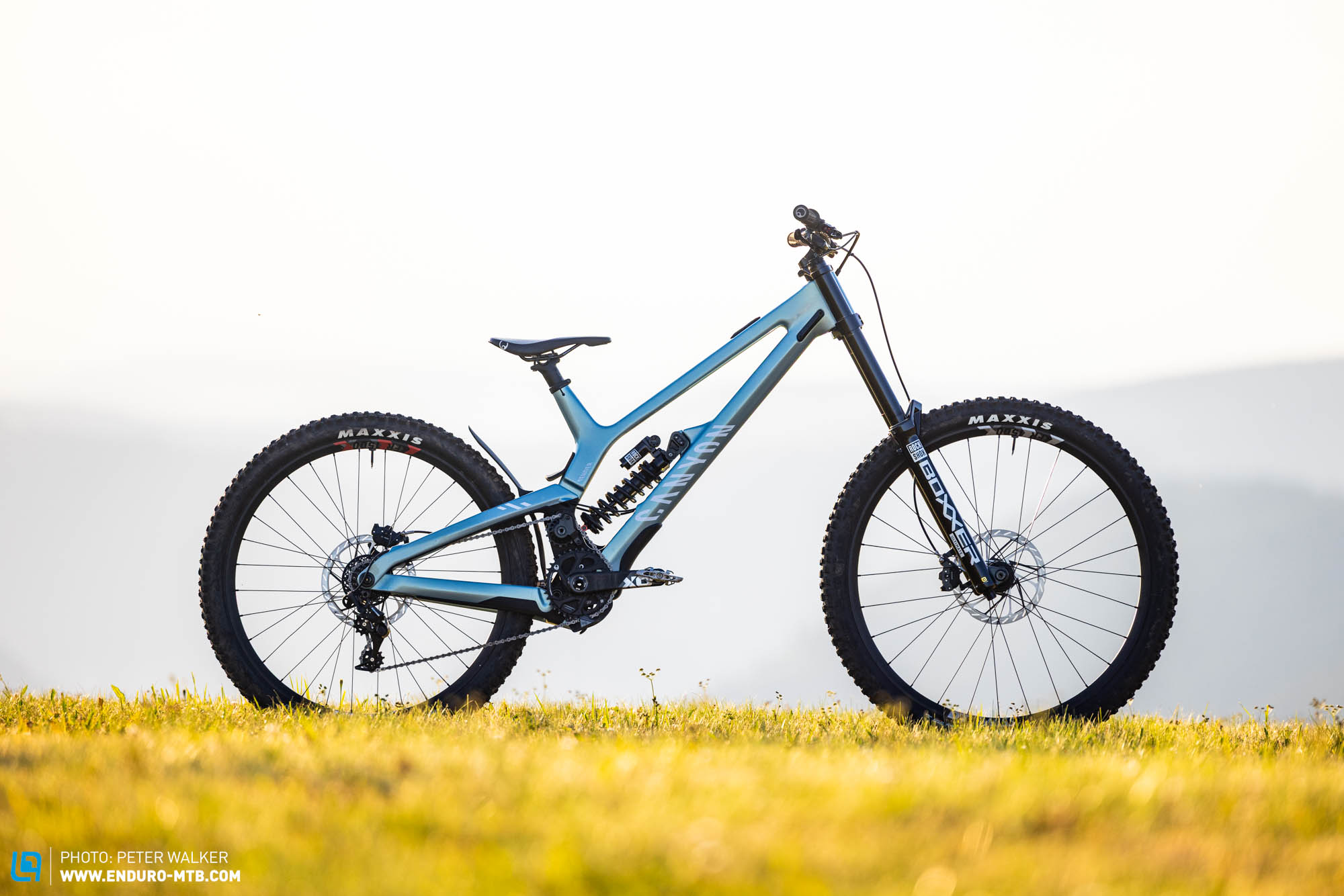
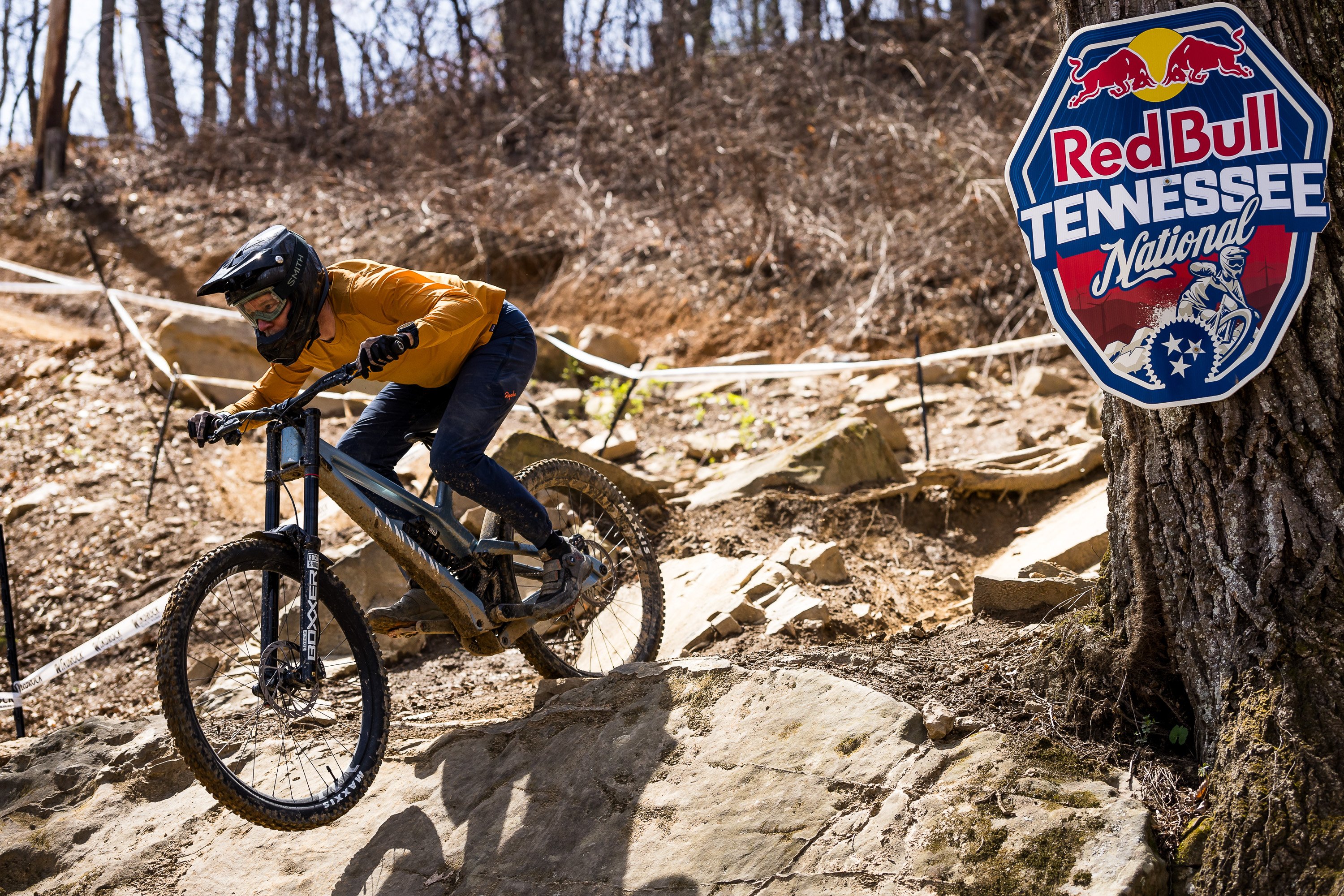
The third-generation Canyon Sender CFR is an uncompromising downhill race bike engineered specifically for World Cup tracks. Moving away from its predecessor's traditional layout, this iteration adopts a high-pivot suspension design with an idler pulley, aiming to carry maximum momentum through the roughest terrain. Canyon standardizes a mullet wheel configuration across all four frame sizes and introduces highly tunable kinematics, including adjustable reach and suspension progression. This is not a versatile park bike designed for casual laps; it is a dedicated race chassis built to manage high speeds and heavy impacts. The platform suits aggressive riders and privateer racers who prioritize outright speed and stability over low-speed playfulness. By focusing heavily on chassis composure under braking and square-edge bump absorption, the Sender Gen 3 demands an active, forward-driving riding style to fully utilize its rearward axle path and race-tuned geometry.
Geometry & fit.
4 sizes published.
The Sender’s geometry is defined by its extensive adjustability and a rearward axle path that dynamically alters the bike's footprint on the trail. While the static chainstays are notably short at 438mm across all sizes, the high-pivot design causes the rear center to grow by roughly 17mm at sag, lengthening the wheelbase to prioritize high-speed stability when the suspension is loaded.
Rider fit is highly customizable. Canyon utilizes drop-in headset cups that allow for eight millimeters of reach adjustment in either direction, letting riders fine-tune the front center for tighter tracks or faster, open courses. A flip chip at the upper shock mount also provides a five-millimeter bottom bracket height adjustment, which slightly tweaks the 63-degree head tube angle. Reviewers note that the bottom bracket feels quite low even in the higher setting, leading to frequent pedal strikes in rocky terrain unless the suspension is set up with a stiffer spring rate. The cockpit features Canyon's in-house G5 aluminum components, including an 800mm handlebar and a 45mm stem, keeping the rider in a commanding, race-ready posture.
Where the handlebar sits relative to the bottom bracket — the single most important fit pair.
01Fit geometry6 values
03Handling geometry4 values
Which size should I buy?
Slide your height to see the recommended size. GearWise's fit algorithm works from the published stack, reach, and ETT — the brand's own recommendation may differ.
→Calculated from GearWise's own stack / reach / ETT algorithm — the brand's size chart may recommend a different size, and a proper bike fit beats any calculator.
The lineup.
1 build, ranging $7,799.
In the US market, the Sender Gen 3 is offered exclusively in the top-tier CFR Team build, though a more value-focused CFR model is available in other regions. The CFR Team package is aggressively priced for a flagship race bike and leaves virtually no need for immediate upgrades. It features a full RockShox Ultimate suspension suite, pairing a 200mm BoXXer Ultimate fork with a Vivid Coil Ultimate DH shock.
The drivetrain relies on SRAM’s proven X01 DH 7-speed system, while stopping duties are handled by SRAM Maven Silver four-piston brakes paired with thick 200mm HS2 rotors. Rolling stock consists of a durable DT Swiss FR1500 aluminum wheelset wrapped in Maxxis Assegai and Minion DHR II tires, both utilizing the heavy-duty DH casing and ultra-tacky MaxxGrip compound.
The carbon frame includes Canyon’s K.I.S. steering stabilization system integrated into the top tube, though reviewers frequently opted to turn the tension down or remove it entirely. Maintenance is simplified for privateers through fully guided internal cable routing, easily accessible pivot hardware, and threaded aluminum frame inserts that prevent carbon damage from overtightened bolts.
From the press.
5 reviews from the cycling press.
Reviewers universally characterize the Sender as a demanding but highly rewarding race machine that excels on steep, chaotic tracks. The high-pivot suspension is frequently praised for its ability to iron out square-edged hits and maintain momentum. As one tester noted, the bike "thrives when you hit things hard and fast" (NSMB), allowing riders to push through deep compressions without losing speed. However, this singular focus means the bike can feel sluggish if not ridden aggressively. Testers found that it "demands direction, pressure and an active riding style" (Enduro MTB), punishing passive inputs or slower speeds.
A major talking point among reviewers is the bike's unusually high anti-rise, which sits around 130 percent at sag. This kinematic choice keeps the chassis remarkably stable under heavy braking, preventing the fork from diving and allowing riders to brake later into corners. While most testers appreciated this geometry preservation, it requires adaptation. One reviewer found the characteristic "very noticeable," noting that the rearward weight shift under braking occasionally caused a lack of front wheel pressure that made it harder to accelerate out of turns (YouTube).
Despite its plow-like tendencies in the rough, the bike retains a surprising degree of maneuverability. The mullet wheel setup and short static chainstays help riders navigate tight sections, proving that while it prioritizes brute speed, it still offers a "solid balance of growth and agility in tighter corners" (Theloamwolf).
Canyon Sender CFR Team – In Our Group Test for the Best ...
First Ride Review: Canyon Sender Gen 3

Canyon Sender 2025 review: How good is the World Cup ...
Canyon Sender CFR Gen 3 Review | Best DH Bike of 2025?
2025 Canyon Sender CFR
Compared to.
Most-viewed comparisons.