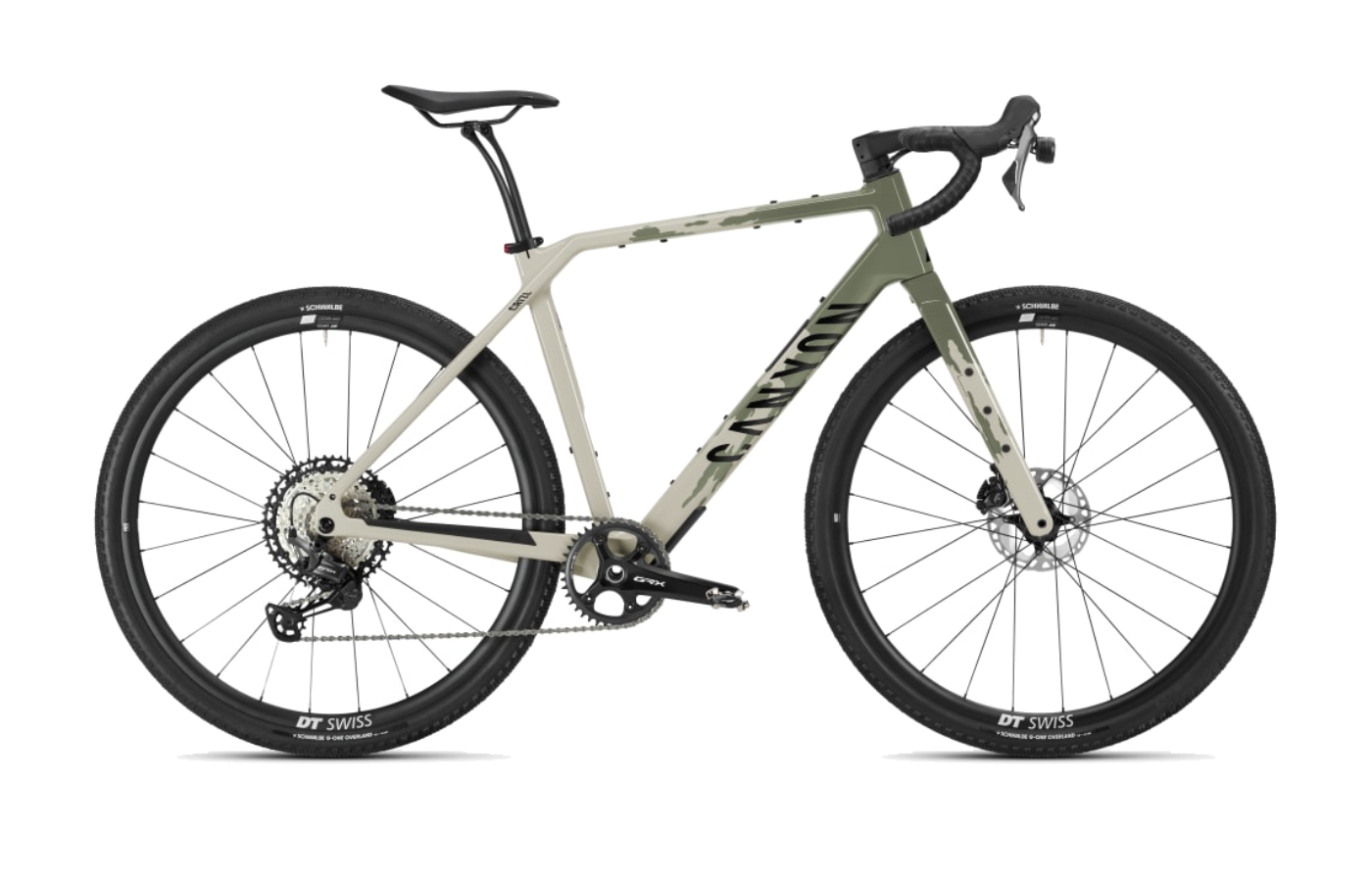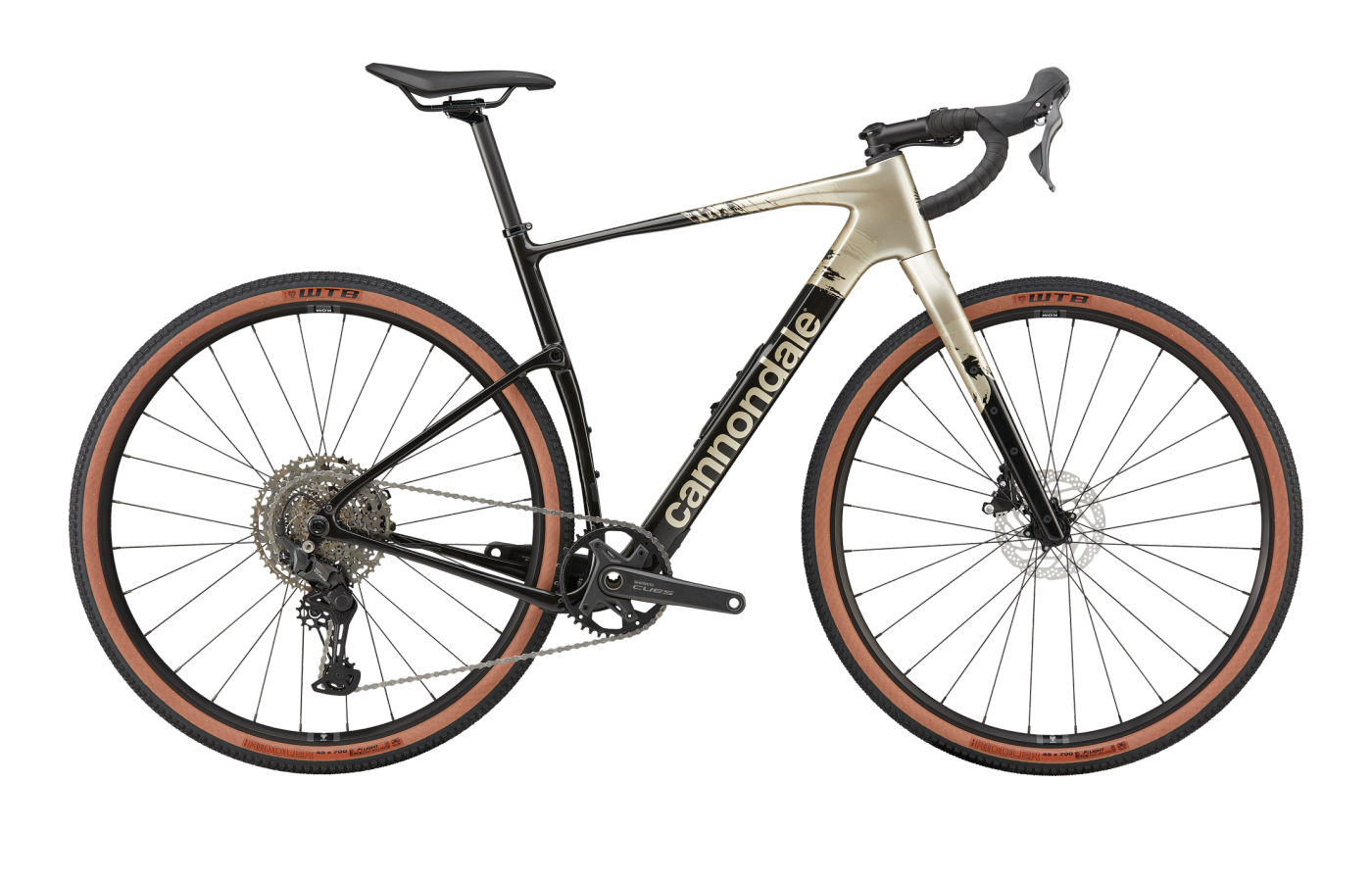
The third-generation Cannondale Topstone Carbon remains a dedicated adventure gravel bike, built around the brand's signature KingPin rear suspension system. By utilizing a thru-axle pivot in the seat tube, the frame provides up to 30 millimeters of rear-wheel flex to isolate the rider from rough surfaces without the complexity of a traditional shock. For this generation, Cannondale modernized the platform with a Universal Derailleur Hanger, internal downtube storage, and significantly expanded tire clearance. The bike is offered in two distinct configurations: traditional rigid carbon fork models for maximum tire volume and bikepacking utility, and builds equipped with the distinctive single-sided Lefty Oliver suspension fork for aggressive riding on heavily degraded roads. It suits endurance riders and gravel racers who prioritize long-distance fatigue management and traction over raw sprint acceleration or ultra-lightweight climbing metrics.
Where to get it.
No retailers stocking size 54.0.
No retailers carrying size 54.0 right now.
Spec sheet.
Every component shipped with this build.
Geometry & fit.
6 sizes published.
Cannondale utilizes its OutFront geometry concept for the Topstone Carbon, pairing a relatively slack head tube angle with a long 55-millimeter fork offset. This approach pushes the front wheel further forward to increase stability on fast descents while keeping the steering response quick enough for tight gravel corners. The frame features a notably low bottom bracket drop, which helps the bike feel anchored through high-speed turns but requires riders to be mindful of pedal strikes on rocky, uneven trails.
Rider posture leans toward a comfortable, endurance-oriented fit rather than an aggressively stretched racing position. The stack and reach figures promote a slightly upright stance that reduces lower back strain during multi-hour rides. For this generation, Cannondale transitioned to a numbered sizing system across six frames, moving away from previous T-shirt sizing. The brand also employs size-specific carbon layups and tube shapes, ensuring that the frame's flex characteristics and handling remain consistent whether riding the smallest or largest available size. The cockpit routes cables internally through the stem and headset, creating a clean aesthetic that easily accommodates handlebar bags.
Where the handlebar sits relative to the bottom bracket — the single most important fit pair.
01Fit geometry6 values
02Component geometry5 values
03Handling geometry9 values
Which size should I buy?
Slide your height to see the recommended size. GearWise's fit algorithm works from the published stack, reach, and ETT — the brand's own recommendation may differ.
→Calculated from GearWise's own stack / reach / ETT algorithm — the brand's size chart may recommend a different size, and a proper bike fit beats any calculator.
The lineup.
13 builds, ranging $1,800 – $7,999.
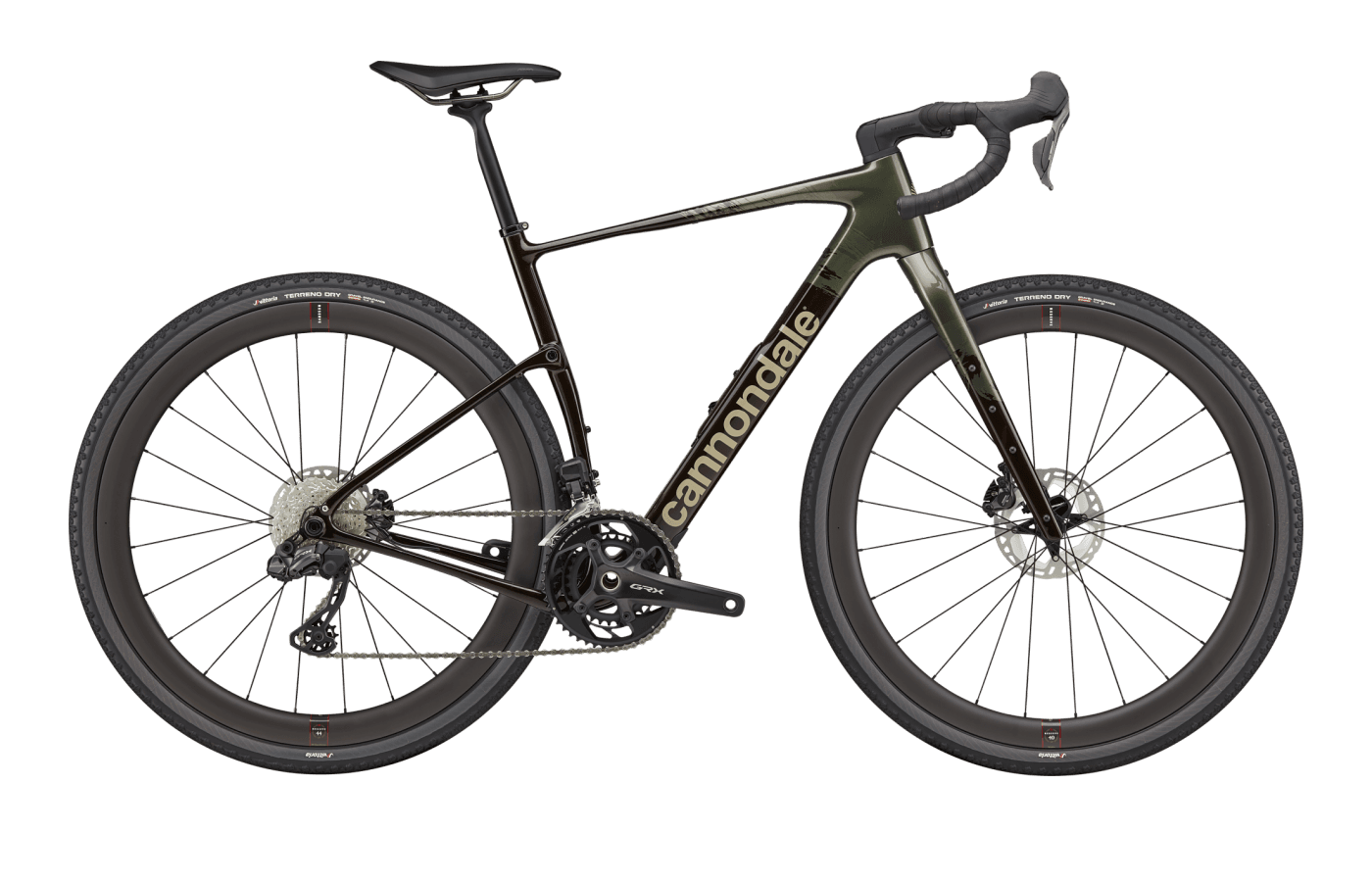
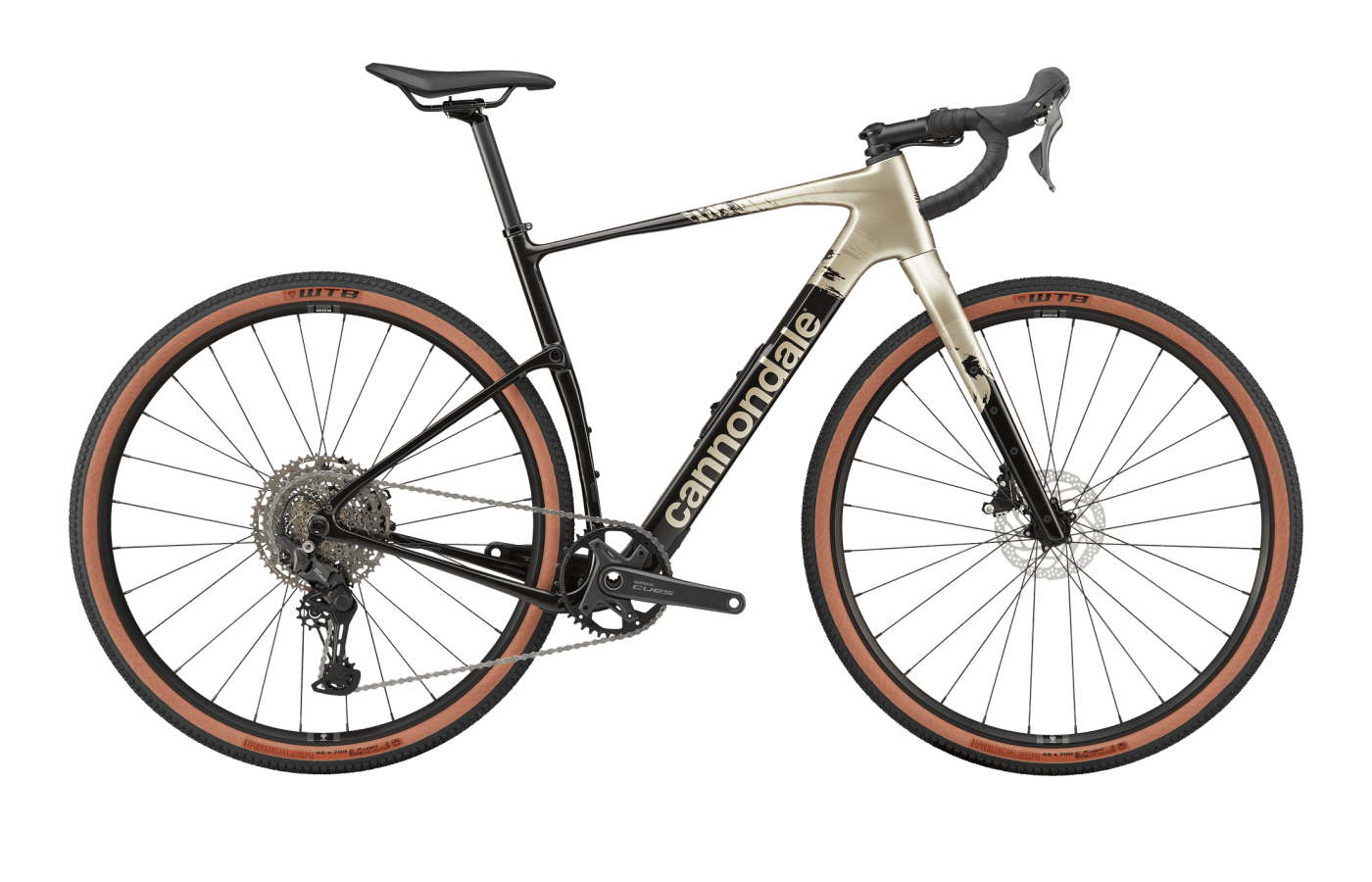
The Topstone Carbon lineup is split between rigid fork models and those featuring the Lefty Oliver suspension fork. The rigid builds start with accessible mechanical Shimano GRX and CUES drivetrains, offering excellent value for riders who want the KingPin frame's comfort alongside maximum tire clearance—up to 56 millimeters in the front. These entry-level and mid-tier options utilize reliable alloy wheels from WTB or DT Swiss and standard alloy cockpits.
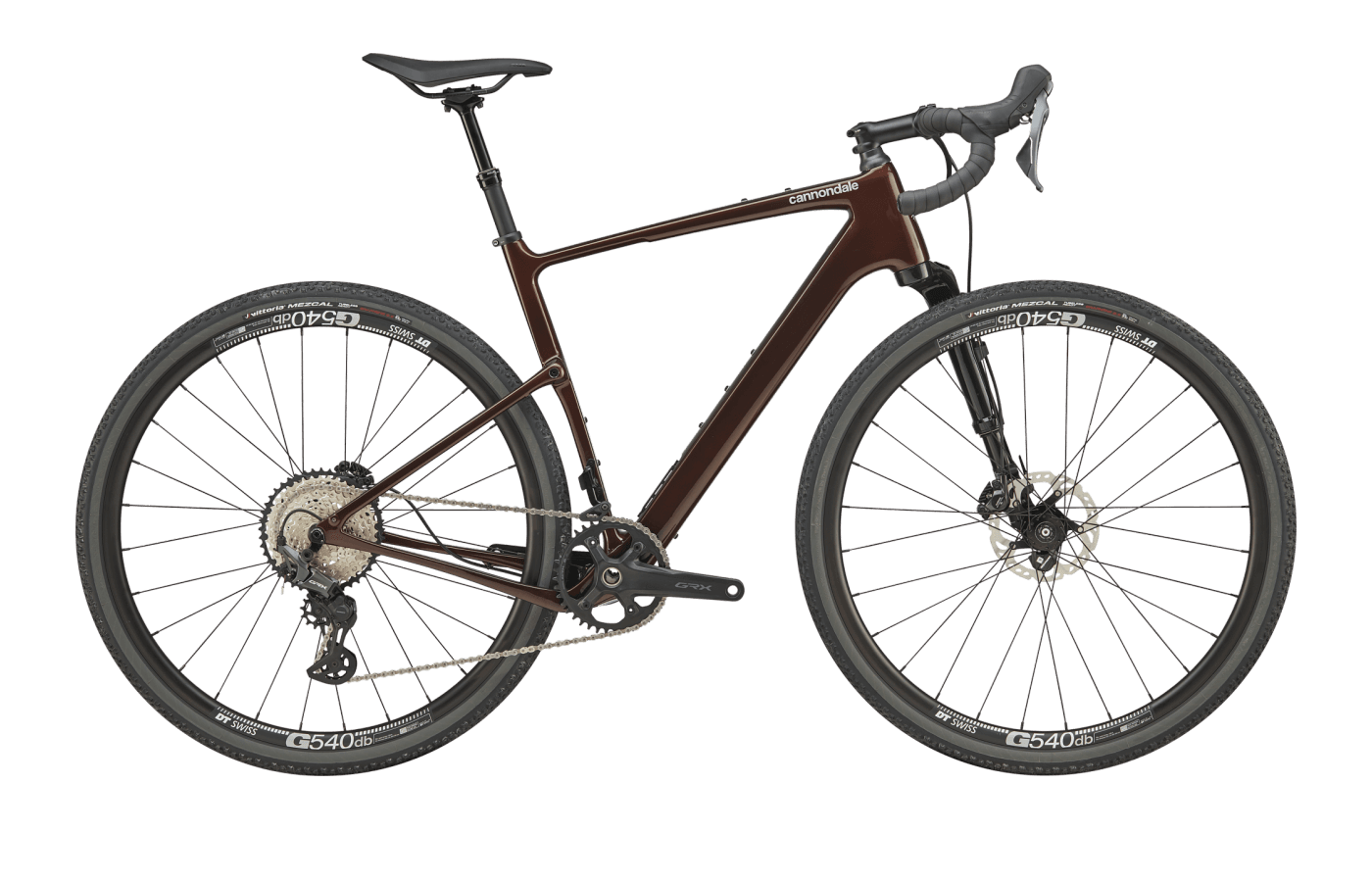
Moving up the ladder introduces electronic shifting from SRAM and Shimano, alongside the Lefty Oliver fork. The Lefty-equipped models cater to riders tackling severe washboard and rocky doubletrack, though they require proprietary front hubs and limit front tire clearance. Premium builds feature SRAM AXS mullet drivetrains, pairing road shifters with wide-range mountain bike rear derailleurs and cassettes for steep off-road climbing. At the top of the range, Cannondale specifies Reserve carbon wheels, which significantly reduce rotational weight and improve aerodynamic efficiency. While the high-end models deliver a luxurious ride, some reviewers noted that the mid-tier Lefty builds omit features like a power meter, which is occasionally expected at that price point.








From the press.
9 reviews from the cycling press.
Reviewers consistently praise the Topstone Carbon for its exceptional comfort and high-speed stability on rough gravel, though opinions diverge on its efficiency during hard efforts. The KingPin rear suspension is widely celebrated for absorbing harsh chatter while maintaining traction on loose climbs. Many testers found the system unobtrusive, noting it feels "completely unnoticeable when standing on the pedals and starting a sprint" (YouTube). However, some riders detected a slight bobbing sensation on smooth pavement, describing it as an "unwelcome energy suck" (Theradavist) when climbing out of the saddle.
Models equipped with the updated 40-millimeter Lefty Oliver fork earn high marks for their descending prowess. The fork is lauded as "wildly stiff, light, and responsive" (Bike Rumor), effectively muting washboard surfaces and allowing riders to carry more momentum through corners. Despite this capability, testers caution that the bike is not a drop-bar mountain bike replacement. On steep, technical singletrack, the geometry can feel "too short and tight to really instill confidence" (Velo). Additionally, several reviewers pointed out that the Lefty fork limits front tire clearance to 47 millimeters, which some felt was a restrictive tradeoff for a suspension-equipped adventure bike.
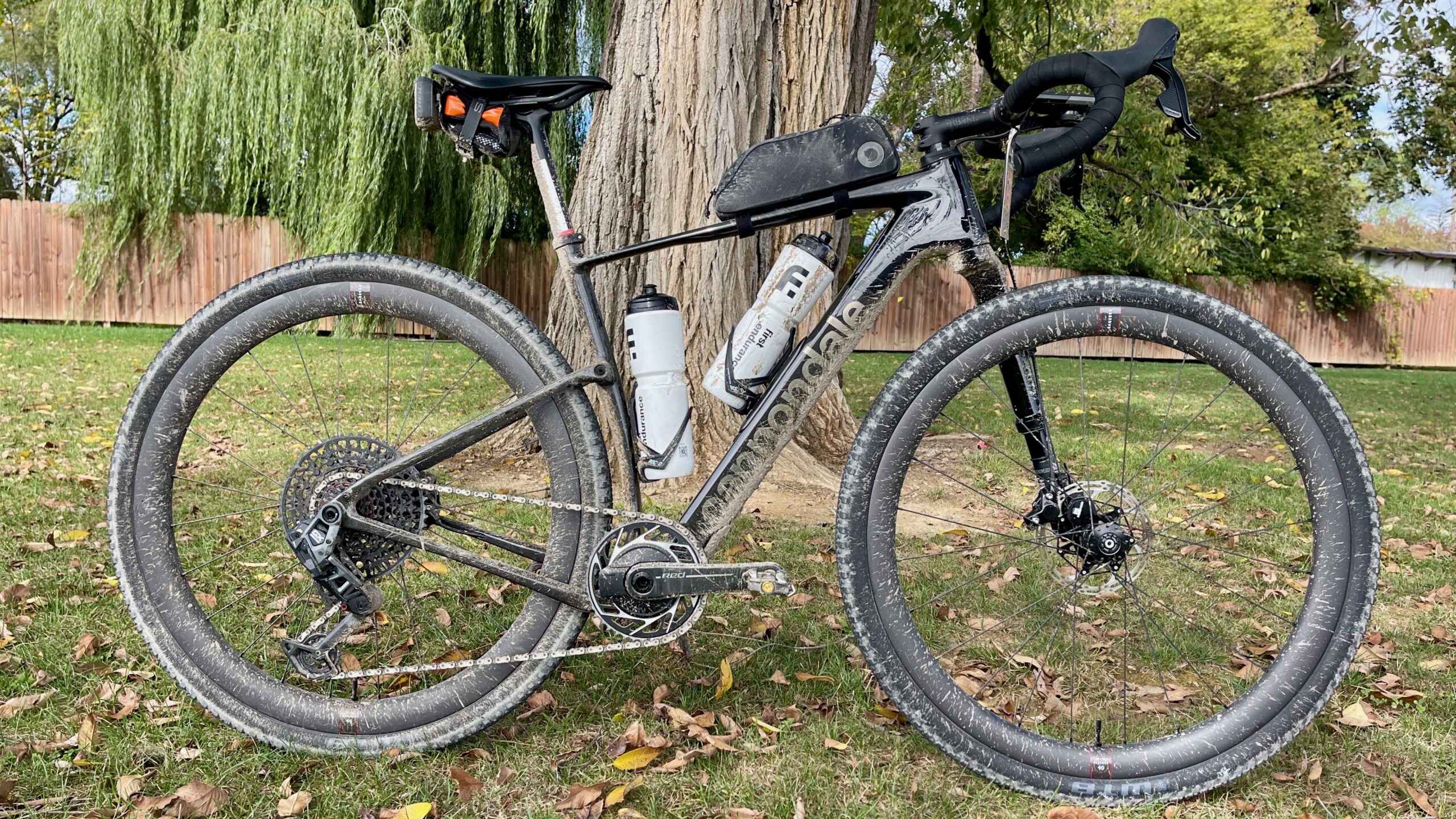
Review: Cannondale Topstone Lefty — Gravel’s Chaos Machine
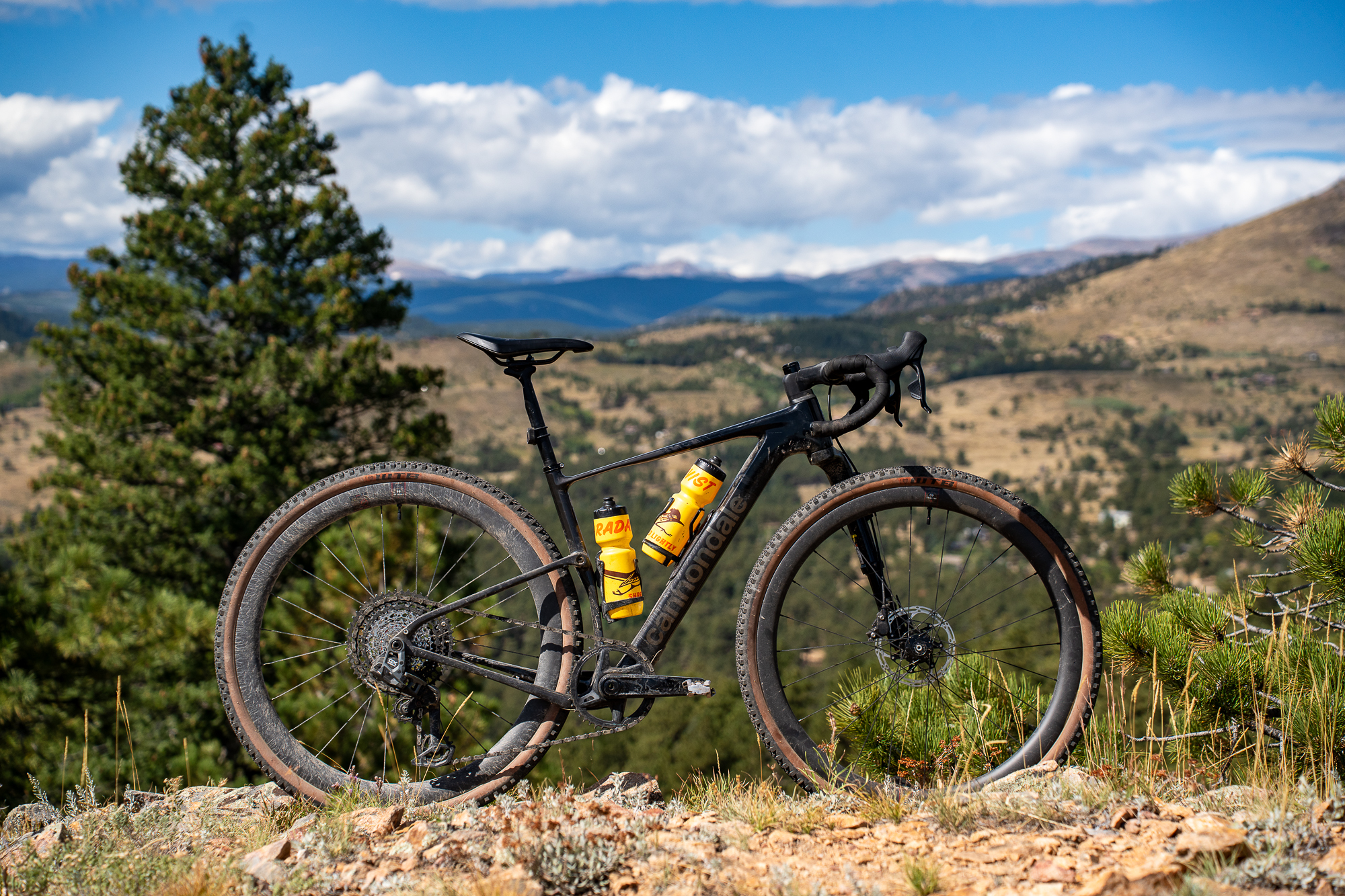
The Radavist
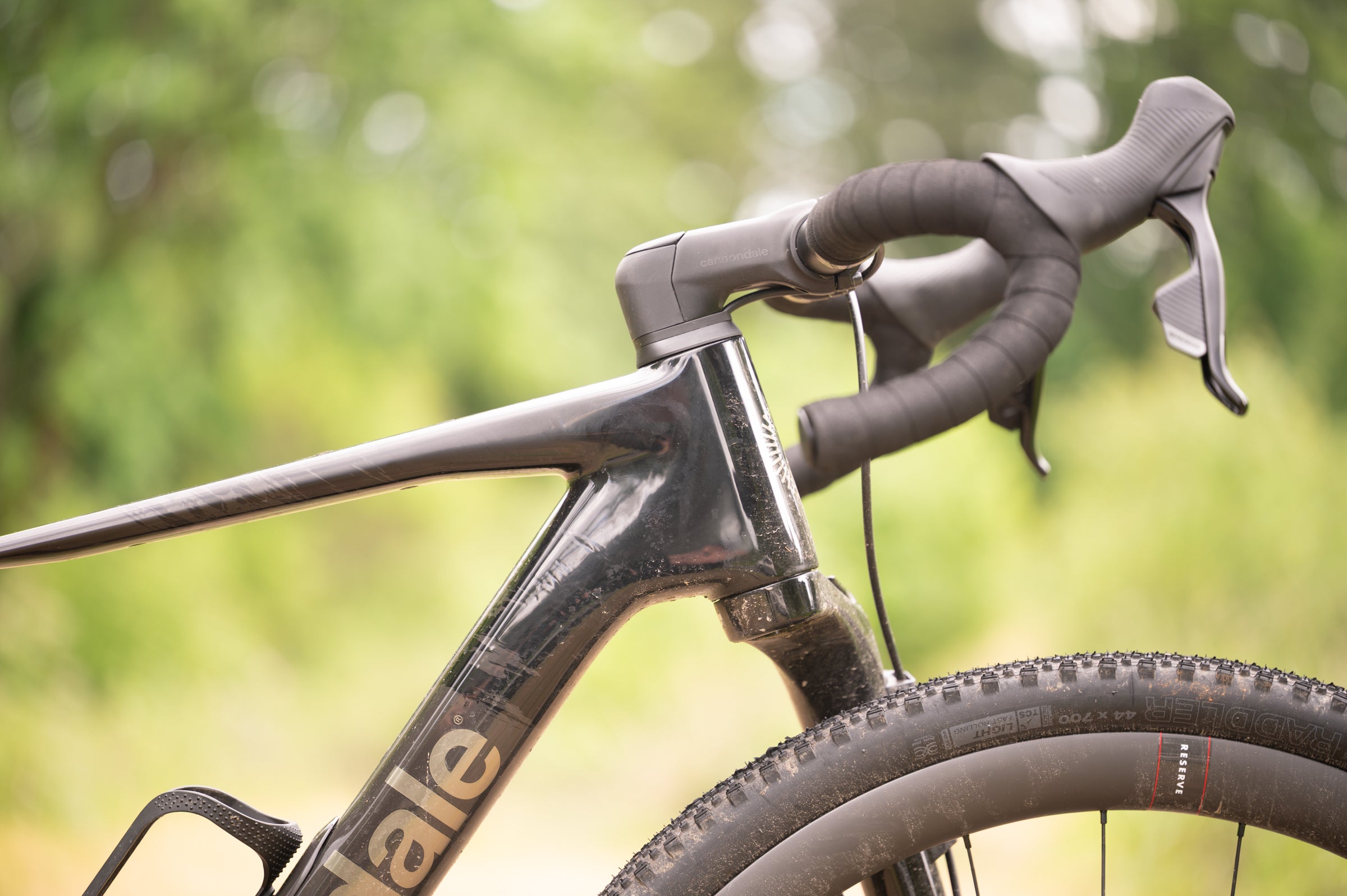
First Ride: Ignore the Marketing, the Topstone Lefty Is Cannondale's Real Gravel Race Bike
Test: Cannondale Topstone Carbon 3 GRX - the new, 3rd ...
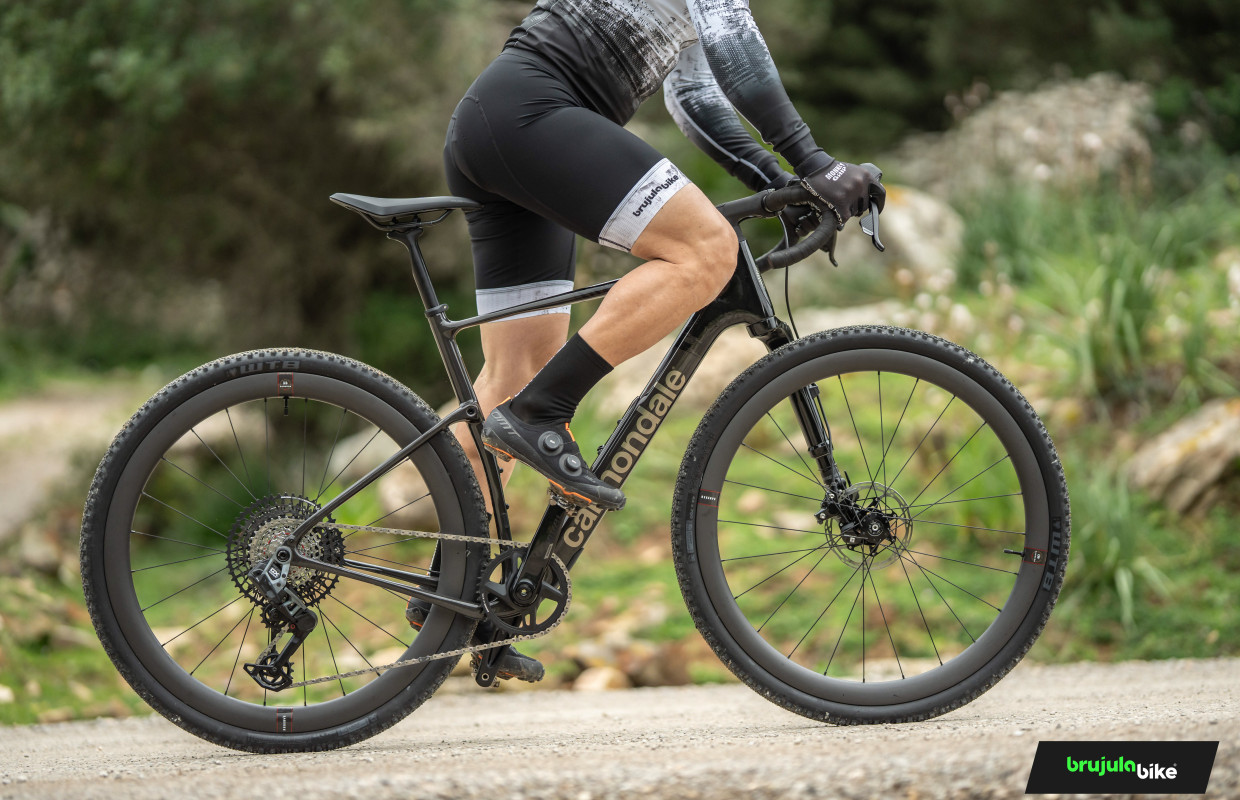
We tested the new Cannondale Topstone Carbon 2025
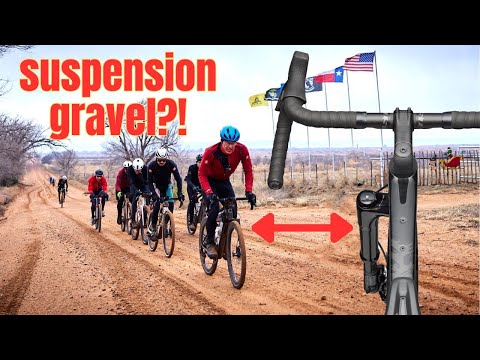
New Cannondale Topstone Lefty tested at Valley of Tears
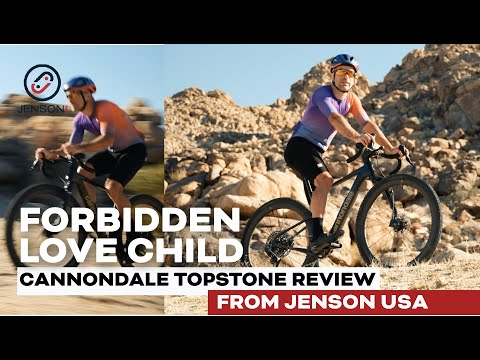
Cannondale's New Endurance Gravel Bike! 2025 Cannondale Topstone Review
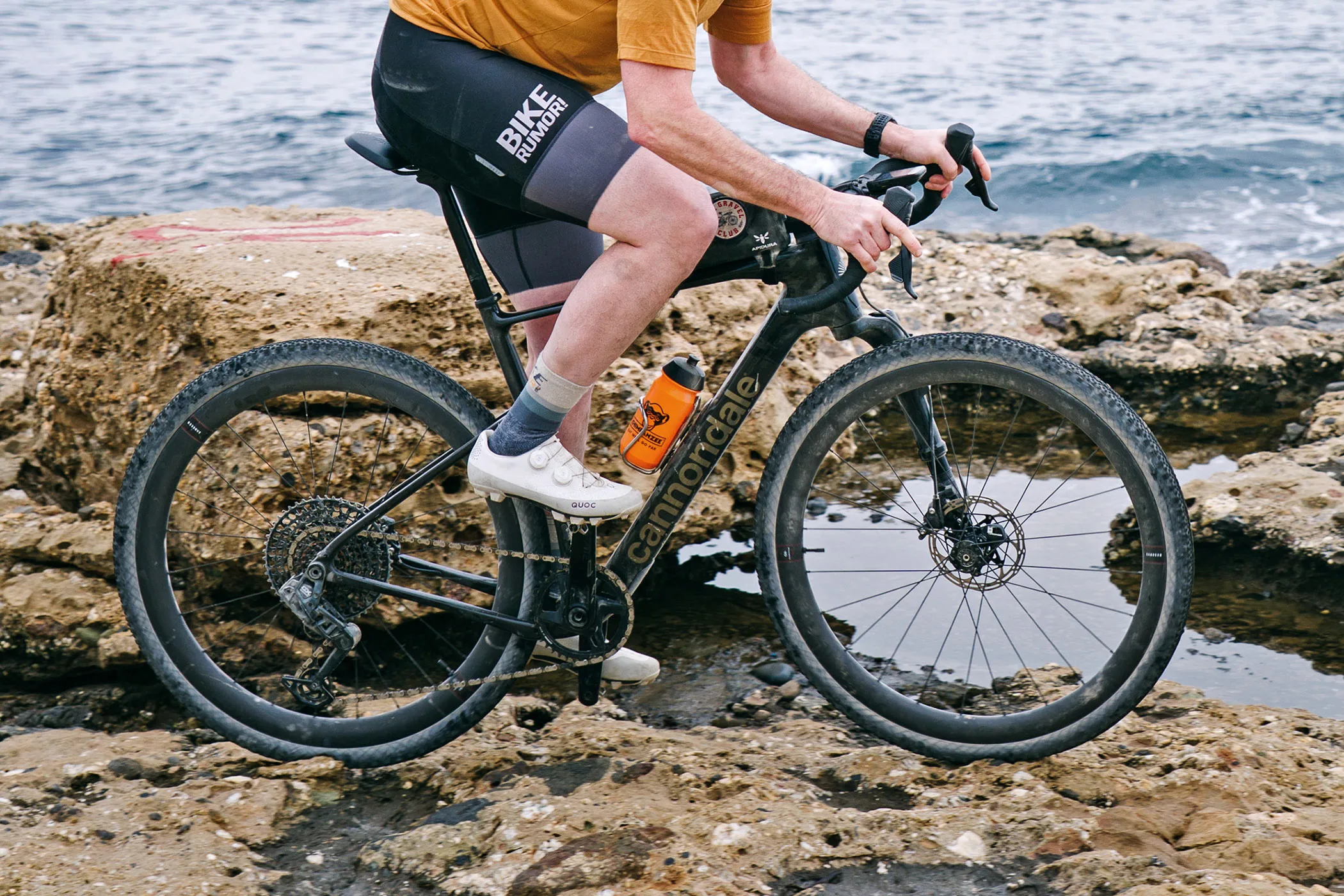
All-New Cannondale Topstone Carbon Gravel Bike Goes Further with More Travel & Comfort
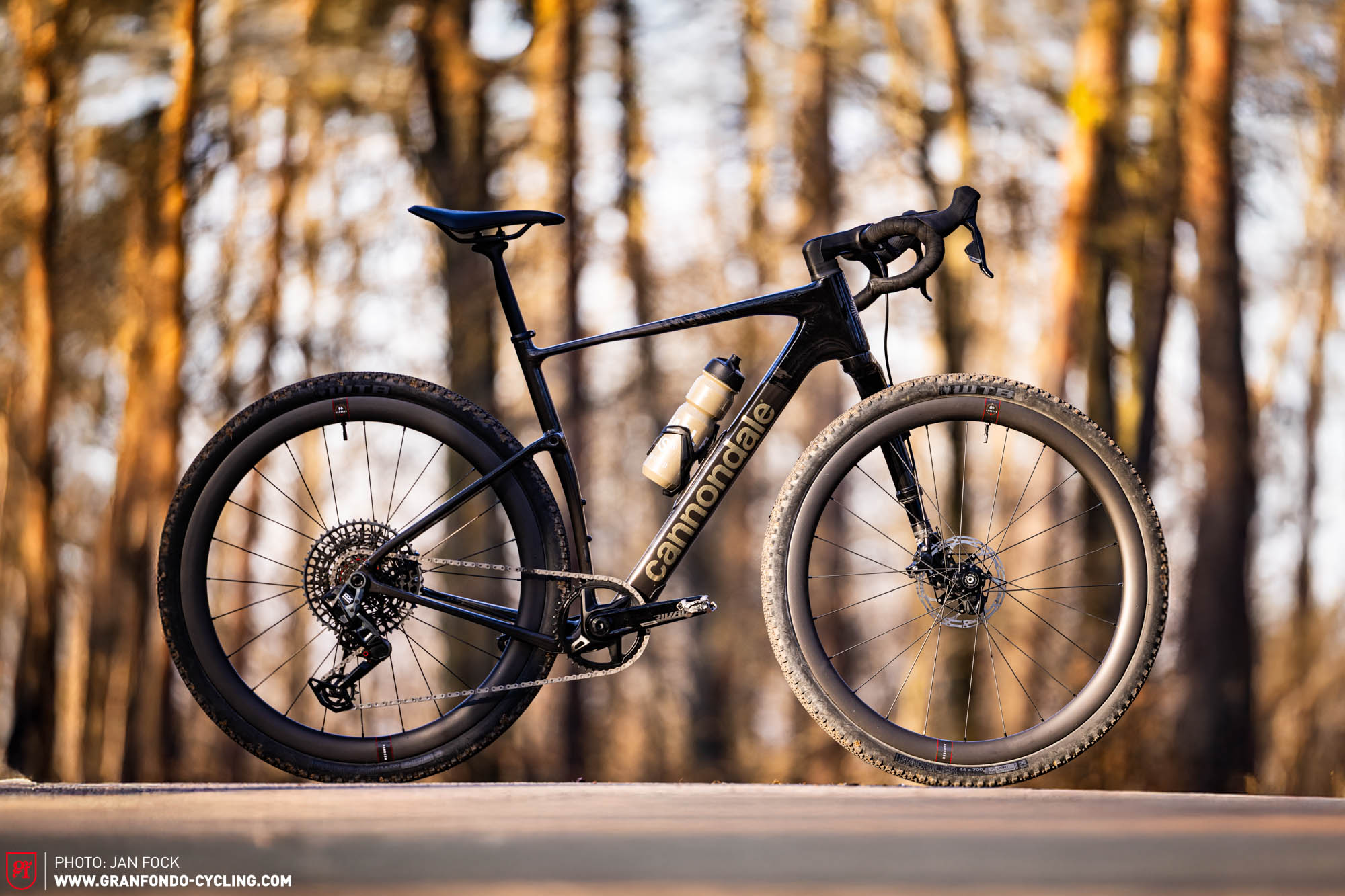
2025 Cannondale Topstone Carbon – First Ride Review
Compared to.
Most-viewed comparisons.