Topstone Alloy
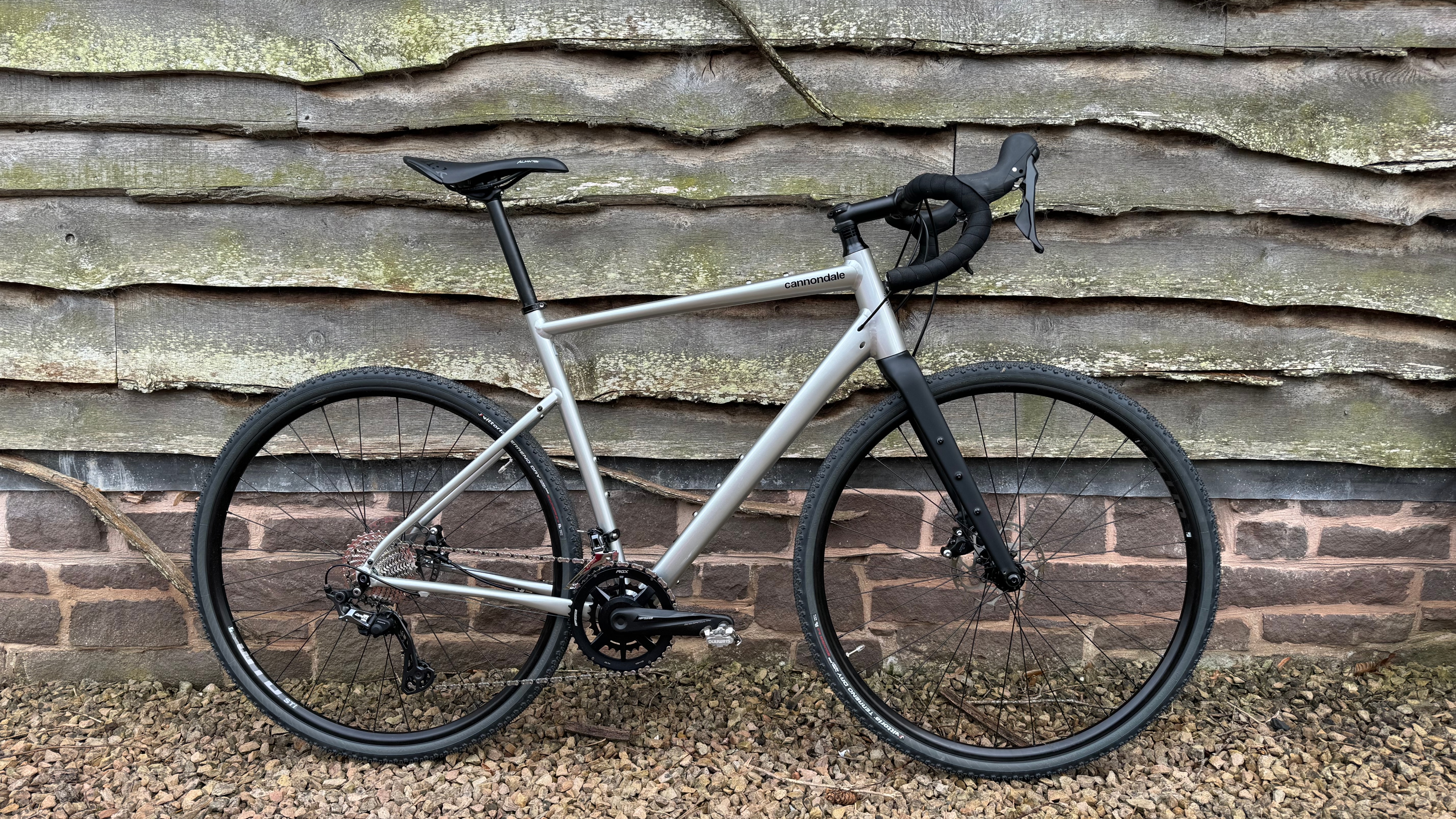
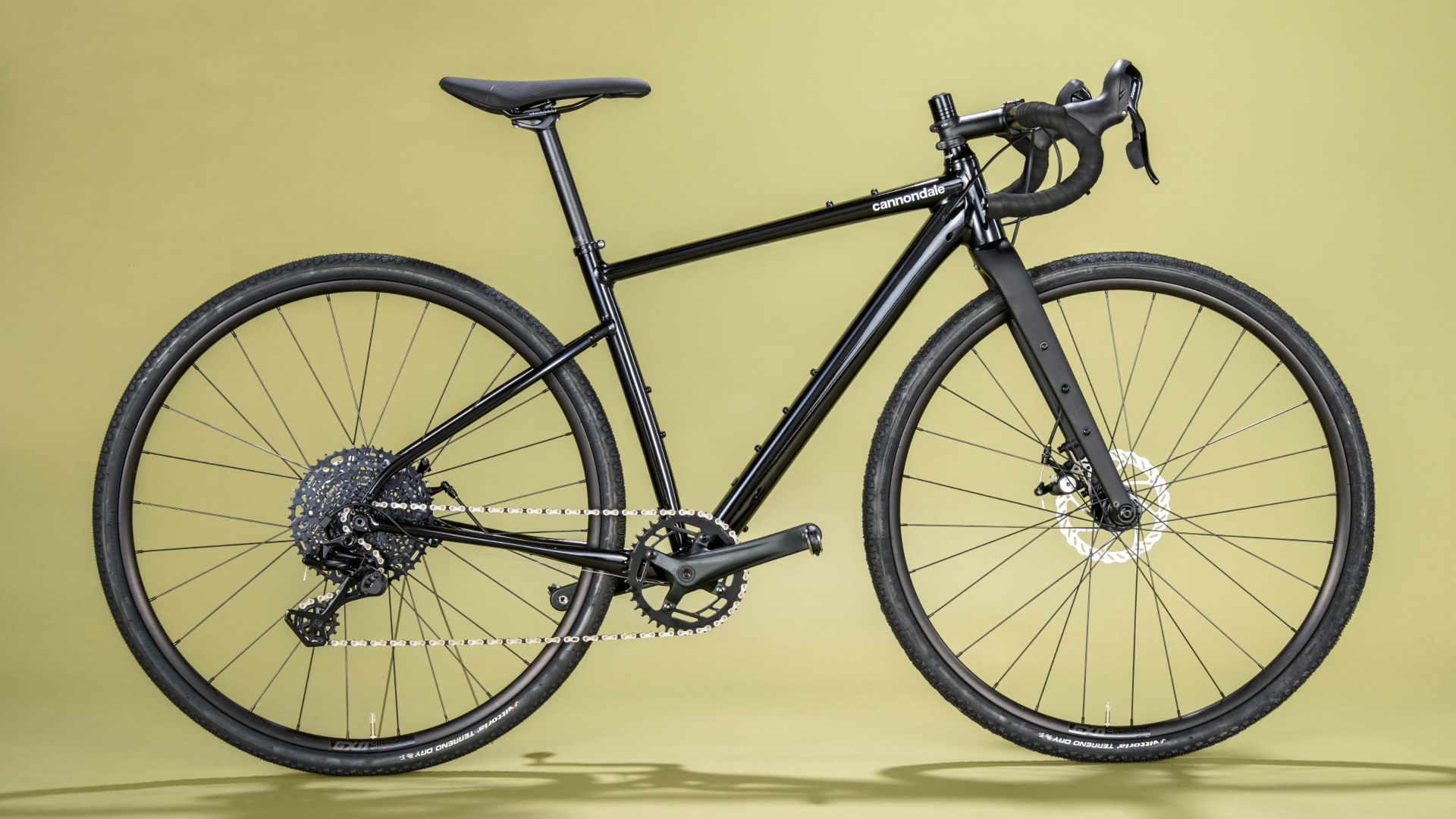
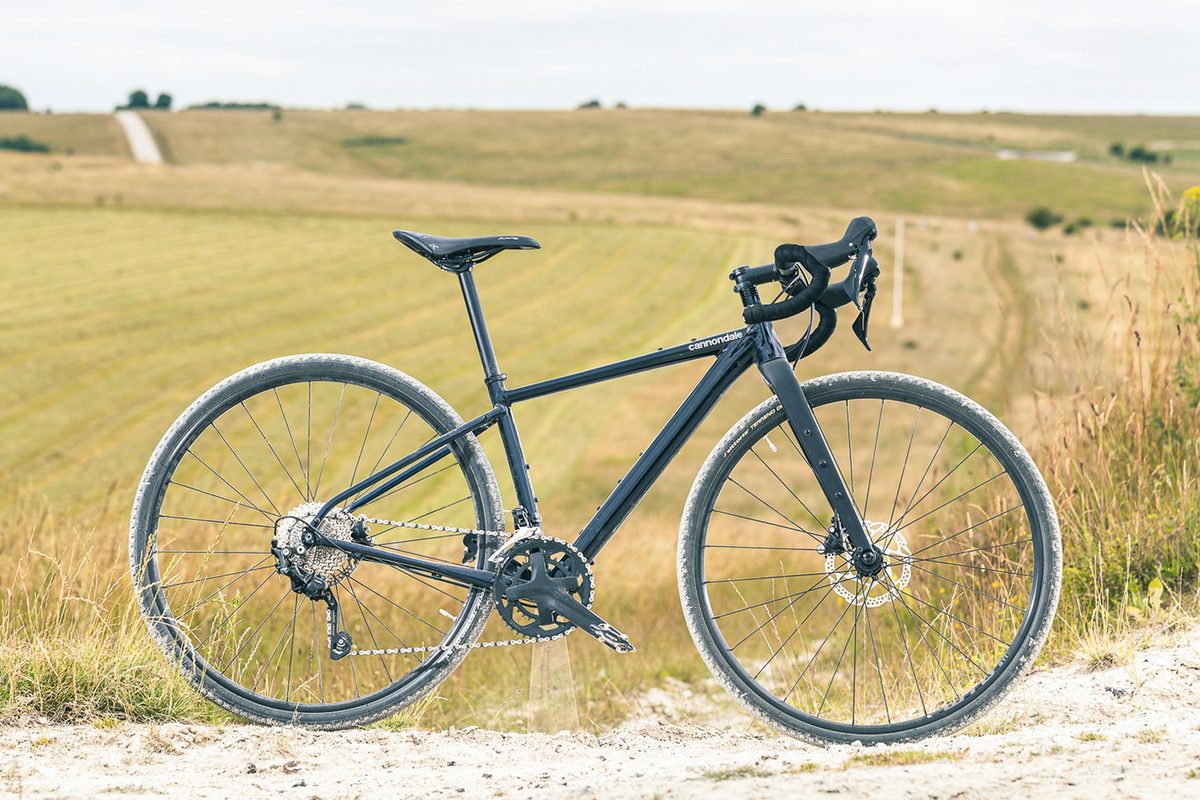
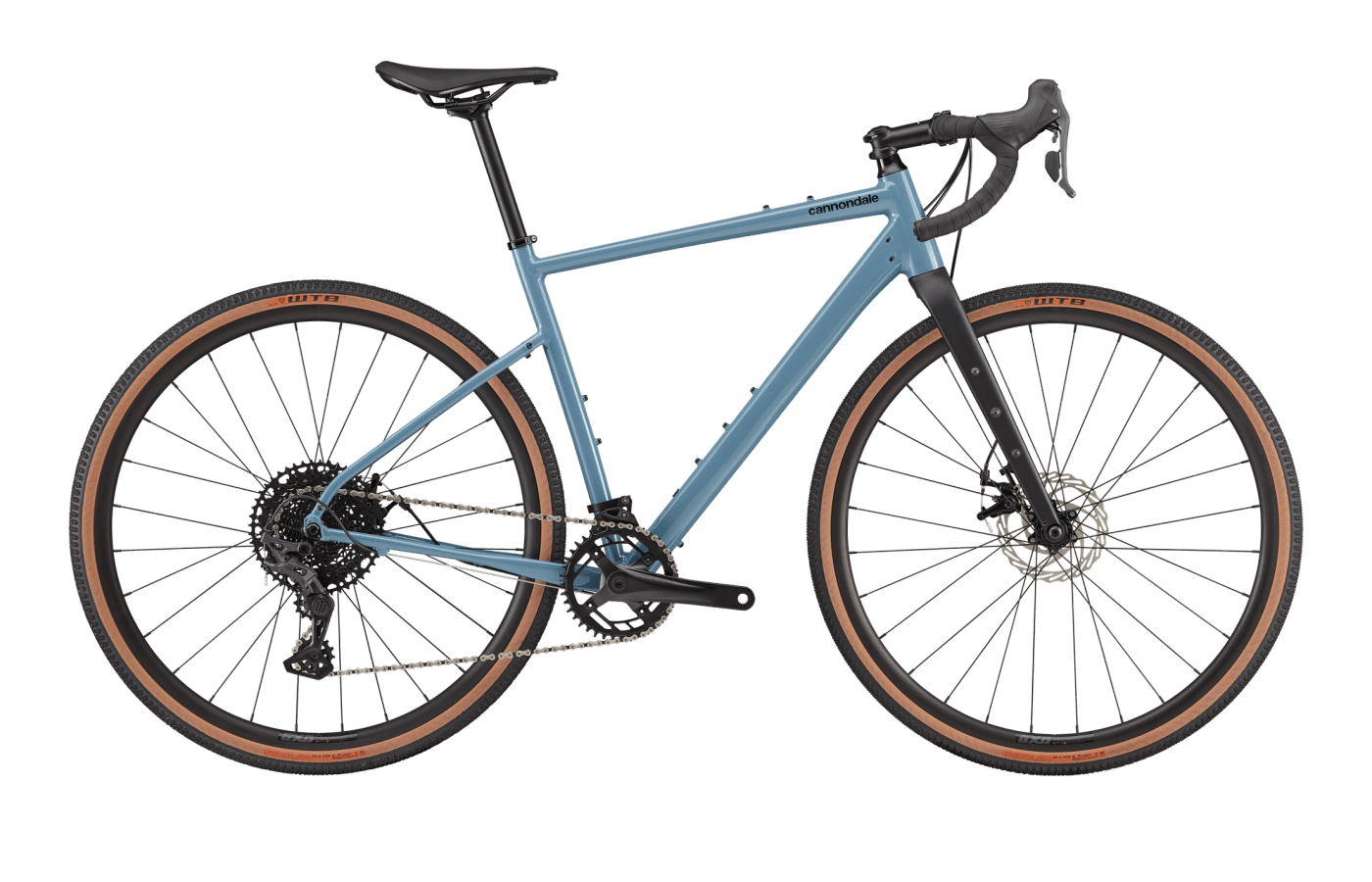
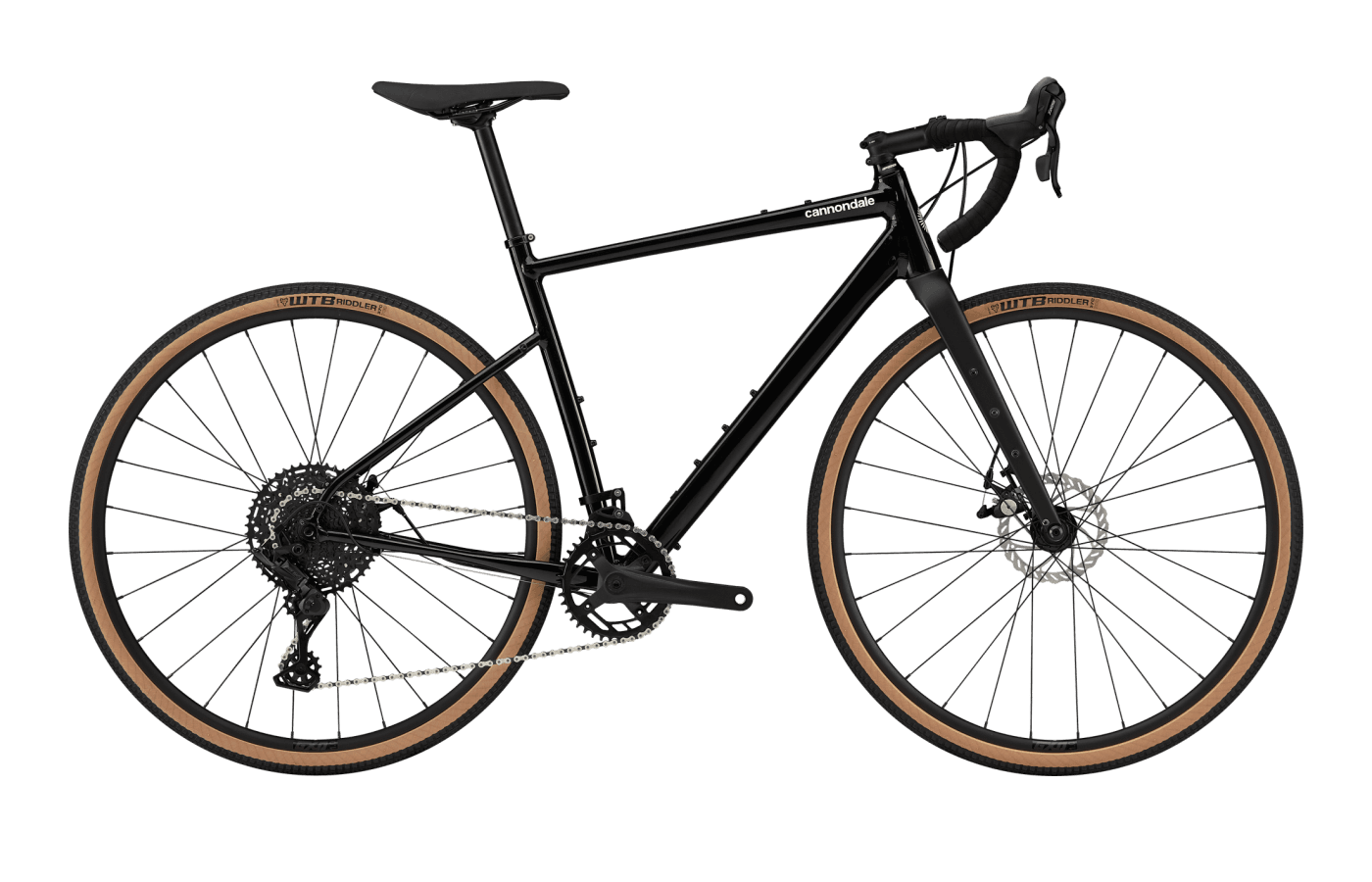
The Cannondale Topstone Alloy is an adventure-leaning gravel bike designed to balance daily utility with off-road exploration. Redesigned for 2022, this generation introduces a modernized silhouette with dropped seatstays while retaining the platform's accessible, utilitarian focus. Built around a SmartForm C2 aluminum frame and a full carbon fork, it skips the complex Kingpin rear suspension found on the carbon models in favor of straightforward reliability.
The updated frameset expands tire clearance to 45mm and adopts a threaded BSA bottom bracket for easier maintenance. It also heavily leans into cargo capacity, adding triple-pack mounts on both fork legs and a forward-facing crown eyelet for dynamo lights or fenders. Positioned as a versatile workhorse, the Topstone Alloy suits riders looking for a durable machine that can transition smoothly from winter road commuting to weekend bikepacking trips.
Geometry & fit.
5 sizes published.
The Topstone Alloy is built around Cannondale’s OutFront steering geometry, which pairs a slack head tube angle (70 to 71 degrees, depending on size) with a long 55mm fork offset. This approach pushes the front wheel further forward, eliminating toe overlap and creating a highly stable front end at speed, while keeping the steering input feeling light and responsive on tight trails.
Rider posture leans toward the relaxed and upright end of the gravel spectrum, making it well-suited for long days in the saddle or navigating traffic on a commute. A consistent 73.1-degree seat tube angle across all sizes helps keep the rider's weight centered over the rear wheel, which aids traction on steep, loose climbs.
The cockpit setup reinforces this off-road control, utilizing a Cannondale 3 alloy handlebar with a 16-degree flare. This flared drop provides a wider, more secure stance for descending without forcing an overly aggressive position on the hoods. Stem lengths scale proportionally, ranging from 80mm on the extra-small frames to 100mm on the large and extra-large sizes.
Where the handlebar sits relative to the bottom bracket — the single most important fit pair.
01Fit geometry6 values
03Handling geometry9 values
Which size should I buy?
Slide your height to see the recommended size. GearWise's fit algorithm works from the published stack, reach, and ETT — the brand's own recommendation may differ.
→Calculated from GearWise's own stack / reach / ETT algorithm — the brand's size chart may recommend a different size, and a proper bike fit beats any calculator.
The lineup.
8 builds, ranging $1,375 – $2,699.
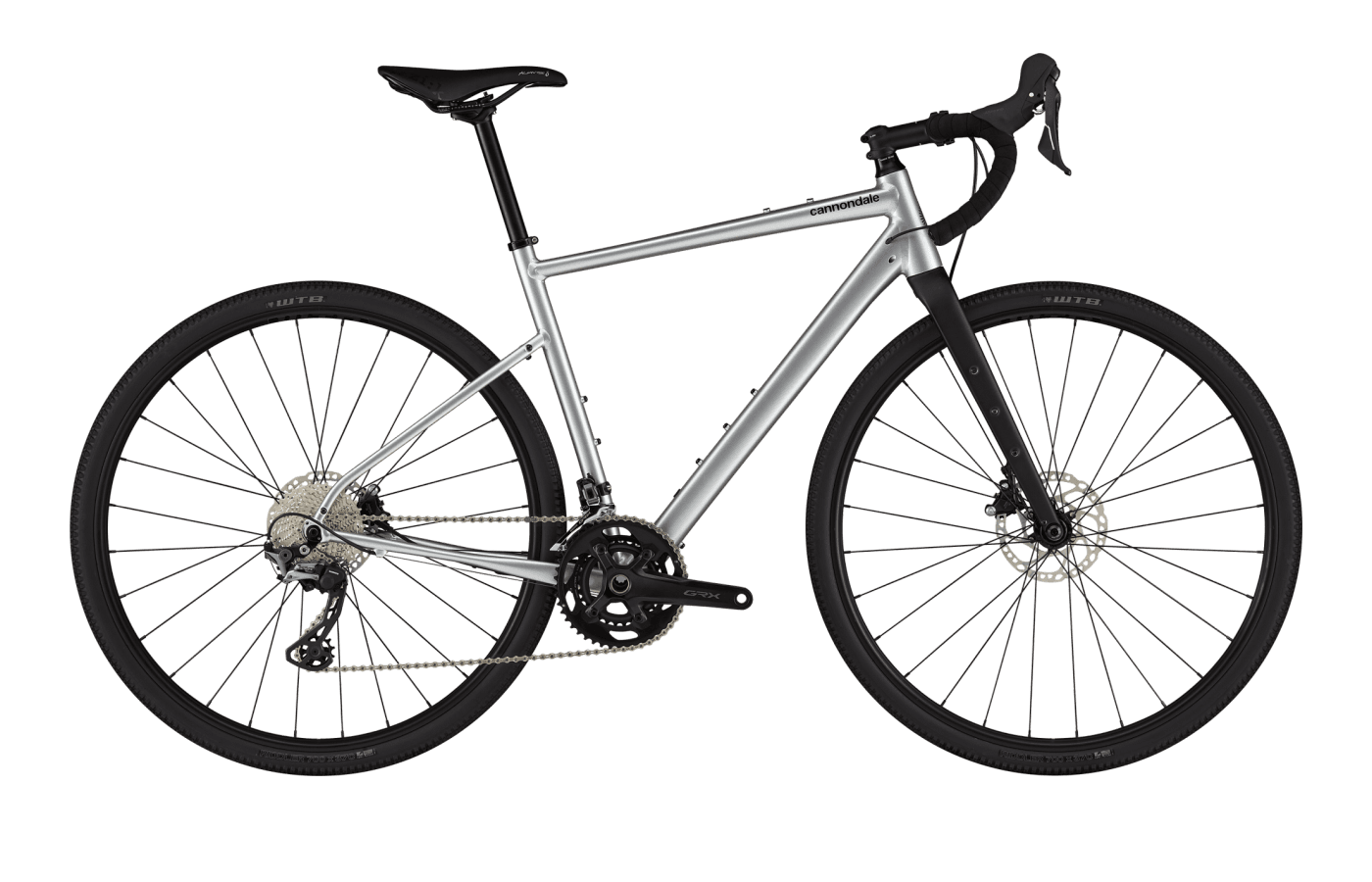
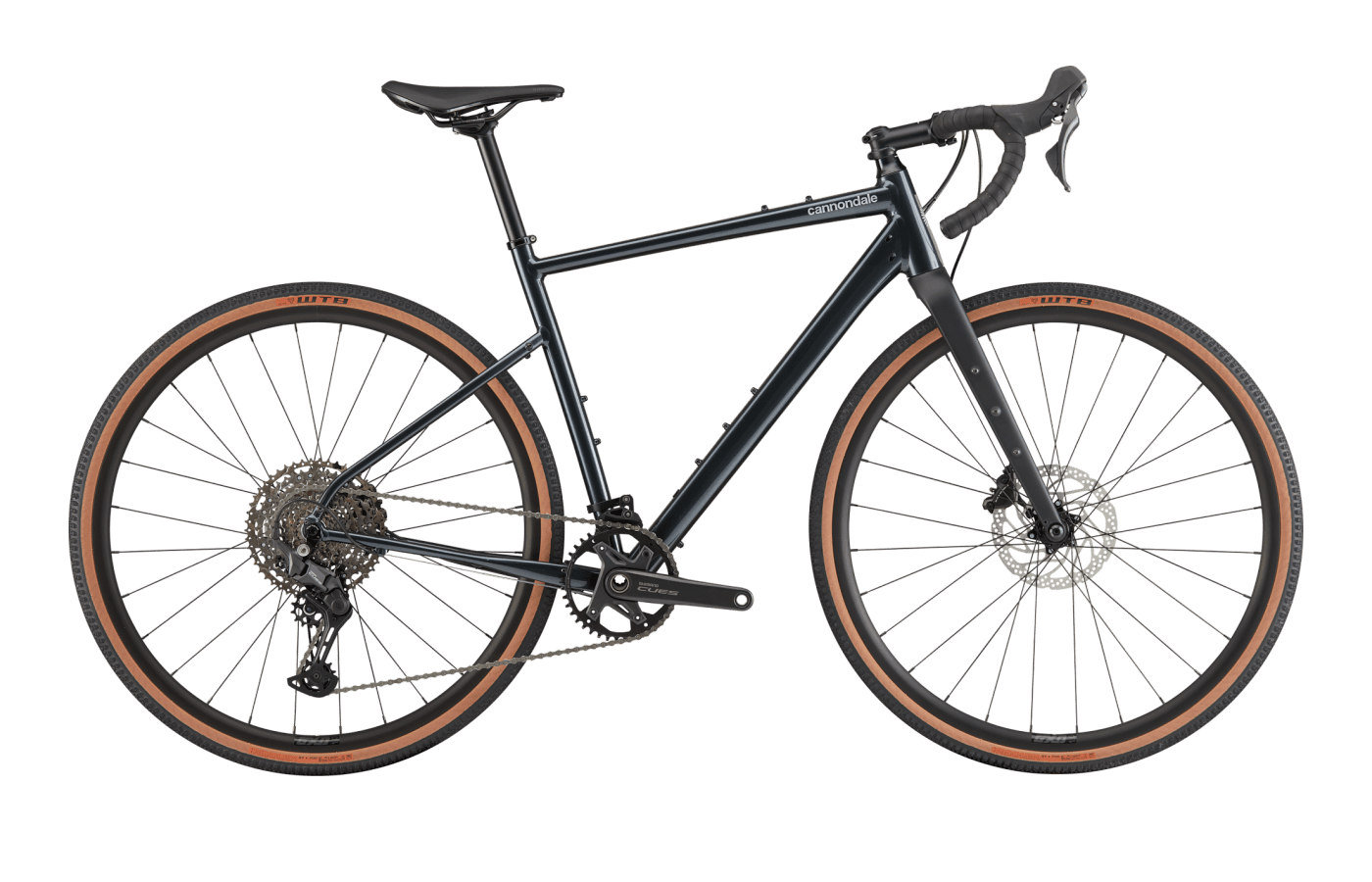
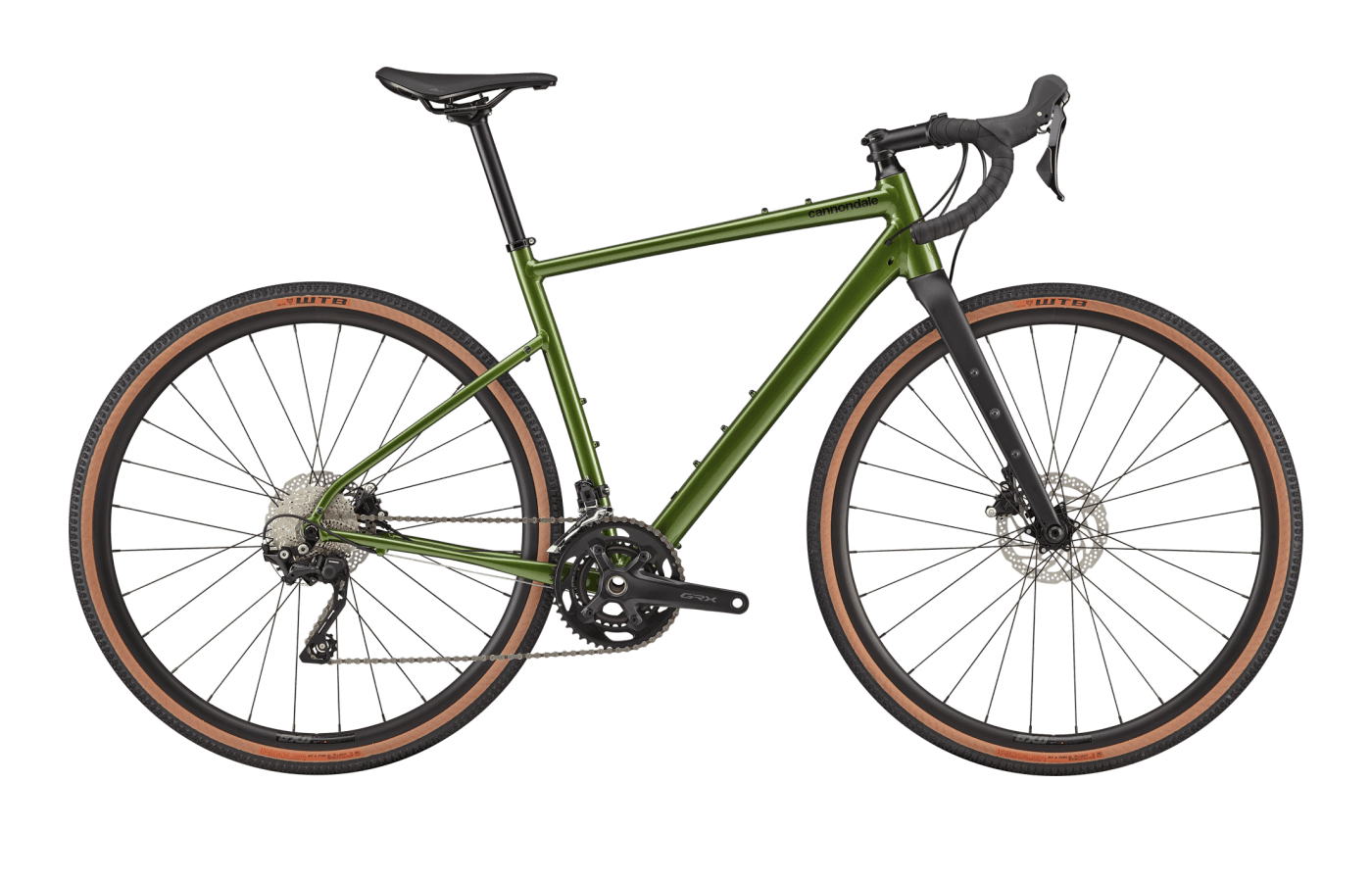
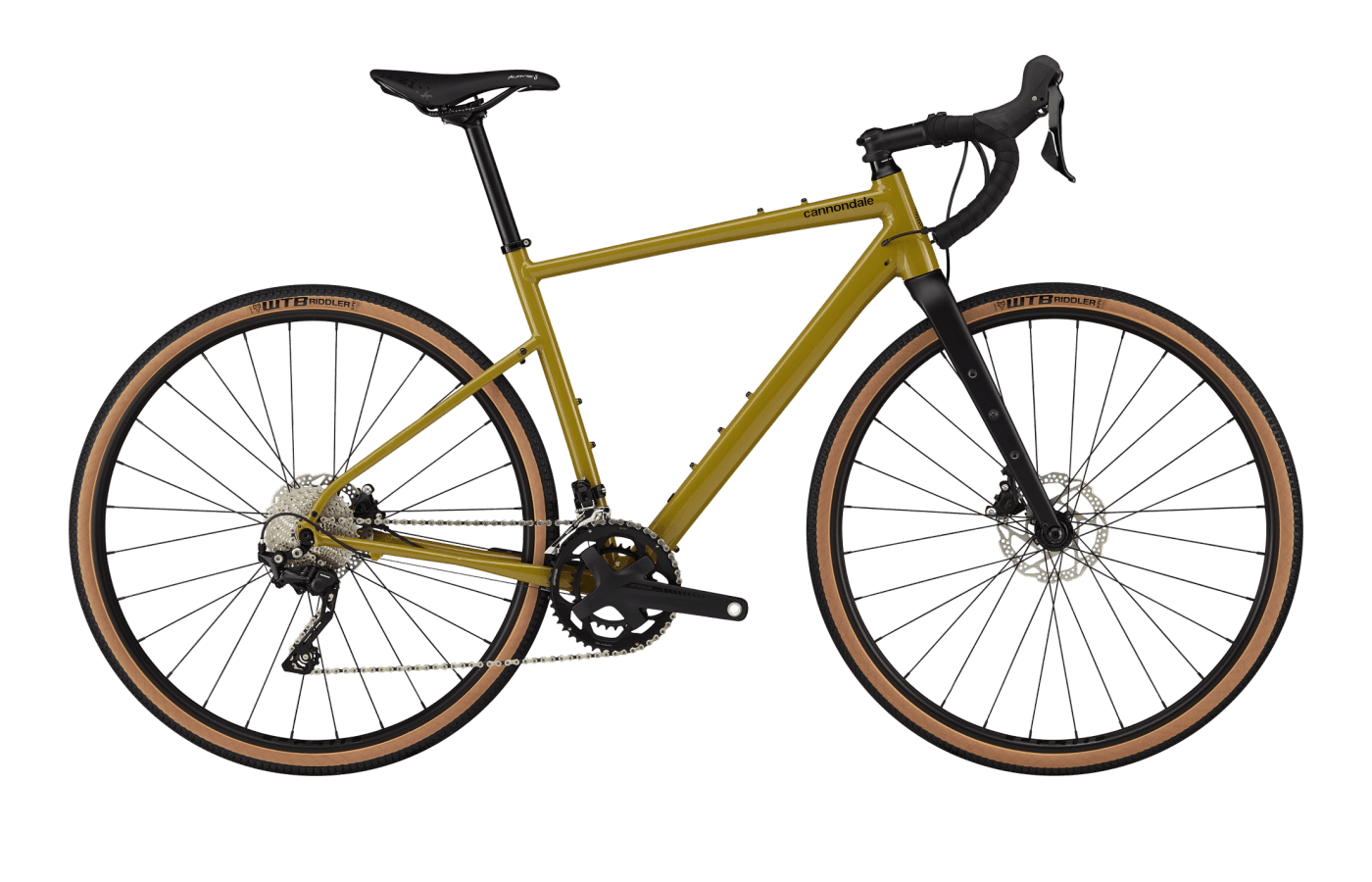
The Topstone Alloy lineup spans eight builds, cleanly dividing into entry-level mechanical options and mid-to-upper-tier hydraulic setups. The range starts with the Topstone 4 and 3, which utilize 10-speed microSHIFT Advent X or 9-speed Shimano Sora drivetrains paired with Promax mechanical disc brakes. These lower-tier builds offer a pragmatic, budget-friendly entry point, though they lack the stopping power of hydraulic systems.
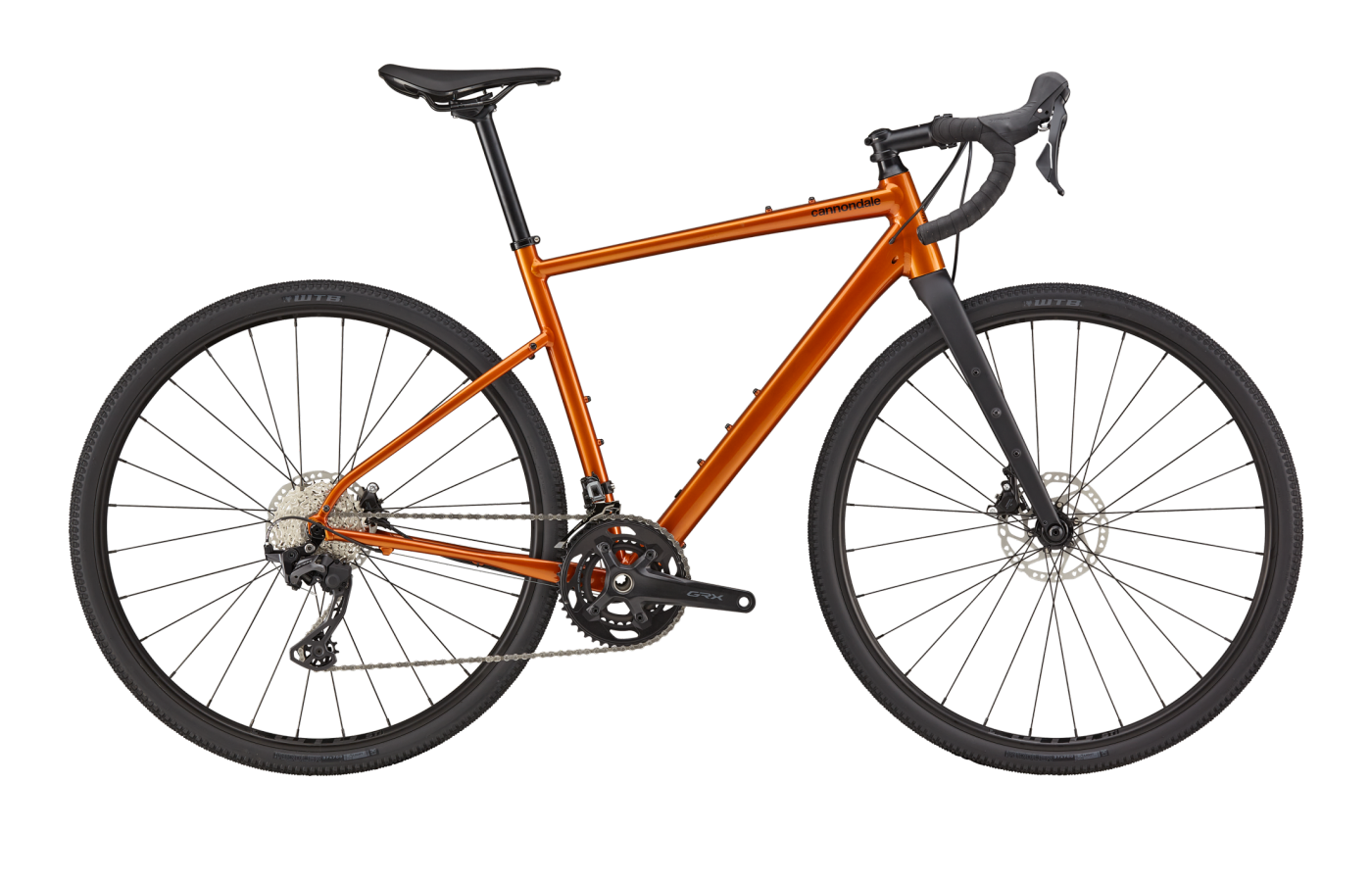
Moving up to the Topstone 2 and 1 introduces significant component upgrades. These models switch to hydraulic disc brakes and higher-tier drivetrains, including Shimano CUES 11-speed, GRX 400 10-speed, and GRX 800-series 11- or 12-speed setups. The GRX-equipped models feature clutch rear derailleurs, which materially improve chain retention and reduce noise on rough descents.
Across the board, the bikes roll on 700c aluminum wheelsets—typically WTB ST i23 or Cannondale GXD 1.0 rims—wrapped in 35mm or 37mm tires from WTB or Vittoria. While the frameset is compatible with internally routed dropper posts, all stock builds utilize rigid 27.2mm alloy seatposts. The frame accommodates 1x and 2x drivetrains, and Cannondale offers both configurations throughout the build ladder.


From the press.
3 reviews from the cycling press.
Reviewers generally agree that the Topstone Alloy excels on mixed-surface commutes, fire roads, and light trails, though it shows its limits on highly technical terrain. The bike is frequently praised for its predictable handling, with one tester noting it feels "very stable over all kinds of terrain" (Cycling Weekly). On smooth dirt and tarmac, the stiff aluminum chassis transfers power efficiently, creating a "nippy and fast-rolling build" (BikeRadar) that maintains momentum well.
However, that same frame stiffness presents a clear tradeoff in ride comfort. Testers caution that the rigid rear triangle can be unforgiving on rocky, bumpy surfaces, occasionally "jolting you around in the saddle" (Cycling Weekly). While the carbon fork helps mute front-end vibrations, the stock 35mm and 37mm tires are often cited as a limiting factor for rougher riding.
To maximize the frame's off-road potential, multiple reviewers recommend upgrading to wider rubber. The stock semi-slick tires roll fast on the road but lack bite in wet mud. Despite this, the overall consensus points to a highly capable, pragmatic platform. Even the budget-focused models are well-regarded, with the steering described as "light and agile" (Cycling Weekly) regardless of the component tier.